
Post Date: November 12, 2026 |
Last Edited: November 12, 2026
Key Highlights
|
Historical Defects On Cladding Remediation Projects: Why Aren’t We Making Better Provision?
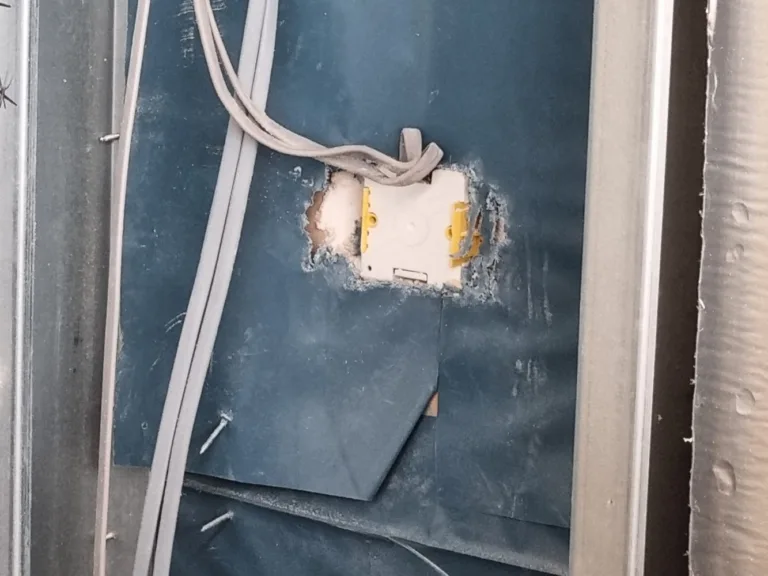
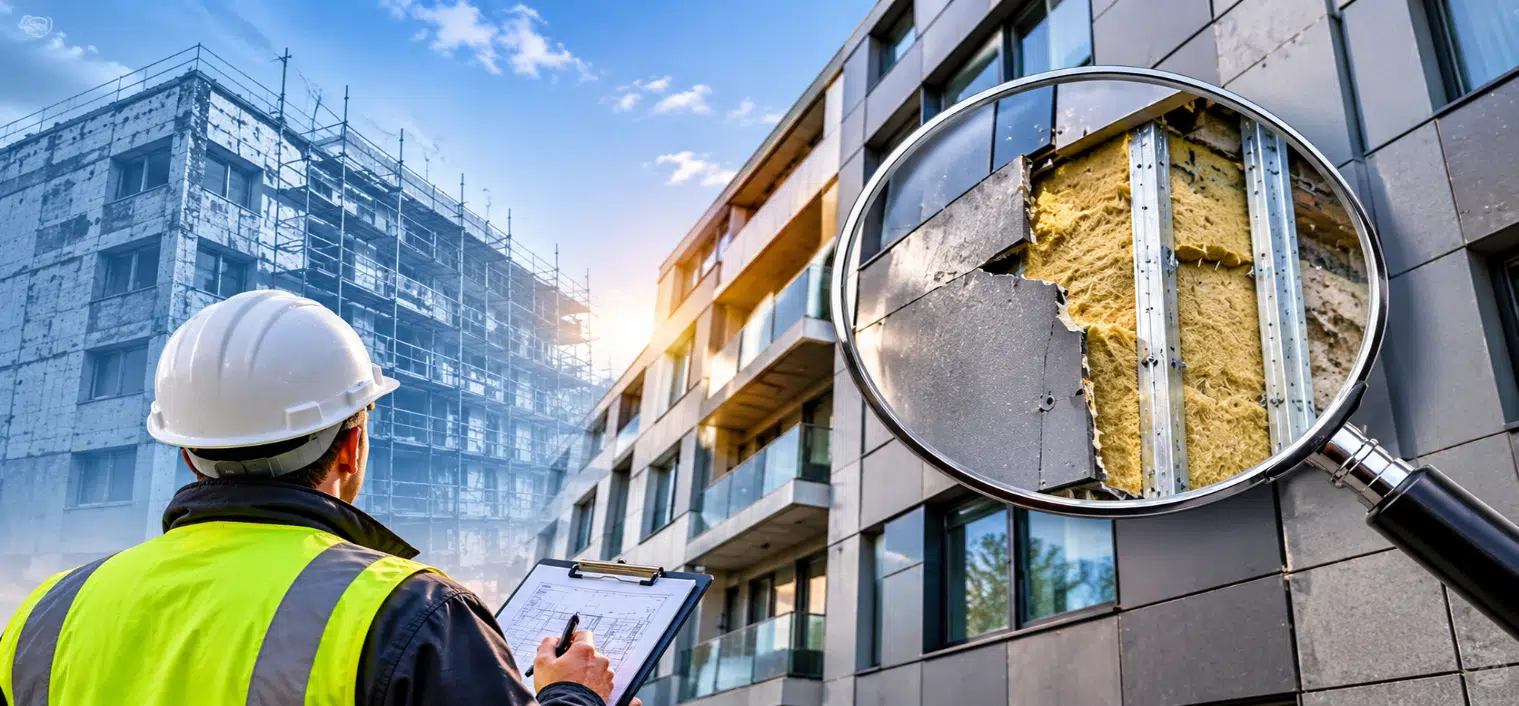
Removing unsafe cladding can expose much more than the condition of the external wall system. It can reveal concealed construction defects that have existed for years, raising questions about the safety of the building and the scope of the work needed.
For me, this raises an important question: how well are we planning for historical defects discovered during cladding remediation, particularly when they fall outside the original contract?
As a Clerk of Works and CEO of the Association of Construction Quality Professionals, I believe these discoveries deserve a clear process, an accountable decision-maker and a route to resolution.
A defect may sit outside the agreed package of works and still have significant implications for the people living in the building.
Once areas are opened up, concerns might include missing or poorly installed fire stopping, incomplete compartmentation, unsuitable cavity barrier arrangements, inadequately secured components or deterioration affecting the supporting construction.
Each finding needs competent assessment. Some will relate directly to the external wall remediation. Others may require a separate investigation or package of work. Their significance depends on the building, the construction details and the risk they present.
Government guidance for assessing higher-risk residential buildings in England recognises the need to consider fire spread, structural failure and how refurbishment can change a building’s risk profile. That assessment extends beyond the appearance of the new façade.
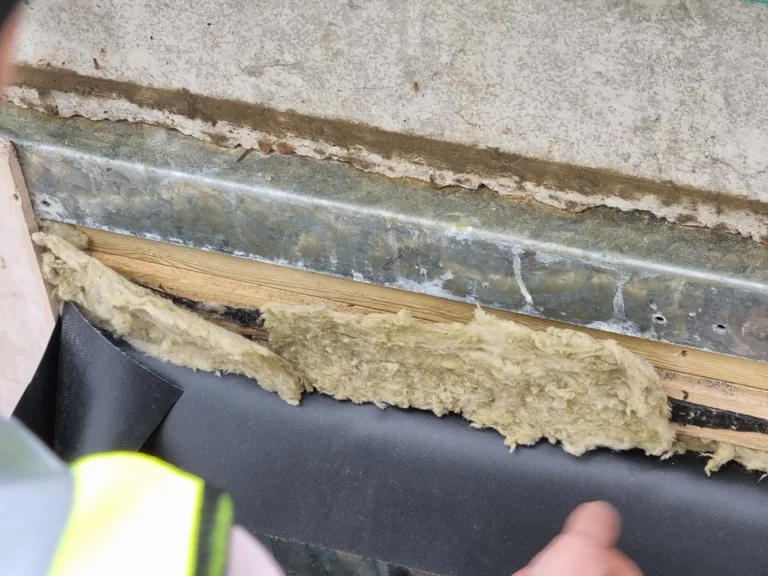
Why Does The Gap Arise?
Part of the difficulty is that funding, contractual responsibility and building safety assessment serve different purposes.
A project needs a defined scope, a budget and an agreed programme. Preliminary investigations may only reveal part of the existing construction. More extensive opening-up can then expose conditions that were not adequately understood when the works were priced.
Funding also has boundaries. In England, the Cladding Safety Scheme funds eligible work addressing life safety fire risks associated with cladding and external wall systems. It excludes general maintenance and other fire safety works unrelated to those risks.
However, it would be wrong to suggest that all historical defects beyond the cladding are excluded from existing arrangements. The developer remediation contract can require signatories to address qualifying historic fire safety defects, including internal defects, in buildings covered by their commitments. The applicable route needs checking for each building.
The practical gap that can arise between discovering a defect and agreeing who will assess it, authorise the response, fund the work and verify its completion.
While those discussions take place, the project programme continues, and residents remain in their homes.


What Should We Be Providing For?
I would like to see a clear procedure for newly discovered defects built into every cladding remediation project from the outset. That should include:
- Proportionate investigation before work starts. Opening-up should help test assumptions about concealed construction and identify areas requiring further assessment.
- An agreed contingency process. Projects need a way to obtain additional investigations, specialist advice and decisions promptly when unexpected conditions emerge.
- A named person responsible for progressing each finding. Every defect should have a location, evidence, an assessment of its significance and a person accountable for taking it forward.
- A clear route for urgent concerns. Potentially serious safety findings need prompt escalation to the appropriate building management and competent professionals, with interim measures considered where necessary.
- Inspection before concealment. Where a finding affects the safety or suitability of the proposed construction, I want to see an agreed assessment and response before it becomes inaccessible behind new work.
- An honest handover record. Records should show what was found, what was corrected, what remains outstanding and who is responsible for the next steps.
These provisions should support proportionate decisions. A maintenance issue, a desirable improvement and a serious safety defect may need very different responses.
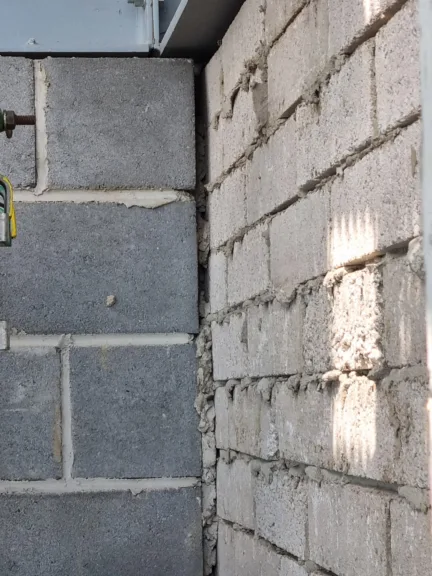
The Value Of Independent Inspection
This is where a competent Clerk of Works can make a valuable contribution: observing the exposed construction, recording concerns, checking workmanship and keeping unresolved findings visible to the project team.
That inspection supports the designers, fire engineers, structural engineers and those responsible for managing the building. It gives them evidence on which to base their decisions.
For occupied higher-risk residential buildings in England, accountable persons have duties to assess and manage risks from fire spread and structural failure in the parts for which they are responsible. The scope of an individual construction contract does not define the full extent of those duties.
Residents deserve to understand what the remediation has achieved and whether further safety work remains.
I believe we should be making better provision for these discoveries before contractors arrive on site. Once a potentially significant historical defect becomes visible, there should already be a clear process for dealing with it.