
Post Date: January 16, 2026 |
Last Edited: January 16, 2026

Organizers of the Tokyo 2020 Olympics have gone for net zero carbon emissions as one of the main concerns in this year’s showpiece event is to mitigate the impacts of high city temperatures on athletes, volunteers and officials. In parallel, organizers are also looking to reduce the footprint of the Games themselves and use their visibility to promote a more sustainable way of life.
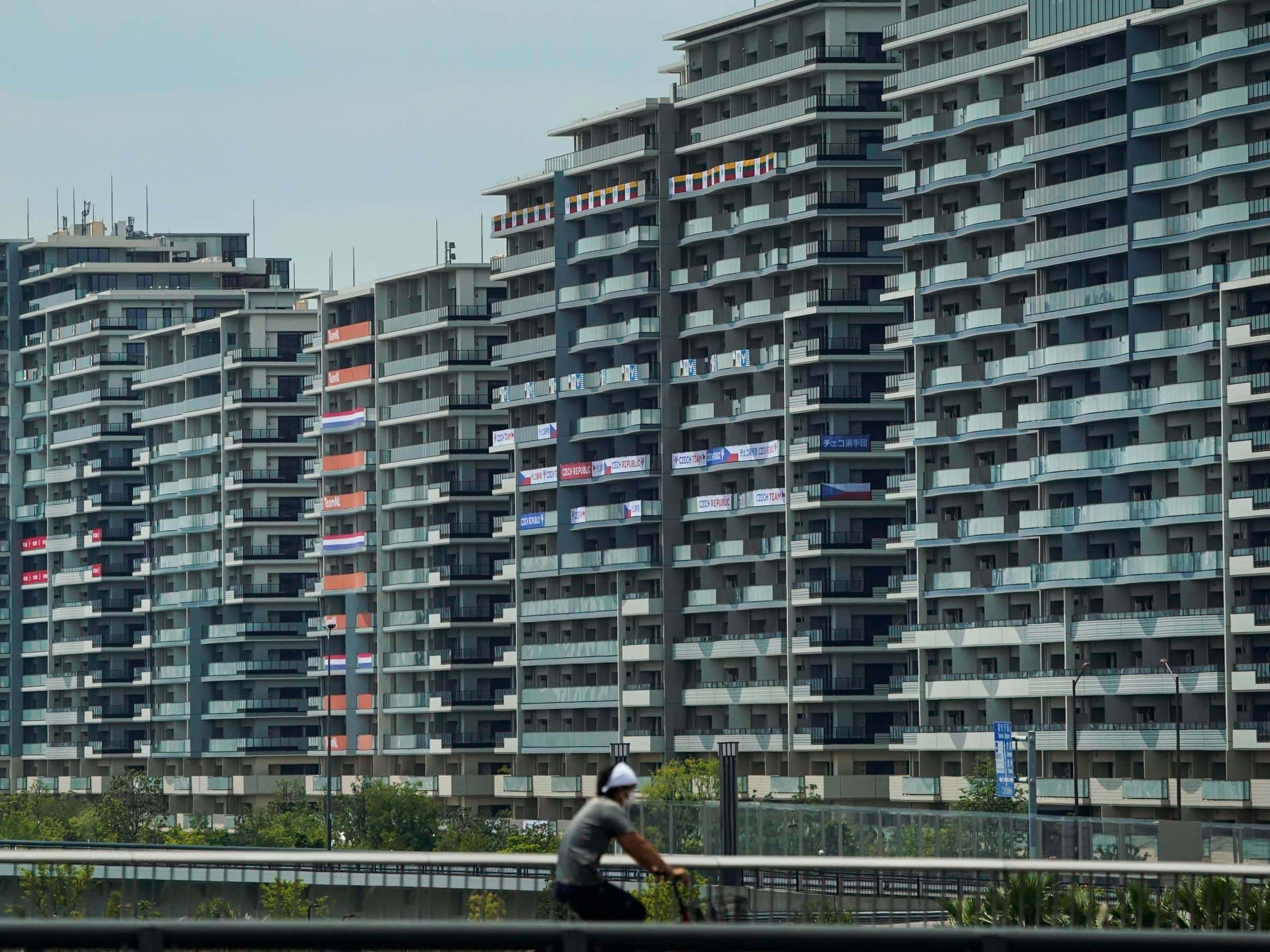
Tokyo 2020 has also pledged net-zero carbon emissions, which many see as an opportunity to accelerate the city’s transition to a more sustainable future. In a bid to source a maximum of Games electricity from renewable sources, biomass energy is being purchased directly from a plant in Kawasaki City, and solar power from Fukushima. A hydrogen station in Harumi, where the Olympic Village is located, will power homes and cars alike. And where it has not been possible to procure renewable energy, Tokyo 2020 is using green power certificates to compensate for the use of non-renewable electricity.
The Tokyo 2020 carbon offsetting programme considers the full scope of direct and indirect emissions related to the Games, including the construction of venues and the transportation of athletes and officials. Organizers will recalculate the Games’ carbon footprint when the event is over.