
Post Date: April 7, 2026 |
Last Edited: April 7, 2026
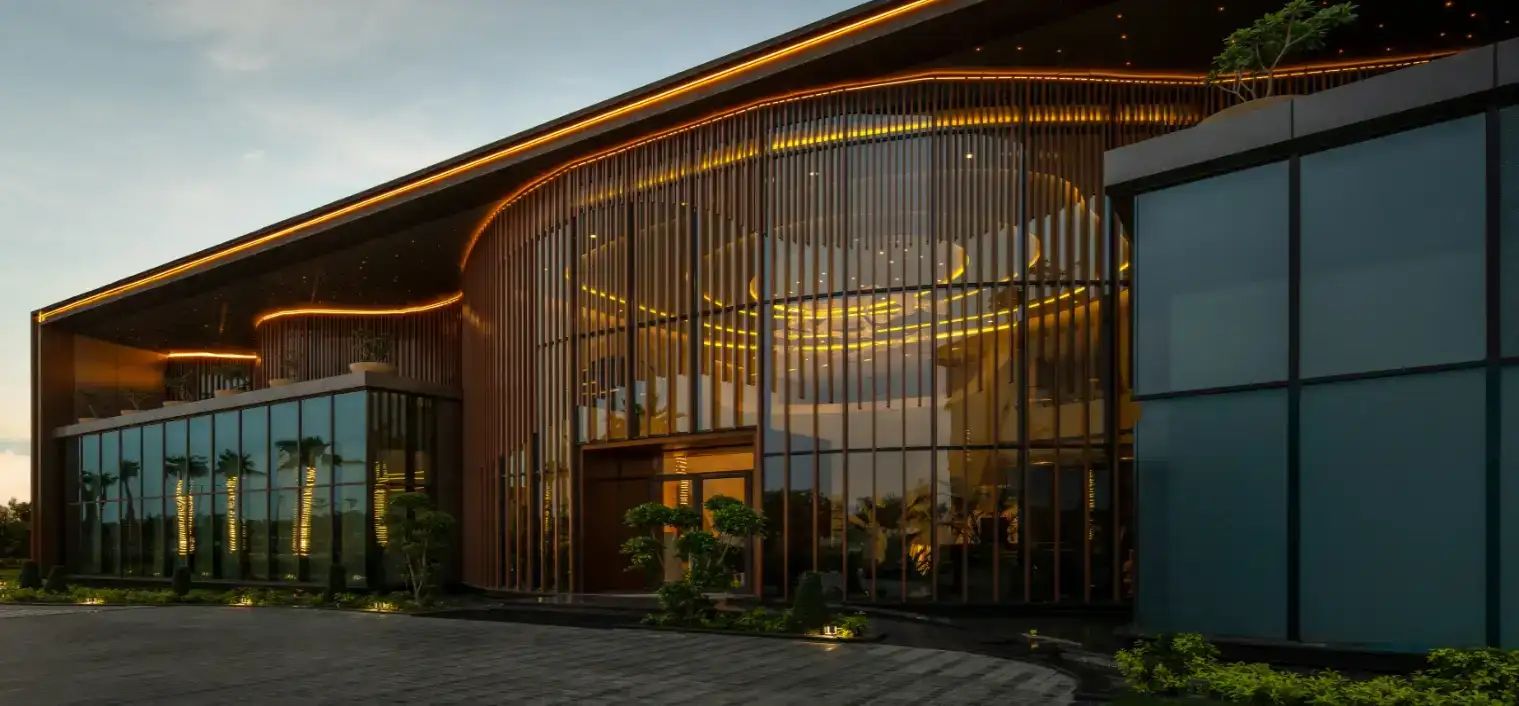
Architecture has always navigated the boundary between the inside and the outside. The façade and fenestration system, once primarily seen as an exterior design element, has now evolved into a crucial factor influencing building performance, user experience, environmental response, and energy efficiency. Today, the architectural envelope has become an intelligent mediator between structure and human comfort. With increased attention to daylight calibration and thermal comfort, building façades are becoming lighter and more dynamically designed. At the same time, fenestration strategies are being reconsidered as spatial devices that influence how light moves and air circulates, as well as how occupants perceive their environment. This shift in perspective highlights a significant transition in design thinking, from treating the envelope as secondary to recognising it as a key design driver.
The Shift Towards Performance-Driven Design
Modern façade systems are shaped by environmental factors as much as by design preferences. Rising climate challenges and more stringent regulations have prompted architects to reconsider how buildings respond to their surroundings.
Daylight calibration has become an important consideration in design decision-making. Rather than maximizing glazing indiscriminately, architects now focus on achieving balance: allowing sufficient natural light while minimizing glare and heat gain. This nuanced approach transforms the façade into a tuned filter rather than a transparent boundary.
Thermal comfort has also reshaped fenestration strategies. Meticulously designed openings and shading devices reduce reliance on mechanical cooling systems. In many contemporary projects, shading systems and layered skins strike a balance between openness and protection, allowing buildings to remain visually transparent and environmentally responsible.
Such strategies demonstrate how performance considerations are influencing architectural expression. The visual identity of buildings increasingly emerges from functional responses to climate rather than solely from aesthetic gestures.
Transforming Building Envelopes Into Experiences
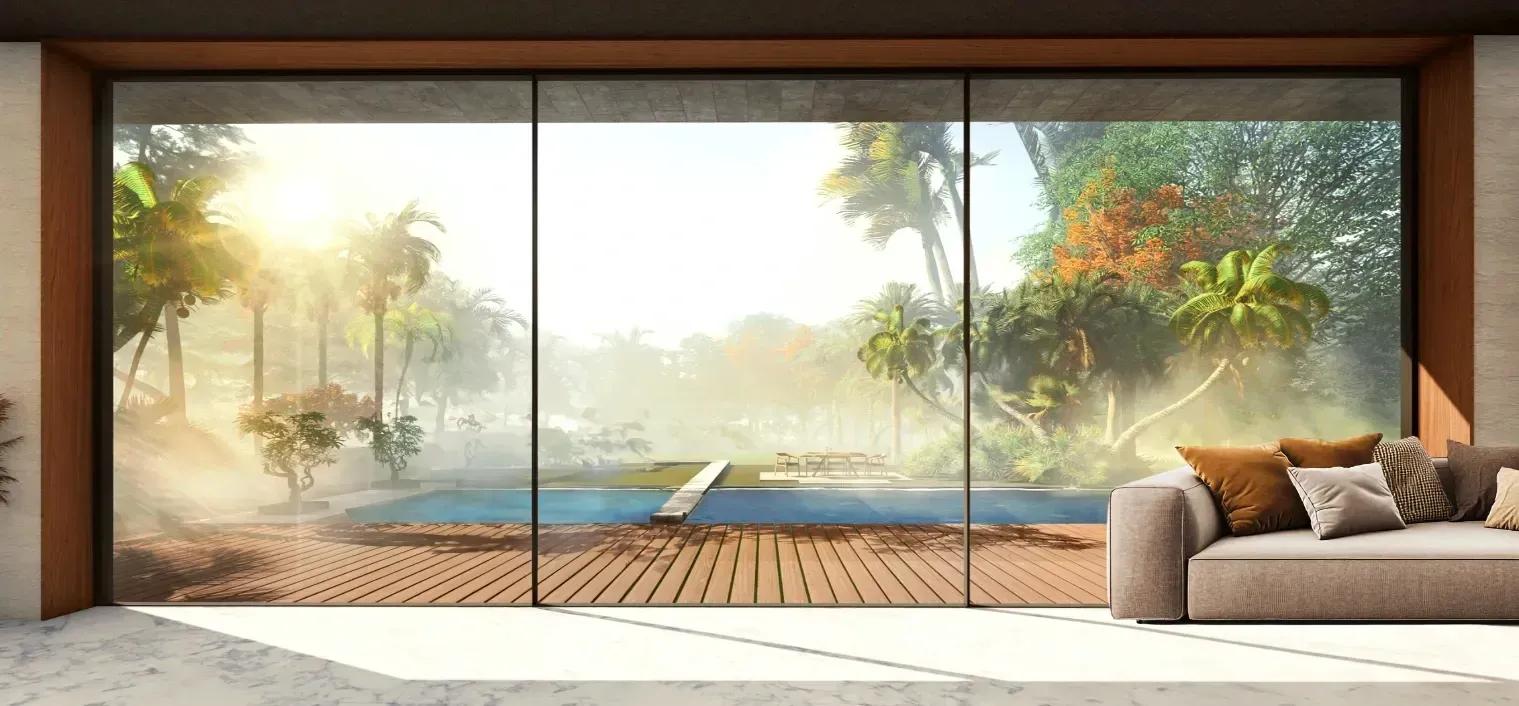
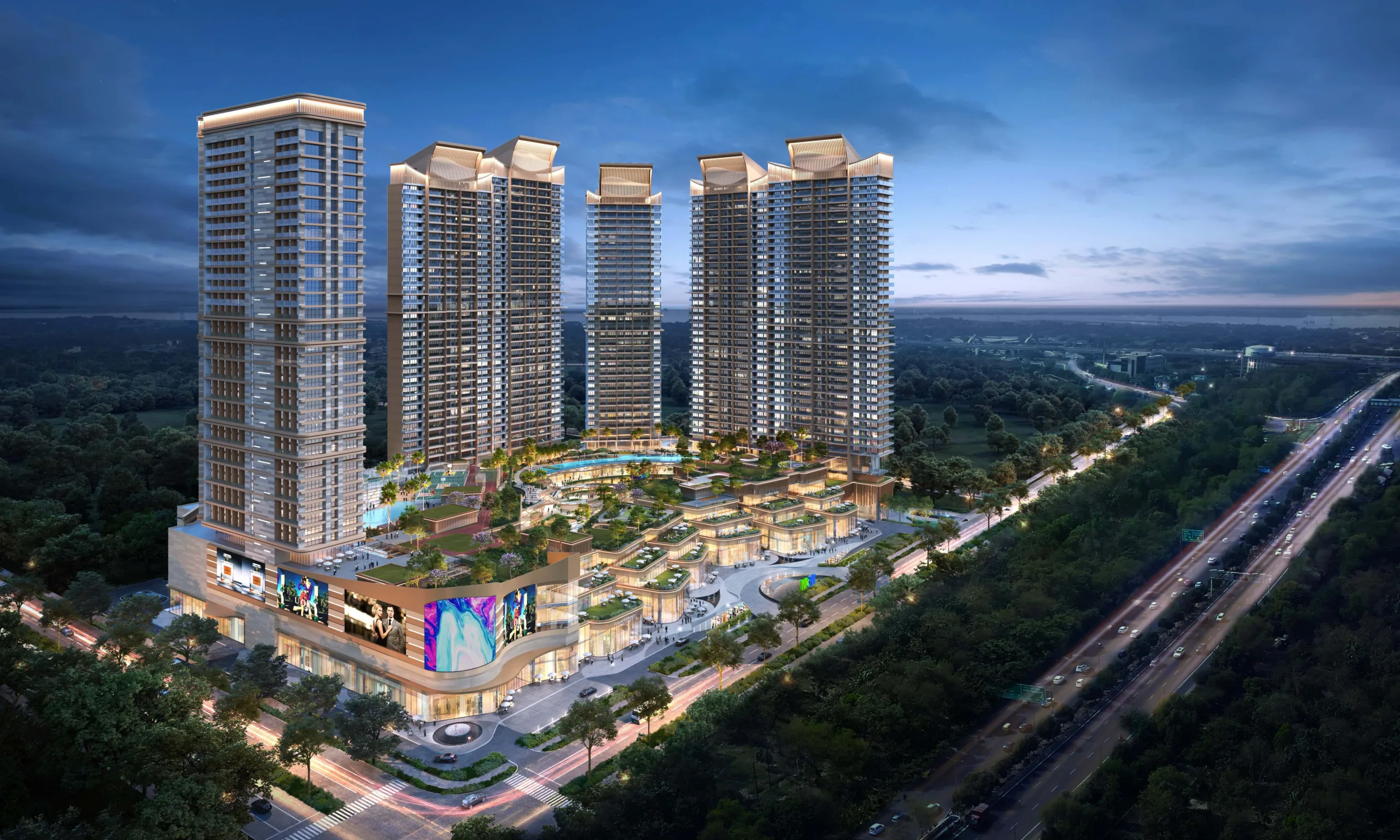
One of the most significant shifts in recent years has been the recognition that façades contribute directly to spatial experience. Instead of acting solely as exterior skins, they influence interior atmospheres and user perception. Filtered light, framed views, changing shadow patterns, spatial acoustics, and materiality influence how occupants interact with a space throughout the day. Fenestration design determines whether interiors feel expansive or enclosed, calm or dynamic. Thoughtfully designed openings create layered thresholds, encouraging a gradual transition between indoor and outdoor environments.
Architectural envelopes that incorporate vertical articulation or layered glazing systems demonstrate how performance solutions can simultaneously enrich spatial narrative. Rather than concealing technical elements, contemporary design integrates them into the architectural language. This integration transforms façades into experiential devices, shaping how buildings look from the outside as well as how they feel from within.
Materials Shaping The Contemporary Envelope
Material innovation has played a decisive role in redefining façade and fenestration systems. In recent years, several materials have gained prominence for their ability to balance performance and aesthetics.
- High-performance glazing systems have become increasingly prevalent, offering enhanced thermal control while maintaining transparency. Advances in coating technologies allow glazing to modulate heat gain without compromising daylight access, enabling façades that remain visually open and environmentally efficient.
- Perforated metal screens and shading devices are also gaining traction. These elements provide climatic protection and create layered visual depth, allowing façades to respond dynamically to sunlight conditions throughout the day.
- Fibre-cement panels and hybrid composite systems offer durability with reduced maintenance demands, making them practical choices for large-scale developments.
- Glulam and mass timber window and door systems have been attaining prominence for the comfort they offer and their comparatively low maintenance requirements.
- Natural materials and pure finishes, such as aluminium and copper, have gained renewed interest for their longevity and ability to age gracefully.
A broader push towards sustainability and lifecycle performance drives the increased adoption of these materials. Stringent energy codes and growing environmental awareness encourage architects to select materials that perform effectively across diverse climates while remaining cost-efficient.
Climate Responsiveness And Architectural Expression
As buildings grow taller and more complex, façade systems must perform efficiently both structurally and thermally. This dual requirement challenges designers to reconcile expressive design intent with rigorous performance standards.
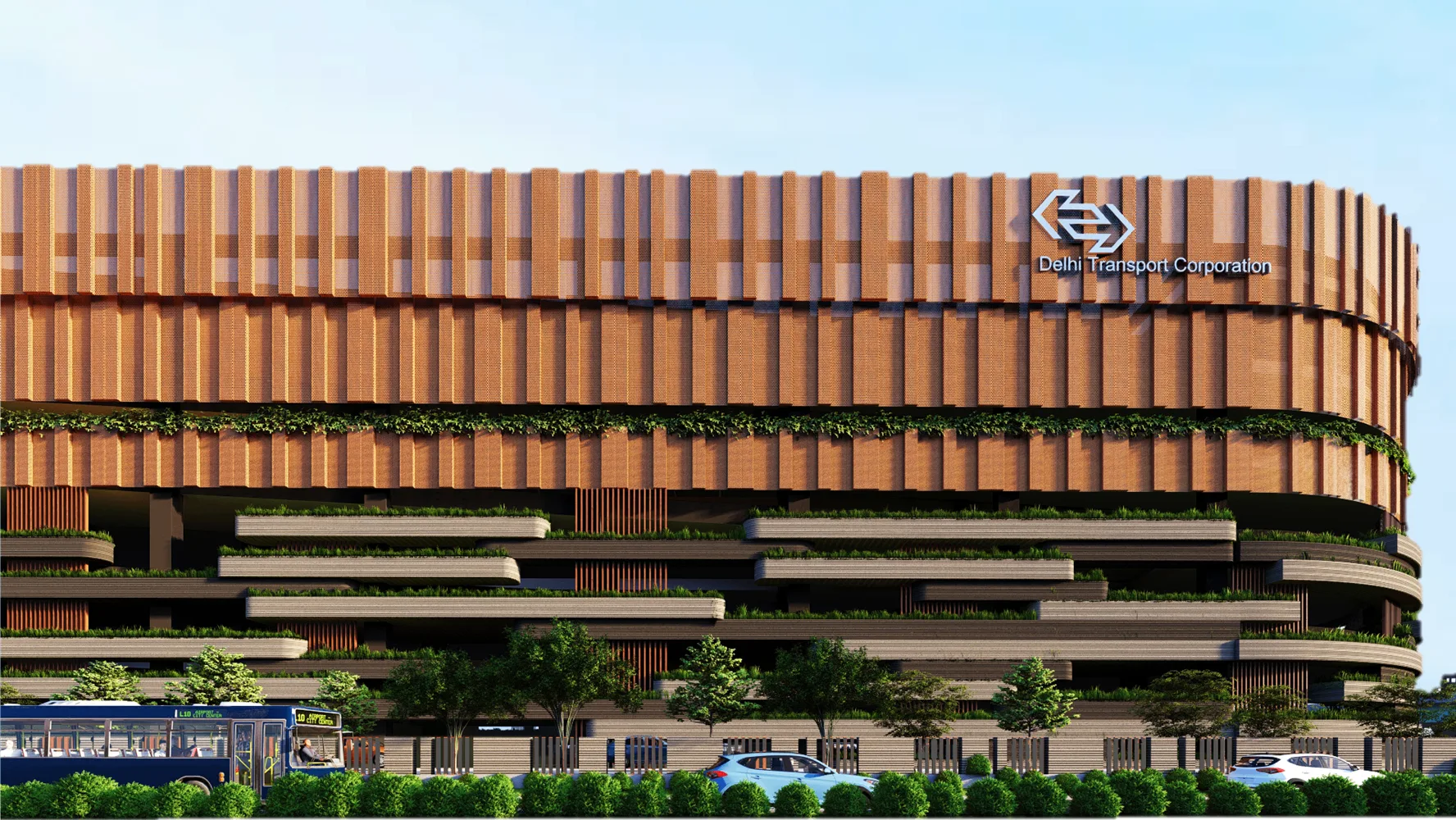
Climate-responsive façades with defined forms and adaptive shading devices demonstrate how architectural expression can emerge from environmental logic. Instead of imposing form onto a building, architects allow climatic conditions to shape design outcomes. This approach aligns with a broader understanding of sustainability as a mindset rather than an added layer. Passive design strategies, such as orientation, ventilation, solar control, and landscaping, are embedded into façade planning from the earliest stages, thus reducing reliance on mechanical systems and improving long-term efficiency.
The Challenge Of Balancing Performance And Narrative
Despite technological advancements, one of the key challenges for architects is maintaining the narrative quality of façades while meeting stringent performance requirements. Energy regulations and cost constraints often introduce competing priorities. Expressive façade ideas must be aligned with measurable performance metrics, requiring deeper coordination between architectural vision and technical execution.
Rising material costs and availability issues further complicate decision-making. These realities must be navigated without compromising design integrity, thereby ensuring that performance enhancements do not reduce façades to purely technical assemblies.
The risk lies in allowing performance metrics to overshadow architectural storytelling. The most successful projects demonstrate that technical efficiency and design expression are complementary factors rather than opposing ones. When thoughtfully integrated, performance solutions can enhance the architectural identity of the building.
Collaboration As A Design Strategy
Achieving the balance between performance and narrative requires stronger collaboration across disciplines. Early involvement of façade engineers, manufacturers, fenestration specialists, and sustainability consultants can transform the design process from reactive problem-solving into proactive integration. When stakeholders engage from the concept stage, solutions become more coherent and cost-efficient. Transparent dialogue around fabrication possibilities and maintenance realities allows architects to refine design intent while maintaining feasibility.
Co-developing mock-ups, sharing and discussing data from past projects, jointly exploring new materials, and studying post-occupancy performance together can create a more research-driven, innovation-led workflow. Such collaborative models shift traditional vendor-client relationships towards innovation partnerships, where knowledge is shared and refined collectively. This integrated approach becomes particularly critical in complex projects in which façade systems must address environmental performance, structural demands, and experiential goals simultaneously.
Emerging Directions And Future Potential
Looking ahead, several developments suggest transformative potential for façade and fenestration design.
- Adaptive façades that dynamically respond to environmental conditions are garnering attention.
- Lightweight composite materials offer opportunities to redefine structural efficiency, enabling more expressive and resource-conscious forms.
- Advances in glazing technologies offer intelligent modulation of light and heat, enhancing comfort while reducing energy consumption.
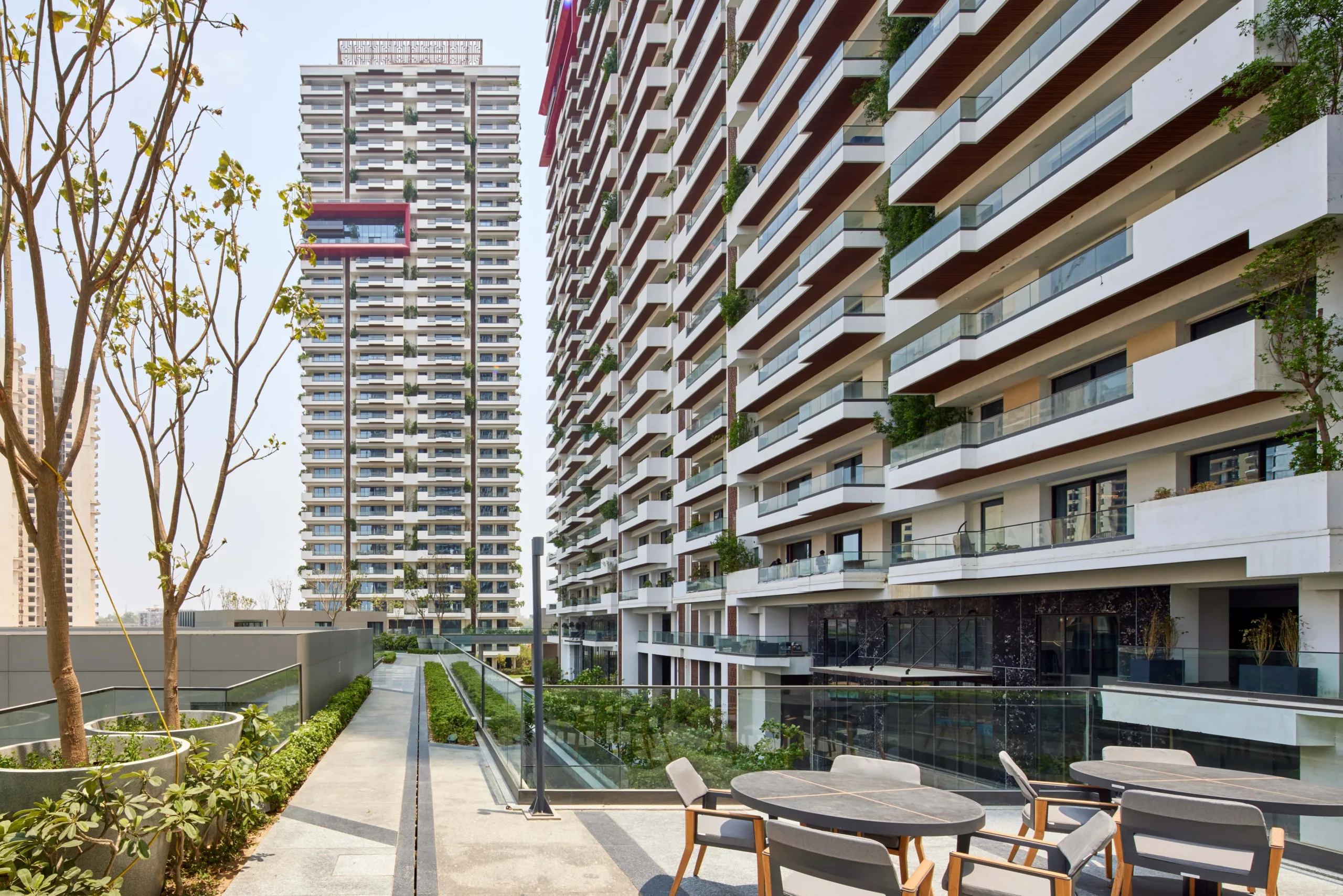
- Biophilic envelopes, such as vertical gardens, planted edges, perforated screens, and hybrid double-skin façades, soften the boundary between built form and the natural environment.
Such strategies reintroduce sensory richness into architecture, encouraging occupants to experience buildings as living systems. This convergence of performance and experience represents an important direction for architectural envelopes. Buildings are increasingly expected to regulate climate and influence emotional and psychological well-being.
Towards An Intelligent Architectural Envelope
The evolution of façade and fenestration design reflects a broader transformation in architecture itself. As cities densify and environmental challenges increase, buildings must perform more intelligently while remaining meaningful to those who inhabit them. The contemporary architectural envelope is emerging as a central instrument in this transformation, mediating between climate and comfort, technology and craft.
In the future, the most successful façades will be those that do more than protect or impress. They will adapt and communicate, crafting spaces that are environmentally responsible, socially inclusive, experientially rich, economically sustainable, and deeply connected to everyday life.