
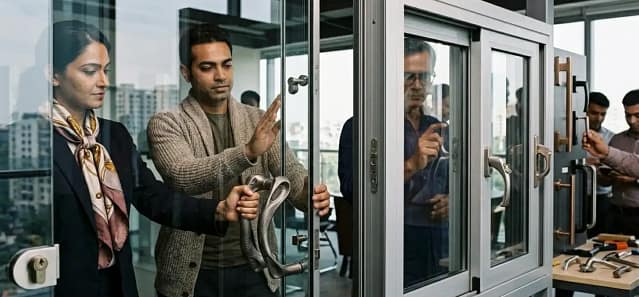

Architectural Hardware? What Is There In It To Design… I asked a friend of mine.
Handles, locks, hinges, closers, latches and sliding systems are often treated as a category of “necessary” parts: functional, specified and then largely forgotten. Yet hardware is one of the primary touchpoints between people and buildings. When we observe how people actually approach doors and windows—how they glance, grip, hesitate, push or pull—we discover design opportunities that go far beyond mechanical reliability. Observation turns those opportunities into innovations that reshape safety, comfort, aesthetics, accessibility and delight.
A design that starts with observing human behaviour can seamlessly blend into everyday life.
Good hardware design begins with questions you can only answer by watching: Which side of the door do people expect to pull or push? Where do hands naturally land? How do people with bags, children, or mobility aids use the threshold differently?
How Does Light, Or The Lack Of It, Change A Person’s Interaction With A Façade?
Observation reveals recurring patterns and small annoyances that neither engineers nor specifiers notice in a conference room. For example, a handle mounted too close to the door edge forces an awkward wrist angle. A handle finish that is cold to the touch in winter discourages use. A lock whose operation sounds harsh at night feels insecure, even if it is technically safe. From these small observations come design priorities that redefine success: ergonomics, tactility, intuitive affordance, acoustic character and emotional reassurance.
Key Design Features Informed By Observation
- Ergonomic Form And Affordance: Handles and levers should make the correct action obvious. A slim vertical pull suggests “pull”; a horizontal recessed plate suggests “slide”. When users can tell what to do without thinking, buildings feel smarter.
- Tactile Language And Materiality: The finish, temperature and texture of a handle communicate value. Brushed metals, warm coated alloys, or subtly textured surfaces give sensory confidence and aid orientation—especially in low light.
- Acoustic And Micro-Interaction Design: A soft, damped close or a gentle click provides reassurance; a loud clang feels cheap and alarming. Hardware that engineers the sound of its action improves the perceived quality of a space.
- Accessibility-First Mechanics: Observation forces us to design for varied bodies and situations—one-handed users, the elderly, or someone carrying a child. Low-force operation, larger surface areas for pushing and clamp-free thresholds matter.
- Maintainability And Lifecycle Thinking: Observing building managers reveals how maintenance budgets and cleaning routines shape long-term success. Hardware that is easy to clean, adjust, or replace keeps buildings performing and budgets predictable.
The smallest human behaviours often reveal the biggest design opportunities. Let me share a few examples that illustrate how observation has been a designer’s most powerful tool.
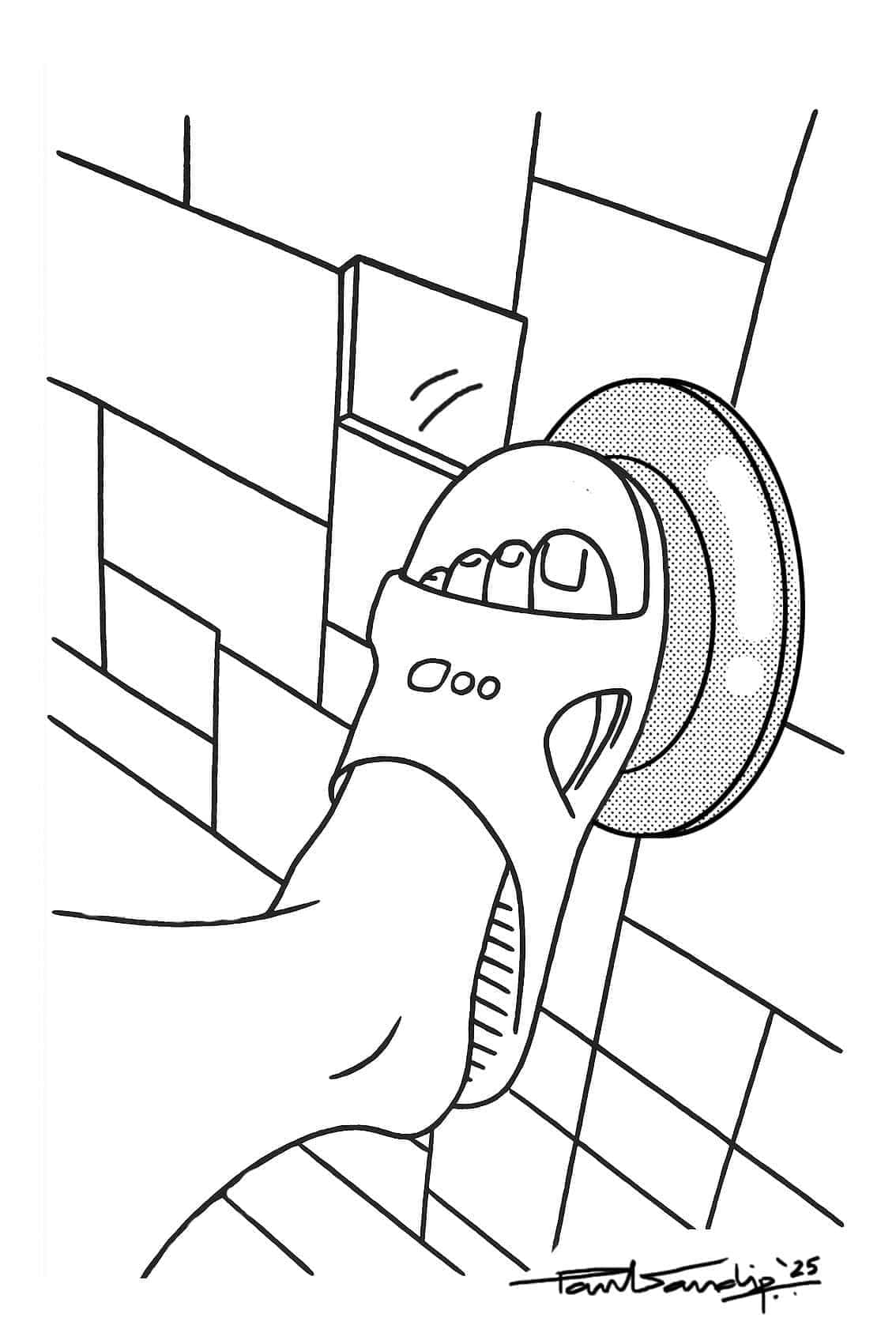
People in offices and hospitals slam doors without meaning to—not out of anger, but simple haste. That sharp bang does more than startle; it chips away at a sense of calm. When I first experienced a soft-close system in action, it felt like witnessing good manners embedded in metal. Integrated hydraulic dampers slow the door gracefully in its final few degrees of movement. You do not hear a thud, just a polite whisper as it settles shut. To me, this is design empathy—engineering that listens, quite literally, to the user’s environment. It is not about adding technology; it is about subtracting irritation.
Security is one of those things you should not have to think about. People tug at a door twice, even three times, just to “make sure it is locked. That is a design problem, not a trust issue. Modern multi-point locking systems hide their complexity inside the door frame, while one smooth handle motion engages multiple bolts. The real magic lies in the feedback—that subtle snap or resistance you feel as the mechanism completes its action. It is almost like the lock saying, “Relax, I have got you covered.” That physical confirmation restores trust without the need for visual checking.
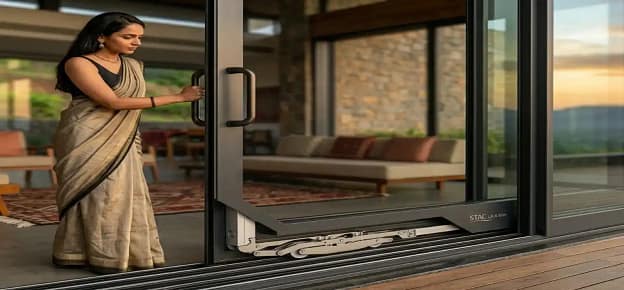
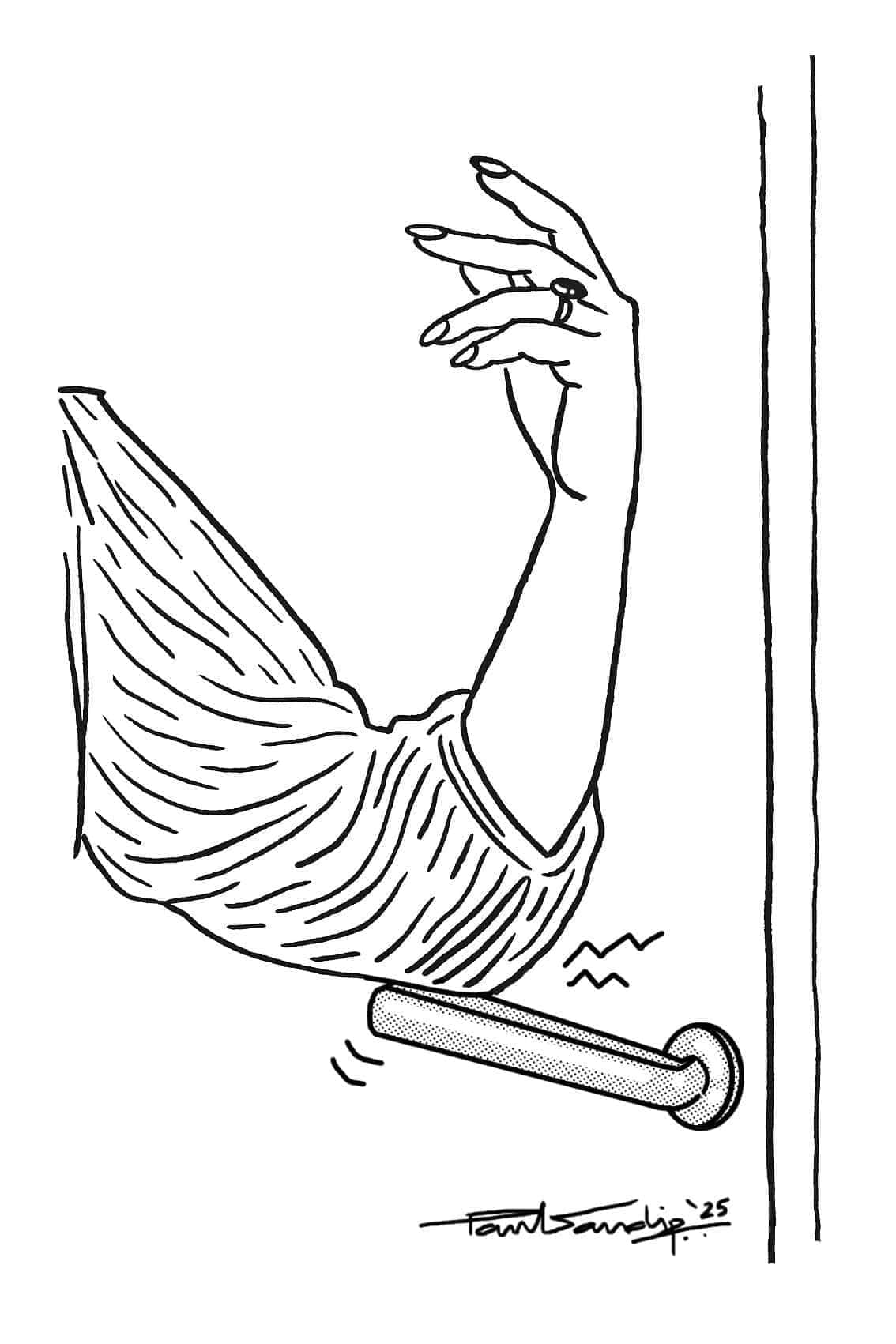
I once spent a morning watching delivery staff, caregivers, and parents navigate doors with one hand, the other occupied by a parcel, a stroller, or a toddler. Handles that looked elegant on paper suddenly became obstacles in practice. That is when you realise design does not happen on CAD; it happens in context. The answer came through form—a lever geometry that offered generous grip zones and subtle directional cues. Whether it is a gloved hand, a closed fist, or even an elbow, the user finds a natural way to open the door.
True ergonomics is not about accommodating the average person; it is about respecting the full range of real human behaviour.
During the pandemic, People contort themselves to avoid touching handles, elbows, sleeves and even keys became tools. That awkward dance was an insight waiting to be translated. Designers responded by integrating motion sensors and contactless locks directly into the door’s geometry. The goal was not to showcase technology but to preserve the tactile beauty of architectural design while reducing unnecessary touchpoints. When done well, the system feels almost invisible—a seamless blend of form, function and mindfulness. The door simply knows when to cooperate.
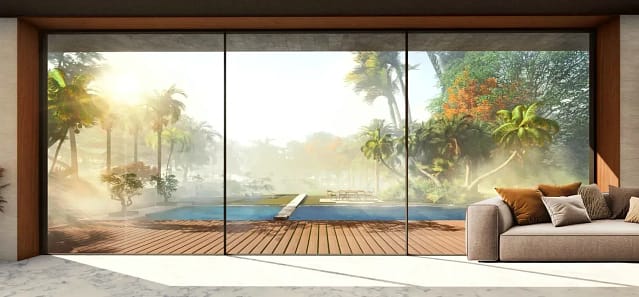
Architects often crave uninterrupted lines, but users crave smooth operation. The two rarely agree—unless you design for both. I recall testing a precision-engineered pocket door where the track was hidden and the closing motion perfectly damped. It felt like sliding silk. Here, hardware does not shout for attention; it performs quietly in the background, allowing architecture to take the stage. The innovation is not in what you see—it is in what you do not feel: friction, vibration, or hesitation.
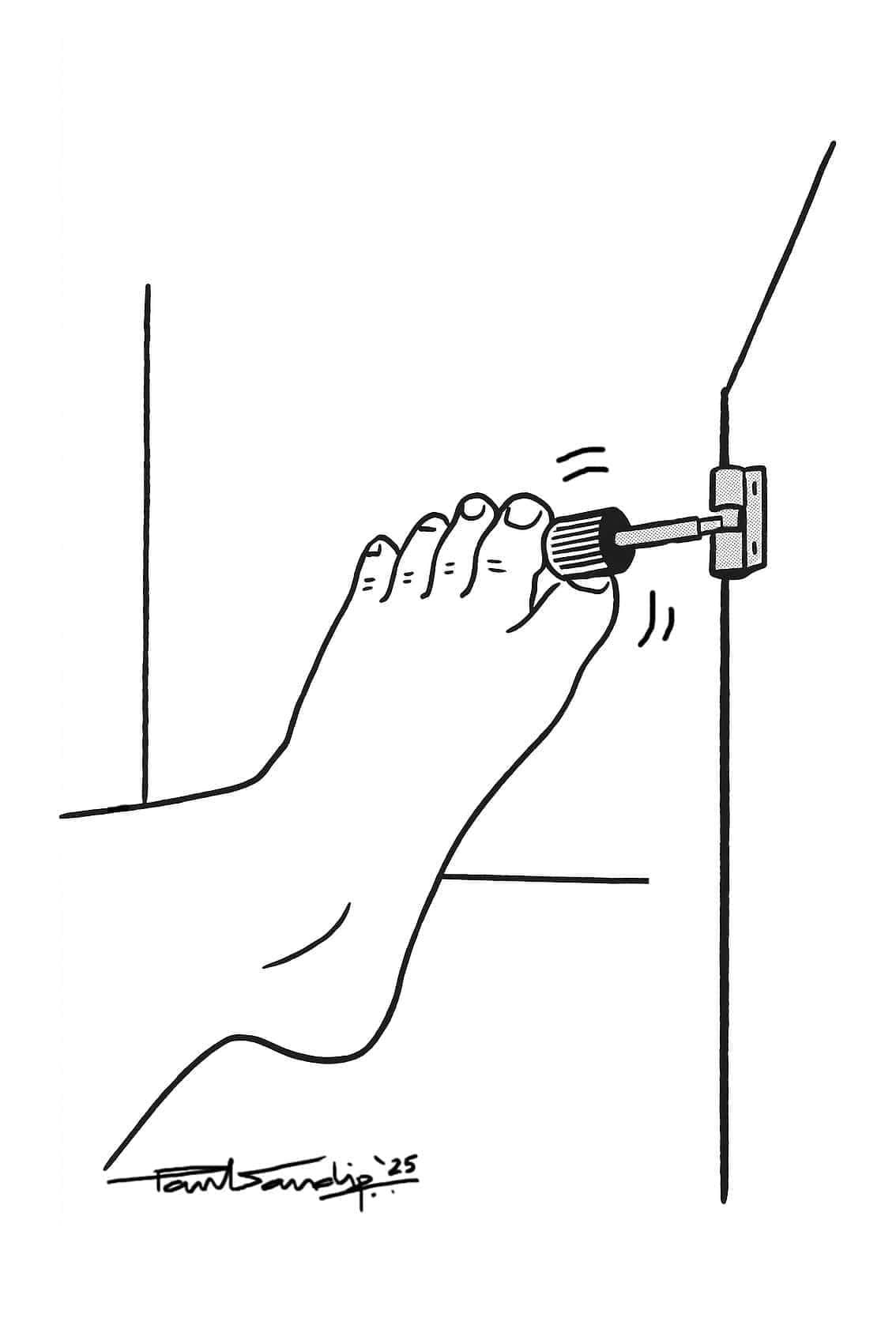
Minimalist design can sometimes go too far. Sometimes guests pause at a wall of flush panels, unsure where to push. Observation made it clear: visual minimalism must not erase intuitive affordance. The solution? Recessed pulls with soft edges and hidden magnetic catches. They preserve the purity of the surface yet offer a satisfying tactile cue. It is a fine balance—making the hardware visually disappear but emotionally present. That is the kind of quiet elegance I aim for in every detail.
Even before hygiene became a global talking point, cleaning staff struggled to polish intricate hardware profiles. The observation was simple: design should make cleanliness effortless, not laborious. Hardware with smooth radii, low-porosity coatings, and even passive antimicrobial finishes (such as copper alloys or specialised PVD coatings) makes daily upkeep simpler and more sustainable. It is not about adding “features”; it is about subtracting surfaces that attract grime. Cleanliness, like good design, is best when it goes unnoticed.
Architectural hardware that truly belongs to a building is the product of curiosity—an insistence on watching how people actually live in and move through space. When designers treat hardware as a behavioural interface rather than a commodity, the result is architecture that is safer, quieter, more gracious and more humane.
As an innovator, my edge is not just a new mechanism or material; it is the discipline of looking closely and solving the small frictions that add up to profound improvements. Start with observation, and let people show you what good hardware should feel like.