Post Date: May 19, 2026 |
Last Edited: May 22, 2026
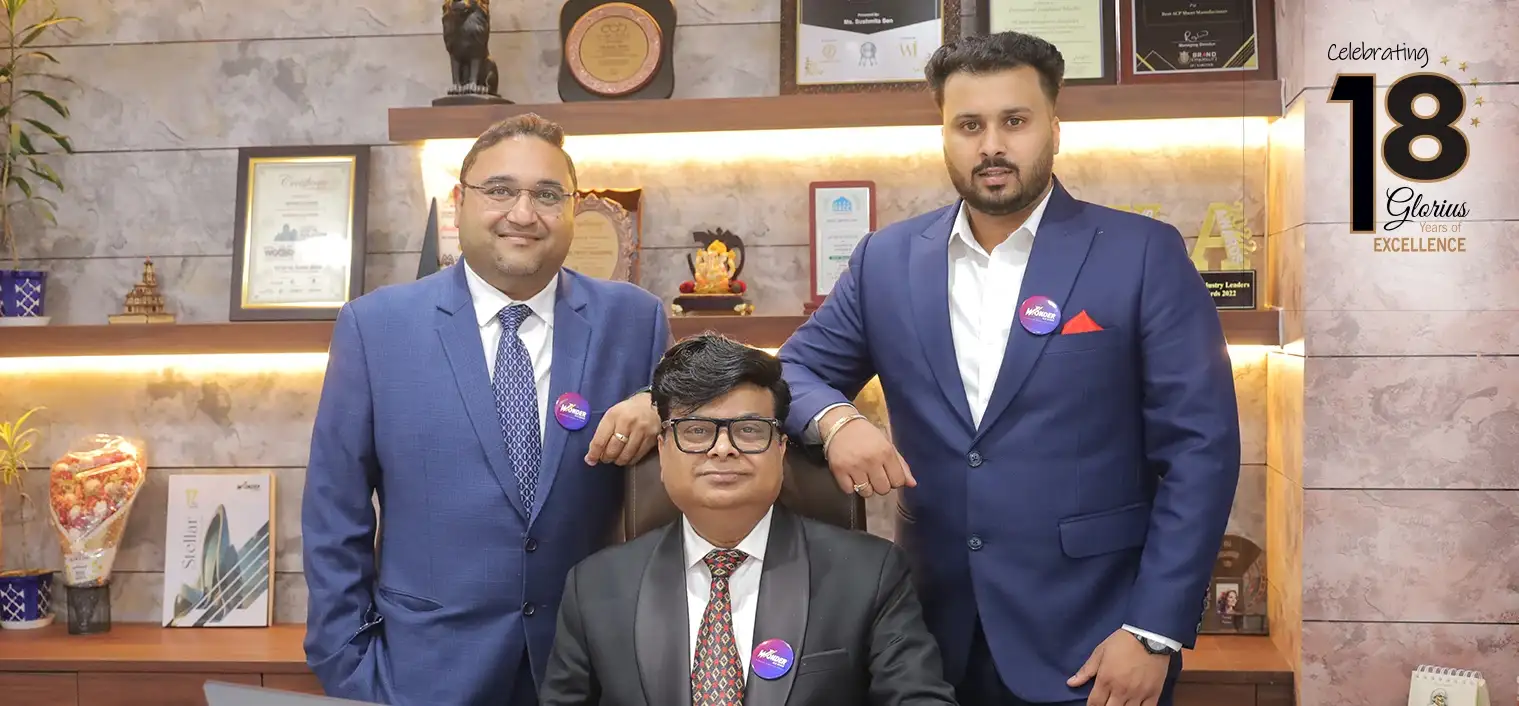
Mr Vikas Mittal, a graduate in Commerce, is a seasoned professional with more than 27 years of industry experience. He has elevated his family’s paper business to significant heights and has also been taking the ACP business to the next level over the past three years. He is a grounded individual with a strong command of finance and analytical skills. While successfully managing multiple family businesses, he is driving this venture to new heights. He joined Wonder AluBoard as Managing Director in 2023 following the retirement of his elder brother due to medical reasons. Wonder has grown manyfold under his leadership over the past three years. Vikas MittalManaging Director
|
Q. How Would You Describe Wonder Alu Board’s Journey Over The Last 18 Years, And What Does The Brand Stand For Today?
We have been in the ACP (Aluminium Composite Panel) industry for 18 years now. We are one of the very few companies that have been manufacturing since the early days. Most companies in this space are relatively new, having entered from 2015 onwards. These younger companies often lack a deep focus on long-term quality and service.
If we have sustained for 18 years, it is solely due to our unwavering focus on quality and service. This legacy creates a distinct space for Wonder Alu Board in the market. Our growth over the last 3–4 years is a direct result of that brand legacy and the rigorous quality framework the organisation has always prioritised.
Q. Since You Have Recently Completed 18 Years, What Were The Key Learnings And Milestones Achieved During This Time?
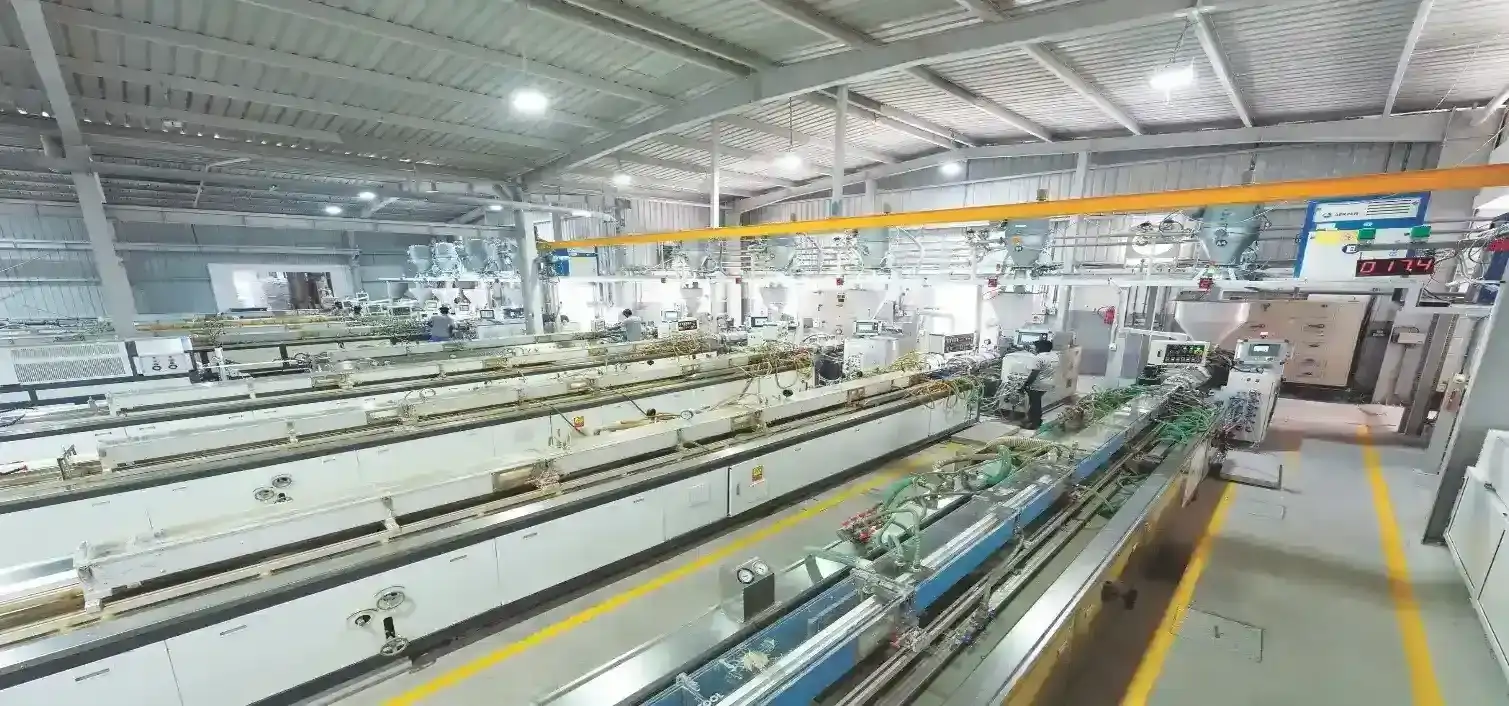
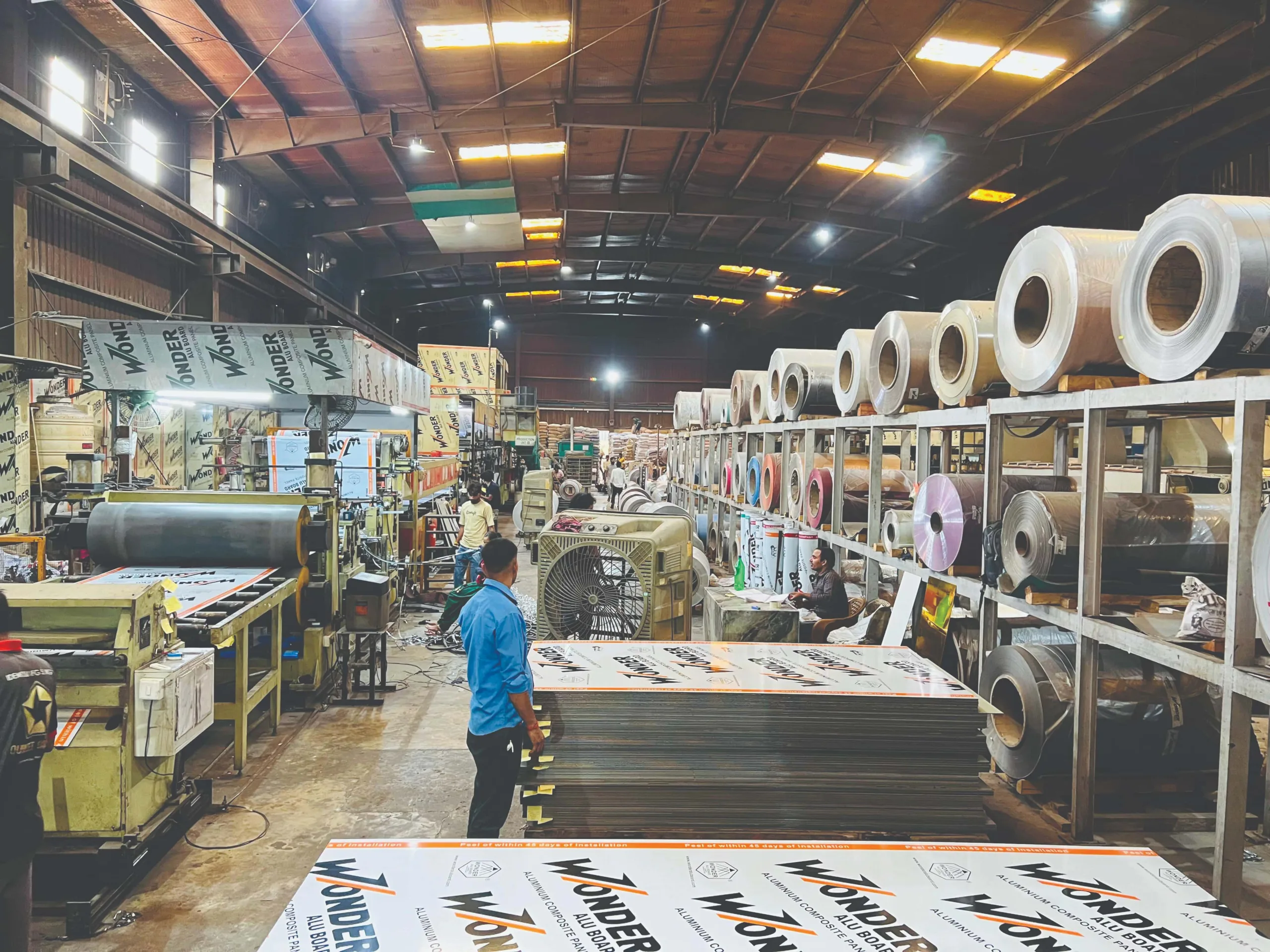
In 18 years, the brand has undergone multiple expansions. We now operate two manufacturing facilities, including a brand-new, state-of-the-art plant. We have over 15 branches and work with a network of more than 650 dealers and distributors.
A major milestone is that we have delivered more than 1 lakh projects across India. From Srinagar to Nagaland, Wonder is present in every part of the country, and we are constantly striving to cover more ground. We are also exporting to countries like Brazil and Sri Lanka, sending materials to Nepal, and are currently in talks with firms in Israel.
In the last 2–3 years, we have launched several in-house products like ACP louvres and a WPC range, which includes WPC door frames, doors, and exterior gate louvres. You could say the company has taken both a vertical and horizontal expansion approach.
Q. How Do You Differentiate Your Products From Those Available In The Market?
The biggest differentiator is quality and our seriousness regarding after-sales service. When you have been in the industry as long as we have, you have projects that were completed 10 or 12 years ago. That is the true “guarantee frame” in the ACP industry.
For instance, if we did a project in 2007 or 2008, it had already completed a decade of service by 2018. Having projects that have stood the test of time for 15 or 17 years allows us to stand in the market with confidence and give our customers real proof of our product’s features and reliability.
Q. How Do You Balance Quality, Cost, And Innovation In Your Product Line?
We are expanding into the types of designs that modern architects demand. Beyond traditional solid colours, we have the Marbelica range, which offers an 18-year warranty and utilises high-quality FEVE coating instead of the standard PVDF.
We also recently introduced a 3D louvre series in printed coil. This allows architects and contractors to achieve a 3D aesthetic with a simple printed coil, without needing a literal 3D physical product. We also have the Velvet and Heritage collections. Our focus is on the application—we want any design or application an architect is looking for to be available within the ACP category. Whether it’s ACP louvres, 3D louvres, or fin louvres, our factory is equipped to provide them.
Q. Sustainability Is A Major Trend. How Do You Incorporate Green Technologies Into Your Process?
ACP has actually been an environmentally friendly product since its inception in 1969. We use aluminium and LDPE (Low-Density Polyethene). LDPE is a recycled product, and aluminium is entirely eco-friendly. By utilising these materials, we are helping the environment.
Using ACP also improves a building’s “green rating” and helps in achieving LEED certifications. It reduces heat transfer, keeping the building’s interior cool. In every way, ACP is contributing to a more sustainable construction industry.
Q. What Role Does Craftsmanship Play In A Highly Industrialised Facility Like Yours?
Craftsmanship is critical. The industry has changed rapidly in the last 4–5 years. The final result depends on the idea and how you implement it. A single sheet of ACP can be used in numerous ways—as louvres, fin louvres, applied vertically or horizontally, in ceilings, façades, or even interiors.
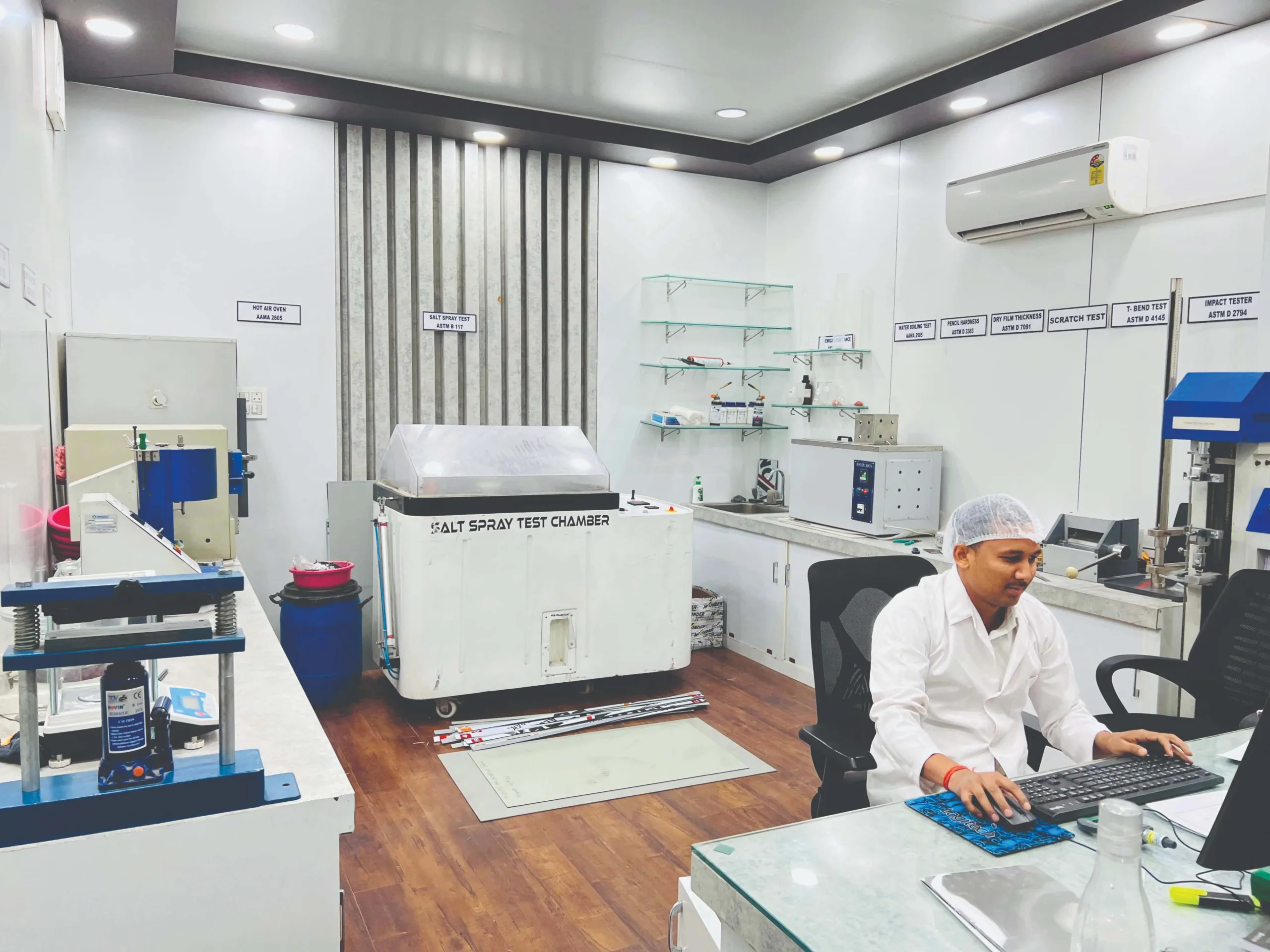
At Wonder, we combine craftsmanship with technology. We conduct extensive in-house testing and utilise the latest market technologies to develop our products. These two elements—craft and technology—go hand-in-hand to help the industry grow.
Q. Which Opportunities In Façade Design And Construction Excite You The Most?
The most exciting thing is the product itself. ACP has been around for nearly 80 years since its initial evaluation, and it still has not been replaced in terms of weight, aesthetics, quality, and availability. No building or project is truly complete without ACP.
What is particularly exciting now is how innovatively architects and designers are using it. Sometimes they use it so creatively—via CNC cutting or unique vertical/horizontal applications—that you do not even realise you are looking at ACP. That innovation is creating massive opportunities for the product.
Q. How Are You Preparing For The Future Of The Façade Industry?
We do a lot of research into international trends. We participate in international exhibitions in places like Kenya and Nepal, and soon Sri Lanka. Our design team has visited China and Germany to evaluate global design trends.
Whenever we launch a new catalogue, we ensure it meets current market requirements. For example, the market used to focus on dark designs, but now everyone is moving toward lighter aesthetics. Our latest catalogues reflect that shift.
Q. Are There Risks Involved In Expanding Internationally? Is There A Difference In Standards?
There isn’t a significant risk because Indian building materials—whether it’s laminates, glass, MDF, or plywood—are highly respected globally.
Every country has specific requirements, and we are flexible. If a country needs ACP for signage, the specs are different from those for a major project. Some markets want high-thickness coils; others want low. We customise our products based on the specific market requirements and applications.
Q. Which Market Is More Mature: India Or The International Market?
India is definitely more mature regarding ACP. I have visited many countries where people are shocked when we show them how we apply ACP. In India, a builder in a small village in New Delhi is using ACP to make his building beautiful.
Internationally, it is mostly used for big skyscrapers. In terms of common usage and understanding of the product, India leads. However, the scope for future application in international markets remains very high.
Q. How Do You Cultivate A Culture Of Innovation Within Your Team?
It has always been part of our culture. We were the first company in India to have a coating line back in 2011–2012, long before others were even thinking about it. Even though the volume was not high enough back then to make it work, we are planning a new coating line very soon. Innovation is the reason we have sustained for 18 years and continue to grow at 15–20% annually.
Q. Where Do You See Wonder In The Next Decade?
We plan to open more branches across the parts of India we haven’t reached yet. However, our major focus for the next decade will be the international market. Our philosophy is not just about being the “Number 1” company in terms of sales; we want to be a “Good Company.” A company that customers, suppliers, and contractors can trust and rely on. That is what our 18-year legacy is built upon.
Q. Are There Any Specific Projects You Would Like To Highlight?
We’ve done several massive projects recently:
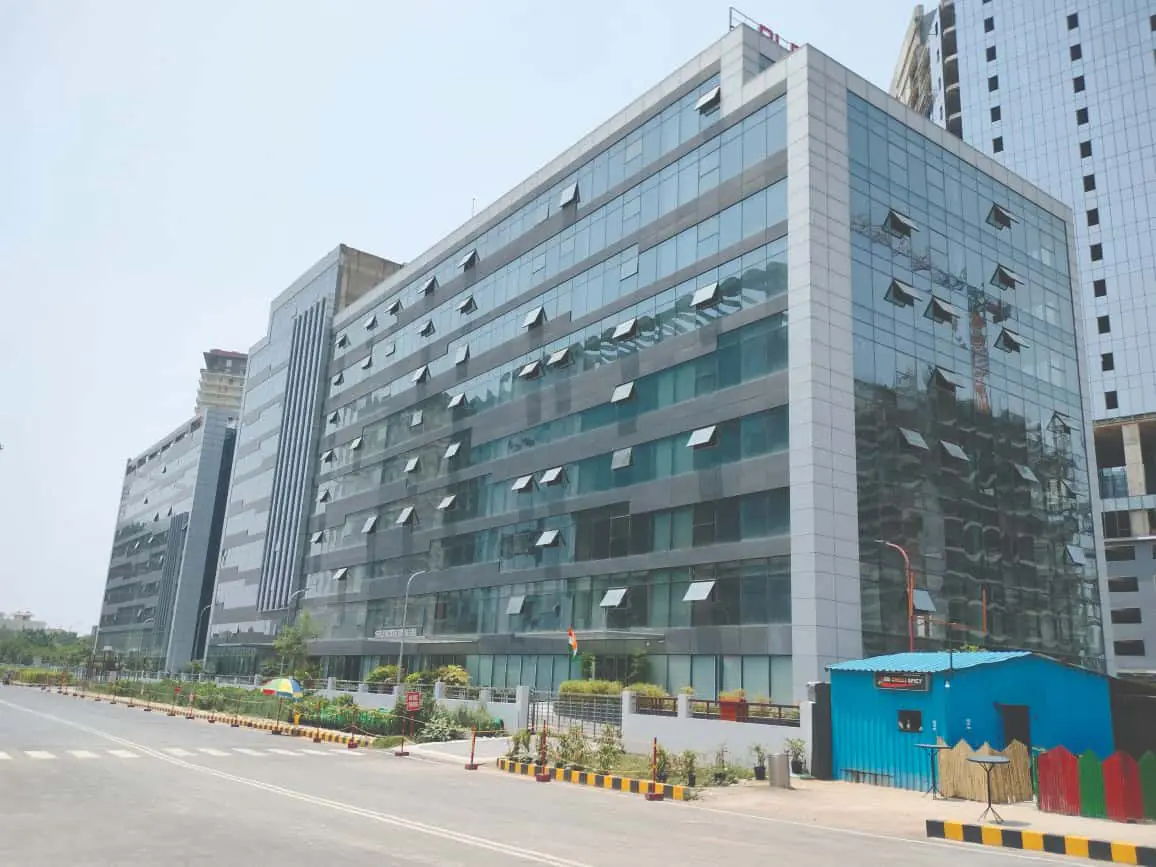
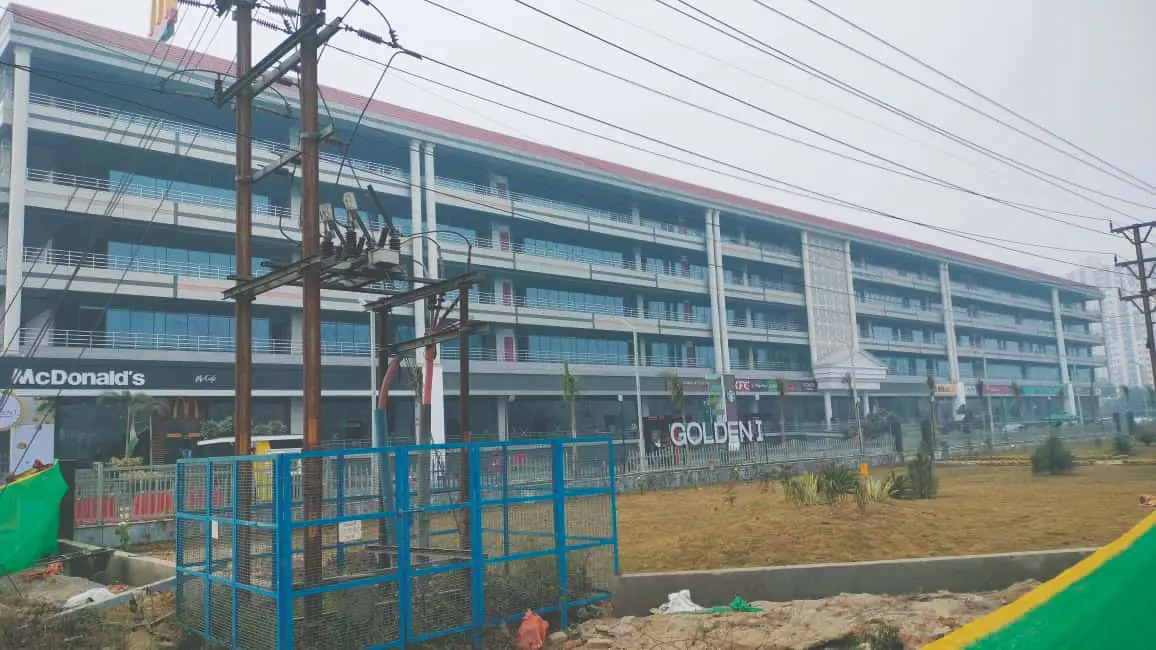
- Golden I Project (Noida Extension): Perhaps the biggest commercial project in Noida/Greater Noida, using over 3 lakh square feet of Wonder Alu Board.
- GST Training Institute (Lucknow): One of the biggest projects in that city.
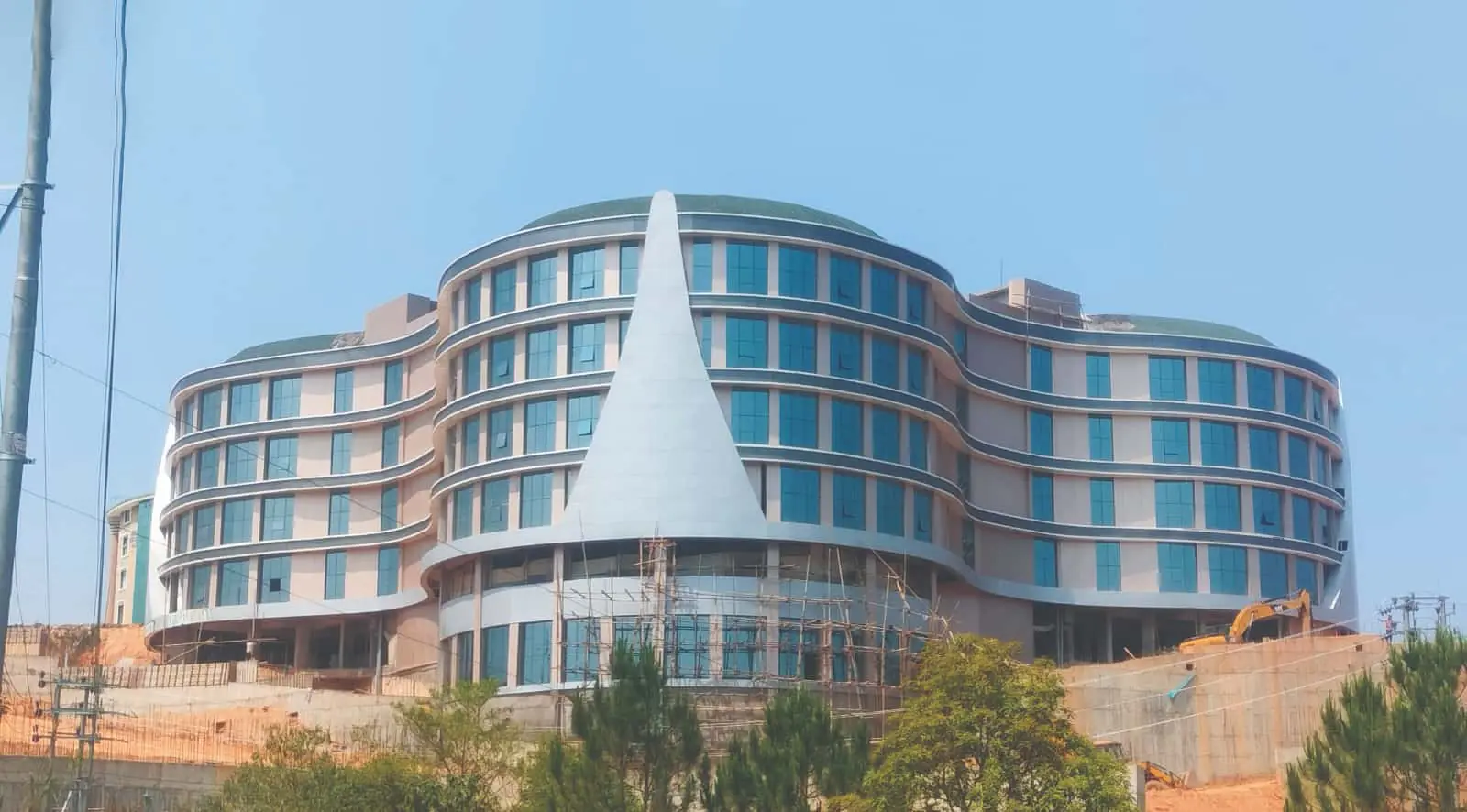
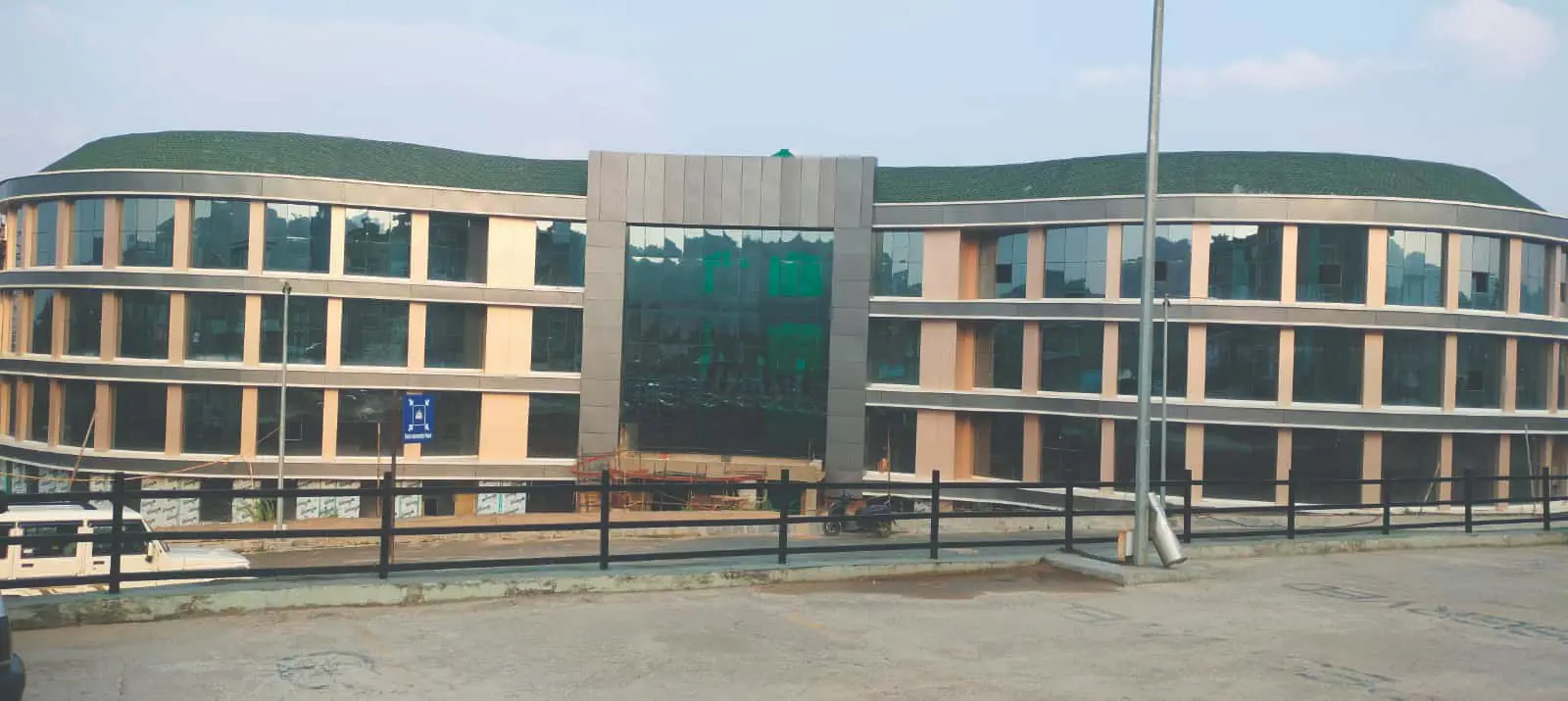
- IT Hub (Meghalaya): Used approximately 1 lakh square feet of ACP.
- Adani Power (Mumbai): A major recent project.
- Indian Oil Corporation (IOCL): We recently received approval to supply ACP for signage at their petrol pumps.
We supply everywhere—from Kolkata to Andaman.
Q. Is There Anything Else You Want To Share With Our Readers?
- I want to tell customers: always use a good product, but also remember that ACP alone doesn’t make a façade good. You must use the right silicone, the right screws, and the right installation methods.
- I often tell government departments: you’ve asked everything about the ACP, but now talk to your fabricator about the silicone. If you use a “weather silicone” incorrectly or use a standard silicone that leaks, the whole façade will look bad after 2–3 years. If you use iron screws instead of steel, they will rust, and the rust will flow onto the ACP.
Q. Any Specific Hardware Recommendations?
Use steel screws, never iron. Use heavy-duty aluminium tubes as per the standard. Always use a high-quality weather silicone from a reputable company. Those “lines” people see on old ACP sheets are usually caused by bad silicone, not the ACP itself.
We are trying to educate people through training programs and application videos. If you maintain ACP—clean it every 2 or 3 years, just like you clean glass—it will look new for 20 to 25 years. Our warranty covers fading and delamination for 10 to 15 years, but with proper care, it lasts much longer.
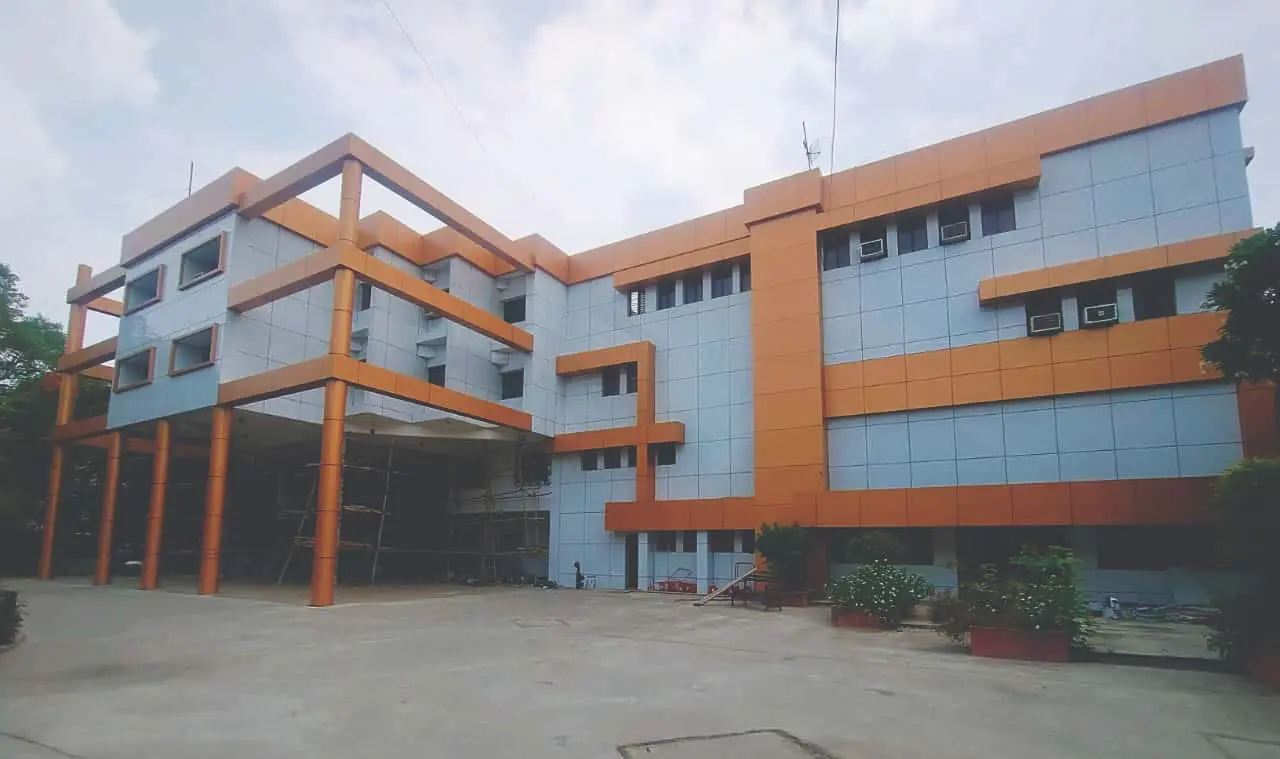
For example, our project for Punjab Lloyd in Gurgaon is over 18 years old and still standing. We have a project in Srinagar (Lal Chowk) that is 17 years old, a very old project in Muzaffarnagar, and one for Monte Carlo in Punjab from over 12 years ago. They all still look great.
| “Sustained by an unwavering focus on quality and service, Wonder Alu Board’s 18-year journey reflects a legacy built on reliability, long-term performance, and continuous innovation” |