
Tell Us About 4 Major Trends In Exterior Wall Cladding?
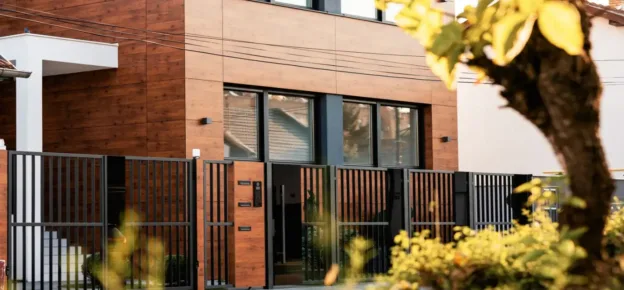
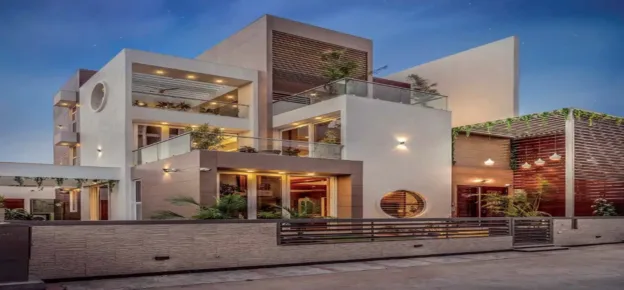
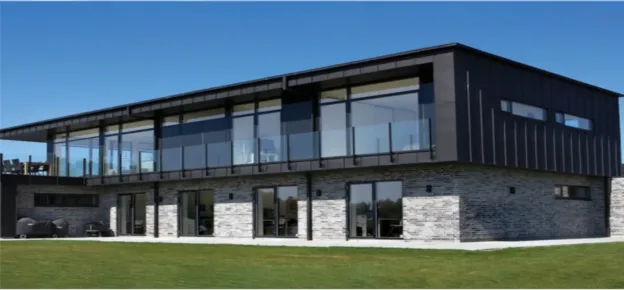
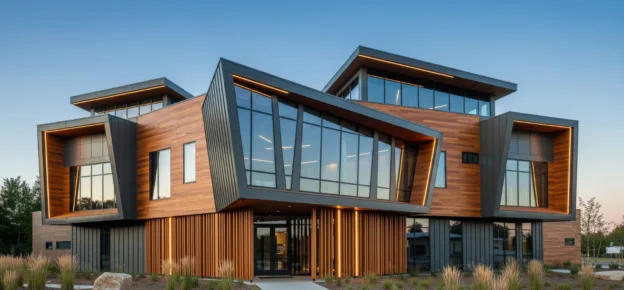
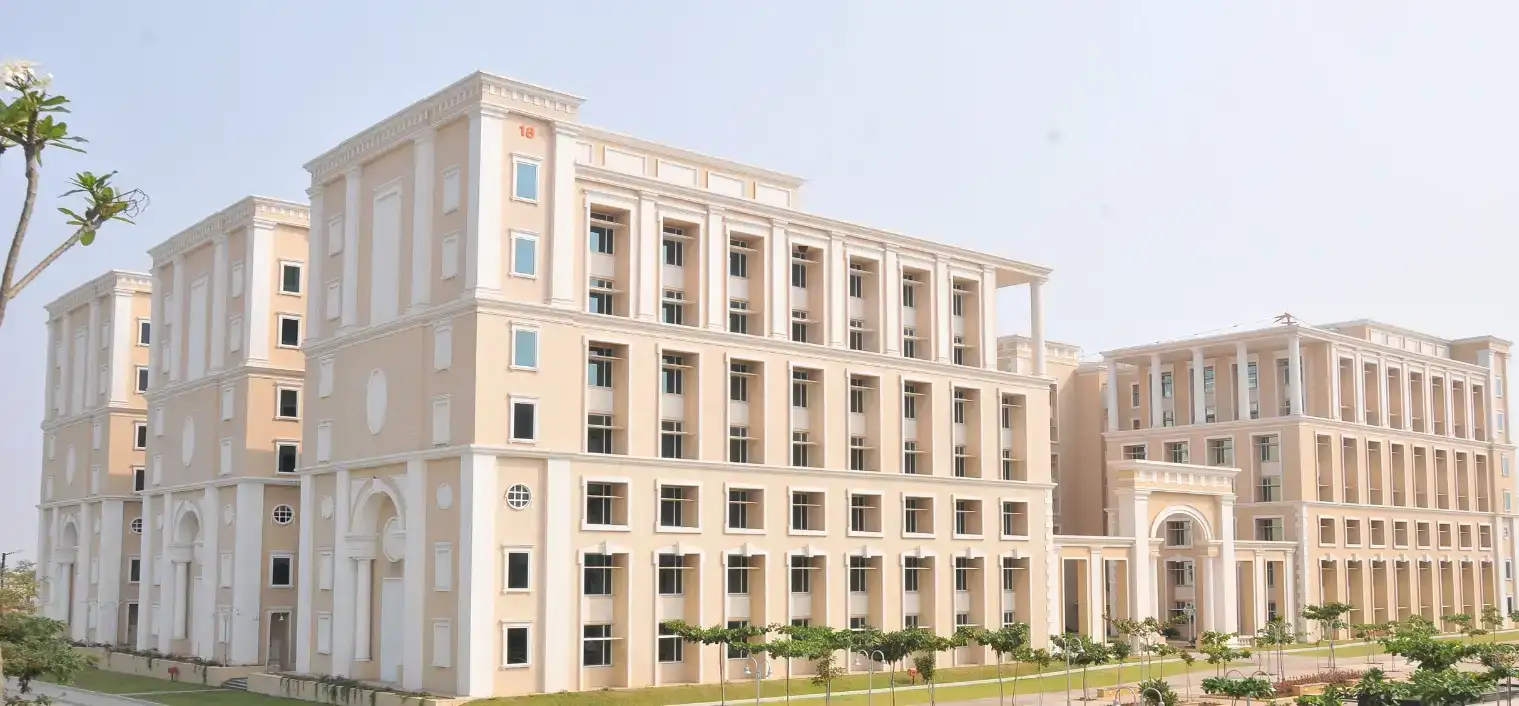
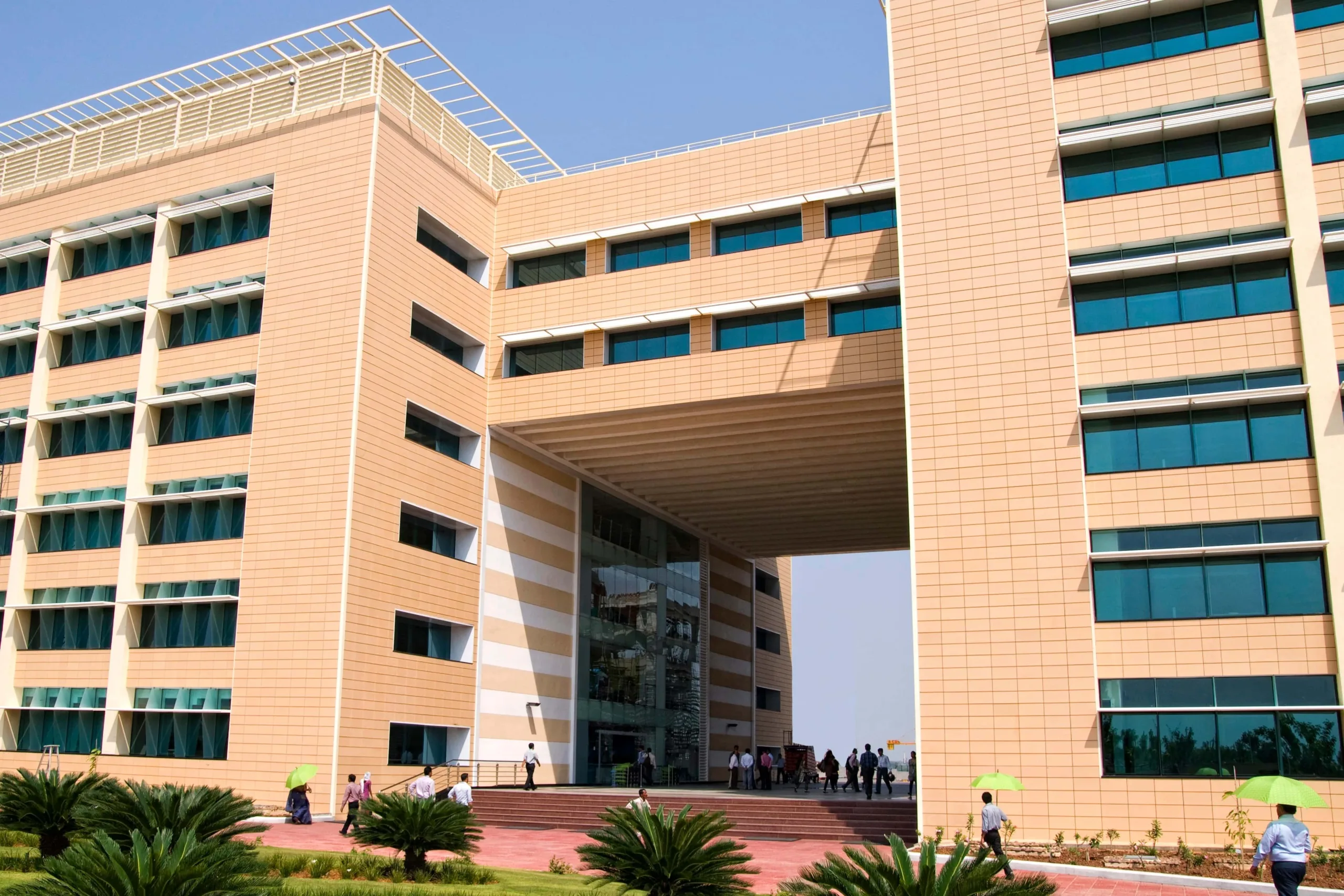
Depending on the building type, there are different materials gaining interest and importance these days. For residential areas where quantities are small, stone, wood, brick/clay tiles and metal elements are preferred for achieving a unique and customised design. For commercial buildings with large façades, material that is durable, easy to install and maintain, and more importantly achieves energy performance is gaining importance – these are tile cladding, concrete (more in case of pre-engineered elements), metal cladding, high-pressure laminates, etc.
Which One Is Your Most Preferred Cladding Material And Why?
Pre-engineered Concrete elements can provide great strength and durability, speed of installation, and offer low maintenance and overall lower lifecycle cost. Moreover, pre-engineered elements can have embedded insulation, thereby providing high performance and fire safety without any loss of real estate. These elements are an integral part of the façade rather than an additional layer of covering.
What Is The Role Of Cladding In Constructing Sustainable Buildings?
Cladding helps to achieve good thermal performance as it can enclose insulation material. Cladding can also provide shading if integrated with the overall façade appropriately. Thereby enhancing energy efficiency and reduces operational costs of the building.
How Can We Use Cladding Technologies & Materials To Regulate Daylight & Ventilation?
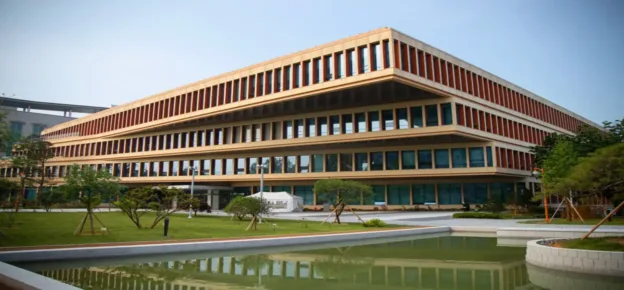
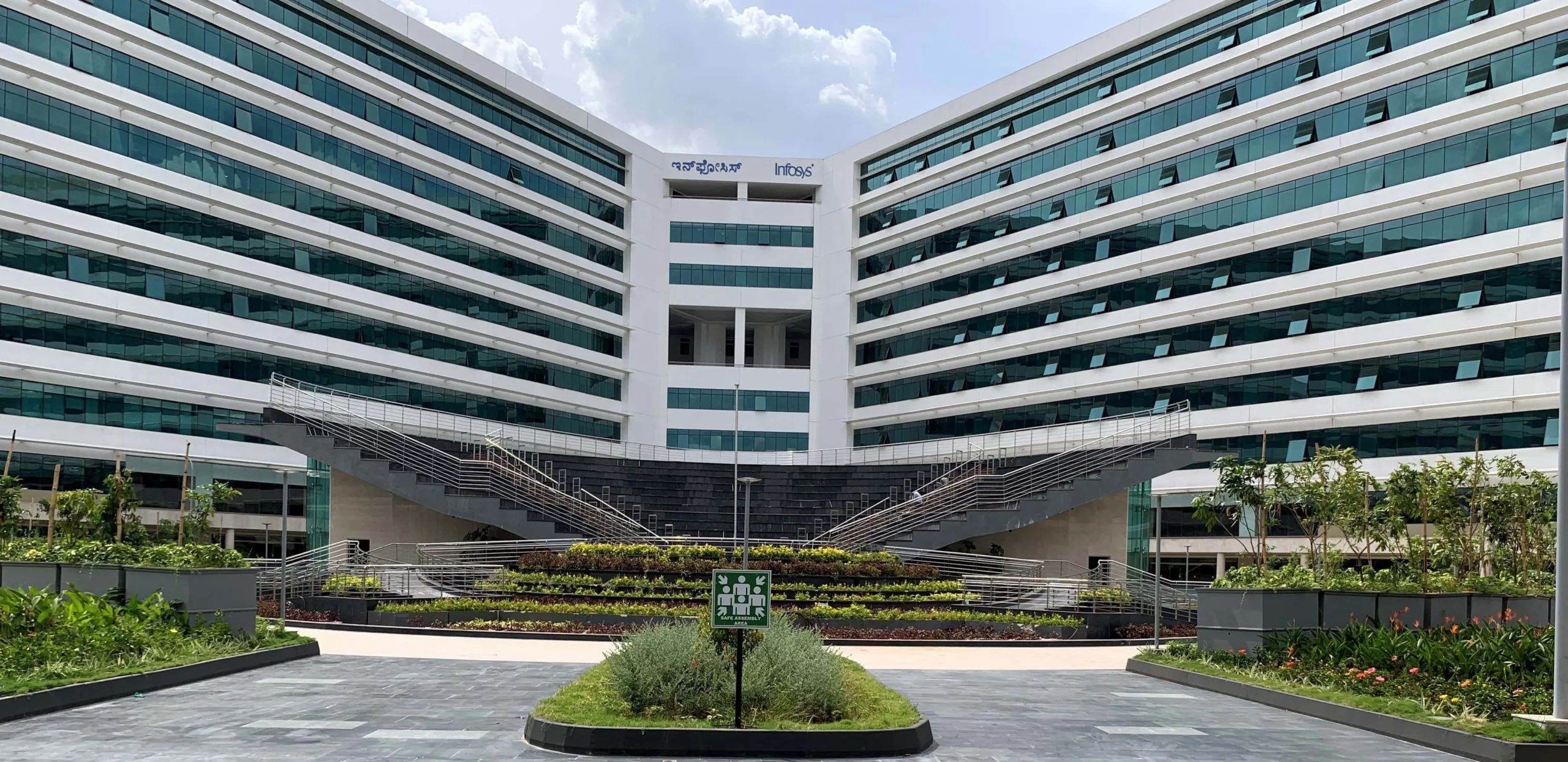
Cladding can be used effectively to control the openings on a building façade, for daylight as well as ventilation. Cladding can help in achieving the right window-wall ratio, act as a shading element to prevent direct sun, and enhance the diffused natural light in the interiors using passive design techniques. Cladding integrated well with the façade can ensure adequate ventilation openings without any impact on the aesthetics or the functionality of the façade. Sometimes, cladding systems can act as a second façade on the building, and if designed right, they induce ventilation in the space between the two facades – also known as a ventilated façade.
What Do You Mean By Intelligent & Responsive Cladding?
Cladding should provide the functionality and performance of the building façade required for a specific location, climate or usage of the building. Effectively, the façade and the cladding of a building should respond to the situation to ensure comfort for occupants as well as low operational energy costs. Passive techniques can be in the form of insulation, shading, double façade, etc., whereas active techniques can be in the form of movable shades, photochromic/electrochromic glass, that respond in real-time to the prevailing situation.
What Are The Various Tests Done On Cladding To Ensure The Safety And Security Of The Façade?
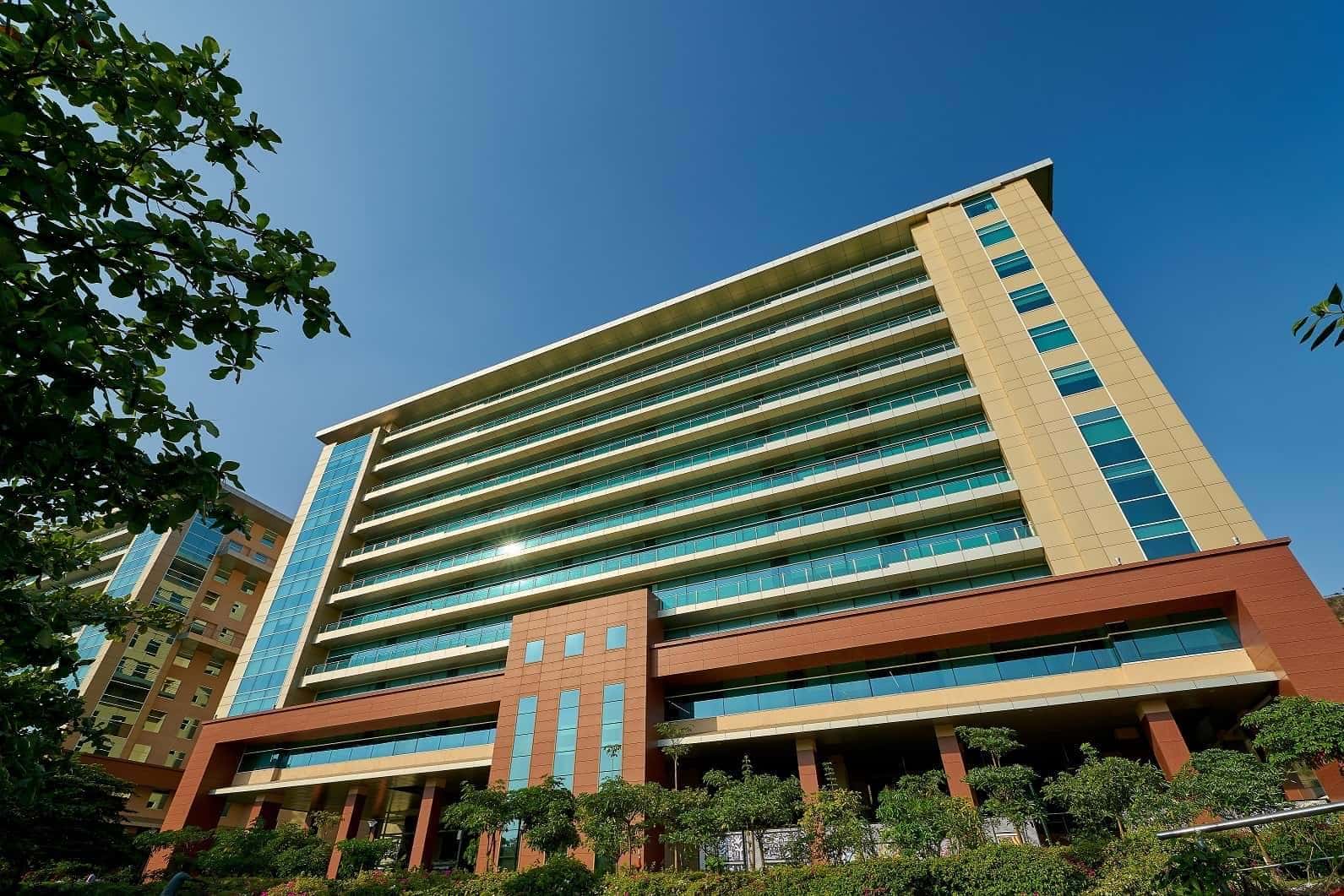
Building façade/external cladding system may be exposed to adverse climatic conditions and therefore needs to be tested for safety, strength and durability. Off-site performance testing of the façade elements can ensure structural stability (w.r.t wind loads), airtightness (i.e., air infiltration/exfiltration) and water tightness (i.e., water ingress from the exterior). These tests are a validation of the façade design to withstand external elements, ensure the stability of the building façade, and avoid maintenance issues and deterioration related to air/water leakage from the façade.
Please Brief On The Need For Choosing Fire-Safe Cladding Materials? How Can We Ensure That The Cladding Material Is Fire-Resistant?
Fire safety is crucial for all building materials. More so in the case of cladding materials, as the cladding can cover multiple floors or an entire building in many cases. Selecting fire-safe cladding materials can avoid the possibility of fire and contain the fire if caused by other elements within the building. In cases where insulation is a part of cladding, it is essential to select fire-safe insulation options (like class ‘O’) available today. It is also important to ensure fire safety through design. Providing fire isolation at regular intervals (for ex., between floors) and ensuring materials like insulation are fully enclosed can avoid the spread of fire.
What Are Your Visions For Cladding Materials For Future Facades?
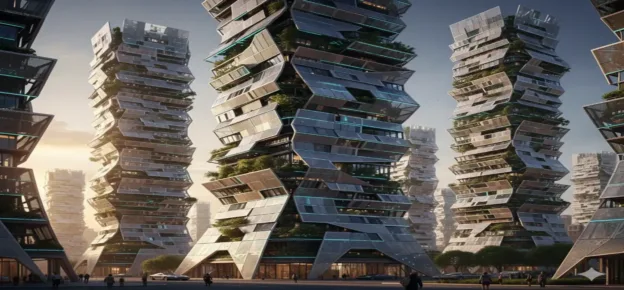
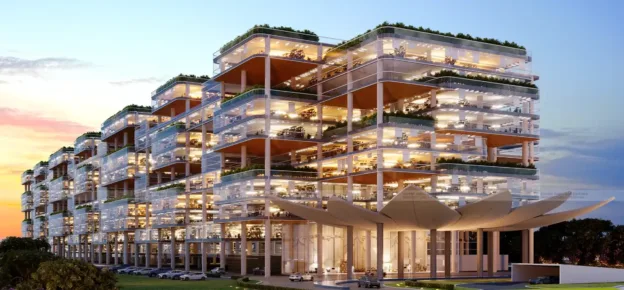
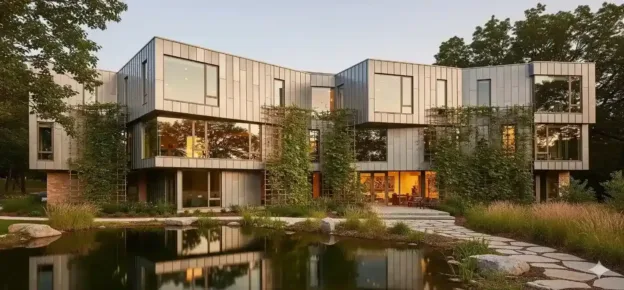
Building façades should dynamically respond to the climate and play a pivotal role in ensuring high-performance buildings. Façade cladding should offer creative freedom to the designers to ensure the correct balance between form and function. Apart from being fire safe and durable, cladding systems should adopt environmentally sustainable, recyclable, locally sourced materials as much as possible, moving towards sustainable buildings and a circular economy. We can also expect to see greater adoption of vertical gardens in the urban landscape, and the design of façades accordingly to cater to this trend.