

Fenestration: The Constant In Architecture

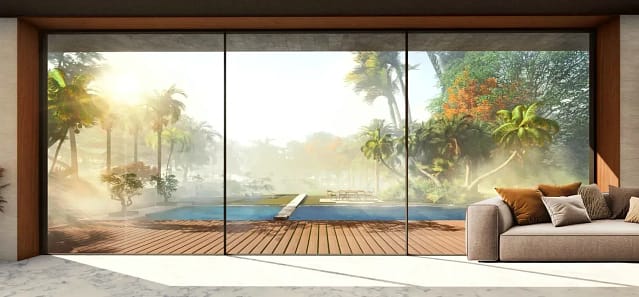
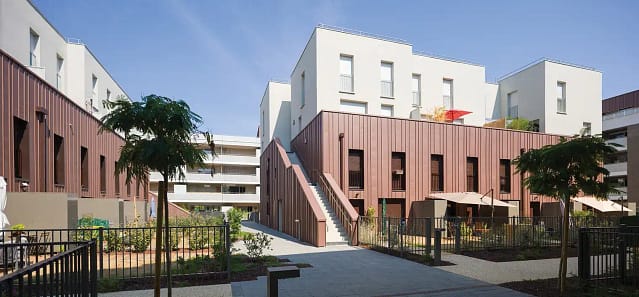
Construction today has become the outcome of a complex box of multi-functional elements, with a plethora of materials and technology to choose from and adopt. Of all the elements of a built form, regardless of its shape, size, material, function and style, fenestrations, or the presence of openings in a building, remain a constant and irreplaceable element. They remain a connection between the inside and the outside of any structure and allow for the movement of air and light through doors, windows, louvres, vents, skylights, curtain walls and glazed systems.
Importantly, fenestration, in its innumerable applications, designs and materials, dictates the style of architecture and gives character to a building. Fenestrations of the past, with their cultural relevance, climatic responses, mastery of artistic talent and knowledge-based design, have, the world over, gifted mankind a large repository of beauty, form and science. A study of these apertures gives us an insight into the scientific knowledge and artistic disposition of the time and the people they represent.

Climate-Responsive Openings In The Indian Context
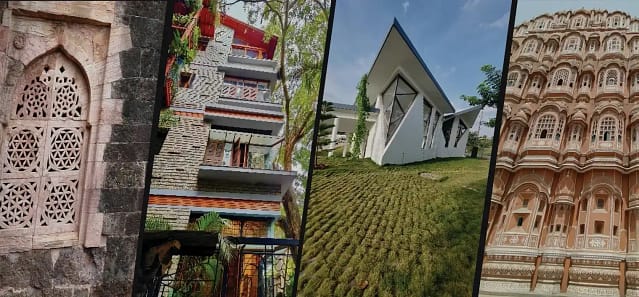
Historically, in the Indian context, openings were scientifically designed to cool interiors and were highly climate-responsive. They therefore had no universal typology and varied from place to place, depending on weather patterns, local materials and cultural aesthetics. Jaalis, as exemplified in the Hawa Mahal of Jaipur, are a model example of passive cooling and sustainable design, using the principle of the Venturi effect to create a constant movement of cool air within a space. The design and application of wind tunnels, verandahs, courtyards, skylights, orientation, sizes of openings, material and mass, and water as a coolant are all examples of passive cooling systems in the Indian subcontinent. In addition to this, the scientific temperament was the cultural aspect of talent and beauty. All elements of a built form, whether structural or non-structural, including openings, were treated as objects of beauty – such beauty that it remains timeless in its refinement and is still visited by people around the world to study, marvel at and enjoy.
Post-Independence Drift: Loss Of Identity In Openings
Fast forward to post-Independence India. As Indians became supposedly equal citizens, patriotism and socialism quickly gave way to capitalism, financial independence and wealth accumulation. With this newfound freedom, bereft of responsibility, came a characterless architecture. Fenestrations were merely openings, without thought of size, proportion, detail, climate or orientation, and buildings became careless and dull. The use of professionals for building design was almost unheard of, with a few exceptions. The materials used for openings were largely wood and steel.

The Glass Façade Era And Western Influence
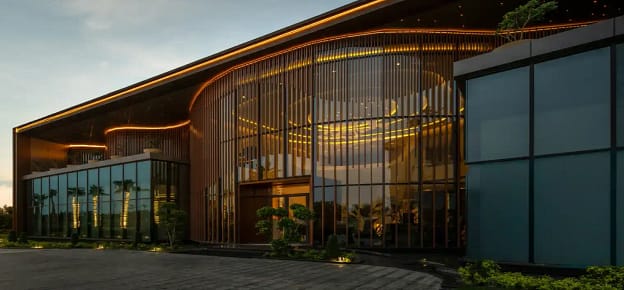
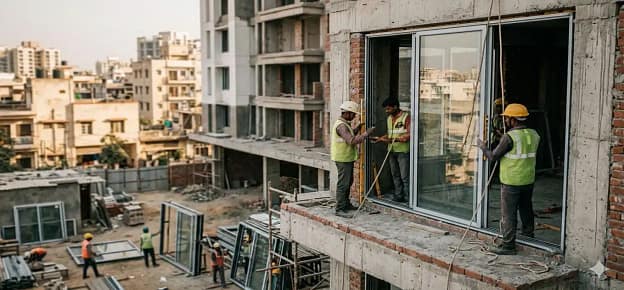
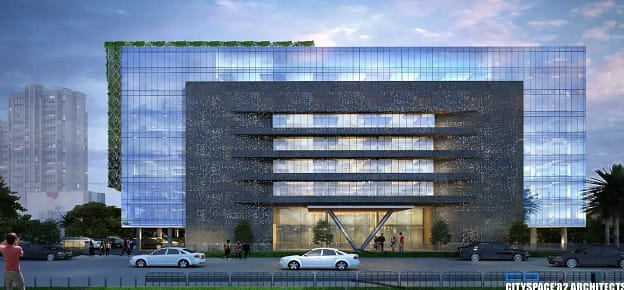
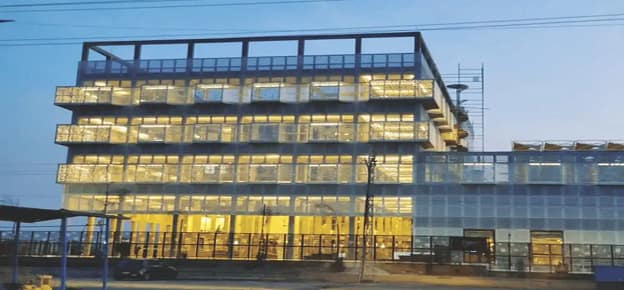
Then, with the advent of information technology in India in the late sixties and early seventies, came a sea change in fenestration design. Multinational companies arrived with imported aesthetics of glass façades, large spans for working and relaxation, landscaped gardens and wall treatments in aluminium composite panels on metal sub-frames. This quickly captivated the imagination of the building industry for its ease of execution and speed of erection. It further eroded the skill set of the building workforce, shifting from thoughtful, detailed work to quick and speedy construction. However, it also meant quicker turnover and faster returns. Architecture in the subcontinent went through a period of mindless copying of the West, whose climatic zones are very different from ours. We therefore saw glass façades enveloping buildings even in hot western regions. Spaces became heat islands, and fenestrations again altered the aesthetics and character of buildings. Aluminium, uPVC, steel, aluminium–wood composite and glulam became the materials of choice for fenestrations. These materials brought a new aesthetic of large-span openings and different types of openings, such as sliding, openable, vertical sliding, tilt-and-turn, slide-and-fold, and combinations of these. The lightness of these materials introduced a plethora of hardware that changed the traditional understanding of fenestrations.
Large-area doors and windows moved at the tip of a finger; beauty came through lightness and slender sections; security came through material design rather than physical barriers such as grilles. The notion of beauty began to change through fenestration design. Art began to be replaced by technology. Technology became the new aesthetic.

The Sustainability Turn In Fenestration Design
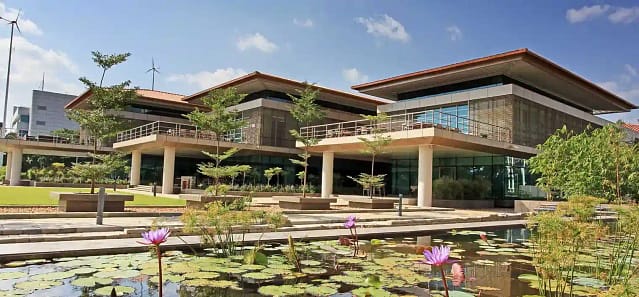
Fortunately, positive change came again, and the wheel of fenestration design turned. With technology came new materials. Sustainability became the new mantra. From natural passive cooling systems emerged technology-driven, energy-efficient fenestration systems to heat, cool and ventilate building envelopes. Controlling solar heat gain became important to reduce HVAC loads and the heat-island effect created by heat rejected from indoor environments. Double-and triple-pane glass and low-emissivity coatings came into use. Smart shading devices for fenestrations, such as automated louvres and blinds, retractable roof-shading devices for skylights, and automated awnings and curtains, became new embellishments for openings.
Returning To Place-Responsive Design
We seem to have come almost full circle — from unintelligent copying of the West to rethinking fenestration design as place-relevant systems for comfortable interiors. We have travelled far to return to the beginning and to recognise again that one size cannot fit all. We are moving towards the idea that culture, art and technology must unite, and passive cooling systems must emerge through the intelligent use of fenestrations. As we, as a nation and a people, become more confident and comfortable in our own skins, we return to what we always had – climate-relevant design strategies for comfortable living, with art and local sensibilities.
Conclusion
To conclude, fenestration design in India will become a specialisation — one that will be integrated with façade design and will seek to combine science, technology, innovation in materials, art, and passive cooling and heating systems to create long-term, energy-efficient interiors with high indoor air quality. As the industry undergoes significant positive change, it will produce a contemporary aesthetic that is resilient, climatically rooted and beautiful. There is much to look forward to.