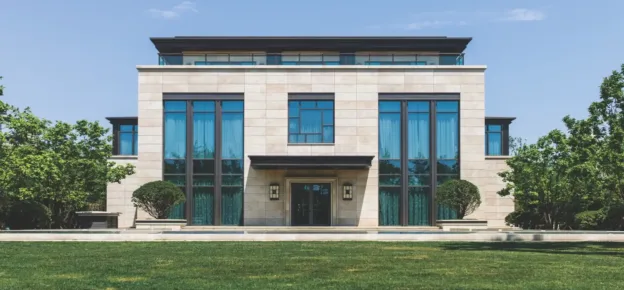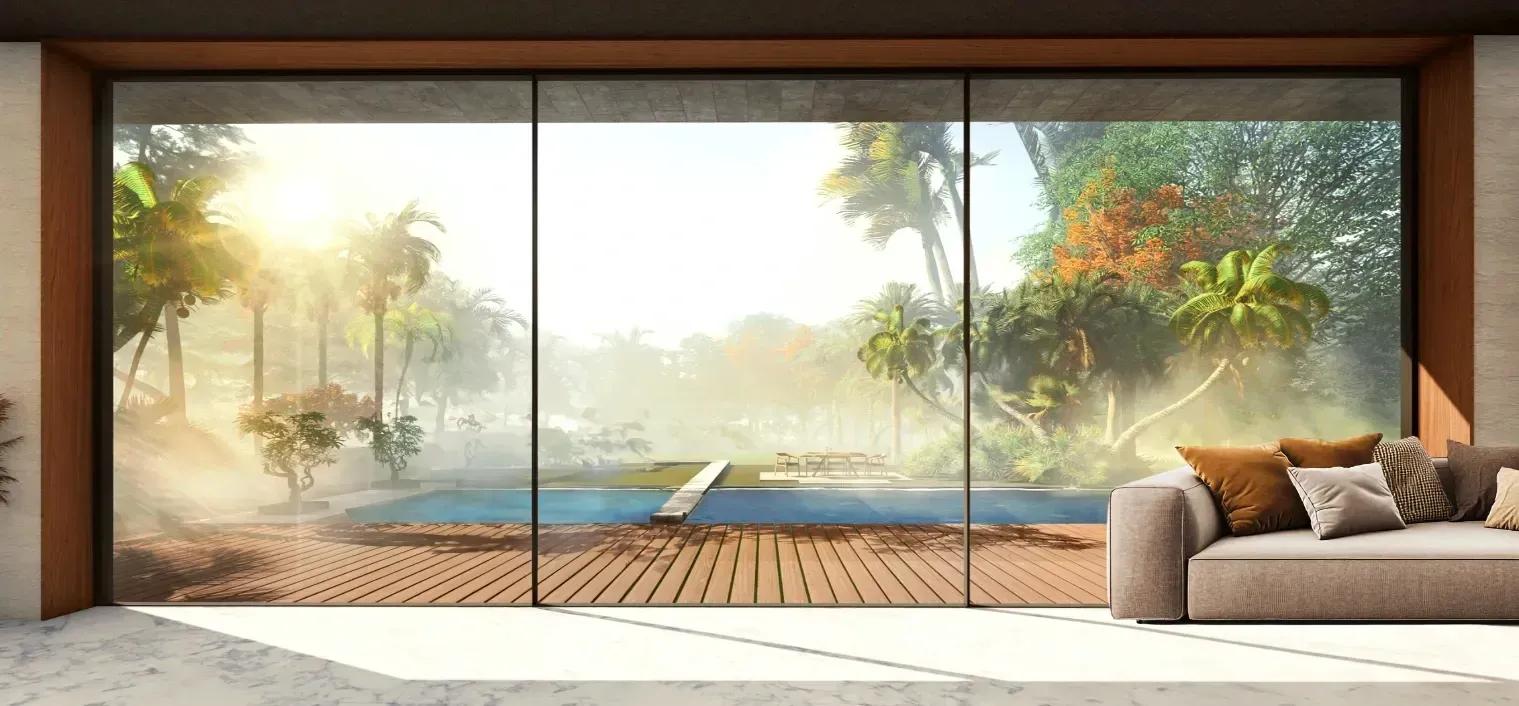
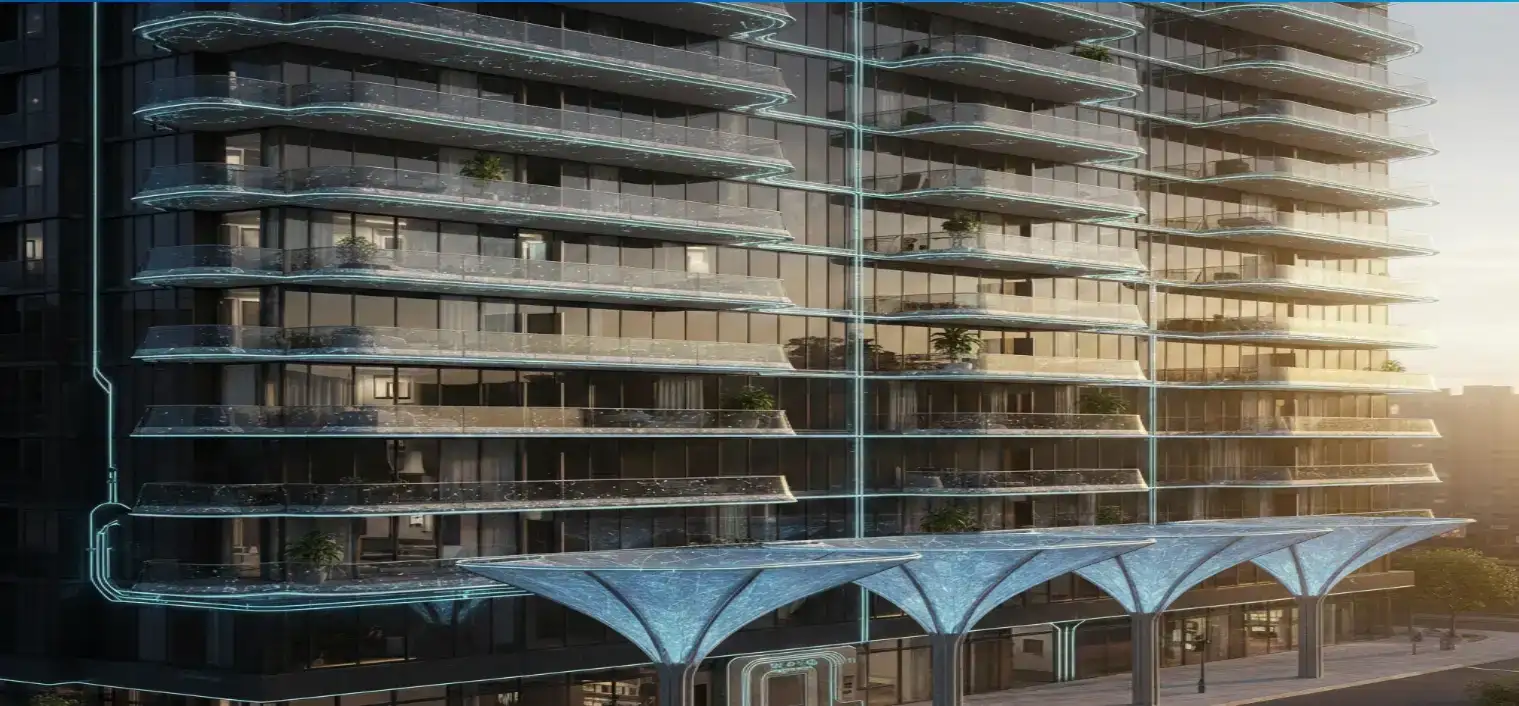

Gone are the days when rooftops were the only spaces available for installing solar power systems. With the advent of Building-Integrated Photovoltaics (BIPV), architects and engineers now have access to innovative, customised solutions for harnessing clean and sustainable solar energy. Structural glazing has emerged as an attractive façade option, especially for architects seeking a sleek, contemporary aesthetic for modern buildings.
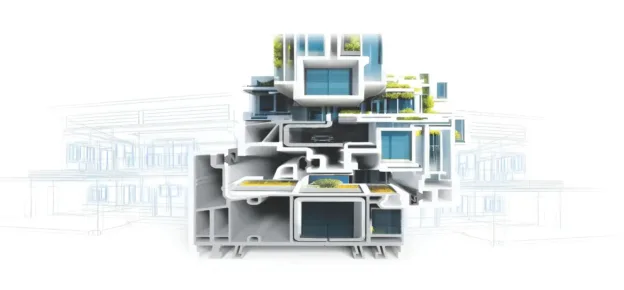
By integrating solar technology into building elements such as façades, balconies, railings, and canopies, BIPV offers immense potential to blend functionality with design. When combined with thoughtful architectural planning, these systems not only generate renewable energy but also enhance the utility and visual harmony of the overall structure.
As global energy demands escalate and environmental challenges grow more urgent, the pursuit of sustainable energy solutions has become vital to modern design and engineering. BIPV stands at the forefront of this shift, merging architectural elegance with advanced solar technology. Unlike conventional solar panels added as external components, BIPV systems are seamlessly built into the structure itself, serving a dual purpose as both energy generators and integral building materials.
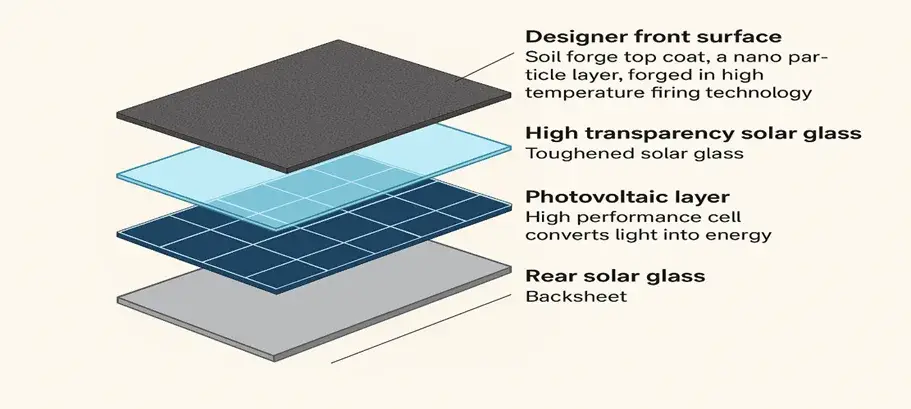
What Is Building-Integrated Photovoltaics (BIPV)?
BIPV refers to photovoltaic materials that are directly integrated into the building structure, replacing conventional materials like glass, tiles, or metal sheets, while simultaneously producing electricity.
Design Aspects
- Size: Solar panels for Building-Integrated Photovoltaics (BIPV) are available in a wide range of standard dimensions, from 300 × 300 mm to 2400 × 1200 mm, to meet diverse architectural needs. Additionally, they can be customised to suit specific design or structural requirements, offering maximum flexibility in application.
- Colour and Patterns: BIPV panels come in an extensive colour palette spanning red, yellow, green, blue, grey, black, and white, allowing them to seamlessly blend with any architectural style. To enhance visual appeal, panels can also be designed with textures and finishes resembling mosaic, marble, granite, brick, tile, or wood grains, adding both elegance and character to building exteriors.
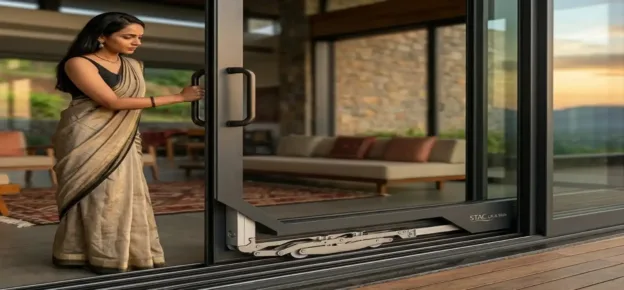
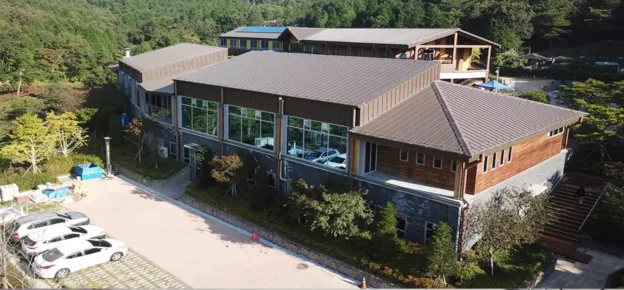
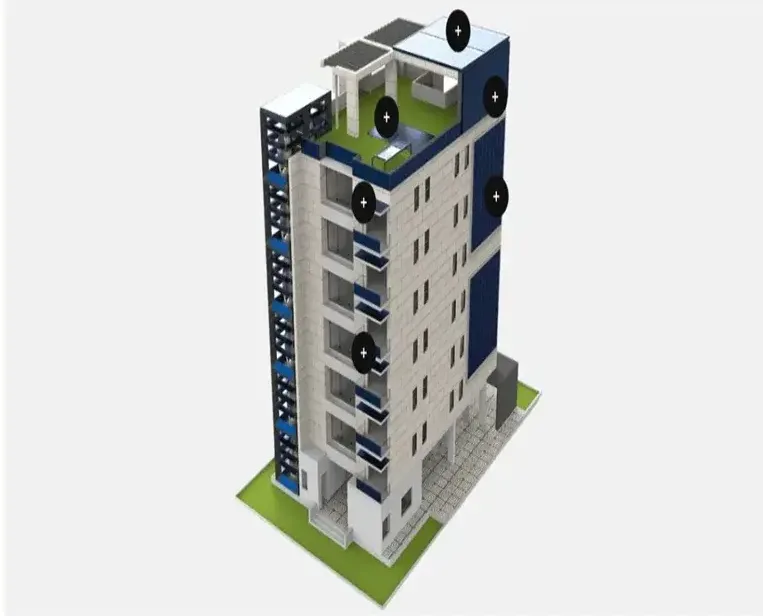
- Installation: When used as cladding, BIPV panels are typically installed using a rainscreen system, where the photovoltaic panels form the outermost layer fixed to a metal framework, ensuring proper ventilation and moisture management behind the façade. In balcony applications, they can function as parapets or railing systems, serving a dual role as protective barriers and energy-generating surfaces. When integrated into outdoor spaces like sidewalks, plazas, flooring, or terrace designs, the panels are frame-mounted, making them walkable while supporting green spaces or elevated garden structures through intelligent architectural integration. The use of covering material in Pergola, Canopy, Gazebo, Skylights and Atrium can be profiled to suit the shape and geometry of the structure.
Key Components:
- PV Modules: Solar cells embedded into building materials (glass, laminates, etc.).
- Inverters: Convert DC power generated into AC for building use.
- Energy Storage Systems (optional): Batteries to store excess energy.
- Power Management Systems: Control, monitor, and optimise energy flow.
Technological Innovations:
- Perovskite-based BIPV Glass: Enhances transparency and efficiency.
- Flexible Thin-Film Modules: Enable curved and lightweight architectural designs.
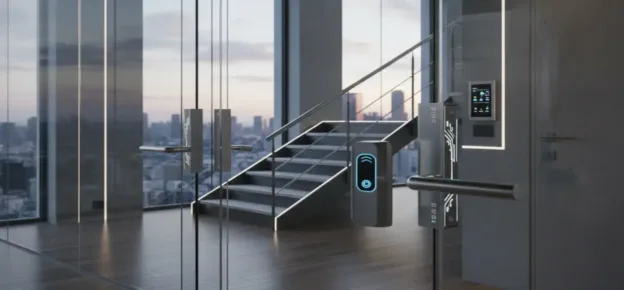
- Smart BIPV Systems: Combine energy generation with sensors, automation, and smart shading control.
Advantages Of BIPV Systems
Unlike bulky rooftop panels, BIPVs integrate seamlessly into building design and render aesthetic appeal to the structure. It reduces material and labour costs since it replaces conventional cladding or glazing, enabling cost efficiency in the life cycle cost. It is expected to recover additional capex cost within 6-10 years. On-site renewable energy generation also contributes to Energy Independence. This system provides thermal insulation, thus reducing cooling and heating demands. It contributes to net-zero energy building goals, a standard feature of modern architecture, offering a reduced carbon footprint. Future innovations in transparent solar cells, building energy modelling, and AI-based optimisation will drive even greater uses and benefits. With the rise of smart cities and sustainable design mandates, BIPV is set to become integrated and efficient.
Conclusion
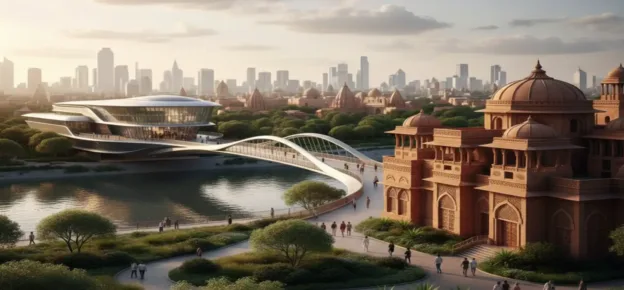
Building-Integrated Photovoltaics mark a paradigm shift in how we think about solar energy. They transform buildings from passive energy consumers into active producers, aligning perfectly with global goals for net-zero carbon emissions. As technology matures and costs decline, BIPV will redefine urban skylines — turning every building into a power plant of the future.