
Post Date: December 11, 2025 |
Last Edited: December 11, 2025
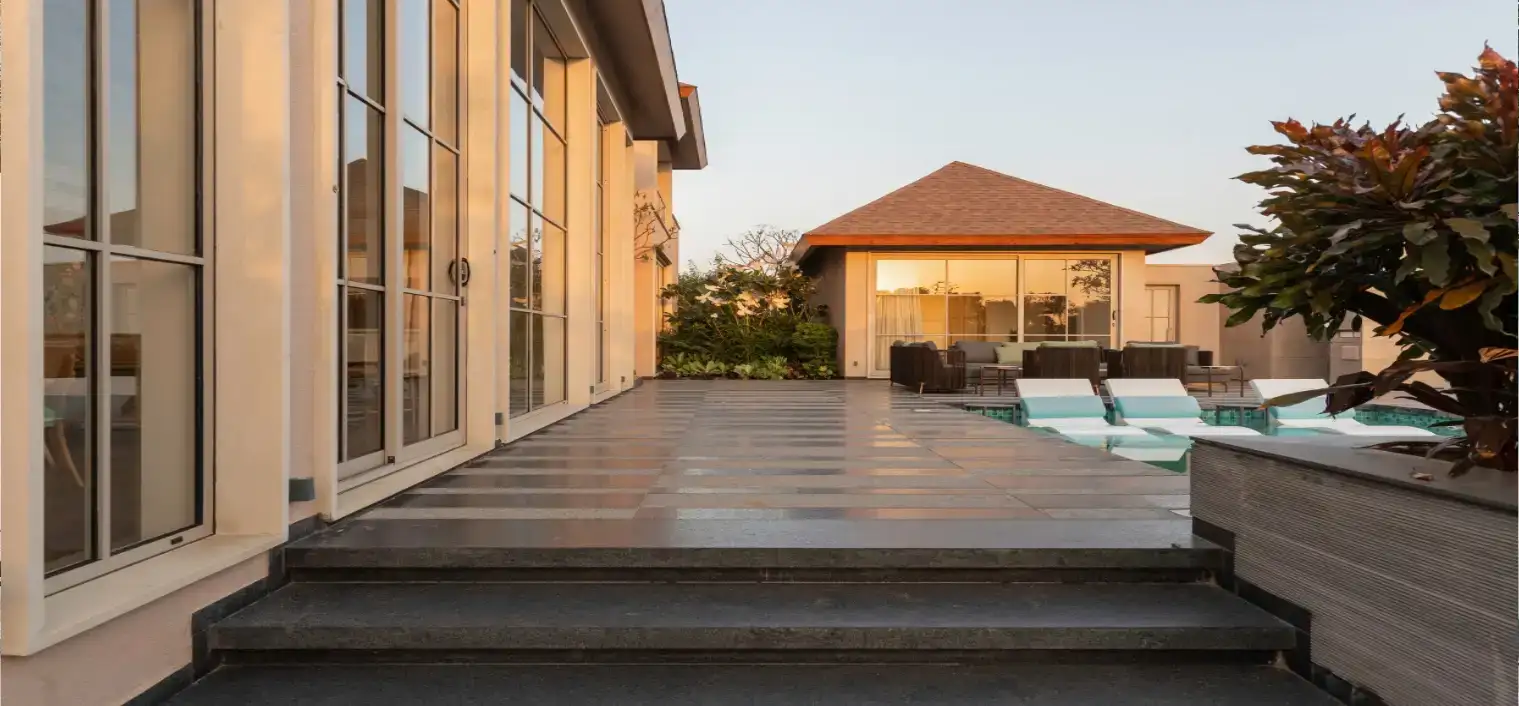
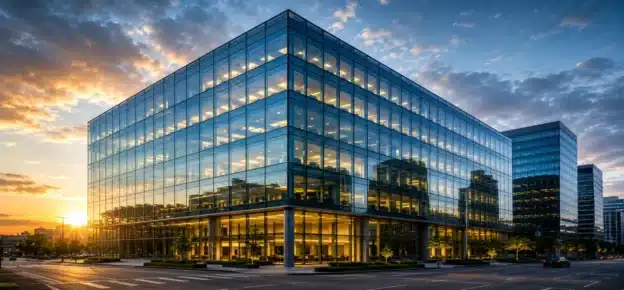
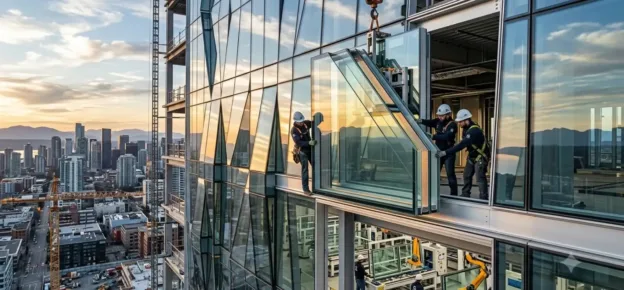
Improving building performance requires careful consideration of façade and fenestration material selection. By enhancing insulation and limiting heat gain or loss, efficient façades serve as a barrier against the weather and lower energy usage. Within this, glass is one of the most preferred materials in contemporary construction. High-performance glass, composite panels, and cladding systems offer thermal efficiency, durability, and aesthetic appeal. To improve comfort and energy efficiency in fenestrations, glass is usually treated with low-emissivity coatings and double or triple glazing. Combining these cutting-edge materials can improve a building’s acoustics and environmental impact.
One should never lose sight of the fact that the main purposes of glass are to Design with Glass: Efficient Use of Glass on Façade and Fenestration let in light and to allow visibility via its transparency. The most crucial aspect of glass is visible light transmission (VLT); a higher VLT will increase daylighting but also energy transfer and glare. Strength, safety, acoustics, and other considerations should be taken into account, in addition to light and energy, to assess the processing requirements of the primary or basic glass that was previously chosen. It will be beneficial to introduce a method to the selection process that all parties involved can understand and that guides them towards a shared strategy.

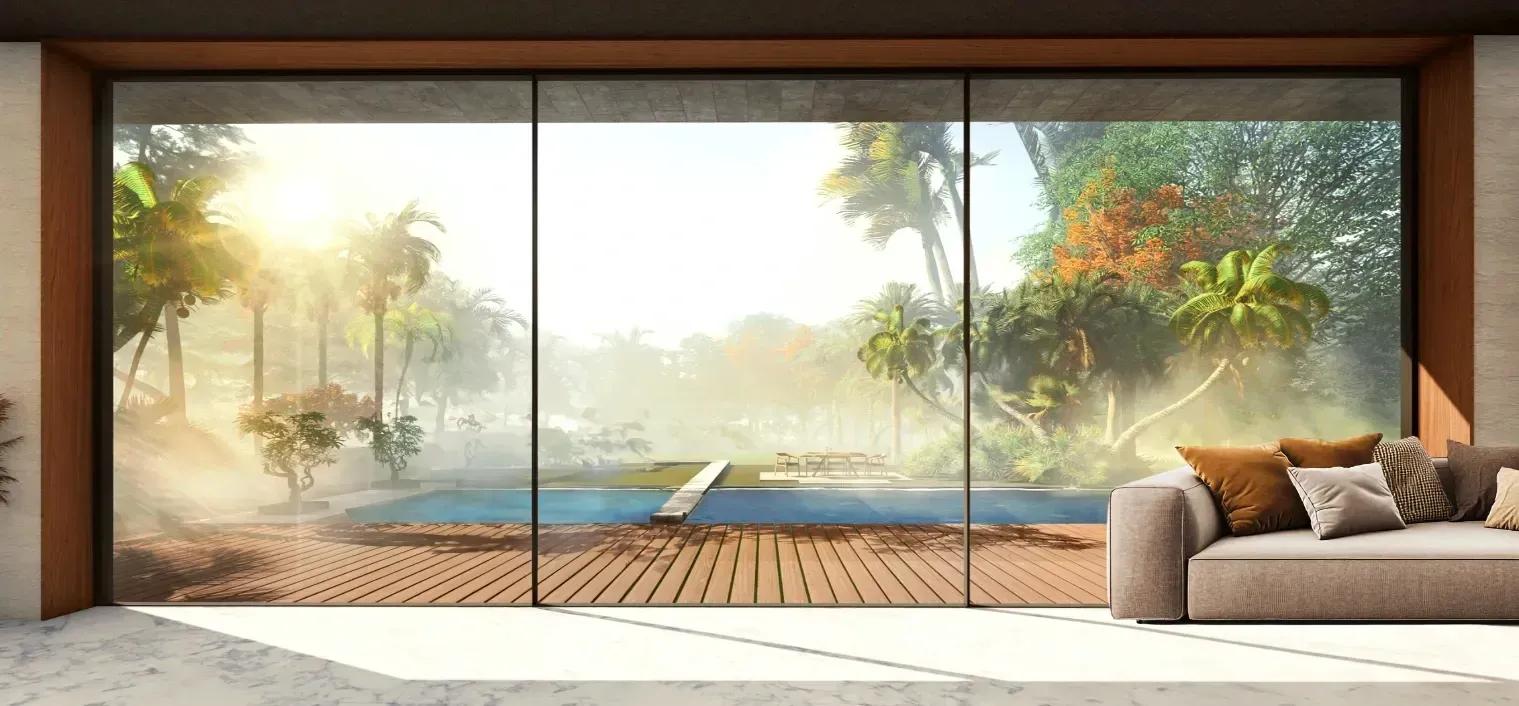
For human health and well-being, natural light is essential. The penetration of daylight into the building’s interior space and the management of internal and external heat loads must be taken into account when designing glass and glazing. While internal loads include heat released by electric lighting systems, equipment, and people working in the building area, external loads include heat gains from the sun through fenestration, heat losses across glass surfaces, and undesired air infiltration into the building. The benefit of daylighting can be obtained through proper building orientation and careful consideration of window size and placement during the design phase.
One of the most important aspects of glass is to consider that glare will almost certainly occur, even with glazing that transmits only 10% of the light. Mechanical shading, such as a canopy, an overhanging floor, a balcony, or a louvre system, can help decrease glare. Reorienting the windows to prevent direct sunlight from entering could also be an option. As an alternative, glare can be removed by appropriately designing the interior arrangement. It can be reduced with glazing products that have a light transmission of less than 50%. These devices permanently limit the amount of sunlight that is admitted while decreasing the sky brightness component.
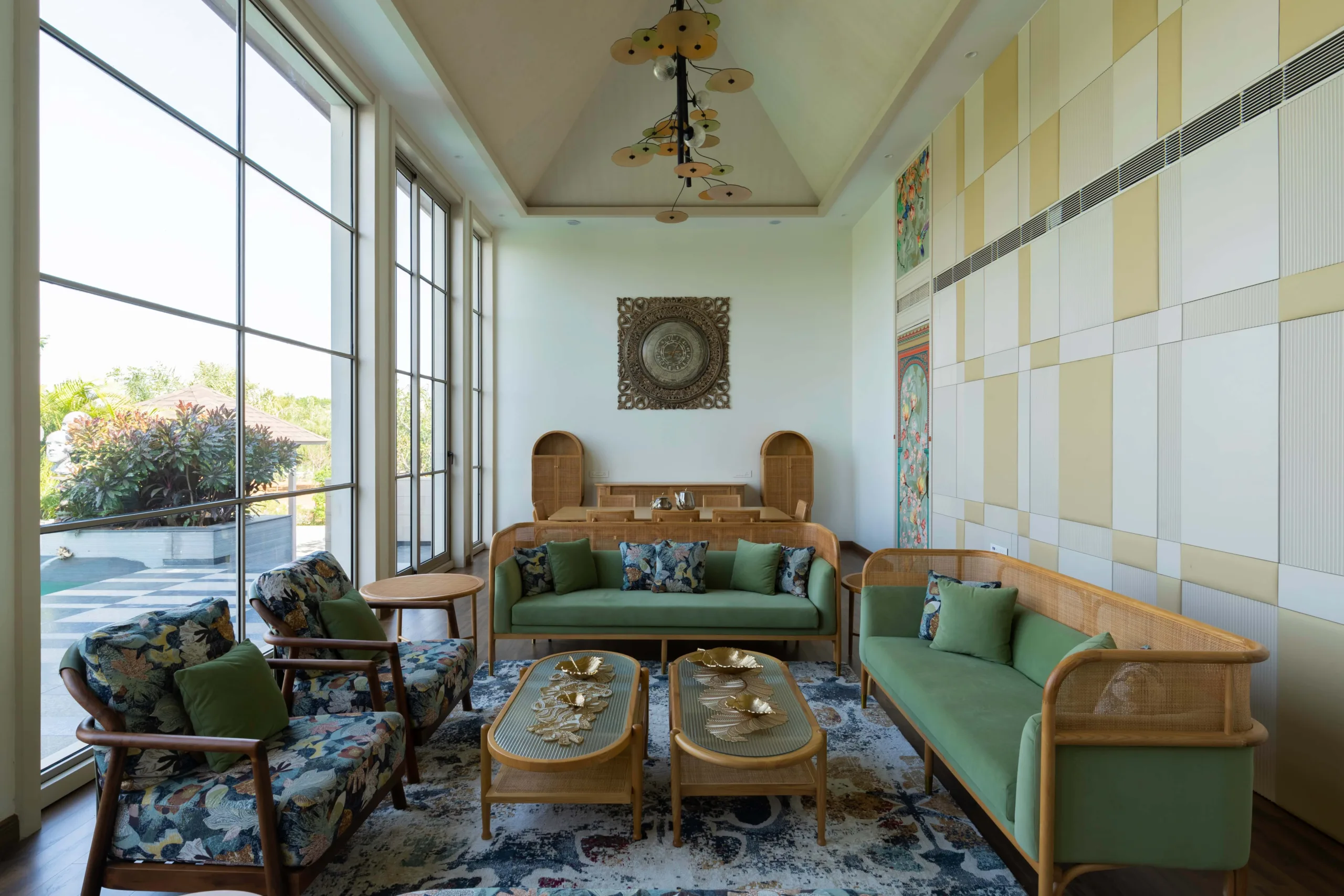
Efficient use of glass is a careful balancing act: maximising benefits while minimising drawbacks such as heat gain and energy dependency. Double-skin façades with two layers of glazing offer a ventilated cavity that can significantly improve insulation and create stack ventilation. Often used in office towers, they also allow integrated shading devices. External louvres or overhangs reduce solar exposure while maintaining transparency. Internal blinds, when combined with high-performance glass, enhance occupant comfort. In hot climates like Rajasthan, solar-control glass with shading devices minimises cooling loads. In colder regions, high-performance IGUs retain heat while capturing low-angle winter sun.
Coated glasses have superior thermal performance; they can be utilised as a solution to reduce heat transmission through the glass. Special coatings on solar-control windows lower the amount of heat gain through the glass by limiting the quantity of solar radiation that passes through it. These coatings also reduce the amount of light that can pass through the glass. When selecting these glasses, it is essential to strike the optimal balance between heat and light transmittance.
In essence, the efficient use of glass requires a multidisciplinary approach: architects envisioning aesthetics and craftspeople embedding meaning. It frames the city while filtering climate and the project’s identity, while enhancing performance.
| Case Study: Glass Haven, Vatika – Jaipur |