
Post Date: December 12, 2025 |
Last Edited: December 12, 2025
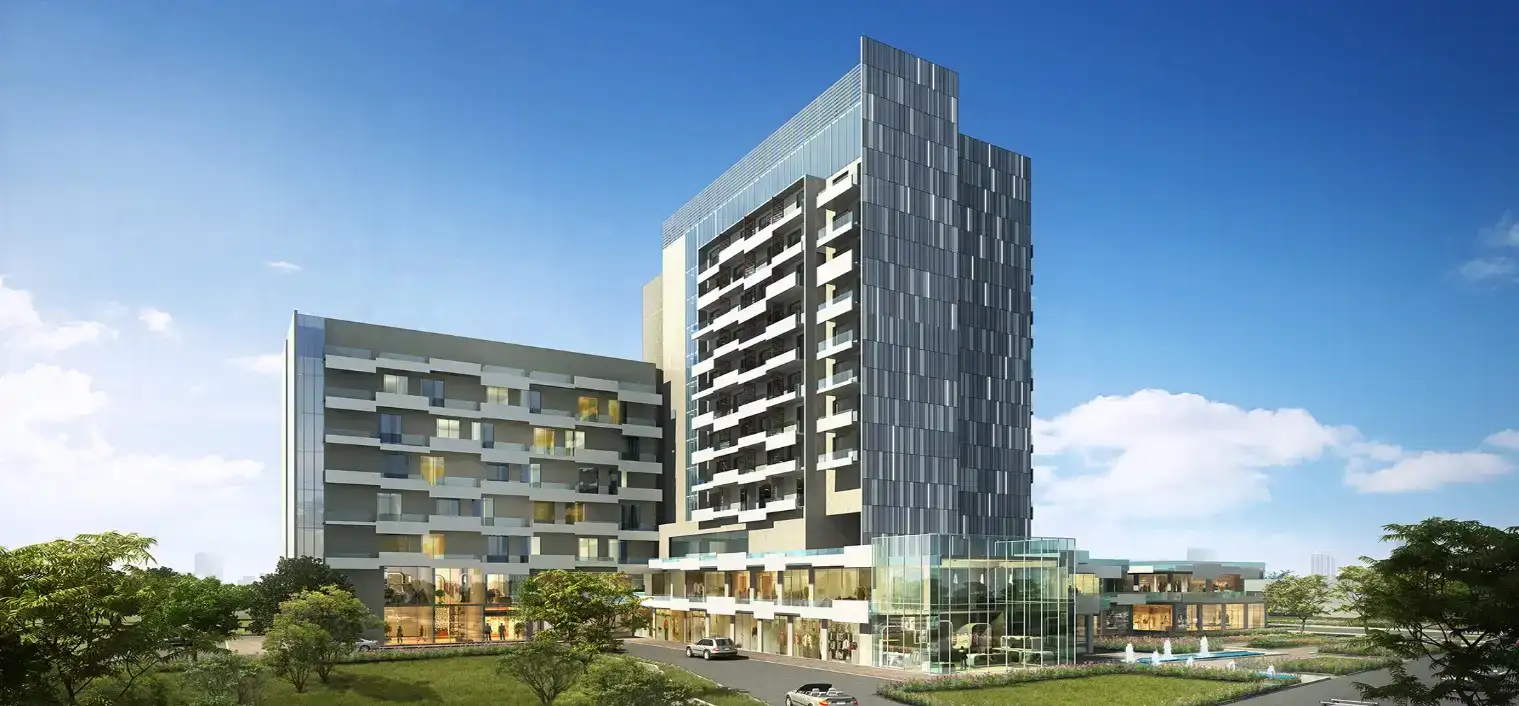
Over the past two decades, India has witnessed an unprecedented boom in construction, driven by rapid urbanisation, rising aspirations, and the growth of high-rise developments across its cities. This transformation has brought façades to the forefront of design, as markers of identity and as critical components of performance and sustainability.
Among façade materials, glass has emerged as a defining element of contemporary architecture. With high solar exposure, long cooling seasons, and increasing urban density, the choice of glazing directly impacts energy use, occupant comfort, and long-term resilience. What is evolving today is not the importance of glass but the technologies that allow it to perform more intelligently, offering adaptability, safety, and durability for Indian cities.
Smart And Dynamic Glass
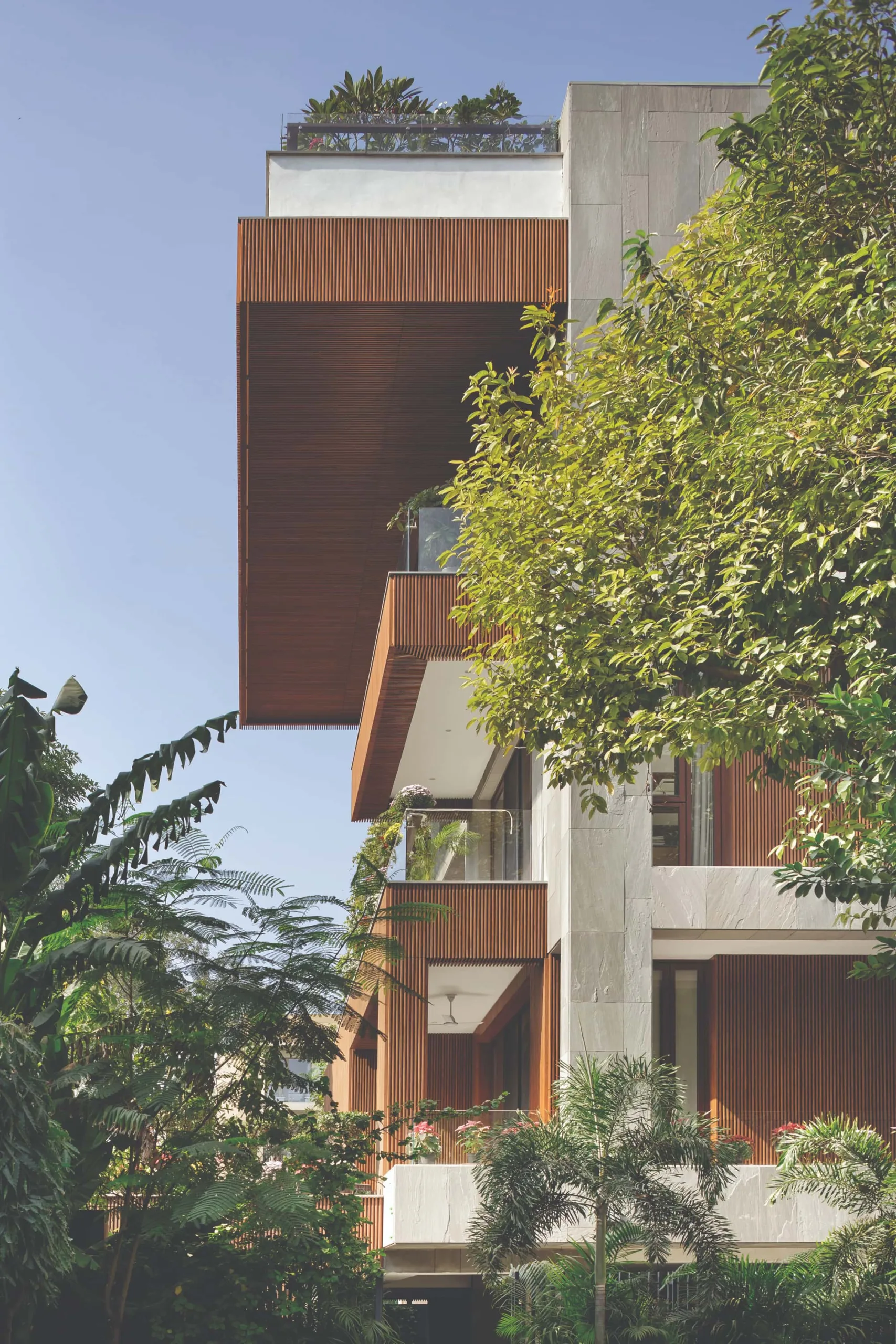
For decades, glazing was static: once installed, its performance remained fixed, regardless of changing weather or orientation. In India, this often meant high solar heat gain and significant energy spent on cooling. Studies show that in composite climates like Delhi’s, poorly specified glazing can increase cooling loads by up to 25–30%, directly adding to electricity demand.
Dynamic glazing has begun to shift this balance. Electrochromic and thermochromic glass technologies allow façades to respond to sunlight and heat, modulating tint levels to cut glare and reduce cooling demand. These solutions improve energy efficiency and enhance comfort, creating interiors that remain bright without overheating or excessive artificial lighting. As costs reduce, smart glass is finding a stronger foothold in India. For high-performance office spaces and institutional buildings, it offers a way to meet both design aspirations and sustainability goals.
Media Façades
As India’s cities densify, façades are also evolving as communication surfaces. Media façades through LED-integrated glazing or transparent display systems are becoming visible in retail destinations, corporate campuses, and cultural venues. Beyond commercial branding, these systems hold potential for public information, civic messaging, and even cultural storytelling in public infrastructure like airports or convention centres.
However, Indian conditions present unique challenges. Long summers, heavy monsoons, and high dust levels demand robust integration. Any media façade must perform as an efficient envelope first, ensuring insulation and daylighting while carrying the load of visual display. Energy efficiency and maintenance are critical factors, especially since high operating costs can quickly erode viability in this market. As LED and glazing technologies advance, thinner, more durable solutions will allow wider adoption without compromising façade performance.
Safety And Security Features In Glass Façades
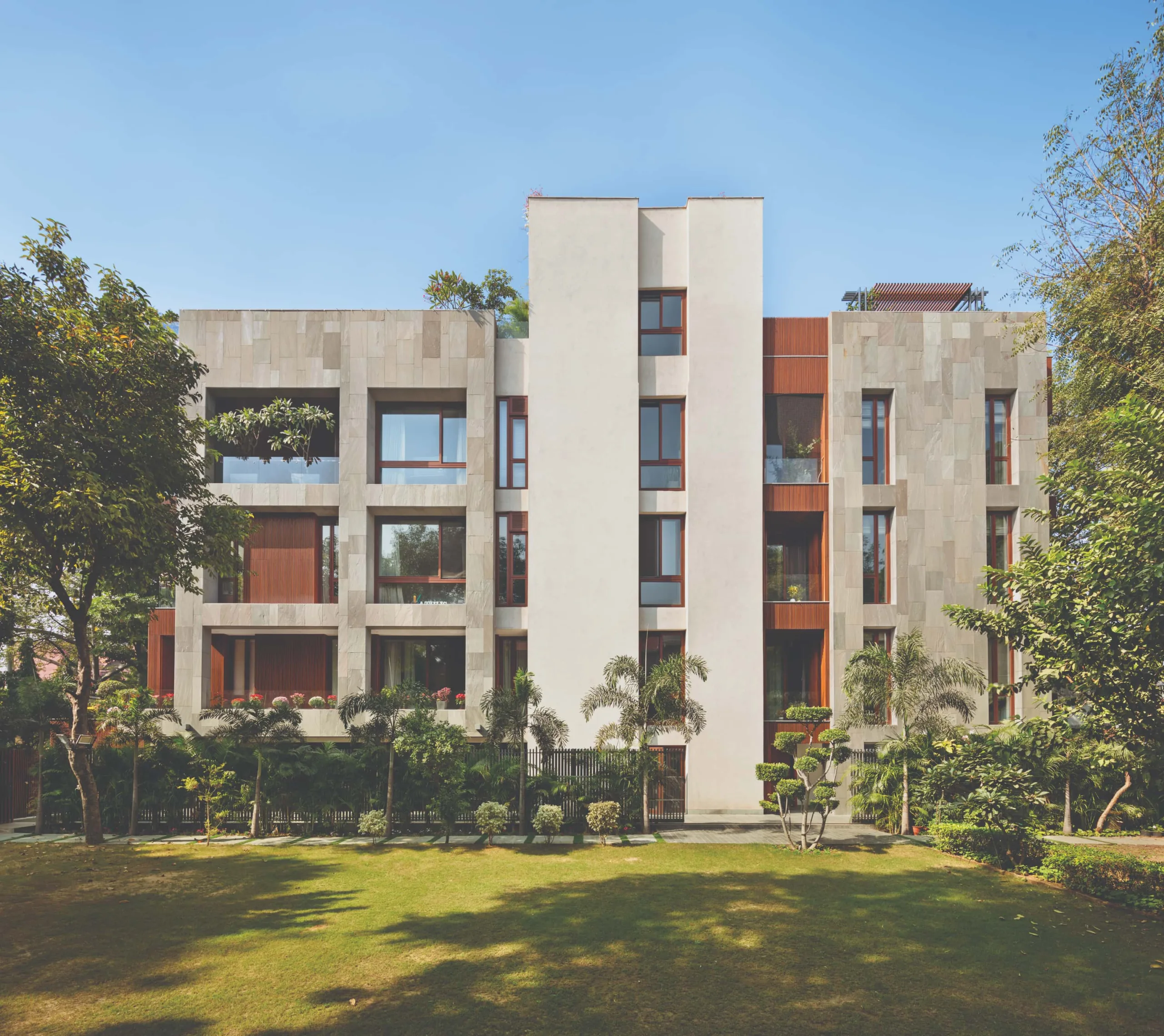
In a country where high-rise construction is expanding rapidly, the conversation on safety is more urgent than ever. Glass façades in India must contend with a combination of risks: heavy wind loads in coastal zones, seismic activity in the north and northeast, extreme rainfall during the monsoons, and densely occupied urban cores.
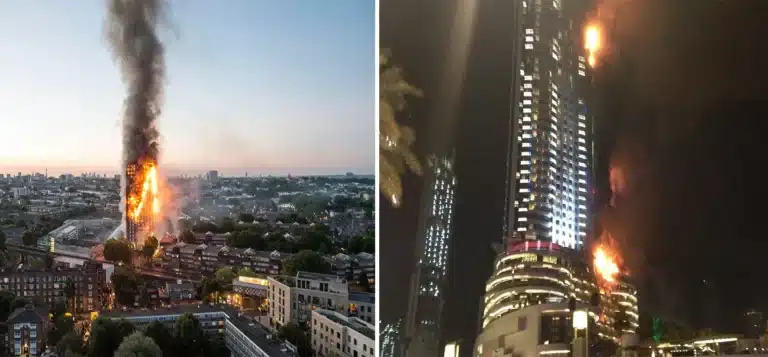
Laminated glass with advanced interlayers has become central to ensuring occupant safety. It prevents shattering, enhances resistance to impact, and improves security against forced entry. Fire-rated glazing systems are increasingly enabling transparent yet safe evacuation routes in airports, shopping malls, and workplaces. In Indian cities where fire incidents remain a recurring risk, these solutions are becoming an essential part of design.
Equally important is ensuring that framing and anchoring systems work in tandem with glazing. In seismic regions, façades must be flexible enough to absorb movement without failure. As the skyline of Indian cities grows taller, glazing must be seen as integral to building safety rather than a decorative surface.
Self-Cleaning And Self-Healing Glass
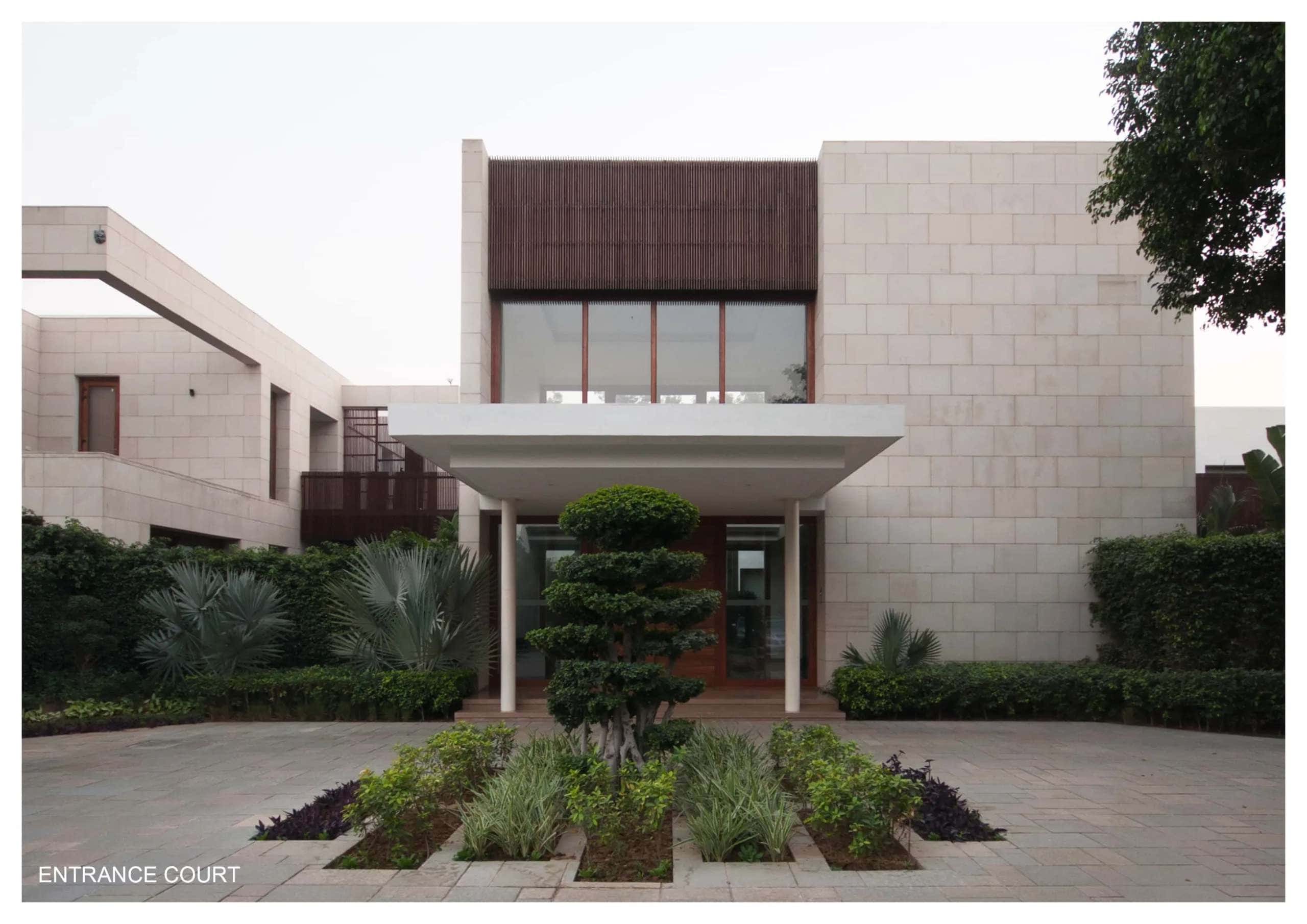
Maintenance is one of the biggest challenges for glass in India. With high dust levels and urban pollution, façades require regular upkeep. For high-rise buildings, this often means costly and water-intensive cleaning regimes. Self-cleaning glass is a particularly relevant innovation for our cities. Using coatings that break down organic dirt under UV exposure, and then allowing rainwater to wash it away, such glazing reduces maintenance cycles. This saves water and cuts long-term operational costs. On the horizon, self-healing glass technologies are able to repair minor scratches or micro-cracks, which could extend lifecycle performance further. While these are still in early stages of adoption, they point to a future where façades will demand far less from owners and operators while retaining their quality over time.
Building For India’s Climate
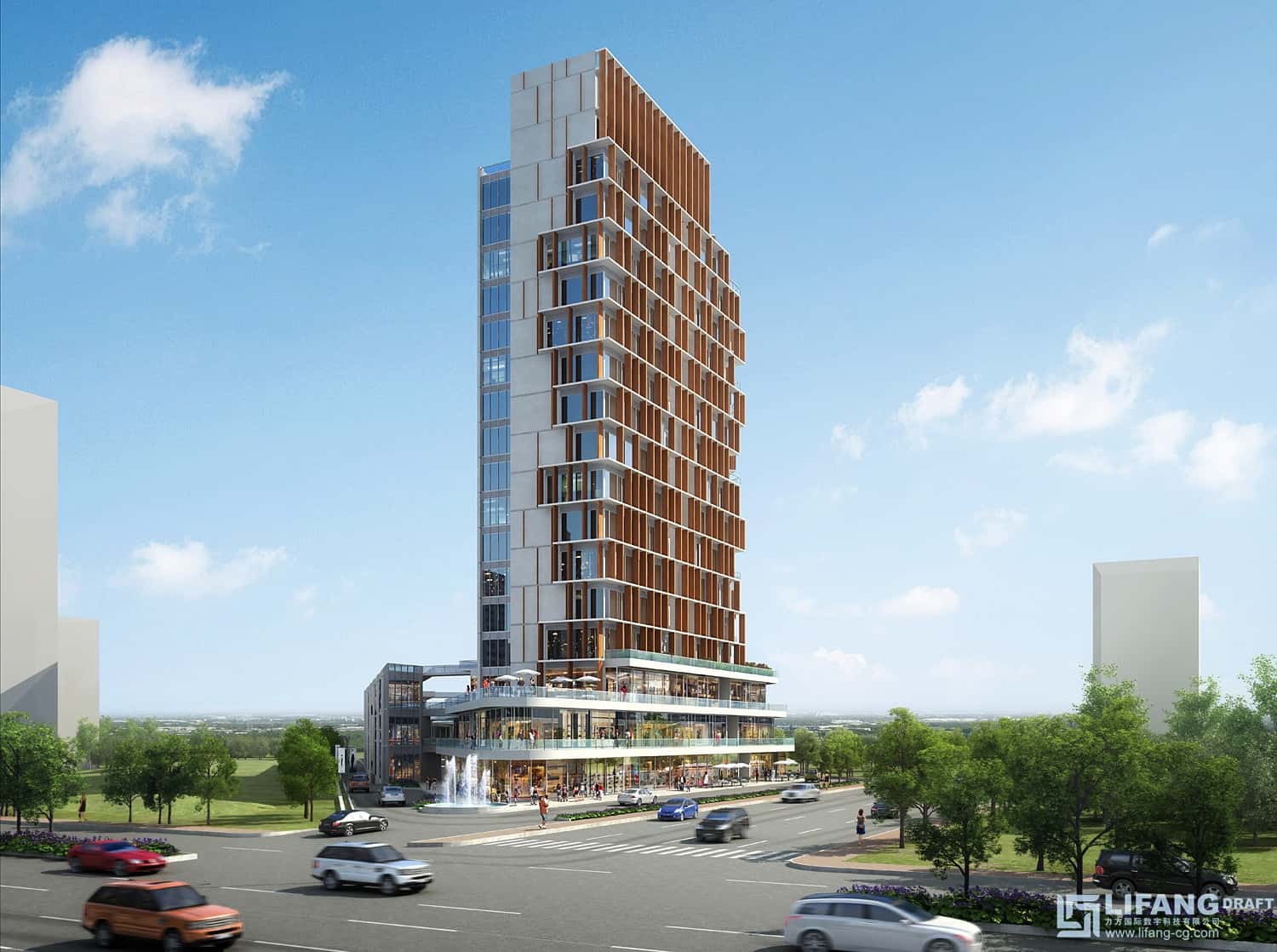
Adopting these innovations is about aligning them with India’s climate realities. From the humid coasts of Chennai to the dry heat of Ahmedabad and the composite conditions of Delhi, glazing solutions need to be responsive and regional. High-performance glass works best when paired with architectural strategies: appropriate orientation, external shading, insulated walls, and natural ventilation.
India’s Energy Conservation Building Code (ECBC) has already set benchmarks for glazing performance, prescribing limits for U-values, Solar Heat Gain Coefficients (SHGC), and Visible Light Transmission (VLT). These standards are pushing the industry towards better practices, ensuring glass is used with climate sensitivity rather than as a default aesthetic choice. At the same time, green building frameworks such as GRIHA and IGBC are encouraging projects to adopt glazing that supports daylight access while minimising thermal penalties.
Glass façades in India are evolving and becoming smarter. The glass box towers of the early 2000s are giving way to façades that are more nuanced: selective in placement, high-performing in specification, and often combined with shading devices or complementary materials. This evolution reflects a broader shift in Indian architecture, where climate responsiveness, energy efficiency, and occupant comfort are as important as aesthetics, ensuring that glass façades remain functional, resilient, and future-ready.