
Post Date: December 22, 2025 |
Last Edited: December 22, 2025
In the quest for sustainable and environmentally responsible building practices, the concept of net positive buildings has emerged as a transformative force in the field of architecture and construction. This innovative approach goes beyond the mere reduction of a building’s environmental footprint; it seeks to make a positive contribution by generating more energy and resources than it consumes. At its core, net positive building design aims to create structures that are not only self-sufficient but also give back to the grid, actively participating in the fight against climate change.
Defining Net Positive Buildings
To embark on our journey into the world of net positive buildings and energy-positive design, it is essential to first understand precisely what we mean by “net positive.” Net positive buildings, often referred to as energy-positive or regenerative buildings, represent a fundamental shift from traditional construction paradigms. These buildings produce more energy and resources than they consume during their operation, achieving a remarkable equilibrium between human habitation and the natural world.
Understanding Net Zero Vs. Net Positive: Clarifying Terms
Before delving further, it is crucial to distinguish between the terms “net zero” and “net positive.” While net-zero buildings aim to balance their energy consumption with on-site energy generation, net positive buildings surpass this equilibrium. They not only offset their energy consumption but generate an excess, contributing clean energy to the grid.
Key Components Of A Net Positive Building
The anatomy of a net positive building involves several critical elements. These include advanced energy-efficient systems, renewable energy generation, resource-efficient materials, and innovative architectural design. Together, these components form the foundation of a building that operates as a net-positive entity.
The Role Of Energy Production And Conservation
Energy lies at the heart of net positive buildings. They harness renewable energy sources, such as solar panels and wind turbines, to generate electricity. Simultaneously, these buildings prioritise energy conservation through cutting-edge technologies and sustainable practices. The synergy between energy production and conservation is pivotal to achieving net positivity.
The Significance Of Energy-Positive Design
- Addressing Climate Change And Environmental Impact: The imperative to combat climate change has never been more pressing. Net positive buildings offer a proactive solution by reducing greenhouse gas emissions and mitigating the environmental impact of the built environment. They serve as beacons of sustainable living, setting new standards for eco-conscious construction.
- Energy Security And Resilience In Built Environments: In an era marked by increasing energy demands and vulnerability to disruptions, energy security is a paramount concern. Net positive buildings enhance resilience by generating their own energy, thereby reducing dependence on centralised energy grids. They are better equipped to weather energy crises and power outages.
- Economic Benefits And Cost Savings: Beyond their environmental advantages, net positive buildings yield substantial economic benefits. Their energy surplus can be sold back to the grid, resulting in income generation for building owners. Additionally, reduced operational costs stemming from energy efficiency translate into long-term savings.
- Human-Centric Design – Enhancing Quality of Life: Net positive buildings are not solely focused on energy; they also prioritise the well-being of occupants. These buildings are designed with occupants’ health and comfort in mind, incorporating features like improved indoor air quality, natural lighting, and advanced climate control systems.
In this exploration of net positive buildings and energy-positive design, we will delve deeper into the key components, case studies, challenges, and prospects of this transformative approach. By the end of this journey, we hope to inspire a new wave of sustainable building practices that contribute positively to our environment and quality of life.
Design Principles For Energy-Positive Buildings
Energy-positive buildings represent a paradigm shift in architectural and construction practices, requiring a holistic approach to design and implementation.
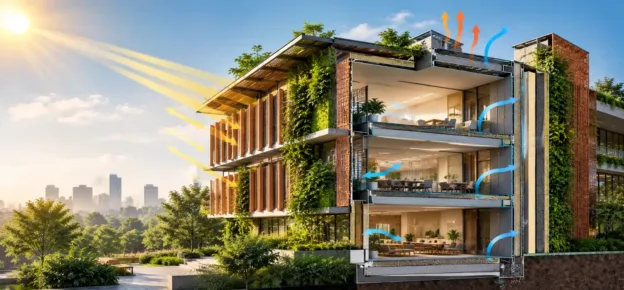
- Building Orientation And Passive Solar Design: Energy-positive buildings harness the power of nature to generate energy and reduce consumption. Building orientation plays a pivotal role in optimising energy capture.
- Solar Access: Proper building orientation ensures maximum exposure to the sun’s path, enabling the installation of photovoltaic solar panels and passive solar design features. This strategic placement minimises shading and maximises energy generation potential.
- Daylighting: Energy-positive buildings prioritise natural daylighting to reduce reliance on artificial lighting. Careful consideration of window placement and design elements such as light shelves and reflective surfaces ensures effective daylight penetration.
- Thermal Mass: Thermal mass materials like concrete and stone are strategically integrated into the building’s structure to absorb and store heat during the day and release it at night, contributing to passive heating and cooling.
- High-Performance Building Envelopes: The building envelope is the interface between the interior and exterior environments, and energy-positive design demands an exceptionally high-performance envelope.
- Advanced Insulation: Superlative insulation materials and techniques are employed to minimise heat transfer through walls, roofs, and floors. This reduces the need for heating and cooling, conserving energy.
- Air Sealing: Airtight construction prevents drafts and energy leaks, ensuring that the interior environment remains stable and comfortable.
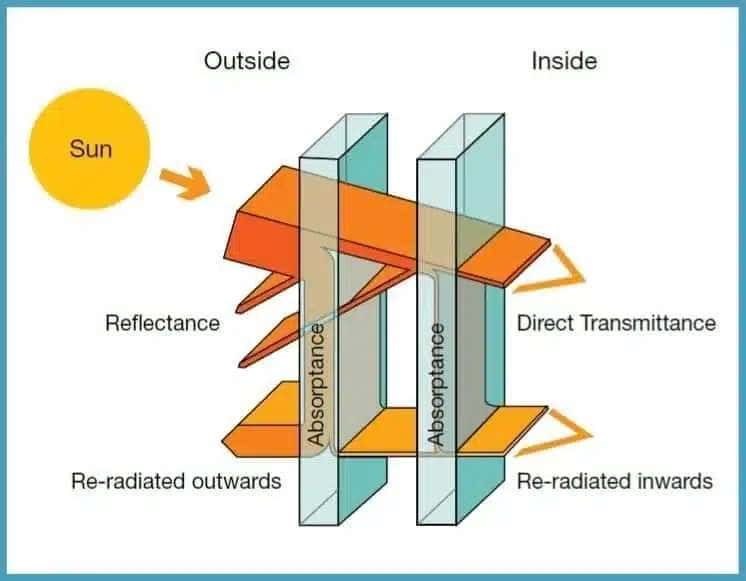
- Triple-Glazed Windows: Energy-positive buildings often feature triple-glazed windows with low-emissivity coatings, offering superior thermal performance and minimising heat loss.
In the design phase of energy-positive buildings, these principles are meticulously integrated to create structures that not only generate surplus energy but also prioritise occupant comfort and sustainability. This synergy between design and functionality forms the cornerstone of a net-positive approach to architecture.
Building-Integrated Technologies
Building-integrated technologies are at the forefront of energy-positive building design, seamlessly incorporating sustainable solutions into the architectural fabric of structures. In this section, we explore key building-integrated technologies that contribute to the energy-positive vision.
Smart Windows And Solar Glazing
Smart windows and solar glazing technologies are transforming the way buildings interact with their external environments, enhancing energy efficiency and occupant comfort.
- Dynamic Glazing: Dynamic or smart windows can automatically adjust their tint or transparency in response to changing external conditions. They optimise natural light and heat gain, reducing the need for artificial lighting and heating or cooling systems.
- Solar Windows: Solar glazing integrates photovoltaic cells into window panels, turning them into energy generators. These windows capture sunlight and convert it into electricity while maintaining transparency.
- Electrochromic Glazing: Electrochromic windows allow occupants or building management systems to control tint levels, balancing daylight and energy conservation as needed.
Energy-Generating Façades
Energy-generating façades go beyond aesthetics; they actively contribute to a building’s energy production and thermal regulation.
- Solar Façades: Building envelopes equipped with integrated solar panels or solar cladding generate electricity while providing weather protection. These façades can be customised to blend seamlessly with architectural designs.
- Wind-Generating Structures: In some cases, the façade itself can incorporate small wind turbines or wind-capturing elements, harnessing wind energy in urban environments.
Integrated IoT Systems
The Internet of Things (IoT) plays a pivotal role in energy-positive buildings, enabling real-time monitoring, control, and optimization of various building systems.
- Energy Management: IoT sensors and devices collect data on energy consumption, enabling intelligent control of lighting, HVAC, and appliances to minimise waste.
- Occupant Comfort: IoT systems can create personalised, comfortable environments for occupants, adjusting lighting, temperature, and ventilation based on individual preferences and presence.
- Grid Interaction: Buildings equipped with IoT capabilities can participate in demand response programs, optimizing energy use to align with grid needs and potentially earning revenue in the process.
These building-integrated technologies represent a significant leap forward in the pursuit of energy-positive design. They not only enhance a building’s energy efficiency but also contribute to its self-sustaining capabilities, reducing its environmental impact while improving the quality of life for its occupants.
Case Studies: Successful Net Positive Building Projects
Real-world examples of net positive building projects that have successfully achieved energy surplus while maintaining functionality and comfort.
Commercial Buildings Leading The Way
Commercial buildings have been pioneers in the net positive building movement, showcasing the feasibility of energy surplus designs on a larger scale.
- The Edge, Amsterdam: Often hailed as one of the greenest and smartest buildings globally, The Edge, Deloitte’s Amsterdam headquarters, generates more electricity than it consumes. Its rooftop solar panels, energy-efficient design, and an innovative climate system contribute to its remarkable energy-positive status.
- Bullitt Center, Seattle: Located in Seattle, the Bullitt Center was designed to demonstrate the potential of net-positive commercial structures. It features advanced rainwater harvesting, solar panels, and composting toilets. By producing 60% more energy than it consumes, it sets a high standard for sustainable urban architecture.
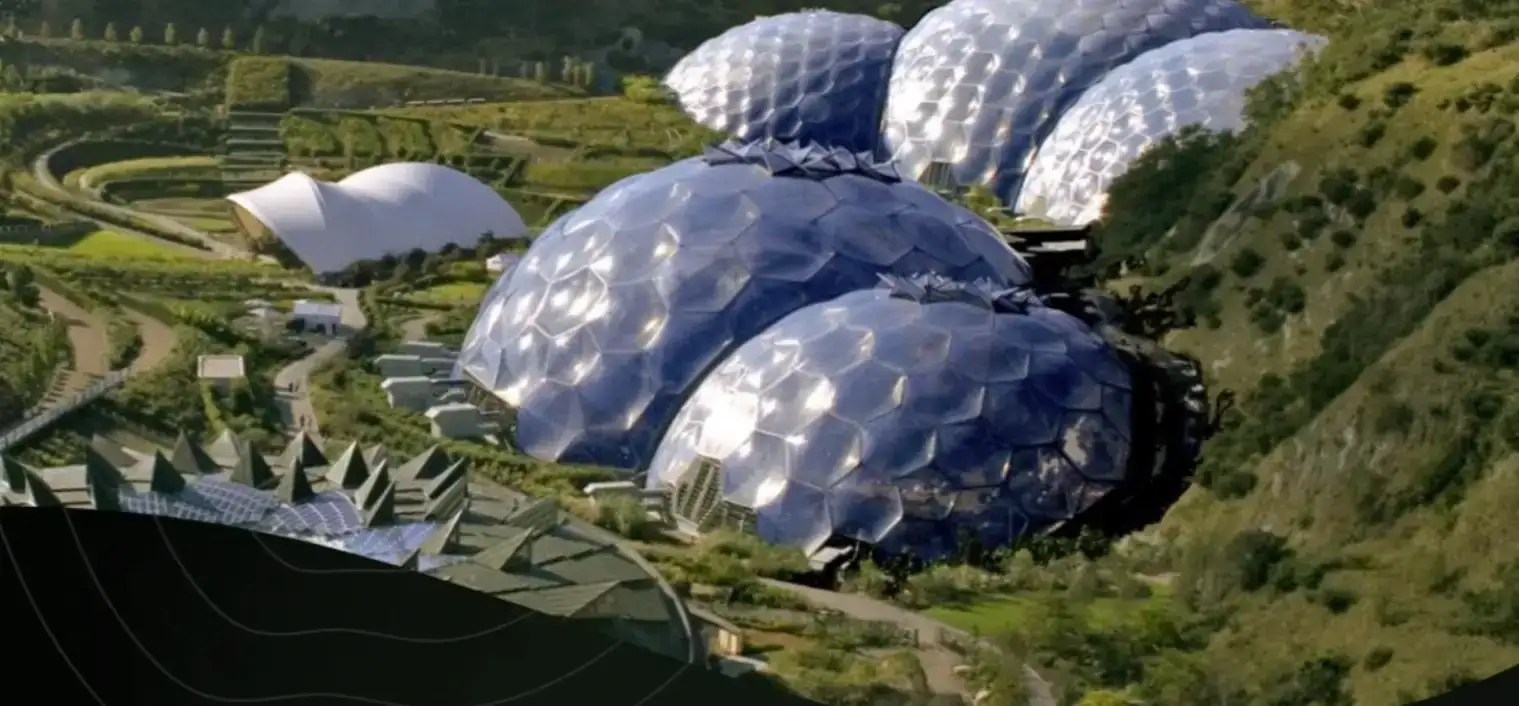
- The Eden Project In Cornwall, England, is a biodome complex that is designed to be net positive energy. The complex uses a variety of renewable energy technologies, including solar panels, wind turbines, and biomass boilers. It also has a number of passive solar design features, such as south-facing glazing and thermal mass.
Energy-Positive Residential Designs
Net positive concepts are not confined to commercial spaces. Residential designs have also embraced energy-positive principles.
- LivingHomes, Los Angeles: The LivingHomes project focuses on prefabricated, energy-efficient homes. These sustainable residences incorporate solar panels, rainwater harvesting, and efficient appliances, ensuring they generate more energy than they consume.
- Solcer House, Wales: Located in Wales, the Solcer House is a pioneering example of a net-positive energy home. It utilises solar panels, advanced insulation, and energy-efficient systems to produce more energy than its occupants require, making it a net exporter of electricity.
Net Positive Building Retrofits
Retrofitting existing buildings to meet net positive standards is a testament to the adaptability of these concepts.
- National Renewable Energy Laboratory (NREL) Research Support Facility: The NREL in Colorado transformed its ageing office building into a net-zero energy facility. Through various energy-efficient upgrades, daylight harvesting, and a substantial solar array, the facility achieved net-zero energy consumption while maintaining functionality.
- Savona Mill, Charlotte: The Savona Mill project in North Carolina is a remarkable example of repurposing an industrial site into an energy-positive mixed-use development. By integrating solar power, energy-efficient HVAC systems, and smart technologies, this retrofit has turned a former mill into a thriving net-positive community.
These case studies demonstrate that net-positive building concepts are not theoretical dreams but practical solutions for a sustainable future. They showcase the potential of net-positive buildings in reducing environmental impact, conserving resources, and even generating surplus energy.