Post Date: April 17, 2026 |
Last Edited: April 17, 2026
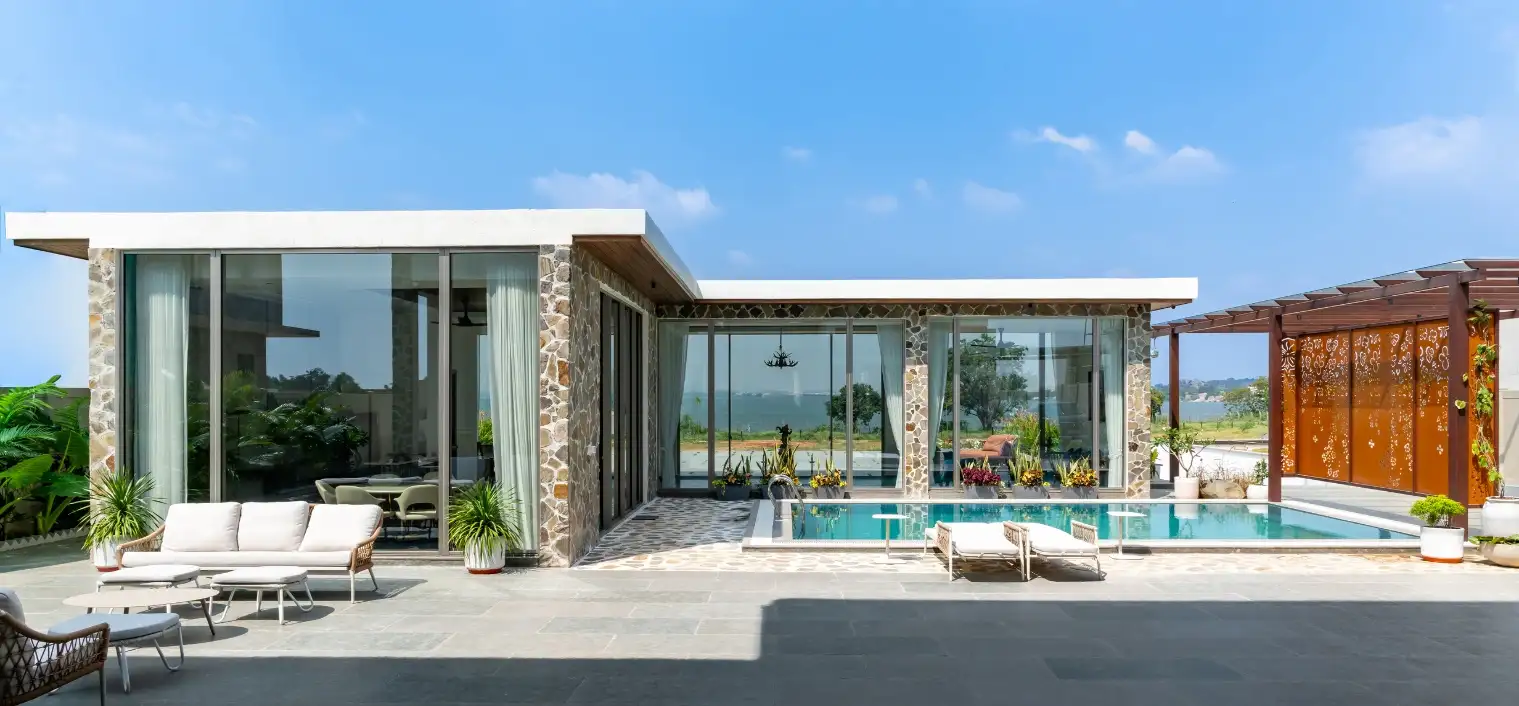
The traditional boundary between a building’s interior and the outside world is vanishing. No longer viewed as a static “box” or a purely decorative layer, the modern facade has evolved into a sophisticated, high-performance interface. In an era defined by rapid climate change and digital transformation, building skins are being redefined as active, data-informed systems that breathe, adapt, and generate energy.
This shift represents a move away from the era of sealed glass towers toward a more nuanced, “living” architecture. By merging cutting-edge materials science, such as electrochromic glazing and bio-based composites, with digital tools like BIM, AI, and parametric modelling, architects are now able to predict a building’s performance long before the first stone is laid.
To explore this frontier, we spoke with a diverse panel of industry leaders, consultants, and architects. From the integration of Building-Integrated Photovoltaics (BIPV) to the resurgence of climate-responsive materials like terracotta and fibre cement, these experts share their vision for a future where aesthetics, sustainability, and cost-efficiency coexist.
Through their collective insights, we examine how the next generation of building envelopes is prioritising occupant well-being and environmental intelligence, transforming the very skin of our cities into a tool for a more resilient future.
Redefining Building Skins: The Impact Of Advanced Materials And Digital Technologies
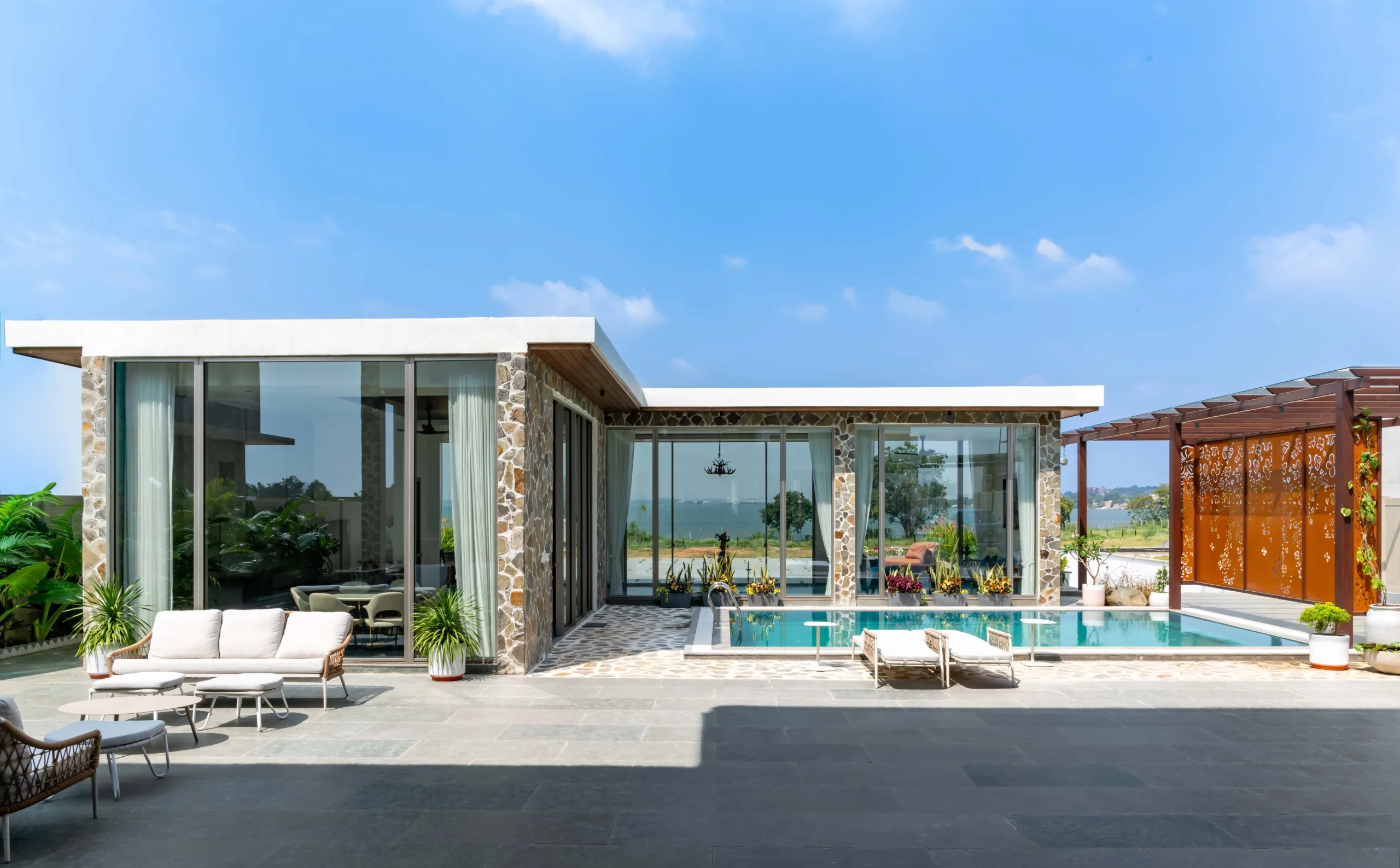
Advances in materials science and digital innovation are fundamentally transforming the way building skins are conceived, engineered and delivered. From high-performance glazing and smart coatings to parametric modelling and BIM-driven precision, façades are no longer passive envelopes. They are responsive, data-informed systems that enhance efficiency, sustainability and architectural expression.

Kartheek Pasupuleti, Director – Projects Façade at PRA Façade Design & Engineering Consultancy, notes that the last decade has seen the industry shift from traditional approaches toward performance-led, technology-driven systems. He explains that materials such as engineered glass with advanced coatings and thermally optimised aluminium now allow façades to respond actively to climate and user needs, managing solar gain and thermal comfort without compromising aesthetics. Furthermore, he observes that digital tools like BIM and parametric design allow multidisciplinary teams to assess performance early in the process, while digital twins enable continuous post-occupancy optimisation.

According to Ar. Shweta Balasubramoni, Founder and Principal Architect at Vistaar Associates, says building skins are no longer merely cosmetic layers but have become vital environmental filters. She opines that the use of simulation tools to test solar exposure, airflow, and heat gain before construction begins has fundamentally changed decision-making, ensuring the façade is resolved early in the design phase rather than added as an afterthought.

Pt. Aman Upadhyay, Assistant Manager – Project Coordinator at Aluplex India Pvt Ltd, states that recent advancements in materials such as Low-E glass, ETFE systems, and thermally broken aluminium profiles have significantly enhanced building performance by improving energy efficiency and reducing structural loads. He adds that digital technologies, including BIM, parametric design tools, and CNC fabrication, have transformed façade engineering by enabling precision detailing and improved installation accuracy.

Ar. Taranjit Singh Chandpuri, Head Hospitality Design at Nostri Design Consultants Pvt. Ltd., says that significant advancements in materials like smart glazing and phase-change materials have revolutionised the engineering of building skins. He highlights the role of sensors and digital actuators that allow the building envelope to “breathe” or automatically adjust shading. Additionally, he points out that digital technologies such as computational design and AI are making buildings more “alive” by predicting performance and enabling intricate, functional patterns.

In the context of India’s hot-humid and monsoon-heavy climate, Ar. Pratul Bajaj, Founder of Anantē Studios, notes that façades have evolved from aesthetic skins into essential climate-control systems. He explains that by using BIM and environmental simulations to test solar heat gain and wind-driven rain before construction, firms can reduce junction failures. He believes the focus today has shifted toward climate-responsive façades rather than purely glass-heavy architectural statements.

Rajeev Kumar, Independent Consultant and Advisor (Retired Director, Govt. of India), opines that there has been a paradigm shift in how façades are perceived; they are no longer just an architectural identity but are high-performance, intelligent environmental systems. He notes that these engineered interfaces can be optimised before construction using parametric design and IoT integration, effectively becoming smart, sustainable performance systems rather than mere enclosures.

Ar. Raj Singh, Co-Founder and Principal Consultant at Nexivaa, says over the past decade, façade design has evolved from traditional 2D drafting to a more integrated, data-driven engineering approach. Tools such as BIM, parametric modelling and performance simulations now allow façade systems to be analysed and optimised before construction, improving coordination between architectural, structural and services teams while reducing on-site conflicts.
At the same time, advances in materials and manufacturing have expanded façade capabilities. High-performance glazing, aluminium composite systems, fibre-cement boards and engineered cladding offer improved durability, thermal performance and design flexibility. As a result, façades are now engineered systems that respond to climate, performance requirements and long-term building operation.
Intelligent Façade Systems: Where Design Meets Performance And Technology
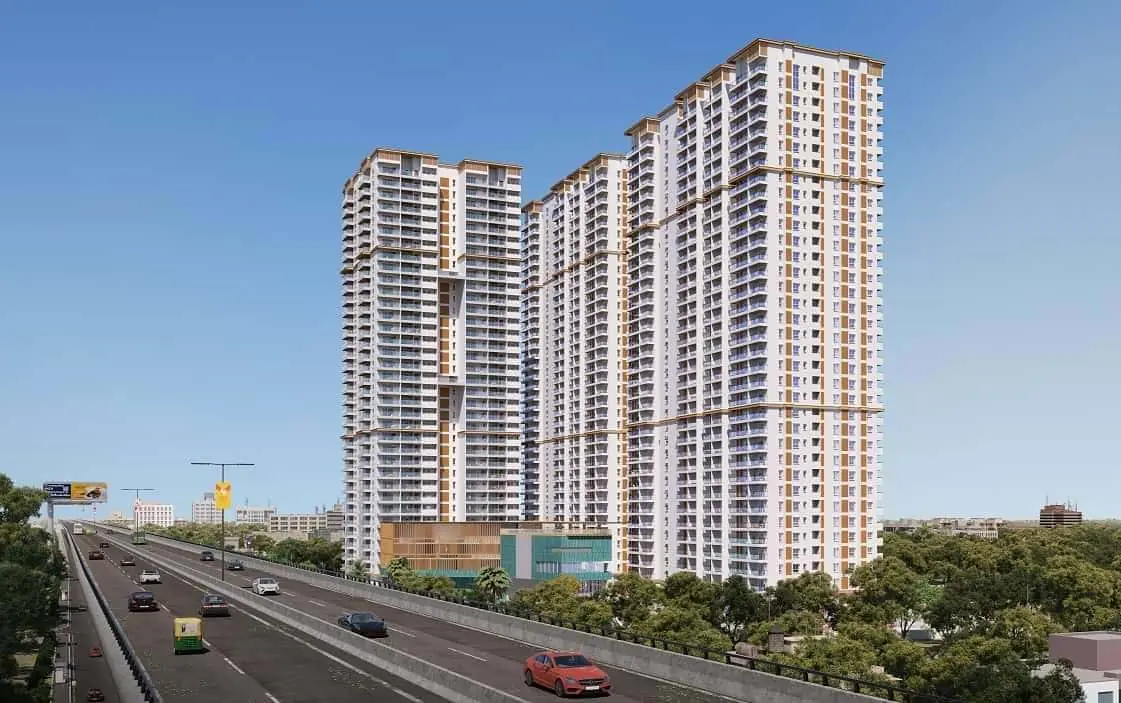
Modern façade systems are no longer defined by aesthetics alone. Today, they seamlessly unite architectural expression with high-performance engineering and smart technologies. By integrating advanced materials, digital modelling, automation, and climate-responsive design, these systems enhance energy efficiency, occupant comfort, safety, and durability—transforming building envelopes into dynamic, high-performing skins for the future.
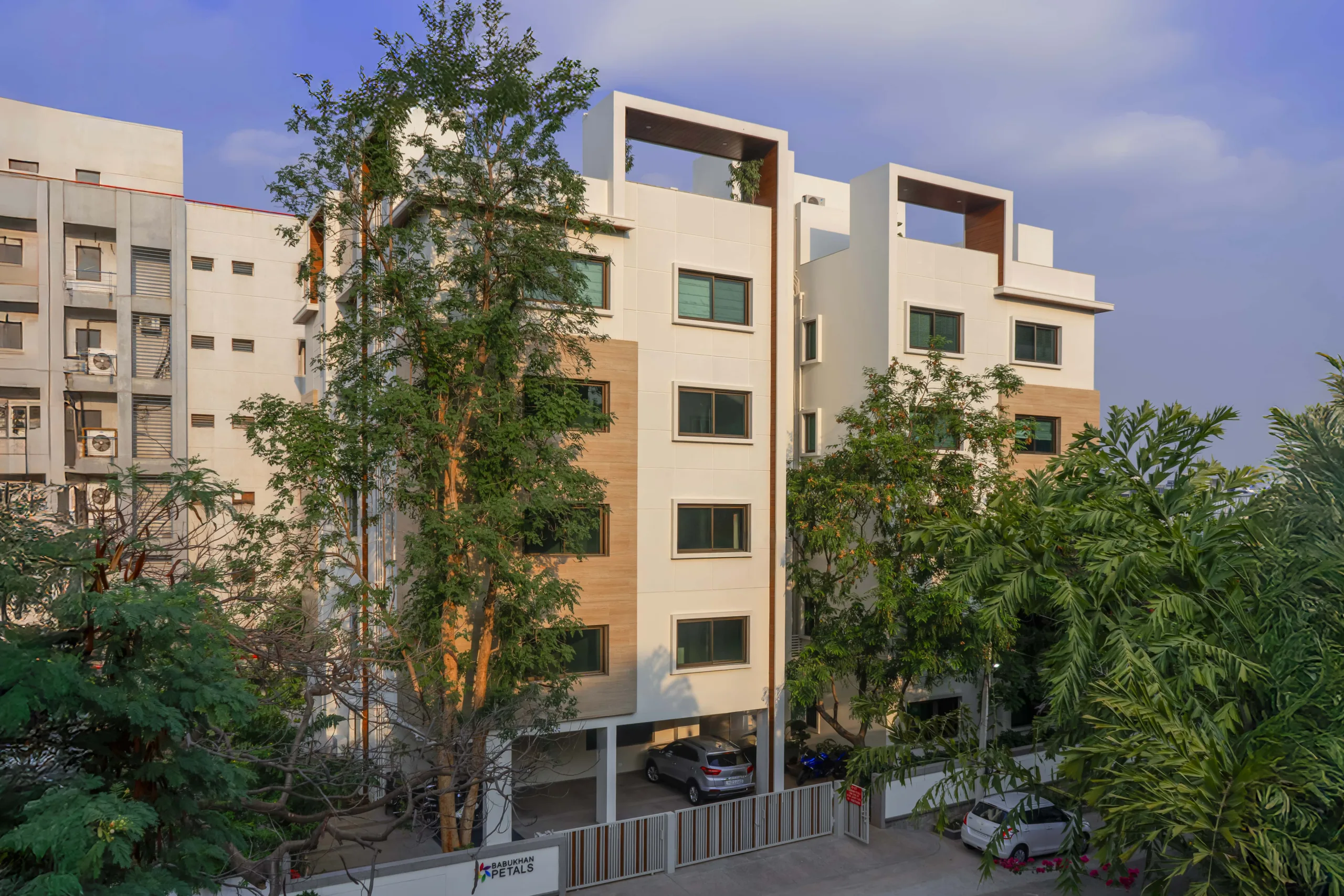
Pasupuleti notes that unitised curtain wall systems are leaders in high-performance applications due to their factory-controlled precision, which ensures high airtightness and thermal break continuity. He also highlights double-skin façades as excellent examples of integrated performance, creating a ventilated cavity that acts as a thermal buffer and improves acoustic attenuation.
Ar. Balasubramoni opines that ventilated terracotta façades are particularly notable for being tactile, durable, and climate-responsive. She adds that the cavity in these systems reduces heat gain and allows the building to perform passively. Furthermore, she notes that carefully detailed steel systems bring precision and adaptability through modular grids and slender sections.
Ar. Chandpuri identifies three systems representing the pinnacle of aesthetic and high-performance integration: Biophilic Algae Façades (like SolarLeaf ), Building-Integrated Photovoltaics (BIPV), and Kinetic Shading systems. He explains that SolarLeaf uses living microalgae to generate renewable energy and provide dynamic shading. He further notes that kinetic façades, such as those at the Al Bahar Towers, use sensors to physically move in response to the sun, reducing heat gain without blocking natural light.
Kumar says that systems like electrochromic smart glass, climate-adaptive façades, and BIPV glazing best exemplify this integration. He notes that electrochromic glazing dynamically changes tint to eliminate the need for external shading while improving occupant comfort. According to him, BIPV panels seamlessly integrate into curtain walls to generate energy while contributing to aesthetics and daylighting performance.
Ar. Bajaj agrees that ventilated rainscreens (such as terracotta, fibre cement, or HPL) and high-performance glazing with external shading are among the most successful systems for managing moisture and reducing heat gain. He also notes the effectiveness of unitised curtain walls for high-rise buildings due to their superior water-tightness and quality control.
Upadhyay agrees with the effectiveness of modern systems like Unitised Curtain Wall Systems, Double Skin Façades, and BIPV. He notes that unitised systems offer factory-controlled quality and faster installation, while double-skin façades enhance thermal buffering.
According to Ar. Singh, several façade systems today demonstrate how architectural intent and engineering performance can work together effectively. Unitised curtain wall systems, widely used in high-rise buildings, are factory-fabricated, ensuring consistent quality and faster installation. Advances such as double-glazed units with solar-control coatings help maintain daylight while reducing solar heat gain, particularly in warmer climates. Ventilated façades (rainscreen systems) improve moisture management, thermal comfort, and durability. He adds, similarly, parametric and perforated metal façades combine expressive design with functional shading and ventilation, balancing aesthetics with performance.

Designing For Excellence: Core Performance Priorities In High-Performance Building Envelopes
In today’s architecture, building envelopes must do far more than enclose space. They are expected to deliver exceptional thermal efficiency, acoustic comfort, fire safety and structural resilience, while responding to sustainability targets and occupant wellbeing. A carefully engineered envelope balances performance, durability and compliance, ensuring long-term value alongside refined architectural expression.
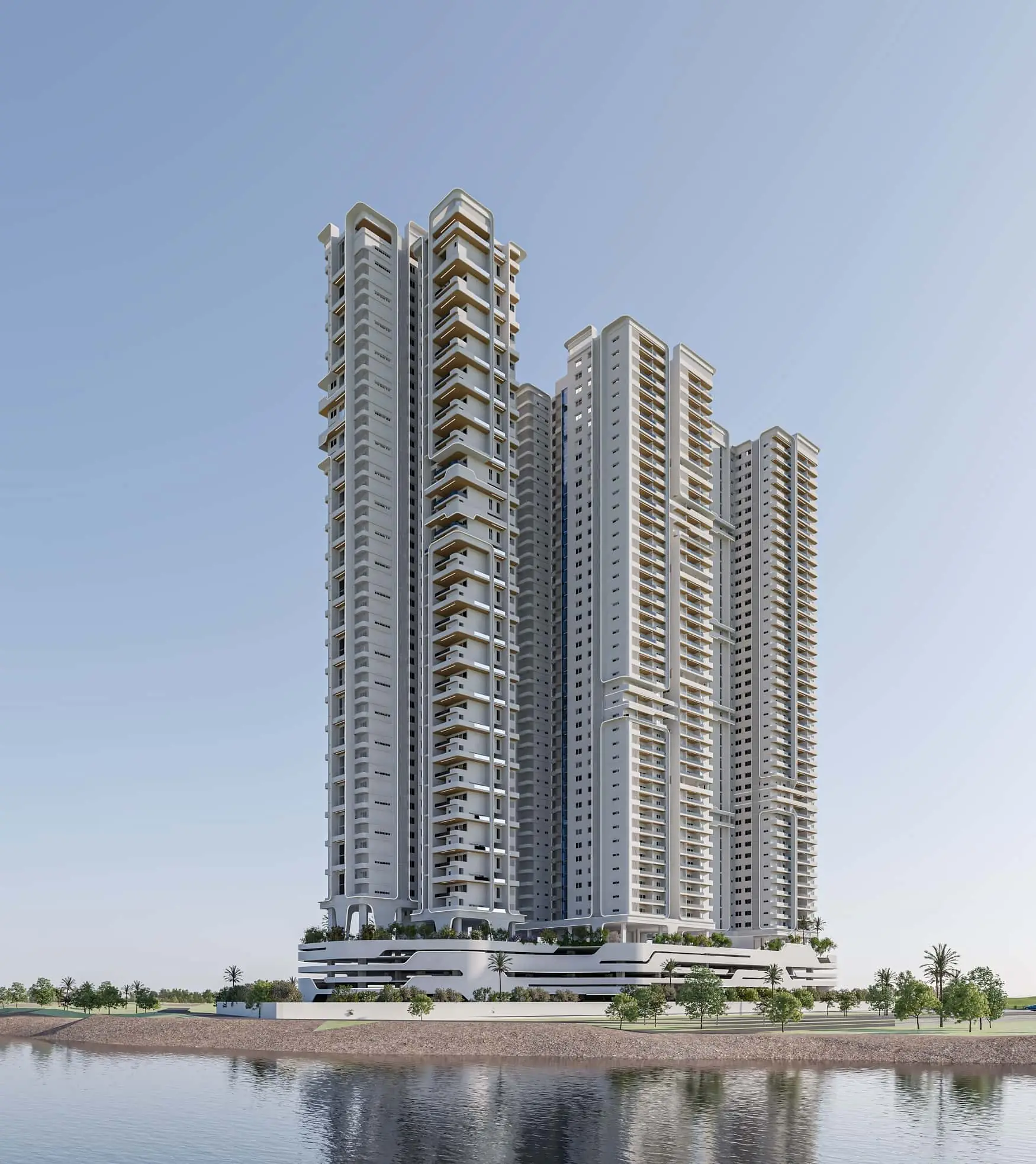
Pasupuleti notes that a multidimensional approach is essential for occupant comfort, code compliance, and building longevity. He emphasises that thermal performance is fundamental, requiring the optimisation of U-values, solar heat gain coefficients, and airtightness through insulated glazing and thermally broken frames. He further opines that urban context demands façades with high acoustic insulation achieved via glass lamination and careful cavity design. Regarding safety, he states that façades must comply with fire codes using fire-resistant materials and compartmentation strategies like cavity barriers, while also integrating resistance to wind and seismic loads.
Ar. Chandpuri agrees that fire and safety are non-negotiable, while noting that thermal and acoustic parameters often depend on specific building requirements and location. He explains that modern envelopes are integrated systems that balance conflicting goals, such as insulation thickness meeting fire standards. He highlights a shift in thermal performance toward managing thermal inertia using phase-change materials and triple-glazing. For acoustics, he advocates a “mass-air-mass” approach and the use of acoustic sealants. He also stresses that fire safety must now include considerations for smoke toxicity and structural integrity.
Kumar concurs that a high-performance envelope must simultaneously optimise these elements to ensure energy efficiency, interior comfort, and life safety. According to him, the current approach is performance-based, focusing on preventing vertical fire spread and ensuring durability over the building’s lifecycle. He adds that sustainability has now become an additional critical parameter for high-performance systems.
Ar. Balasubramoni notes that thermal performance must be addressed through orientation and material layering, particularly in tropical climates where solar control is more vital than insulation alone. She agrees that fire safety is non-negotiable, especially in ventilated cavity systems, but adds that moisture management is often an overlooked essential. She also maintains that a truly sustainable façade must be easy to access and repair.
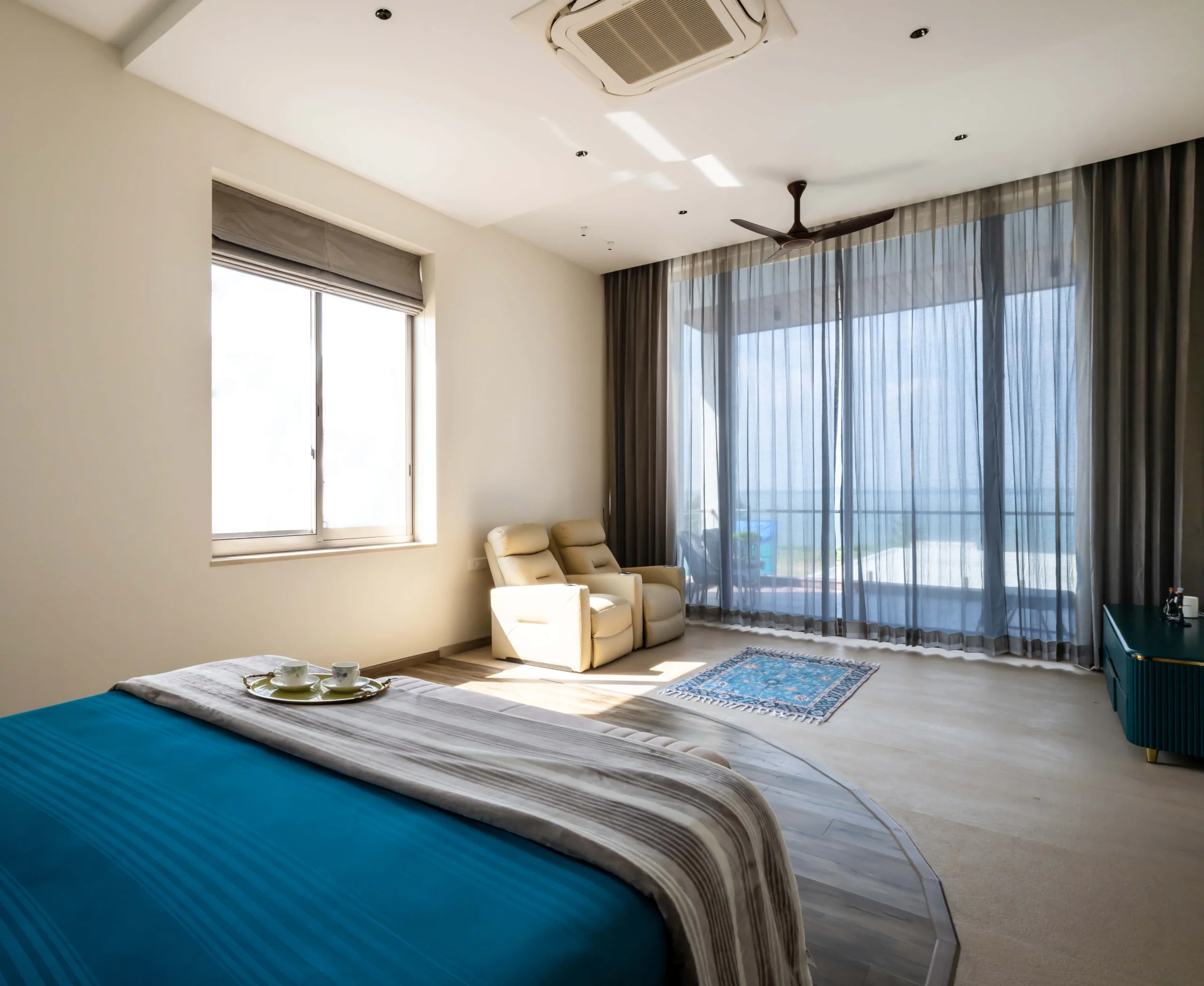
Ar. Bajaj highlights that in the Indian context, the focus is on thermal control through shading and solar heat gain coefficients, particularly on west-facing façades. He observes that monsoon water management—including proper drainage and sealant quality—is a critical factor alongside fire safety and dust control. He concludes that execution detailing in these areas is just as important as the initial material selection.
Ar. Singh notes that designing a high-performance façade requires balancing multiple performance requirements. Thermal performance is a key concern, particularly in climates with high cooling demand. The façade helps control solar heat gain, daylight penetration, and insulation levels, directly influencing the building’s overall energy consumption. He adds that acoustic performance is also important, especially in dense urban areas where buildings must protect occupants from traffic and city noise. Fire safety has become a critical aspect of façade engineering, requiring appropriate material selection, cavity barriers, and systems that meet tested fire standards. Structural safety remains fundamental, as façades must withstand wind loads, accommodate structural movement, and allow safe maintenance access throughout the building’s lifecycle.
Upadhyay agrees that high-performance envelopes must address multiple criteria, specifically listing thermal U-values, acoustic STC ratings, and fire-safe perimeter systems. He notes that structural safety, including wind load resistance and anchor design, along with water and air tightness, are parameters that directly impact energy consumption and regulatory compliance.
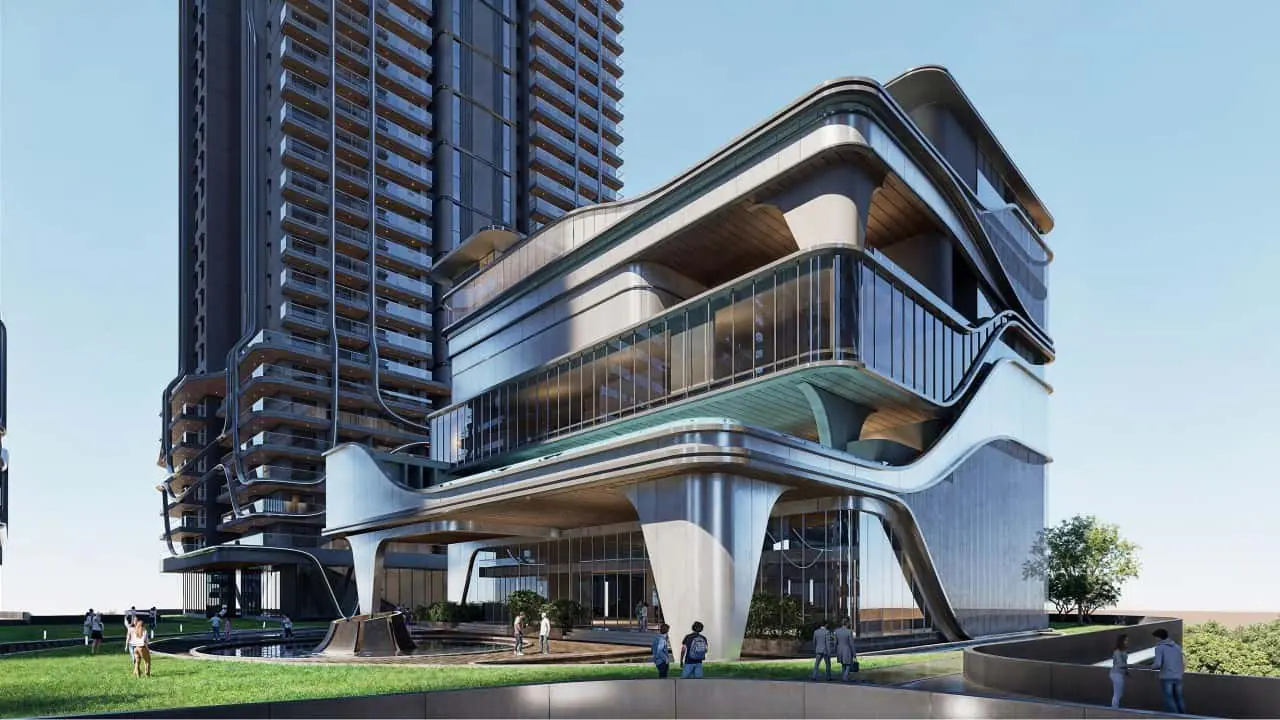
Delivering High-Performance Facades With Cost Efficiency In Mind
In today’s competitive construction landscape, achieving a balance between budget and performance is more critical than ever. Modern façade products are now engineered to deliver thermal efficiency, durability, safety and aesthetic appeal without escalating project costs. Through smarter material choices, optimised systems and efficient fabrication, it is entirely possible to achieve value without sacrificing long-term performance.
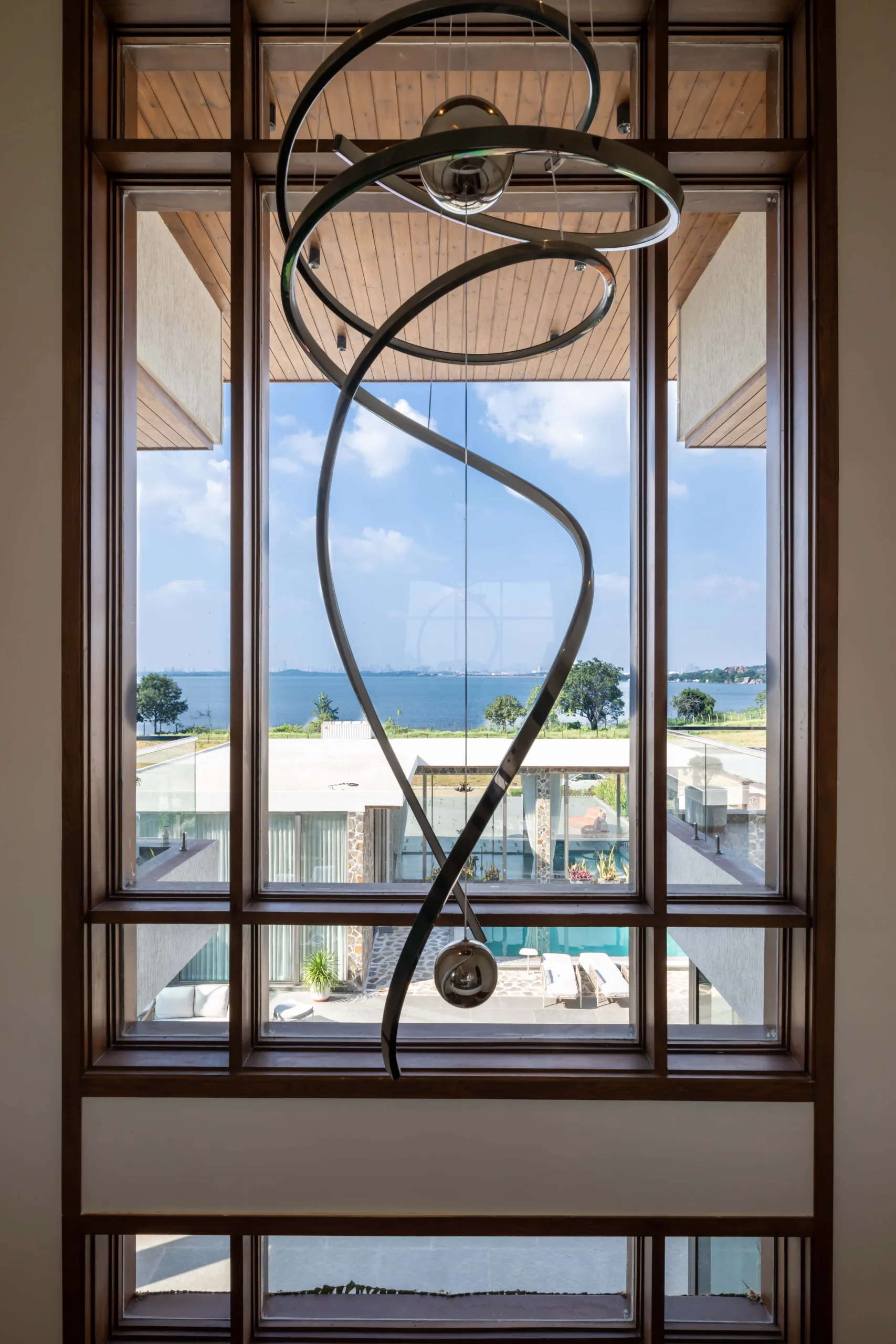
According to Ar. Chandpuri, while advanced technology can be costlier initially, traditional materials like fibre cement boards, vinyl siding, and aluminium composite panels (ACPs) often prove most cost-effective by balancing lower upfront costs with minimal long-term maintenance. He notes that fibre cement boards offer exceptional durability, while vinyl siding remains the most affordable low-maintenance option. Furthermore, ACPs provide an economical choice due to their lightweight nature and ease of installation. Ultimately, he believes true cost-effectiveness depends on a balance between initial expenditure and total life-cycle performance.
Pasupuleti agrees that cost-effectiveness is about value through performance and durability rather than just the lowest initial expense. He opines that optimised unitised systems offer compelling value for mid-to-high-rise projects because factory fabrication and reduced site labour mitigate risks and improve schedule certainty. For more cost-sensitive applications, he suggests that advanced stick-built façades with thermally broken frames remain effective when paired with intelligent design coordination and standardised components.
Ar. Balasubramoni also maintains that true cost-effectiveness is lifecycle-based, noting that ventilated terracotta systems perform well over time as they require minimal repainting and resist weathering. She observes that thoughtfully detailed steel assemblies offer durability and recyclability, which reduce long-term environmental costs. In many projects, she believes passive strategies like shading screens and cavity walls deliver stronger performance returns than expensive fully glazed façades.
Kumar notes that passive elements such as insulated metal panels, ACP cladding, and engineered panels are currently the most cost-effective for budget-conscious projects. He agrees with the other experts that these systems combine lower upfront costs with reliable thermal and weather performance. However, he expects the industry focus to shift increasingly towards advanced, intelligent, and high-performance building-integrated systems.
Ar. Bajaj shares the view that cost-effectiveness means strong lifecycle value, highlighting standardised aluminium window systems with solar-control glass and ventilated HPL or fibre cement panels as top-performing options in the Indian context. He also suggests that insulated metal panels are suitable for commercial projects and emphasises that standardisation and repetition are major strategies for saving costs.
Upadhyay identifies stick curtain wall systems for mid-rise buildings and ACPs with fire-rated cores as practical, cost-effective solutions. He also recommends thermally broken aluminium window systems and precast concrete panels, noting that the final selection should depend on project scale, labour costs, and specific performance requirements.
Ar. Singh agrees that cost-effective façade solutions deliver the required performance while remaining practical to manufacture and install. In many Indian projects, uPVC and thermally broken aluminium windows offer a balanced solution for residential and mid-rise developments, providing good energy performance at manageable costs.
Cladding materials such as fibre cement boards and high-pressure laminate panels are widely used for their durability and ease of installation. Optimising glazing based on orientation and solar exposure, rather than using high-performance glass throughout, also improves value. Early façade planning ensures better performance and constructability.
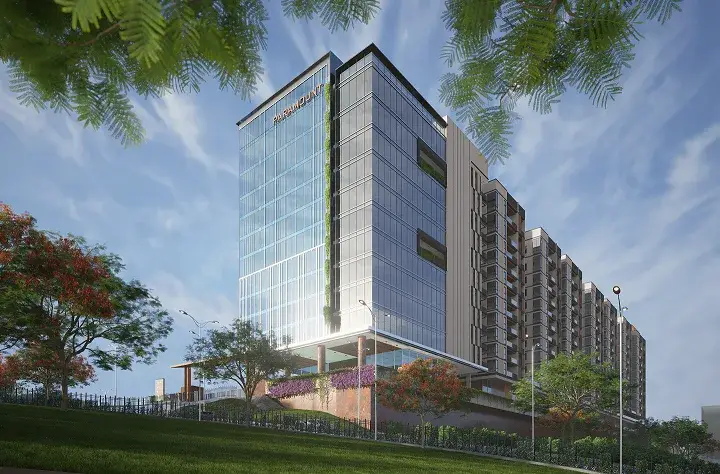
Shaping Tomorrow’s Façades: The Future Of Intelligent Building Envelopes
The future of façade design is being defined by intelligence, performance and sustainability. No longer mere outer skins, building envelopes are evolving into responsive systems that regulate energy, enhance occupant comfort and express architectural identity. Advances in materials, digital engineering and climate-conscious design are transforming façades into dynamic, high-performance elements of contemporary architecture.
Pasupuleti notes that the future of façade design is increasingly defined by digital intelligence, sustainability imperatives, and adaptive performance. He highlights a significant shift towards “smart façades” equipped with sensors and automated controls that respond in real-time to climate and occupant behaviour to optimise energy use. Furthermore, Pasupuleti opines that embodied carbon considerations, lightweight materials, and “Design for Disassembly” will be central to minimising environmental impacts throughout a building’s lifecycle.
Ar. Balasubramoni agrees that the next major shift will involve circular thinking and the use of unconventional materials. She specifically points to the move towards agricultural and bio-based waste—such as rice husk ash panels and mycelium composites—to reduce embodied carbon. According to her, the façade of the future will be regional, repairable, and materially honest, moving away from a dependence on mechanical correction and towards climate alignment.
Ar. Chandpuri says that building envelopes are shifting from static barriers to dynamic “living” skins that act as primary sources of energy generation. He identifies the rise of kinetic skins and solar glass as key trends for active energy management. Like Balasubramoni, Chandpuri mentions the potential of carbon-negative bio-based materials like timber curtain walls and mycelium panels, noting innovations like the BIQ House in Hamburg, which uses algae-filled louvres to produce biomass and heat.
Kumar notes that the future will be driven by three major shifts: intelligence, sustainability, and integration. He agrees with the other experts that smart, adaptive façades like dynamic glazing will optimise comfort in real-time. Kumar also highlights that Building-Integrated Photovoltaic (BIPV) systems are currently leading adoption due to established manufacturing and policy support, such as the International Solar Alliance.
Ar. Bajaj observes that in the Indian context, the future will reward projects that balance climate intelligence with cost discipline. He predicts a trend towards climate-responsive design that reduces glass dependency and increases the use of prefabricated, unitised systems. Bajaj also notes that stronger energy compliance norms and lower embodied carbon materials will be critical shaping factors.
Upadhyay says that façades are evolving from passive cladding into intelligent, responsive skins. He believes the future will be shaped by net-zero energy façades with integrated solar systems and adaptive shading. Additionally, Upadhyay mentions that AI-driven performance monitoring and modular off-site fabrication methods will significantly influence how building envelopes are engineered and maintained.
Ar. Singh concludes that façade design is increasingly becoming climate-responsive and performance-led, with building envelopes tailored to local environmental conditions to improve energy efficiency and occupant comfort. Technologies such as automated shading, adaptive glazing and sensor-based controls are emerging, alongside a stronger focus on reducing embodied carbon. At the same time, testing and validation through mock-ups, simulations and façade testing are becoming standard, ensuring performance is engineered and verified well before installation.

Conclusion
The evolution of the building skin from a passive barrier to an intelligent, socio-environmental system marks a definitive turning point in modern architecture. As highlighted by our panel of experts, the future of the façade lies in the perfect intersection of digital precision and material innovation. Whether through the adoption of energy-generating BIPV, the climate-responsive nature of ventilated terracotta, or the life-cycle efficiency of unitised systems, the industry is moving toward a model where performance and aesthetics are no longer in competition.
The shift toward “living skins” is a response to the dual challenges of urbanisation and climate change. By prioritising thermal efficiency, fire safety, and embodied carbon, today’s architects and engineers are ensuring that the buildings of tomorrow are not just structures, but active contributors to a sustainable urban ecosystem. The building envelope has officially become the most critical component in our quest for resilient, high-performance, and human-centric design.