
Post Date: April 14, 2026 |
Last Edited: April 14, 2026

Q. Arup Has Had A Long And Meaningful Presence In India. How Would You Describe The Firm’s Journey So Far, And What Milestones Best Reflect Its Growth In The Country?
Since opening our first office in India twenty years ago, our team has grown to more than 250 members across four offices located in Mumbai, Delhi, Bangalore and Hyderabad, each contributing to transformative projects that span India and beyond. To date, we have delivered over 250 projects nationwide, spanning infrastructure, urban development and complex building design. Throughout this journey, our work has consistently championed sustainability, helping to shape climate-resilient communities where people and places can thrive.
But our story in India began long before that — over 50 years ago. Arup’s expansion in India reflects our enduring commitment to investing in people. Whether it is nurturing talent through meaningful projects or designing a workplace that fosters collaboration, connection and innovation, we are building an environment where ideas flourish.
Q. From Your Experience, What Distinguishes Arup’s Approach To Engineering And Consulting Within The Indian Market?
Arup’s approach in the Indian market is distinguished by its strong commitment to shaping a better world through holistic and integrated solutions. We do not view projects in isolation; we look at them through a long-term, strategic lens — considering resilience, sustainability, commercial viability and societal impact from the outset. We strive to push the boundaries of what is possible on our projects.
We go beyond conventional engineering by adopting a multidisciplinary design approach that aligns technical excellence with sustainability, social responsibility and long-term value. Where we have single-discipline commissions, we bring the insights and advice of our international multidisciplinary practice. Sustainability is embedded in every project, guiding us to minimize environmental impact, optimize resource efficiency and enhance economic and community outcomes. This means engaging with clients and team members to challenge business as usual in pursuit of reducing the project’s impact on the environment.
At a leadership level, we differentiate ourselves by partnering closely with clients to shape their vision, challenge assumptions where necessary and create future-ready solutions aligned with India’s rapid urban and infrastructure growth. This combination of technical authority, strategic insight and purpose-driven thinking gives Arup a distinctive edge in the market.
Q. Can You Talk Us Through Some Of The Key Façade Projects Arup Has Delivered In India And The Role The Firm Played In Shaping Those Building Envelopes?
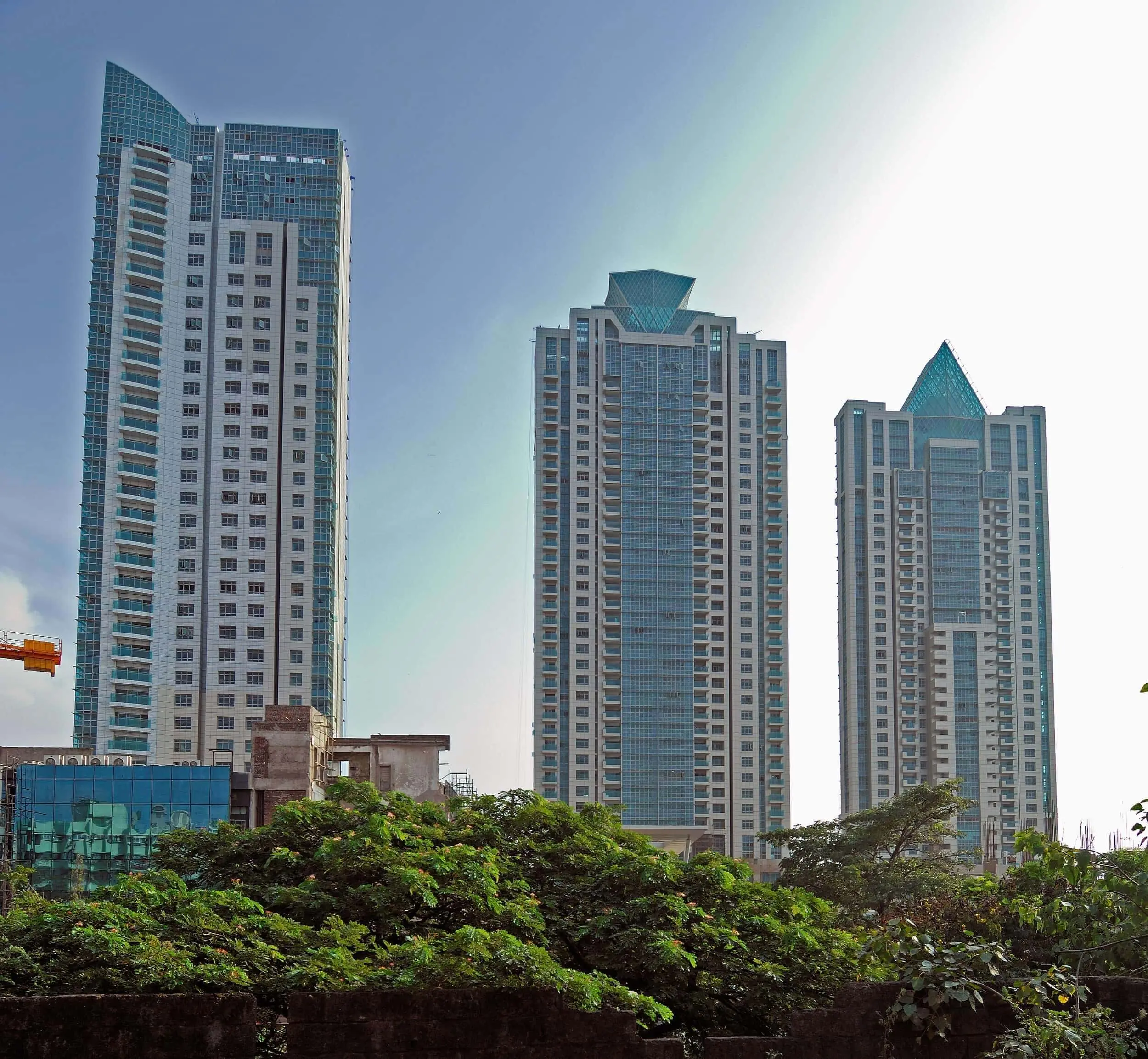
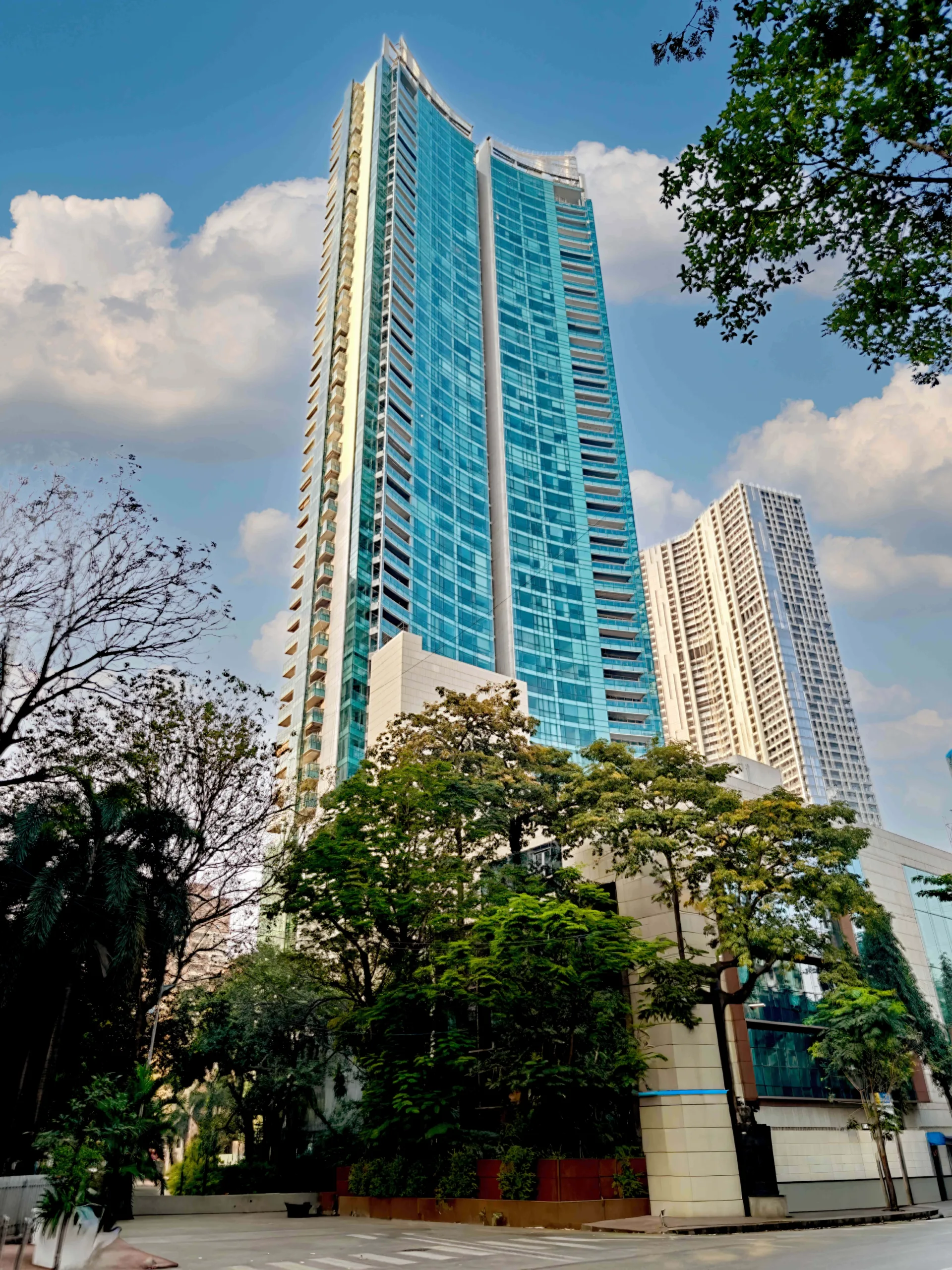
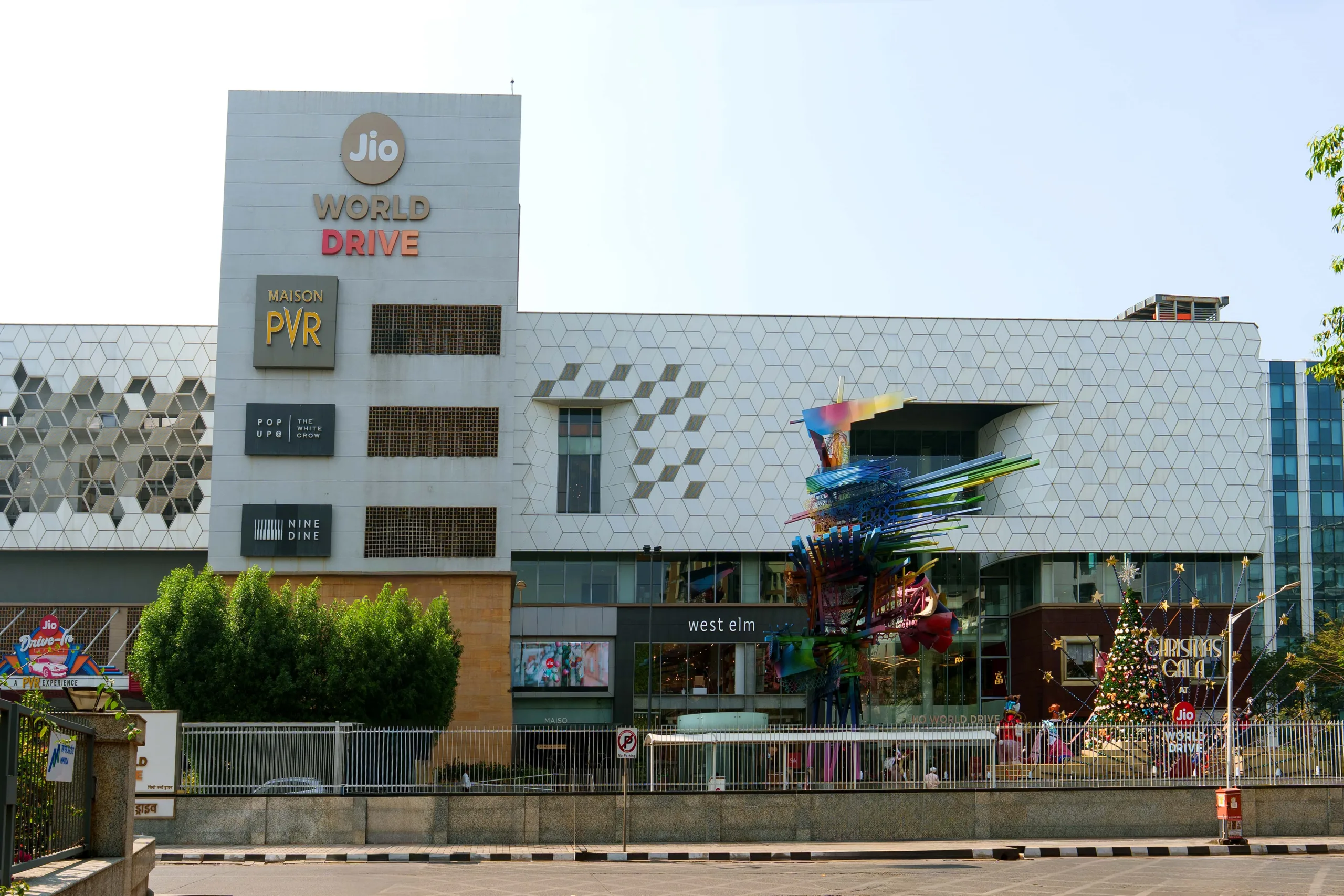
Our diverse project portfolio spans both bustling urban centres and remote locations, all driven by a commitment to sustainable solutions that contribute positively to society. Arup has been closely involved in shaping some of India’s most prominent building envelopes, combining architectural intent with high-performance engineering. Some of these include projects such as Rajiv Gandhi International Airport, Kempegowda International Airport, Navi Mumbai Airport, Statue of Unity, ICC Tower Mumbai, Imperial Towers Mumbai and Jio World Centre. Across these projects, our role has focused on translating design vision into buildable, climate-responsive and durable envelopes, balancing aesthetics, constructability, energy performance and long-term resilience in India’s demanding urban and environmental context.
Q. India Presents Diverse Climatic Conditions. How Does Climate Shape Façade Strategies Across Different Regions And Building Types? How Do Local Building Codes, Sustainability Guidelines, And Fire Safety Requirements Shape Façade Design Decisions In Indian Projects?
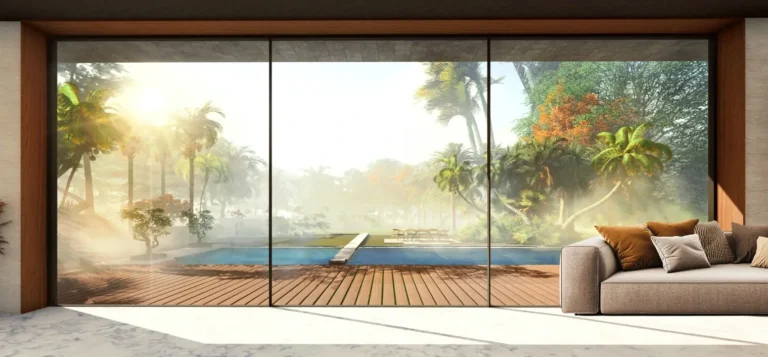
It all begins with light. For the façade design team, every project starts with a simple question: how can we harness daylight to create spaces that are bright, comfortable and energy-efficient, without falling prey to glare or overheating? The answer lies in a blend of tradition and technology.
India’s climates are as varied as its languages. In the humid air of Chennai, the dry heat of Ahmedabad, or the temperate calm of Bengaluru, the sun’s path and intensity change dramatically. To respond, designers import local climate data — hour by hour, day by day — into advanced simulation tools such as Ladybug and Honeybee. These platforms allow them to visualise how sunlight will move across a building’s surfaces, how deeply it will penetrate rooms and where it might cause discomfort or excessive heat.
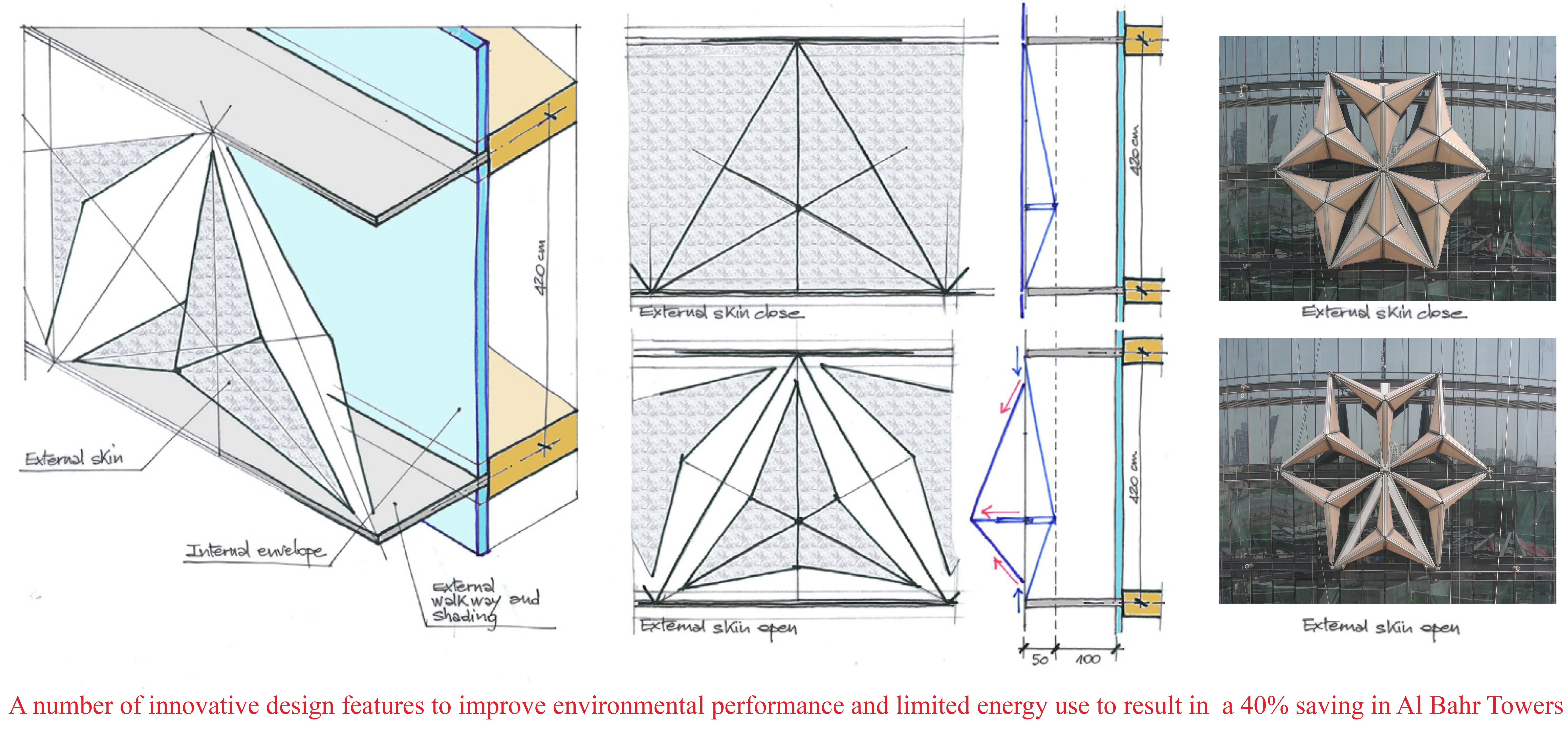
But simulation is only the beginning. The team then experiments with window sizes, glass types and shading devices — horizontal overhangs, vertical fins, even traditional jali screens reimagined in modern materials. Each option is tested against benchmarks for daylight autonomy and glare, often set by green building standards such as LEED or IGBC. The goal is always the same: maximise useful daylight, minimise glare and energy consumption, and ensure that every occupant enjoys a view without squinting or reaching for the blinds.
| “For The Façade Design Team, Every Project Starts With A Simple Question: How Can We Harness Daylight To Create Spaces That Are Bright, Comfortable And Energy-Efficient, Without Falling Prey To Glare Or Overheating?” |
What façade materials and systems are gaining popularity in India today, and what factors typically drive these choices — performance, cost or visual identity?
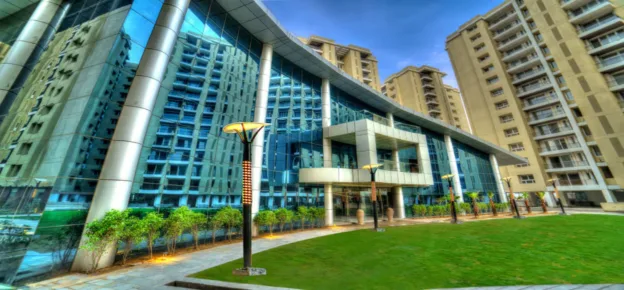
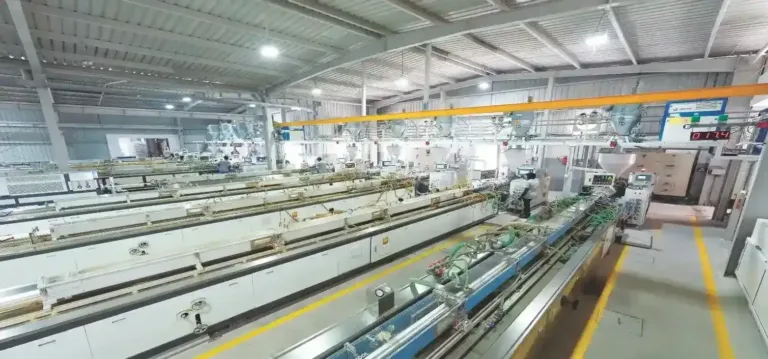
As a consultant, the choice of material is primarily dependent on various factors such as location, orientation and system type, as well as performance requirements set by the MEP engineers in relation to cooling loads. Currently, continued growth is observed in high-performance unitised curtain wall systems, particularly for commercial offices, mixed-use developments and data centres. Developers are increasingly opting for factory-fabricated unitised glazing because it offers better quality control, faster installation and improved airtightness and water performance — critical in cities with heavy monsoons and tight construction timelines. For window systems, higher performance with respect to water penetration and air infiltration is expected, and, in some cases, in line with project requirements, a thermally broken system may be recommended.
There is also rising interest in double-glazed units with high-performance solar control coatings, driven by energy codes, ESG commitments, acoustic performance and operational cost considerations. We anticipate that Indian clients, and those who use and reside in buildings, will have increasing expectations of quality and performance.
Over the more than twenty years that we have been working in the Indian façade market, we have seen the capability and technology of the domestic façade industry — including fabrication techniques and quality of workmanship — achieve international standards.
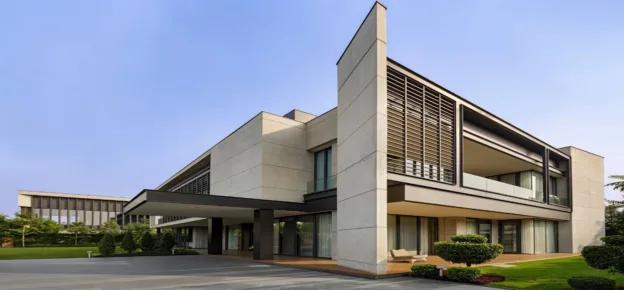
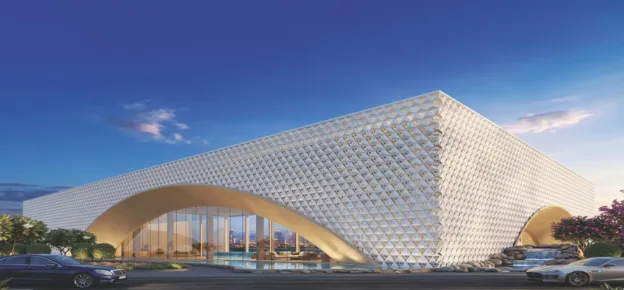
With regard to materials, aluminium and glass remain dominant in projects, but we are seeing growing adoption of terracotta panels, GRC/GFRC, UHPC, perforated metal screens and engineered stone systems — often used to express identity while moderating solar exposure. At Arup, our material specialists are supporting an upcoming development in Mumbai with Art Deco-inspired architecture for buildings rising to 300 metres, through detailed evaluation of façade material systems.
This includes performance-based assessment of engineered stone, GRC/GFRC, terracotta and aluminium in relation to structural capacity, fixing methodology, durability in coastal environments, fire performance, maintenance requirements and long-term lifecycle behaviour, ensuring the proposed envelope solutions are robust, buildable and aligned with the project’s performance objectives.
In terms of decision drivers, performance is becoming increasingly important— especially thermal efficiency, air and water tightness, durability, and maintenance, especially in coastal or polluted environments. However, cost and speed of delivery remain significant influences in many markets, including India. Visual identity does play a major role in Grade A commercial and premium residential developments, but increasingly it is expected to be achieved without compromising lifecycle value or sustainability.
We anticipate that over the next few years, there will be an increasing focus on the resolution of details, acoustic performance, security considerations and quality of work. We are also keen that the industry embraces the new Indian Building Code to drive the robustness and safety of the buildings that will populate growing cities.
Overall, the shift is toward façades that are not only architecturally distinctive but also demonstrably resilient, energy-efficient, and aligned with long-term asset performance expectations.
What Role Do Façades Play In Improving Energy Efficiency And Thermal Comfort, Particularly In High-Density Urban Environments? How Are Daylighting Strategies, Shading Devices, And Façade Articulation Being Used To Enhance Occupant Comfort While Reducing Energy Loads?
Daylight is only part of the story. In India, where the sun can be both a blessing and a challenge, the best façades are those that balance natural and artificial lighting seamlessly. The process begins with orientation. North-facing façades are preferred for their ability to provide soft, diffuse light, while south-, east-, and west-facing elevations demand careful shading to avoid glare and overheating. High-performance glazing — often with low-emissivity coatings — lets in light while blocking unwanted heat. Shading devices, from fixed overhangs to dynamic louvres, are tailored to each elevation, ensuring that every room receives just the right amount of daylight.
But the real magic happens when daylight and artificial lighting work together. Smart controls dim or switch off electric lights when the sun is shining, saving energy and creating a more natural ambience. Light shelves and reflective surfaces bounce daylight deeper into interiors, reducing the need for artificial illumination even on cloudy days. In some projects, traditional elements such as jali screens are reinterpreted to filter sunlight and create patterns of light and shadow that change throughout the day.
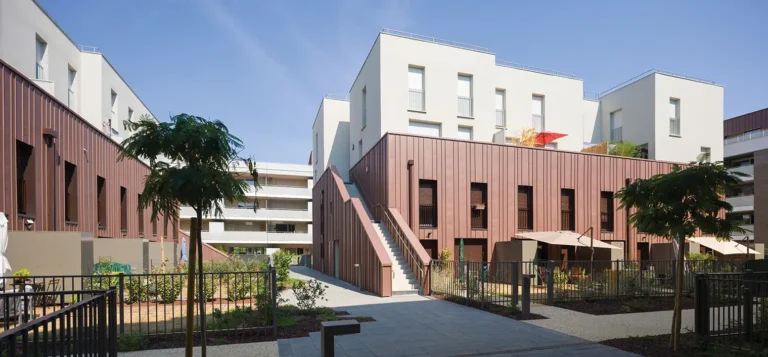
We are keen to engage with clients and design teams working on residential developments, where the use of rooms within living spaces will drive the façade — allowing bright, airy living spaces (where noise and pollution allow), combined with cool, insulated bedrooms.
How do you see building exteriors evolving in India over the next few years, particularly in response to climate change, energy demands, and urban density?
As the demands on façades grow, so do the technologies that support them. Dynamic glazing — such as electrochromic glass — can change its tint in response to sunlight, reducing glare and heat gain without sacrificing views. Automated shading devices, controlled by sensors and algorithms, adjust in real time to the sun’s position, optimising comfort and energy use.
Closed Cavity Façades, which combine insulated glazing with dynamic shading between layers, offer superior daylight control and thermal performance and will need to be explored in the Indian context. Building-integrated photovoltaics (BIPV) turn façades into power plants, generating renewable energy while providing shade. Advanced materials — high-performance coatings, spectrally selective films, innovative fabrics – allow designers to fine-tune daylight transmission and heat gain as never before.
Recent research in India shows that optimising variables such as louvre depth, window-to-wall ratio, and glazing properties can improve useful daylight illuminance by up to 25% and reduce energy use intensity by nearly 20% in cities such as Ahmedabad, Delhi, Mumbai, and Bangalore.
The story of façade design in India is still being written. As cities grow and climates change, the need for buildings that are both beautiful and sustainable has never been greater. The integration of daylight simulation, advanced glazing, and responsive shading is setting new benchmarks for comfort and efficiency. With the rise of AI-driven design, IoT-enabled façades, and a renewed appreciation for traditional wisdom, the next generation of Indian buildings will be brighter, smarter, and more responsive than ever before.
What Skills And Expertise Do You Believe The Next Generation Of Façade Engineers And Designers In India Will Need?
India’s rapid urbanisation and climatic diversity present complex challenges for building envelope design. As the demand for high-performance, energy-efficient buildings grows, façade engineers are increasingly tasked with integrating advanced daylight simulation, solar analysis, and glare control strategies. These approaches are not only essential for occupant comfort and visual quality but also play a critical role in reducing operational energy use and achieving sustainability targets. By leveraging state-of-the-art digital tools and a deep understanding of local climatic conditions, today’s façade professionals are redefining standards for daylighting, shading, and thermal performance in Indian architecture.
At the same time, it is important to recognise that the façade industry in India is still relatively young, with a limited pool of experienced specialists.
For the next generation, developing a strong technical foundation in façade systems, materials, construction technologies, fabrication, and the underlying building physics is essential to reliably design and deliver high- performance building envelopes. Initiatives such as the establishment of the Society of Façade Engineering in India represent an important step in creating platforms for knowledge sharing, professional development, and peer learning. Looking ahead, there is a clear opportunity for higher education institutions to introduce dedicated façade engineering programmes that establish core principles, enabling future specialists to build on this foundation, innovate responsibly, and raise industry standards across the country.
Not long ago, façade design was guided primarily by rules of thumb and professional judgement. A designer would select sunshades or glazing types based on established practice and experience, applying proven solutions to familiar challenges. Today, the process is far more dynamic — and far more precise.
Parametric tools have changed the game. With platforms such as Grasshopper and Arup’s own ParameterSpace, designers can generate hundreds of façade options in minutes, each one tuned to the building’s orientation, the local climate, and the client’s goals. Want to know how a deeper fin or a different glass coating will affect daylight on the third floor in July? The answer is just a few clicks away.
This approach is not just about speed — it is about evidence. In a recent project in Pune, our team used parametric analysis to refine the depth and angle of vertical fins on the east and west façades, balancing daylight access with glare reduction and solar gain control. The result is a design that is aiming to achieve LEED Platinum certification, not through guesswork but through data-driven iteration and collaboration with architects, engineers, and clients.
Studies show that parametric patterned façades, especially those with optimised perforation patterns, can significantly improve daylight quality and visual comfort in hot-dry climates.
| “We do not view projects in isolation; we look at them through a long-term, strategic lens — considering resilience, sustainability, commercial viability and societal impact from the outset” |