
Post Date: April 24, 2026 |
Last Edited: April 24, 2026
Priedemann Façade Experts: 20 Years In Dubai – From Early Foundations To A Regional Facade Planning Hub
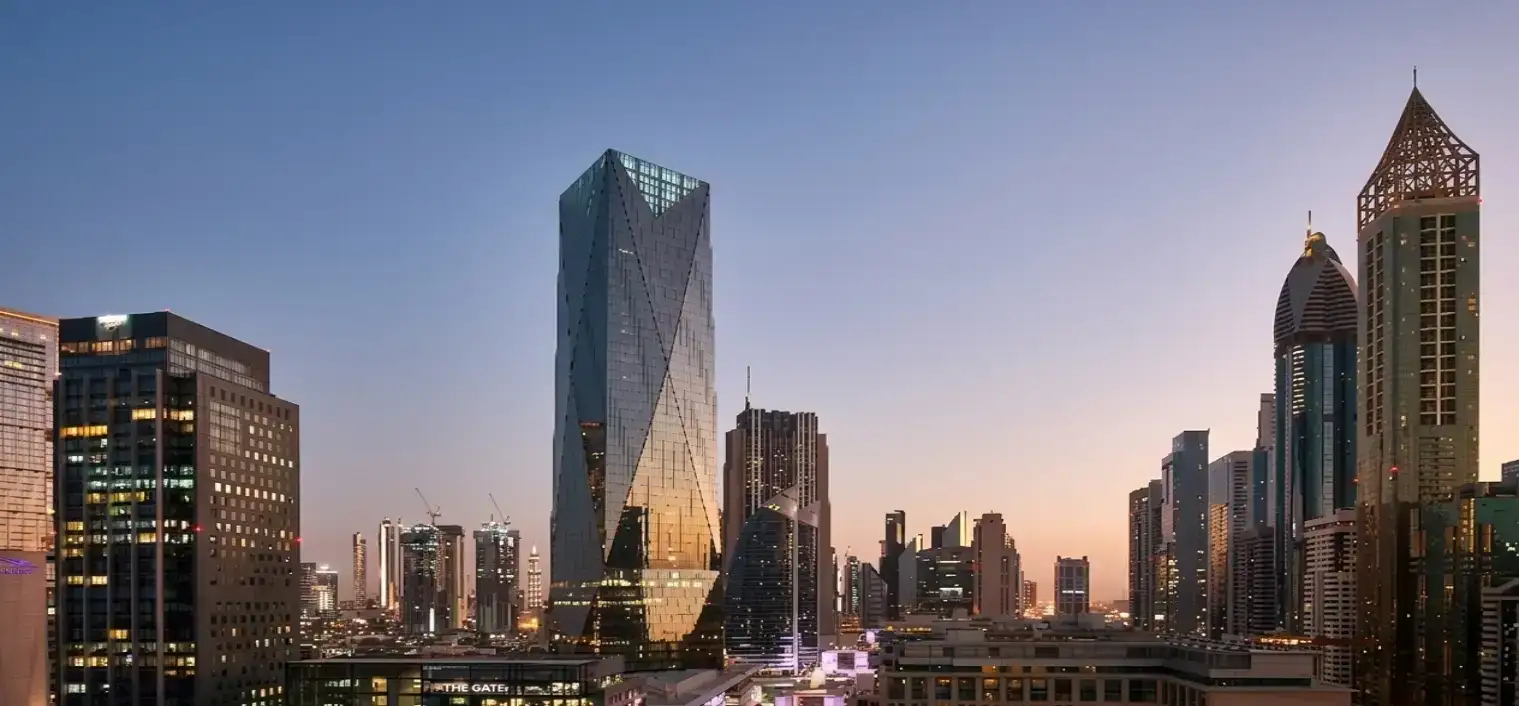
In 2026, Priedemann Façade Experts marks 20 years of continuous presence in Dubai – a milestone shaped not by rapid expansion or headline-driven growth, but by expanding and developing a trustworthy partner network with the realities of building in the Middle East. What began in 2006 as project-based involvement has evolved into a regional hub for facade engineering, supporting complex developments across the GCC. Over two decades, the Dubai office has grown alongside the region itself, shaped by real projects, real challenges, and a culture grounded firmly in delivery.
The Origins Of Priedemann And How Its Identity Was Formed
Founded in Berlin in 1993, Priedemann established its reputation at a time when façades were undergoing a fundamental transformation. Post-reunification Berlin became a testing ground for architectural ambition, and façades were increasingly understood not as architectural add-ons, but as highly engineered systems mediating between design intent, climate, and human comfort. This technical and cultural shift formed the basis of Priedemann’s identity.
The Guiding Philosophy Behind The Company’s Approach
From the very beginning, the company’s approach has been shaped by listening rather than prescribing. As Lars Anders, CEO of Priedemann Façade Experts, explains:
“Real value comes from understanding what a project genuinely needs in order to succeed. Context matters – place, climate, market maturity, construction culture, and delivery strategy are fundamental drivers. That understanding allows us to close the loop across the entire façade lifecycle – from research and development, through facade consultancy and detailed engineering, to refurbishment and energetic upgrade of existing buildings. We don’t work in isolated phases. Early ideas are tested against buildability and long-term performance, execution is informed by real production logic, and façades are conceived not just for delivery, but for durability and future adaptation.”
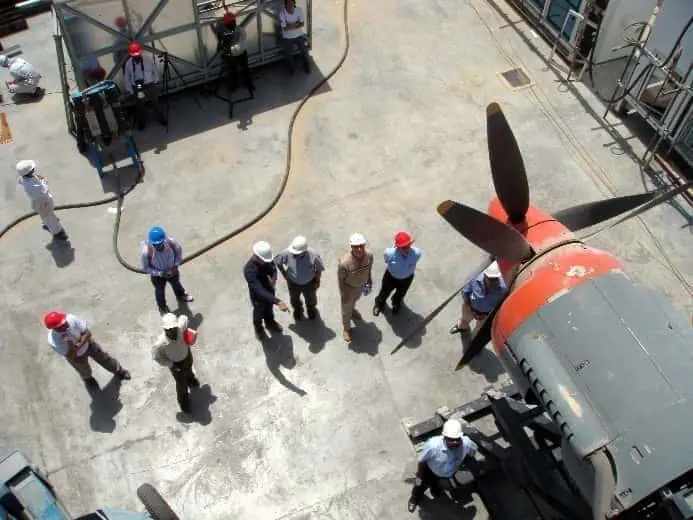
This philosophy naturally led Priedemann to establish local teams in key regions around the world. Rather than exporting fixed solutions, the company embedded expertise on the ground, combining regional insight with global experience. A façade solution that performs well in Northern Europe cannot simply be transferred to the Middle East without fundamental adaptation – a principle that became increasingly relevant as Priedemann expanded into hot, arid climates and fast-paced construction environments.
Why Priedemann Chosen To Remain Focused Exclusively On Façades
As Micha Pawelka, now Chief Operating Officer of Priedemann Holding and formerly Managing Director of the Dubai office, has often noted, this adaptability is inseparable from the firm’s deliberate focus. “We do only façades – no superstructure, no MEP,” he explains. “Many consultancies added façades later as an additional scope. For us, façades have always been the core.” This clarity of purpose allowed Priedemann to develop deep, execution-driven expertise – particularly valuable in markets where architectural ambition often outpaces practical execution experience.
The Middle East: Opportunity Through Production Plant Design
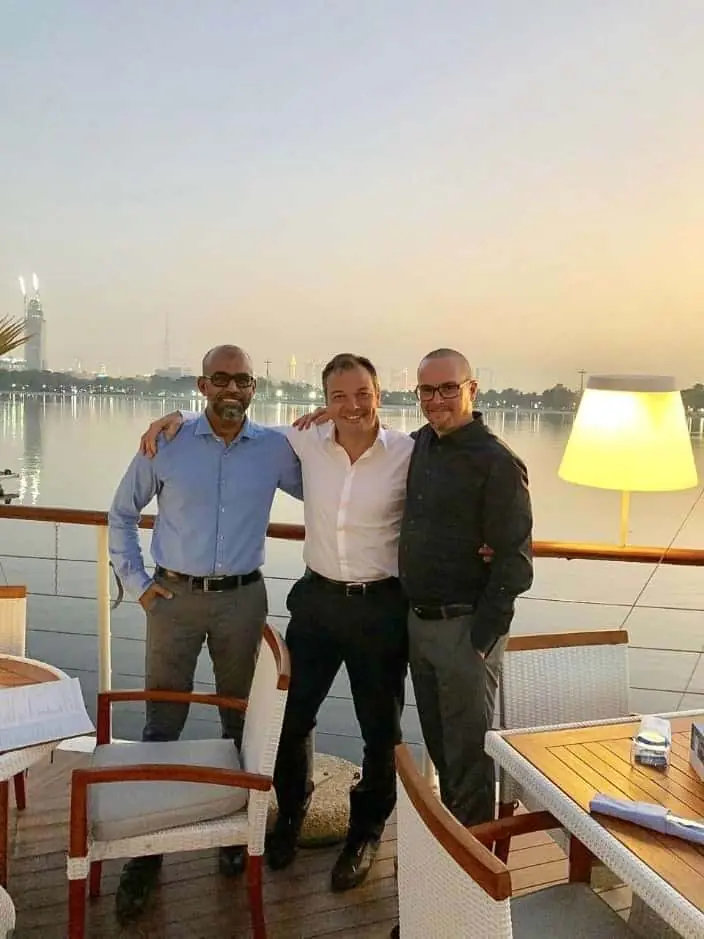
When Lars first arrived in Dubai, exploring façade consultancy opportunities, the market was not looking for “consultants” in the traditional sense. Fabricators were already operating within trust-based project relationships and under pressure to deliver increasingly complex façades. What they needed were technical partners who could support execution and solve real challenges. This led to Al Ghurair Aluminium, where the task was not advisory, but to design an industry-benchmark aluminium production plant to support a successful bid for the Burj Khalifa. It was during this period that Lars met Anees Backer, then Technical Manager at Al Ghurair Aluminium. More important than titles was the trust built through close technical collaboration, which later led to Anees joining Priedemann and becoming a defining pillar of the Dubai office, carrying employment number one.
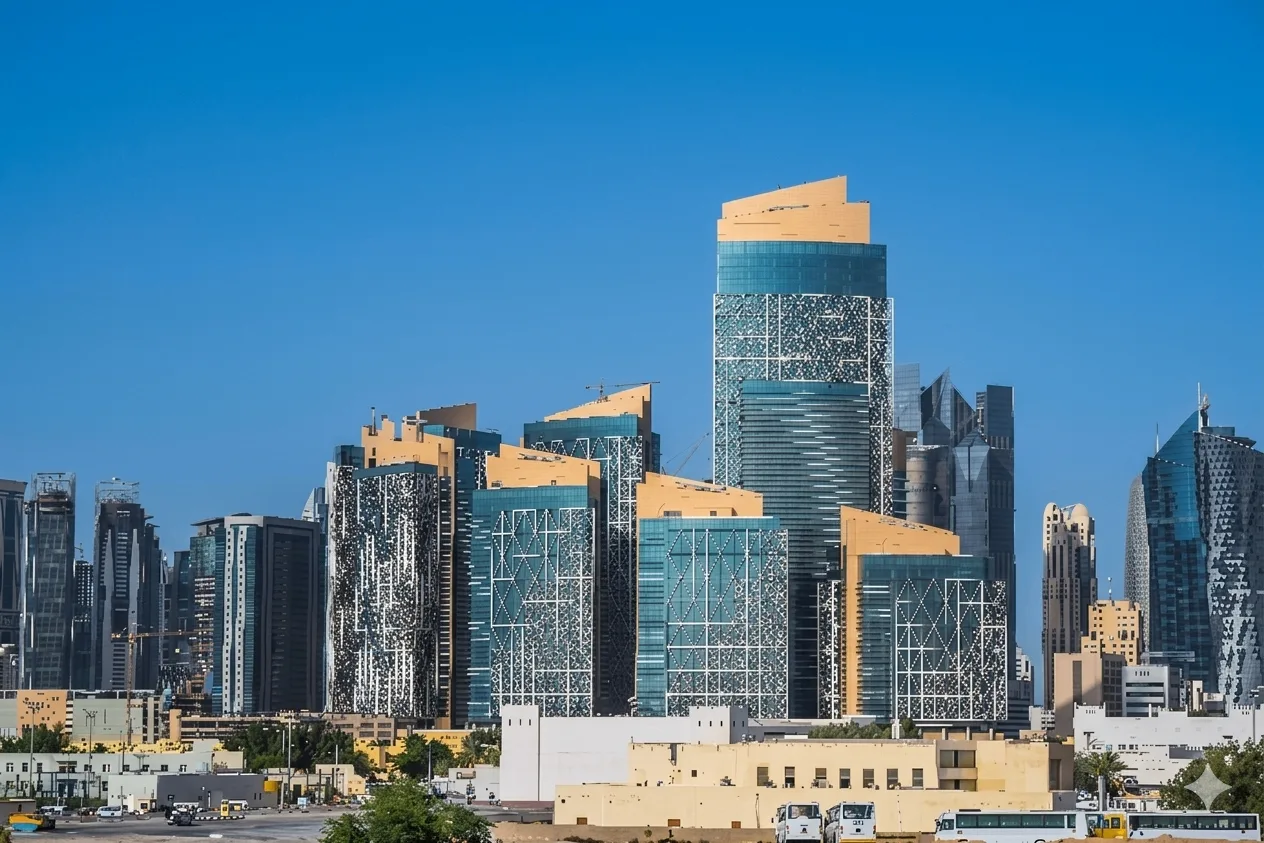
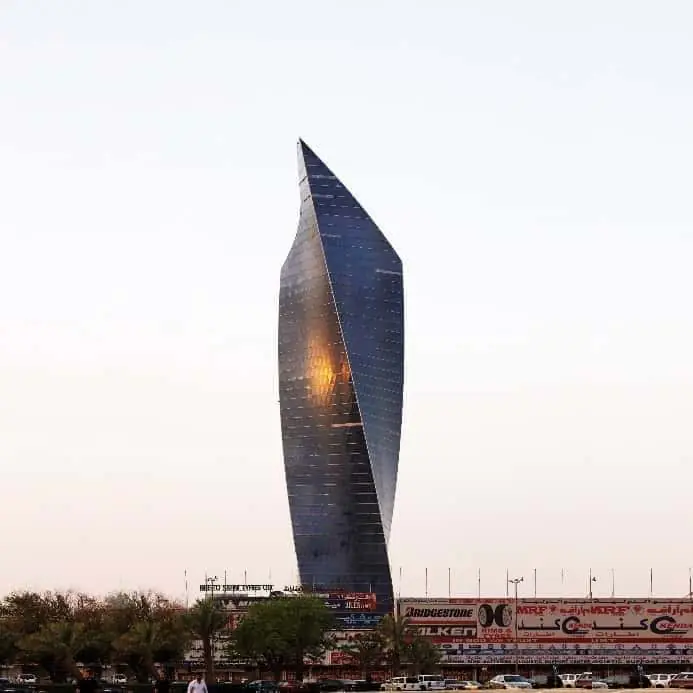
This production-led mindset was applied to the Al Tijaria project in Kuwait, a highly complex twisted 220-metre tower and one of Priedemann’s earliest regional assignments. While introducing a Schüco unitised curtain wall system with mitre corners and a European drainage system concept to the Middle East, Priedemann’s role extended beyond facade design to engineering the production plant in Kuwait, including tilted assembly tables for efficient and precise manufacturing. In parallel, the team delivered comprehensive shop drawings, production detailing, and assembly preparation support under tight tolerances.
Together, these execution-driven engagements laid the foundation for Priedemann’s long-term presence in Dubai – rooted in manufacturing logic and evolving naturally into façade consultancy grounded in real delivery.
The Early Days Of Priedemann In Dubai
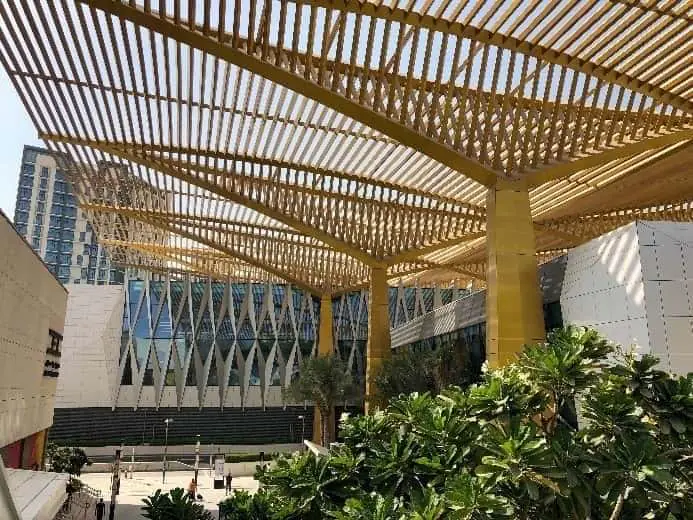
Looking back at Priedemann’s early days in Dubai feels a bit like flipping through an old family album – moments that felt ordinary or even exhausting at the time, yet quietly laid the foundation for everything that followed. In the very beginning, the “Dubai branch” started small: just three people in a two-bedroom apartment, informally using the space as a workspace, meeting area, archive for drawings and samples – and often as the place where the team shared quick meals between site visits. Mobility came in the form of an old red Volkswagen Golf, which broke down more often than it drove.
Steve Muchowski, who two decades later is based at the Berlin headquarters as Chief Risk Officer of the Priedemann Holding, still recalls those days with humour. He often jokes that a significant portion of Priedemann’s early façade expertise in the Middle East was acquired not behind a desk, but while pushing that Volkswagen out of busy intersections under the unforgiving Gulf sun. Beneath the humour lies a defining truth: those early months were driven by persistence, adaptability, and an unwavering focus on delivery rather than comfort.
“From its early days in a small apartment with a hands-on, execution-first approach, Priedemann’s Dubai office has grown into an R&D-driven façade engineering hub, defined by practical expertise, adaptability, and long-term performance thinking” |
Early Days In Dubai: Persistence Over Comfort
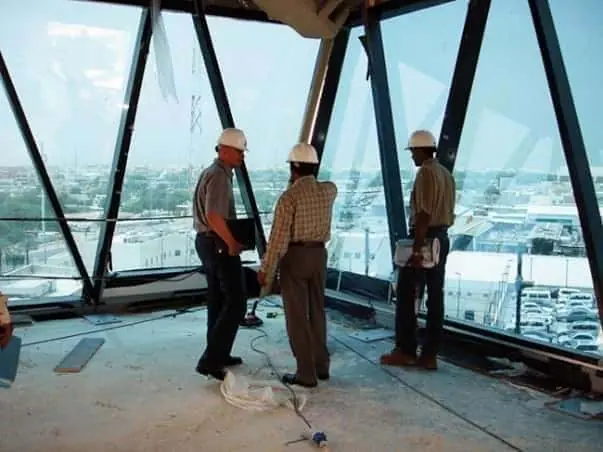
One of the projects that supported the establishment of Priedemann’s Dubai presence was the Etisalat Tower in the Al Kifaf area, distinguished by its iconic spherical feature. During construction, the façade contractor engaged Priedemann to provide specialist on-site support. The involvement was intensely hands-on. Steve recalls long days walking unfinished stairwells up and down, followed by repeated drives between the site and ALICO’s factory in Sharjah – all of it taking place in May, with temperatures exceeding 40 degrees Celsius.
The Experiences That Influenced Priedemann’s Working Approach
There was little separation between design, coordination, and execution. Problems were addressed where they occurred, decisions were made quickly, and learning happened in real time. These experiences shaped the character of the Dubai office and embedded an approach that remains central to Priedemann’s work today. Those early challenges defined the DNA of Priedemann’s Dubai team: practical, hands-on, and never afraid to solve problems where they arise. Anees Backer, Managing Director of Priedemann’s Dubai office, reflects on the journey:
“What defined our early years in Dubai – and still defines us today – was the willingness to stay close to the project and the people delivering it. We learned quickly that façades only succeed when design intent, execution reality and long-term performance are aligned. That mindset has carried us through every market cycle and continues to guide how we approach projects across the region today.”
Façade Expertise As A Deliberate Choice
As Priedemann’s Middle East presence matured, so did its portfolio. The company contributed façade consultancy and engineering expertise to a wide range of landmark projects across the region, working with architects, developers, and contractors on increasingly ambitious buildings. Despite this growth, Priedemann resisted the temptation to dilute its expertise. Remaining focused exclusively on façades allowed the team to go deeper – into materials, detailing, constructability, performance, and lifecycle behaviour – rather than spreading capability thinly across multiple disciplines. Execution knowledge remains a defining strength. A significant proportion of Priedemann’s project managers come from fabrication and construction backgrounds, enabling the team to understand not only how façades are designed, but how they are built.
“20 years in Dubai, Priedemann has grown into a trusted façade engineering hub shaped by real-world delivery” |
From Foundations To A Regional Hub
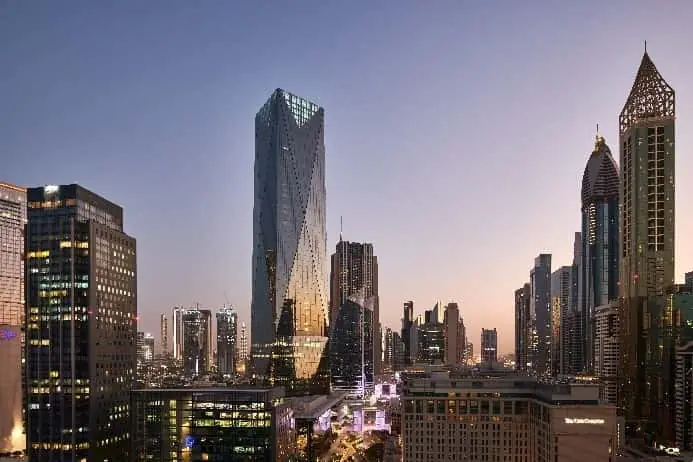
Two decades on, what began with site walks up unfinished stairwells has evolved into a regional hub for R&D-driven façade engineering. Today, Priedemann’s Dubai office supports projects across the GCC, combining regional understanding with global expertise and long-standing execution knowledge. Many people have contributed to this journey – some joining early, some returning later, and others adding their expertise at different stages. Together, they built a team defined not by speed of expansion, but by continuity, experience, and responsibility.