
Post Date: June 11, 2026 |
Last Edited: June 11, 2026
Q. How Would You Describe A New Generation Façade In Simple Terms?
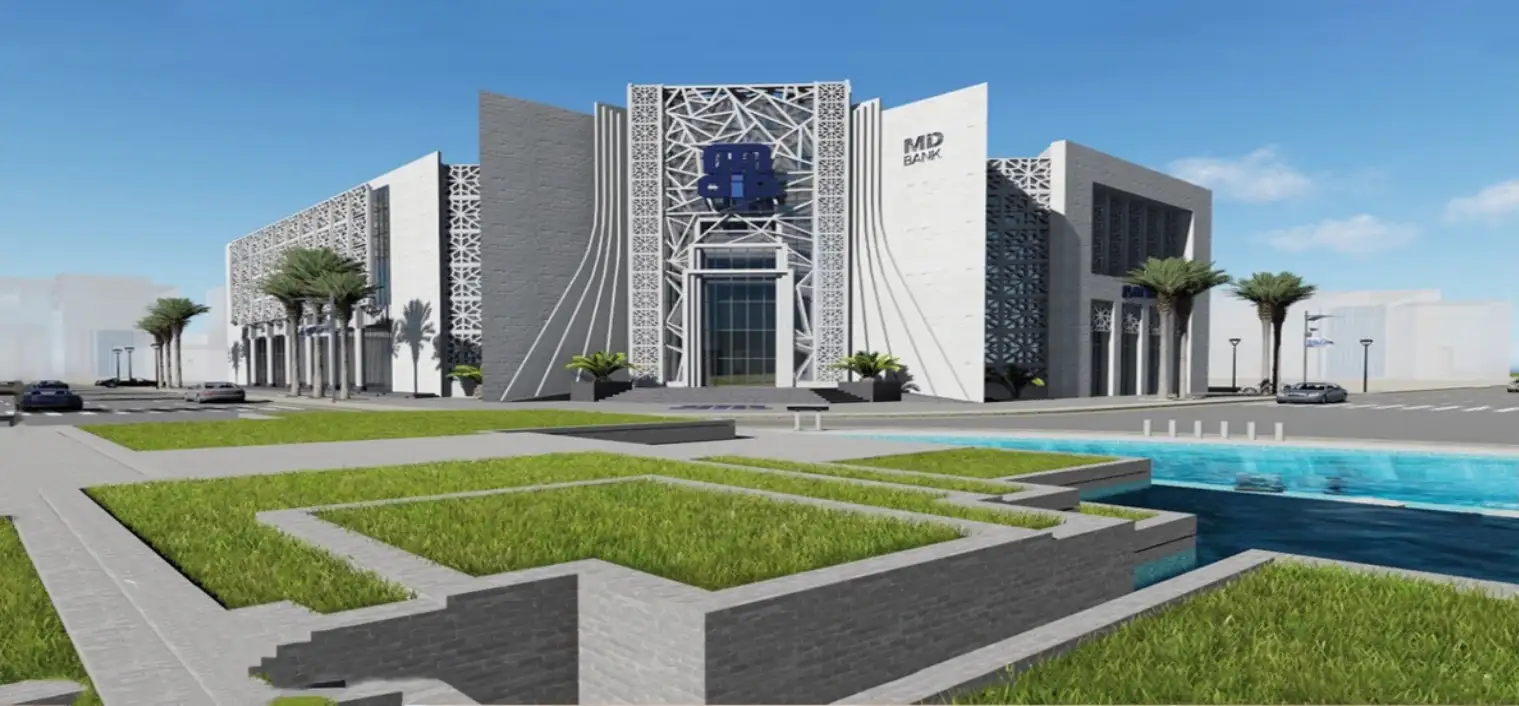
A new-generation façade can be described as a responsive environmental system rather than a static outer layer. It acts as a mediator between the building and its surroundings, carefully controlling light, heat, and airflow.
In my approach, the façade is shaped through parametrically driven horizontal, vertical, and curved elements that respond to the sun’s path. These elements function as integrated shading devices, allowing beneficial daylight while deflecting excessive solar gain.
In simple terms, it is a façade that is designed to perform in harmony with the movement of the sun.
Q. What Are Some Of The Latest Trends You Are Seeing In Façade Design Today?
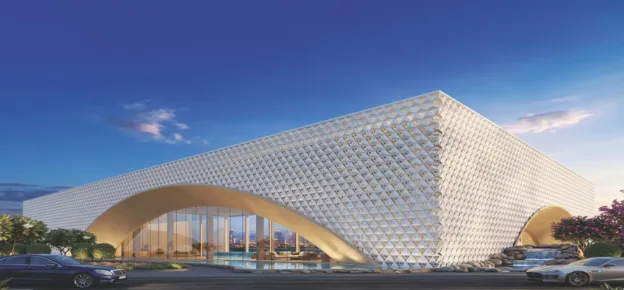
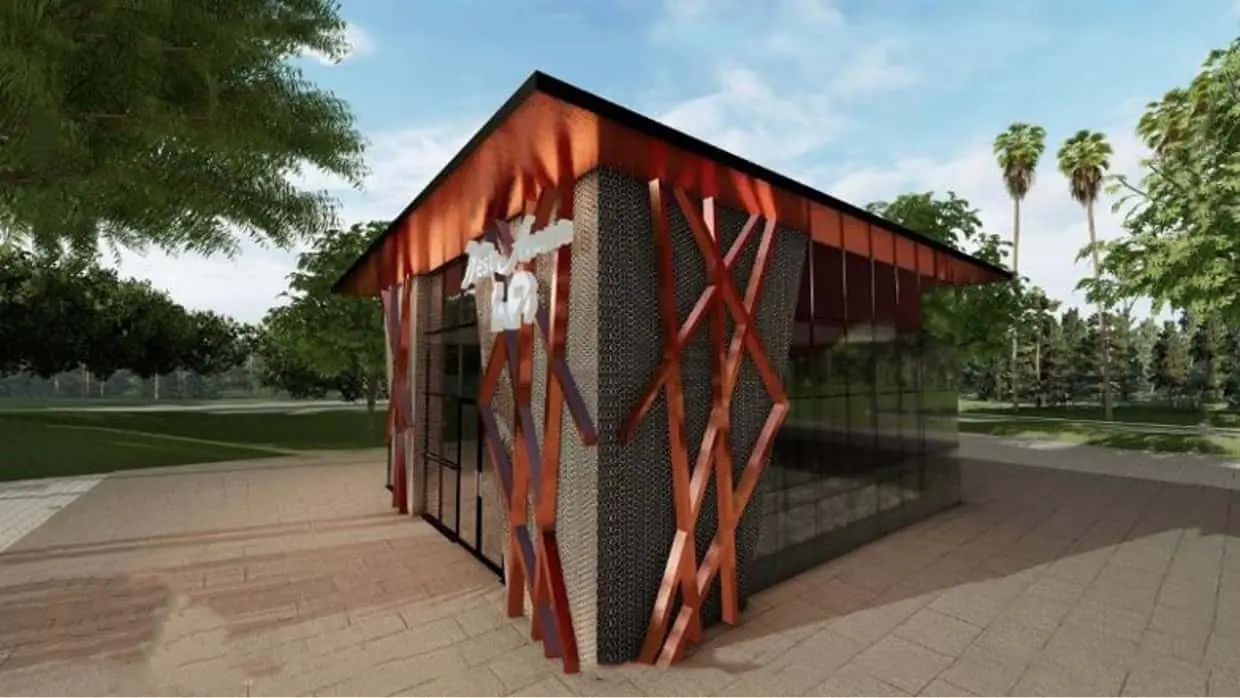
Façade design is increasingly driven by environmental data and parametric logic; One of the key trends is the use of geometries like horizontal, vertical, and fluid forms that are generated in response to solar angles and orientation. These are no longer decorative gestures but performative elements that act as shading systems.
There is also a shift toward layered façades and adaptive skins that enhance environmental control. This approach allows architects to create façades that are both visually dynamic and highly efficient, moving beyond uniform solutions toward more responsive and site-specific designs.
 Q. What Role Do New Materials Play In Today’s Façade Systems?
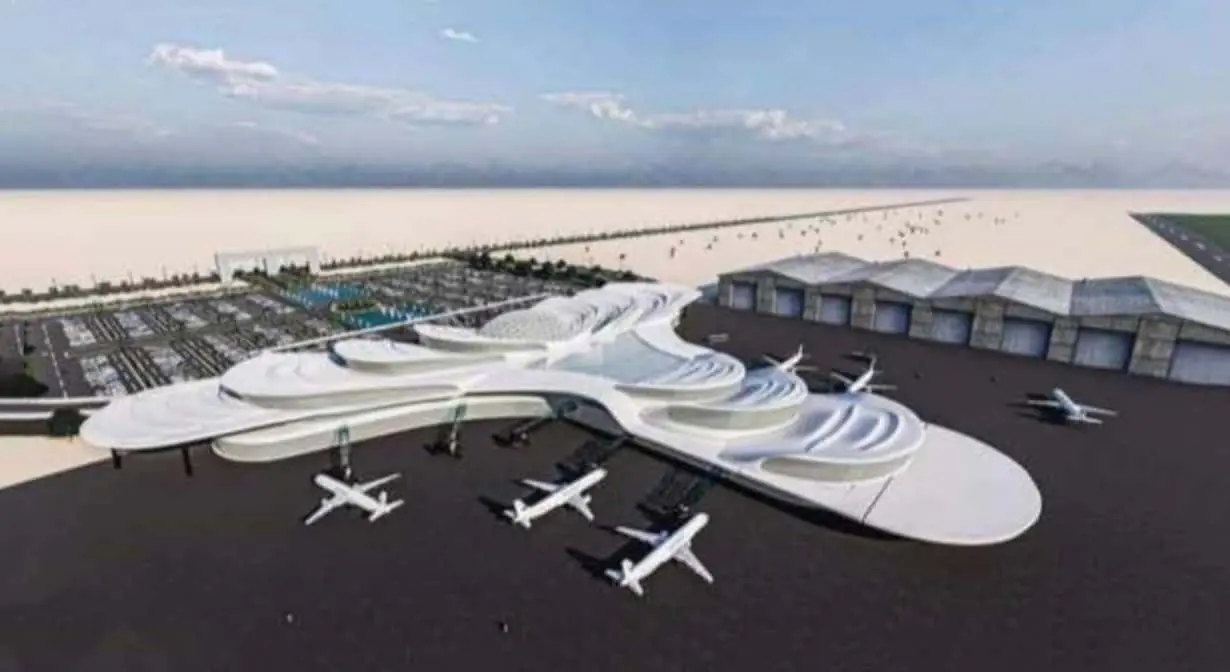
New materials are essential in realising these performance-driven façade concepts. Lightweight metal systems, advanced glazing, and engineered composites allow for the precise fabrication of parametrically designed elements. The ability of materials to reflect, absorb, or diffuse sunlight is carefully considered as part of the overall design strategy. This enables façade components to function not only as visual features but as active environmental tools, enhancing both thermal performance and durability while maintaining a high level of architectural refinement.
Q. How important are digital tools and technology in designing modern façades?
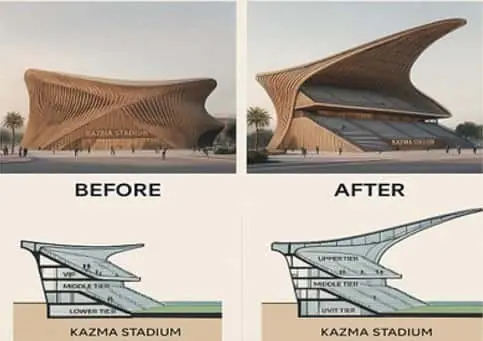
Digital tools are fundamental in translating environmental data into architectural form. Through parametric modelling, we can map the sun’s movement and generate façade elements that respond accurately to its angles and intensity. This allows for a highly controlled design process where performance directly informs geometry. Simulation tools further validate daylight, shading, and thermal behaviour, while BIM ensures coordination during execution.
Without these technologies, achieving this level of precision and environmental responsiveness would not be feasible.
Q. How Are New-Generation Façades Influencing The Overall Look And Identity Of Buildings?
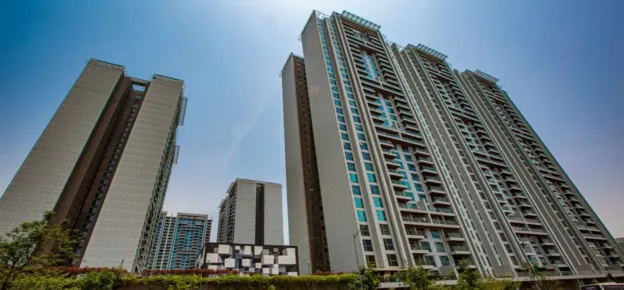
This approach gives façades a distinct identity rooted in performance. The visual language, whether horizontal lines, vertical fins, or fluid curves, is not arbitrary but derived from environmental logic. As a result, the building expresses how it interacts with the sun and its context. This creates a dynamic architectural identity that changes throughout the day as light and shadow shift across the façade, making the building feel more alive and connected to its surroundings.