
Post Date: November 18, 2026 |
Last Edited: November 18, 2026
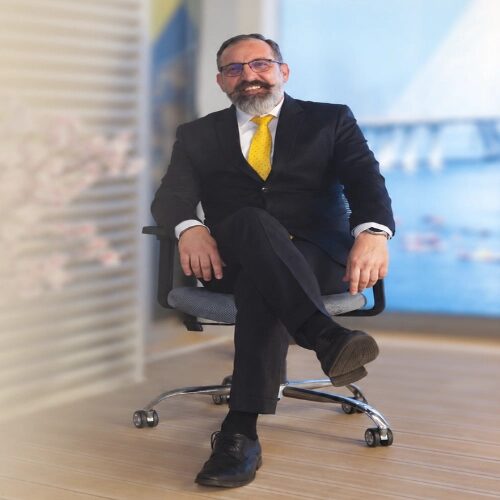 Theodoros Axouristos is a seasoned leader and the Managing Director of Alumil India, the wholly owned subsidiary of the Alumil Group, a global pioneer in high-quality architectural aluminium systems. With a career rooted in the building materials industry, Theodoros transitioned from a senior role as Supply Chain Director to his current leadership position. He brings together technical engineering expertise and strategic business acumen, with a strong focus on operational excellence, supply chain optimisation, business planning and the expansion of international subsidiaries in competitive markets. Theodoros AxouristosManaging Director
|

How Has Alumil’s Journey In India Evolved, And What Have Been Some Of The Key Milestones In Establishing The Company In The Market?
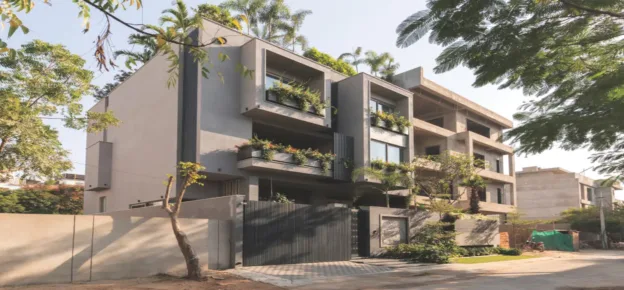
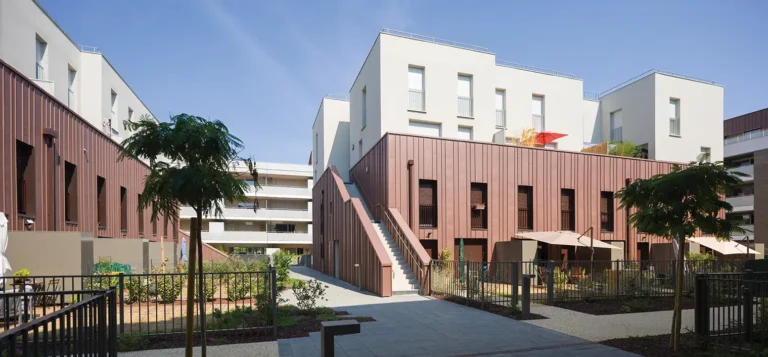
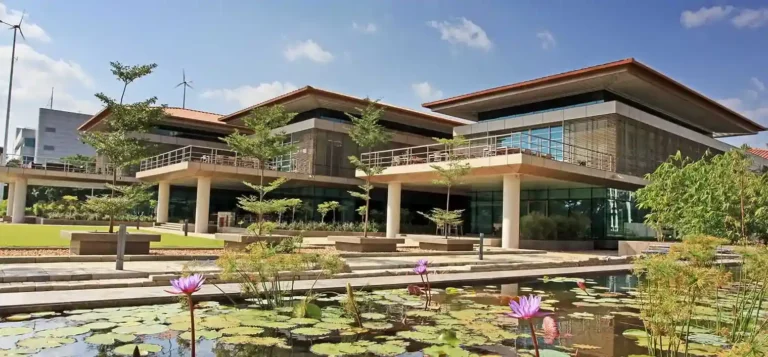
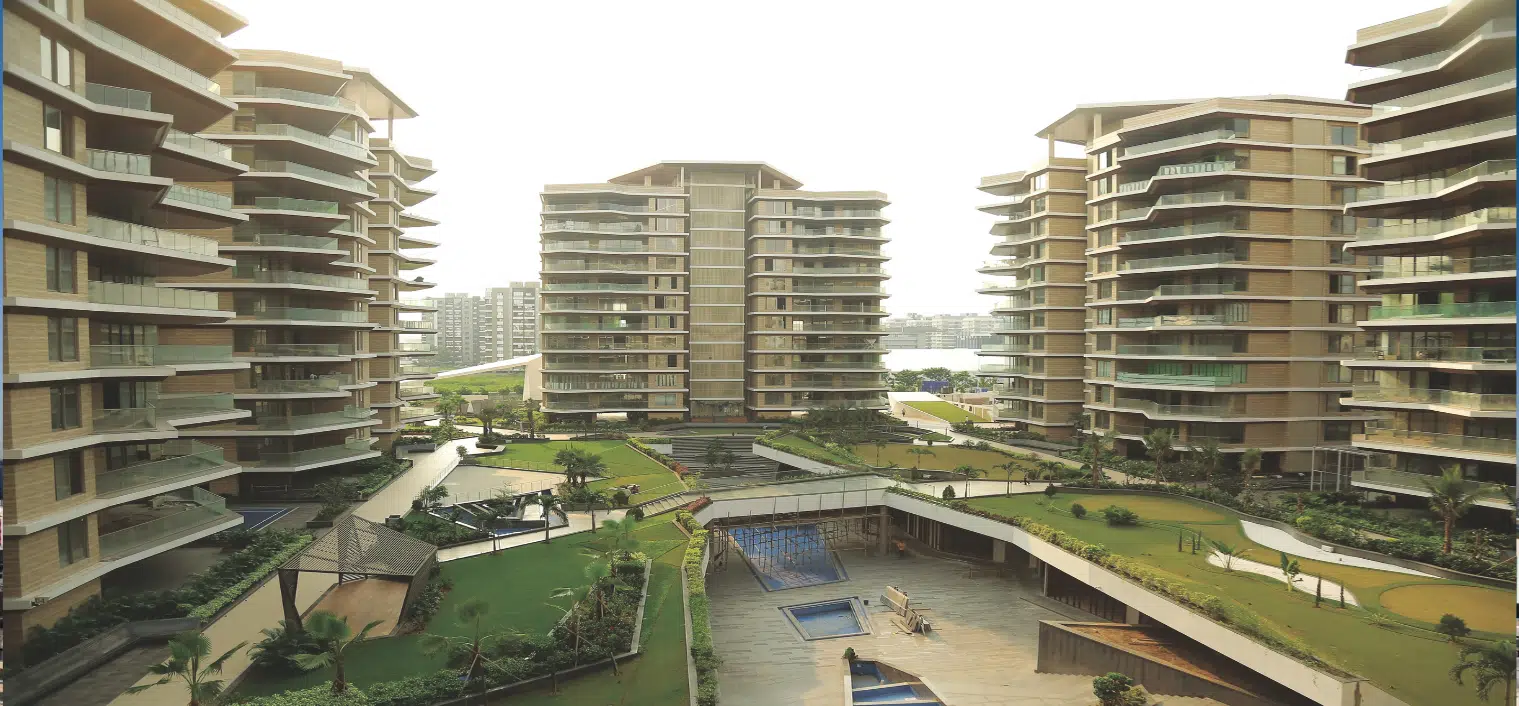
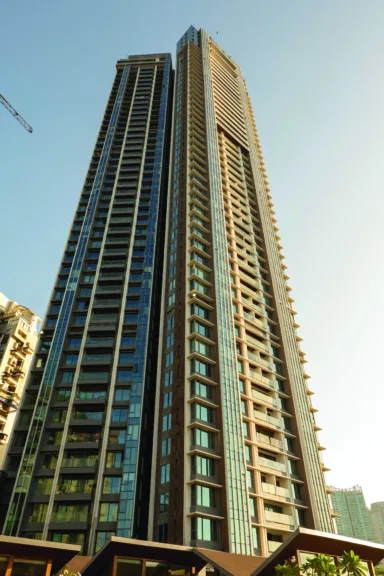
Alumil India began its journey in 2015 as a wholly owned subsidiary of the Alumil Group, introducing world-class architectural aluminium systems to the Indian market. Over the past decade, the company has completed over 500 projects across the country, including 25 South, One Meraki, Kukreja Infinity, Wadhwani Bliss and NICMAR University. Key milestones include expanding operations across South, West and North India, establishing a new corporate office in Navi Mumbai, and opening eight dealer-owned showrooms. The launch of Loop 80 recycled aluminium and the achievement of Cradle-to-Cradle certification have reinforced our commitment to sustainability. Recognition as a Top 25 Safest POSH Workplace and an Iconic Brand in 2025, along with the upcoming Architecture Aluminium Academy, marks Alumil India’s evolution into a trusted partner for large-scale, design-led and performance-driven developments across the country. Going forward, our focus remains on deepening our presence across India, strengthening technical capabilities and supporting architects and developers in creating high-performance, sustainable and future-ready buildings.
Alumil India Recently Launched A Hospitality-Focused Product Range. How Does This Reflect The Company’s Approach To Adapting Global Expertise To Specific Indian Market Segments?
The launch of our hospitality-focused range reflects our approach of combining global expertise with a clear understanding of local market requirements. India’s hospitality sector has diverse needs, from premium aesthetics and large openings to thermal and acoustic comfort, durability, ease of operation and weather performance. Our product portfolio is designed to address these requirements while offering architects and developers greater flexibility in creating distinctive hospitality spaces. Our range provides solutions for different project requirements and performance expectations, allowing us to cater to a broad spectrum of hotels, resorts and hospitality developments. More importantly, this approach demonstrates that localisation is not simply about adapting products; it is about understanding how buildings are designed, operated and experienced in India, and applying our global technology and engineering capabilities accordingly.
How Would You Describe The Current State Of India’s Façade And Fenestration Industry, And What Key Changes Are Shaping Its Growth?
India’s façade and fenestration industry is currently undergoing a dynamic transformation, driven by the country’s emergence as one of the world’s fastest-growing economies and strong momentum in the real estate and infrastructure sectors. The industry is witnessing significant growth, with a greater focus on innovation, design-led solutions and high-performance building envelopes. Today, architects and developers recognise that the façade is no longer just the exterior skin of a building, but a critical element that influences aesthetics and energy efficiency, occupant comfort and long-term building performance. This has led to the increased adoption of advanced solutions such as dynamic façades, ventilated façade systems and intelligent building envelopes that respond to environmental conditions while enhancing sustainability.
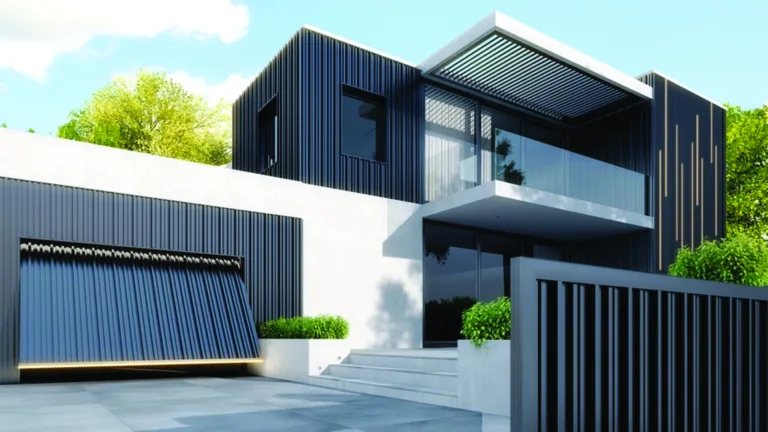
In the fenestration segment, there is growing demand for solutions that combine functionality with contemporary design. One emerging trend is the integration of windows with railing systems, which maximises natural light, strengthens the connection between indoor and outdoor spaces, optimises space utilisation and enhances a project’s overall architectural appeal.
Looking ahead, sustainability, energy efficiency, larger glazed openings, smart technologies and performance-driven design are expected to be key factors shaping the industry’s next phase of growth. Companies that can balance innovation, aesthetics and performance will play a leading role in defining the future of India’s built environment.
What Are The Biggest Shifts You Are Seeing In The Expectations Of Architects, Developers And Homeowners When Selecting Façade And Fenestration Solutions?
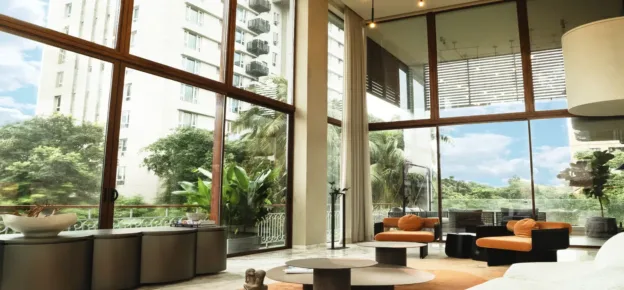
The expectations of architects, developers and homeowners are increasingly shifting from aesthetics and basic functionality towards a more holistic focus on performance, comfort and long-term value. There is a clear preference for larger openings, slimmer profiles and greater access to natural light and views, but these design aspirations are now expected to be supported by measurable thermal, acoustic, structural and weather performance. We are also seeing greater emphasis on energy efficiency, durability, ease of operation and lifecycle value rather than simply the initial cost of a solution. Architects and developers are looking for greater design flexibility and systems that can respond to project-specific requirements, while homeowners increasingly expect comfort, safety and low maintenance. The market is shifting from choosing aluminium as a material to specifying engineered fenestration systems that deliver a combination of aesthetics, performance and sustainability.
What Is Driving Alumil India’s Experience Centre Expansion, And How Are These Centres Strengthening Engagement With Architects, Developers And Fabricators?
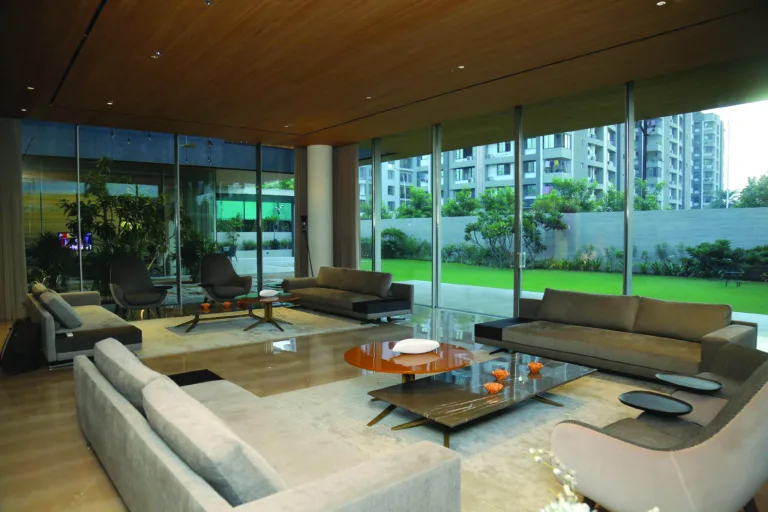
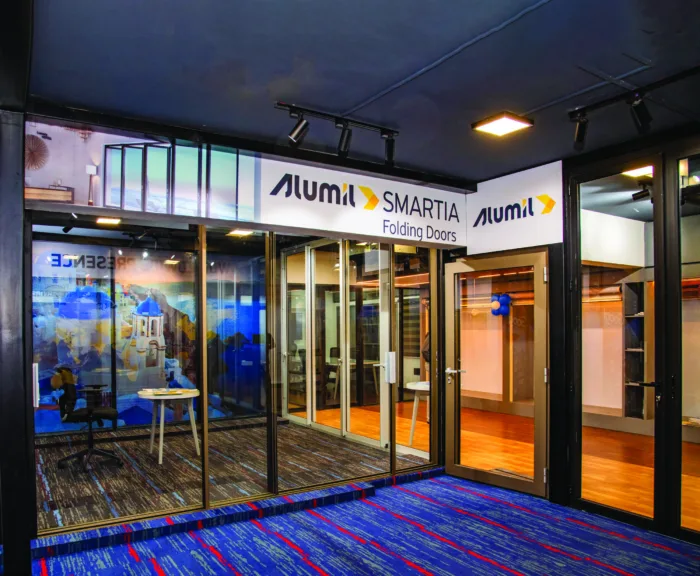
Alumil India’s rapid expansion of experience centres is driven by a clear shift in the buying journey of architects, developers and fabricators. These centres serve as interactive hubs where architects can explore design possibilities, developers can evaluate value and performance, and fabricators can receive technical training and system support. By bringing the brand closer to key regional markets, Alumil strengthens relationships, shortens the decision-making cycle and improves project specification rates.
Experience centres also create stronger engagement with influencers and decision-makers, support fabricator capability development and enhance brand visibility in high-growth markets. Ultimately, they help convert product awareness into project specifications, partnerships and long-term business growth, while reinforcing Alumil’s position as a premium systems provider across India.
“Our vision is not only to grow Alumil’s footprint in India but also to contribute meaningfully to the evolution of a more sustainable, high-performance built environment” |
Which Technologies Or Innovations Do You Believe Will Have The Greatest Impact On The Façade And Fenestration Industry Over The Next Five Years?
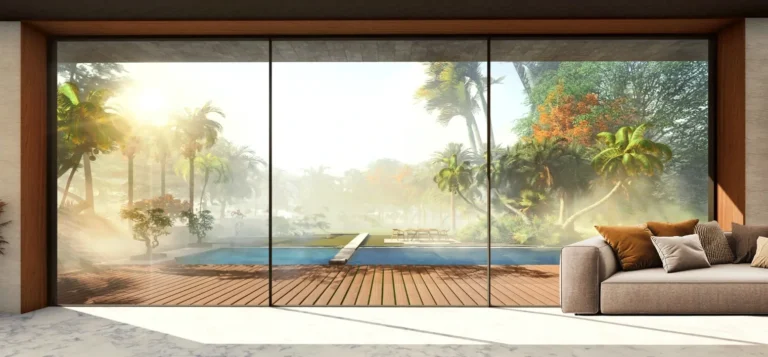
Over the next five years, we believe the greatest impact will come from technologies that improve building performance while giving architects greater design freedom. Thermal break systems, high-performance glazing and advanced sealing technologies will continue to evolve, particularly as energy efficiency and indoor comfort become increasingly important. We will also see greater adoption of large-format and ultra-slim fenestration systems, enabling larger openings without compromising structural or thermal performance. Automation and smart fenestration, including motorised systems and intelligent locking solutions, are likely to gain momentum as buildings become more connected. At the same time, sustainability will increasingly influence material and system choices, with a greater focus on recyclability, recycled content and lifecycle performance. Ultimately, the industry will move towards integrated, engineered façade solutions in which design, performance, sustainability and technology work together rather than being considered independently.
What Opportunities And Challenges Do You See For The Façade And Fenestration Industry As The Country’s Building Stock Continues To Evolve?
India’s diverse climate and rapidly urbanising cities present significant opportunities for the façade and fenestration industry. Different regions demand solutions that can respond to varying levels of heat, humidity, rainfall, wind and noise, creating greater scope for engineered systems tailored to specific climatic and project requirements. At the same time, the growth of high-rise buildings, premium housing, commercial spaces and institutional developments is driving demand for larger openings, slimmer profiles and better-performing façades.
The key challenge will be ensuring that these design aspirations are supported by consistent thermal, acoustic, structural and weather performance. This requires greater emphasis on performance-led specifications, appropriate system selection, testing and quality-controlled installation. As India’s building stock evolves, the industry also has an opportunity to promote lifecycle value, energy efficiency and sustainable materials, while helping architects and developers balance aesthetics, performance and cost.
What Are Alumil India’s Key Priorities For The Next Three To Five Years, Particularly In Terms Of Innovation, Sustainability, Market Expansion And Engagement With The Wider Building Envelope Industry?
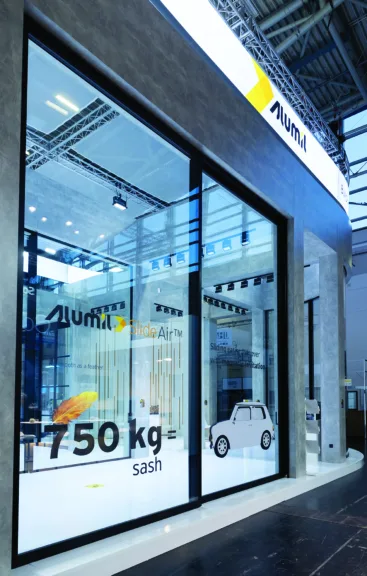
On the innovation front, we will continue to introduce advanced aluminium systems that address emerging market needs, such as larger openings, improved thermal performance, enhanced acoustics and integration with smart building technologies. Our focus is on delivering solutions that combine design freedom with proven performance.
Sustainability will remain a core strategic priority. We are committed to supporting energy-efficient and environmentally responsible buildings through high-performance systems, recyclable materials and solutions that contribute to green building certifications and reduced operational carbon footprints.
From a market expansion perspective, we will continue to strengthen our presence across India through experience centres, an expanded fabricator network and deeper engagement with architects, developers, consultants and façade specialists in both established and emerging markets.
Equally important is our commitment to the wider building-envelope ecosystem. We aim to foster knowledge-sharing, technical excellence and industry partnerships that help raise standards in façade and fenestration design, engineering and execution. Our vision is not only to grow Alumil’s footprint in India but also to contribute meaningfully to the evolution of a more sustainable, high-performance built environment.
How Is Alumil India Translating The Group’s Sustainability Goals Into Practice Through Recycled Aluminium, Energy-Efficient Systems And Support For Green Building Certifications?
At Alumil, sustainability is not viewed as a standalone initiative but as an integral part of how we design, manufacture and deliver value to the market. The Group’s commitment to circular-economy principles and sustainable growth is increasingly reflected in our operations in India as well.
A key focus area is promoting high-performance aluminium systems that help reduce a building’s energy consumption through improved thermal insulation, solar control and overall building-envelope efficiency.
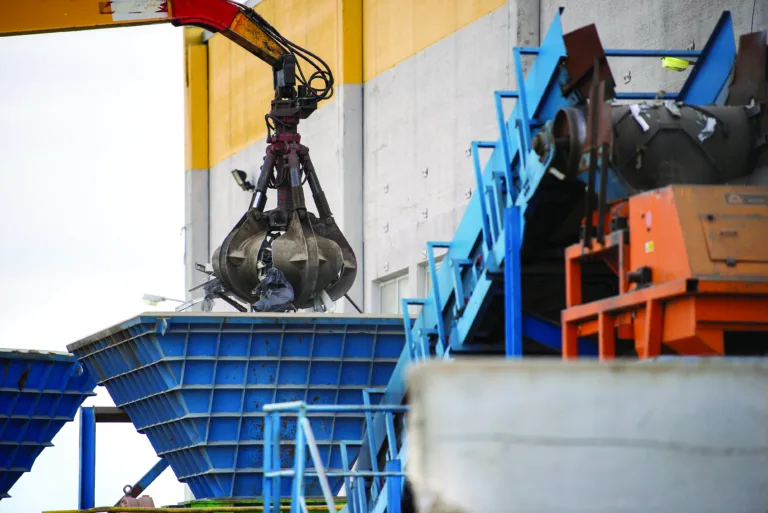
We are also aligned with the aluminium industry’s strong recyclability advantage. Aluminium is a highly recyclable material that can be reprocessed repeatedly without compromising its performance, making it an important contributor to circular construction practices.
At the project level, Alumil systems support architects and developers pursuing green building certifications such as IGBC, LEED and GRIHA by contributing to credits related to energy efficiency, material sustainability and environmental performance.