
Post Date: May 1, 2026 |
Last Edited: May 1, 2026

In the ever-evolving world of architecture, the pursuit of sustainability and energy efficiency has become a top priority. Among the many innovations driving this shift, smart glass stands out as a transformative technology. Also known as switchable glass or electrochromic glass, smart glass is redefining how buildings interact with their environment, offering dynamic control over light, heat, and privacy. This technology is not just a futuristic concept—it is already being integrated into cutting-edge projects worldwide, proving its potential to revolutionise energy-efficient building design.

What Is Smart Glass?
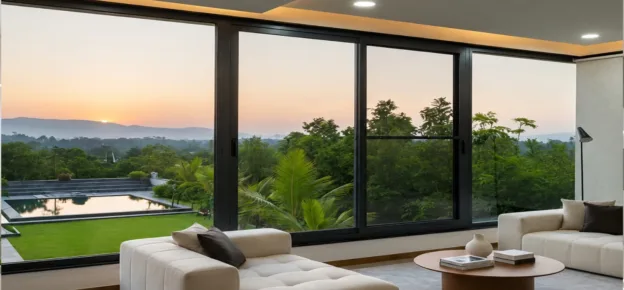
Smart glass is a high-performance material that can alter its properties—such as transparency, opacity, or tint—in response to external stimuli like electrical signals, light, or heat. This adaptability allows it to serve multiple functions, from reducing glare and heat to enhancing privacy, all while contributing to energy efficiency. Unlike traditional glass, which is static and passive, smart glass is dynamic and responsive, making it a powerful tool for architects and designers.
How Does Smart Glass Enhance Energy Efficiency?
The energy-saving potential of smart glass lies in its ability to optimise natural light and thermal regulation.
Here Is How It Works:
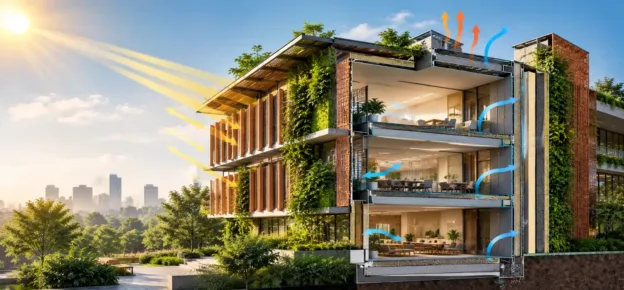
- Dynamic Light Control: Smart glass can automatically adjust its tint to reduce glare and block excess sunlight. This minimises the need for artificial lighting during the day, significantly cutting down on electricity usage. For example, in office buildings, smart glass can create a comfortable working environment by maintaining optimal light levels without relying too heavily on electric lighting.
- Thermal Regulation: By blocking infrared radiation, smart glass helps regulate indoor temperatures. In summer, it can prevent excessive heat from entering the building, reducing the load on air-conditioning systems. In winter, it can retain heat, lowering the demand for heating. This dual functionality makes it a year-round solution for energy efficiency.
- Daylight Optimisation: Smart glass maximises the use of natural light while minimising heat gain. This balance not only reduces energy consumption but also enhances occupant comfort and well-being. Studies have shown that access to natural light can improve productivity, mood, and overall health, making smart glass a win-win for both sustainability and human experience.
Real-World Applications Of Smart Glass
Smart glass is no longer confined to the realm of conceptual design—it is being used in real-world projects across various sectors. Here are some notable examples:
The Edge, Amsterdam
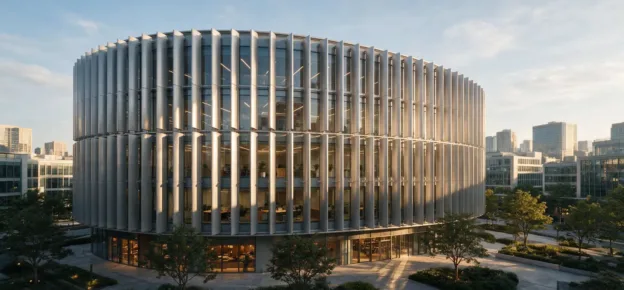
Often hailed as the world’s most sustainable office building, The Edge in Amsterdam is a prime example of smart glass in action. The building’s façade incorporates electrochromic glass that adjusts its tint based on the sun’s position, ensuring optimal light and temperature levels throughout the day. This innovation has helped The Edge achieve a BREEAM score of 98.4%, the highest ever recorded for an office building.
One Vanderbilt, New York City
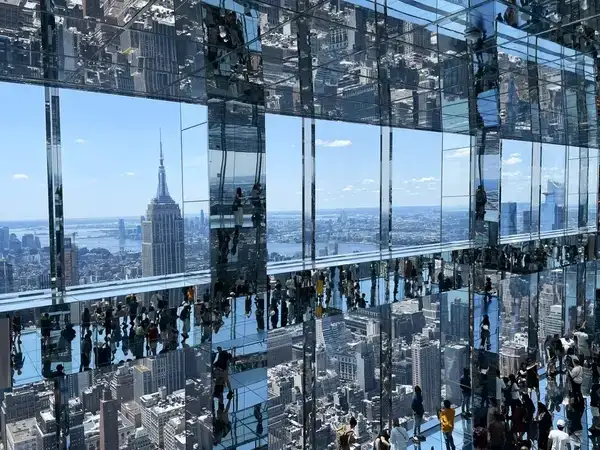
This iconic skyscraper in Manhattan uses smart glass to enhance energy efficiency and occupant comfort. The glass facade reduces heat gain and glare, while still offering breathtaking views of the city. The building’s design has earned it LEED Platinum certification, a testament to its sustainability credentials.
Al Bahar Towers, Abu Dhabi
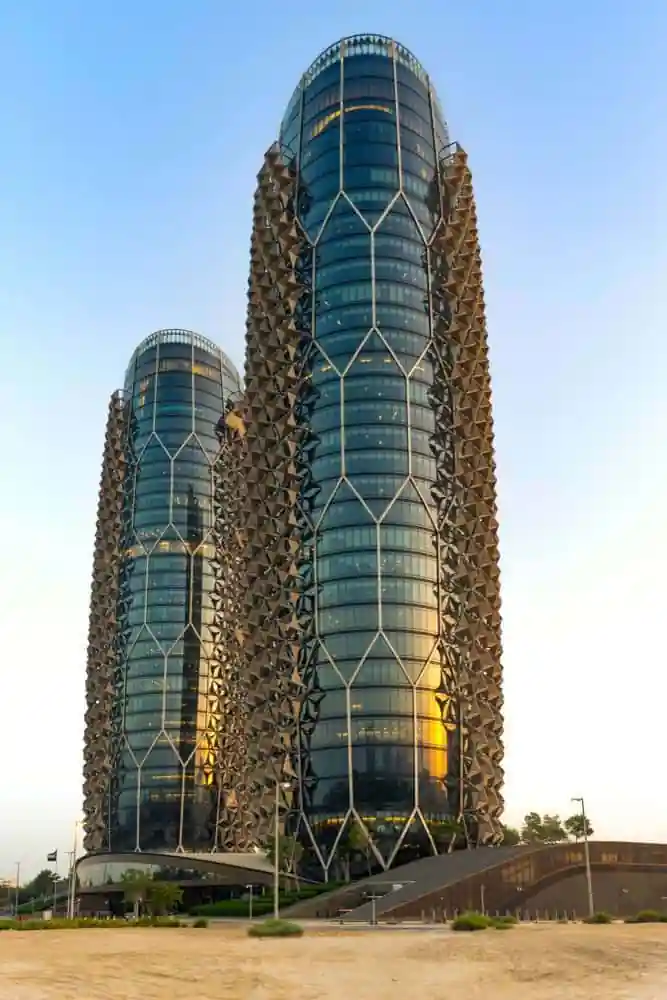
These towers feature a dynamic façade made of smart glass panels that open and close in response to the sun’s movement. This innovative design reduces solar gain by up to 50%, significantly lowering cooling costs and energy consumption.
The Environmental Impact Of Smart Glass
The environmental benefits of smart glass are undeniable. Reducing reliance on HVAC systems and artificial lighting, it significantly lowers energy consumption and greenhouse gas emissions. This aligns with global efforts to combat climate change and achieve net-zero carbon goals. Additionally, smart glass contributes to green building certifications like LEED (Leadership in Energy and Environmental Design) and BREEAM (Building Research Establishment Environmental Assessment Method), making it a key component of sustainable architecture.
Challenges And Future Innovations
While smart glass offers immense potential, it is not without its challenges. Here are some of the key drawbacks and opportunities for improvement:
-
High Costs
One of the biggest barriers to widespread adoption is the high cost of smart glass. The advanced technology and materials required make it significantly more expensive than traditional glass. However, as production techniques improve and demand increases, prices are expected to decrease.
-
Durability And Maintenance
Smart glass systems can be complex, requiring regular maintenance to ensure optimal performance. Additionally, the durability of these systems over the long term is still being tested, particularly in harsh environmental conditions.
-
Energy Consumption Of The Glass Itself
While smart glass reduces energy consumption in buildings, it does require electricity to operate. In some cases, the energy used to power the glass can offset its energy-saving benefits. However, advancements in low-power technologies are addressing this issue.
Future Innovations
Despite these challenges, the future of smart glass is bright. Researchers are exploring new materials and technologies to make smart glass more affordable, durable, and efficient. For example, photovoltaic smart glass could generate solar energy while regulating light and heat, creating a self-sustaining system.
Additionally, the integration of AI and IoT (Internet of Things) could enable smart glass to predict and respond to environmental changes in real time, further enhancing its performance.
Why Architects Should Pay Attention
Smart glass is more than just a material—it is a design philosophy. It empowers architects to create buildings that are not only visually stunning but also environmentally responsible. As the world moves towards a more sustainable future, smart glass will play a pivotal role in shaping the built environment.
For architects, embracing smart glass means staying ahead of the curve and pushing the boundaries of what is possible. It is an opportunity to design spaces that are adaptive, efficient, and human-centric. Whether it is a high-rise office building, a cosy home, or a state-of-the-art healthcare facility, smart glass offers endless possibilities for innovation.