
Post Date: May 19, 2026 |
Last Edited: September 25, 2026
Key Highlights
|
Q. With Your Experience Spanning Bangalore International Airport, Noida International Airport, And Now Multiple Adani-Operated Airports Such As Lucknow, Ahmedabad, And Guwahati, How Has Your Approach To Façade And Fenestration Design Evolved In Response To Differing Climatic Conditions And Passenger Capacities?

Airport terminals are gateways to a city or region, and in many ways, the terminal façade becomes the entrance to the city. It needs to be welcoming, reflect the character of the region, respond to the geographical coordinates, and at the same time perform efficiently by maximising daylight while minimising operating energy costs. After all, travellers prefer a window seat on an aircraft and, equally, a seat along the terminal façade where they can look out at the skies.
As terminals grow larger, especially at hub airports, the scale of the building changes dramatically. These structures can reach heights comparable to 15-storey buildings, with façade surfaces stretching for kilometres. Along with the roof, the façade becomes one of the most significant components of the terminal envelope and a major contributor to overall construction cost. This makes façade and fenestration design a critical element of airport planning that requires both technical precision and architectural sensitivity.
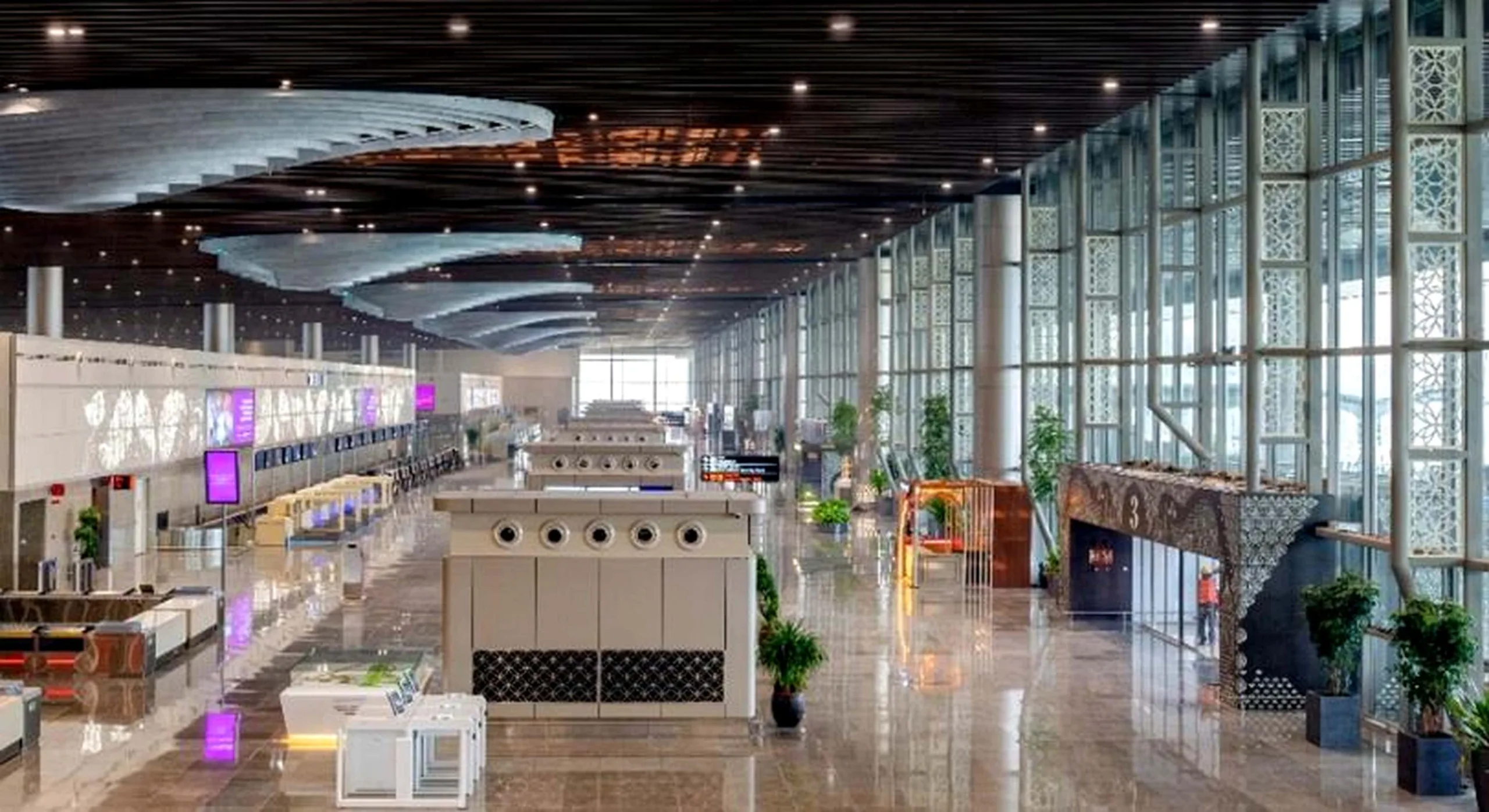
My principle is that the façade is the face of architecture, and its design must ensure compatibility of three dimensions – Sensation, Structure and Sustainability, each inseparable from the other.
Sensation is the functional and experiential dimension, Structure is the tectonic and architectural dimension, and Sustainability is the environmental and responsible dimension.
When these three dimensions work together, the façade becomes more than just a skin for the building – it becomes a responsive interface between the terminal, its climate, and the people who travel through it.
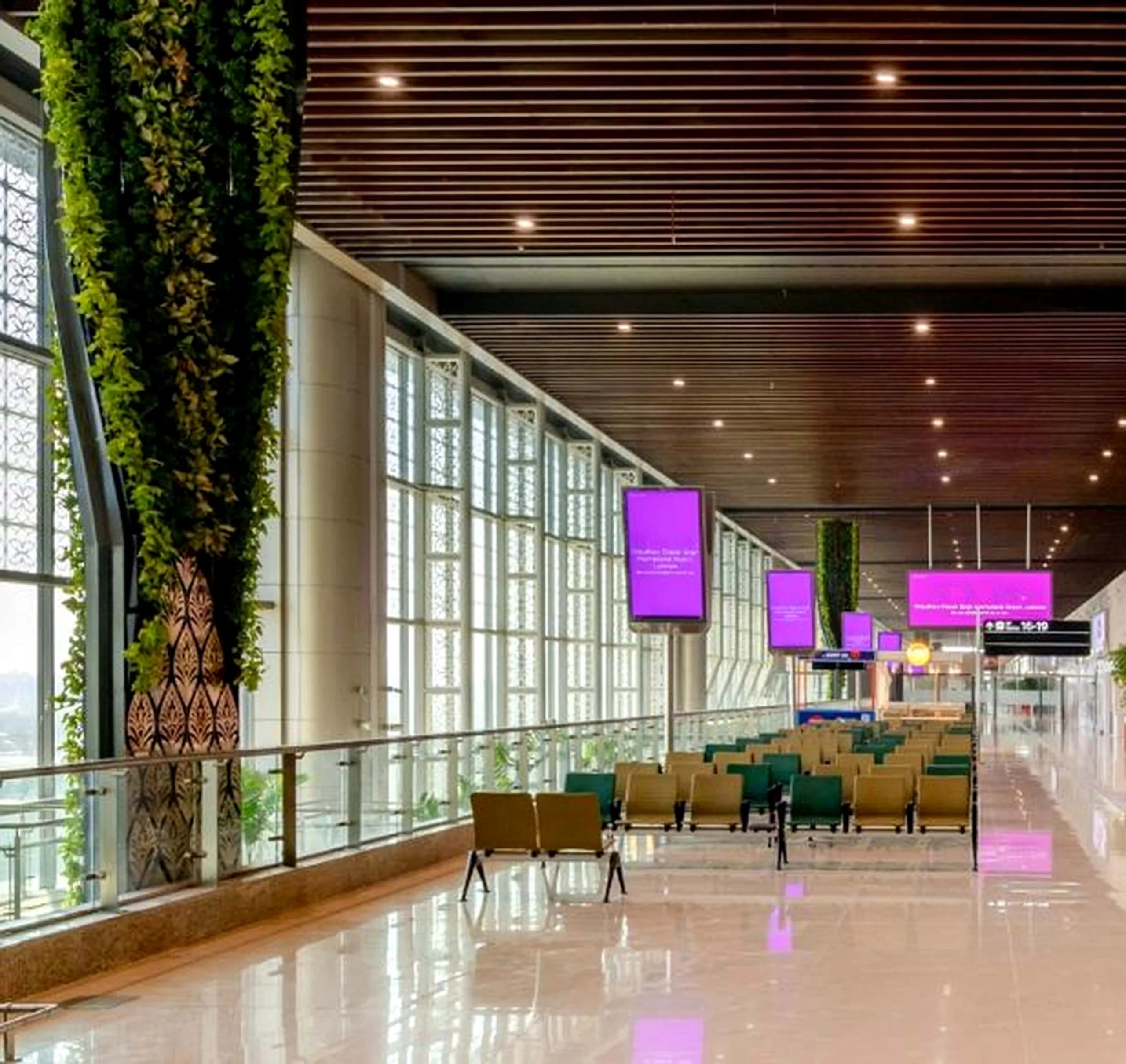
Q. Airports Today Are Expected To Reflect Regional Identity While Maintaining Global Standards. How Do You Integrate Local Cultural Context Into Façade Design Without Compromising Performance, Durability, And Operational Efficiency?
Façades should speak of their time and place, yet aspire for timelessness. Airport terminals are public infrastructure designed to serve for decades. Their façades cannot afford to look dated; they must not only perform well but also age with dignity.
One of the most effective ways to achieve this is by responding to the fundamentals – introducing native materials, starting with sun orientation, and designing for the people using them.
Façade design is not just what we see – it is about how we feel when we stand beside it to say our goodbyes, or how our anxiousness quietly fades when we catch a glimpse of an aircraft up close and almost within reach.
It is recommended to choose materials and textures that add depth, warmth, and character to interior spaces. Use colours to calm the mood or energise the space.
A thoughtful palette that balances sustainability, durability, cost, and context ultimately allows the façade to do more than perform well – it enables the architecture to feel rooted in its place while remaining timeless.
Q. In Large-Scale Airport Terminals, Daylighting And Visual Connectivity Are Critical For Passenger Comfort. What Strategies Do You Adopt In Fenestration Design To Optimise Natural Light While Controlling Glare, Heat Gain, And Energy Consumption?
Daylight is critical to airport terminal design. It requires careful integration of orientation, material performance, shading, and technology to create spaces that are bright yet comfortable, energy-efficient yet visually striking. A key challenge lies in balancing visible light transmission with solar heat gain to achieve optimal environmental performance.
The shading strategy is driven by orientation – maximising north-facing glazing to provide glare-free daylight, controlling east-west façades using vertical fins to mitigate low-angle sun, and using overhangs for south-facing glazing to block high-angle solar radiation.
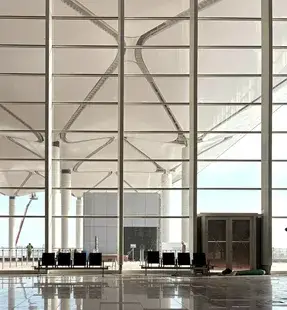
Airport terminal fenestration presents unique challenges due to larger footprints and deep-plan spaces. Elements such as skylights and clerestories are essential, allowing daylight to penetrate deep into the interiors of buildings and ensuring well-lit and visually comfortable environments.
Beyond performance, the role of the façade extends into expression. As architects, our endeavour is to design façade systems that not only meet functional and technical requirements but also act as an art wall. I personally like creating façades that combine architecture, art, and identity, transforming the building envelope into a storytelling element.
Q. From A Planning Perspective, How Do Façade Systems Align With Airport Operations – Including Security Requirements, Passenger Flow, Wayfinding, And Long-Term Maintenance?
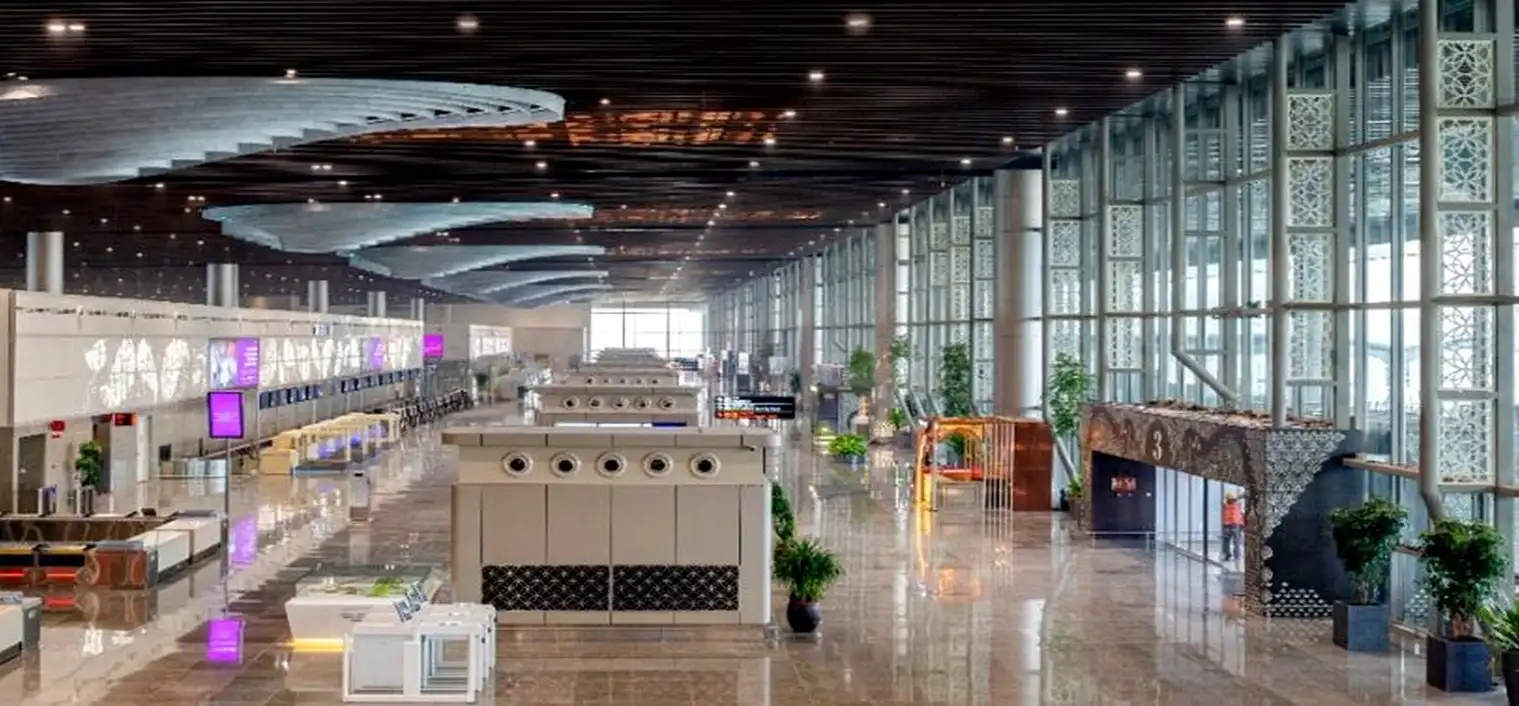
A critical aspect of fenestration design in airport terminals is security. In the Indian context, façades are often designed using laminated, blast-resistant glazing systems that prevent dangerous shattering and mitigate explosion impacts. In sensitive cases, façades are designed to resist ballistic threats, ensuring that a bullet cannot travel from landside to airside. So, façades must be transparent as well as protective layers in airports.
Façade fenestration and skylights are designed to serve as passive wayfinding tools, supporting smooth and intuitive movement. We create large glazed areas and visual openness to lighten the stress of travel and reduce the feeling of congestion.
Additionally, airport façades are sometimes used as media or display surfaces, integrating advertisements and dynamic visuals, adding another layer of functionality.
I see the façade as a system of various components; it is not just the building skin; it is how a building is experienced and remembered.
Q. What Material Innovations Or Façade Technologies Have You Found Particularly Effective In Recent Airport Developments, And How Do You Evaluate Them In Terms Of Lifecycle Cost And Sustainability?
I see façade innovation as moving towards more interactive and responsive systems. Three areas I find particularly interesting are digital façades, solar façades, and breathable façades.
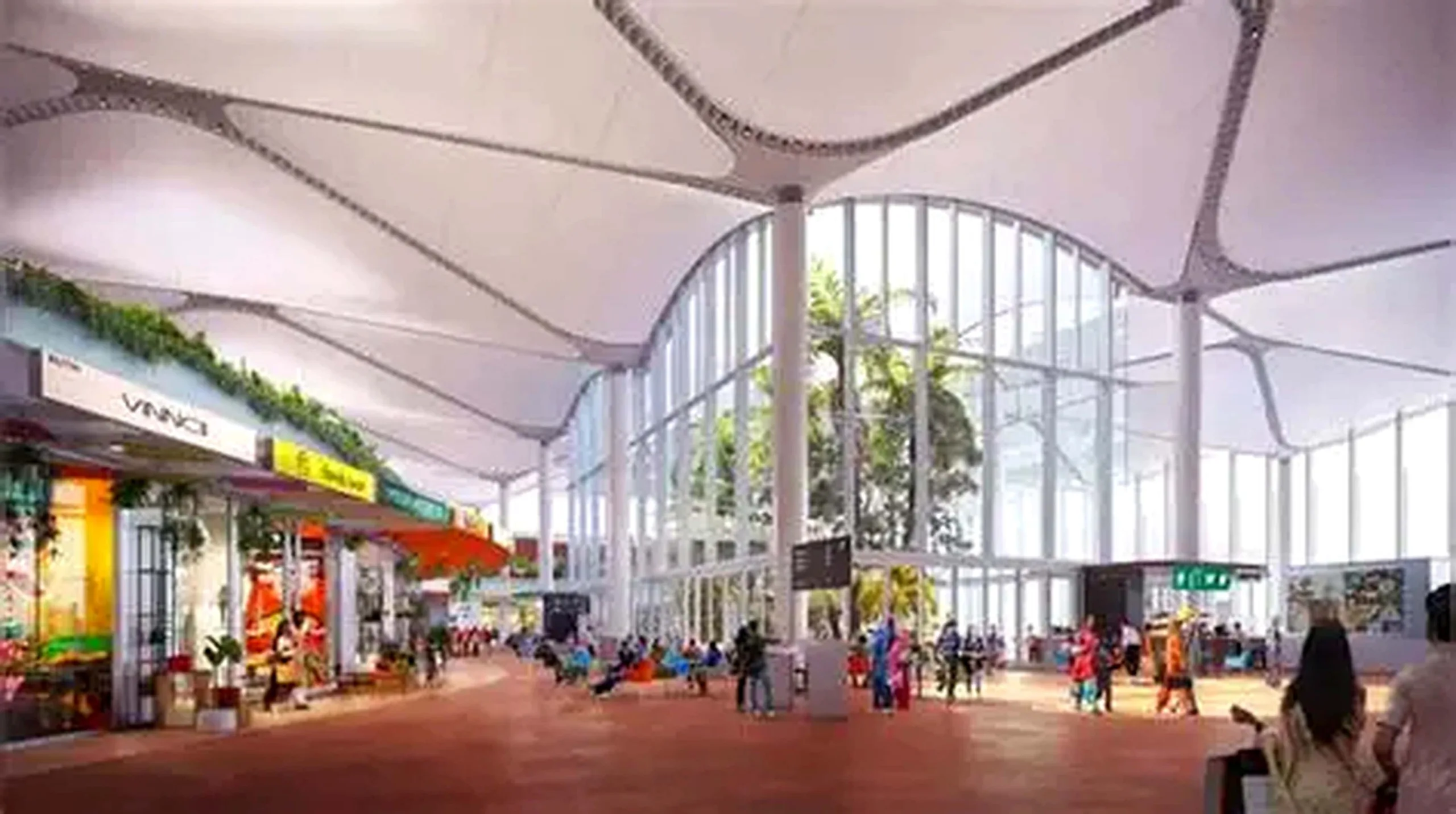
Starting with digital façades, these integrate media systems like LED panels or display-integrated glazing into the building envelope. In airports, they can be used for dynamic information, branding, or advertisements. Façades should aim to be a medium of communication with users and a part of the passenger experience through the use of the latest technology.
Another façade technology expected to evolve in the coming years is the integration of photovoltaics for solar façades. As airports turn towards sustainability, transforming façades into energy-generating surfaces is not only relevant but essential.
The most interesting evolution today, combining sustainability and advanced science, is bio-architecture – an approach where buildings, and especially façades, are designed to behave like living systems interacting with climate, ecology, and users. True bio-responsive façade concepts include melanin glass façades and robotic fabrication using silkworms. This approach shifts the façade from a static enclosure to a living, adaptive system where material, structure, and environment are all integrated.
At airports, the façade becomes the face of the terminal. It must perform technically, guide passengers intuitively, and represent the identity of the place. The façade is an integral part of architecture through which things become visible, performative, and experiential.