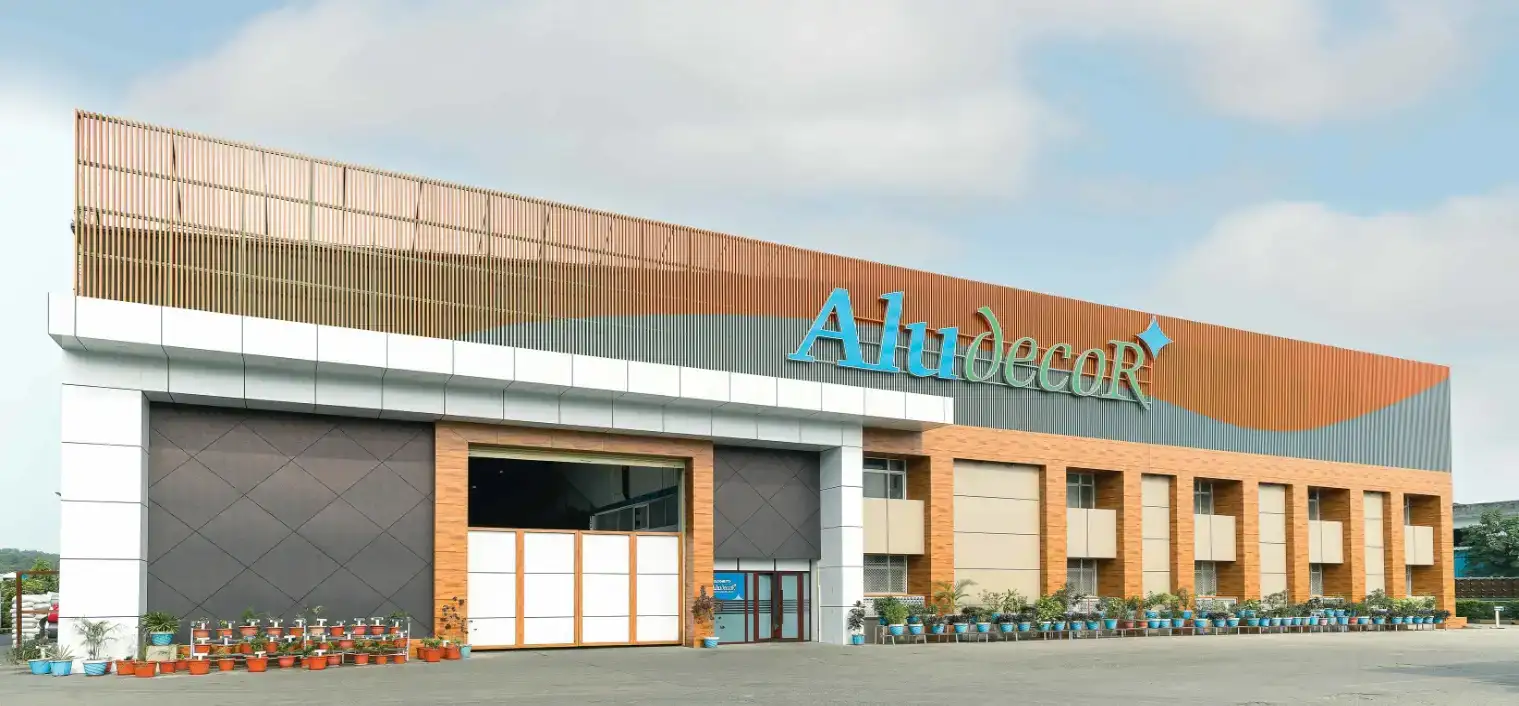
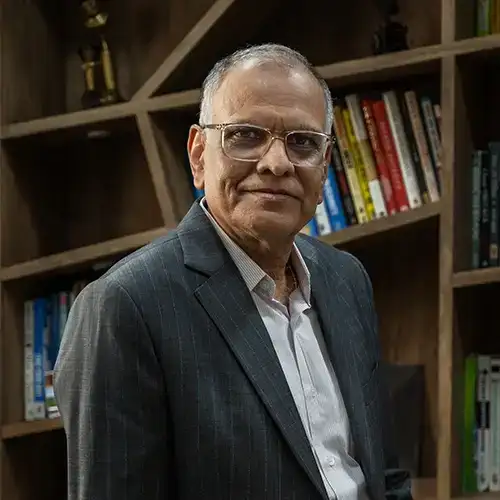
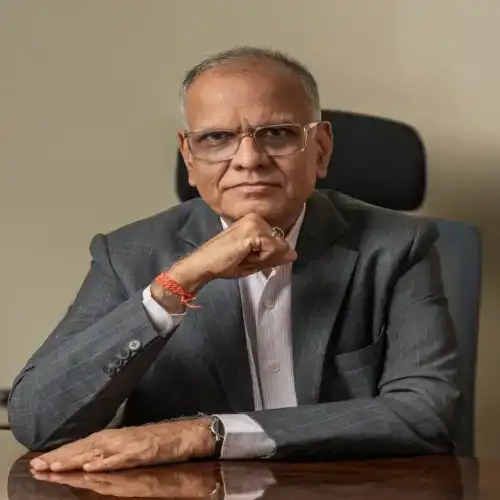
Ashok Kr Bhaiya, the CMD of Aludecor Lamination Pvt Ltd, has an inspiring story of introducing ACP in India & reaching the pinnacle. During the year 1999, while managing the import-export business, this promising material caught his eye. The millennium was changing then, and so was the lifestyle. He travelled to various parts of the US, Europe & Asian Nations to learn about the production technology & other nitty-gritty used in ACPs. In 2002, he introduced this high-potential product in India with state-of-the-art ACP manufacturing facilities having advanced equipment & futuristic technology along with a coil coating line in Haridwar under the brand name of Aludecor. Ashok Kumar Bhaiya,
|
Q. Aludecor Recently Launched The “Test Nahi Toh Trust Nahi” Movement, Which Talks Openly About Testing, Proof, And Transparency. Why Was It Important For You To Shift The Conversation From Claims To Evidence, Especially In An Industry Where Failures Can Have Serious Consequences?
For years, our category has run on brochures, sales pitches, and “FR” labels that sound reassuring on paper. But ACP is not a product that fails immediately. If something goes wrong – fading, peeling, delamination, or fire performance concerns – it usually surfaces months or years later, when the building is already in use, and reputations are on the line.
In the real world, when a façade has a problem, the first person who gets blamed is rarely the manufacturer. It is the fabricator, the contractor, sometimes even the architect – people whose credibility is their livelihood. That is the uncomfortable truth of this industry. So, for us, “Test Nahi Toh Trust Nahi” is not a marketing line. It is a category correction. Failures in our industry are not just commercial inconveniences. They can trigger disputes, rework, insurance complications and, in cases involving fire performance, they carry a much larger public responsibility. That is why we felt it was time to normalise a simple behaviour: do not trust the claim – trust the test. The TVC was simply a way to start this conversation at scale; the real work begins on the ground.
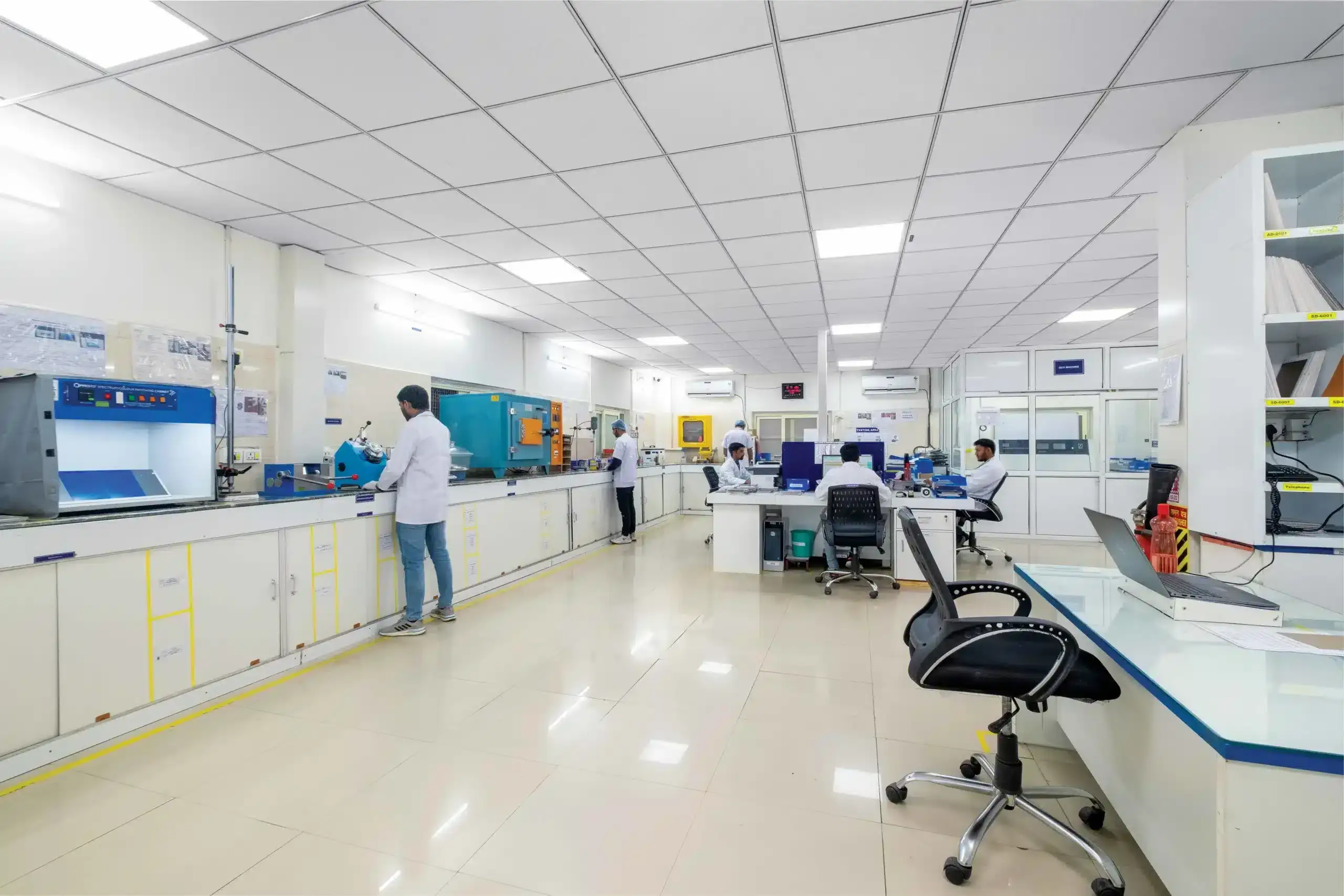
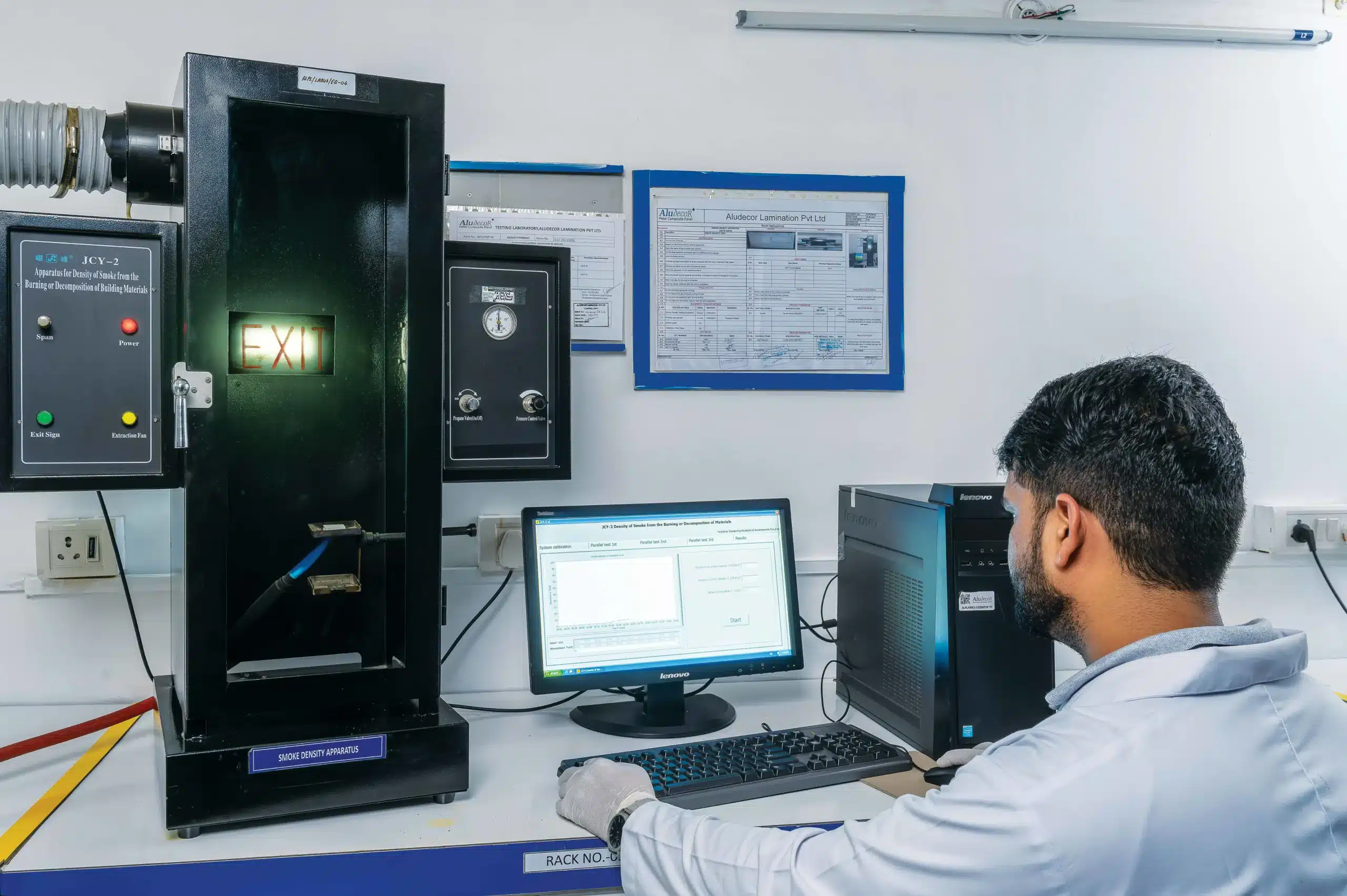
You Have Opened Up The Aludecor Labs To Brand-Blind And Anonymised Testing Of ACP. How Did This Idea Occur To You?
Honestly, It Came From One Core Question: If We Are Asking The Industry To Believe In Testing, Are We Willing To Be Tested By Our Own Standard Of Neutrality?
The credibility of any testing-led movement depends on one thing: process integrity. If the market even suspects that testing is being used as a competitive weapon, the entire idea collapses. That is why we designed it to be brand-blind and fully anonymised – where the brand identity, the sample owner and the testing personnel remain undisclosed during the process. Everything is standard-driven: only test values and observations are shared, without opinions, commentary, or interpretation.
The thought also came from years of observing how the market behaves. People often hesitate to test because they fear embarrassment, confrontation, or “what will happen if it fails”. We wanted to remove that emotional friction. When testing becomes a neutral service instead of a brand-versus-brand event, more people participate, and the category improves.
So, the point is not to “prove someone wrong”. The point is to make it professionally normal to ask: “What does the material data say?”
That is how trust becomes durable – not because one company says it is good, but because the industry learns to demand proof as a default habit. If trust in ACP as a category is to rise, testing cannot remain a backstage activity. It has to become part of the culture. That is what this movement is really about.
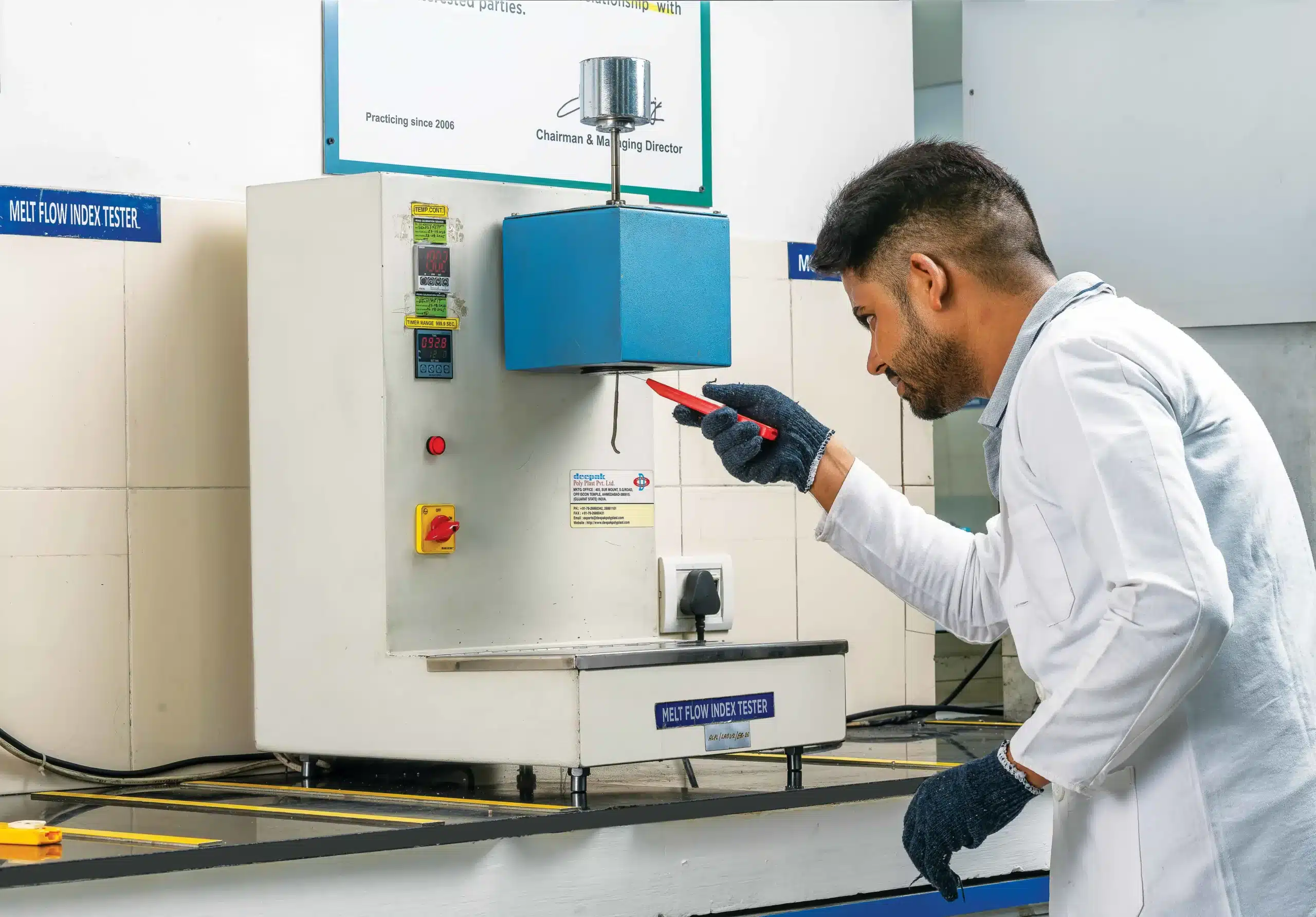
One Striking Aspect Of This Movement Is Opening Your Labs To The Whole Category. What Does It Take, As A Leader, To Invite Scrutiny Rather Than Avoid It?
Inviting scrutiny requires a very clear internal truth: you cannot ask the industry to trust a system you are not willing to stand inside yourself. Once that clarity is there, the fear of being examined reduces significantly.
As a leader, it means being comfortable with transparency, not as a performance, but as a discipline. You have to accept that opening up processes will raise questions, slow conversations and sometimes expose uncomfortable gaps. But avoiding scrutiny only postpones those questions; it never eliminates them. In a category where long-term performance matters more than short-term perception, that avoidance is far riskier.
Opening our labs to the whole category was not an act of bravado; it was an act of responsibility. It required confidence in our systems, respect for standard protocols and the humility to let data speak without interpretation or spin. When scrutiny is handled through neutral processes and clear boundaries, it stops being a threat and becomes a stabilising force for the industry.
Ultimately, leadership is not about controlling the narrative. It is about creating conditions where the truth can stand on its own, and trusting that, over time, consistency will speak louder than any claim.
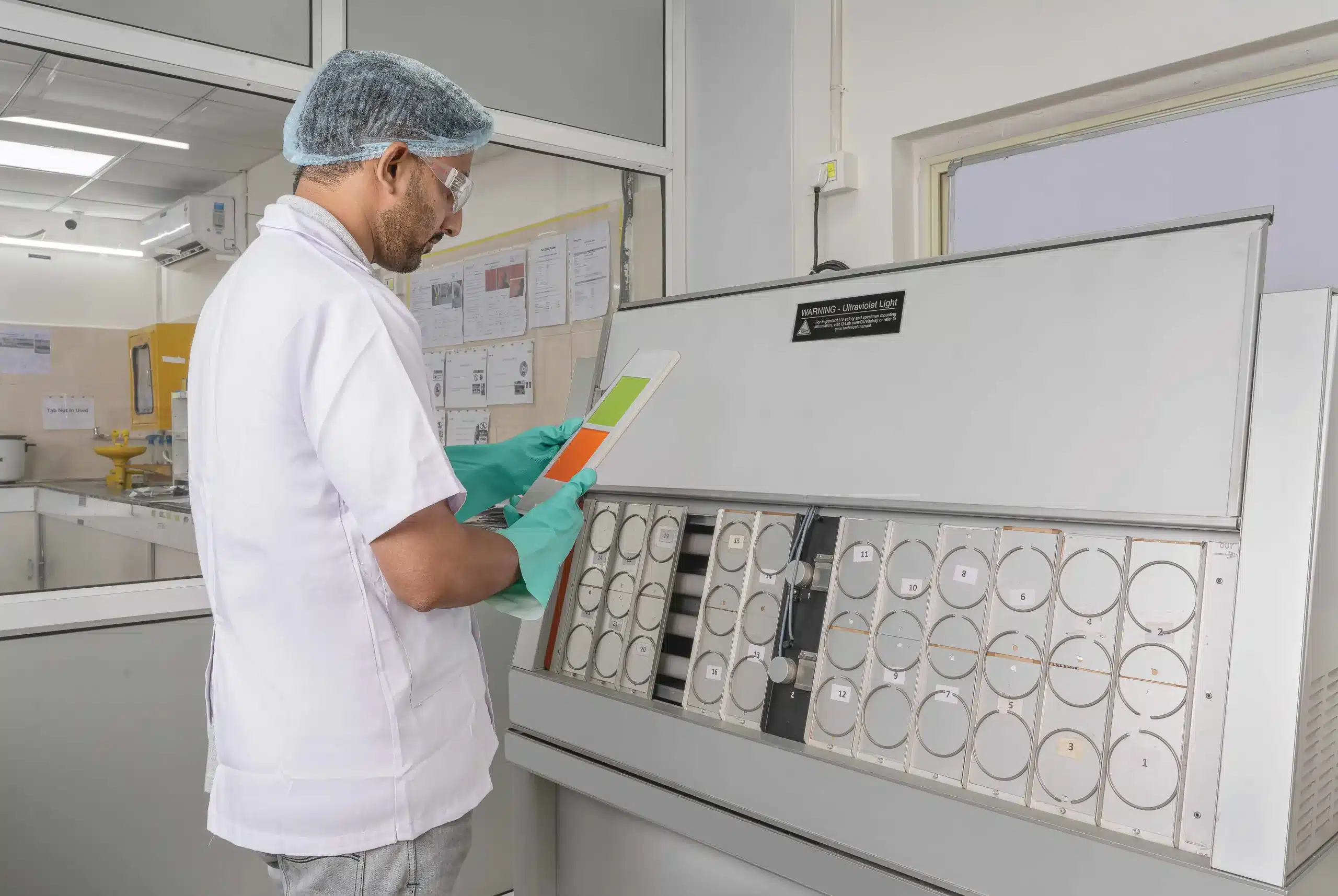
Fabricators And Contractors Often Carry The Blame When Materials Fail. Was Restoring Dignity And Confidence To This Community A Conscious Part Of Your Thinking Behind This Initiative?
Very consciously, yes. Anyone who has spent time in this industry knows that when something goes wrong on a site, the fabricator is the first to be questioned, even when the root cause lies in material quality, ageing, or non-verifiable claims made much earlier. That imbalance has existed for far too long.
This initiative was designed to give fabricators something they rarely have in disputes: objective proof. Not opinions, not brand assurances, but test-backed data that protects their workmanship and professional credibility. Confidence in this industry does not come from selling harder; it comes from knowing that your material choice will stand up to scrutiny years later.
Restoring dignity means shifting the narrative from blame to evidence. When a fabricator can say, “I chose based on testing, not claims,” it changes the power dynamic entirely. That sense of confidence – quiet, professional and defensible – was always at the heart of this movement.
“When Testing Becomes A Neutral Service Instead Of A Brand-Vs-Brand Event, More People Participate, And The Category Improves” |
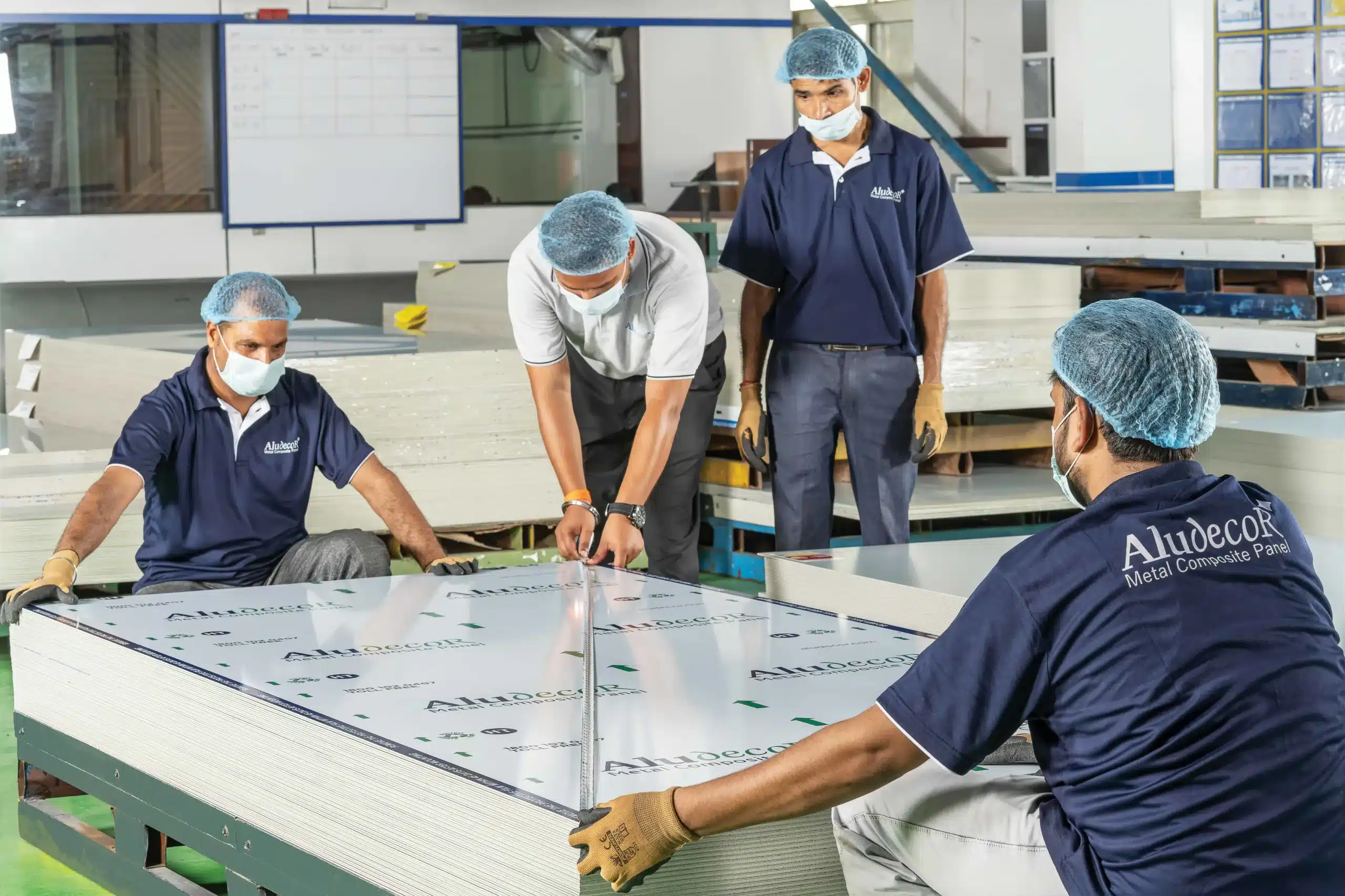
The ACP Industry Often Reduces Itself To Price Comparisons. At What Point Did You Realise That Trust, Not Price, Would Be The Real Battleground For The Future Of This Category?
I realised very early that price could never be the real battleground in this category, because price only decides the transaction, not the consequence. ACP is not a product you replace casually; it sits on buildings, carries brand identities and is exposed to time, weather and public use. When something fails, the discussion immediately shifts from “how much did it cost?” to “who is responsible?”
Over the years, we saw a clear pattern. Brands that competed primarily on price kept changing. What remained constant were the disputes, the rework and the erosion of confidence faced by fabricators and project teams. That was the moment it became obvious that price wins orders, but trust decides survival – both for the material and for the people who recommend it.
The real battleground revealed itself when customers stopped asking, “Kitna sasta hai?” and started asking, “Yeh chalega na?” That question is not about discounts; it is about risk, reputation and peace of mind. And the only way to answer that honestly is with evidence, consistency and accountability over time.
Once you understand that, price stops being the centre of the conversation. Trust becomes the differentiator that outlasts cycles, competitors and campaigns – and that is where we chose to invest our energy as a brand.

Inside Aludecor, How Do You Encourage Teams To Take Bold Decisions While Remaining Uncompromising On Quality And Accountability? What Behaviours Do You Reward, And What Shortcuts Are Simply Unacceptable?
Inside Aludecor, we are very clear that boldness is encouraged, but recklessness is not. We push our teams to take strong calls on innovation, investments and category leadership, but there is one non-negotiable filter every decision must pass through: will this still hold up when no one is in the room to defend it? If the answer is uncertain, the decision does not move forward.
We reward people who ask uncomfortable questions, who slow the process down to get the data right and who are willing to take ownership when a decision has long-term implications. In our culture, courage is not about moving fast at any cost; it is about standing by the truth even when it is inconvenient. Teams that choose transparency over easy wins, and process over persuasion, earn trust internally – and that trust compounds over time.
What is simply unacceptable are shortcuts that compromise material integrity, testing discipline, or clarity in communication. We do not tolerate overselling, selective disclosure, or bending standards to suit a sales moment. In this industry, a shortcut today becomes a problem on someone’s site tomorrow, and that is a cost we refuse to pass on to others.
At Aludecor, accountability is not enforced through fear. It is built through a shared understanding that our reputation travels far beyond the factory gate. Every panel carries the weight of our decisions, and we expect our teams to act with that awareness every single day.
Many Landmark Projects Proudly Display Aludecor On Their Façades, But Problems In Buildings Often Show Up Years Later. When You See An Aludecor Installation After A Decade, What Are You Silently Checking For In Your Mind?
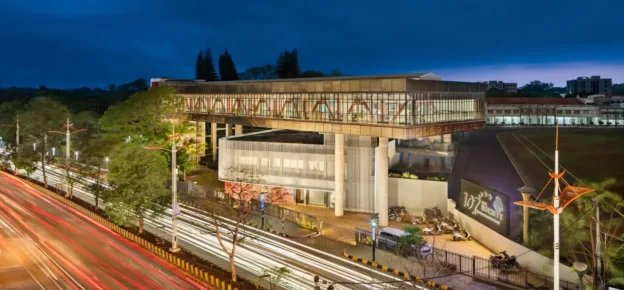
When I see an Aludecor installation after a decade, I am not looking for logos or recognition. I am instinctively checking for silence: no complaints, no patchwork fixes, no visible fatigue in the surface. If the building has aged gracefully without drawing attention to the material, that is the strongest validation we can get.
I look at colour first – not in isolation, but in context. Has it retained its character against the sun, pollution and time? I notice the flatness of the panels, the alignment, and the absence of waviness or separation at the edges. These are small details, but they tell you whether the material behaved as it was supposed to when no one was watching.
Most importantly, I ask myself a simple question: has this material stayed out of trouble? In our category, success is not applause – it is longevity without incident.
If, after ten years, the façade still performs quietly and reliably, it confirms that the decisions taken at the factory and testing stages were the right ones.
That kind of performance never comes from chance; it only comes from discipline, testing-backed decision-making and respect for time.
“Our ambition is not just to supply materials, but to influence testing-backed decision-making by architects, fabricators, developers, and end-users – especially when it comes to safety, longevity, and accountability” |
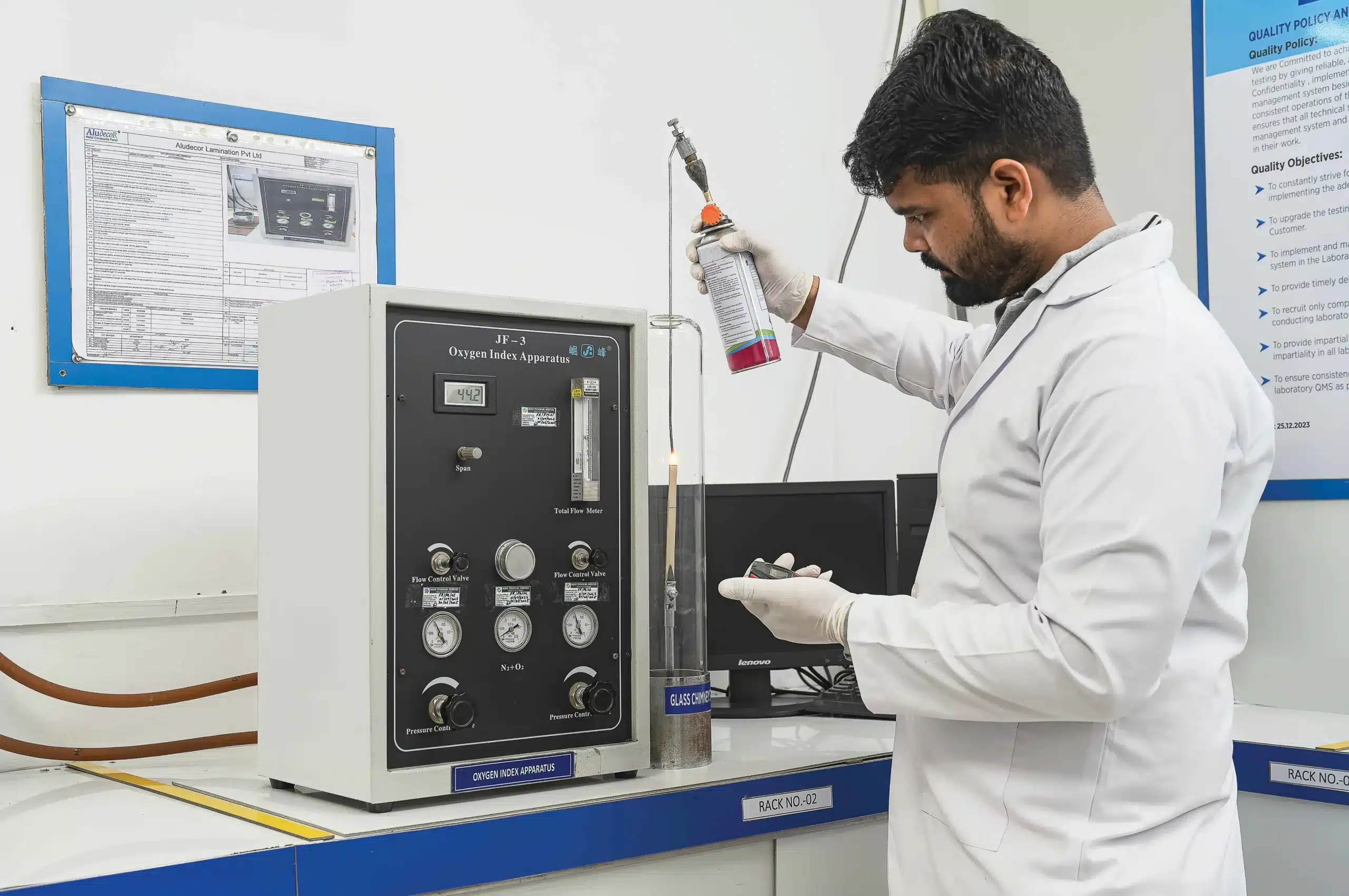
For You Personally, Where Does Responsibility End And Leadership Begin When It Comes To Sustainable Manufacturing?
For me, responsibility is doing what regulations demand and what the market expects. Leadership begins where you choose to go further, even when no one is asking you to, and even when it makes things harder in the short term. In manufacturing, sustainability cannot be treated as a compliance exercise or a communication layer. If it stops at certifications, it remains defensive. Leadership is when sustainability is embedded into sourcing, process design, waste reduction and consistency of execution – quietly and responsibly, without the need for loud claims.
What defines leadership for me is intent. Are we making decisions only to satisfy today’s audits, or are we building systems that will still make sense a decade from now? Sustainable manufacturing is not about being perfect; it is about being honest, disciplined and willing to invest before the pressure arrives.
When sustainability becomes invisible in the final product but visible in its long-term performance, that is when responsibility has truly evolved into leadership.
Aludecor Is Known For Introducing Industry Firsts – From Fire-Retardant Systems To Design-Led Surfaces. Is There A Product Or Innovation You Are Especially Proud Of, Not Because It Sold Well, But Because It Raised The Bar For The Industry?
Yes, without hesitation, it would be our fire-retardant and fire-resistant ACPs – not because they became a strong commercial pillar for us, but because they forced a long-overdue conversation in the industry.
When we introduced FR ACPs, the market was not asking for them loudly. Many felt they were unnecessary or expensive. But we had already identified the gaps – how loosely the term FR was being used and how little attention was paid to real fire scenarios. Fire performance must always be understood as part of a system, not just a material label.
What I am proud of is not just the product, but the discipline it demanded. It pushed us to invest in deeper testing, stronger certifications, tighter process controls and a much more responsible way of talking about fire safety. Over time, it also pushed the category forward. Today, fire performance is no longer an optional conversation; it is an expected one.
That is when you know an innovation has done its job – when it does not just benefit one brand but raises the minimum standard against which everyone is measured.
When Future Architects, Engineers, Or Entrepreneurs Look At Aludecor’s Journey, What Do You Hope They Learn – Not About Success, But About Integrity?
I would hope they learn that integrity is not a single bold decision; it is a series of quiet, consistent choices made when taking a shortcut would have been easier and more profitable.
Aludecor’s journey shows that you can grow in a competitive, price-driven industry without distancing yourself from responsibility. It is possible to build scale without diluting standards, and ambition without compromising process. Integrity, in our experience, is less about saying the right things and more about designing systems that prevent you from doing the wrong ones.
If there is one lesson I would want future leaders to take away, it is this: reputations are not built in moments of success, but tested in moments of stress – when products fail, questions are asked, and excuses are tempting. Choosing proof over persuasion and accountability over convenience may slow you down initially, but over time, it becomes the strongest foundation you can build upon.
What Is Your Five-Year Vision For Aludecor’s Role In Shaping Safer, Smarter And More Responsible Built Environments?
Over the next five years, I see Aludecor’s role evolving from being a trusted manufacturer to becoming a reference point for responsibility in the built environment. Our ambition is not just to supply materials, but to influence testing-backed decision-making by architects, fabricators, developers, and end-users – especially when it comes to safety, longevity, and accountability.
We want testing, documentation and verification to become normal parts of the conversation, not exceptional ones. If Aludecor can help shift the industry from assumption-driven choices to evidence-led decisions, we will have made a meaningful contribution to safer buildings and fewer disputes across the value chain. That includes deeper collaboration with specifiers, more transparent processes and continuous investment in testing and manufacturing discipline.
Ultimately, success for us will not be measured only by market share, but by whether responsible material selection becomes the default expectation. If, five years from now, safer and smarter building choices are no longer debated but demanded, and Aludecor is seen as one of the forces that helped make that shift happen, we will consider that vision fulfilled.