
Post Date: July 17, 2026 |
Last Edited: July 17, 2026
How Is Sanvijay Positioning Itself For The Next Decade Amid The Shift Towards Sustainable, Lightweight Aluminium?
The next decade will reward efficiency, sustainability, and engineering capability. We are moving into high-value applications such as EV components, aerospace parts, and precision extrusions. With global demand shifting towards low-carbon aluminium, recycled usage will increase. We are introducing “Green Aluminium” with certified low emissions, offering significant energy savings over primary aluminium.
The biggest demand shift is from electric vehicles, which use 30–50% more aluminium than traditional vehicles. We are also focusing on vertical integration, R&D, and advanced alloys.
From Automotive To Construction, Your Presence Spans Multiple Sectors – How Do You Balance Innovation Across Such Diverse Applications?
We align innovation closely with customer needs, backed by strong capabilities in alloy development, casting, and process engineering. Our prioritised approach allows innovations to be leveraged across industries rather than reinvented for each segment.
High-growth sectors like automotive receive focused R&D investment, while areas such as construction benefit from incremental improvements in cost efficiency and durability.
We ensure cross-functional collaboration through dedicated sector teams, supported by a central R&D function and shared technology platforms, enabling effective transfer of learnings across industries.
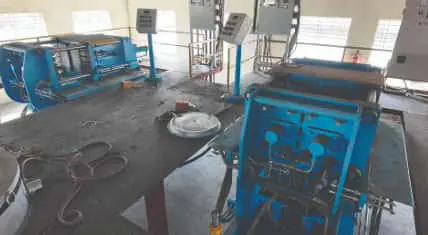
What Role Do Technology And Automation Play In Improving Precision And Scalability In Your Manufacturing Processes?
This is where we stand out. Technology and automation are critical in aluminium extrusion and die casting for achieving precision and scalability.
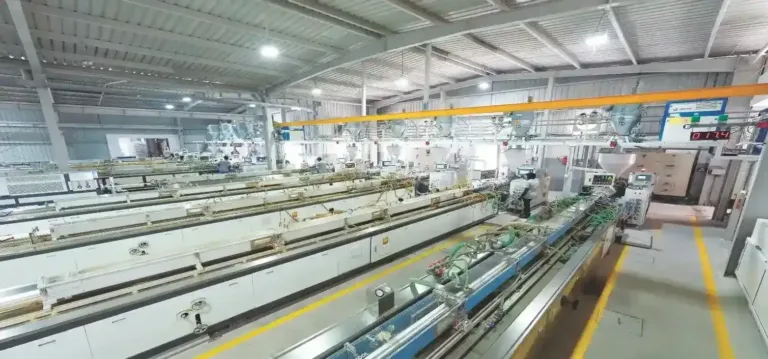
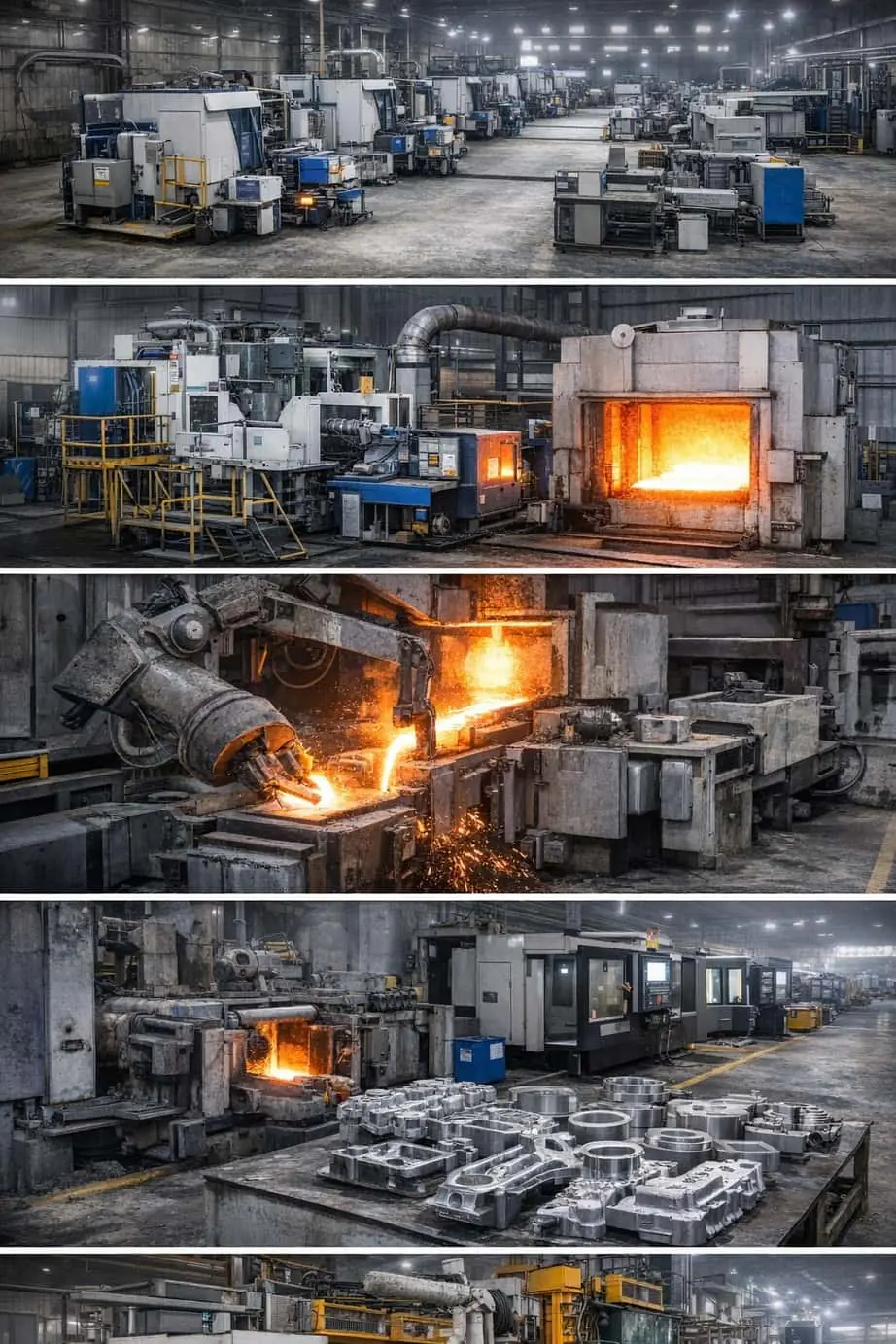
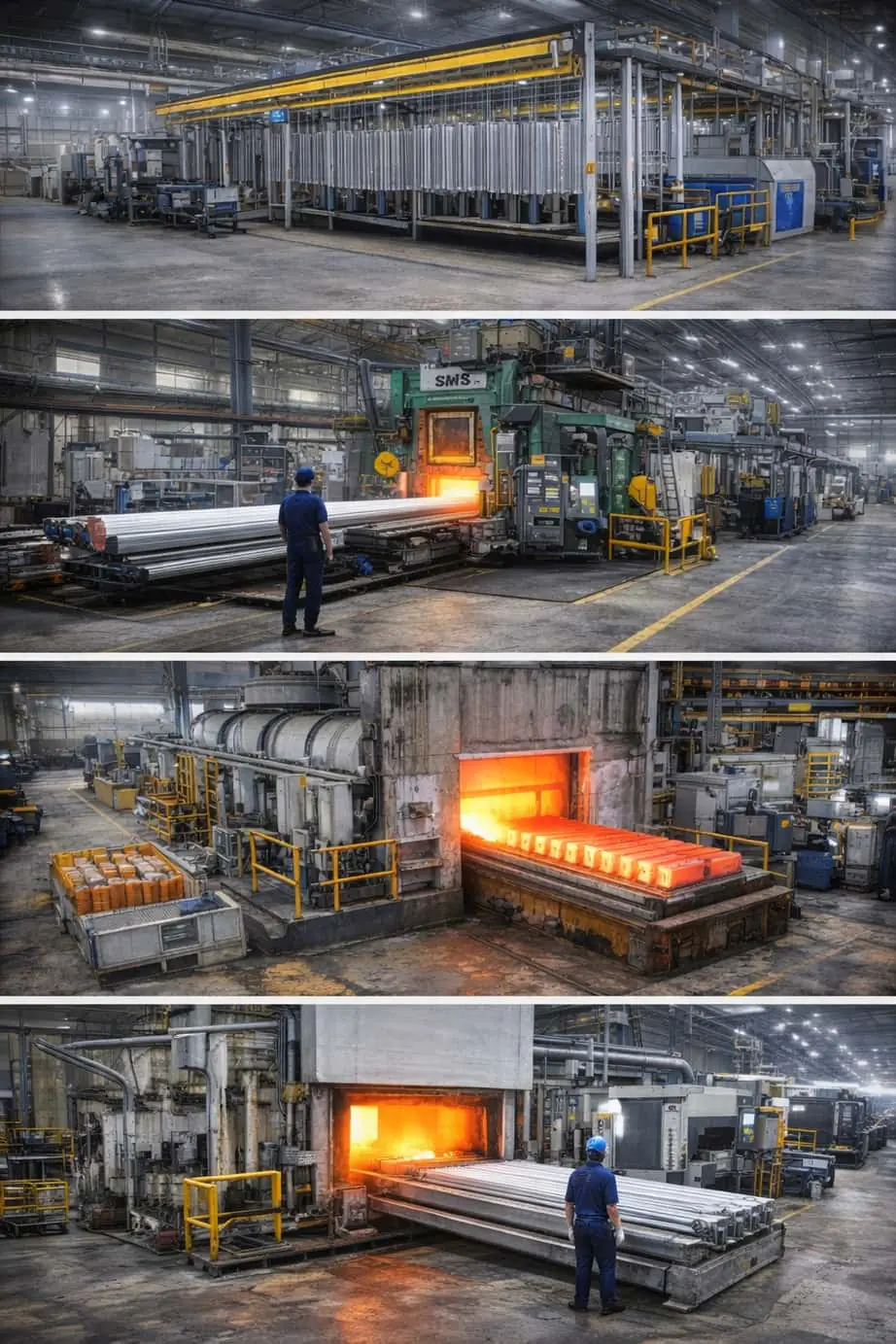
Automation tightly controls key process parameters such as temperature, pressure, and cycle time. In extrusion, press automation and billet temperature control ensure dimensional accuracy and desired properties. In die casting & forging, automated pouring, controlled solidification, and real-time monitoring reduce porosity, improve surface finish, and enhance component quality.
It also enables repeatability and reduces operator dependency. Robotic handling, automated trimming, and in-line inspection maintain consistent output at higher volumes. Data analytics further supports process optimisation by tracking efficiency, die life, and rejection rates, enabling faster scale-up.
How Do You See Architectural Aluminium Applications Evolving, And Where Does Your Company Fit Into This Future Landscape?
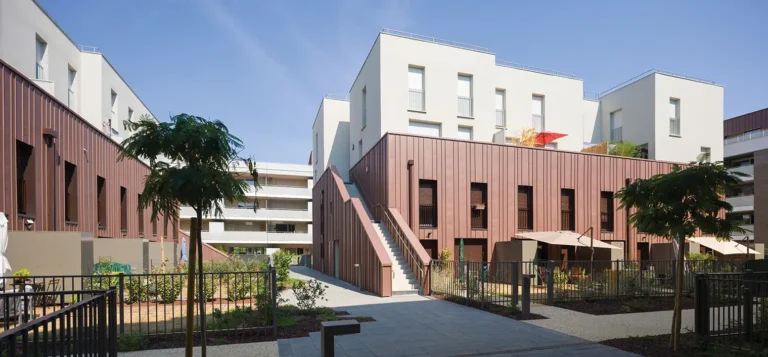
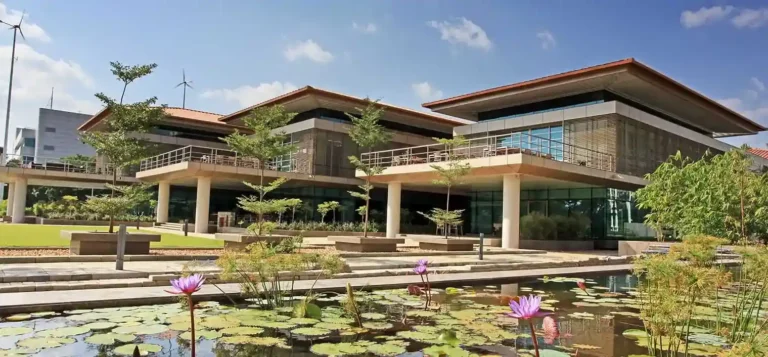
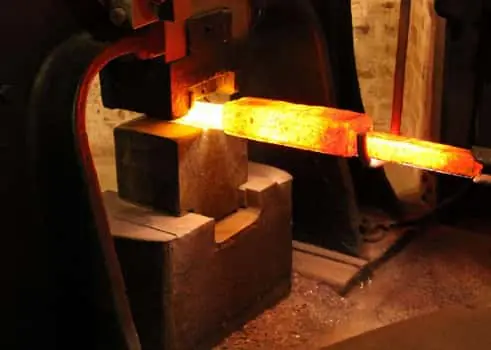 Architectural aluminium is undergoing a significant transformation. The shift towards net-zero buildings, modular construction, and high-performance façades is reshaping market expectations.
Demand is moving towards engineered, precision-critical components with tighter tolerances, superior finishes, and consistent metallurgical properties.
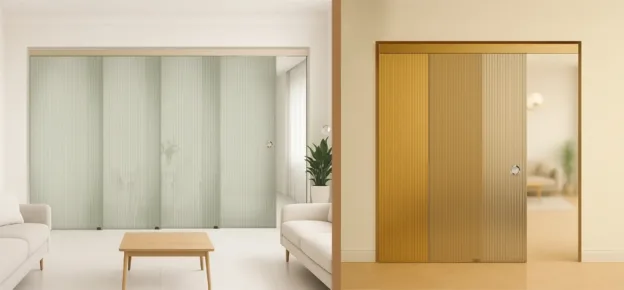
This presents a clear opportunity for “Sanvijay Green Aluminium Limited” to differentiate. As a solutions provider for complex architectural applications, we offer systems such as sliding, casement, curtain wall, railing, and unitised solutions.
We see “Sanvijay Green Aluminium Limited” not as a volume player, but as a high-value, precision-driven partner in next-generation construction.
For More Details On The Product,
Contact:
Sanvijay Green Aluminium Limited
Email: aluminium@sanvijay.com
Website: www.sanvijay.com
Contact: +91 9862298622