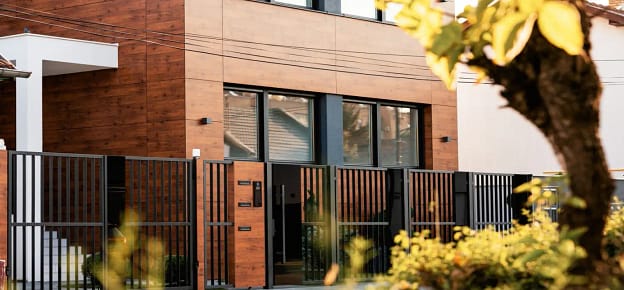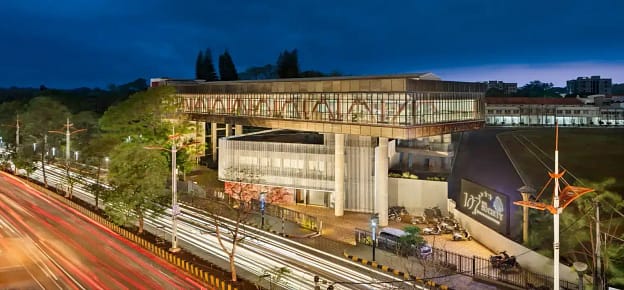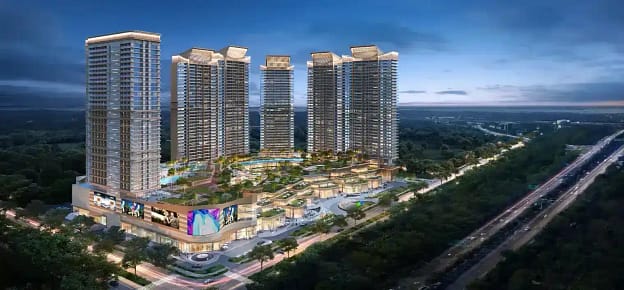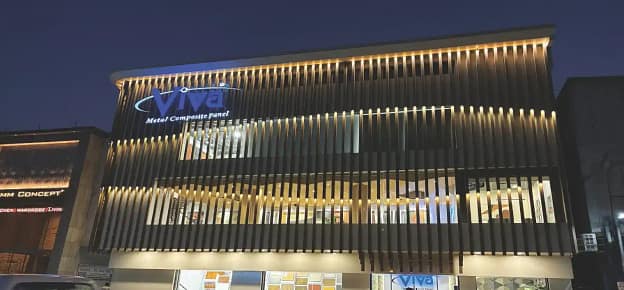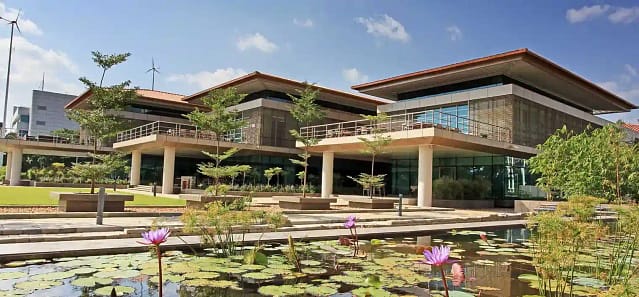

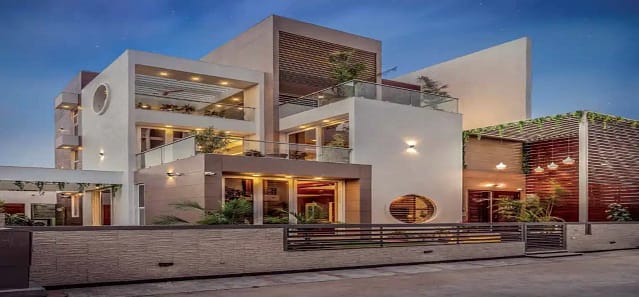
Cladding serves to maintain a balance between the structure’s outside and interior environments and is meant to suit both aesthetic and practical needs. Cladding is done according to the building’s operating needs. The expansion of the cladding industry is being driven by an increase in infrastructure and building activities in residential and non-residential areas throughout the world. This finished layer serves a number of purposes, including improving the aesthetics, boosting thermal and environmental performance, and keeping unwanted external elements out of sight. Many cladding systems are now available on the market because of advancements in building technology and construction materials. The cladding industry has changed dramatically over the past few years. Along with the influx of new materials and designs in the market, the technological advancements in the application can also be witnessed.
We interviewed some experts from the industry who shared their perspectives on the cladding industry, including changes in cladding technologies and materials, the latest trends, the significance of fire safety in exterior cladding systems, and more. Read this cover story to know more.

Four Major Trends In Exterior Wall Cladding
Façades are the interface between the interiors and exteriors of a building. They protect it from external agents and are one of the main contributors to creating comfortable environments.

Exterior wall cladding solutions have evolved to keep pace with time and offer cutting-edge results with multiple options. It gives the exterior a unique, contemporary look by defining the different areas of every building, resulting in a structure that is filled with visual interest. And so, there is a constant effort to create something better. “If one is to narrow it down to 4 major trends, then we see a need for materials offering higher resistance to nature and such external elements, adopting solutions that are environmentally friendly and sustainable in nature, using smart material that is low on maintenance, and a material that naturally blends with the surroundings,” says Deepak Mathur, Sr. Vice President-Global Marketing and Sales at Jindal Aluminium Limited.

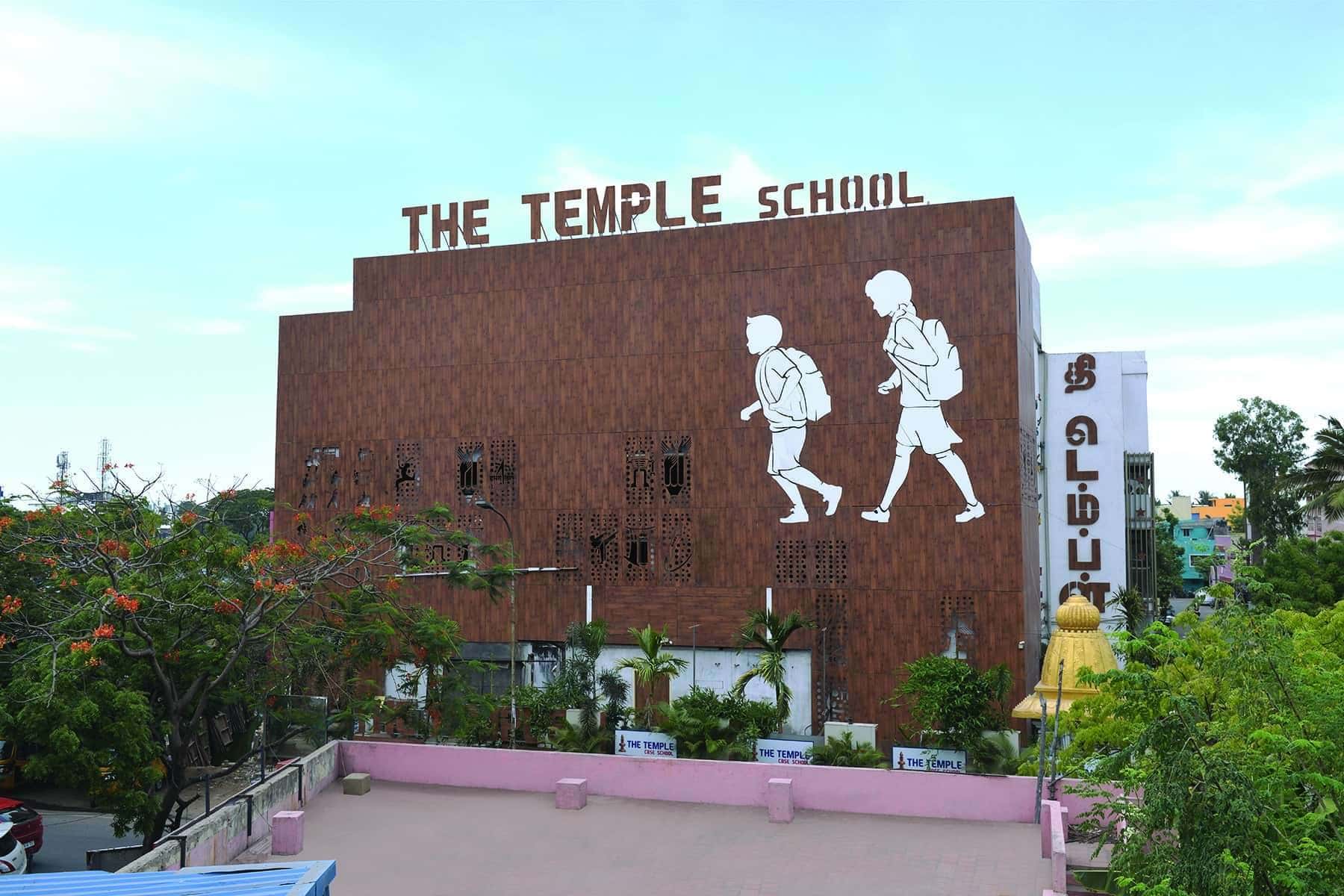
When it comes to the façade of a structure, builders, as well as end-users, mostly agree that, along with aesthetic purposes, it now has other functional roles to play. Although the traditional wet façade elements such as bricks, stones, and wood are still widely used and have a ready market, new-age elements and composites around HPL or fibre cement are also rapidly gaining ground, which is now the major trend in the cladding market. Technological advancements and novelties in the industry are aiding in evolving consumer preferences, says Shankho Chowdhury, President, Decoratives Division, Century Plyboards (India) Ltd. “We have seen that currently high-pressure laminate cladding and stone veneers are the most recent drifts for cladding options in India. Other than this, perforated metal mesh claddings are also in trend for most commercial buildings and factories.

Ecological materials that have greater durability and resistance to the environment and bestow a certain character to the space are the drifting choices for exterior cladding, observes Ravi Kadam, Principal Architect & Urban Designer, Integrid Design Consultants. He adds that materials like perforated aluminium, HPL, brick, GRC, etc., are the trending options for cladding.

Ar. Prashant Parmar, Founder & Principal Architect, Prashant Parmar Architect, says, in the current architecture practice, we choose materials that give warmth with long-lasting aesthetics. Brick- of red & brown tone, MCM (Modified Clay Material), natural stone and concrete panels, etc., are preferred.

Ashwani Khanna, VP, Marketing & HR, Fundermax, points out that innovative and sustainable materials are preferred for exterior wall cladding. Such options include exterior grade laminates (as per EN438-6), which are highly durable, Glass Fibre Reinforced Concrete (GFRC), and metal claddings (Zinc, Copper, and Steel), etc. Some of the key benefits of using such modern cladding materials over traditional ones are eco-friendliness, thermal efficiency, energy renewability, and sustainability.

Muthu Kumaran, DGM, Wienerberger India, says that clay façade tiles are in the trend, due to their natural colours and because they are a sustainable cladding material with longevity and low maintenance. Louvres are extensively used for passive shading and offer a contemporary look. Brick cladding is an eternal trend, and still, it continues to be the most preferred cladding for residences & small buildings. Metal claddings and metal mesh are also in the fray, adds Kumaran.

External wall cladding is no longer simply for hiding old bricks; it can be made the focal point of the design, notes Rounaq K. Choudhari, Director, Glass Wall System (I) Pvt Ltd. It can also be utilised to spice up a surface, transforming it from dull and uninteresting to a prominent element in the landscape.
According to Choudhari, major trends in exterior wall cladding are the following:
- Bright Flowers And Dark Stones: Without some bright and happy flowers, no portion of the garden is truly complete. Use dark-toned natural stone pavers on your home’s outside walls, along with bright and formal tulips or other annuals.
- Bright Doors And Dark Stones: The natural stone and bright paint combination works equally as well on retro-style houses as it does on the most current house designs, which is a perk of this trend.
- Tiles Made Of Glass: Glass tiles used for external cladding can have a stunning visual effect, even if they are not as durable as natural stone. To add a bit of shine to recreational rooms, use glass tiles in mosaic designs.
- Natural Stone Pavers: They come in a variety of textural and sculptural shapes to add interest to outdoor dinner parties and everyday life.
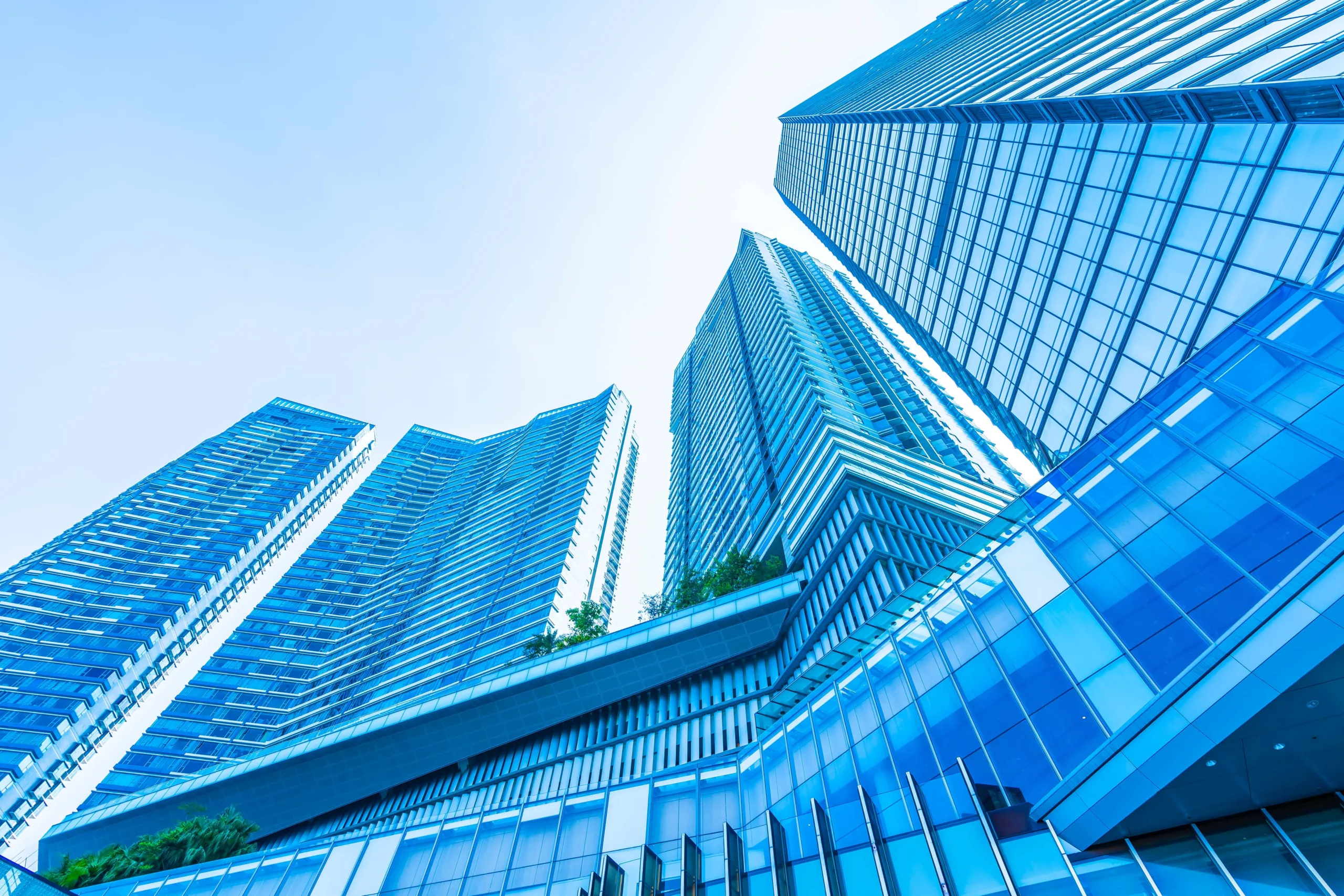
Rear-ventilated façade system is another trend in the market, adds Khanna. This particular system uses durable exterior-grade high-pressure laminates as a second skin of the building. Apart from offering contemporary aesthetics and design, they are also sustainable and can be easily used in combination with various other cladding materials.
Khanna spots that sun-shading systems or louvres are in demand in today’s market. This system is specifically aimed at improving daylighting, glare mitigation, and energy efficiency, without compromising occupant comfort. There is also an increasing demand for green buildings, hence most designers seek certified products and prefer green-rated materials.
We see a constant push towards the use of ‘Parametric Façades’ or façades that are designed parametrically to create a differentiated visual and aesthetic effect, as well as contribute to the performance of the building with respect to the environment, notes Ar. Sushant Verma, Co-founder & Design Head, rat[LAB] Studio.
![Parametric façade by rat[LAB] Studio](https://wfmmedia.com/wp-content/uploads/2025/12/Parametric-facade-by-ratLAB-Studio-scaled.webp)
Salient Features & Properties Of HPL
(Shankho Chowdhury, President, Decoratives Division, Century Plyboards (India) Ltd.) |
Parametric design has gained popularity and demand in the last few years as architects and patrons have started to look into the performative aspect of façades and cladding materials that could help reach the sustainability goals of a project. Metal façades such as aluminium, weathering steel (corten steel), concrete-finish composites, and wooden-finish composites are some of the common ones in practice that could be easily infused with the parametric design intent to achieve interesting results, adds Verma.
![Dynamic Façades by rat[LAB] Studio](https://wfmmedia.com/wp-content/uploads/2025/12/DynamicFacades-by-ratLAB-Studio-scaled.webp)
Most Preferred Cladding Material
Exterior grade laminates are gradually becoming a common norm in modern-day architecture, says Ashwani Khanna. Wood-based products are better since they do not transmit direct heat radiated into the buildings.
“If we follow the revolutionary rear-ventilated method of installation, it can help keep the heat at bay and enhance the occupant comfort of the building. It is a sustainable design that reduces the thermal bridges and condensation of water vapour to protect the building and reduce the overall air conditioning load of a building. This also allows natural ventilation, which is considered one of the best ways to prevent the spread of infection and/or airborne microbes,” adds Khanna.
Chowdhury says that the most preferred cladding material is HPL (CenturyExteria), which should be of premium quality exterior grade. At par with global standards, they are available in large-format panels. The product complies with EN: 438–Part#6 and ASTM: E84 Fire safety. Available in 4, 6, 8, 10, 12, and up to 18 mm thickness, the product is sure to revolutionise building façades and other similar building exterior applications.
Our most preferred cladding material is brick, says Ar. Parmar, as from centuries of human civilisation, and this means it will stay fresh for decades.
Ar. Kadam also agrees that over the years of architectural practice, we have opted for brick cladding for innumerable projects. Brick cladding imparts an earthy and rustic emotion to the space.
Apart from being stylish, brick cladding also provides atmospheric and acoustic aversion and has virtually zero maintenance cost. His other preference is that precast cladding materials are a smarter choice for quick installation and saving costs.
Kumaran from Wienerberger India adds that clay tiles are the most preferred cladding material due to the aesthetics, which gives a timeless modern façade with the distinctive character of natural clay.
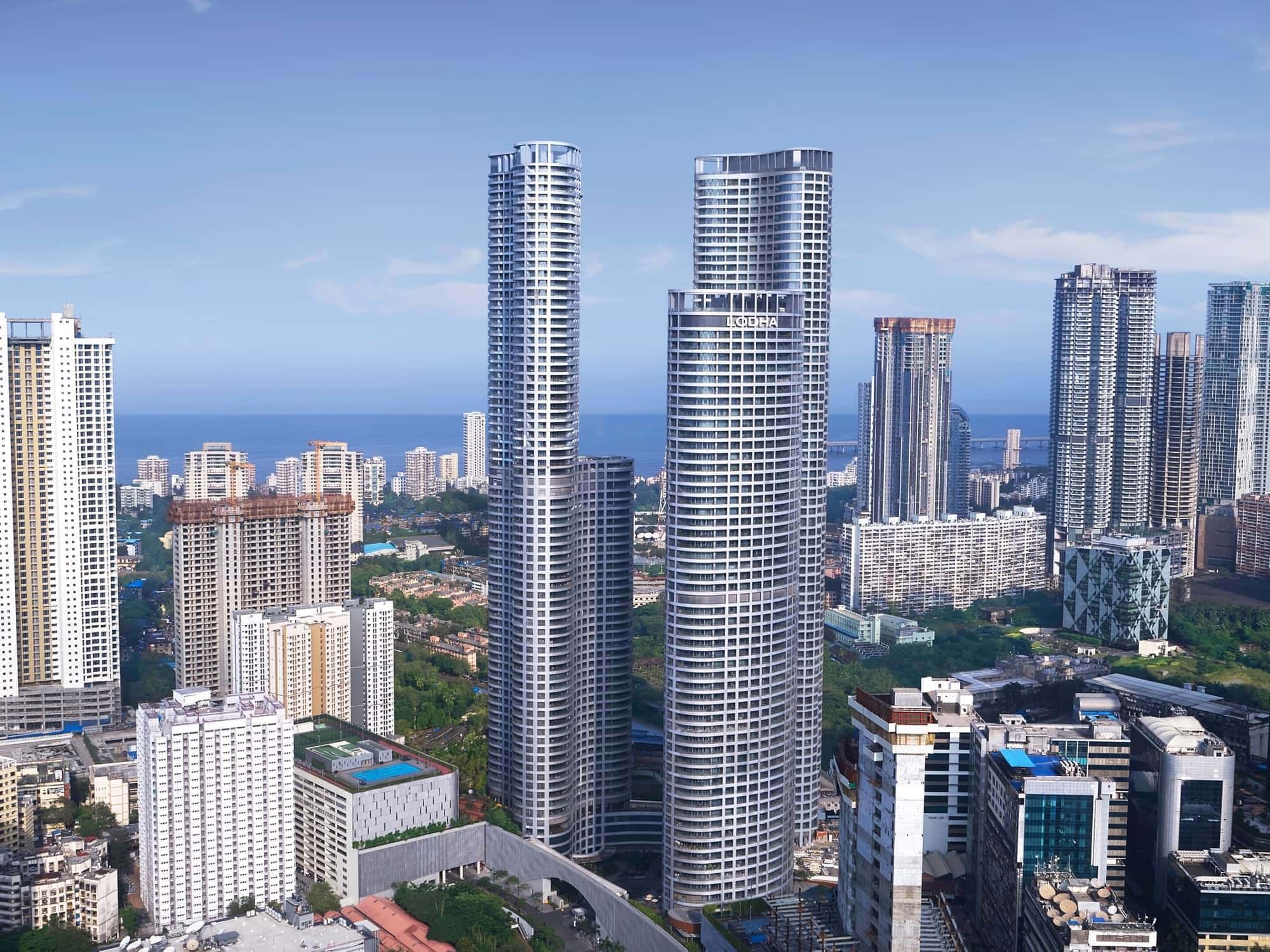
Mathur from Jindal Aluminium Limited explains why aluminium is the preferred cladding material. Aluminium composite panels are extremely durable, and their qualities ensure that they can last up to 30 years without much maintenance and effort. The reason for its broad appeal is that aluminium is very versatile and adaptable to create a variety of looks. Aluminium cladding is also lightweight and offers energy efficiency and the choice to coat the metal with colours, providing a variety of looks that perfectly suit the architectural requirements.
Ar. Verma adds that his studio prefers using steel as a cladding material due to its sheer flexibility in taking any form and pattern, allowing easy manufacturing and fabrication processes that are available. As we often delve into the parametric design of façades & building skin, choosing appropriate cladding material that complements the intent is extremely important. Longevity & durability are also integral factors when choosing the materials.
Choudhari from GWS is certain that exterior insulation and finish systems (EIFS) and insulated metal wall panels are two of the most common energy-efficient cladding systems in the market today. EIFS is a lightweight cladding that may mimic the look of a variety of construction materials, such as brick, stone, metal panels, siding, and stucco. It can also be installed over existing claddings as a retrofit.
In terms of both materials and installation costs, EIFS is a cost-effective system when compared to many of the systems, adds Choudhari.
Role Of Cladding In Constructing Sustainable Buildings
Cladding can potentially regulate the heat and light that enters the building if used smartly. Beyond the obvious aesthetic character that it poses to a building, a performance aspect can be achieved using appropriate methods of design and evaluation. Materiality could also help add to the sustainability points of the project, which can help choose the right material for the cladding system, observes Ar. Verma.
Shankho Chowdhury also agrees on the crucial role played by cladding in constructing sustainable buildings; the reasons are as below:
Because of the superficial protective layer, the maintenance becomes low, and it also makes the building more durable than a traditional building, which is finished with wall paint.
- Cladding materials like metal, stone, and wood give a very good aesthetic appeal and texture to the building, which paint can’t.
- It makes the building weatherproof as it has strong resistance against external weather conditions like winds, sunlight, and rain. It also acts as a protective layer and prevents the seepage of water into the interiors.
- It creates a good heat insulation layer, protecting the interiors from the absorption of extreme heat.
- Cladding acts like a sound-insulating layer that prevents external noise from coming inside.
- Cladding protects the building from pollution; dirt can impart a very shabby look to the building when only paint is used as a finishing surface.
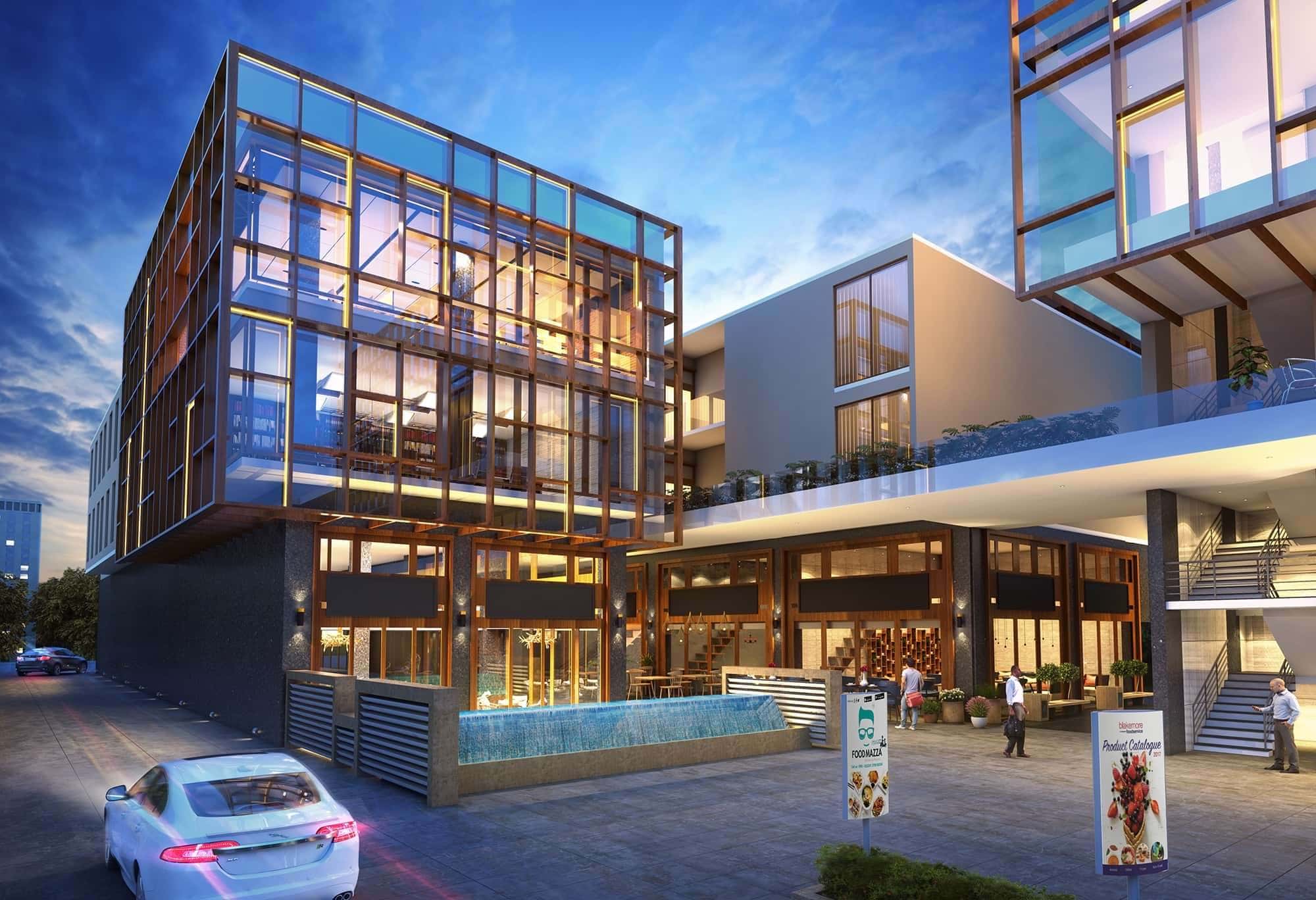
Modern-Day Materials – Options For Cladding
(Ashwani Khanna, VP, Marketing & HR, Fundermax) |
“In India, the buildings & façades face a zero-degree to 45-50 degrees range of temperature, which is very difficult for any construction material to sustain. High finished surface quality & aesthetics, good mechanical properties, free-form design possibilities, reduces product thickness, enhanced durability & low environmental impact are only a few advantages that new cladding technologies are offering us”, says Ar. Parmar.
Drywall cladding, concrete panels, and corten steel cladding are some of the most adopted options by architects nowadays. Some cladding materials have the quality to maintain internal temperature, which works to make energy-efficient buildings, adds Ar. Parmar.
Kumaran notes that cladding material should provide excellent thermal insulation and be recyclable.
Choice of cladding has a significant effect on the environmental, acoustical, and aesthetic features of the building, explains Ar. Kadam. Along with a flood of innovative materials and designs introduced in the market, we see the advancement in technologies in the application as well. Growing demand for energy efficiency in project exteriors, especially for key construction industry participants, including architects and designers, is encouraging investments in lightweight and energy-efficient exterior panels in commercial as well as residential buildings, adds Kadam.
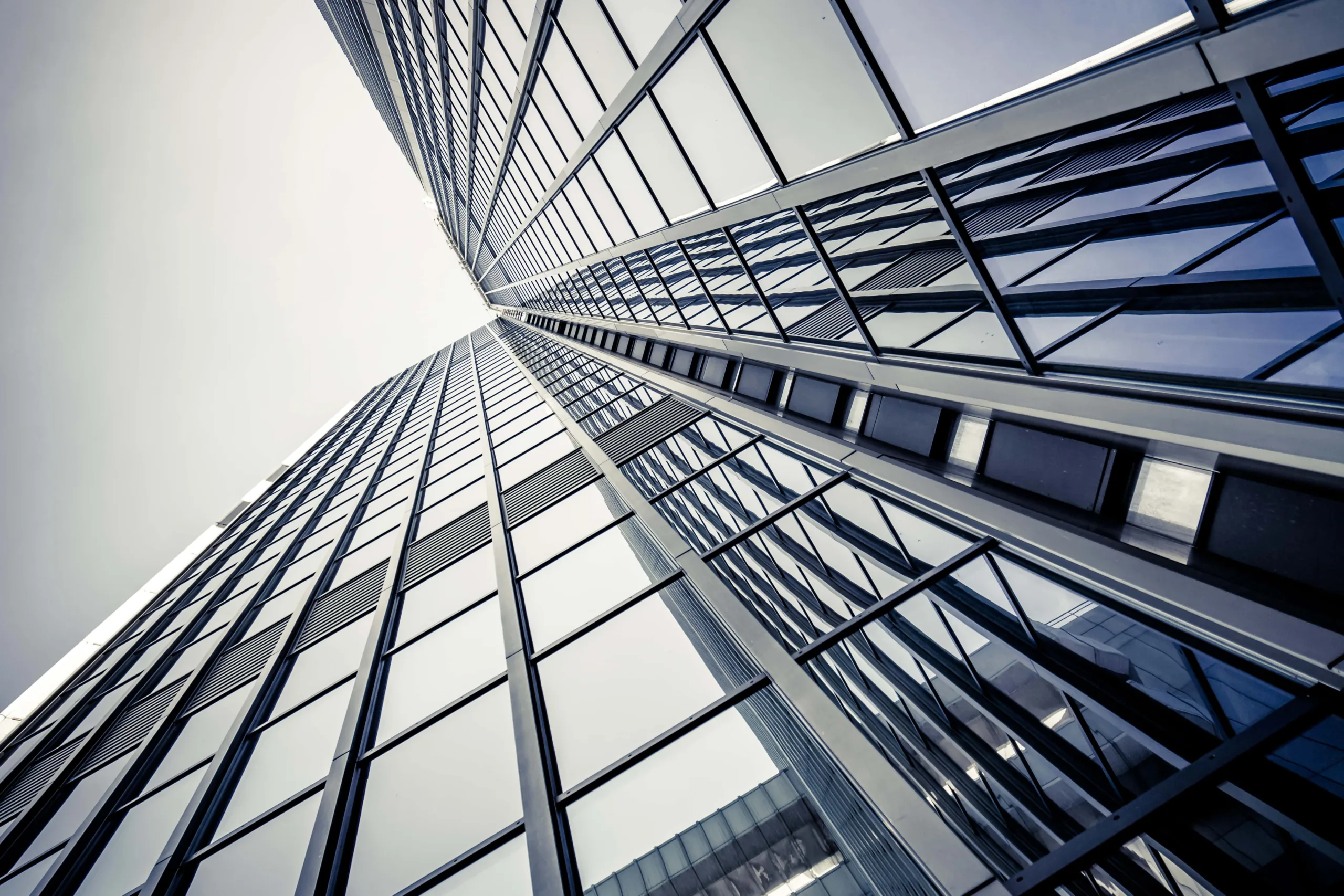
The idea behind cladding on a building’s exterior is to provide the structure with a thermal insulation cover and ensure that it follows a path of sustainability. In the construction of green buildings, the role of cladding is to make sure that the exterior of a building uses the least amount of energy possible and that it also offers suitable ventilation and sun-shading features. And in doing so, it ensures to maintain an interior environment, which promotes the better health of the building’s occupants and the surroundings.
The major function or role of cladding, says Rounaq Choudhari, is to separate a building’s inside environment from the outside environment in such a way that the outside environment does not affect the indoor environment.
It’s also great for reducing light penetration and heat radiation and conduction from the sun, as well as preventing interiors from becoming faded and dull. Sunshades and louvered panels also allow reflected light to enter the building, rather than direct sunshine, which improves comfort.
Khanna concludes that a well-designed façade reduces the thermal bridges, condensation of water vapour, and protects the building. Façade systems are expected to carry out a number of functions and perform in a variety of ways, such as structural integrity, durability, weather–resistance, acoustic insulation, thermal insulation, safety and security barriers, and more. A thorough assessment of the durability of the new materials proposed needs to be done to ensure that the materials used do not compromise the performance requirements of the building.
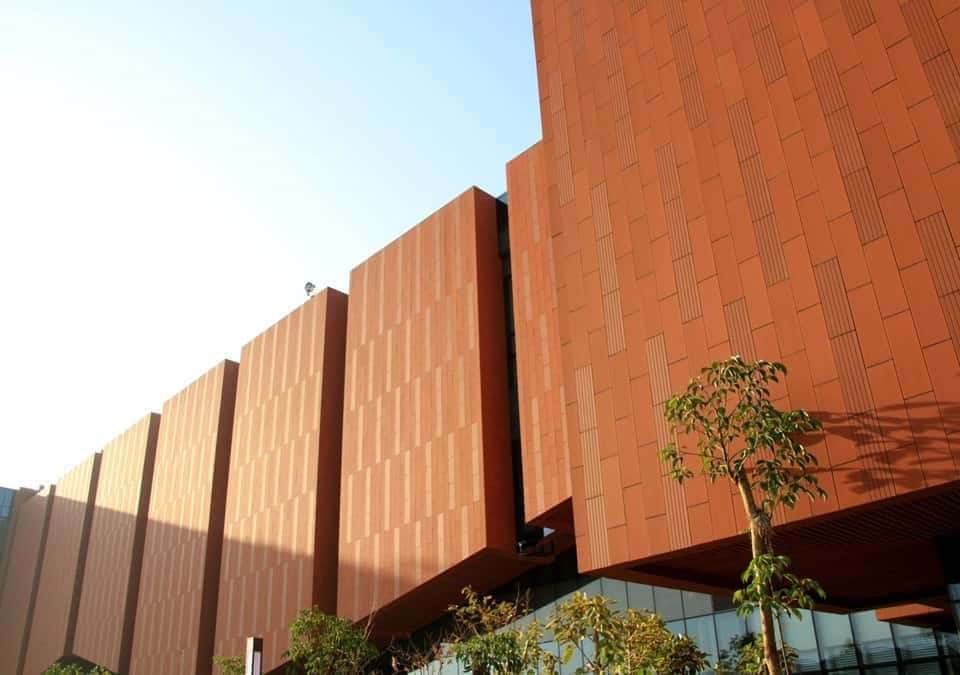
Regulating Daylight & Ventilation: Role Of Cladding Technologies & Materials
Mathur from Jindal Aluminium explains that one of the essential elements of exterior building façades is allowing natural daylight indoors. But this daylight needs to be controlled so that it is useful. It has to be regulated without creating glare or other unwanted outcomes for those who use the building. The use of intelligent and adaptive façade cladding can help ensure that a building is more climate-responsive. And by climate-responsive, we mean using technology and materials that help regulate natural light and ventilation suitably. Façade cladding is now rear-ventilated, double-skinned, etc., to ensure that daylight is regulated and ventilation controlled.
According to Shankho Chowdhury, cladding enables a building with a contemporary ventilated façade system that eliminates moisture problems due to internal condensation or water, ensuring a well-ventilated and improved comfort for the indoors. The drainage of rainwater, entering through the ventilation gaps between panels, is carried out through ventilation outlets. Another major benefit of a ventilated cladding system is that it reduces the mechanical stress in the main structure and also protects the walls from the harsh direct sunlight.
Rounaq Choudhari, too, agrees that a ventilated façade can regulate daylight & ventilation. It is an outside building envelope system that is erected dry. It can be implemented on new construction sites as well as renovated ones. This piece creates a space between the building’s perimeter wall and the exterior cladding. Its principal function is to regulate the flow of heat, air, and light between the inside and exterior of the structure.
Fenestrated cladding acts as a shading device to cut down harsh sunlight and bring in calm, defused light inside the space, states Kadam. The right cladding material allows the passive & active ventilation in the building. Such as double-skinned cladding helps the warm air to rise & exhaust from the void between the two skins.

This allows ventilation through the façade without opening the windows.
Kumaran points out that louvres are best to regulate daylight and ventilation, and mechanical or motorised louvres will further enhance the functionality. Also, clay tiles are used as fins.
According to Khanna, louvers or sun shading systems are aimed at providing superior visual comfort to occupants. They can be designed in different sizes and configurations and can be used to mitigate the effects of glare and heat ingress in different kinds of buildings located across the country. It is an effective way to reduce air conditioning loads. Yet it offers designers an opportunity to create a distinctive architectural impact. Sun path analysis, wind loading patterns, dynamic sun shading, and thermally efficient materials are some of the factors considered while installing such a cladding system.
Ar. Verma is recommending perforations in a cladding system. Interstitial gaps in geometric configuration and the overall design arrangement are a few ways of integrating into the cladding design of a façade or building skin that could be smartly used as parameters to control daylight and ventilation. Material type, thickness, and structural support system are a few other aspects that could be evaluated to lead to a heat gain and an understanding of the building.
Integrating Intelligent & Responsive Cladding
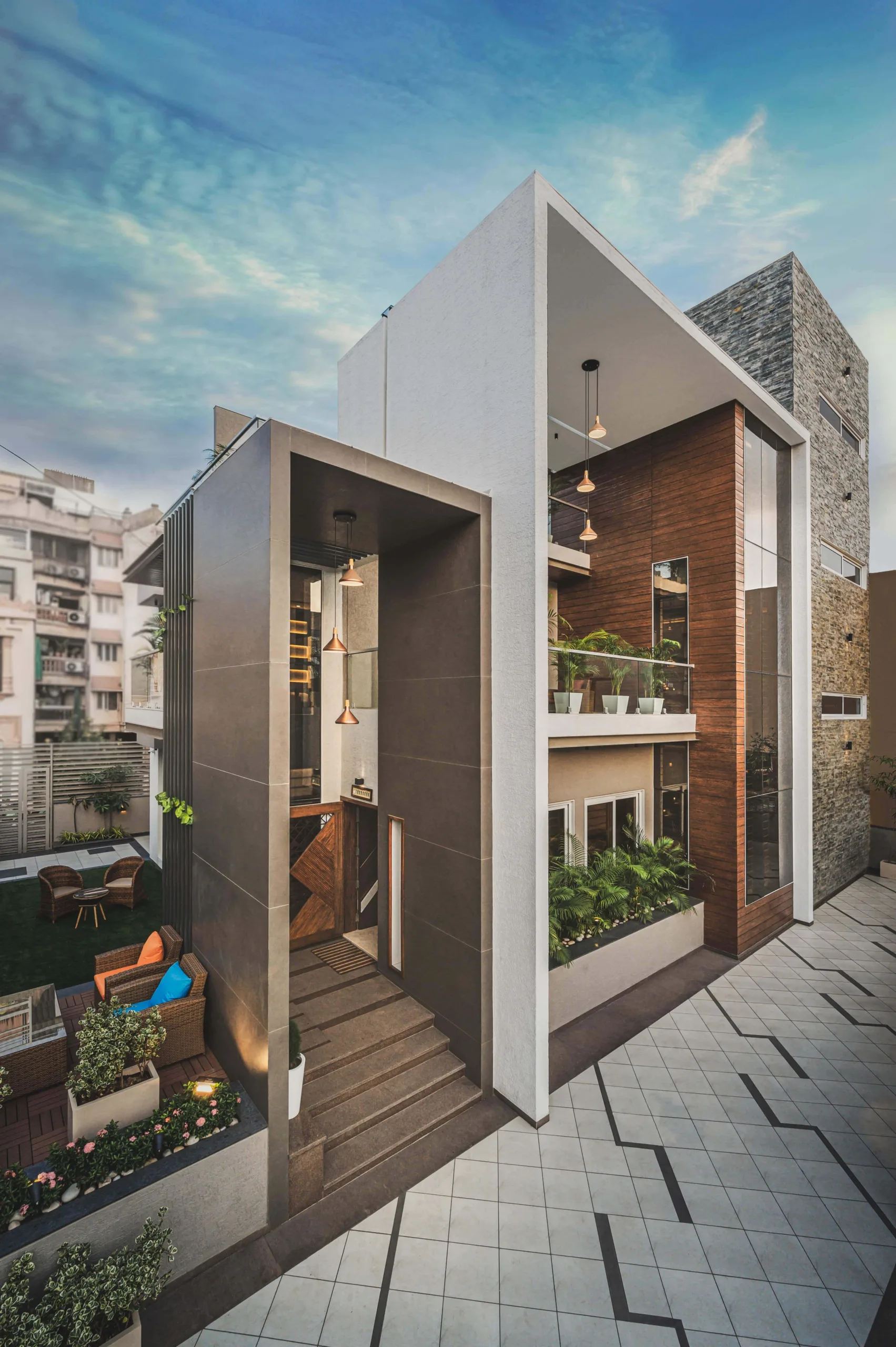
According to Mathur, intelligent and responsive cladding comprises high-performance envelopes that promote energy optimisation and help in reducing the use of resources and offer comfort to a building’s inhabitants. There has been rapid progress in advanced materials and technologies being used in the external cladding of buildings. Intelligent cladding supports energy sustainability measures and is responsive to the needs of the inhabitants of the building. An intelligent façade is the primary defence of the building and helps turn the structure smart by protecting it against environmental and climatic variations. By responding favourably to using sunlight efficiently by reducing solar heat gain and using wind for natural cooling, intelligent and responsive cladding helps maintain optimal lighting levels and control overall energy consumption, contributing to its green quotient.
An intelligent & responsive cladding would be one that looks into performative aspects and behaviour of it as a system in a building, to regulate and control heat and light to create a positive impact, says Ar. Verma. Parametric Design methods can be helpful and deployed to achieve such results, as they allow evaluating the designs with respect to climatic response while in the conception stage.
Ar. Parmar adds that an intelligent & responsive cladding is responsive to nature in order to reduce heat, provide adequate ventilation and also give an identity to the building. The kinetic façade is an example.
The term intelligent façade cladding refers to a dynamic façade that adapts to its surroundings, according to Rounaq Choudhari. Sun-shading devices based on the elastic kinematic concept are possible. The major goal is to limit solar heat gain while also providing enough ventilation.
Khanna too vouches for Kinetic façades. They can be sun-shading systems based on the elastic kinematic principle. The primary objective is to reduce solar heat gain and ensure adequate ventilation. They are dynamic and adaptive and can be made up of materials such as exterior-grade laminates.
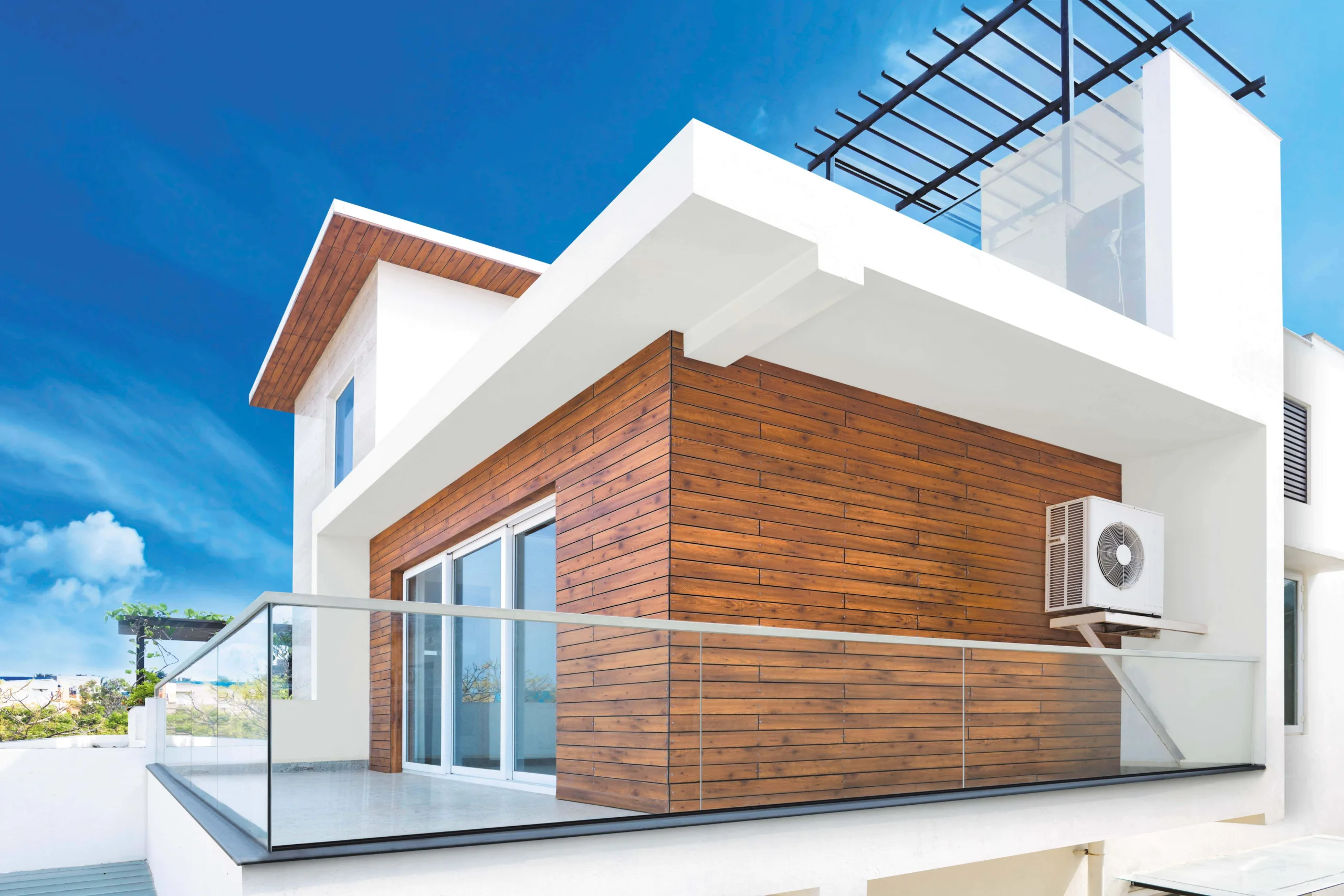
Smart Cladding Solutions & Technologies
A façade can be considered smart when it adapts to environmental conditions and transforms itself simultaneously, elucidates Kumaran. This happens when the cladding material is passive or active, which adjusts to adapt to different conditions, responding to changes that occur on the outside and inside of the building. When it comes to façades, the main focus is on the equation of maximising natural sunlight, protected from solar radiation, while controlling ventilation and heat input/output.
Of late, the area of smart materials and technologies has progressed rapidly. New research on nano-materials and smart composites imitating natural structures and processes is trialled almost every day within the technologies, observes Shankho Chowdhury.
In the architectural field, and especially in the sector of building cladding, only a trivial amount of such advanced technologies has settled. As an alternative to traditional mechanisms and techniques, architects and civil engineers are nowadays using enhanced composite materials to provide crafted and efficient façades.
“Considering the value of green energy, with my experience in the field, I think that having cladding materials with photovoltaic panels (PV) as there is no scope for high-rise apartments for the production of green energy. If the technology experts give their valuable inputs in creating cladding materials with photovoltaic panels, it will start a new era of green building,” anticipates Ar. Parmar.
Traditionally, cladding has always been static and merely remained as an envelope around the building. In recent times, though, we have seen environmental challenges impacting the performance of such façades. Innovative cladding solutions use available research and technology to tackle these issues. So be it dealing with humidity or temperature, sunlight, airflow, or global warming, smart cladding solutions and technology have become the first choice of material to find use in modern building façades. These solutions and technologies have led to the introduction of materials like aluminium that bring dynamism and response to a building exterior, says Mathur.
According to Khanna, façade designs today are defined by their flexibility, which is achieved by constant innovation and development. This can be potentially done by constantly assessing feedback from completed and ongoing projects.
This feedback helps in identifying areas that need improvement, such as design, installation challenges, etc. This feedback is also added to a pool of potential innovations, which can be later used in developing new installation systems.

Ensuring Safety And Security Through Cladding: Testing & Certification
A cladding forms a major exterior component of a building’s envelope, and having cladding checks safeguards that it can cut wind speeds and ensures that the rainwater does not seep through. These tests are certified to ensure that the protection and safety of the building and its inhabitants are the best. The cladding makes sure that the façade is air and watertight, fireproof, and strong enough to resist wind loads. While ensuring the safety and security of the cladding, these tests make sure that it offers impeccable protection to the building from external conditions. When it comes to buildings and their façade, several certifications help select the best product and material based on the purpose they are intended to serve, points out Mathur.
According to Mathur, the Bureau of Indian Standards (BIS), for instance, is the authorised agency to certify wind load factors. For fire audits and safety certifications, the National Building Code has norms specified. Also, when energy savings and efficiency are certified, it is the Energy Conservation Building Code that specifies the guidelines to be met. In addition, products are also certified. In the case of aluminium panels, the materials may be ISO 9001 certified, indicating that the manufacturing processes, too, are inspected and audited.
Rounaq Choudhari also notes that various tests that are done on cladding are similar to what is done on unitised curtain wall panels. Air, water, fire, and structural tests are carried out at certified labs to conduct these tests and ensure the safety and security of the façade.
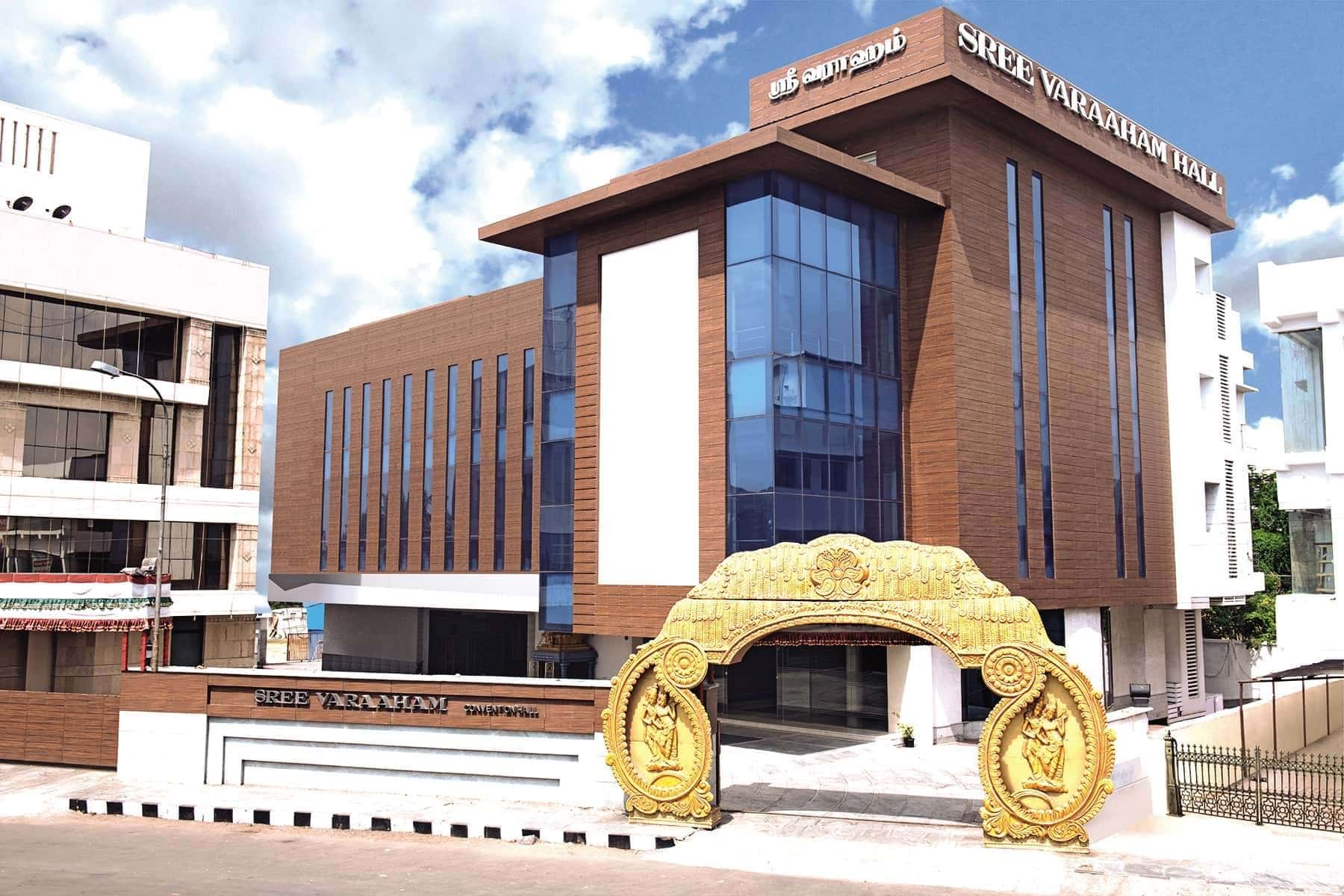
Khanna adds that ECBC deals with u-value or energy efficiency, which includes the cladding performance of a building. BIS 875 part 3 deals with wind load, while NBC deals with fire safety norms for cladding. ECBC deals with u-value or energy efficiency, which includes the cladding performance of a building. Technology also plays a very important role in the manufacturing stage. E.g. HPL panels that are manufactured using patented NT technology and are in accordance with EN438-6 and CE certified are most suitable for rear ventilated façade systems.
The National Building Code (NBC) specifies that the surface flame spread index of cladding material should be less than 25 as per ASTM E 84, Class I. BIS standards for cladding materials follow the British norms of material classification for fire safety, to be rated as Class 1 as per BS 476 part 7, elaborates Khanna.
Generally, windload & water penetration tests are carried out for façades to ensure safety, says Muthu Kumaran. For most of the cladding materials, there are certifications such as EN DIN or ASTM Standards and also the EPD (Environmental Product Declaration) is necessary, he adds.
Innovational Cladding Panels Are Mass-Customisable, Smart, And Purpose-Engineered:
(Rounaq K. Choudhari, Director, Glass Wall System (I) Pvt Ltd) |
According to Shankho Chowdhury, EN 438- Part 6 is the globally accepted European standard, which specifies a meticulous list and methods of tests that are relevant to this category. It applies to the Exterior-grade Compact laminates of thickness 2 mm and greater produced by using a high-pressure and hot-press process. One must check out the compliance before deciding on the brand. Apart from these tests on the colour fastness and environmental safety are also to be done.
Rounaq Choudhari notes that for certification, factors like physical characteristics of the materials, such as structural, chemical, and thermal resistance, are considered; economic factors, such as initial construction, maintenance, and removal costs, are considered; and durability factors, such as the type and frequency of defects that occur in the cladding material, are also considered.
Stringent green building regulations and codes, such as the LEED and GRIHA certification, and ISO certification, have made it mandatory for the manufacturers to forge a report testing the durability, shear strength, toughness, and numerous other factors to ensure the welfare of the building, points out Ar. Kadam. Hence, manufacturers have to get the materials certified by various bodies like ISO, LEED, etc., to test the material’s strength and durability.
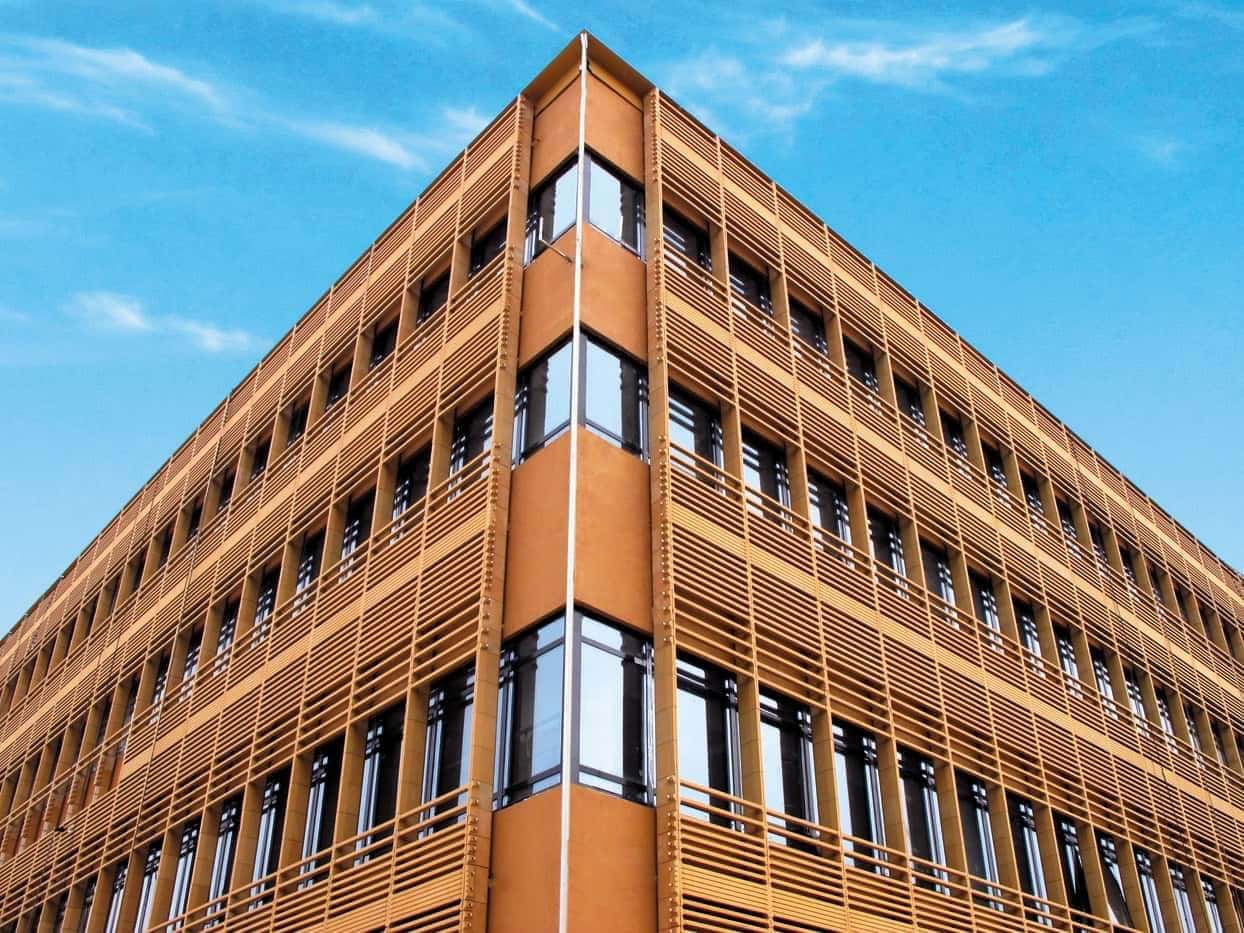
Choosing Fire-Safe Cladding Materials
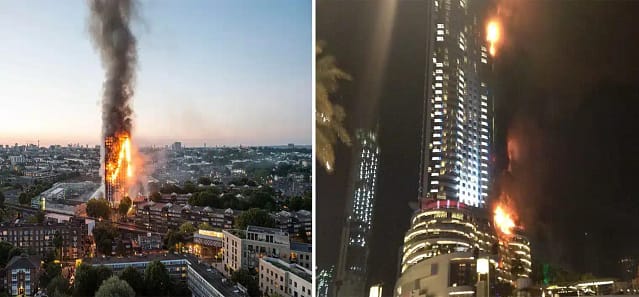
Ensuring that a building is safe against fire is important from the aspect of human life and damage to property. The material to be used requires careful consideration because composite cladding panels have been observed to have contributed to the rapid spread of fire in the past. Hence, there is a need for fire-safe material that is non-combustible and has a low-density cladding core. One can be sure that the cladding material being considered for use is fire-safe by opting for a product that will melt away and not further damage the fire, explains Mathur. Both aluminium and aluminium alloys do not burn or contributes to the combustion; they will instead melt. Aluminium is also reflective and offers twice the lower surface emissivity, which makes it a material that is fire-resistant, adds Mathur.
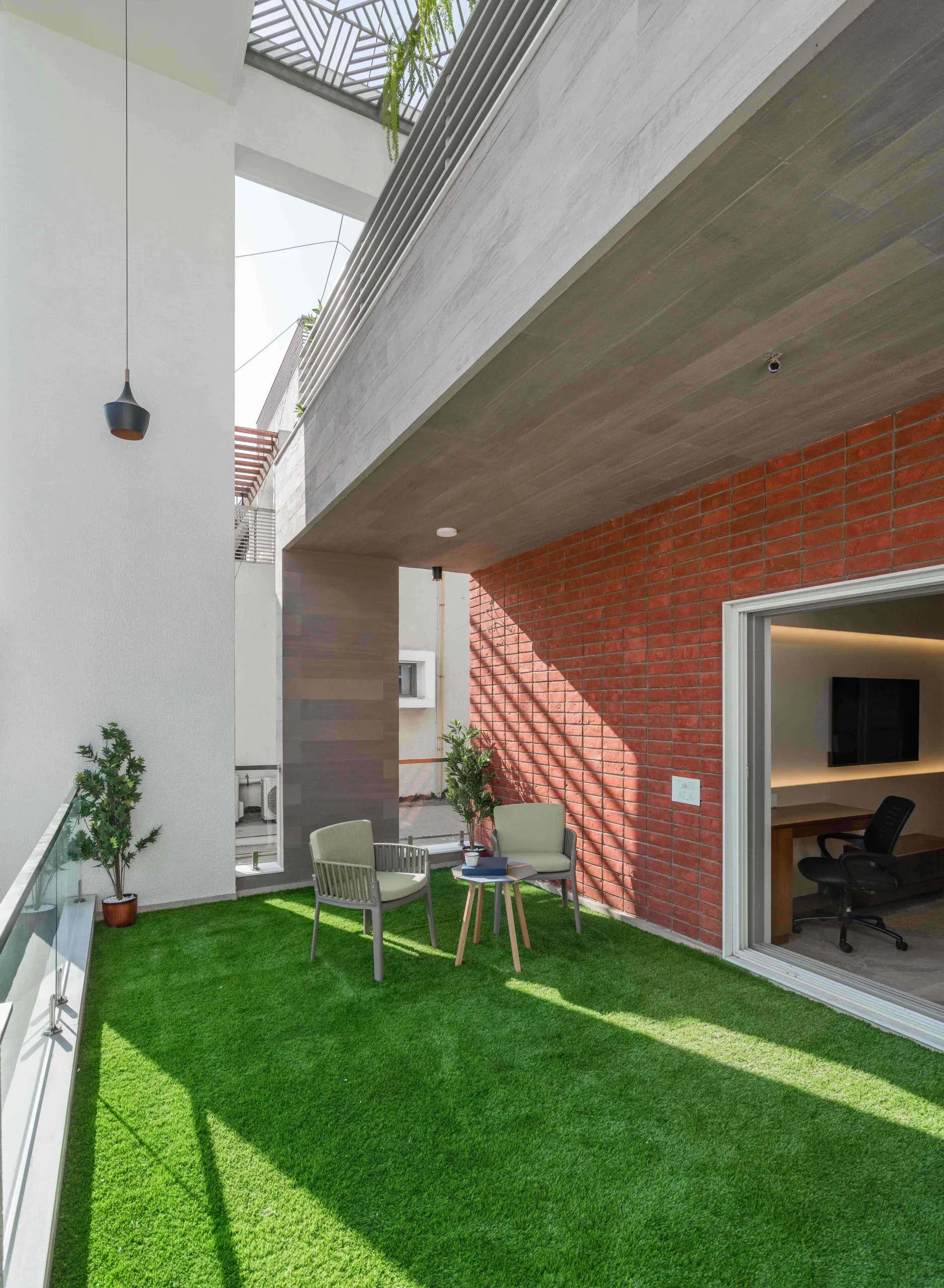
Fire-safe materials are the need of the hour. The fire incident in hospitals during the COVID-19 pandemic has shaken the hearts of millions. As an important link of the construction industry, we, architects, have to be very selective & conscious about fire-safe materials, cautions Ar. Parmar.
Fire safety is a very important aspect of cladding. There are premium quality HPL Panels (like CenturyExteria) available in the market, which are ‘Class A’ fire retardant, complying with the standards of EN 438- Part 6 and ASTM E84. They are also bestowed with the ‘Greenguard’ certification, which ensures that the product is validly acceptable for use in ‘Green Buildings’ and other delicate environments such as schools and healthcare facilities, mentions Shankho Chowdhury.
To prevent the spread of fire, the system’s qualities and the materials used in the construction are critical, according to Rounaq Choudhari. He adds that according to the European standard EN 13501-1, all construction materials must state their fire resistance. Natural slats from CUPA PIZARRAS have been classified as A1, the highest certification for non-combustible materials.
According to Muthu Kumaran, cladding materials chosen for façades should meet very high fire standards. Clay is a very robust material that can withstand fire, as clay façade tiles are being fired at extremely high temperatures (up to ~ 1100 °C) during production. Clay façade tiles are classified under the A1 category – Non-Combustible and do not contribute to the development of fire. In the case of fire, neither toxic gases nor vapours may emerge. There will be no burning droplets and no smoke gas development from clay façade tiles. A1 is the highest possible rating.
| Building Material Class Rating | Ration | |
|---|---|---|
| Class | Subclass | Rating Description |
| Class A | A1 | Fireproof material |
| A2 | ||
| A3 | ||
| Class B | B1 | Not easily flammable |
| B2 | Flammable | |
| B3 | Easily flammable | |
| (Source: Wienerberger India) | ||
Cladding Materials For Future Façades
According to Ar. Verma, the use of smart materials and smart geometries could inherently lead to a performative aspect to reach the sustainability goals of a project, and this would form the future of façades.
Ar. Kadampoints out that it is essential to choose a material that is impervious to the macroclimate of the site location, to create a comfortable space, with optimum energy consumption.
Ar. Parmar insists that façades with Energy Efficiency Index (EEI) should be introduced. “We all have star ratings of electrical equipment like 5 stars, 4 stars, etc. Just like that, we should introduce the EEI (Energy Efficiency Index) for cladding materials. In this way, the developer can attract customers to use the environmentally friendly building. Also, for individual houses, selecting the high EEI cladding in façades helps the occupier save more energy. The government bodies also need to make this move forward to keep the earth greener for generations to come,” he suggests.
Muthu Kumaran is all for façade panels that can generate electricity (PV-based panels in façade), also automatic louvre systems (move based on the sun path to optimize the daylight and ventilation). Khanna also agrees that energy-efficient façades are the future.

Façades with anti-microbial surfaces that are easy to clean are gradually becoming a mandate in the market. A rear-ventilated façades system will continue to be a preferred alternative because of its natural ventilation property, which is one of the best ways to prevent the spread of infection and/or airborne microbes.
The future of façades will be about it being dynamic or responsive in outlook, avows Mathur. The days of static façades are over. Versatile materials like aluminium will make the outer skin of a building come alive to make the façade look much like an integral part of the building design itself in the time to come, adds Mathur.
According to Rounaq Choudhari, the future of façade design is in high-efficiency and energy-conserving materials. Green energy is the future, along with the adoption of technology to move ahead in this part of the industry is the key to the future!
Fire-Resistant Panels For CladdingThe recent legislation in the UK, following the aftermath of the Grenfell tragedy, clearly states that BS class A panels and class B panels with non-combustible insulation are safe to use in buildings. These categories do not aid in the spread of the fire, which is of paramount importance to the fire safety of the buildings. However, no material should be selected in isolation, and due care should also be shown to design the complete system fire-resistant rather than just assembling a set of ‘fire-rated’ materials. As NBC stipulated, the Flame Spread Index (FSI) on the surface of the cladding material has to be considered. Exterior grade laminates are flame-retardant materials that do not propagate fire. Windows and glazing junction areas are vulnerable areas from which fire can spread into the overall building. Covering them with a fire seal reduces the scope of fire spread on the façade or into the building. Every country or region follows a different fire classification. Max Exterior cladding systems are certified according to ASTM E 84, BS 476 Part 7, NFPA 285, BBA certification, etc. (Ashwani Khanna, VP, Marketing & HR, Fundermax) |
Conclusion
Cladding is the most significant way of generating fascinating, distinctive, and attractive façades. It not only protects the outside of your home from the elements, but it is also the most important method for creating interesting, unique, and beautiful façades.
Architects and designers nowadays utilise a variety of innovative wall cladding materials to give each building a distinct, fascinating aspect. When it comes to designing façades, a lot of studies are done to ensure that the correct sort of material is used to reduce environmental impacts and enhance the life, energy, and performance of a structure.
The right cladding material and a well-designed cladding contribute to improving a building’s thermal performance, minimise air leakage, reduce maintenance costs, and maximise natural daylighting. Poor design or installation, on the other hand, can jeopardise the cladding’s functionality and may pose a safety risk.