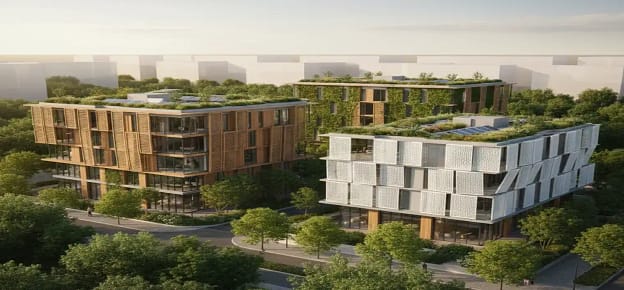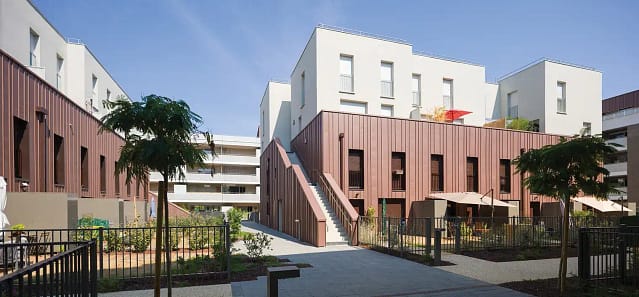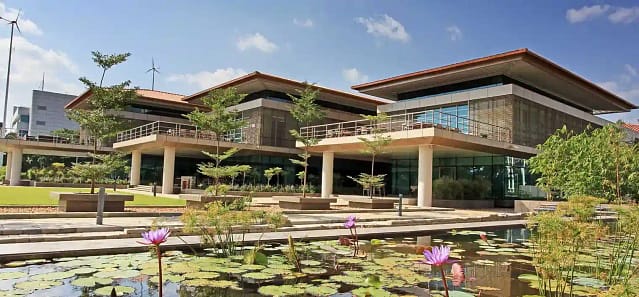



The performance of a building is shaped strongly by its façade and fenestration systems. These components regulate heat, light, ventilation, comfort, and energy use, which makes them central to the environmental behaviour of any project. As construction practices shift towards more climate-aware and resource-efficient methods, designers increasingly approach façades as working systems rather than visual layers. Efficiency now comes from combining materials that handle distinct but related roles, instead of depending on a single material to address every condition. This shift is especially relevant in Indian contexts, where climate changes sharply across short distances and where buildings must respond to heat, humidity, dust, noise, and fluctuating daylight.
A façade functions as the interface between the interior and the external environment. Its efficiency depends on how accurately it responds to site conditions. Factors such as sun direction, wind movement, surrounding structures, vegetation, noise exposure, and privacy requirements shape the earliest design decisions. A shaded site may require larger openings to recover daylight, while a western-facing wall may need deeper reveals and external shading. A noisy road pushes the selection of acoustic glazing, and a humid coastal environment narrows the choice of metals that will remain stable over time. Without this initial reading of the site, even high-performance materials end up functioning below their potential.
Since no material performs equally well across insulation, shading, ventilation, and structural support, designers now rely on layered assemblies. Each material is assigned one primary function. A dense wall slows heat transfer but limits daylight. A perforated screen cuts glare but offers little insulation. High-performance glass improves visibility and user comfort but requires shading to avoid heat gain. Lightweight metal cladding resists weather but may conduct heat. When these elements are combined, they create predictable responses to climate, occupancy, and orientation. This system-based approach is more reliable than placing all responsibility on a single surface.
Material selection is guided by measurable criteria such as thermal resistance, air permeability, solar heat-gain values, reflectance, corrosion behaviour, and water absorption. Warm and humid regions benefit from breathable masonry, shaded openings, and controlled cross-ventilation. Dry regions respond well to thermal mass and small punched openings that stabilise temperature swings. Coastal environments require materials that withstand salt-laden air, while dense urban environments call for acoustic control through glazing and sealed frames. These decisions focus on performance rather than appearance, ensuring that the façade maintains consistency over time.
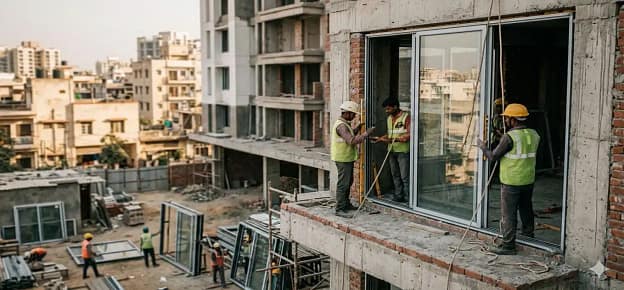
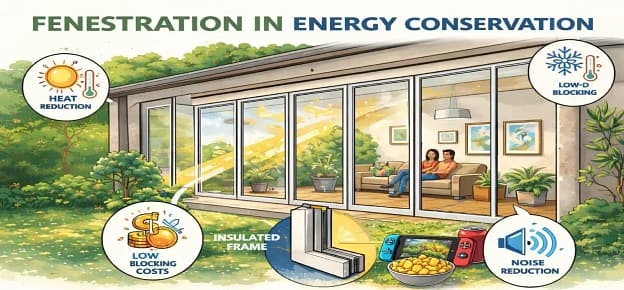
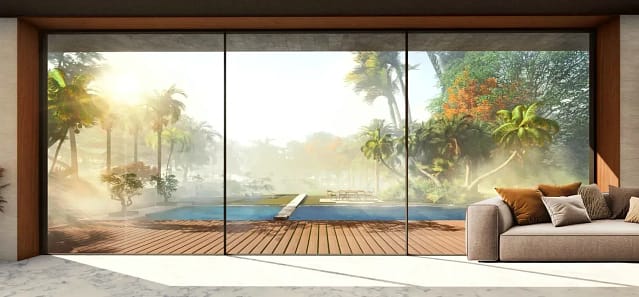
Windows, which are often treated mainly as visual elements, play one of the largest roles in environmental control. Orientation, size, sill height, frame material, and shading strategy determine how much heat a window admits, how much daylight it provides, and how it supports natural ventilation. North-facing windows deliver steady light with minimal heat gain. East and west openings need shading to manage low-angle sunlight. South-facing windows can be paired with horizontal shading to block high summer sun while still admitting winter sun. Timber frames offer thermal stability but need upkeep. Aluminium frames require thermal breaks to prevent heat transfer.
uPVC works well when protected from prolonged UV exposure. Glazing choices such as double glazing, low-e coatings, laminated layers, and fritting all influence glare, heat, and acoustics. A window performs well only when these components are coordinated with orientation and use patterns.
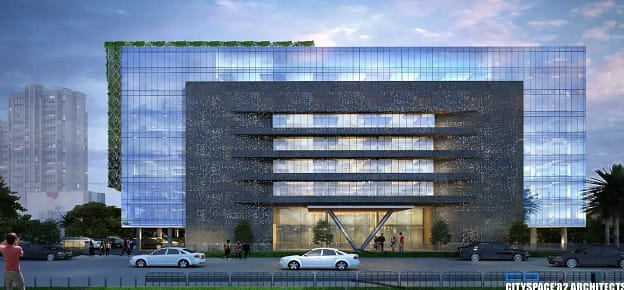
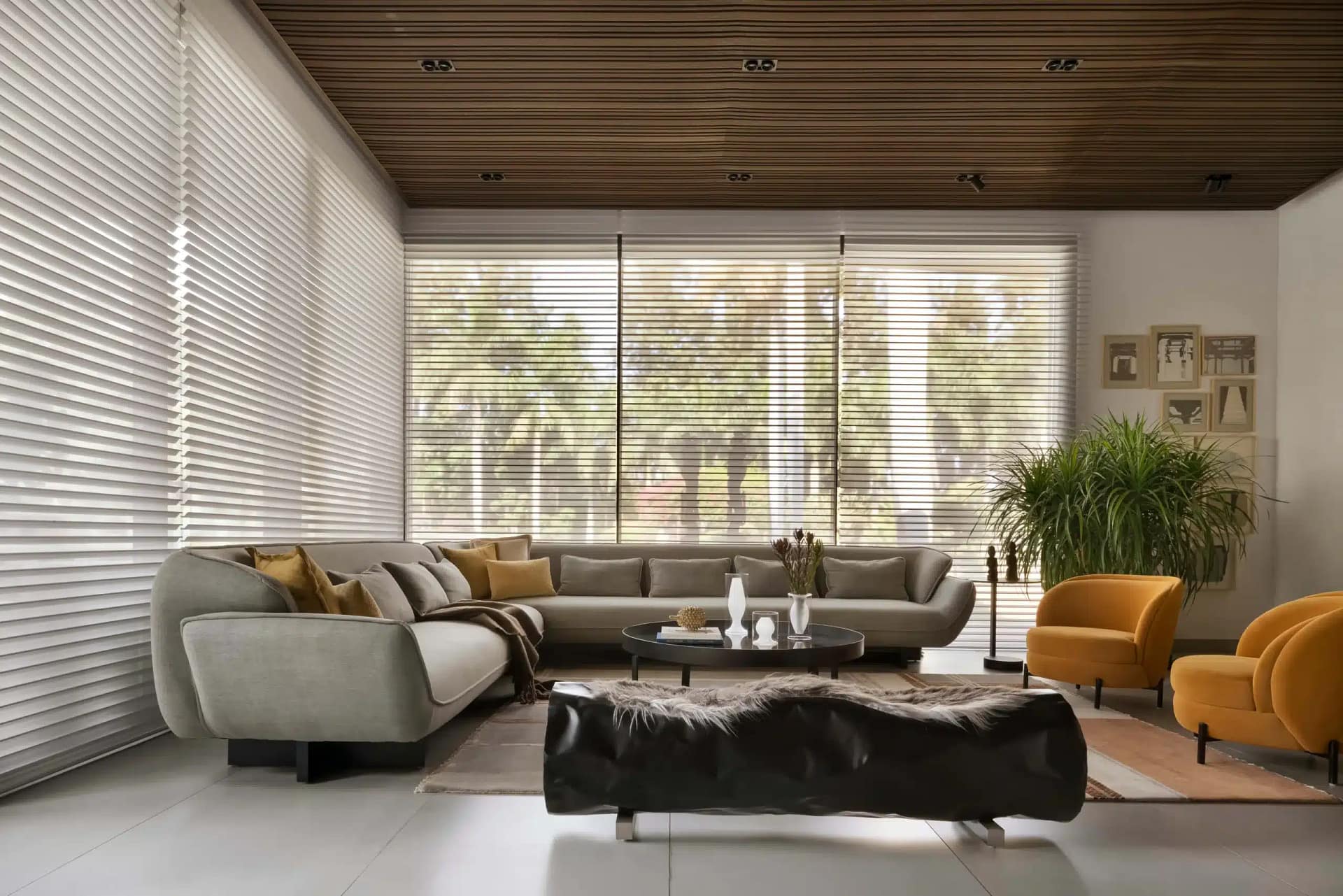
Secondary skins and external shading devices add another layer of control. Screens, louvers, jalis, and perforated panels stop heat before it reaches the main wall, lowering mechanical cooling loads and stabilising indoor conditions. Their geometry must align with sun angles, and their material must match the climate. Metal screens suit dry conditions, terracotta jalis function well in humid zones, stone screens remain stable in high-heat environments, and timber fins create softer shading but require maintenance. The performance of these systems depends on correct placement and integration rather than their material alone.
A façade also interacts closely with mechanical and structural systems. Ventilation paths, air-conditioning loads, and lighting requirements all change based on how the building envelope behaves. Shading devices reduce indoor temperature swings, lowering reliance on cooling systems. Well-placed windows improve natural ventilation. Durable, well-detailed glazing reduces glare, which lowers artificial lighting demand. Maintenance considerations must also be built into the early design stage. Panels should remain accessible, glazing should be replaceable without disturbing adjacent components, and services must pass through the façade without creating thermal bridges.
Durability plays a significant part in efficiency. Some materials weather predictably, while others need regular replacement. Stone performs reliably under prolonged exposure. Brick handles both heat and moisture well. Metals react differently to coastal conditions. Glass requires careful detailing to avoid thermal cracking. Using multiple materials allows responsibility to be distributed across the façade system, with each layer managing a specific environmental or structural task. This creates a resilient assembly that can handle seasonal shifts and long-term wear.
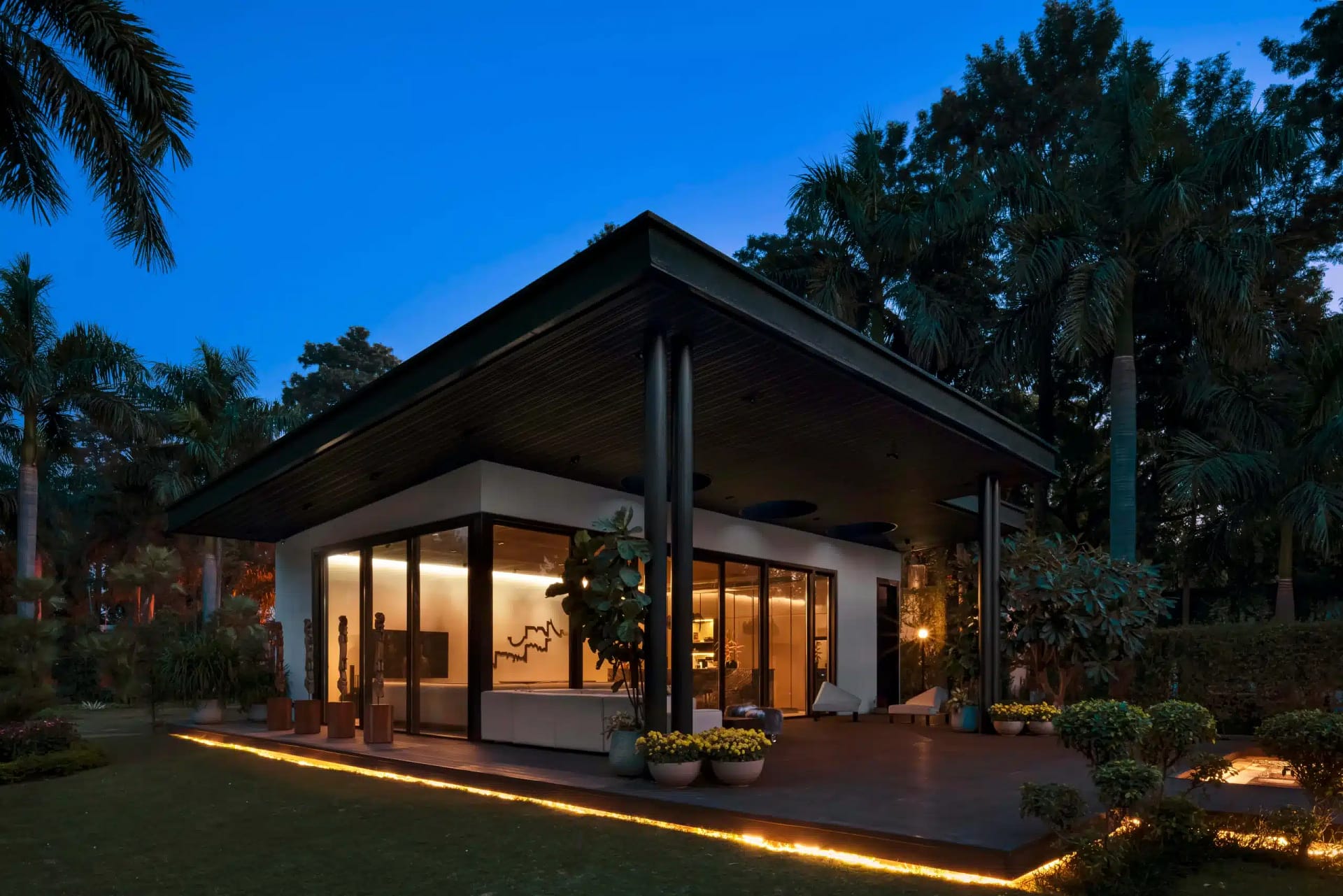
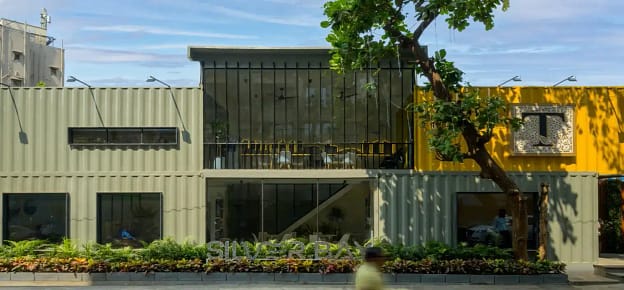
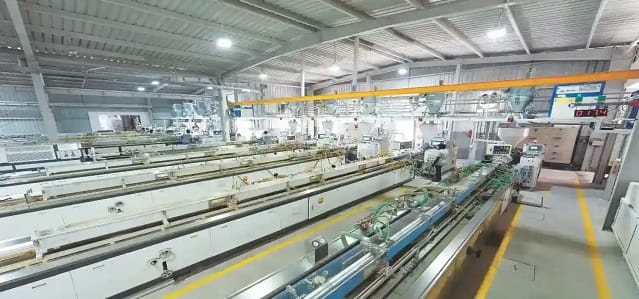
Alongside conventional construction, prefabricated methods have provided an alternative over the last decade. Prefabrication allows walls, frames, roof structures, and service cores to be produced off-site under controlled conditions. This improves precision, reduces waste, and shortens timelines. Over the past ten years, several residential projects have applied this method to overcome labour constraints, restricted site access, and tight deadlines. The use of prefabricated elements also influences façade and fenestration decisions, since openings, shading, and surface materials must align with modular dimensions and tolerances.
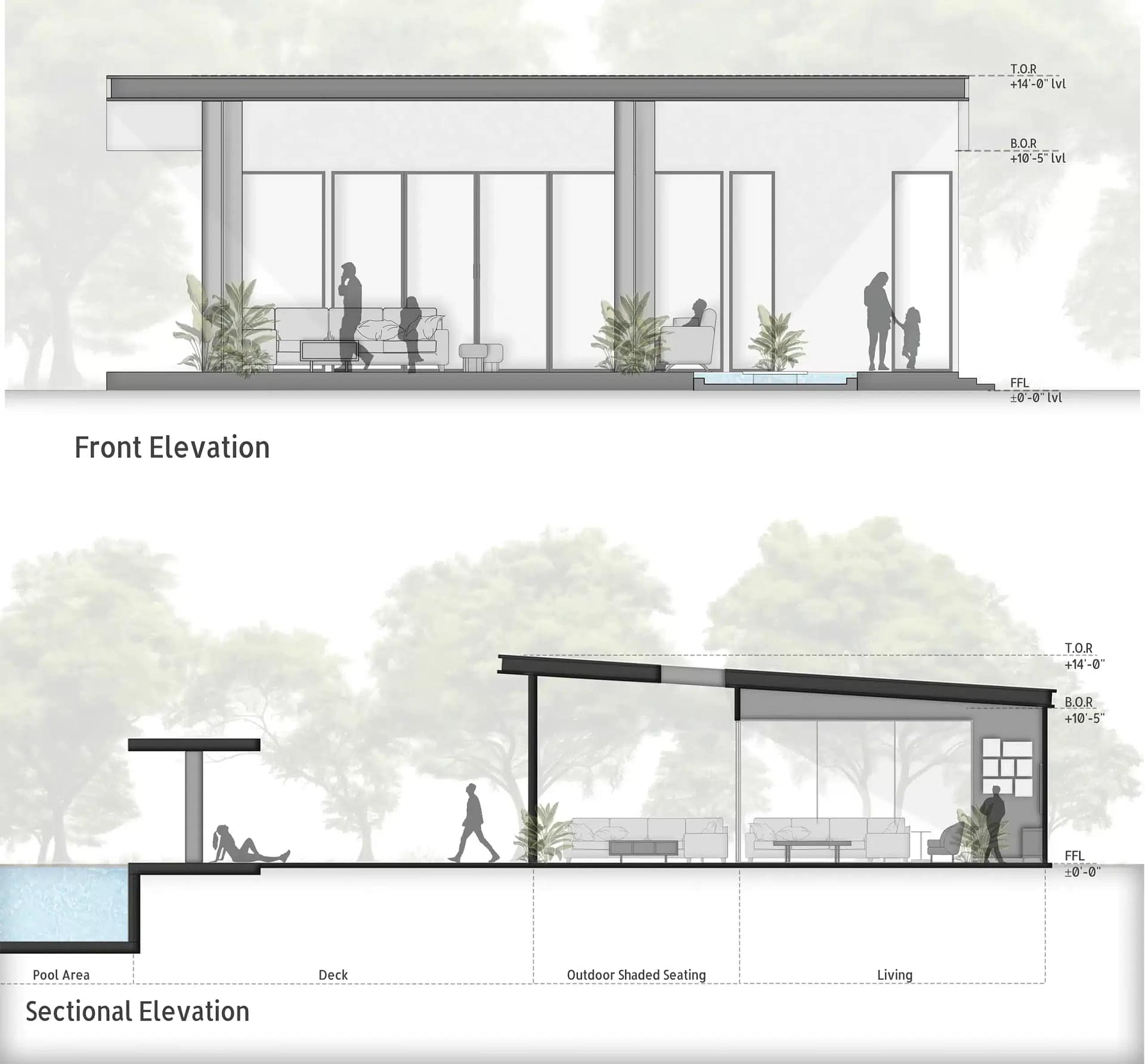
| Case Study: Pool House, Chattarpur, Delhi, India |