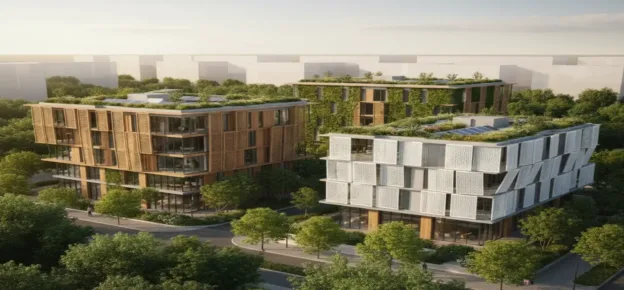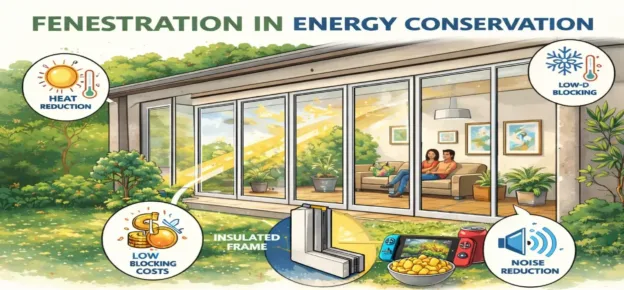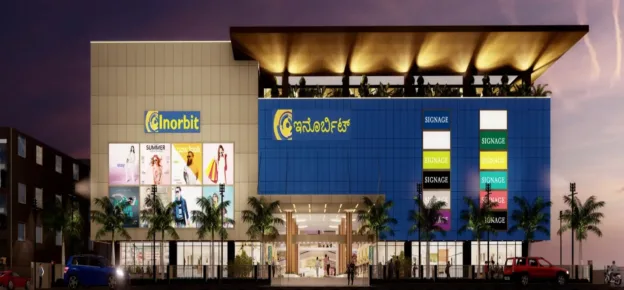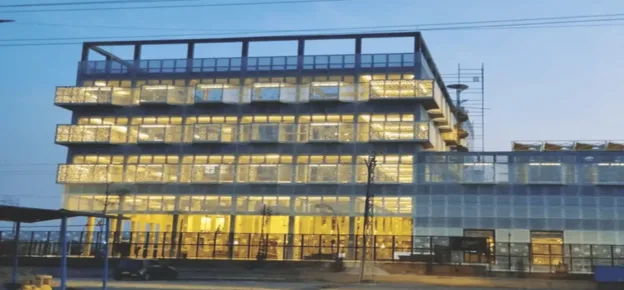

Façades and fenestrations have moved far beyond their traditional role as the “skin of the building.” Today, they are performance systems that influence energy efficiency, occupant comfort, aesthetics, and sustainability. The efficient use of glass in combination with other materials, coupled with the integration of AI-driven tools and façade automation, is reshaping how we design and build in India and globally.
This article explores three interlinked aspects: efficient use of glass, emerging technologies in façade design, and the long-term outlook for the door and window industry in India.
Efficient Use Of Glass In Façades And Fenestration
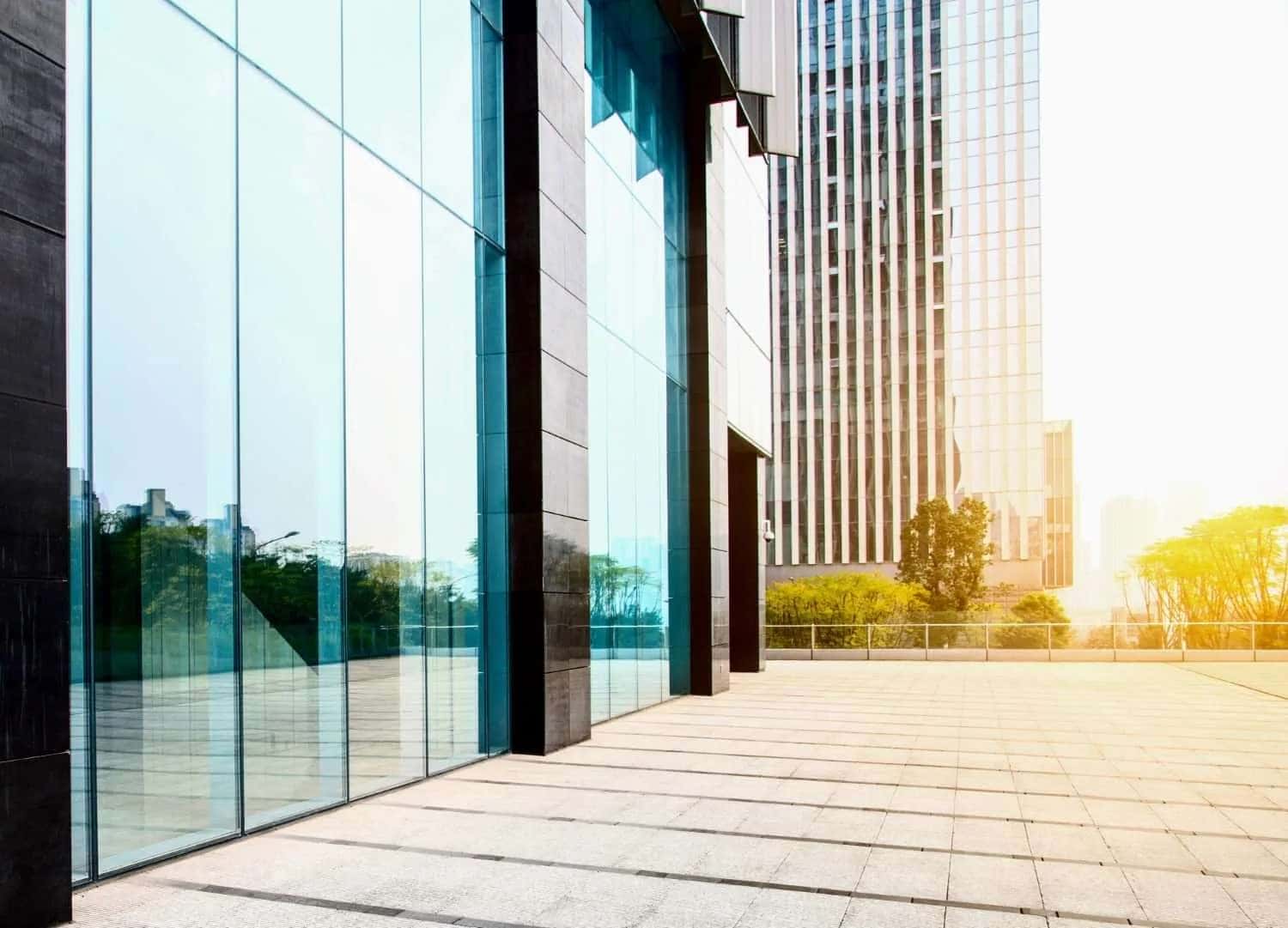
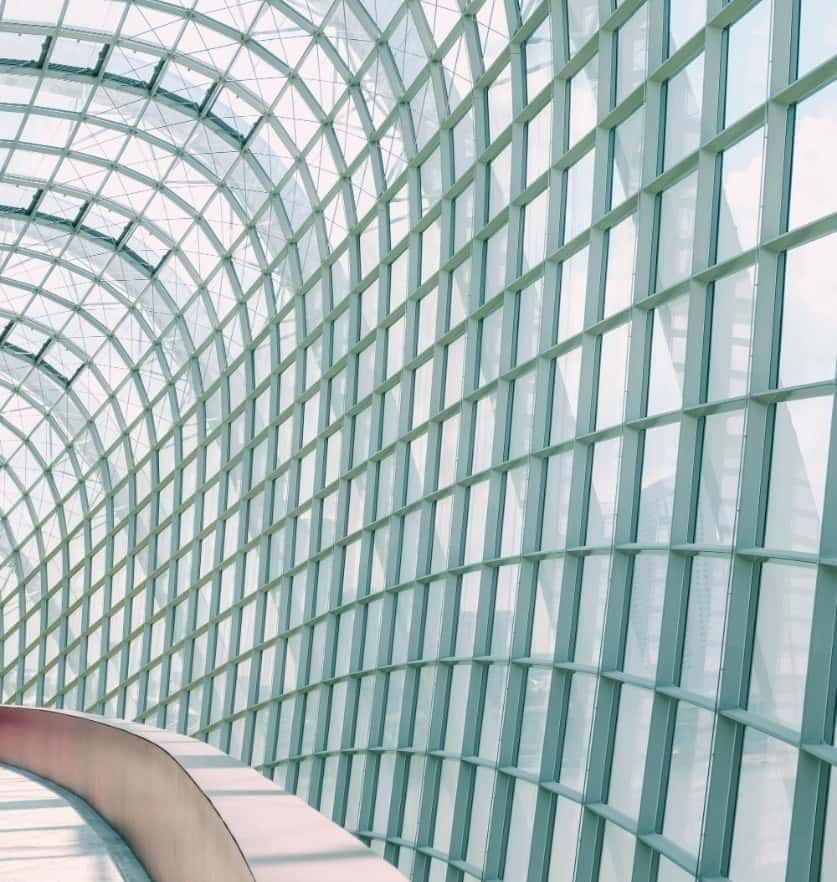
Glass remains the most defining material in modern façades. Yet, its efficiency lies not in isolation but in how it combines with complementary materials.
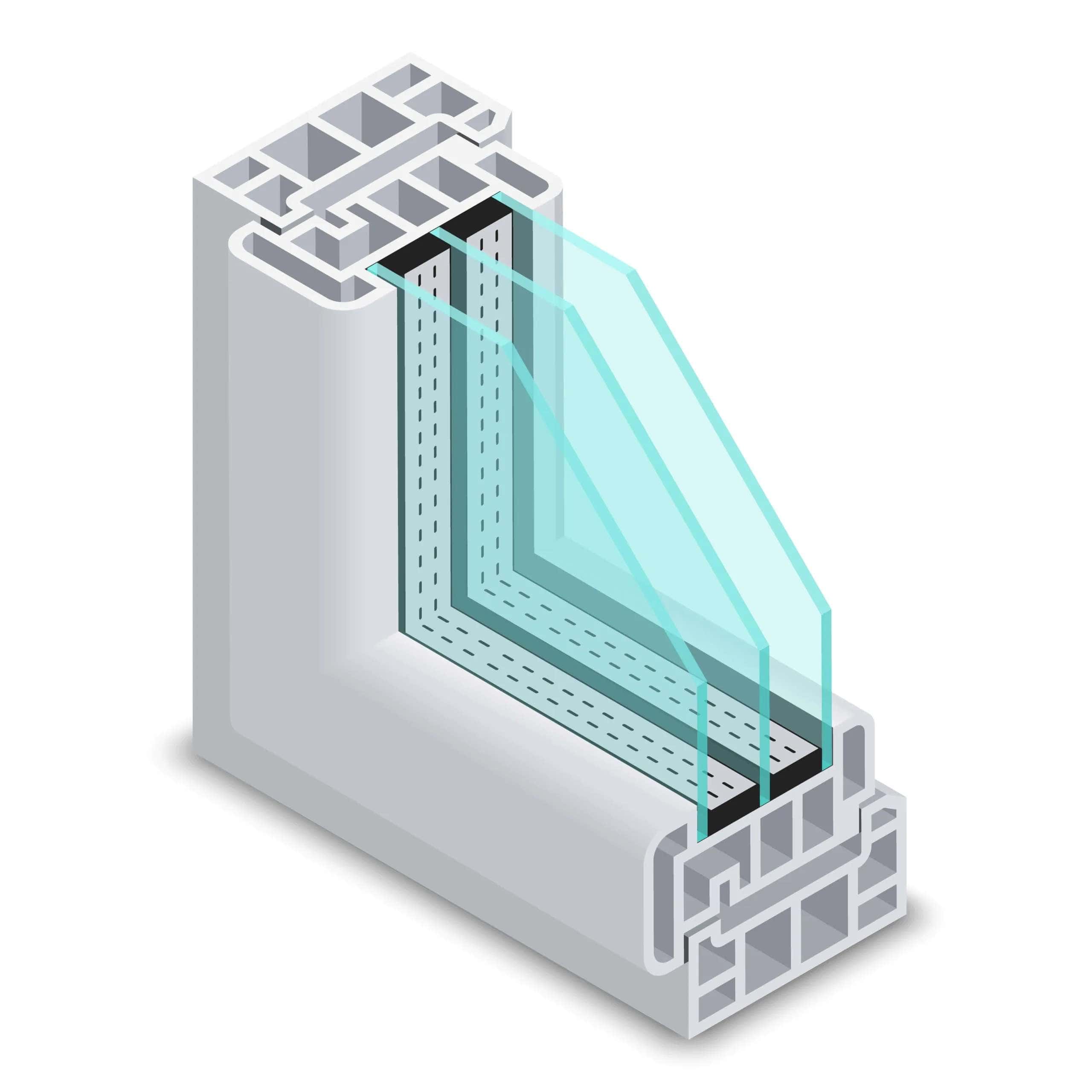
- Low-E and Solar-Control Glass: Advances in coatings reduce solar heat gain while maintaining daylight penetration, cutting down HVAC loads significantly.
- Hybrid Material Combinations: Pairing glass with shading devices, aluminium frames, or composite panels ensures optimised thermal performance.
- Dynamic Glass Solutions: Electrochromic or thermochromic glasses adjust transparency in real time, responding to external temperature and sunlight.
- Acoustic Glass Applications: In urban environments, multi-layered glass with acoustic laminates improves indoor comfort by cutting noise pollution.
The principle is clear that glass performs best when it becomes part of a material ecosystem, balancing transparency, insulation, and structural needs.
Designing With AI And Latest Design Tools
Artificial Intelligence and computational design tools are emerging as game-changers in façade engineering.
- Parametric Design Software: Tools such as Rhino and Grasshopper allow architects to simulate hundreds of façade patterns, optimizing daylight, airflow, and aesthetics simultaneously.
- AI for Performance Prediction: Machine learning algorithms can predict how different façade designs perform under varying climate conditions, offering data-backed decisions early in the design stage.
- Generative Design: AI can create multiple façade options based on inputs like solar orientation, wind loads, material efficiency, and cost. This speeds up design cycles and ensures optimised outcomes.
- Energy Simulation Platforms: Integration with BIM models enables real-time assessment of U-values, SHGC (Solar Heat Gain Coefficient), and energy savings.
The future belongs to data-driven façades where design choices are validated against performance analytics rather than just aesthetics.
Façade Automation: Smart Technologies For Performance
Automation in façades is no longer futuristic — it is here.
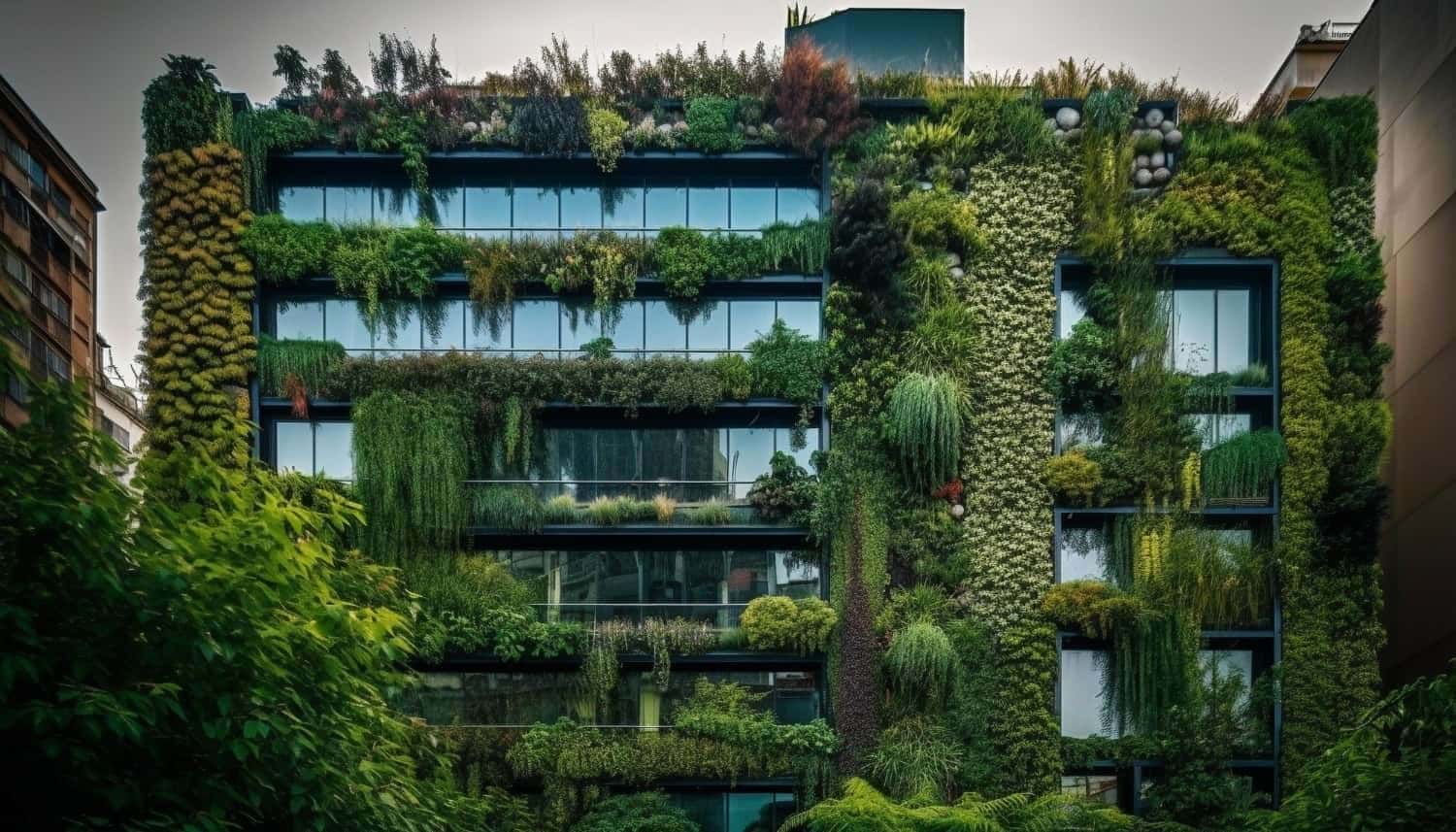
- Automated Shading Systems: Motorised louvres, blinds, or kinetic façades respond to sunlight intensity and building occupancy.
- Ventilation Control: Smart fenestration integrates sensors to adjust natural ventilation, improving indoor air quality while reducing mechanical cooling loads.
- IoT-Enabled Glass: Glass surfaces embedded with sensors track energy usage, temperature variation, and even occupant movement for adaptive control.
- AI-Based Building Management Systems (BMS): Façade performance data feeds into centralised systems, enabling predictive maintenance and efficiency optimisation.
For high-performance buildings, façade automation ensures comfort, energy efficiency, and operational reliability in real time.
Growth Of The Indian Doors And Windows Industry
India’s doors and windows industry has transformed rapidly in the past decade, driven by urbanisation, rising disposable incomes, and global design influences.
- Current Trends: uPVC Windows: Fastest-growing category due to durability, low maintenance, and insulation properties.
- Aluminium Systems: Preferred for commercial buildings due to strength, slim sightlines, and design flexibility.
- Wood & Engineered Timber: Gaining traction in premium residential projects for aesthetics and natural appeal.
- Steel & Composite Systems: Used in high-security and specialised applications.

Market Outlook (Next 10 Years)
- Expected CAGR of 8−10%, reaching an estimated value of ₹45,000–50,000 crore by 2035.
- Growth is driven by government initiatives like Smart Cities Mission, Green Building Code, and the rising demand for energy-efficient housing.
- Increasing integration of prefabricated, modular, and automated fenestration systems in large-scale projects.
- Growing emphasis on sustainability and recyclability is pushing the adoption of recycled aluminium, low-carbon glass, and bio-based materials.
Challenges To Address
While growth is promising, challenges remain:
- Lack of skilled labour for the installation of high-performance façade systems.
- Price sensitivity in mass housing is limiting the adoption of advanced glass technologies.
- Gaps in awareness among mid-tier developers about the lifecycle cost savings of energy-efficient façades.
- Industry-wide collaboration, training, and policy support will be essential to overcome these barriers.
Conclusion
The façade and fenestration industry is at a turning point. The efficient use of glass with hybrid materials, AI-powered design tools, and automation technologies is no longer optional—they are becoming industry norms.
For India, the next decade offers unprecedented opportunities. As the doors and windows industry grows at double digits, stakeholders must embrace innovation not as a luxury but as a necessity for sustainability, performance, and long-term competitiveness.
In the words of one façade engineer: “We don’t just design façades anymore; we design ecosystems that breathe, adapt, and perform.”