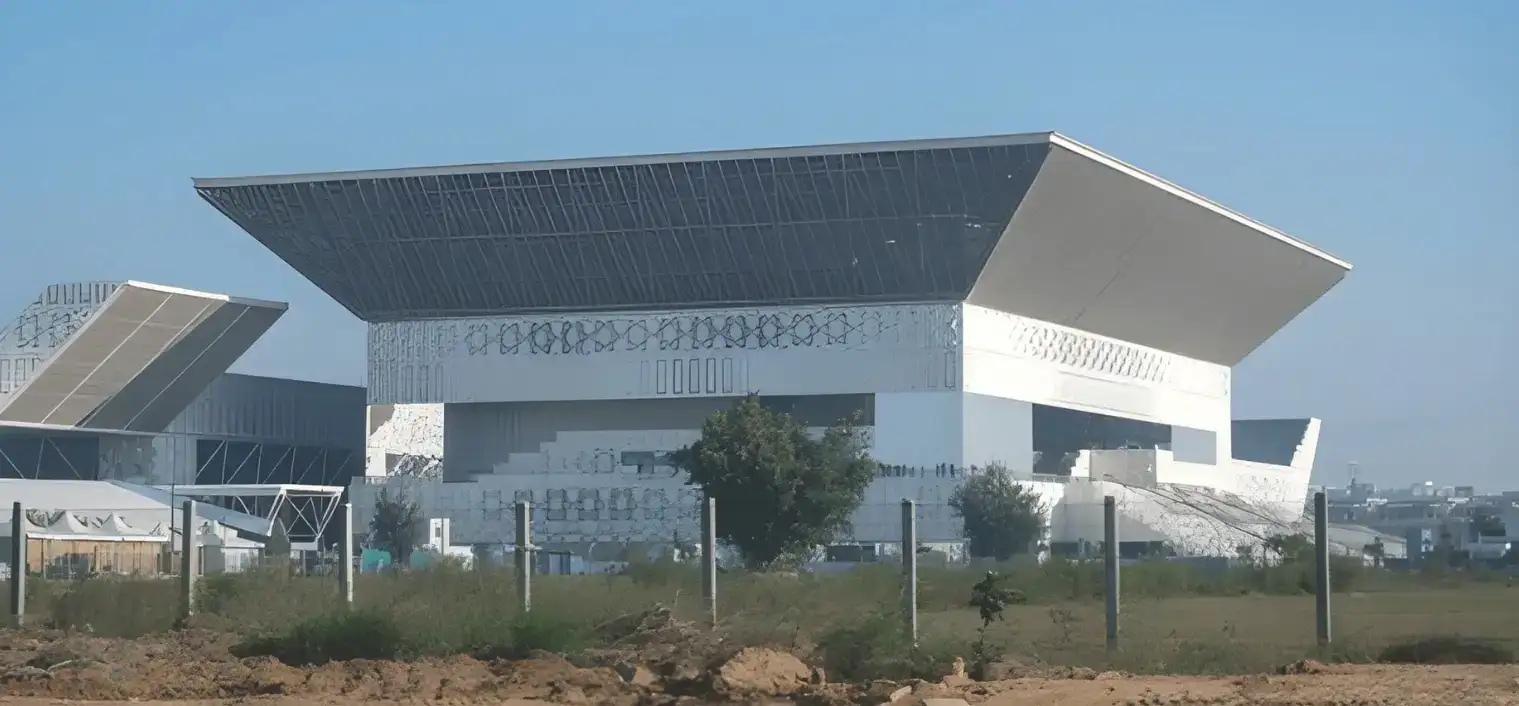

Glass Fibre Reinforced Concrete (GRC), also referred to as Glass Fibre Reinforced Cement (GFRC), is an exceptionally versatile and durable material that has become increasingly popular in contemporary façade design. Celebrated for its remarkable strength, lightweight composition, and design flexibility, GRC allows architects and engineers to bring their most creative and ambitious concepts to life. It enables the creation of intricate, elegant, and visually striking façades without compromising on structural stability or longevity. With its blend of aesthetic appeal and robust performance, GRC continues to redefine the possibilities of modern architectural expression.
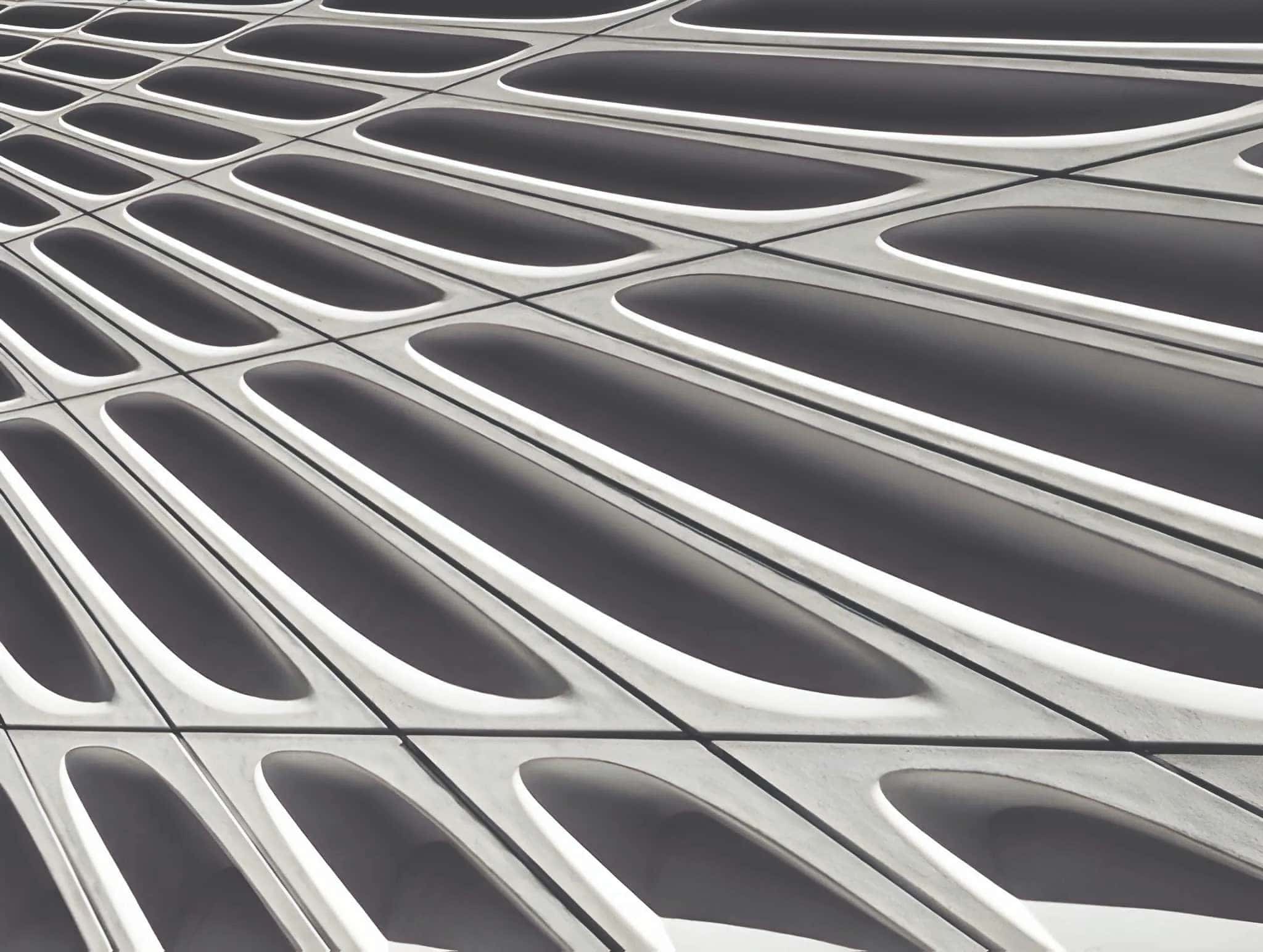
What Is GRC?
GRC is a composite material made from a mixture of cement, fine aggregates, water, polymer, and alkali-resistant (AR) glass fibres. These glass fibres provide tensile strength and flexibility, making GRC much lighter and stronger than traditional concrete. Its ability to be moulded into various shapes and textures makes it ideal for architectural façades.
Key Features Of GRC Façades
- Lightweight: GRC is considerably lighter than traditional concrete, which helps to reduce the overall load on a building’s structure. This lightweight nature not only enhances construction efficiency but also makes GRC an ideal choice for high-rise buildings and intricate architectural designs that demand both strength and flexibility.
- Durability: GRC is exceptionally resistant to weathering, UV radiation, and corrosion, allowing it to retain its appearance and performance even after years of exposure. Its low permeability further enhances durability, enabling it to withstand harsh environmental conditions such as heavy rainfall, humidity, and temperature fluctuations. This remarkable resilience makes GRC a long-lasting and dependable material for modern façades, combining strength with enduring aesthetic appeal.
- Flexibility In Design: GRC can be moulded into a wide variety of shapes, sizes, and textures, giving architects the freedom to bring their creative visions to life. Whether used to achieve sleek, modern finishes or intricate, handcrafted details, GRC offers remarkable versatility. Its adaptability allows for both subtle elegance and bold architectural statements, making it a preferred material for designers seeking to balance aesthetics with functionality.
- Fire Resistance: Being a non-combustible material, GRC offers outstanding fire resistance, making it a highly reliable choice for enhancing building safety. Its ability to withstand high temperatures without compromising structural integrity ensures greater protection for both residential and commercial developments, giving architects and occupants added peace of mind.
- Eco-Friendly: GRC is considered a highly sustainable material as it requires significantly less cement than traditional concrete, thereby conserving natural resources. Its lightweight composition not only simplifies handling and installation but also helps reduce transportation-related emissions. This combination of efficiency and environmental responsibility makes GRC an ideal choice for modern construction projects that prioritise both performance and sustainability.
Advantages Of GRC Façades
- Cost-Effective Installation: GRC panels are much easier and quicker to install compared to traditional materials. This not only helps streamline the construction process but also significantly reduces labour requirements, transportation costs, and on-site installation time, making it a highly efficient choice for modern building projects.
- Low Maintenance: GRC requires very little maintenance throughout its lifespan. Its excellent resistance to cracking, chipping, and fading ensures that façades continue to look fresh and well-preserved for years. This durability not only reduces upkeep costs but also helps maintain the building’s aesthetic appeal and structural integrity over time.
- Adaptability: GRC can be seamlessly incorporated into both modern and traditional architectural styles, offering designers and builders remarkable flexibility. Its adaptability makes it an ideal choice for a wide range of projects — from contemporary urban façades to heritage restorations — while maintaining aesthetic appeal and structural integrity.
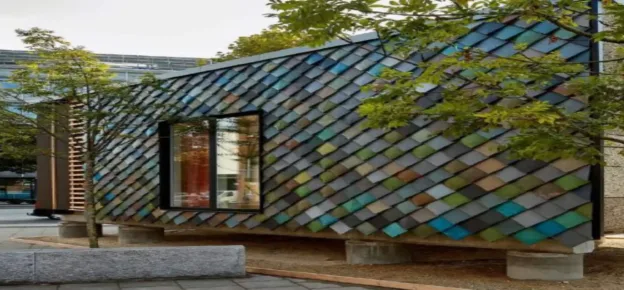
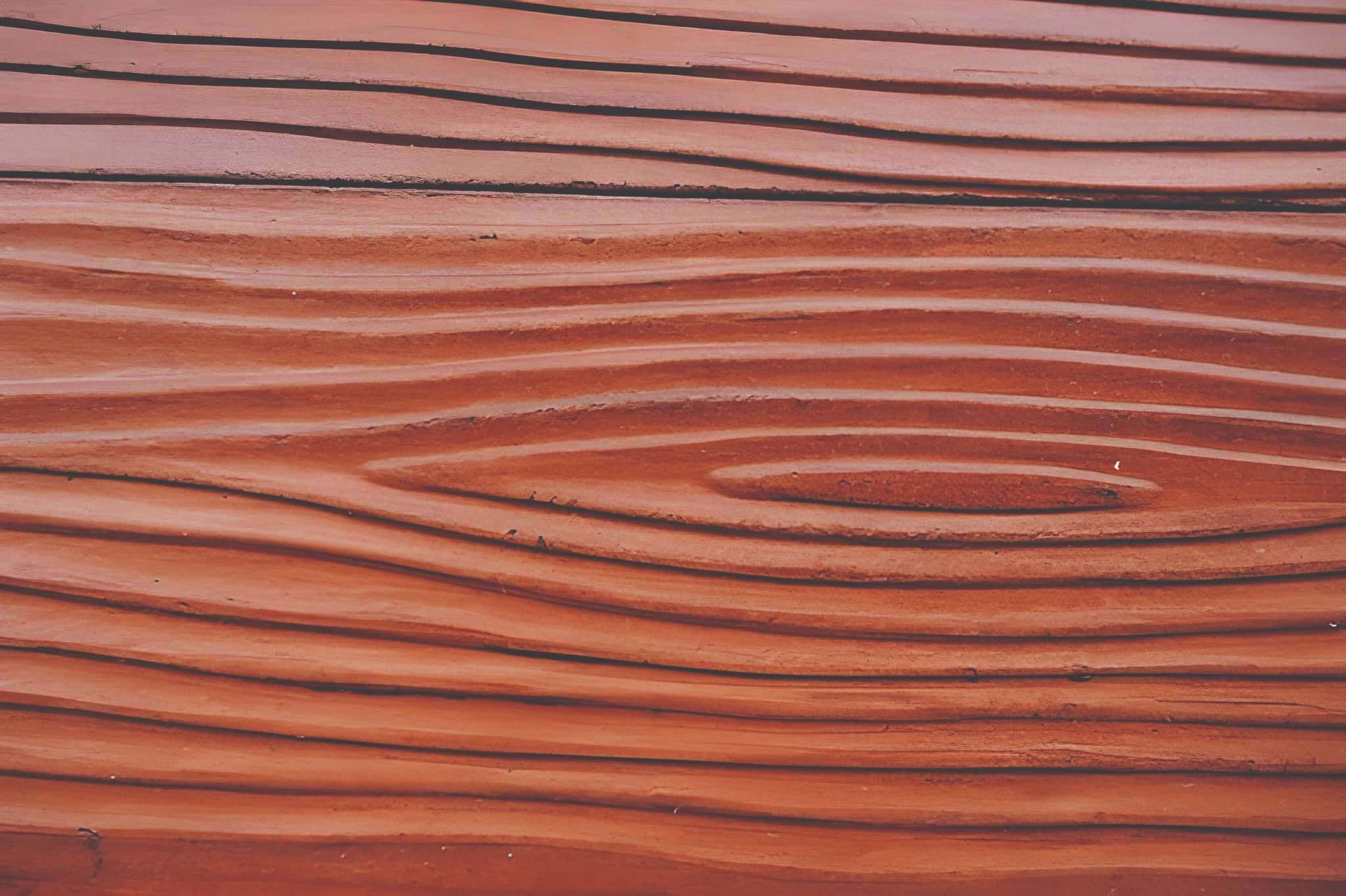
- Customisable Finishes: GRC panels can be crafted and finished to beautifully replicate the look and texture of natural materials such as stone, wood, or even terracotta. This versatility allows architects to achieve high-end, visually appealing designs while keeping costs significantly lower compared to traditional materials.
Applications Of GRC Façades
- Cladding Panels: GRC is widely used for cladding panels, adding depth and character to a building’s exterior. Its adaptability enables designers to create elegant, durable, and visually striking façades that enhance a structure’s overall architectural appeal.
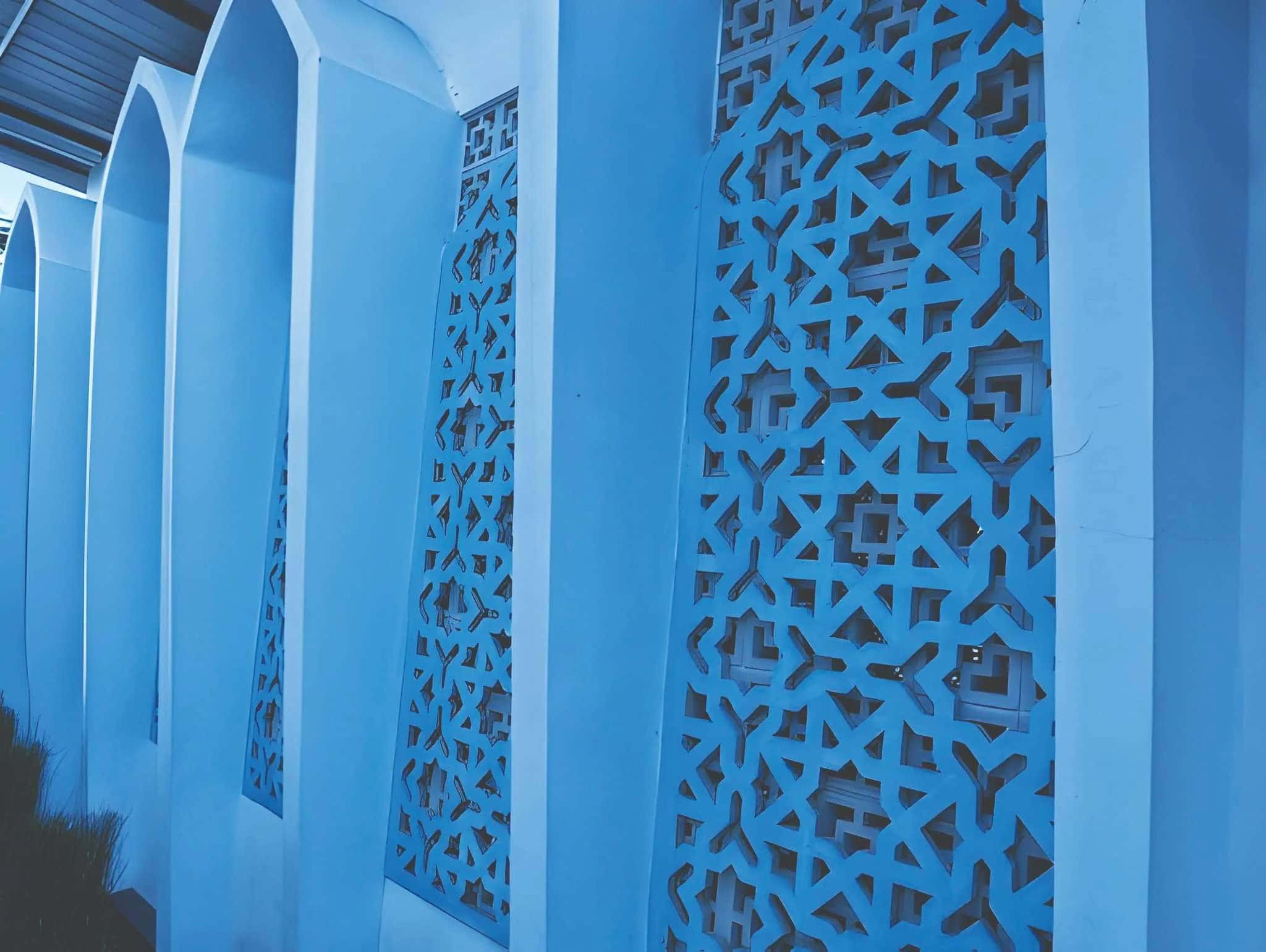
- Decorative Elements: From elegant cornices and classical columns to intricate geometric patterns and modern sculptural forms, GRC is an ideal material for crafting detailed decorative elements. Its versatility allows architects and designers to achieve both traditional and contemporary aesthetics with remarkable precision and durability.
- Restoration Projects: GRC is widely used in the restoration of historical and heritage buildings because of its remarkable ability to replicate traditional architectural details, intricate mouldings, and authentic textures. Its versatility allows designers to preserve the original charm and character of old structures while enhancing their strength, durability, and longevity for future generations.
Conclusion
In conclusion, Glass Fibre Reinforced Concrete (GRC) has truly transformed the landscape of modern façade design by uniting strength, versatility, and sustainability in one remarkable material. Its lightweight yet robust composition allows for greater design freedom, enabling architects and designers to push creative boundaries without compromising on structural performance. From sleek, futuristic high-rises to carefully restored heritage buildings, GRC offers unparalleled adaptability, effortlessly blending functionality with aesthetic sophistication.
Moreover, its eco-friendly attributes-such as reduced material consumption, energy-efficient manufacturing, and recyclability-support the growing demand for greener and more responsible construction practices. The ability of GRC to mimic natural stone, metal, or intricate sculptural forms also enhances its appeal in both contemporary and traditional architectural expressions.
As urban environments continue to evolve towards smarter, more sustainable and visually engaging spaces, GRC stands at the forefront as a material that embodies innovation and resilience. It not only enriches the visual identity of buildings but also contributes meaningfully to the longevity and environmental responsibility of modern architecture. In essence, GRC represents the perfect harmony between art, technology, and sustainability—shaping façades that are as enduring, expressive, and inspiring as the vision behind them.