


10-50% Of The Energy Loss Of A Given Space Occurs Through Its Windows & Doors, 90% Of The Energy Lost Through Windows Is Through The Glass Itself
What Is Meant By A Sustainable And Efficient Fenestration?
Any fenestration element that is built with sustainability as a core standard can be referred to as sustainable fenestration. It should ideally be designed to reduce the carbon footprint, manufactured using renewable energy, eventually recyclable using circularity, contribute to the entire building by reducing the energy consumption and most importantly, last for the entire life cycle of the building.
The key factor guiding the building energy efficiency is the optimal envelope and thermal performance. The building envelope and its openings act as a filter that regulates the energy flow between the interior space and the external environment. An accurate assessment of the building’s orientation at the master planning stage and that of the elements of the envelope based on their thermal performance will aid optimal sizing of systems for comfort and efficiency of its inhabitants. A holistic perspective will be to look at the entire building and not just the fenestration. The envelope would decide the aesthetic vocabulary of the design in the context in which it is set. In addition to the above, the material should limit carbon emissions, be easy to maintain while securing the building, and, of course, be cost-effective.
Talking About The Door Window Evaluation, What Should Be The Ideal Wall-To-Window Ratio?
Window Wall Ratio (WWR) plays a critical role in sustainable design. The ideal ratio should be 60:40 with 60% of glazing and 40% of walls.
This parameter must be addressed early in the concept design stage, which will also determine the perspective of the building. The orientation of the building will define the number of openings and built volume. Ideally, the building must be oriented in the north–south direction, thus achieving a solar passive building. This helps to reduce the heat transmission and achieve energy savings by reducing cooling loads by 15% to 20%. In case the buildings are not oriented in north south direction due to the profile of the site, then the envelope must be so designed to use solar shading devices.
For example, one of our designed projects, the Prestige Skytech, IT Park in Hyderabad, which is USGBC Gold rated (V4), and IGBC platinum, is oriented in the east-west direction due to the linear profile of the site. We introduced horizontal fins that are about 250mm deep as solar shading devices. This reduced the WWR to 40% and achieved an energy saving of 17%.

How Can We Improve Acoustics Through Proper Design & Installation Of Doors & Windows?
In our line of business -that is, architectural design, “Acoustics” is defined as the quality of sound in the environment we design for the end users. Elements that we design should be soundproof, i.e. create less noise or should be treated, to enhance the quality of sound.
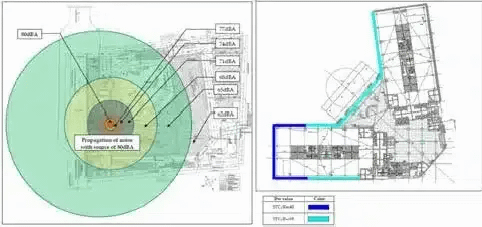
Being in an environment with inadequate acoustics can be extremely unpleasant, affecting the comfort of a space, behaviour patterns and even productivity. Improper design & installation of doors and windows can greatly reduce the acoustics. At times, due to faulty installations, we see slit-shaped gaps in building elements such as doors or windows, which are apt to deteriorate the sound insulation performance of the wall system. To reduce sound energy transmitted through these parts, one of the practical measures is to place sound absorption materials inside the gaps. The other way is to address it in the design stage itself by installing double-paned soundproof glass along with an airtight framework. This works towards blocking sound. Apart from blocking noise, soundproof glass also increases thermal comfort, is easy to install and maintain, provides UV protection, and reduces the amount of dust entering inside your home or office. It also reduces a lot of noise that tends to sneak into your space through doors. To eliminate sound leaking through a single pane of glass, consider adding a second pane of laminated glass.
Use glass that is at least 1/4 inch thick and separate the two panes as far apart as possible. Make sure your alterations do not compromise fire codes, and again compare the costs to installing new window units.
How Can We Improve Thermal Comfort Through Effective Fenestration?
Achieving an optimal thermal comfort is still a challenge. Primarily because the main deterrent is the rapidly changing climate, which makes it necessary to continuously research and evolve design & construction techniques to achieve this.
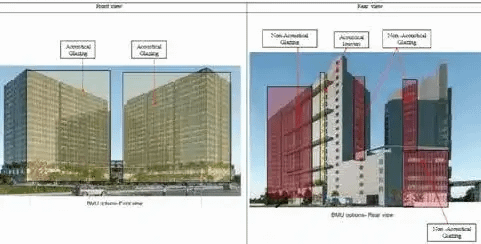
Glass or glazing is a fenestration element often used to scale down the quantity of energy or heat gain transmitted through it, especially in cases where external shading devices are inappropriate to the design vocabulary or rescind views & vistas that should have been preserved. In such cases, we can use toned glass, low-emittance glass or double-pane glass. Alternatively, we can also use reflective coatings, which ought to be affixed professionally, though.
Toned glass incorporates a tint applied to the glass to scale back the quantity of heat transmitted through it. They tend to stop greater amounts of heat gain. Low-E glass is essentially a standard clear glass with a microscopic, transparent coating on its surface that is better at reflecting heat than the glass itself, creating a composition that has a lower emissivity than standard glass. Combining Low E with multiple panes of glass increases energy efficiency even more.
While these are the standard methods, there is a serious breakthrough in glazing technology that can take energy performance to a different level. These include electrochromic glass, Aluminosilicate glass, building-integrated photovoltaic and phase-changing materials.
What Is The Role Of Door & Window Materials In Energy Conservation?
It is understood that 10-50% of the energy loss of a given space occurs through its windows and doors, and that 90% of the energy lost through windows is lost through the glass itself.
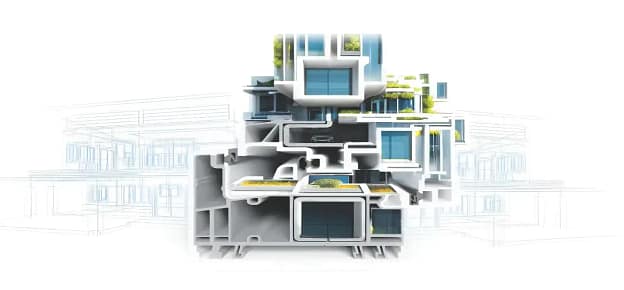
While some windows and doors are better at keeping you warm, others excel at keeping you cool. So, if we consider the question of what makes the window or doors energy efficient, the first thing is to analyse the anatomy of the unit. The performance criteria for doors and windows are based on the amount of glass they have (called glazing level).
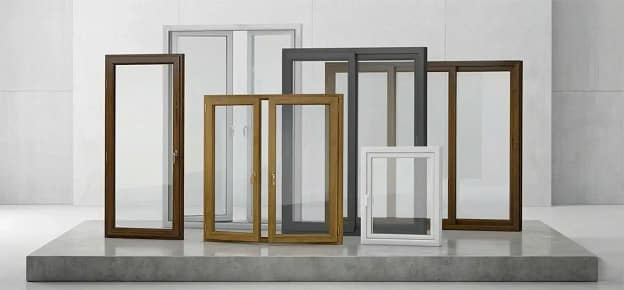
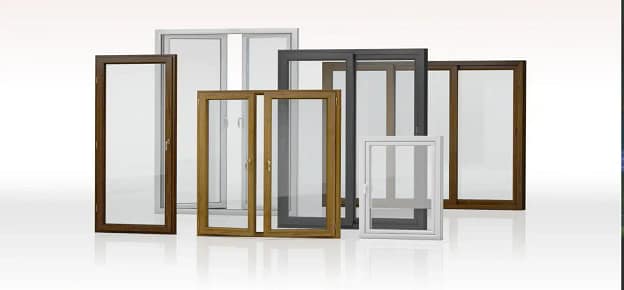
The type and quality of the material used for the frame – could be wood, fibre glass, vinyl, aluminium, composite or a combination, area of the frame to the glass, number of panes (if this is multiple pane, the better), type of glass – it is toned or Low E, type of gas fills used like argon, krypton, and of course type of spacers which keeps the glass panes apart.
Some of these spacers insulate the pane edges, reducing heat transfer. Also, frames with a magnetic strip create a tighter seal that reduces air leakage around the edges.


Please Explain The Performance Evaluation Of Different Door Configurations To Enhance Energy Conservation. Are There Any Tools Used For The Same?
The energy performance of a building depends on how a building has been designed from an energy efficiency perspective and how well the system integration issues have been addressed. The way a building behaves and performs is governed by envelope design (walls, windows, doors, roofs, etc.), selection of building materials, and design and selection of building systems (lighting, cooling, heating, ventilation, etc.) to meet the thermal and visual comfort of occupants and other functional requirements.
The selection of doors is purely based on the functional requirements of that particular space.
They definitely contribute significantly to air leakage and can also waste energy through conduction, especially if it’s not properly designed, improperly installed, and/or improperly air sealed. In a space like a mall or commercial office lobby, wherein there is high footfall or traffic, adding a foyer design to the swing doors or revolving doors will help in energy conservation.
It is also important to consider buying the most energy efficient doors during the procurement process, and for this, it is important to first consider their energy performance ratings in relation to the local climate, material, building and other key parameters.
Design Tools For Planning Efficient & Optimal Fenestration: Modern office building designs tend to increase the window share per façade to make the building more impressive with extensive visibility and well-lit rooms. In general, an increased window shares results in higher energy usage and higher costs of heating and cooling, but these disadvantages can be reduced with a more careful design.
For Planning Efficient & Optimal Fenestration, there are various tools, softwares and tests, including Energy Simulation of buildings to analyse the Orientation, Wind, Sun path, daylight and envelope. This helps to reduce and optimise the fenestration. There are also software and tools such as Quest, Energy Plus, EDGE and open Studio to help us in this. The manufacturers also undertake Curtain Wall Air Permeability Test and Curtain Wall Water Tightness Test to ascertain the Permeability and weather performance.


Please Brief On Effective Glazing & Types Of Glass For Best Performance. What Is The Impact Of Types Of Glazing On Energy Conservation?
Energy efficiency is a critical part of sustainable design. Modern architecture uses a lot of glass to create magnificent, awe-inspiring structures, ushering in a lot of natural light. Energy-efficient glazing has its applications in residential buildings as well as commercial enclaves. Specially designed energy-efficient glass is available in the market, manufactured specifically to achieve sustainable running costs for commercial infrastructure. Numerous studies have proved that humans have an un unrelenting need to experience ample daylight regularly to stay productive.
Hence, energy-efficient glass is fast becoming irreplaceable as a prime material for office buildings. There are broadly three types of high-performance glass:
-
Low-E Glass
Low E Glass has exceptional thermal insulation properties. It only allows solar light to pass through while reflecting away most of the scorching heat. This type of high-performance glass also protects the interiors of your buildings from harmful ultraviolet (UV) and infrared (IR) rays. Low-E glass provides enhanced thermal comfort in all types of weather conditions
-
Solar Control Glass
This is a special oxide-coated glass that transfers less solar heat as well as glare from entering inside. While it reduces solar glare and heat, it does allow ample natural light to pass through. Solar Control glass is suitable for conservatory roofs, malls, showrooms, glass façades, and educational institutions. These places are mostly operational during the day and can utilise natural light for heightened productivity with the help of energy-efficient glass.
-
Solar Control-Low E Glass
Low-E glass tends to trap more heat inside that can lead to overheating, especially when directly under the solar glare. In such cases, using the low-E glass or solar control glass independently may not be enough for glass façades with prolonged exposure to direct sunlight. Solar control-low E glass blocks the solar radiation and also provides the optimum amount of thermal insulation without overheating or overcooling the interiors.
How Do You Select The Right Type Of Glazing For Your Windows?
Windows can make or break a building’s thermal performance and energy efficiency. First, you need to understand the realistic needs of the project and the climatic setting of the site. You can add every available characteristic and property to your windows, but this usually turns out to be an exaggerated and costly move that won’t benefit the final product in any significant way. In fact, you could choose different types of glass for every specific surface, but the project might end up being more complicated than necessary.
Solar rays emit both heat and light energy. In areas with stronger sun exposure, it’s important to avoid the overheating of the structure while at the same time allowing light to enter. For this, you should research glass selectivity, including the double or triple layer, choosing a glass fixture that filters and “selects” the specific percentages of light and heat that will enter the interior space. The more selective a glass, the lighter and less heat it will let pass through.

Please Brief On The Pros And Cons Of Using Solar-Controlled Glass & Self-Cleaning Glass?
Solar Controlled Glass:
Pros:
- It reduces the heat gain in the room.
- Solar glass can be tinted and patterned based on your preferences.
- The exterior part of this glass can be mirrored, making it reflective.
- It is versatile in nature as it can be laminated, tempered, and insulated.
- This glass is eco-friendly, so if you love conserving energy, this is an ideal choice.
Cons:
- Solar glass absorbs heat to cause overheating.
- In cold-climate countries, this may not be an economical option. This is because it restricts the entry of heat waves.
Self-Cleaning Glass
Self-cleaning glass is known to have its own quirks and is highly suitable for some selective projects. There are some situations where one will be best off with a different type of solution.
Hydrophilic glass encourages the breaking down of dirt, hence washing down water. The chemical reaction gets activated by UV light. Also, windows dry quickly after a rainfall.
Pros and Cons
Self-cleaning glass has been considered to be an ideal choice for areas that are hard to reach, which include roof lanterns, skylights and porch roofs. It contributes to decreasing the amount of maintenance. But as per an experienced emergency glazier in London, these glasses need to be rinsed with pure water occasionally. Self-cleaning glass is recommended for awkward areas that are difficult to reach, such as areas on the roof. The little bit increased cost of self-cleaning glass is also a big factor. One may expect to increase the price by up to 20% on the price of double glazed unit. One needs to research cleaning detergents to be used, as the coating may get stripped or dissolved away.
What Are The Key Factors To Consider While Selecting Hardware For Doors?
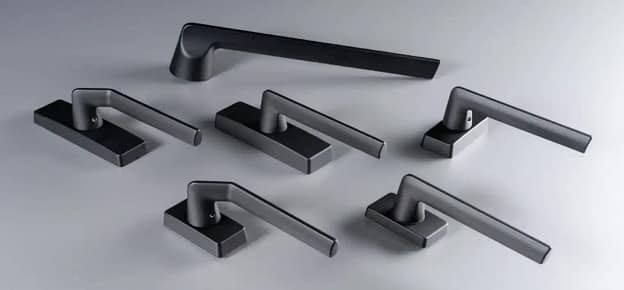
Doors and door hardware have never received much attention during the design process of new or renovation projects. Beyond making certain that the selection meets minimum functionality and code requirements, more attention is usually paid to the aesthetics and finish of the door and its hardware than to how well they will function over time. Today, Doors and door hardwares no longer simple, low-cost components. They are now expected to perform more functions beyond simply looking good and locking. Selection of hardware is based on the style of the door, its purpose, weight, size & height of the door.
Door and door hardware selection goes beyond simply matching components to the needs of the facility. It should also take into consideration the costs associated with maintaining what has been installed. Failure to consider maintenance requirements will result in staff spending too much time and money trying to keep doors and door hardware functioning as they are supposed to. Consider that poorly or improperly functioning doors and door hardware can easily compromise building security and the safety of the occupants. Additionally, they can negatively impact a building’s energy use. What’s more, they can cause damage to surrounding building components, including floors and walls.
What Are Your Views And Thoughts On Future Of Fenestration Technologies?
Fenestration of today is continuously being developed into the fenestration of tomorrow, hence offering a steady increase of daylight and solar energy utilisation and control, and at the same time providing a necessary climate screen with satisfactory thermal comfort.
- Addressing the Building Envelope: Reducing the amount of energy that is lost through the building envelope is an important way of improving its efficiency and creating a more cost-effective and comfortable internal environment. As all buildings have the potential to lose energy through doors and windows, the fenestration package has a direct effect on thermal efficiency as well as other vital areas such as daylighting and natural ventilation. But not all windows and systems are the same, and understanding the long-term benefits or limitations of a chosen product is key to designing school facilities that are built to last.
- Understanding U-Values: When it comes to U-value ratings, less is more and the lower the figure, the more heat is retained. The U-value of a window system is dependent on a number of factors, including the frame material, the type of glazing and the use of a warm edge spacer bar, which provides the space and insulation between the two or three panes of glass.
- Background Checks: Reducing the amount of energy that is lost via windows and doors can make buildings easier to heat and, as a result, can significantly lower fuel consumption and costs. However, it’s not just about how well a product performs, and any green credentials can be easily tarnished if significant waste and carbon have to be generated before the specified system even makes it to the site. By looking at the lifecycle of a product, from its manufacture and transportation to its operation and disposal, specifiers can get a much clearer picture of how sustainable a product really is and how its use will truly impact the overall carbon footprint of a scheme. A good benchmark is checking if a manufacturer holds an accreditation, such as BRE Global’s BES 6001 standard, for the responsible and sustainable sourcing of aluminium extrusions.
- Design Flexibility: Although energy efficiency may be a universal requirement within the education sector, any solution must also offer design flexibility. After all, education facilities come in all shapes and sizes, and many projects require specifiers to look at improving older buildings as well as delivering new-build schemes. The inherent strength of aluminium windows and doors allows them to accommodate much larger expanses of glazing within much sleeker and slimmer frames. This not only helps to maximise the amount of natural light but also creates an aesthetic that is appropriate for both old and new building types. Bespoke colours and finishes can also be created by powder coating the frames. As this is a process where waste and carbon emissions can be generated, it is always worth considering a local manufacturer who can offer this service in-house to reduce transport costs and potential risk.