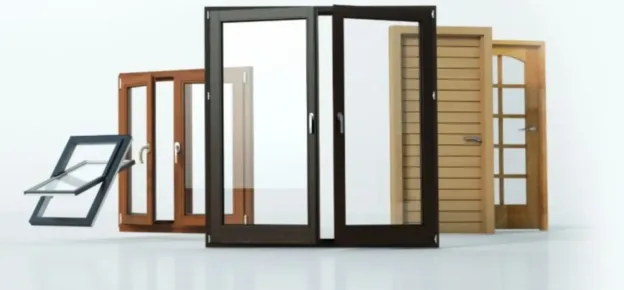

What is window/ facade glazing, and why is it important? Windows are openings provided in the building façade to admit light and ventilation in the interiors and for viewing the exteriors. Windows serve both aesthetic and functional requirements.
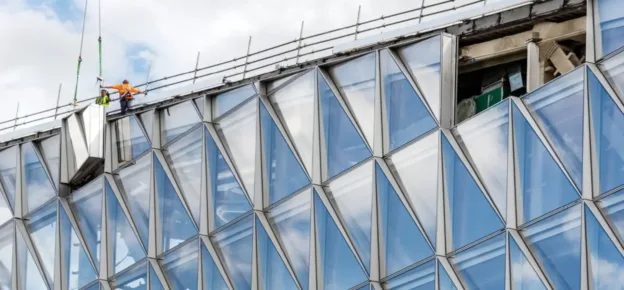
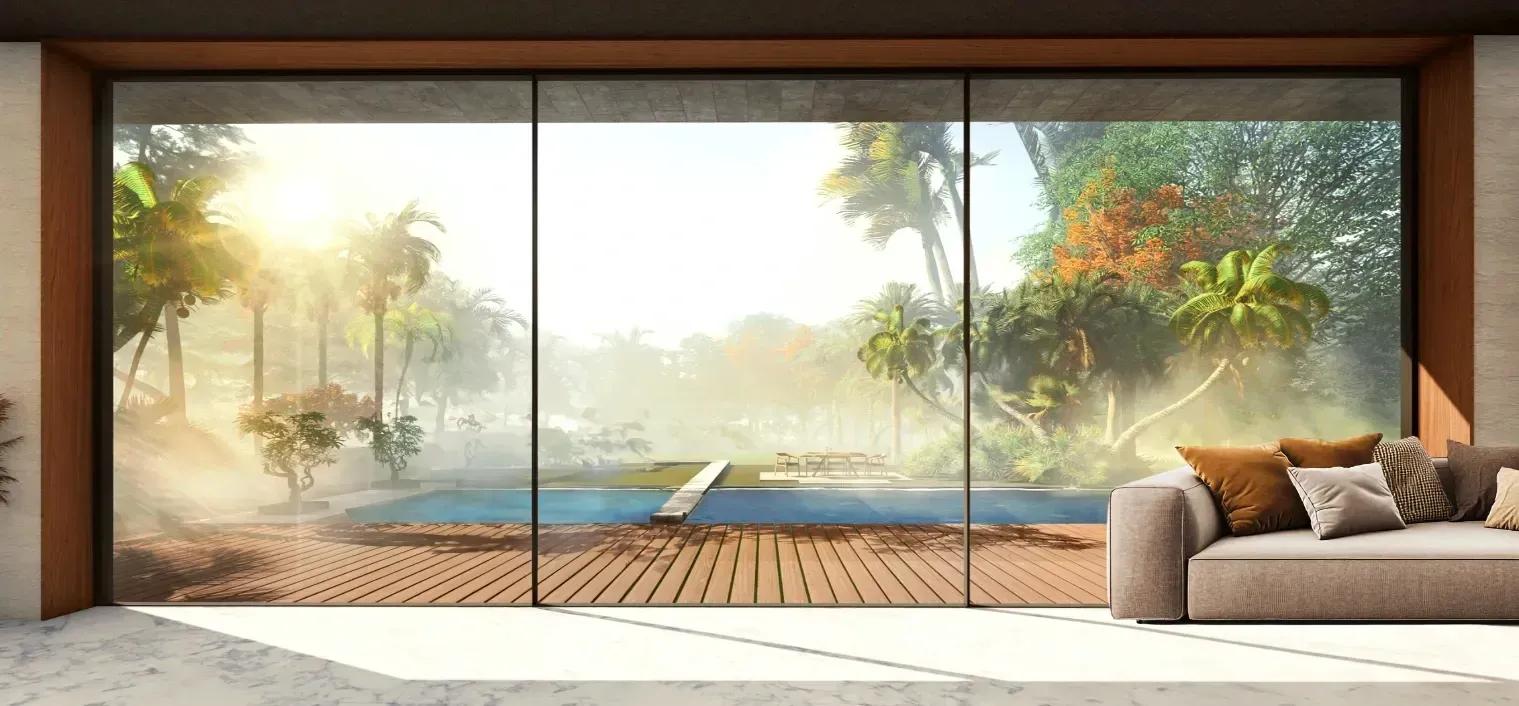
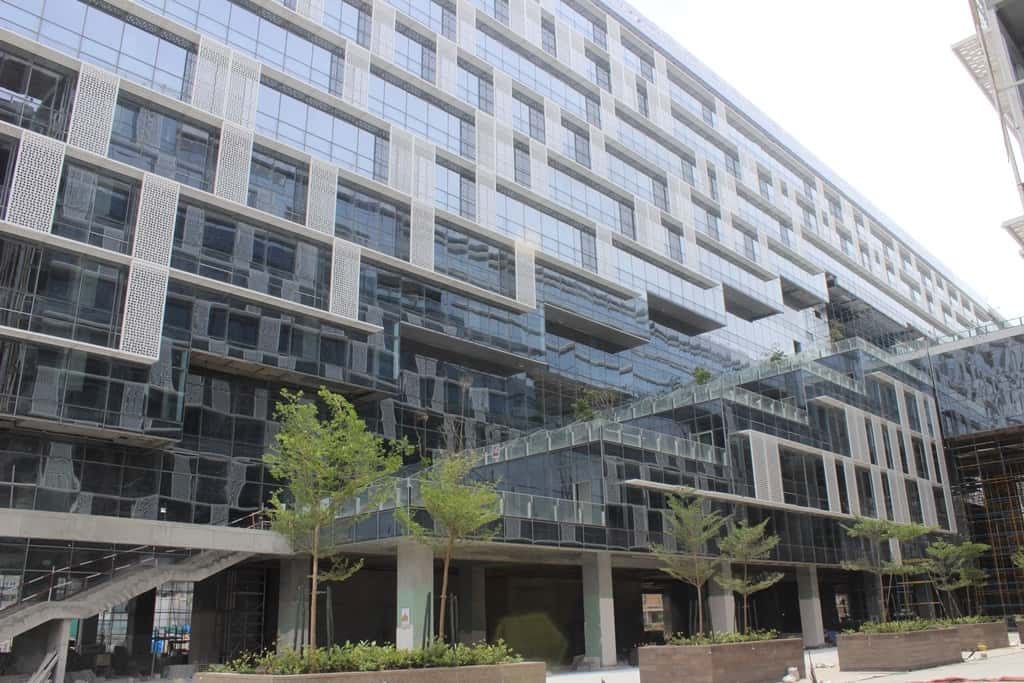
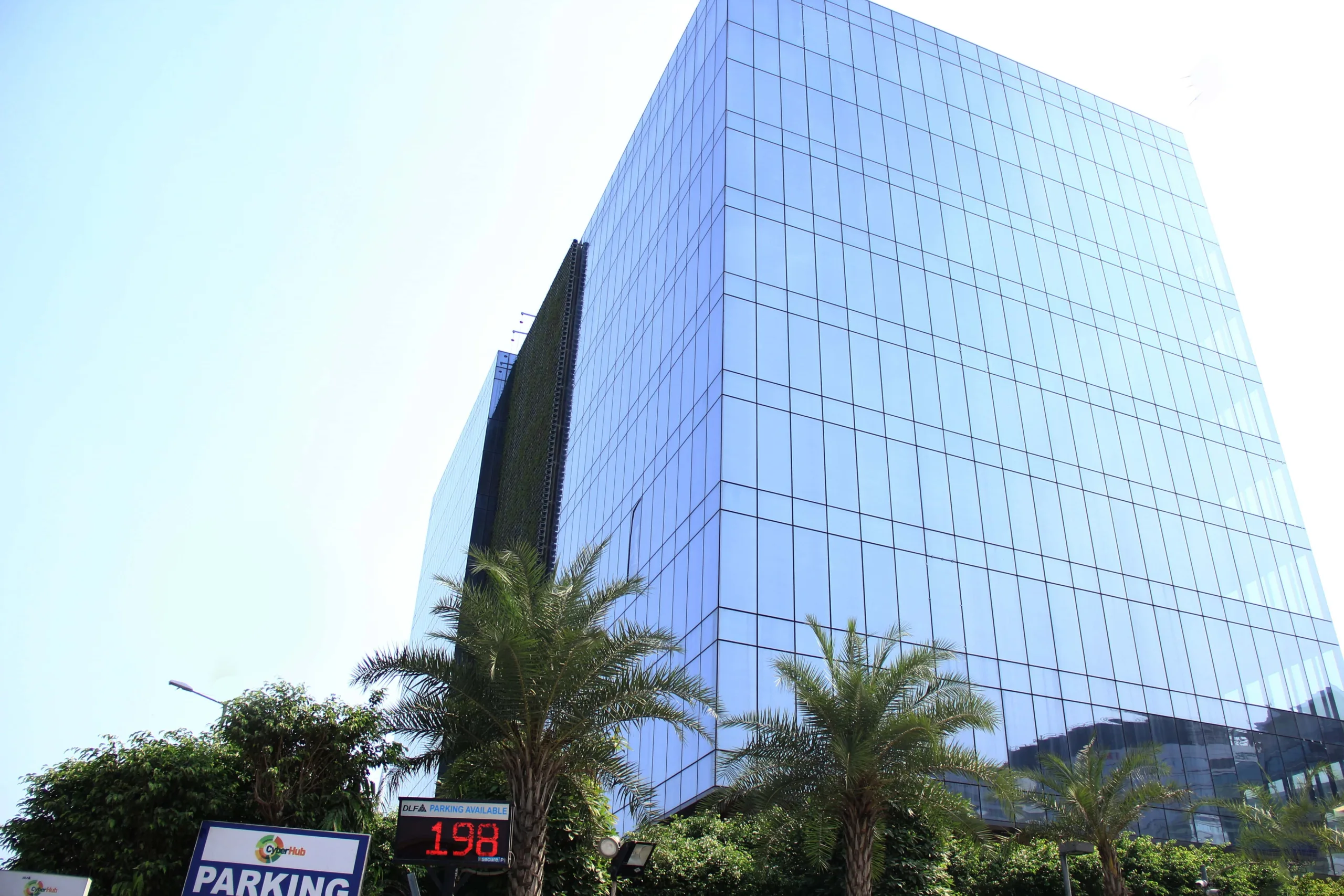
Façade glazing is used to cover large openings on the building envelope or even entire facades. These are in the form of a non-load-bearing skin to the building, comprising framing systems and glass. It is a highly customisable solution and many different forms can be created with façade glazing to impart an innovative aesthetic.
Building aesthetics, solar control, thermal comfort, glare, sound control, and the ability to withstand wind and seismic conditions are some of the key factors that influence the type, design and placement of windows and façade glazing.
Please Brief On The Difference Between Tempered Glass, Wired Glass And Laminated Glass, And Their Use In Projects?
An annealed glass that has been heat-treated to induce a high surface and/or edge compression is called tempered glass. Tempered glass is approximately 4 to 5 times stronger than annealed glass of the same thickness. Also, if broken will fracture into many small pieces. Wired Glass is also regarded as safety glass. In this, the panel is reinforced with steel wire mesh to make it more fire-resistant and durable as compared to float glass. If the glass breaks due to impact, the pieces of glass are held by wire reinforcement in position. In a laminated glass, two or more panels of glass are permanently bonded together with one or more interlayers. If the glass breaks, it adheres to the interlayer.
NBC 2016 – Part 6 – Structural Design, Section 8 – Glass and Glazing – 6- Fire and Loading and 7-Safety related to Human Impact recommends safety glass type as per application.
How Can We Enhance The Thermal Performance Of Glazing?
Windows can severely impact the heating and cooling loads of a building. High-performance glazing and window systems aim to reduce window heat loss in winter or solar heat gain in summer. This is done through innovations in the glazing and framing system. The use of high-performance glass, such as solar control glass, has a low solar heat gain coefficient, which reduces the radiative heat gain in the building. Low-e glasses in double-glazed units have a much lower U-value, thus offering better insulation from harsh outdoor temperatures. Further, insulated frames such as uPVC and thermally broken aluminium frames are also used to minimise thermal bridging through the framing system.
How Can We Manage Glare By Using The Right Design And Glass?
lluminating Engineering Society (IES) defines glare as one of two conditions:
- Too much light;
- Excessive contrast, meaning the range of luminance in the field of view is too great.
An optimum amount of daylight is desired in a space. This leads to occupant visual comfort, well-being and better productivity. To control too much light, measures such as window shading devices like overhangs, wing walls, horizontal and vertical louvers, dynamic shading devices, internal shading like curtains, blinds and louvers are used.
The use of high-performance glass with an optimum visual light transmittance value is recommended. Additionally, daylight simulations can be done to analyse the luminance and luminance levels in space through various metrics like Daylight Autonomy (DA), Spatial Daylight Autonomy (SDA), Annual Sun Exposure (ASE), and Daylight Glare Probability (DGP).
How To Manage Acoustics Efficiently In Glazed Buildings? How To Tackle Noise Pollution?
Different glass thickness and configuration offer sound control ranging from 31dB by a 6mm glass to as high as 45-50dB with a laminated insulated glass panel with acoustic interlayers. It is a misconception that insulated glass provides a good acoustic shield. This is not true. In fact, 6mm+12mm airgap+6mm insulated glass provides less acoustic insulation than a 12mm monolithic glass at most frequencies. Laminated glass, on the other hand, provides far superior acoustic insulation when compared to insulated glass; as much as 5-12dB extra-protection over a low frequency range, which is the traffic-zone. The noise level in the environment must be measured and basis that the configuration of glass needs to be arrived at to achieve a peaceful and noise-free indoor environment (30-40dB).
What Does The New Decade Hold For The Glass And Glazing Industry?
The glass industry has been continually innovating over the past many years. Continual research and development have led to improvement in the strength, security, performance and application capabilities of glass as a material. This impressive material continues to change markets with its innovations. A few such new advancements are through the introduction of Building Integrated photovoltaic panels (BIPV), Dynamic smart glasses, electrochromic and thermochromic glasses, windows with integrated blinds, windows and mirrors as displays, and fluorescent phosphorus that turns the windshield into a digital dashboard.
Smart Glass And Energy-Efficient Glass Are Still Beyond Affordability In Many Projects. Please Comment On This.
High-performance glasses are available in various categories based on the coating type, glass thickness, colour and processing done on the glass. Each project requirement is unique according to the climate of the location, building category, design, orientation and activity. The most expensive solution is not always the best solution in each case. So, there is a product for each application and in each price segment. Architects, developers and homeowners need to understand that it is a one-time investment that will last almost through the entire building lifecycle. High-performance glass, which offers superior solar control, is well within the budget of the developers and end- clients with a payback period as low as 3-4 years.
Smart glass is a technology that is still in a nascent stage, with limited manufacturers and promoters in India. As more industry leaders enter this product segment, we can expect much more affordable solutions.