
In modern architecture, the façade is far more than a surface – it is a high-performance envelope where engineering, efficiency, and elegance converge. Nowhere is this truer than in the choice of glazing systems. For commercial towers, institutional campuses, and high-rise residential buildings alike, developers are often faced with a pivotal decision: unitised or semi-unitised glazing?
It impacts everything from construction timelines to thermal performance, from design flexibility to lifecycle costs. In this article, we explore the differences, advantages, and ideal applications of both systems, so your next project doesn’t just look good, but performs even better.
The Basics: What’s In A System?
At its core, a glazing system is how glass and supporting elements (like mullions and transoms) are assembled, transported, and installed on a building’s façade.
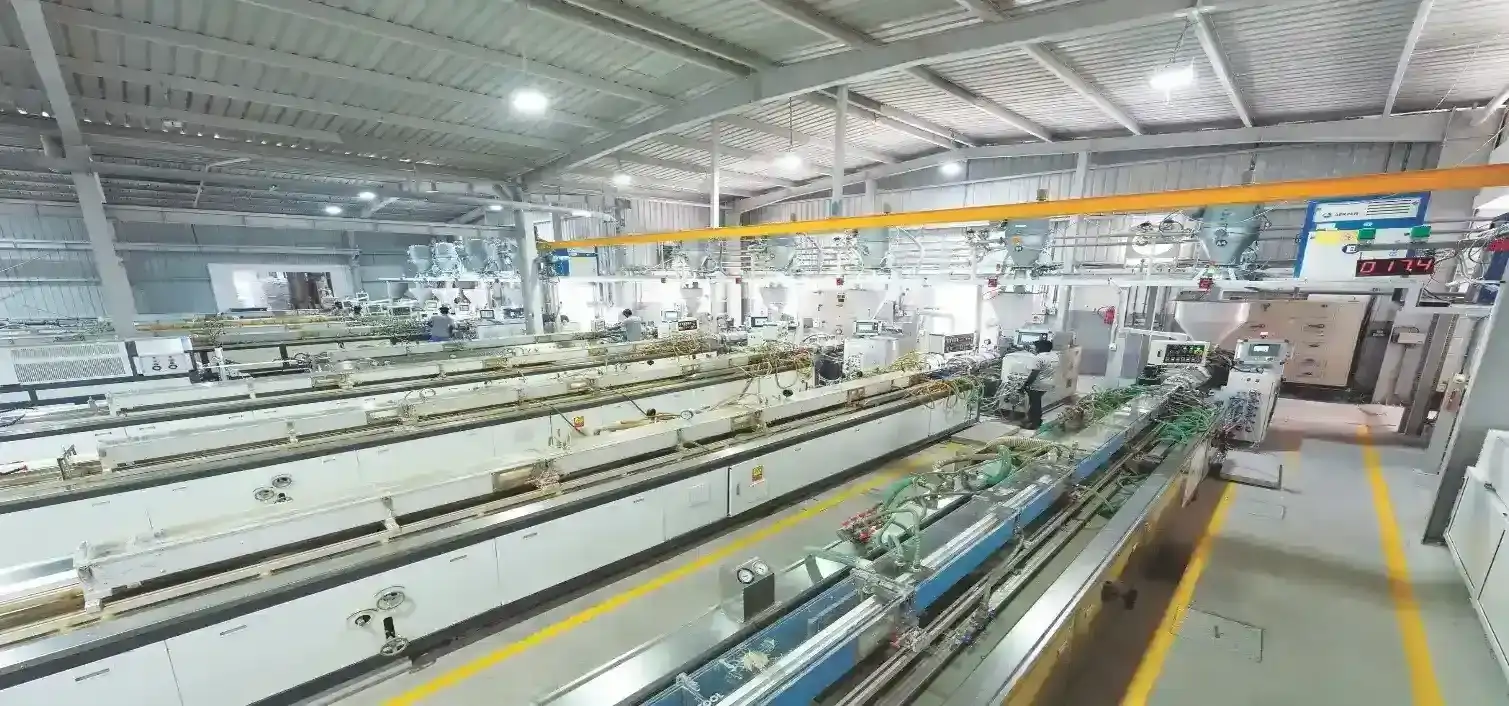
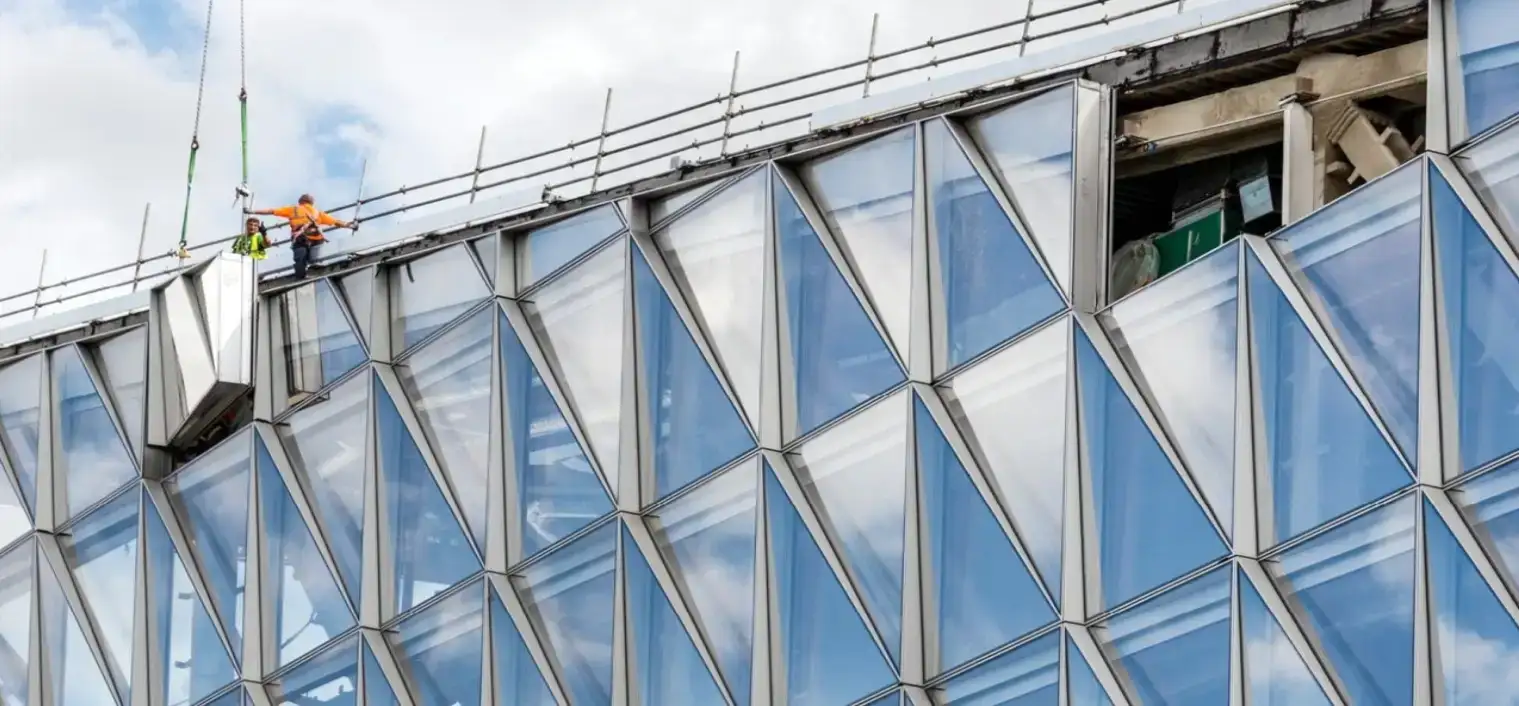
Unitised systems arrive at the site as fully prefabricated panels – glass and frame already assembled – ready to be hoisted and anchored.
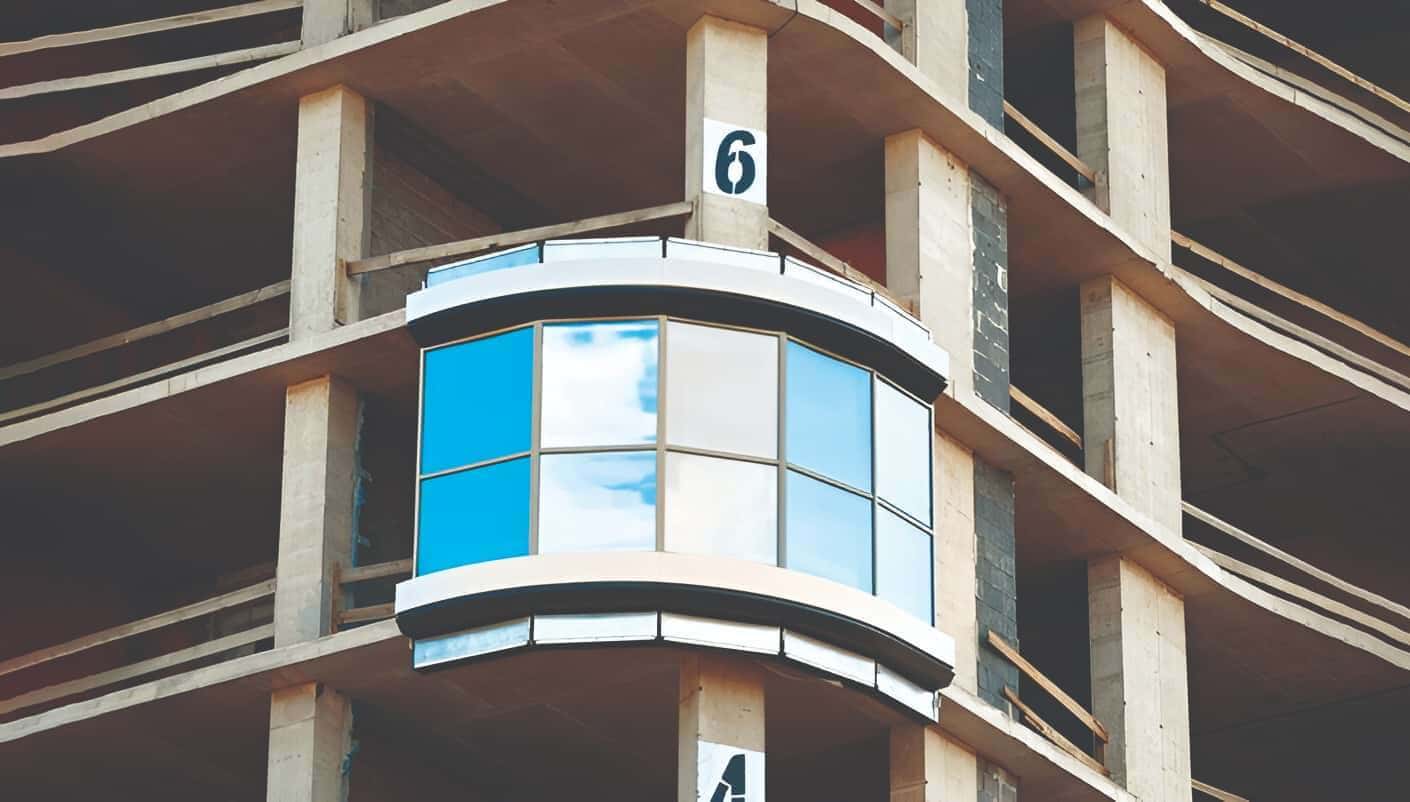
Semi-unitised systems involve partial factory fabrication; glass and vertical mullions are pre-assembled, but horizontal components and final fixing are done on-site.
The difference may seem slight, but it cascades across the project lifecycle.
Speed Vs. Flexibility
Unitised systems are built for speed. Because 80–90% of the work is done off-site, installation is swift, sometimes reducing on-site activity by up to 50% (W&W Glass, 2015). This makes them ideal for tight urban sites, high-rise towers, and phased construction projects. It’s not uncommon for experienced teams to install 30–40 panels per day with minimal scaffolding.
By contrast, semi-unitised systems offer greater flexibility during installation. They suit projects where site adjustments, late-stage changes, or access constraints are more likely. However, they typically require more labour, time, and supervision on-site, which can extend timelines.
Performance: Sealing The Deal
Weatherproofing and thermal performance are key in façade systems. Here, unitised systems tend to outperform (Cordero, García, & Overend, 2015). Factory-controlled fabrication allows for precision sealing, reduced tolerance errors, and better curtain wall integrity—critical for high-rise projects exposed to wind and rain.
Semi-unitised systems rely more on on-site workmanship. While high-quality results are achievable, they demand rigorous quality control during installation to match the airtightness of unitized panels.
Design Complexity And Movement Tolerance
Modern buildings are dynamic structures – they move, settle, and expand. Unitised systems, with their interlocking gaskets and built-in movement joints, are engineered to accommodate this behaviour (Memari et al., 2011; O’Brien et al., 2012). They’re particularly effective in seismic zones or towers over 15 storeys, where thermal expansion and structural sway are pronounced.
Semi-unitised façades, though structurally sound, may not offer the same ease of movement accommodation and often require additional design detailing to handle these stresses.
Cost: More Than Just Materials
Cost comparisons between unitised and semi-unitised systems can be misleading if judged solely on material prices. Unitised systems often carry a higher upfront fabrication cost. But when one factors in faster construction, lower on-site labour, fewer errors, and reduced rework, they may offer better long-term value (Life Cycle Assessment of Curtain Wall Façades, 2024), especially for large-scale projects.
Semi-unitised systems can be cost-effective for mid-rise buildings or where budget constraints favour a higher share of on-site work. They also allow developers to phase costs more evenly across the construction timeline.
When To Choose What
| Criteria | Unitized | Semi-Unitized |
| Project Height | High-Rise (>15 Storeys) | Mid-rise or Low-rise |
| Site Constraints | Tight Urban Sites, Minimal Access | Open Site With Labour Availability |
| Speed Of Installation | Rapid, Off-site Prefabrication | Slower, More on-site work |
| Performance | High thermal and Acoustic efficiency | Moderate to High (dependent on workmanship) |
| Cost | Higher Upfront, Lower Lifecycle Cost | Lower Upfront, Higher Labour Cost |
| Design Flexibility | Limited post-fab changes | Higher adaptability During Construction |
The Future Is Hybrid
As buildings get smarter, glazing systems are evolving too. Some projects now blend the best of both worlds – combining unitised panels for tower cores with semi-unitised systems for podiums and retail fronts. With technologies like BIM and digital twins, façade engineering is becoming more integrated, enabling mixed systems to coexist seamlessly.
Moreover, sustainability imperatives are reshaping choices. Systems are being evaluated not just for installation speed or aesthetics, but for embodied carbon, reusability, and disassembly.
Therefore, in a sector where façades are increasingly the face of innovation, making the right glazing choice can mean the difference between a building that merely exists and one that endures.