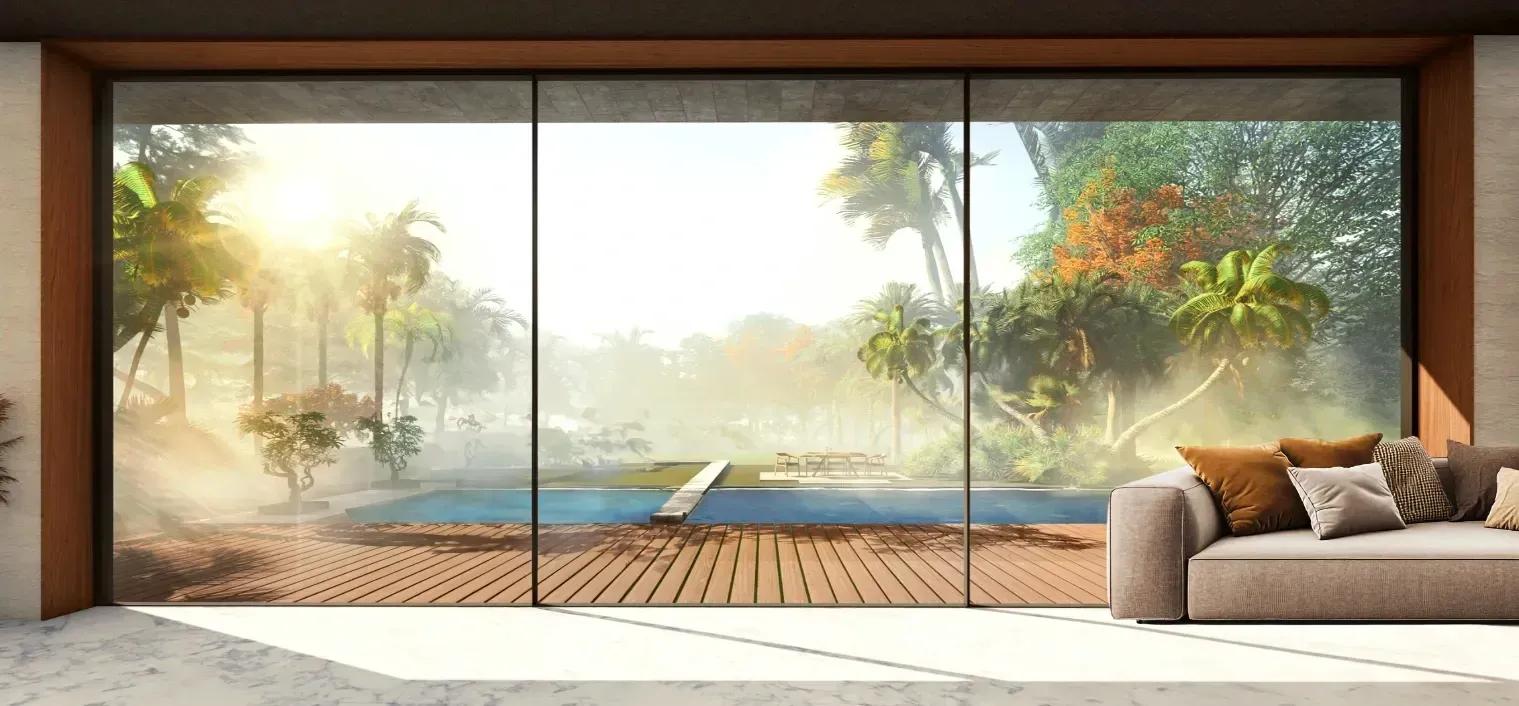

Glass selection is very central to the function of the façade and aesthetics of the structure. Understanding the exterior environment leads to the appropriate selection of glass. Performance glass especially focuses on the temperature and light that it will prevent or allow to enter a structure, based on the direction it is oriented. Essentially, the function of the right selection is to minimise glare and control radiation. In a hot climate, glass tends to be colored and reflective to keep heat out and in a cold climate, it tends to be clearer to allow light to enter the building, as daylight during winters is not adequate in higher latitudes. The glass colour essentially is the designer’s choice for aesthetics, but it also has to balance with the functional requirement of the glass.
Use Of Safety Glass
- Tempered Glass, Wire Glass And Laminated Glass: All the above glasses are for a different purpose. Tempered glass gives toughness to the glass so that it will not easily break, which can prevent most of the accidents from happening.
Wire glass is not much preferred these days; however, it is mostly to provide a minimum security level and also to hold the glass pieces in case it breaks.
Laminated glass is the most promising when it comes to safety and security. You can have a simple soft PVB laminated glass, which gives safety from shattered glass falling below. You can have a stiff PVB, which gives rigidity to even broken glass and prevents it from collapsing. You can have multiple-layered laminated glass, which can even resist brute force and prevent it from shattering.
- Glazing – Types And Application: Curtain walling is the initial term used for glazed façade 100 years ago. In those days and in many cases even today, the glass is mechanically held by the metal frame.
Structural glazing is always referred to as glass being held by an adhesive, such as structural silicone. And there is less metal component that physically holds the glass, or completely absent. Here, structural means structural silicon.
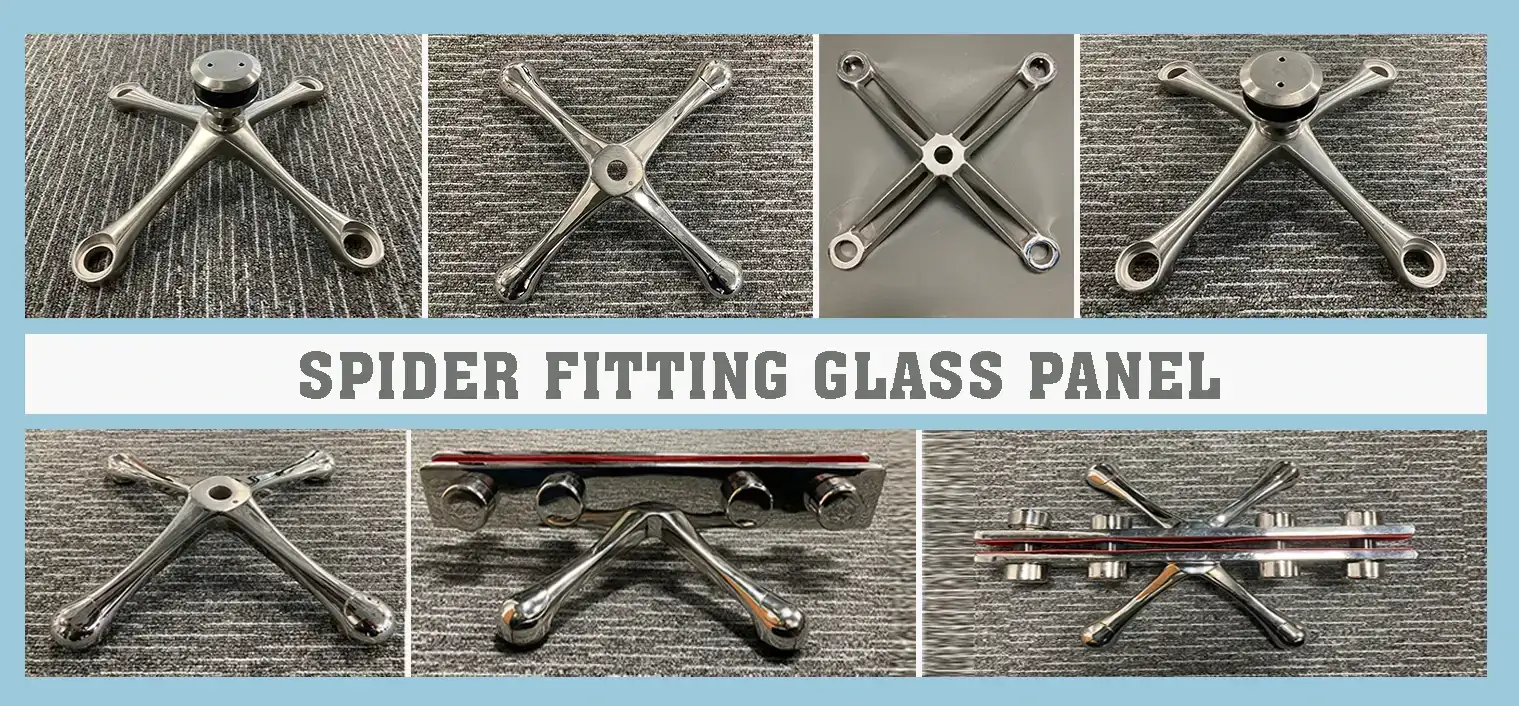
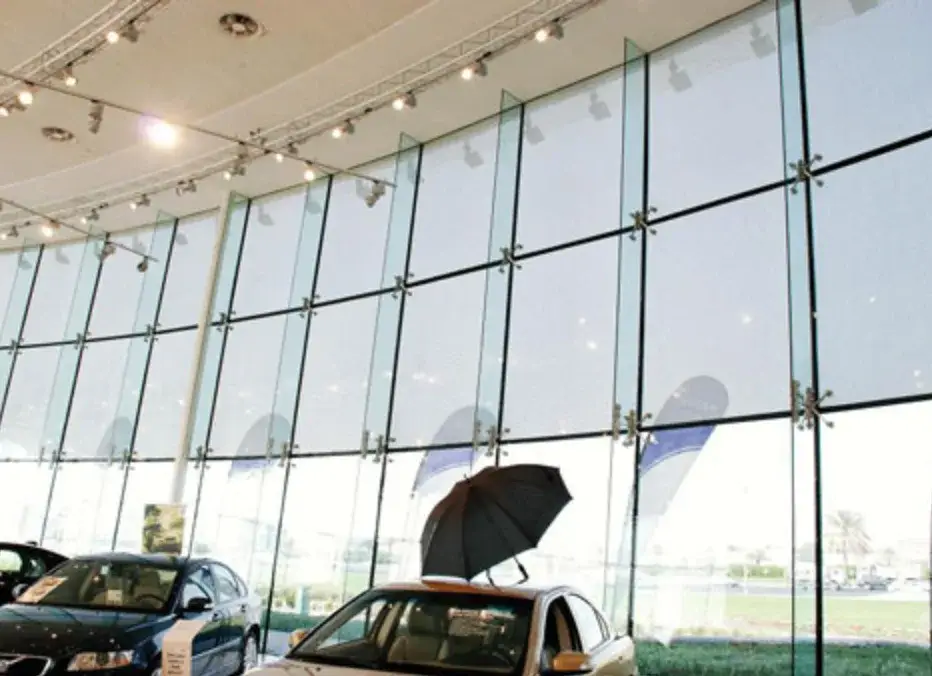
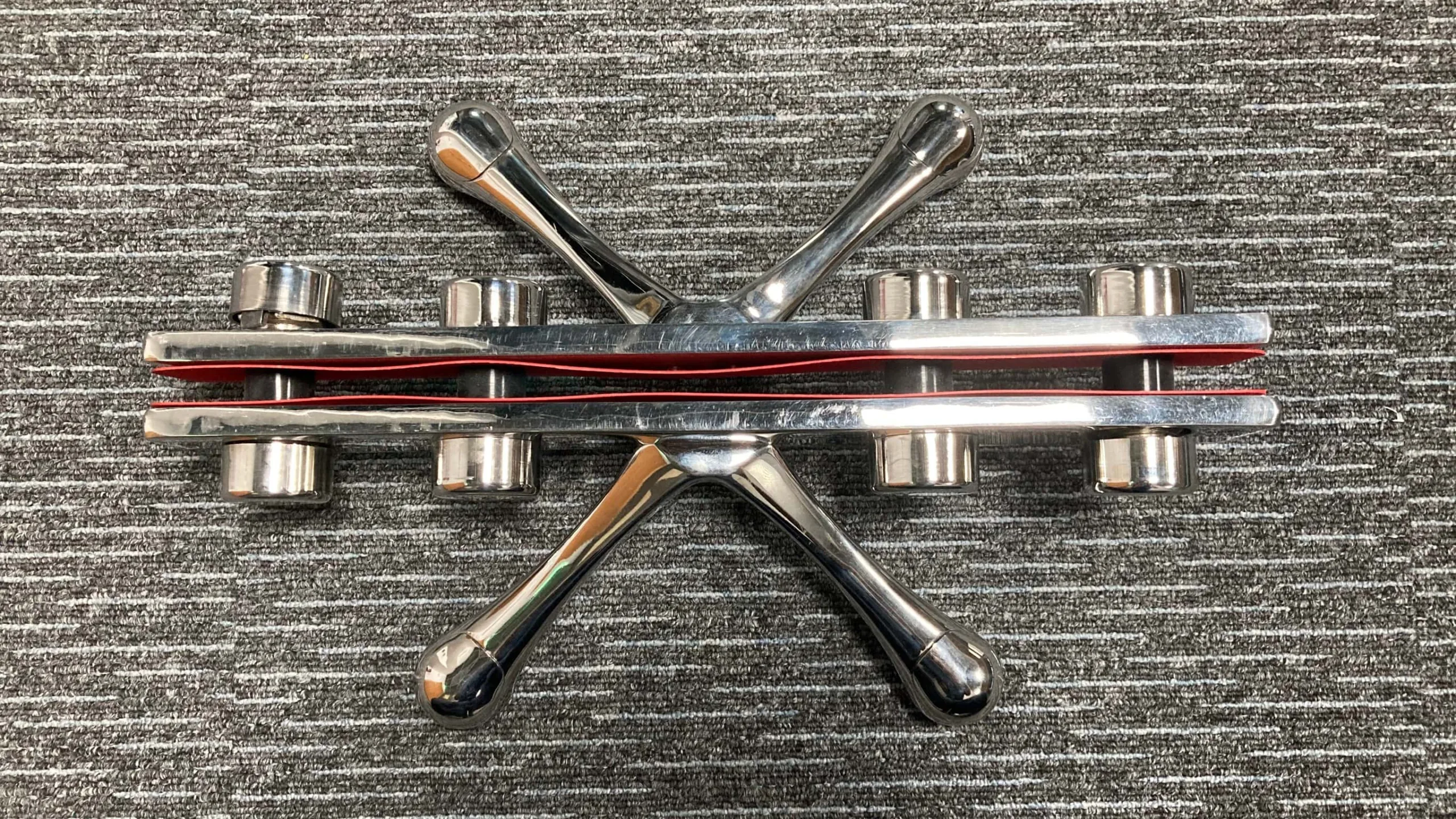
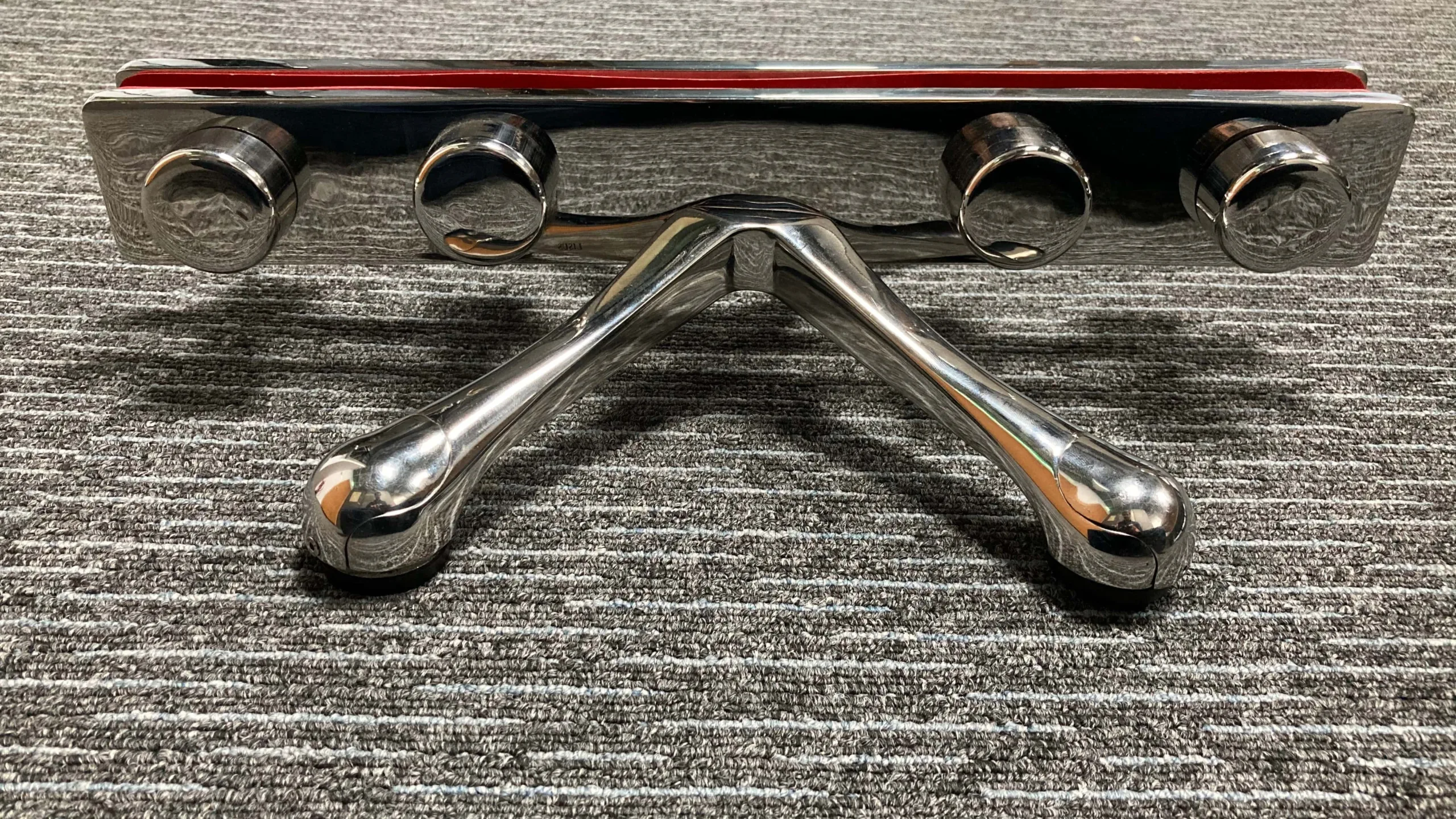
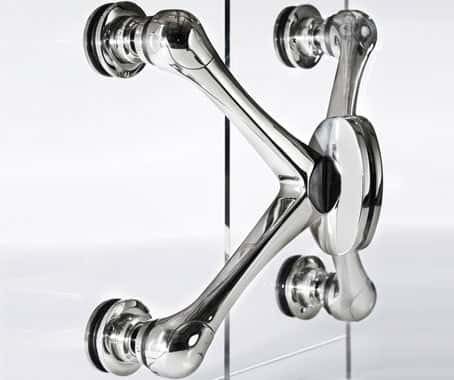
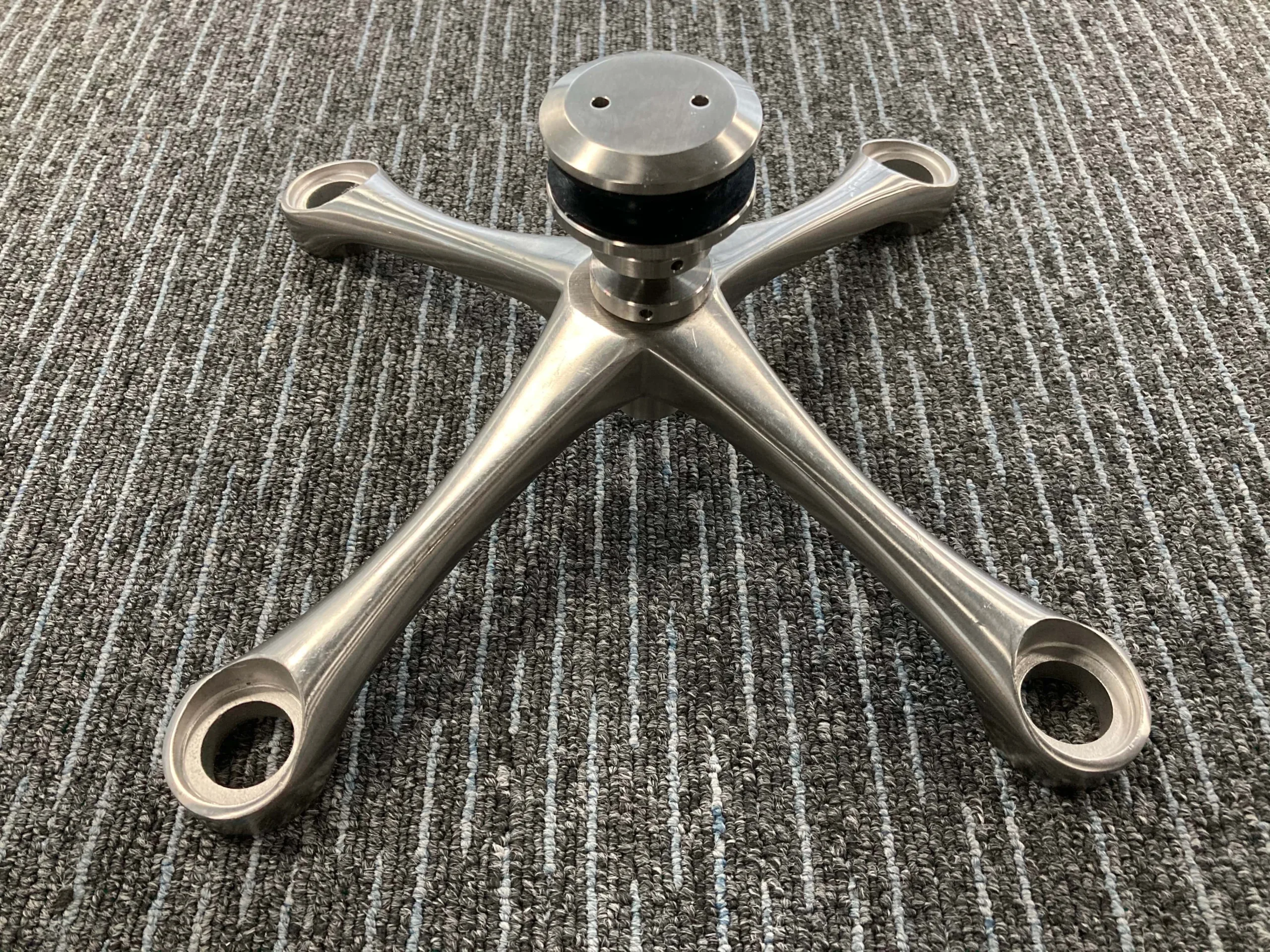
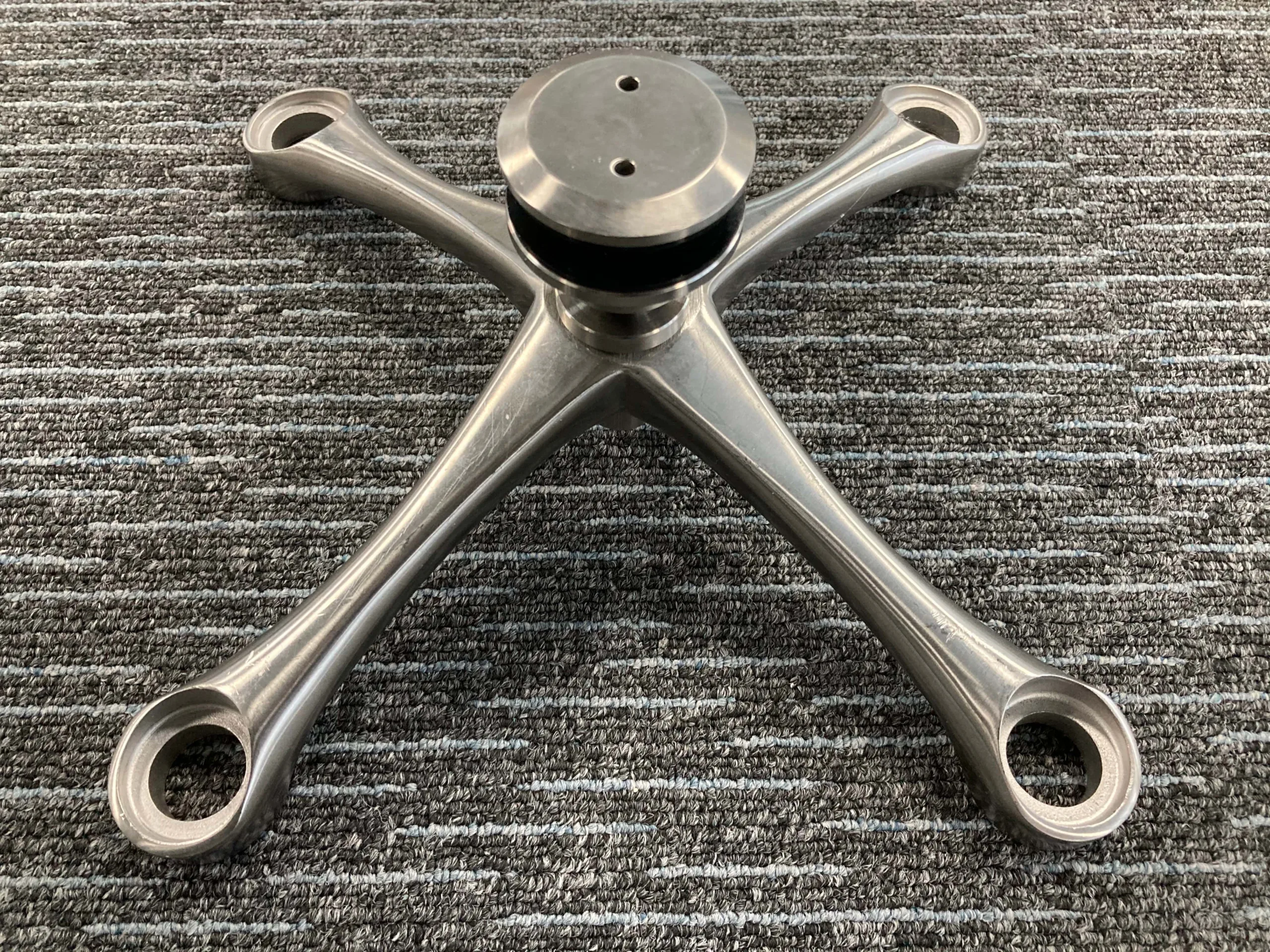
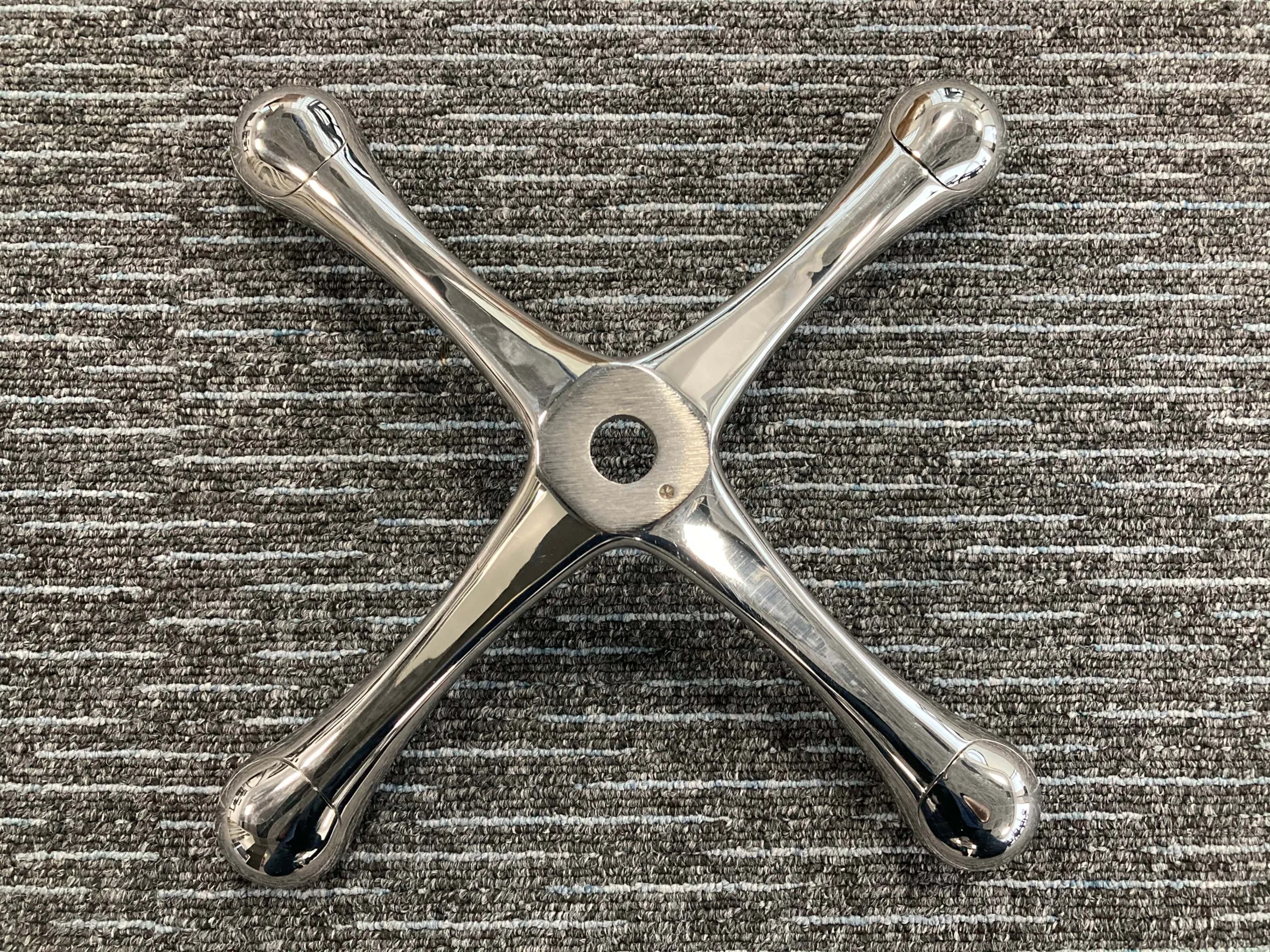
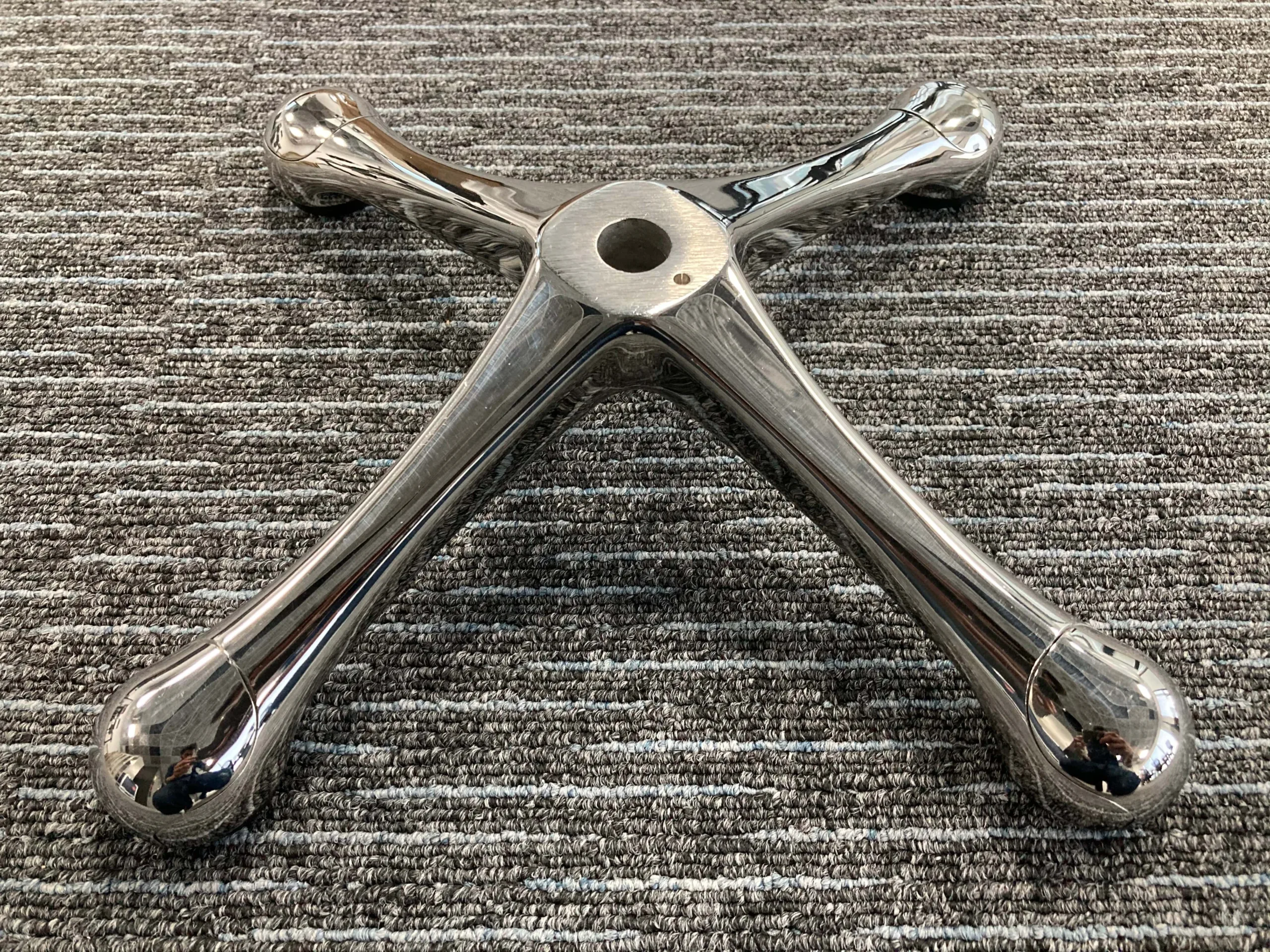
Bolt or spider glazing is glass held by 3-armed or 4-armed metal fixtures called spider fittings. There is no frame around the glass. The corners of the glass are pinched and held between metal fixtures called bolts or spider fittings.
Finn-supported glass is essentially a vertical frame system that holds the glass mechanically or structurally. There are no horizontal members in the system, and they are often used in multi-height atriums of entrance lobbies or multi-height spaces to allow natural light to filter in and a minimal structure interruption to clear vision.
Cable glazing is essentially a steel cable grid with patch pitting at all corner junctions. The patches hold the glass, and the cables are tensioned tightly in a horizontal and vertical direction to give it the rigidity of a glass façade. It is also referred to as suspended glazing, as glass is suspended between a grid of cables.
- Double And Triple Glazing: Double glazing is two glasses sealed airtight in a unit with an air or gas cavity in between them. Triple glazing is three glasses in a unit with 2 air cavities separating them.
Double glass gives good thermal performance and is used for sound reduction. Triple glass gives even better thermal and acoustic performance.
Double glazing does not contribute to the structural calculation of windows to reduce frame size in a significant way. Triple glazing contributes significantly towards structural calculations and reduces frame size drastically, especially for large panoramic windows.
- Climatic Suitability And Eco-Friendliness Of Glass: Glass and aluminium are two wonder materials that can be 100% recycled an endless number of times. They are like forever materials. Glass does not deteriorate with time, and aluminum is also very resilient to the weather due to its protective oxidation film that drastically slows its further oxidation. When you compare with brickwork and cement mortar construction, glass façade consumes very few natural resources when compared volumetrically because it occupies very little thickness to provide a barrier between the inside and outside environment. When used judiciously, glass can bring down the overall lifetime carbon footprint compared to a brick-and-mortar building in terms of construction and running energy costs. Glass also reduces the maintenance cost in terms of painting and repairing a structure throughout its life. However, it needs to be periodically cleaned.
- Enhancing The Thermal Performance Of Glazing: Thermal performance can be enhanced by first selecting the optimum performance glass so that it creates a good barrier between outside and inside temperatures. Second, the metal surface exposed to the outside atmosphere must be reduced by selecting the correct glazing system. A caped type of curtain wall can transfer a lot of heat if not properly isolated. In conditions of very severe temperature, cold or hot, thermal break systems can be used, which interrupt the thermal transfer to the inside space. However, 85% of thermal transfer is generally through the glass, and so the selection of a good glass should be adequate in most cases to enhance the thermal performance of the structure.
- Managing Glare By Using The Right Design: Glare is often due to improper selection of the glass, which may allow too much light. The tint of glass will help in cutting the glare, but it’s important to understand how much tint is optimum for year-round performance, as it can become too dark inside during winters in higher latitudes. However, even with a normal, clear glass, glare can be controlled by shading devices like louvers or sun shades that will cut the glare at the desired angle so as to reduce discomfort. Indoor blinds are excellent at cutting glare, especially if it’s only for a few minutes or a few hours in the day. One needs to be careful in putting permanent glare control devices, which may work excellently in summer months, but may make the interiors dull in winter.
- Tackling Noise Pollution: For the indoor environment, a decibel level between 30 and 40 db is desired. In general, the street average noise can be between 60 and 80 db. Any façade that can reduce sound from 35 to 40 db can be considered as a reasonably good façade to achieve indoor decibel levels below 40 db.
However, in some cases, when buildings face a very noisy exterior environment like railway lines, aircraft paths or a very busy highway, special façades need to be designed for such locations. A double glass (DGU) façade will generally give a 30 to 33 db sound reduction. If the same façade is done with laminated glass DGU with special sound reduction interfaces, then it’s possible to achieve approx 40 db reduction. However, in case of higher sounds as mentioned above, the glazing may have to be done with double air gap or even triple air gap glazing or a double skin glass façade with specialized sound isolators at junctions.
- The Future Of The Glass And Glazing Industry: Glass is getting better by the day. Though the era of providing a 100% glass façade may be passing by, glass can definitely not be ruled out even in distant future. Glass is one of the wonder materials of the building industry which is difficult to find a competitor than can perform even half as good. Glass is seen as modern architecture and the continuous innovation in glass makes it the desired choice for decades to come.
Smart Glass And Energy-Efficient Glass – Are They Affordable?
The problem of the high cost of energy-efficient glass does not lie with manufacturers. It lies with architects and consultants who tend to overuse it in building projects in pursuit of desired aesthetics. If judiciously used only in vision areas of the building faces that experience a high amount of sun irradiation and select lower performing glass in other areas, or select cheaper material, then the overall cost of the façade will come down. After all, a higher percentage of energy-efficient glass will surely raise the budget for the façade. So it makes sense to balance the consumption of high-priced materials with lower-cost alternatives.