
Post Date: October 22, 2026 |
Last Edited: October 22, 2026
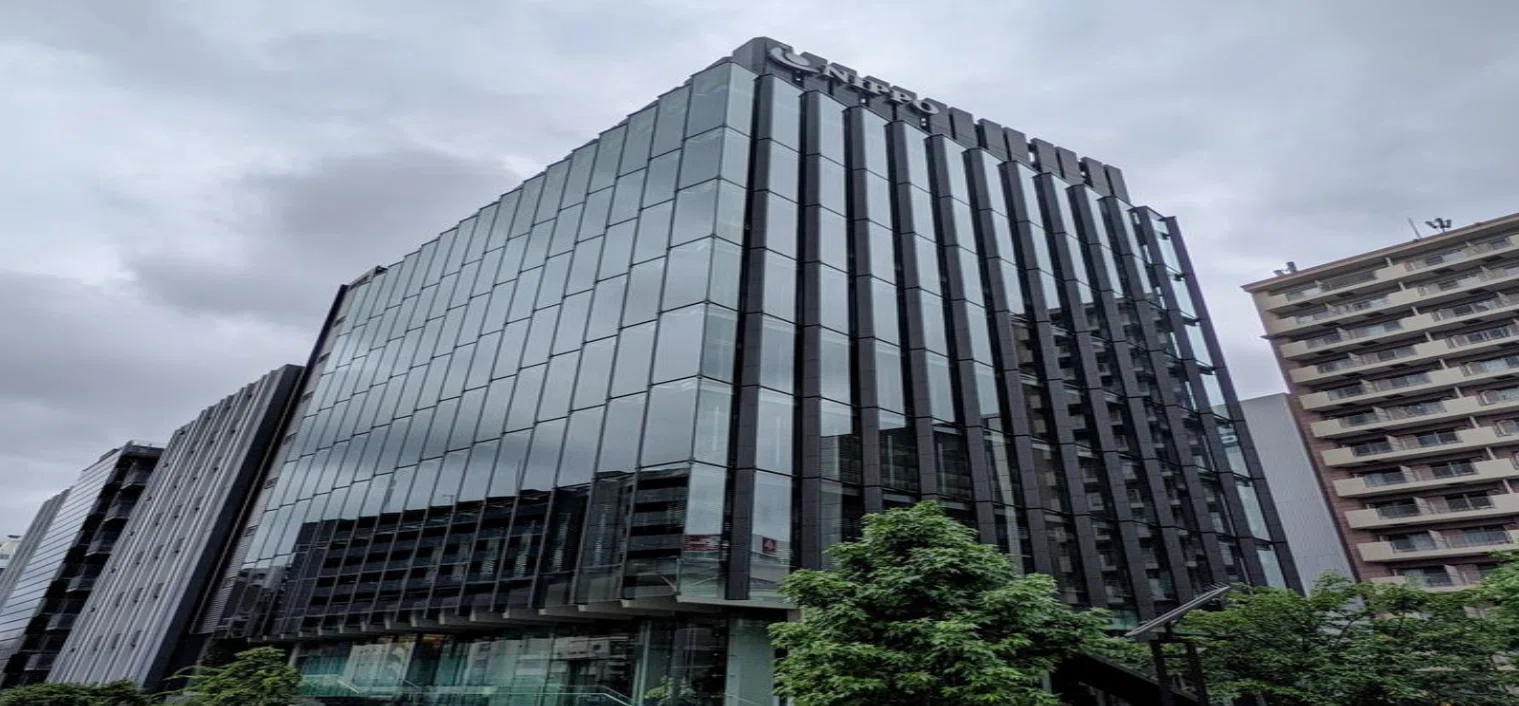
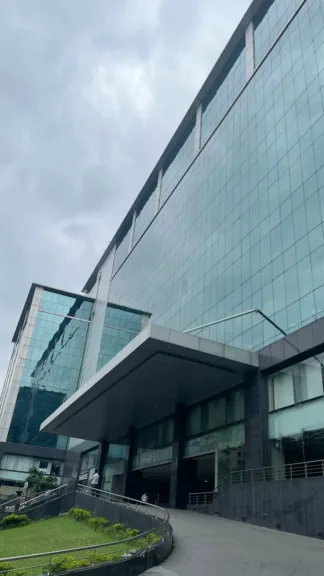
When people look at a modern building, the first thing they usually notice is its façade. Whether it is a glass-clad corporate tower, a luxury residential project, or a commercial development, the façade plays a major role in defining the building’s appearance and performance. Behind every successful façade, however, there is a tremendous amount of planning, coordination, and teamwork that often goes unnoticed.
Even the best-designed façade systems can face serious challenges if procurement and supply chain activities are not managed effectively. While architects focus on aesthetics and engineers focus on performance, procurement professionals work behind the scenes to ensure that the right materials reach the project site at the right time and in the right condition.

In today’s construction environment, façade projects are becoming increasingly complex. Materials are sourced from different cities and often from different countries. Aluminium profiles may come from one supplier, glass from another, hardware from a third source, and sealants from specialized manufacturers. Coordinating all these elements is not a simple purchasing exercise; it is a strategic process that directly affects project timelines, quality, and profitability.
One delayed shipment of glass can stop installation activities for weeks. A quality issue in a batch of aluminium profiles can impact fabrication schedules. A shortage of imported hardware can disrupt an entire project’s completion plan. These situations demonstrate why procurement and supply chain management have become critical functions in façade construction.
The perception that procurement is only about obtaining quotations and issuing purchase orders is outdated. Modern procurement professionals are expected to contribute much more. They participate in planning, vendor development, risk management, cost optimisation, logistics coordination, and quality assurance. Their decisions influence project outcomes from the earliest stages until final handover.
One of the most important lessons learned across the industry is that procurement must begin long before materials are actually required on site. Early planning allows project teams to identify long-lead items, evaluate supplier capabilities, anticipate market fluctuations, and avoid last-minute surprises. This proactive approach has become increasingly important as global supply chains continue to face disruptions and uncertainties.
Supplier selection is another area where procurement creates significant value. In façade projects, selecting a supplier based solely on the lowest price can often prove costly in the long run. Quality issues, inconsistent deliveries, and inadequate technical support can create challenges that outweigh any initial savings. Successful projects are typically supported by suppliers who understand project requirements, maintain quality standards, and work collaboratively to solve problems when they arise.
Over the years, many organisations have shifted their focus from transactional purchasing to strategic supplier partnerships. These relationships help improve reliability, encourage innovation, and create greater flexibility when unexpected challenges occur. In a competitive market, strong supplier relationships often become a key factor in maintaining project schedules and meeting client expectations.
Cost management remains an important responsibility for procurement teams, but effective cost control is about more than negotiating lower prices. It involves understanding market trends, evaluating alternative materials, optimising logistics, and identifying opportunities for value engineering without compromising quality or performance. The most successful procurement strategies focus on delivering overall project value rather than simply reducing procurement costs.
Another area that deserves attention is logistics management. Façade projects often operate under strict timelines, with limited storage space available on site. Materials must arrive according to installation sequences, which requires close coordination between suppliers, transport providers, fabrication facilities, and project teams. Effective logistics planning helps minimise delays, reduce handling costs, and improve overall productivity.
Quality assurance is equally important. Procurement teams play a key role in ensuring that materials meet project specifications before they reach the construction site. Factory inspections, supplier audits, material testing, and documentation reviews help identify potential issues early, reducing the risk of costly rework during installation.
Technology is also transforming procurement practices across the façade industry. Digital procurement systems, ERP platforms, supplier management tools, and real-time tracking technologies are improving visibility and decision-making throughout the supply chain.
These tools enable organisations to monitor supplier performance, manage inventory efficiently, and respond quickly to changing project requirements. Sustainability has emerged as another important consideration. Clients increasingly expect environmentally responsible construction practices, and procurement teams are contributing by sourcing recyclable materials, evaluating supplier sustainability initiatives, and supporting environmentally conscious supply chains. These efforts not only benefit the environment but also align with evolving industry expectations and regulations.
Looking ahead, the role of procurement in façade projects will continue to expand. As building designs become more sophisticated and supply chains become more interconnected, procurement professionals will play an increasingly strategic role in project success. Their ability to anticipate risks, build supplier partnerships, manage costs, and ensure material availability will remain essential to delivering high-quality façade systems on time and within budget.
In conclusion, successful façade projects are not achieved through design excellence alone. They require a strong foundation of planning, coordination, and supply chain management. Procurement may often work behind the scenes, but its contribution is visible in every project that is completed efficiently, economically, and to the highest quality standards. In many ways, procurement serves as the bridge between design intent and project reality, making it 1one of the most important functions in modern façade construction.
Related Post