
Post Date: December 5, 2025 |
Last Edited: January 7, 2026
Glass is no longer just a transparent barrier between indoors and outdoors—it has become one of the most transformative materials in modern architecture. From smart glazing that darkens at the touch of a button to high-performance coatings that keep buildings cooler and quieter, innovation is reshaping the way we design and experience spaces. Today’s architects and developers expect glass to do far more than look beautiful; it must enhance comfort, improve energy performance, and provide advanced safety. With sustainability, smarter cities and climate-responsive construction taking centre stage, the glass and façade industry is witnessing rapid technological progress, paving the way for a new era of intelligent, efficient and resilient buildings.
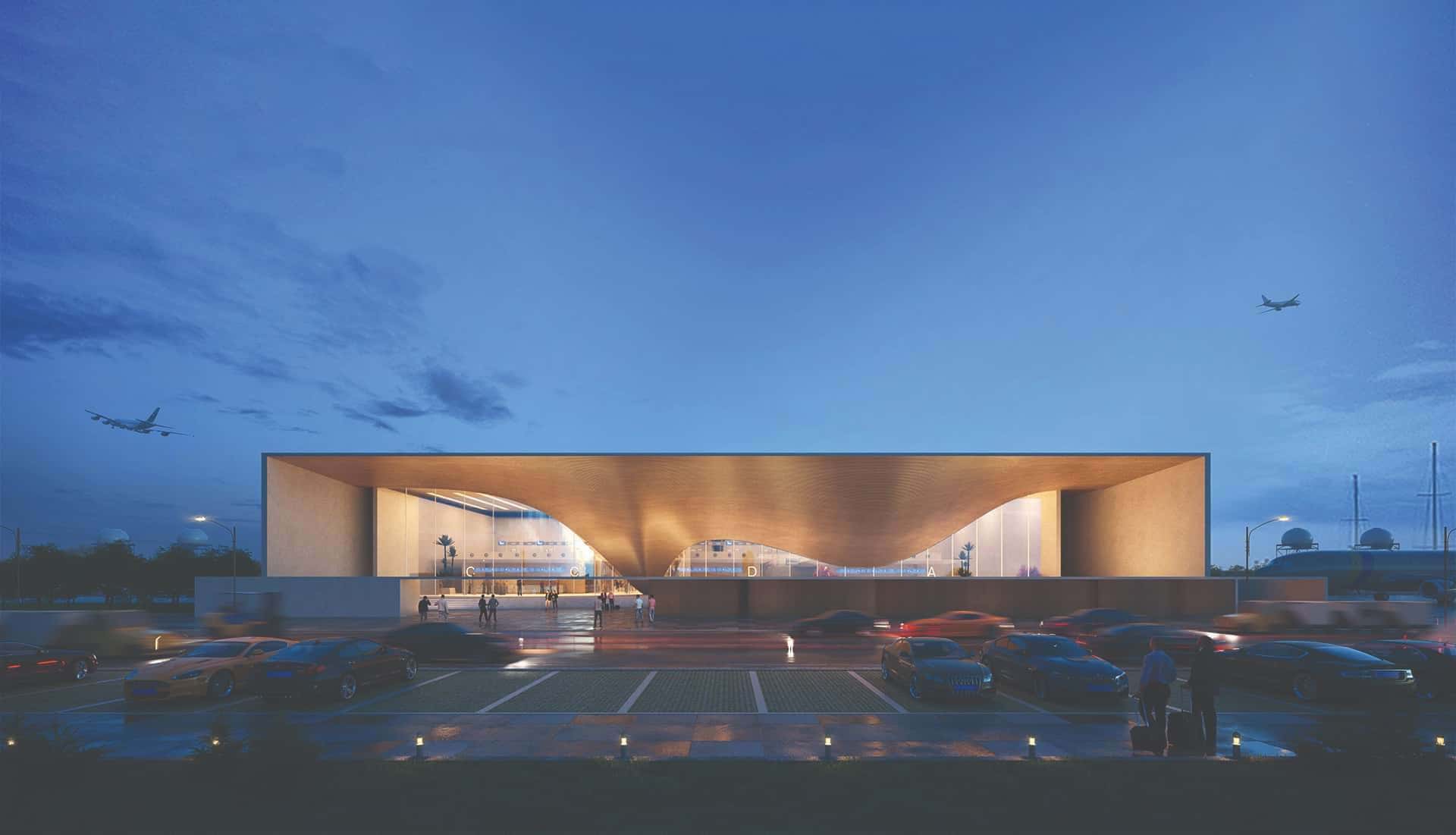
Recent Innovations In Glass Production Driving Excitement In The Building Industry
In recent years, glass has evolved far beyond a simple transparent material. It has become a smart, adaptive and highly engineered part of modern buildings. Architects and developers now look for glass that can enhance comfort, energy efficiency and security while remaining visually stunning. With this rapid shift, innovation has become the driving force behind new possibilities.

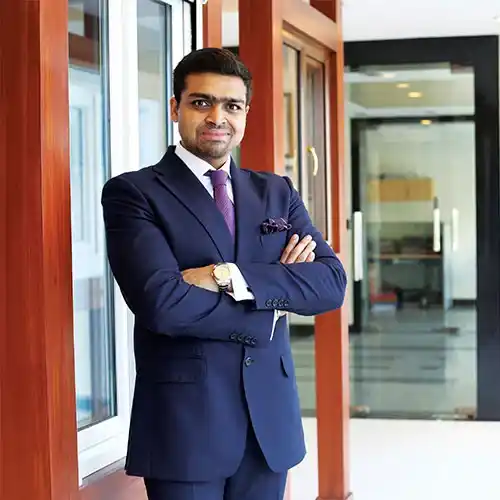
Recent innovations in glass production have completely redefined its role in the building industry. Smart and dynamic glass technologies, such as electrochromic or switchable glass, which adjust transparency and light transmission on demand, are among the most exciting developments. These solutions enhance comfort and contribute to significant energy savings. High-performance low-E coatings, solar control glass, and laminated acoustic safety glass are also gaining prominence, particularly for climate-responsive markets like India, says Manish Bansal, Director & CEO, Window Magic.

Agreeing with this shift, Rounaq K. Choudhari, Director, Firetec Systems India, notes that the emergence of safety and security glasses is equally transformative. He highlights fire-rated glass with EW 120 minutes and EI 30 minutes performance as a major advancement in the Indian market. Bullet-resistant glasses, ranging from BR2 to BR7, along with burglary-resistant glass classified as P6B–P8B, are becoming highly demanded both in India and internationally.
Advances In Manufacturing For Sustainable And Energy-Efficient Glass
As buildings become smarter and sustainability-driven, manufacturing plays a much deeper role than simply shaping glass. Today’s production technologies influence energy savings, resource use, end-of-life recycling and environmental responsibility. With climate concerns rising and architects seeking low-energy structures, manufacturers are under pressure to deliver glass that performs better and lasts longer – without harming the planet.
Advances in manufacturing are driving greener and more energy-efficient buildings. Precision coating technologies now enable glass with better insulation properties, reducing heat gain while maximising natural light and lowering energy requirements for cooling and lighting. Manufacturing processes are also becoming more resource-efficient, with reduced water usage, cullet recycling, lower carbon emissions, and a stronger focus on end-of-life recyclability. These improvements are steadily steering the industry towards sustainable construction, explains Bansal.
Adding to this, Choudhari states that sustainable manufacturing of safety glass has progressed noticeably through recycling of raw materials, electric and hybrid furnaces, waste-heat recovery, and AI-enabled automation. High-performance coatings, insulated glass units (IGUs), chemical strengthening, smart glass integration, and circular economy practices are helping reduce defects, waste, and long-term environmental impact.
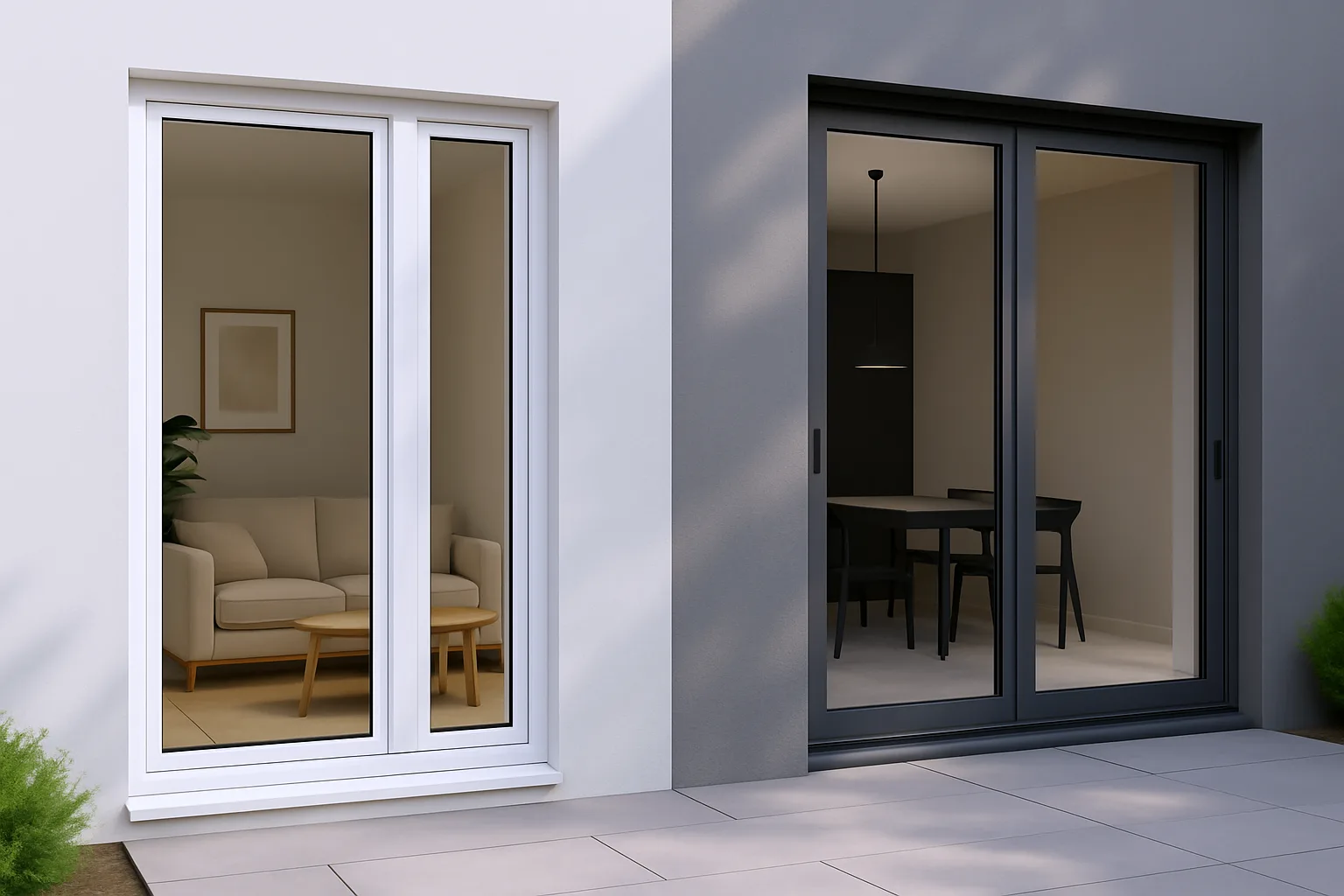
Major Challenges In Developing New Façade Glass Products
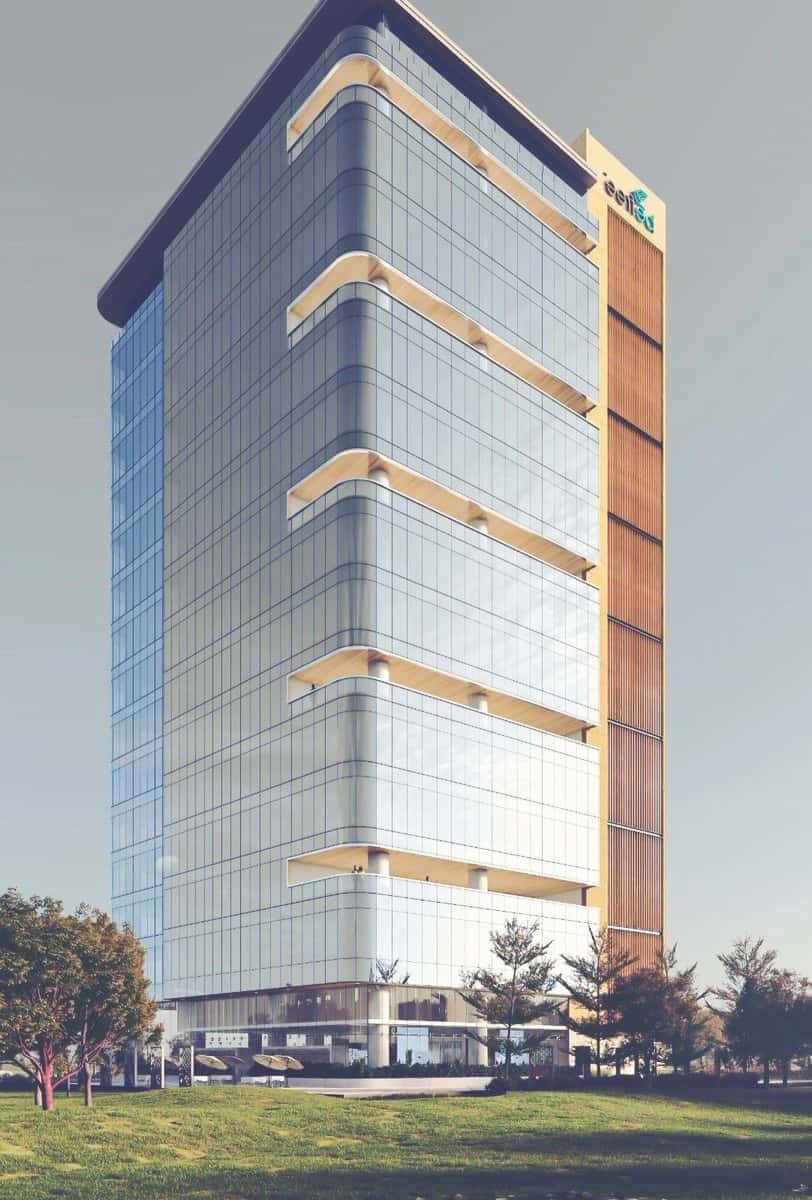
The demand for high-performance façades is rising, but so are expectations. Architects want glass that is lighter yet stronger, safer yet more transparent, and energy-efficient without becoming unaffordable. This makes product development an intricate process, where engineering, quality, regulation, climate and installation challenges must align perfectly before a new glass product reaches the market.
Striking a balance between performance, cost, and scalability remains the biggest challenge. Although technologies such as dynamic glass and multi-functional coatings are available, high pricing can limit adoption in price-sensitive markets like India. Climate adaptability, larger and thinner panels, logistics, installation complexities, and awareness among stakeholders further add to the difficulty of developing new façade-specific products, notes Bansal.
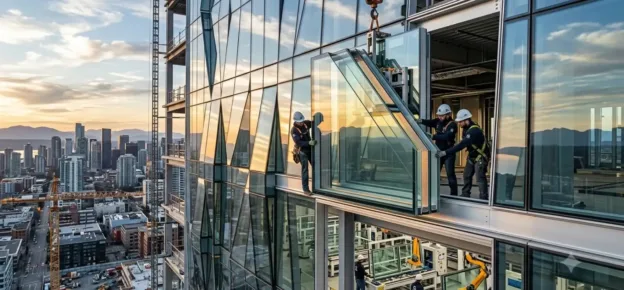
For safety glass used in façades, these challenges become even more demanding. According to Choudhari, fire-rated glass requires advanced interlayers, coating technology, whole-system testing, and third-party certification. Bullet-resistant glass struggles with weight, thickness, warping during lamination, size limitations, and high cost. Ensuring optical clarity, blast-resistance, energy-efficiency, proper installation, and compatibility with framing systems requires extremely precise engineering.
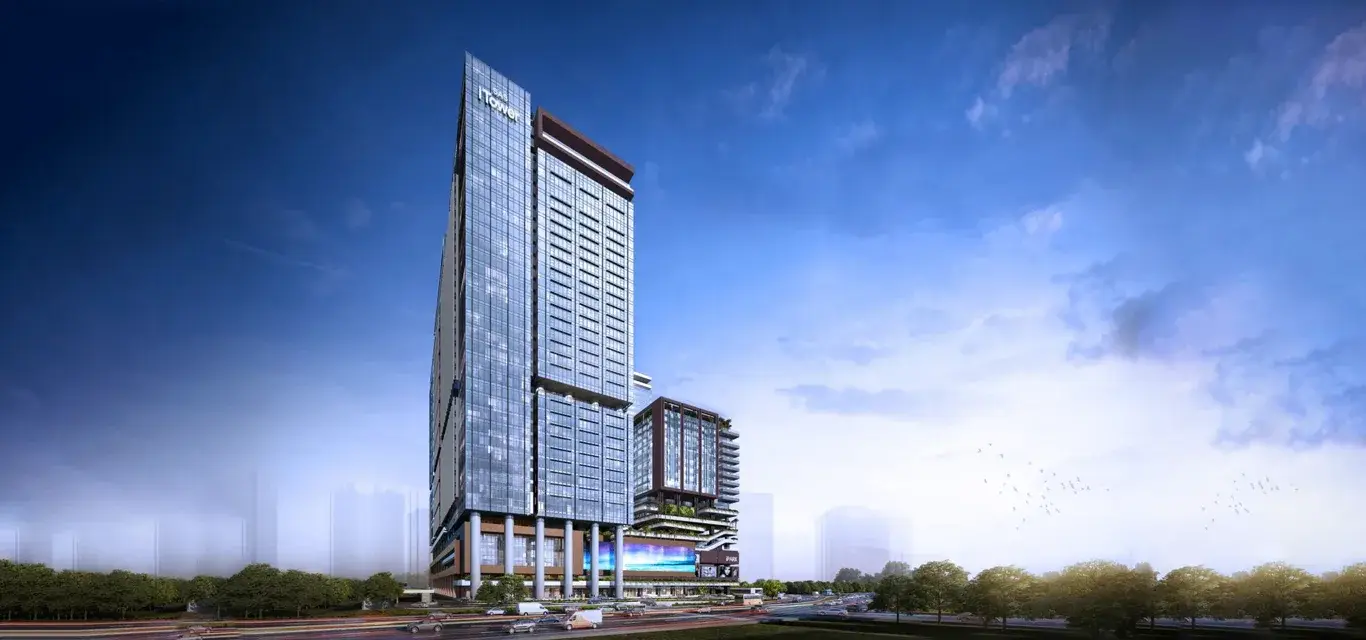
Size And Global Positioning Of India’s Glass Industry And The Façade & Fenestration Segment
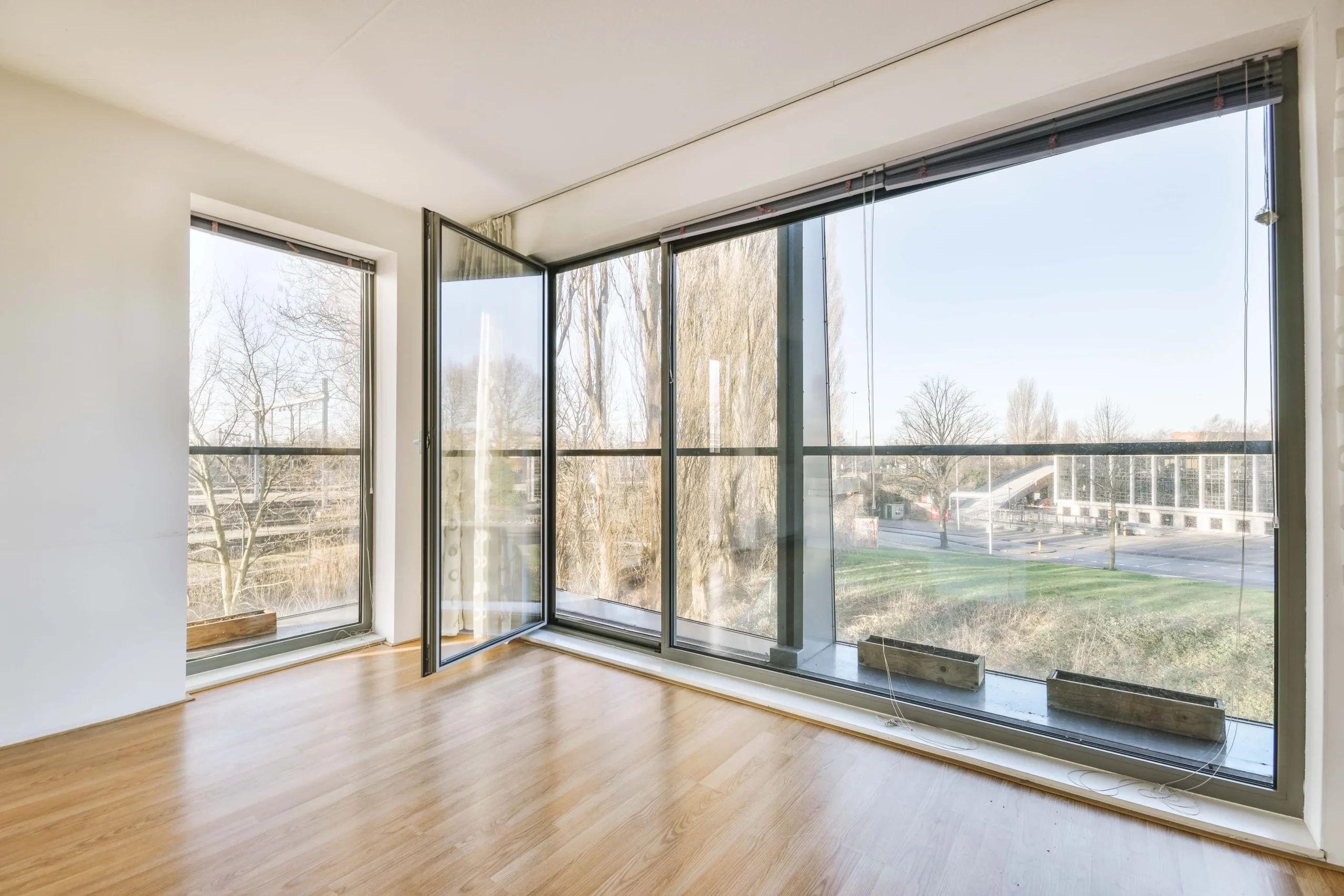
India’s cities are growing at an unprecedented pace, and with them, the demand for modern glass buildings. As premium real estate, commercial hubs, and green-certified structures increase, the glass sector plays a critical role in shaping skylines. But how does India compare with global markets, and how fast is the façade segment evolving within the country?
India’s glass industry is valued at over ₹35,000 crore, with the façade and fenestration segment accounting for nearly 20–25% of total demand. Rising urbanisation, premium real estate growth, and green building certifications are major contributors. Compared with global markets such as the U.S., China, and Europe, India remains emerging but stands out as one of the fastest-growing, states Bansal.
Supporting this, Choudhari shares that in 2025, the Indian glass manufacturing market is valued at approximately $12.7 billion, with façade and fenestration alone contributing around $1.5 billion. Although India’s share remains smaller than that of advanced Western markets, strong construction activity and modern architectural adoption continue to push the country into a competitive global position.
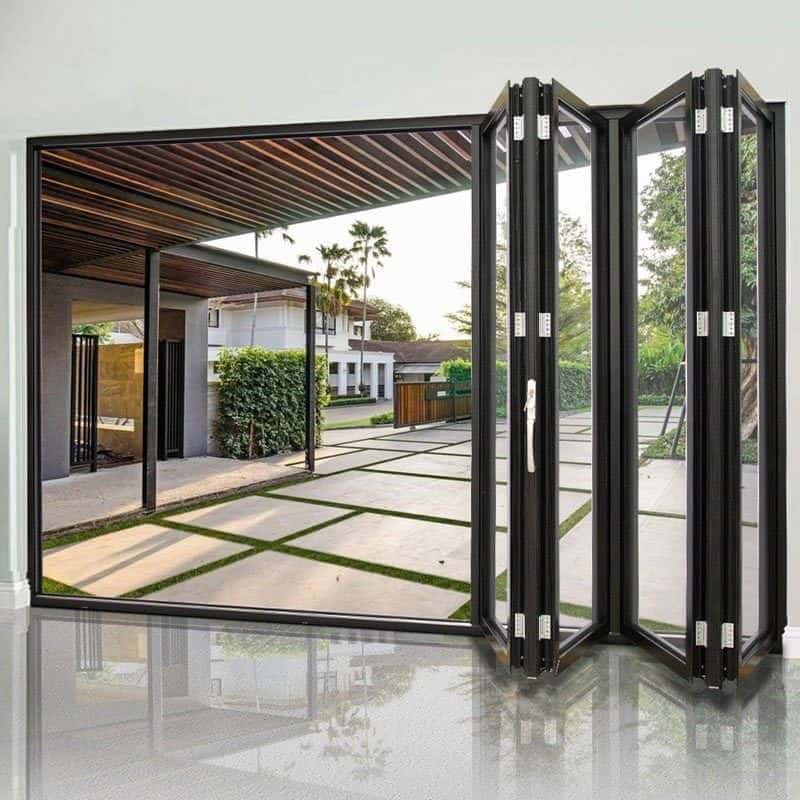
Façade And Window Industry: Growth Outlook Towards 2030
Looking ahead, India’s urban development, eco-conscious construction and real estate expansion are expected to reshape glass demand. Developers are increasingly prioritising high-performance windows, energy-saving façades and innovative materials. As global collaborations rise and technology becomes more accessible, the façade and window market is entering a stage of rapid transformation.
The façade and window industry in India is projected to double by 2030, reaching ₹60,000–70,000 crore. Growing urbanisation, premium commercial and residential developments, high-performance fenestration, and sustainability mandates are expected to fuel this upward trajectory, according to Bansal.
Choudhari agrees that the outlook up to 2030 is extremely positive. Innovations in intelligent materials, sustainability-driven construction, rising design creativity, and greater environmental consciousness are shaping the next phase of growth. The coming years promise significant transformation, architectural advancement, and widespread adoption of high-performance façade solutions.
Conclusion
The glass industry is entering one of its most progressive and promising phases. Smart glazing, low-E coatings, acoustic laminates, fire-rated assemblies and even bullet-resistant solutions are no longer futuristic concepts—they are actively shaping projects across India and redefining how façades perform. What was once limited to premium commercial developments is gradually making its way into mainstream architecture, demonstrating how quickly innovation is trickling down into the wider market.
Equally significant is the transformation happening behind the scenes. Manufacturing facilities are becoming cleaner, greener and more efficient. Recycling of glass cullet, waste-heat recovery systems, AI-driven automation and advanced coating technologies are helping companies reduce their carbon footprint while maintaining superior product quality. This shift is not merely about complying with regulations; it reflects a broader industry mindset where sustainability and performance go hand in hand. Architects and developers are also becoming more aware and selective, prioritising materials that offer longevity and environmental value.
However, the journey is not without its hurdles. High-performance glass continues to be expensive, especially when imported raw materials and specialised machinery are involved. Large-format and thinner panels demand advanced engineering, precise handling and flawless installation to ensure safety and stability. Moreover, the increasing demand for tested and certified glazing solutions means fabricators must invest in better laboratories, stricter quality-control procedures and skilled manpower. These are challenges, but they are also catalysts for progress, pushing the industry to upgrade its capabilities and raise standards.
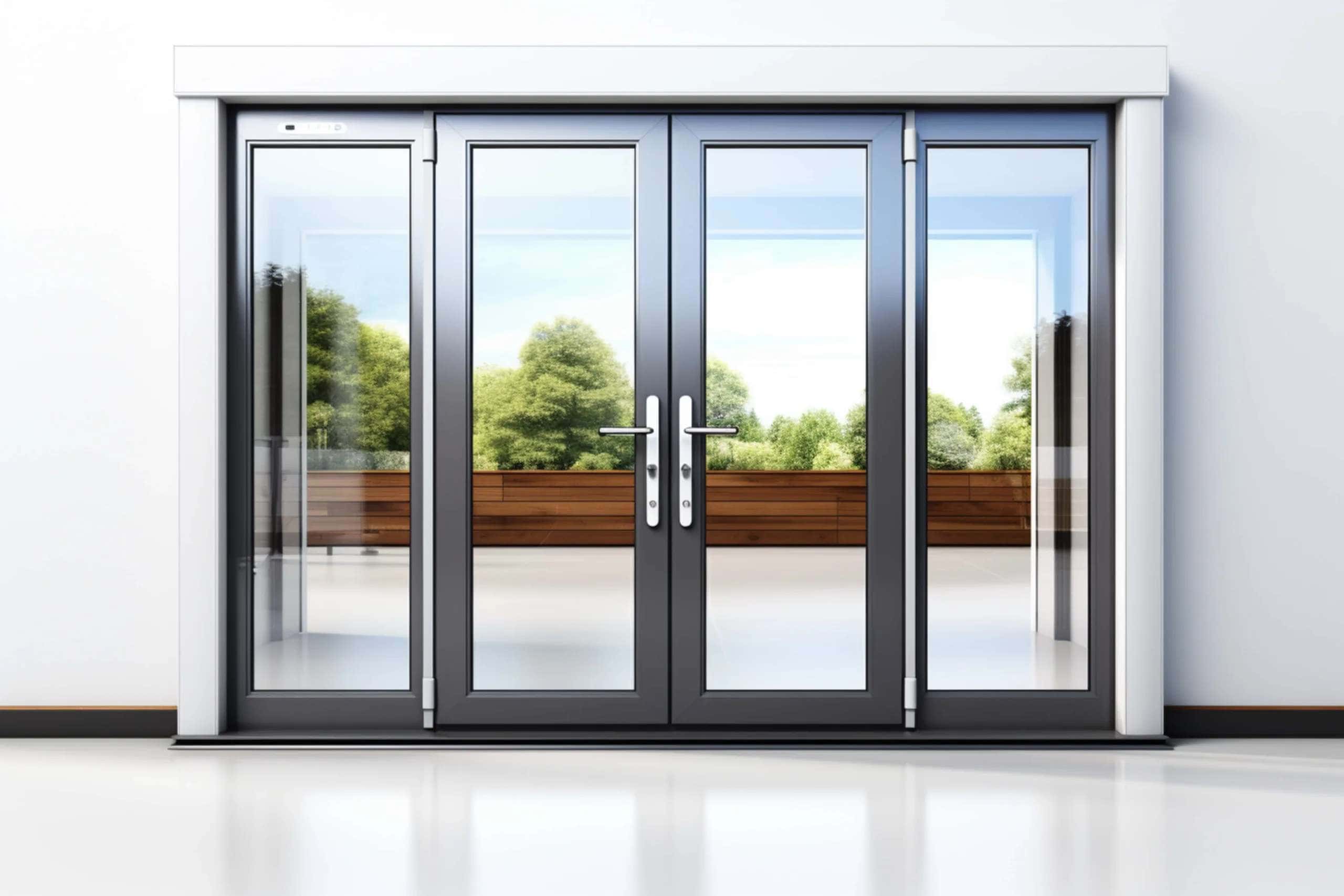
Despite these complexities, industry leaders share a strong sense of optimism. India is rapidly positioning itself on the global stage—not just as a consumer market, but as a competitive manufacturing hub. Collaboration between architects, façade consultants, installers and product manufacturers is also improving, leading to safer buildings and more sophisticated design outcomes.
With the façade and window industry expected to double by 2030, the next few years will be transformative. Innovation will stay at the forefront, environmental responsibility will shape decision-making, and smarter engineering will ensure that beauty, safety and performance coexist harmoniously. The momentum is undeniable. As technology evolves and awareness grows, glass will play an even more meaningful role in creating greener cities, healthier indoor environments and architecture that reflects India’s ambitions.