
Post Date: December 22, 2025 |
Last Edited: December 22, 2025
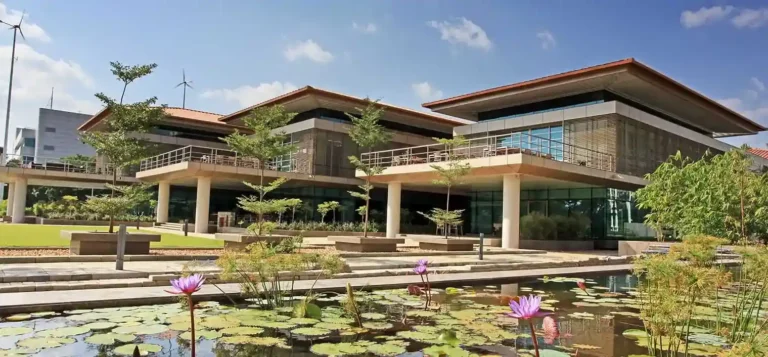
As the world grapples with the pressing need for sustainable development, revisiting public policies emerges as crucial in addressing challenges and opportunities in façade design and engineering. This article explores how public policy can drive sustainable practices in the façade and contribute to a more sustainable built environment.
The Intersection Of Public Policy And Sustainable Façade Design
Public policy encompasses the laws, regulations, and guidelines established by governments and institutions to address societal issues. In the context of façade design and engineering, public policy can influence various aspects, including material selection, energy efficiency standards, and waste management practices. By setting clear and enforceable standards, public policy can encourage and mandate sustainable practices.
Material Selection And Innovation
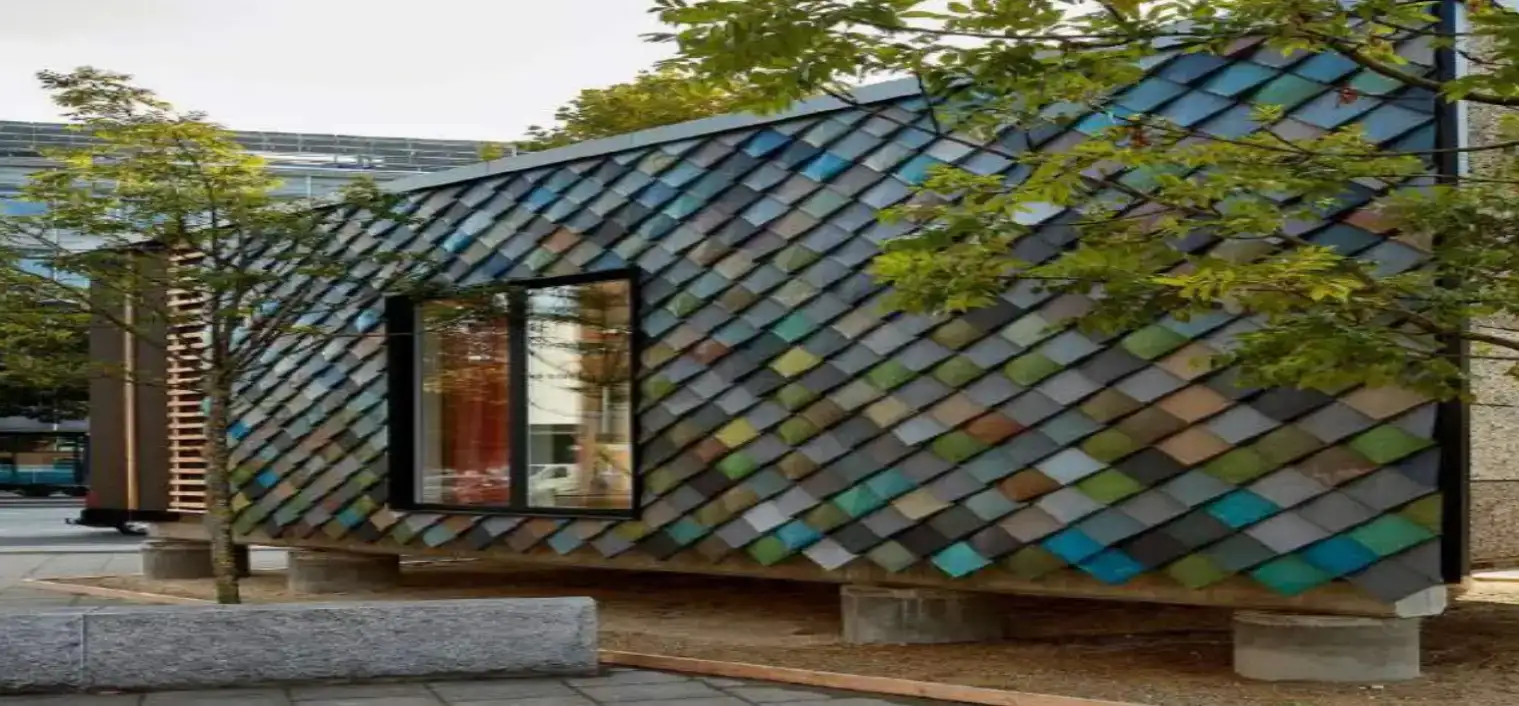
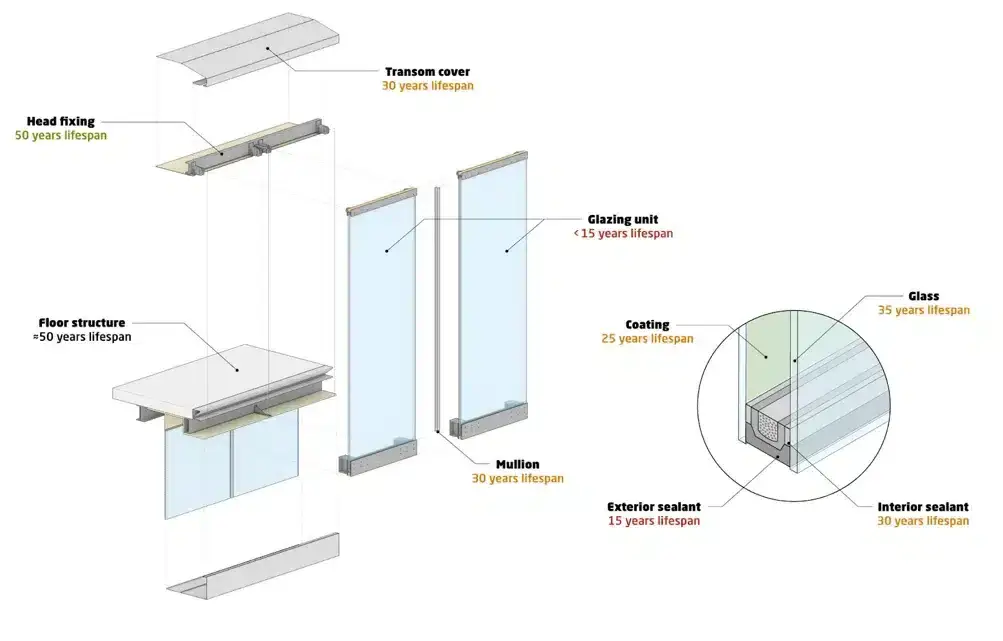
Public policy incentivises using sustainable materials in façade construction. Policies can promote recycled or low-carbon materials to reduce buildings’ environmental footprints. A traditional linear approach, where materials end up as waste, is being replaced by a model emphasising reuse and recycling. The idea of “design for disassembly” emerged, allowing materials to be easily separated and reused at the end of their lifespan.
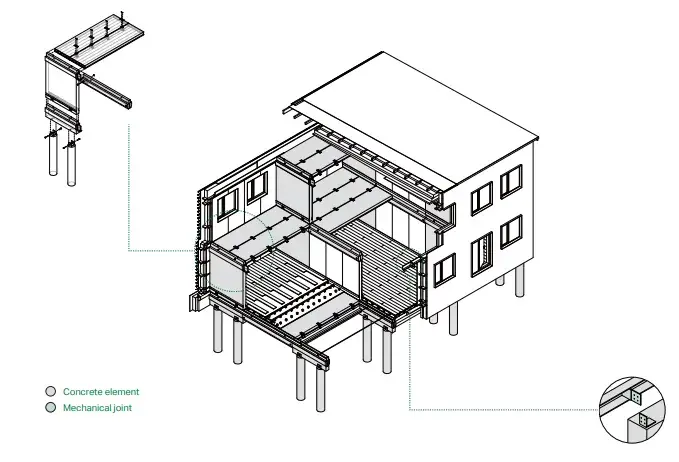
To embrace circularity, façade design focuses on modular construction, e.g., unitised systems, standardised components, and reversible connections to enable easy disassembly.
Although design for disassembly adds complexity, it offers long-term benefits in reducing waste and embodied carbon. Thus, funding for research and development can spur innovation in sustainable materials and construction methods.
Energy Efficiency Standards
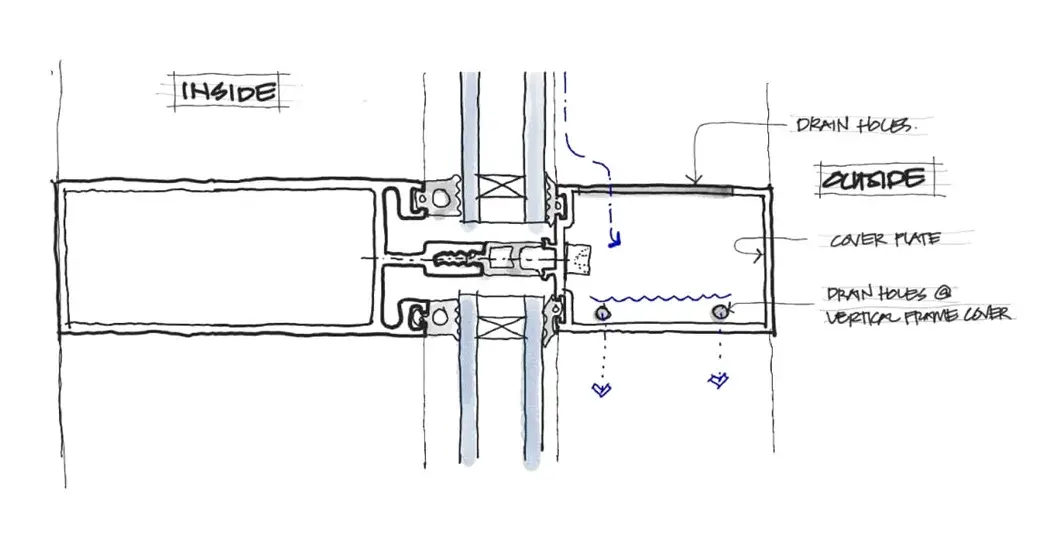
Implementing stringent energy efficiency standards for buildings can significantly reduce their operational carbon footprint. These standards aim to reduce the overall energy demand and lower the energy requirement for buildings. Since current global energy is still derived from fossil fuels, reducing energy consumption directly leads to a decrease in carbon emissions. Therefore, lower energy consumption leads to lower energy bills, making the economy more competitive by lowering operating costs in businesses and households.
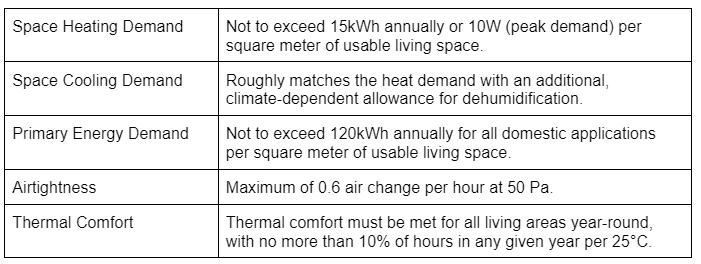
Policies that mandate the use of high-performance glazing, insulation, and shading devices can enhance the thermal performance of façades, leading to lower energy consumption for heating and cooling. Industry standards such as ISO 50001 help organisations implement energy management and improve performance. ASHRAE Standards 90.1 and the Energy Performance of Buildings Directive (EPBD) are a few standards to ensure that new buildings or major renovations meet minimum energy performance requirements, optimising heating, cooling, and lighting systems for efficiency. The Passive House Certification provides detailed quality, comfort, and energy efficiency criteria, making conventional heating and air conditioning systems obsolete.
Lifecycle Assessment And Circular Economy
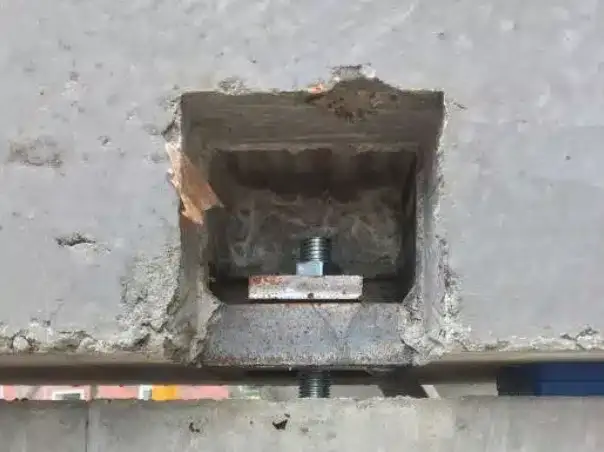
Public policy can encourage the adoption of lifecycle assessment (LCA) methodologies to evaluate the environmental impact of façade materials and systems from cradle to grave. Policies that support the principles of the circular economy, such as design for disassembly and materials reuse, can minimise waste and promote resource efficiency.
Lifecycle Assessment (LCA) is a systematic approach to evaluate the environmental impacts of all stages of a product’s life, from raw material extraction to production, use, and disposal. In the façade context, LCA is used to assess the environmental footprint of different façade materials and systems, including evaluating sourcing and extracting raw materials, energy consumption, emissions, and waste during production, operational longevity, and disposal of façade components.
The Circular Economy, on the other hand, is a regenerative system that aims to eliminate waste and continuously use resources. The principle is to design a durable façade and easily disassembled components, facilitating the separation and recovery of materials at the end of their life cycle.
Green Building Certification And Incentives
Governments can promote sustainable façade design through green building certification programs like LEED, BREEAM, and WELL. They could also offer incentives, such as tax breaks, grants, or expedited permitting. Raising public awareness about the environmental and health benefits of green façades can increase their acceptance and adoption. However, practical challenges need to be addressed to reap the full benefits of a green façade.

Education And Training
Public policy can support educational initiatives to equip architects, façade designers, engineers, and construction professionals with the knowledge and skills to implement sustainable façade design practices, including funding specialised training programs, workshops, and certifications. The government can allocate resources to develop and promote specialised programs focused on sustainable façade design. The program could cover topics such as energy efficiency, material sustainability, and innovative design solutions for low-carbon buildings.
Policymakers can encourage professional development by organising workshops, seminars, and hands-on training sessions that bring expertise in sustainable design. Certifications would serve as benchmarks for the industry, enabling professionals to obtain qualifications that enhance their credibility and proficiency. Therefore, government funding or subsidising certification programs can make these qualifications more accessible, fostering continuous learning for professionals to stay updated on current trends, innovations, and regulatory standards.
Public policy can also promote the integration of sustainability principles into architectural, engineering, and construction management degree programs, encouraging higher education institutions to include sustainable façade design as part of their curriculum.
The government can collaborate with industry leaders and professional organisations to create public policy on training programs that reflect the evolving needs of façade construction, aligning with market demands. The government could grant scholarships for students or professionals pursuing specialised training and certification in this field.
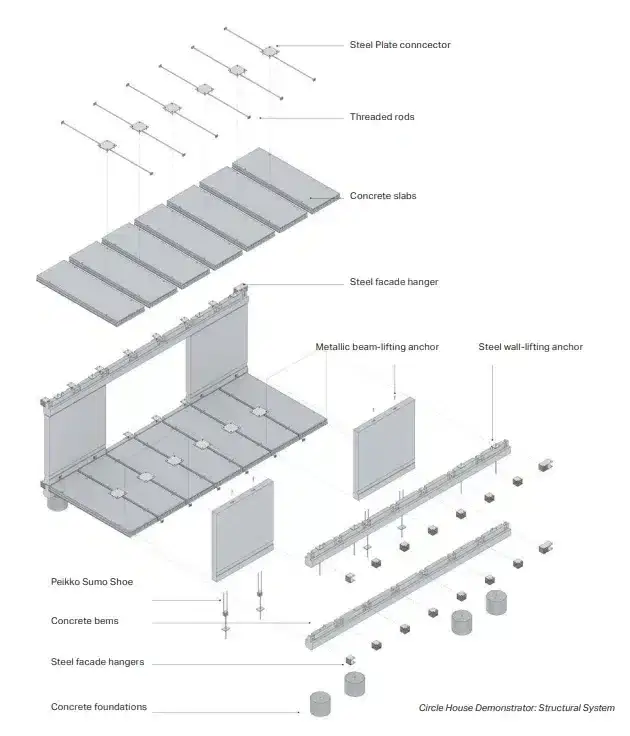
Case Studies: Denmark Circle House
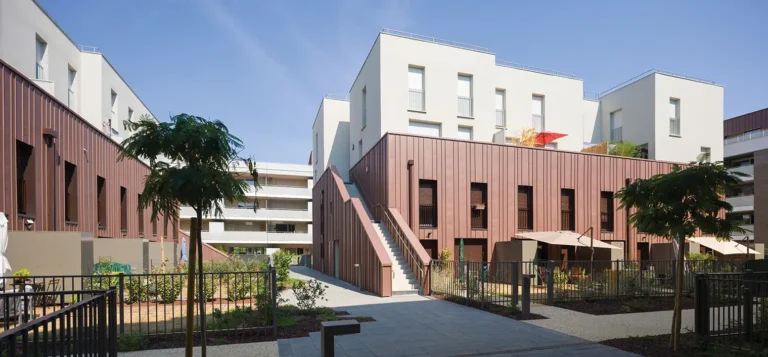
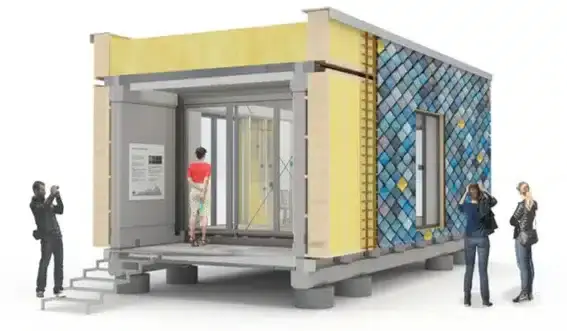
The Denmark Circle House is designed to demonstrate and promote circular economy principles in construction. The project’s goal is for 90% of building materials to be reused with no significant loss of value. Buildings are designed to be easily dismantled for future reuse. Over 30 Danish enterprises and institutes collaborate to integrate circularity in design, construction, and materials.
The Circular House project was established by architects from Vandkunsten, Lendager, Arkitekter, and 3XN Arckitekter, with design facilitation and coordination by GXN Innovation. The four firms were all dedicated to implementing sustainability in different ways.
Conclusion
The study of public policy plays a pivotal role in resolving current issues in the sustainability of façade design and engineering. By establishing clear standards, incentivising innovation, and promoting education, public policy can drive the adoption of sustainable practices that reduce the environmental impact of buildings. As the world continues to urbanise, integrating public policy and sustainable façade design will be essential in creating a more resilient and sustainable built environment.