Post Date: December 24, 2025 |
Last Edited: July 29, 2026
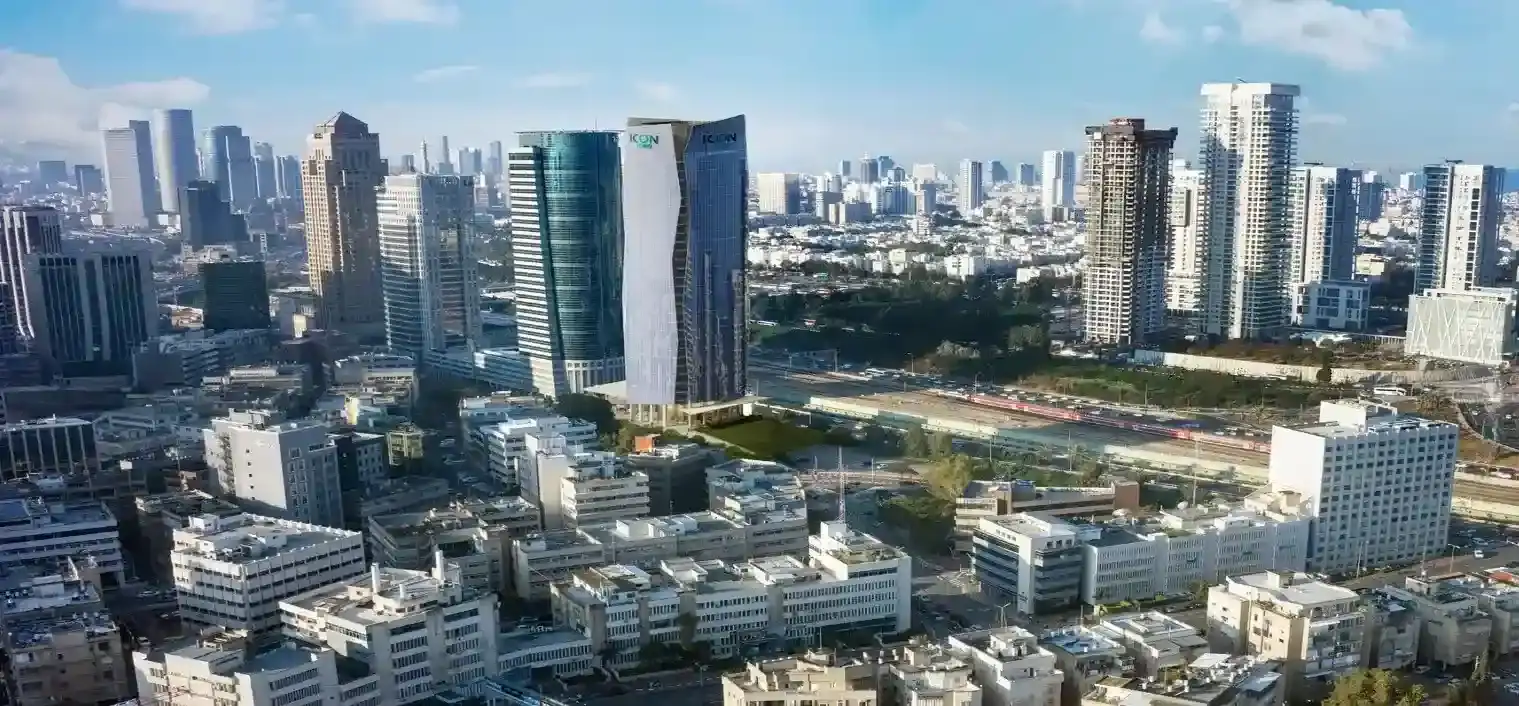
As we look toward the next decade, building façades are poised for a remarkable evolution. No longer mere protective shells, façades are becoming intelligent, responsive systems that actively shape comfort, sustainability, and overall building performance. Advances in materials, digital design, and smart technologies are enabling façades to interact with their environment, modulate light and air, generate energy, and even improve occupant wellbeing. This transformation is not just technological—it is redefining the relationship between buildings and the people who inhabit them.
In this cover story, we bring together insights from leading experts in façade design, who share their perspectives on the trends, innovations, and challenges shaping the buildings of tomorrow. From climate-responsive systems and energy-generating surfaces to intelligent, adaptive façades, their views reveal how performance, aesthetics, and human comfort are converging to create the next generation of architecture.

The Future Of Building Façades In A Decade Of Rapid Material And Technology Advances
Over the coming decade, building façades are expected to undergo a remarkable transformation as emerging materials, digital tools, and intelligent systems reshape architectural possibilities. With innovation accelerating across design, fabrication, and performance technologies, façades will no longer serve merely as protective skins but as dynamic, efficient, and responsive interfaces that enhance comfort, sustainability, and overall building experience.

Building façades are set for a transformative decade, evolving from static outer skins to intelligent, performance-driven systems. Jamie Mabrouk, Façade Manager, Sir Robert McAlpine, notes that façades will soon “act as dynamic interfaces between indoors and the environment.” He explains that lighter and stronger materials, climate-responsive systems, and façades that integrate renewable energy will shape the next generation, ultimately becoming “intelligent, multifunctional elements that actively contribute to the building’s overall sustainability and user experience.”

Echoing this shift towards responsiveness, George Sergiou, Founder, Glass & Façades LLC, says the future façade will “become much more climate-responsive and intuitive.” According to him, double-skin systems that modulate sunlight and improve comfort will move façades beyond the idea of mere protective layers, enabling buildings to “breathe, adapt, and take better care of the people inside.”

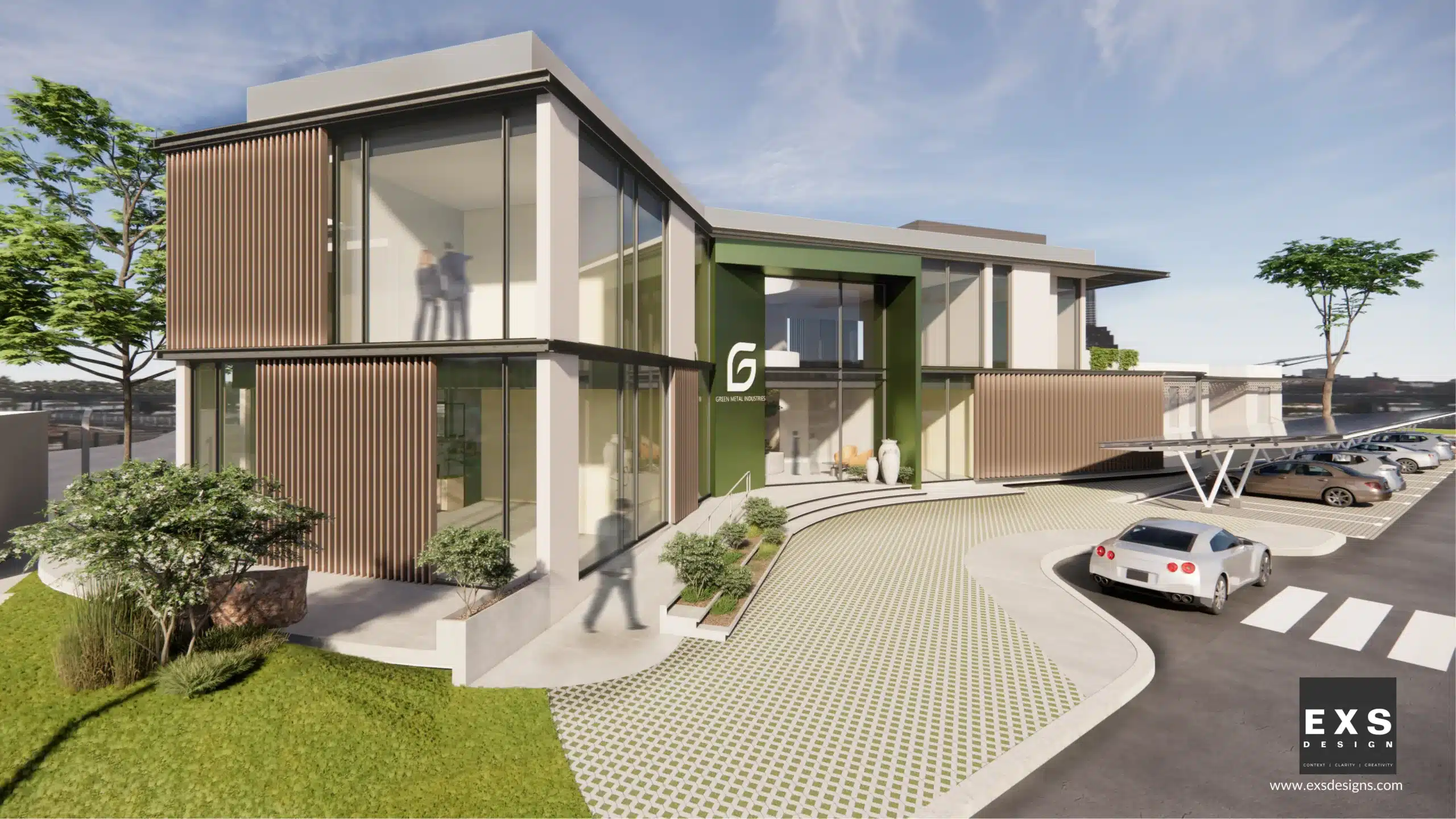
Adding a design-centric perspective, Ar. Piyusha Bokil, Founder & Design Partner, EXS Design, opines that façades will evolve into “multi-functional, performance-oriented systems,” enriched by advancements in materials, digital modelling, and sensor technologies. She emphasises that façades will increasingly serve as adaptive, intelligent components integrated into the building’s core system, influencing “form and orientation… optimising the use of natural resources.”

Taking a measured view, Petros Karatzas, Executive Director, Skyline Façades, suggests that change will be steady but significant. He remarks that while construction evolves more slowly than other industries, incremental improvements—“glazing that performs better, composites that are lighter, coatings that last longer”- will accumulate into meaningful progress. According to him, the real transformation lies in combining improved materials with digital tools and refined manufacturing, enabling façades that respond intuitively and are delivered with greater precision and reduced waste.
Emerging Façade Innovations That Could Transform Tomorrow’s Buildings
In recent years, façade innovation has advanced from surface-level refinement to deeper environmental intelligence. The following perspectives from industry leaders reveal a shared belief in façades becoming active, climate-responsive systems rather than merely protective skins. Their observations collectively paint a future where smarter materials, renewable integration, and adaptive technologies redefine the relationship between buildings and their surroundings.
Mabrouk notes that the most exciting innovations are those dissolving the boundaries between architecture, engineering, and environmental science. He highlights photovoltaic-integrated façades, transparent insulation, bio-based composites, and responsive shading systems – technologies he believes will shift façades from passive enclosures to active contributors that help buildings adapt, save energy, and create healthier interiors.
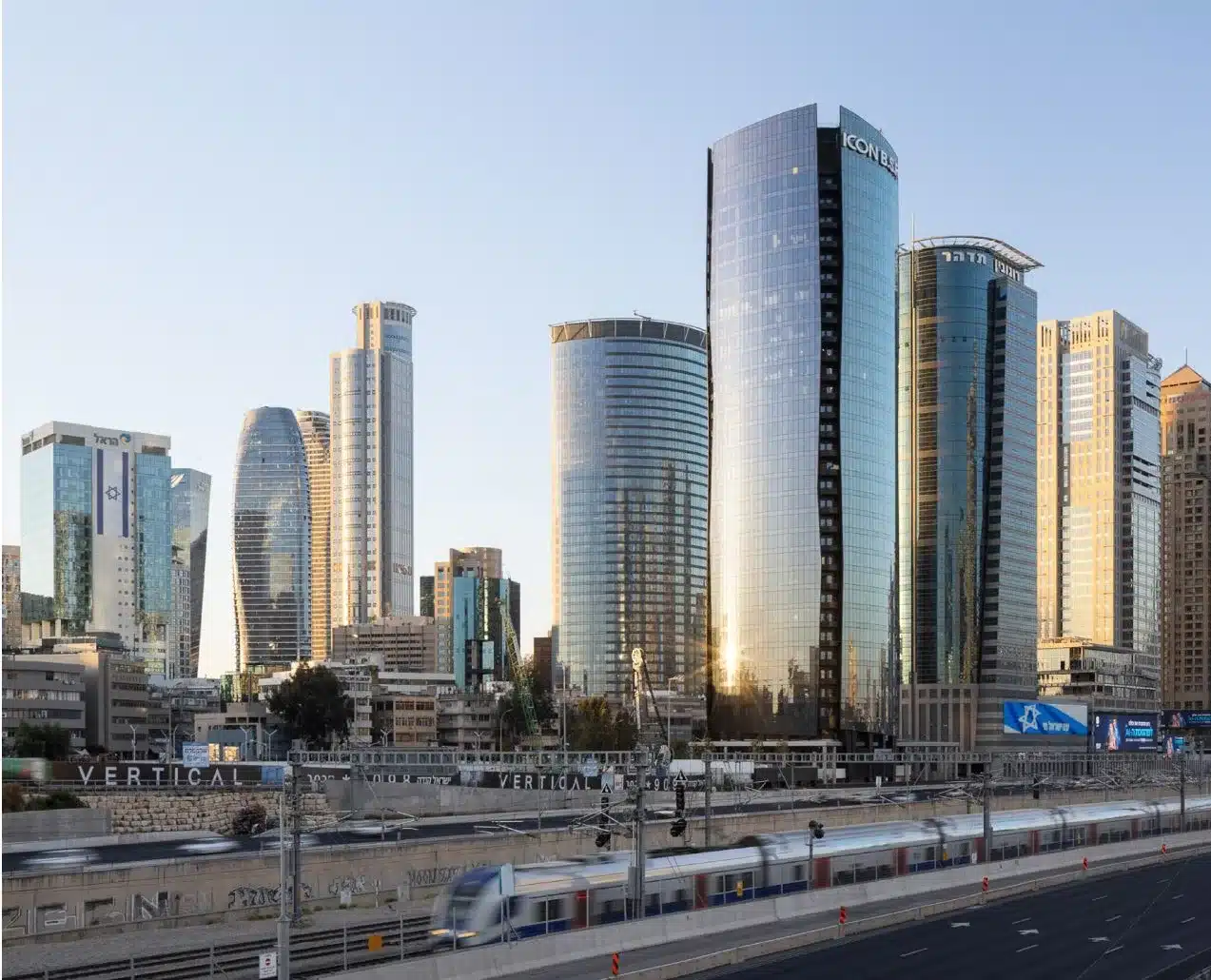
Echoing this shift toward responsiveness, Sergiou says he is particularly energised by adaptive façade systems capable of reacting in real time to environmental changes. From kinetic shading to electrochromic glass and AI-driven controls, he suggests these solutions reshape comfort and energy use without occupant intervention. He adds that the increasing adoption of photovoltaic glass marks a meaningful evolution, turning façades into clean-energy generators while shaping better indoor environments.
Bokil builds on this view, opining that façades are moving firmly beyond aesthetics into intelligent performance.
She emphasises dynamic climate-responsive skins-especially valuable in hot regions-alongside ultra-light, low-carbon materials such as UHPC, engineered timber hybrids, and thin-film photovoltaics. Equally, she stresses the transformative role of parametric modelling, environmental simulations, and digital fabrication, which enable designers to craft climate-tuned geometries once considered unbuildable.
Karatzas, meanwhile, takes a more grounded perspective, suggesting that the innovations with the greatest impact will be the ones implementable at scale. He points to the steady progress in high-performance glazing and coatings that manage heat and light more intelligently, and to the advancing precision of prefabricated and unitised façade systems. According to him, these incremental yet widespread improvements, combined with smarter systems and refined delivery methods, are where true long-term transformation lies.
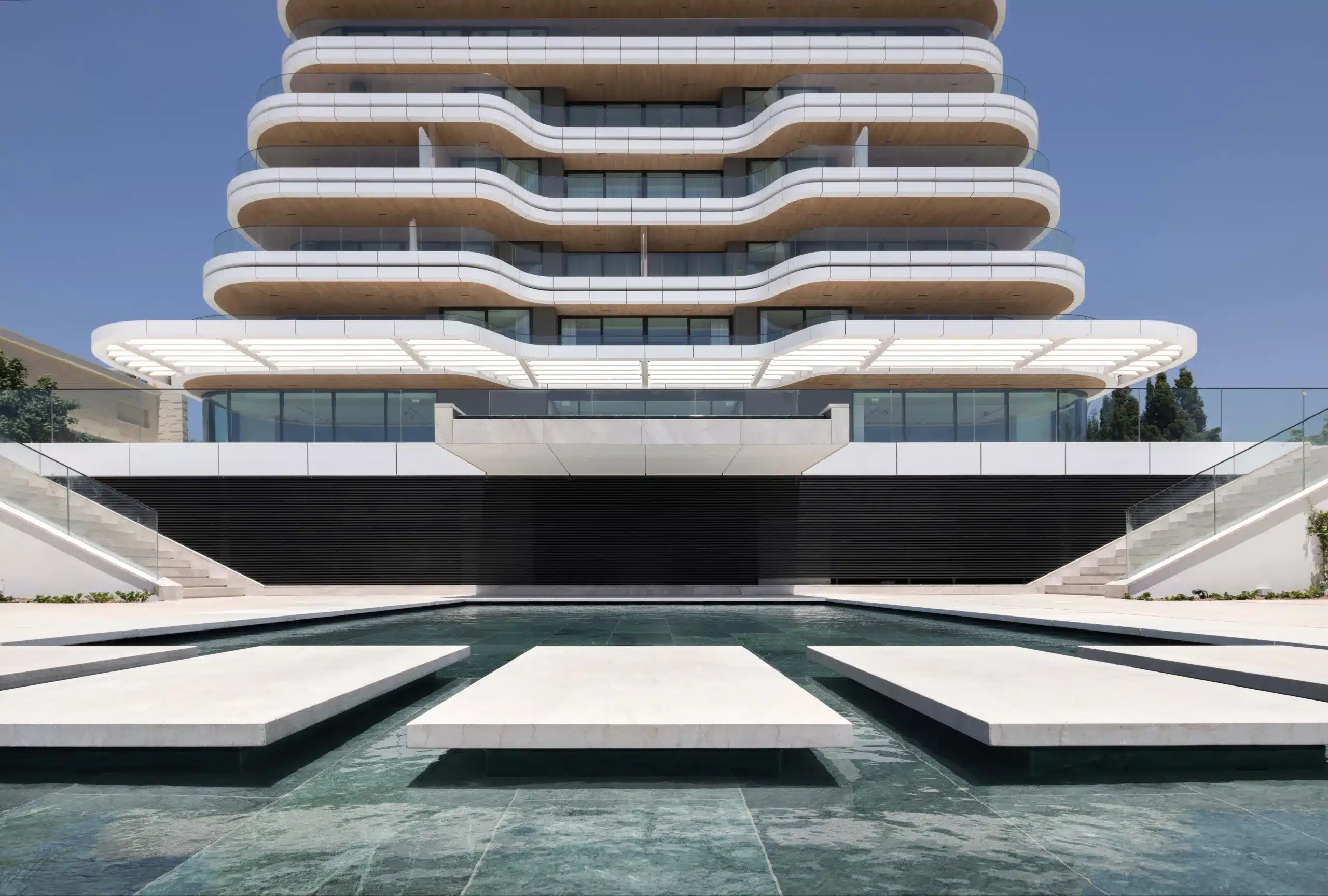
The Role Of Future Façades In Energy Efficiency And Climate-Responsive Design
As sustainability becomes embedded at the heart of architectural practice, façade specialists across regions emphasise that the next generation of building envelopes will need to do far more than look visually compelling.
They must regulate climate, conserve energy, and strike a careful balance between performance, commercial realities, and long-term environmental responsibility. Their insights reveal a future where façades operate as intelligent, adaptive systems that negotiate competing demands without compromising user comfort or design ambition.
According to Mabrouk, future façades will make a profound contribution to sustainability by managing heat, light, and ventilation with far greater intelligence. He notes that high-performance glazing, well-designed shading, and thermally efficient materials will help significantly reduce cooling and heating loads. Mabrouk also highlights the importance of low-embodied-carbon materials, such as recycled metals or timber composites, and emphasises that façades integrating solar technologies will play a direct role in clean energy generation, ultimately reducing a building’s carbon footprint throughout its lifecycle.

Sergiou echoes this view and suggests that sustainability must be rooted in early design decisions. He stresses the importance of selecting locally available materials from environmentally responsible manufacturers to reduce embodied carbon. However, he opines that operational energy use over decades has a far greater impact, which is why façade-integrated photovoltaics excite him. In his experience, building envelopes that both shade interiors and generate power daily offer a truly climate-responsive outcome. His own off-grid office, he notes, is proof that photovoltaic façades are not merely promising concepts but essential tools for the future.
From a design-led perspective, Bokil argues that future façades must be conceived as active systems capable of negotiating climate, energy, and human comfort. She explains that at EXS Design, sustainability is embedded from the outset—through climate-responsive geometry, intelligent shading, dynamic skins, and integrated energy-generating surfaces such as BIPV. Bokil further suggests that parametric modelling and generative workflows are critical in exploring efficient, visually compelling solutions, while modular systems and thoughtful material choices help ensure longevity and reduced environmental impact. To her, sustainability is not an add-on but a foundational design principle.

Offering a more pragmatic lens, Karatzas notes that sustainability often sits in tension with commercial pressures. He remarks that while ideal façade strategies may prioritise reduced glazing or increased shading, real-world developments frequently favour the opposite because of market appeal. Karatzas therefore advocates for “balancing solutions”: if commercial priorities necessitate highly glazed façades, designers must compensate through improved insulation, better glass selection, intelligent shading, or passive strategies elsewhere. He stresses that sustainability works best when aligned with economic realities, and that façades can meaningfully reduce operational energy, embodied carbon, and long-term risk – provided strategies remain practical and achievable in the real world.
The Future Impact Of Intelligent And Adaptive Façades On Building Performance
As digital technologies blend ever more seamlessly with architecture, intelligent façades are emerging as a defining force in building performance. No longer passive skins, these systems promise buildings that respond to their environment with precision, efficiency, and intuition. Across the industry, experts agree that adaptive façades will transform comfort, sustainability, long-term value, and the very relationship between people and the spaces they inhabit.
Intelligent façades will fundamentally change how buildings behave, notes Mabrouk, as structures begin responding in real time to both external and internal conditions. According to him, sensors, automation, and AI-driven controls will regulate shading, ventilation, and insulation automatically, enhancing comfort while minimising energy use. He adds that such adaptability will extend the lifespan of façade materials and contribute to healthier indoor environments.
Serghiou agrees and says that buildings will soon interact with their surroundings far more intuitively. He opines that systems equipped with sensors, automation, and predictive algorithms will make independent decisions – adjusting louvres, altering transparency, or opening ventilation paths based on sunlight, wind, or occupancy. In his view, this intelligence will lead to more comfortable spaces, lower operational costs, and façades that clients see as long-term, value-adding assets rather than static building components.
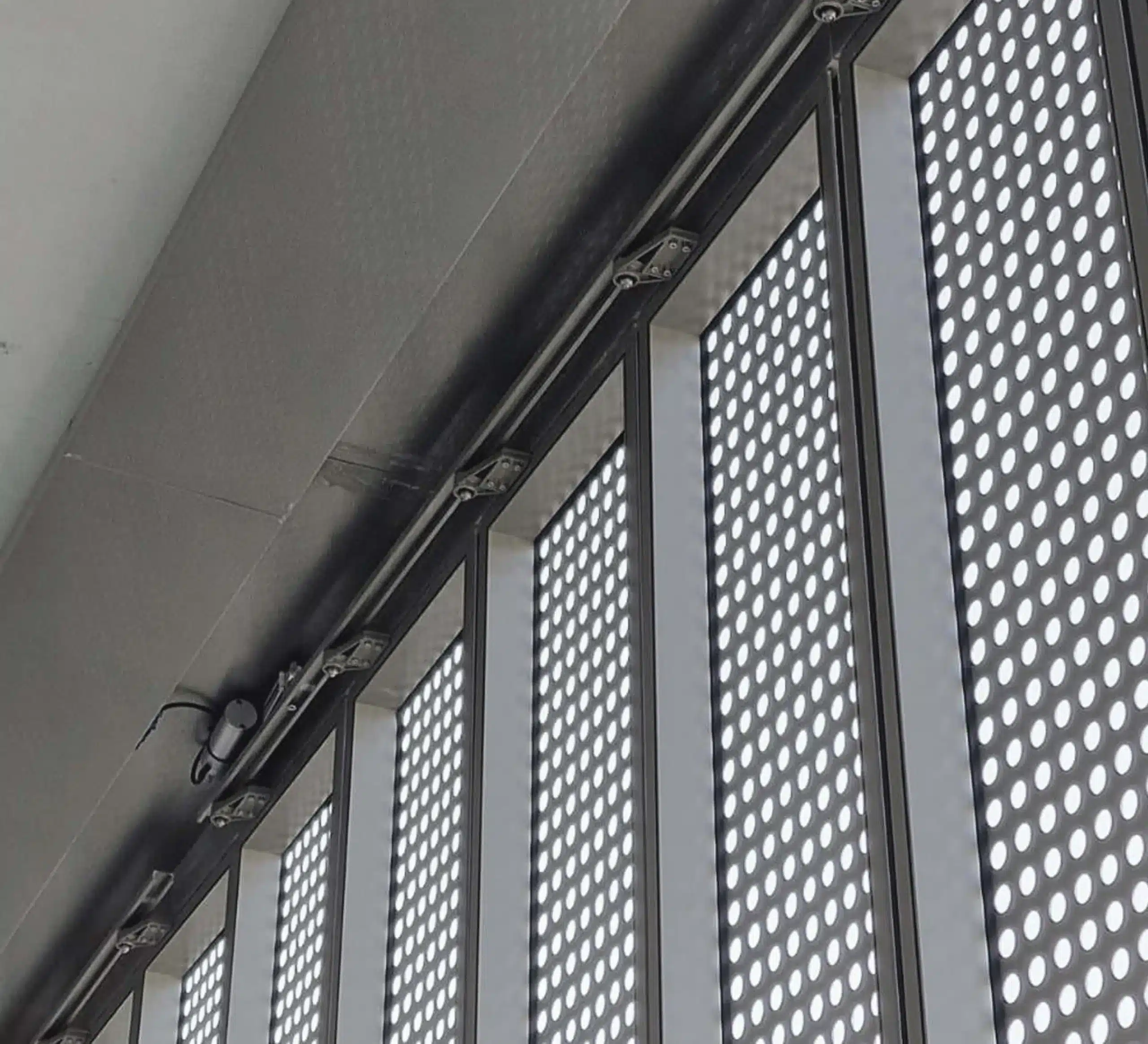
Bokil also highlights the power of smart responsiveness. She suggests that intelligent façades, through sensors and automation, will dynamically adjust shading, ventilation, and transparency. She points to her work on the 60 Degree House as an example, noting that even without full kinetic systems, intelligent façade logic can significantly reduce energy demand and optimise indoor comfort. She believes that future smart technologies will amplify this impact even further.
According to Karatzas, the promise of adaptive façades lies not in dramatic visual shifts but in subtle, data-informed performance that improves everyday function. He explains that automated shading, optimised daylighting without glare, and ventilation responsive to air quality or occupancy can meaningfully influence both energy efficiency and occupant wellbeing. He further notes that embedded sensors offer new avenues for proactive maintenance, allowing façades to detect thermal issues, leaks, or material wear before they escalate. Yet he cautions that widespread adoption will be gradual, as such systems must demonstrate reliability, affordability, and measurable benefit to the industry.
Key Technical, Regulatory, And Mindset Challenges On The Path To The Next Leap In Façade Design

As façade technology accelerates, industry experts agree that genuine progress depends not only on innovation but also on overcoming entrenched technical, regulatory, and behavioural barriers. While new materials, smarter systems, and digital tools promise a more efficient future, designers, clients, and policymakers must collectively confront outdated mindsets, fragmented standards, and real-world constraints to achieve meaningful transformation.
According to Mabrouk, one of the biggest challenges is bridging the gap between innovation and real-world implementation. He notes that many advanced façade solutions remain stuck at the prototype stage due to cost concerns, conservative regulations, or limited awareness among decision-makers. He adds that integrating diverse systems requires multidisciplinary collaboration — something the industry is still learning to embrace — while updated standards and a shift toward valuing long-term benefits are essential for real progress.

Sergiou shares a similar sentiment, suggesting that mindset remains the most persistent barrier. He says façades are still too often viewed as merely the outer skin rather than a critical performance component. For true advancement, he believes architects, engineers, contractors, and clients must collaborate far earlier in the design process. He opines that regulations must also catch up with rapid technological evolution, highlighting the importance of unified standards such as the forthcoming Eurocode 10, which he expects will help close significant gaps in façade safety and design practice.
From a design-led perspective, Bokil emphasises that the next leap in façade development comes with technical, regulatory, and cultural challenges. She notes that modern façades are increasingly sophisticated, and ensuring reliability, longevity, and cost-effectiveness requires early collaboration between all stakeholders. She argues that building codes often lag behind innovation, restricting climate-responsive design, and adds that façades must be understood as performance systems rather than aesthetic shells. According to her, overcoming cost-driven misconceptions and encouraging lifecycle thinking are key to embedding sustainability and digital design from day one.
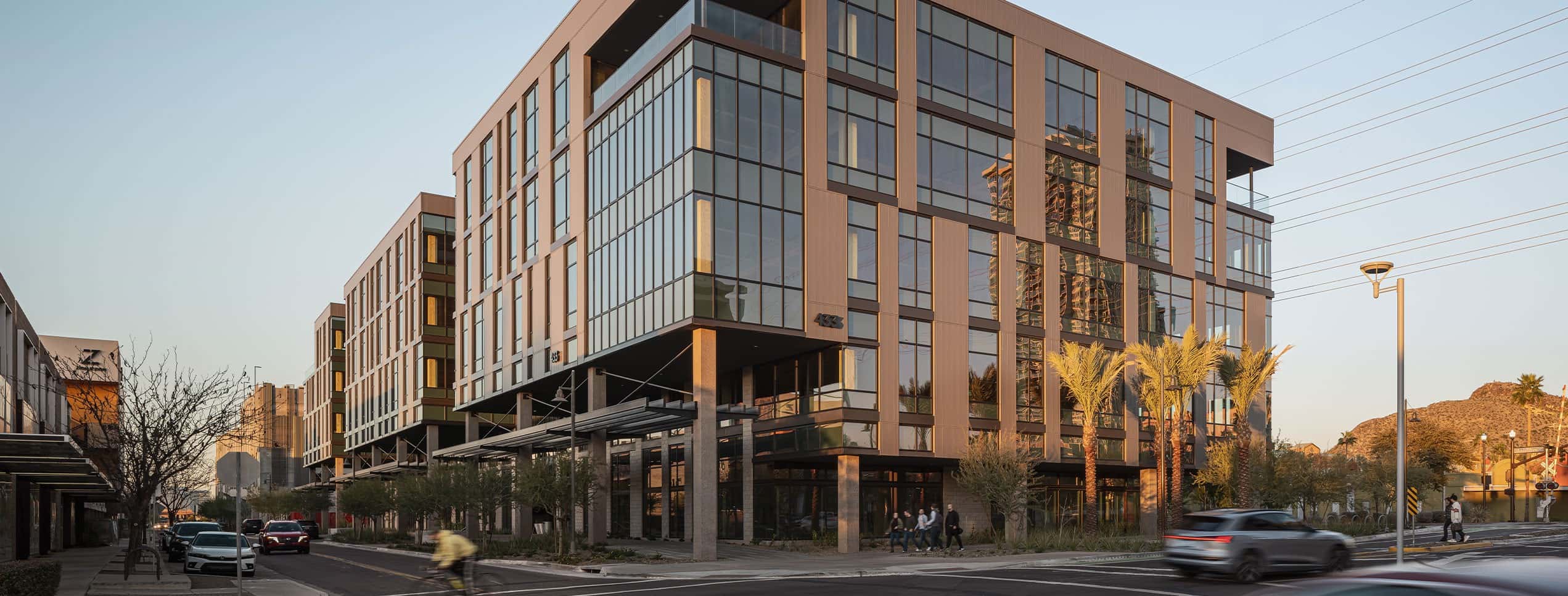
Offering a more global and pragmatic outlook, Karatzas stresses that every challenge — technical, regulatory, or mindset-driven — is shaped by regional priorities. He suggests that rising façade complexity demands exceptional reliability and maintainability, and warns that premature technology adoption can undermine performance. He notes that regulatory landscapes vary dramatically across regions, from fire safety in the UK to carbon goals in the US, creating a fragmented environment that designers must constantly navigate. He further opines that mindset remains one of the most stubborn obstacles, as cost pressures and risk aversion slow the adoption of innovative systems. For him, the next leap in façade design relies on navigating technical demands, regulatory differences, and human factors with equal care.
The Role Of Façade Design In Creating Healthier And More Comfortable Building Environments

As buildings become increasingly complex and people spend more time indoors, façade design is emerging as one of the most influential determinants of human comfort and well-being. Across global practices, experts note that façades now shape how we experience light, air, temperature, and connection to the outdoors. Their insights collectively reveal a future where façades evolve into truly human-centred environmental systems.
According to Mabrouk, façade design plays a pivotal role in shaping indoor quality, regulating natural light, reducing glare, enhancing views, and supporting thermal comfort. He notes that well-designed façades, equipped with operable elements, solar shading, and low-emission materials, create healthier, human-centred spaces that feel comfortable without excessive reliance on mechanical systems.
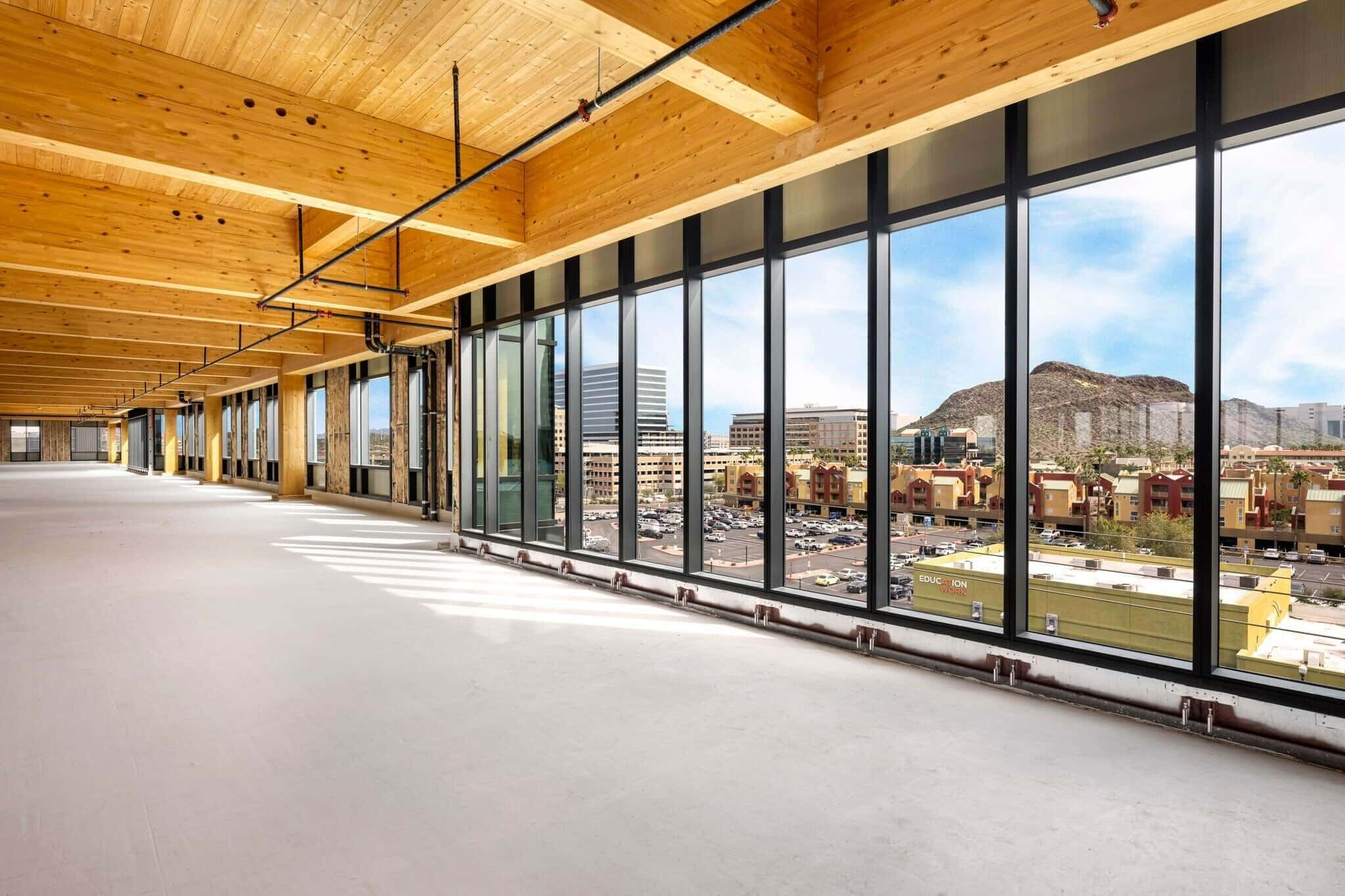
Sergiou echoes this, suggesting that façades influence everyday experience far more than people realise. He emphasises how they balance daylight, control glare, maintain fresh air, and create acoustically comfortable interiors. In his view, façades that modulate sunlight, stabilise internal temperatures, and improve air quality help people think more clearly and feel more at ease throughout the day.
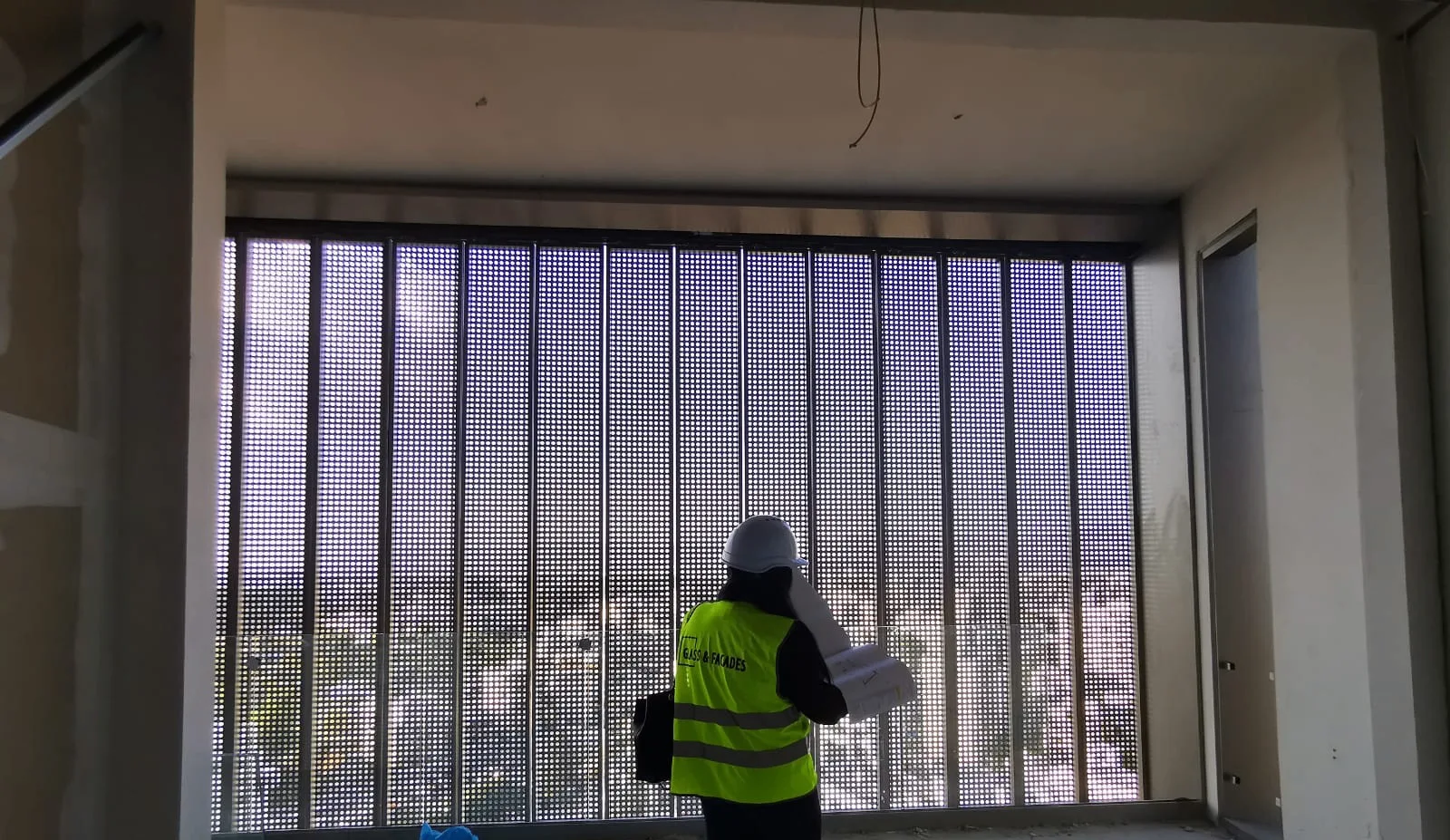
From a design-driven standpoint, Bokil opines that façades are active mediators between humans and their environment. She highlights the importance of deep shading, porous screens, and green elements in reducing heat stress, enhancing daylight, and improving indoor air quality. She further suggests that dynamic façades can adapt to shifting external conditions, significantly elevating comfort while lowering energy demand.
Offering a more analytical perspective, Karatzas notes that façades are becoming increasingly essential as people spend almost 87% of their time indoors. He stresses two core factors—light and air. He explains that while modern glazing provides thermal control, it also filters out beneficial natural light qualities, requiring designers to carefully balance coatings, orientation, and shading. On air, he argues that natural ventilation remains an undervalued yet powerful contributor to well-being. He suggests that, where feasible, façades should facilitate the movement of fresh air without compromising acoustics, safety, or thermal control.

Conclusion
Looking ahead, the evolution of façades will be defined as much by thoughtful design and practical implementation as by technological innovation. Experts highlight that while intelligent materials, adaptive systems, and energy-generating solutions offer enormous potential, their real impact depends on collaboration, lifecycle thinking, and navigating regulatory and market challenges. Façades will increasingly act as active mediators between buildings, the environment, and occupants—enhancing comfort, promoting health, and reducing energy demands. Importantly, this transformation is gradual and cumulative, built on incremental improvements as much as breakthrough technologies. By embracing this holistic approach, the façades of the future will not only redefine architectural expression but also foster buildings that are resilient, sustainable, and genuinely people-centred—spaces that intuitively respond to the world around them while elevating the everyday experiences of those within.