
Post Date: January 23, 2026 |
Last Edited: January 23, 2026
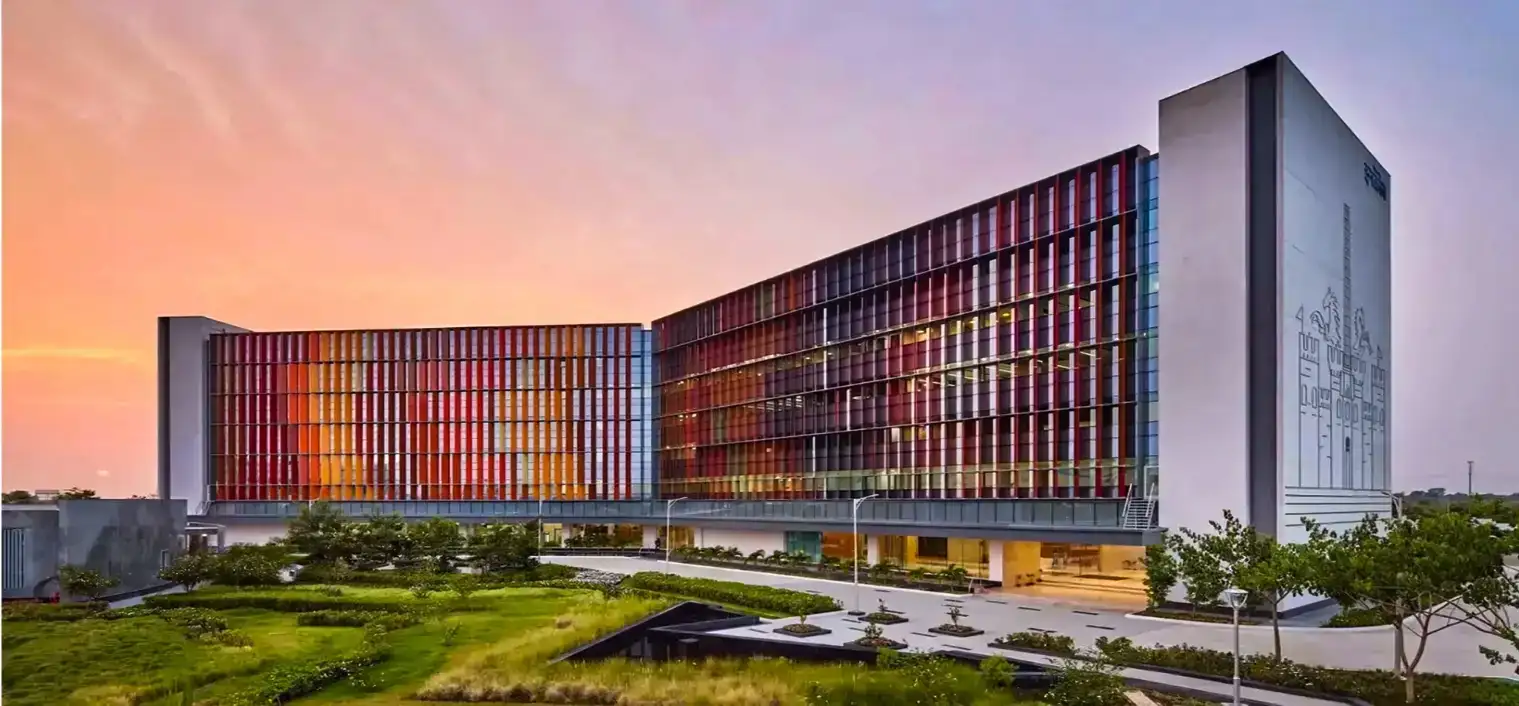
Buildings in tropical regions encounter highly demanding environmental conditions, including intense solar radiation and elevated outdoor temperatures. These climatic factors place substantial stress on mechanical cooling systems, which often account for 40–60% of total energy consumption in such buildings. As the primary interface between the external environment and conditioned interior spaces, the façade—especially its glazing and window systems—plays a decisive role in determining heat transfer, daylight penetration, and ventilation behaviour. High-performance façades can substantially reduce cooling loads, improve visual comfort, and enhance indoor environmental quality while maintaining architectural flexibility and without necessarily incurring excessive construction costs.
This article examines the principal components of façade performance in tropical climates, strategies for energy optimisation, the analytical tools that support design decisions, and case studies demonstrating measurable impacts on building performance.
Façade Performance Components In Tropical Climates
In tropical settings, thermal performance is dominated by the need to limit unwanted heat gain. Achieving this requires careful specification of glazing assemblies, which are often the most significant pathways for heat transfer. Low U-value glazing reduces conductive heat gains, while spectrally selective coatings minimize the admission of infrared radiation without compromising visible light. The selection of an appropriate window-to-wall ratio, typically between 30% and 45% for tropical commercial buildings, helps balance daylight availability and thermal performance. Thermal breaks in curtain wall systems further reduce heat bridging, and high-performance insulation in opaque façade elements contributes to a more stable indoor environment. Even marginal reductions in the solar heat gain coefficient (SHGC) can translate into meaningful reductions in cooling demand because glazing typically accounts for the majority of external heat ingress.
Solar control is equally critical in the tropics, where direct solar exposure can create severe overheating. External shading devices, such as vertical fins along east–west façades or horizontal overhangs on north–south orientations, block sunlight before it strikes the glazing, preventing solar radiation from entering the building envelope. Dynamic shading systems, including automated blinds and electrochromic glazing, respond to real-time variations in sun position and intensity. Architectural solutions such as brise-soleil and vegetated façades also help diffuse or filter harsh sunlight. External shading strategies are generally two to five times more effective than internal shading because they prevent thermal energy from reaching the façade surface. Given that glazing surfaces are among the most thermally vulnerable elements of the building envelope, solar control devices significantly enhance occupant comfort and reduce HVAC energy use.
Daylighting performance is another central aspect of façade design. Although tropical sunlight is intense, well-designed façades can harvest diffuse daylight while preventing glare and excessive heat gain. Light shelves redirect daylight deeper into interior zones, reducing reliance on artificial lighting. Glazing with high visible transmittance but low SHGC improves daylight penetration while maintaining thermal comfort. Reducing east–west exposure through massing and orientation decisions further supports effective daylighting, and the integration of daylight-responsive lighting control systems can achieve lighting energy reductions of 20–40%. Because windows directly mediate the quality and distribution of daylight, their optical and thermal characteristics fundamentally shape both visual comfort and energy consumption.
Strategies For Energy-Optimised Façade Design
High-performance glazing is one of the most effective means of reducing cooling energy consumption in tropical commercial buildings. Low-E double glazing designed for humid climates reduces conductive and radiant heat transfer, while spectrally selective glazing allows visible light to enter while filtering out infrared wavelengths. Electrochromic glass introduces additional flexibility by adjusting tint levels in response to solar exposure, improving both thermal performance and visual comfort. Because window systems represent a critical control point for heat gain and daylighting, improvements in glazing technology often yield disproportionately large energy savings.
Adaptive and responsive façades incorporate sensors, automation, and predictive algorithms to adjust shading, ventilation, and glazing tint based on environmental conditions. Automated louvres and shading screens track the sun and regulate heat gain, while photo-responsive and occupancy-responsive systems optimize daylight availability. More advanced AI-driven controls integrate façade performance with building management systems, predicting solar loads and adjusting cooling strategies accordingly. Such adaptive façades typically reduce cooling energy consumption by 10–20% relative to fixed-shading designs.
Passive design strategies continue to provide some of the most cost-effective means of reducing façade-related heat gain. Orienting the building to minimize direct sunlight, recessing windows, incorporating deep overhangs, and specifying light-coloured façade materials all reduce the amount of solar radiation absorbed by the building envelope. These strategies underscore the importance of integrating façade considerations early in the design process.
Finally, façade performance must be integrated with broader building systems. HVAC systems must be sized according to realistic façade heat loads, avoiding inefficiencies associated with oversizing. Lighting systems should respond dynamically to the availability of daylight, and building automation systems should monitor shading devices, operable windows, and façade-integrated renewable systems. Building-integrated photovoltaics (BIPV), whether integrated into opaque façades or glazing systems, can further reduce operational energy use and contribute to long-term sustainability objectives.
Case Studies And Future Outlook
Advanced simulation tools support rigorous analysis of façade performance in tropical climates. Whole-building energy modelling, daylighting simulations, and parametric modelling enable designers to test numerous façade configurations rapidly and evaluate glazing and shading combinations with respect to energy and daylighting performance.
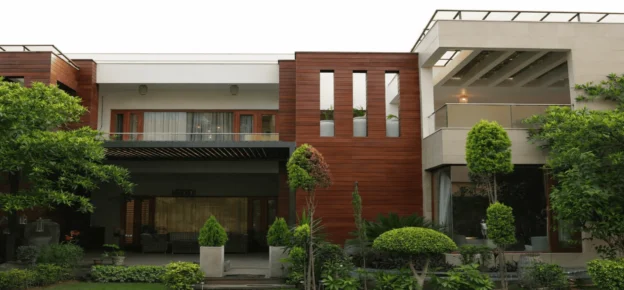
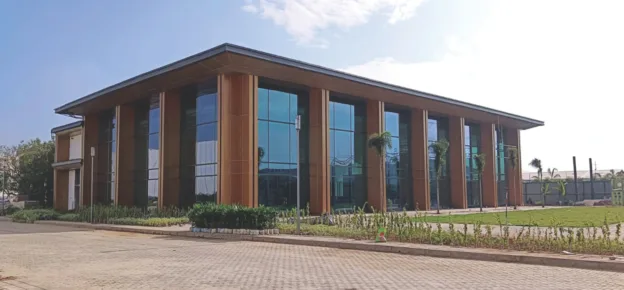
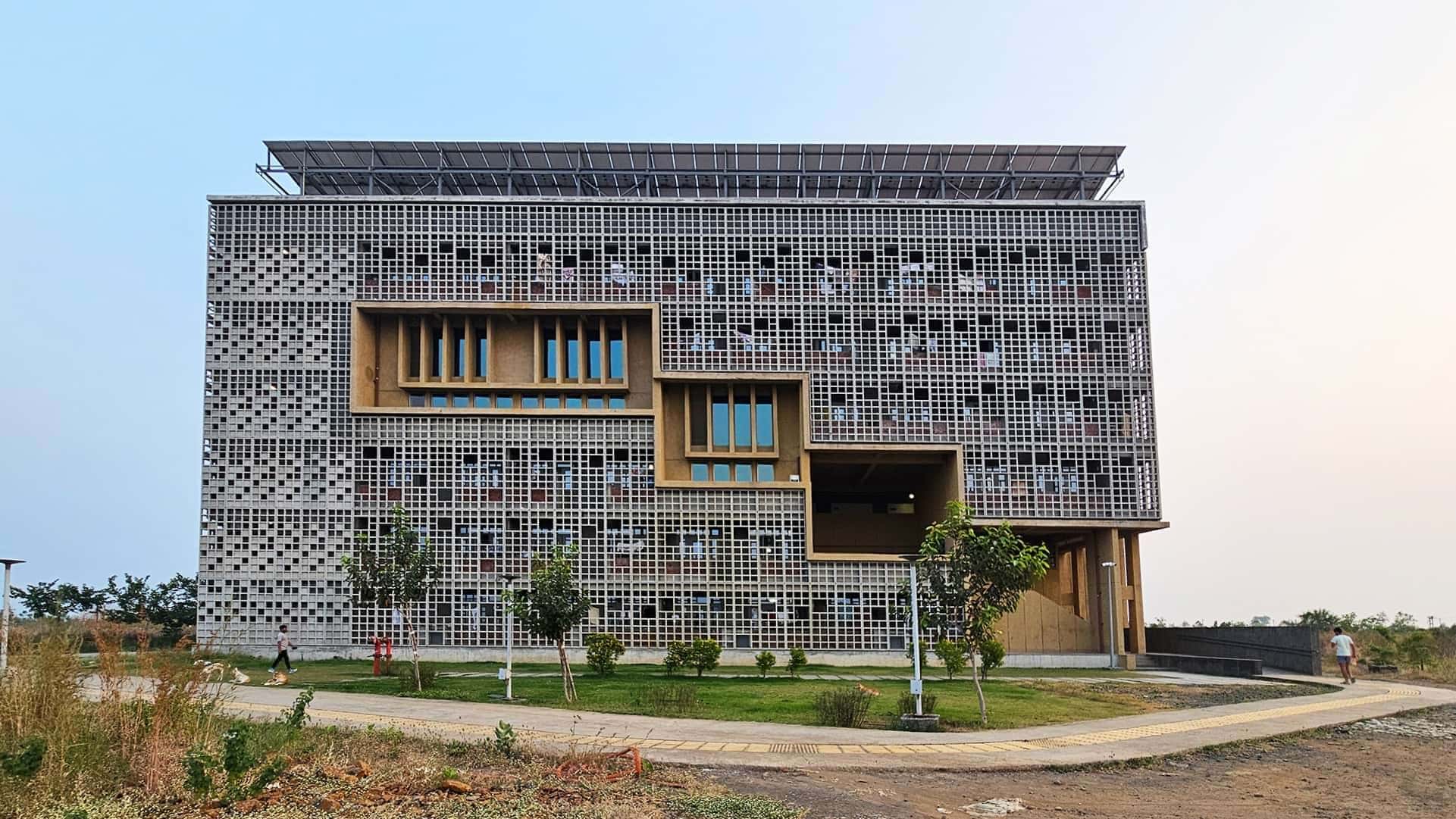
Across the Indian tropical context, some of our projects demonstrate the significant impact of façade-driven environmental optimisation. At the Maharashtra National Law University in Nagpur, the campus implemented a second-skin façade that completely shielded the primary building envelope from direct solar exposure. Combined with the use of light shelves, the subdivision of windows into dedicated daylight and vision panels, and the precise calibration of shading elements, this strategy produced fully daylit interiors and achieved indoor temperatures up to 12°C lower than outdoor conditions.
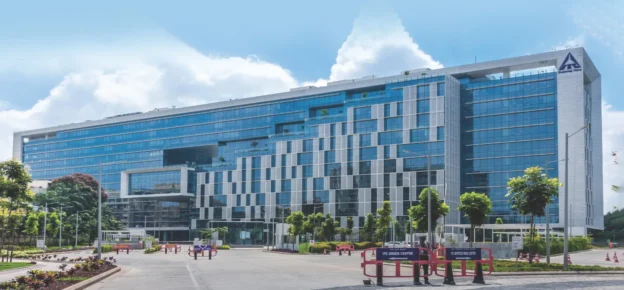
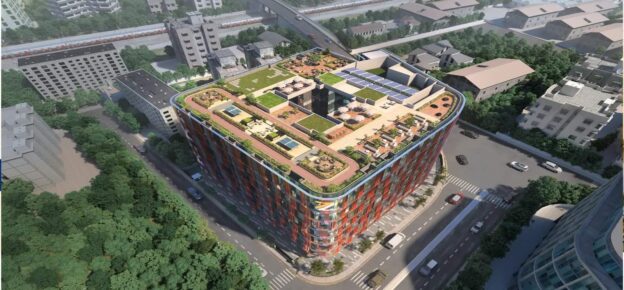
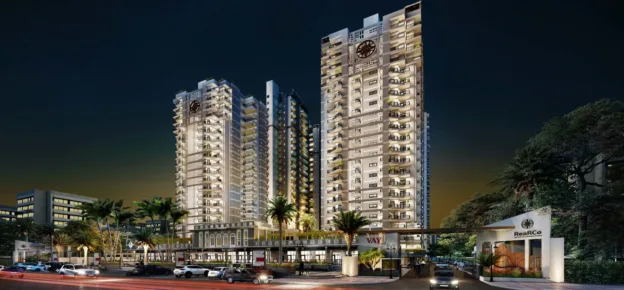
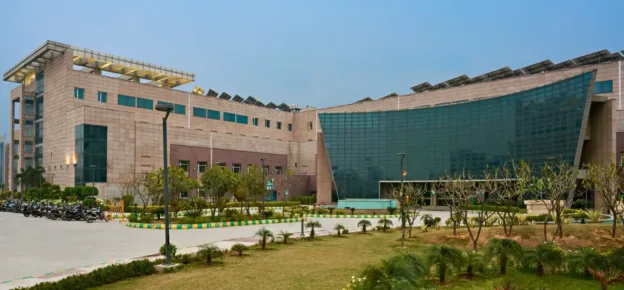
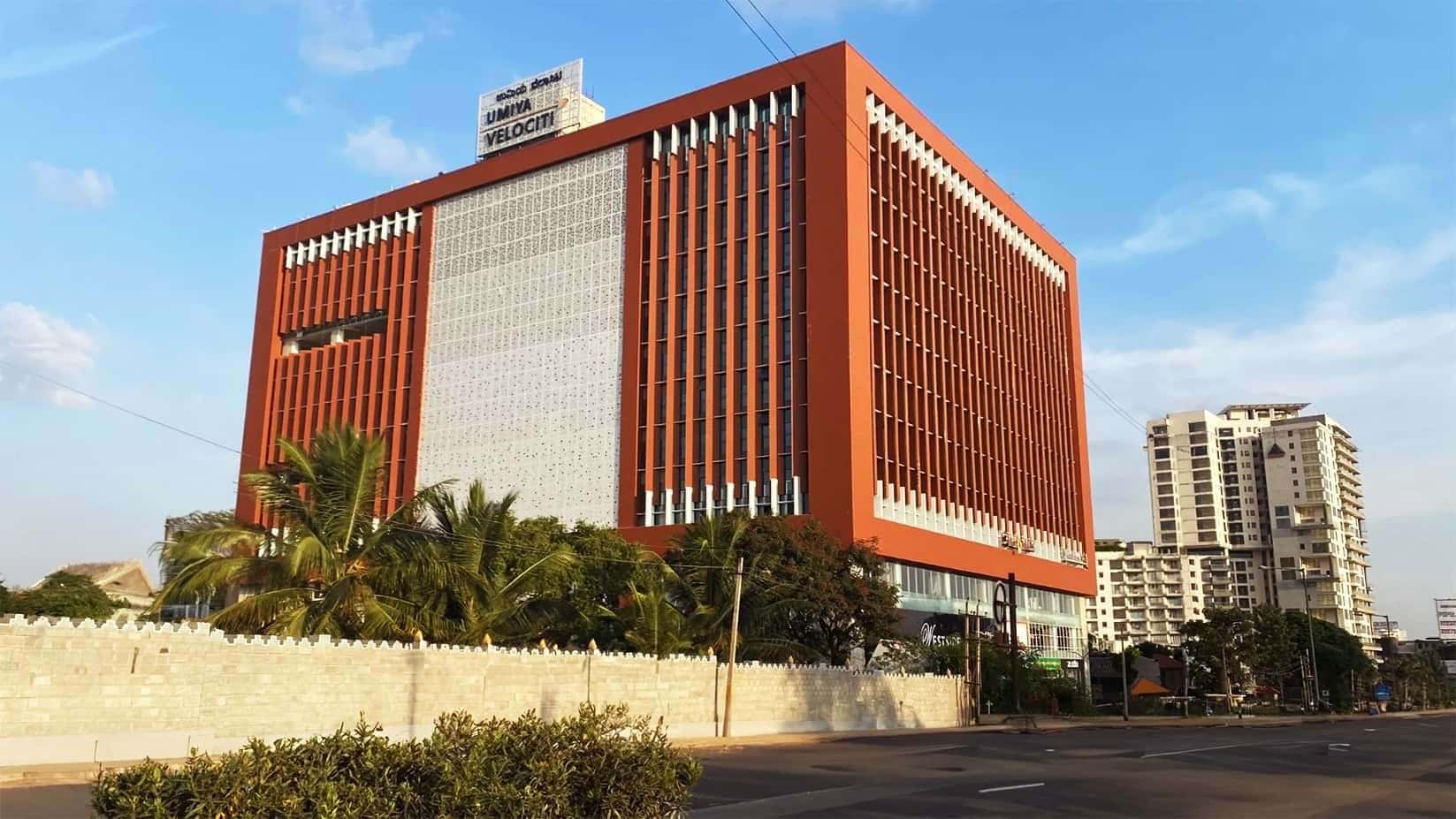
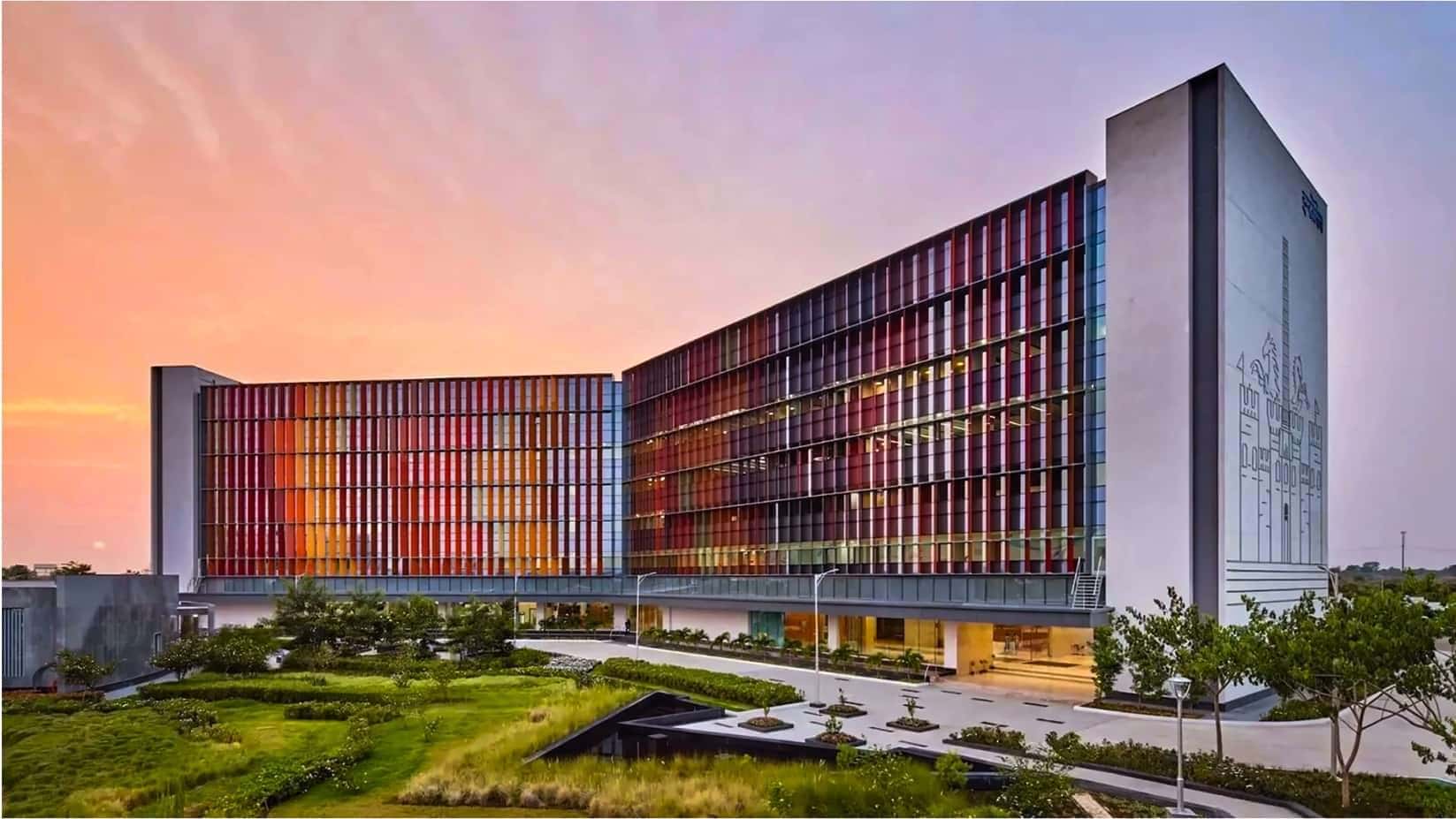
In Bangalore, the Umiya Velocitiy development adopted a façade system integrating low-E glazing with angular vertical fins and horizontal overhangs positioned to block solar heat ingress while preserving daylight availability. Likewise, the Infosys campus in Nagpur employed a climate-responsive façade incorporating deep overhangs, vertical fins, and internal light shelves, resulting in improved daylight distribution and almost 51% overall energy savings.
Collectively, these examples highlight how integrated façade strategies-focused on glazing performance, shading geometry, and daylight management-can markedly enhance thermal comfort and reduce cooling loads in tropical environments.
Looking ahead, developments in biomimetic façade systems and prefabricated modular façades promise to enhance performance and streamline construction. The increasing adoption of net-zero energy standards across tropical regions will further accelerate the integration of façades with renewable energy generation and advanced control systems.
Conclusion
Façade design, and particularly the performance of glazing and window systems, is one of the most influential factors affecting energy efficiency, comfort, and sustainability in buildings located in tropical climates. With high cooling demands and extended operating hours, these buildings benefit substantially from strategies that reduce solar heat gain, optimise daylighting, and integrate façade performance with mechanical and electrical systems. Through integrated design approaches and advances in façade technology, next-generation tropical buildings will be better equipped to meet energy targets, reduce operational costs, and provide healthier and more comfortable indoor environments.