
Post Date: February 2, 2026 |
Last Edited: February 2, 2026
As the world confronts the realities of climate change, resource depletion, and rapid urbanisation, sustainable building design has become a global imperative. Among the many components that shape a building’s environmental performance, the façade and fenestration system stand out as one of the most influential. These systems not only define a building’s visual identity but also determine how efficiently it consumes energy, manages natural resources, and enhances occupant well-being.
Understanding Façade And Fenestration
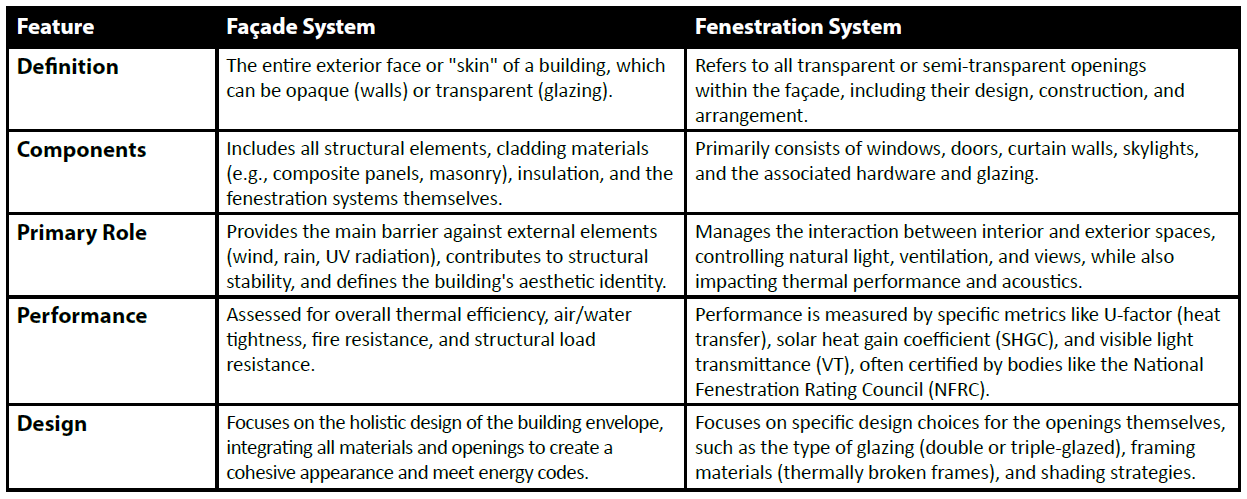
The façade is the external envelope or “skin” of a building, comprising opaque and transparent elements that protect the structure from environmental forces. Fenestration refers specifically to the openings within this envelope—windows, doors, skylights, and curtain walls—that enable natural light, ventilation, and visual connectivity.
Together, they form the building envelope, a critical interface between indoor comfort and outdoor climate.
Façade Vs. Fenestration: A Comparative Overview
India And The Global Facade Market
The Asia Pacific region leads the global façade market, accounting for nearly 38% of worldwide demand. The global façade market is projected to reach USD 325 billion by 2025, driven by:
- Rapid urban development.
- Government incentives for green buildings.
- Growing awareness of energy efficiency.
China, India, the United States, Germany, and the UAE are among the top contributors in innovation, volume, and sustainability-focused façade solutions.
How Facade & Fenestration Influence Sustainability
A thoughtfully designed façade and fenestration system can dramatically improve a building’s environmental footprint. Key sustainability benefits include
- Enhanced Energy Efficiency: High-performance materials reduce heat gain, heat loss, and air leakage: insulated panels, low-conductivity materials, and advanced glazing systems significantly lower energy consumption.
- Optimised Natural Light & Ventilation: Strategic fenestration design reduces reliance on artificial lighting and mechanical ventilation, improving both energy savings and occupant comfort.
- Water Conservation: Modern façade systems can integrate rainwater harvesting, greywater reuse, and surface runoff management.
- Sustainable Material Choices: Utilising recycled glass, FSC-certified timber, low-VOC coatings, and eco-friendly composites reduces environmental impact throughout the building’s lifecycle.
- Improved Indoor Air Quality: Better ventilation, reduced infiltration of pollutants, and noise control contribute to healthier indoor environments.
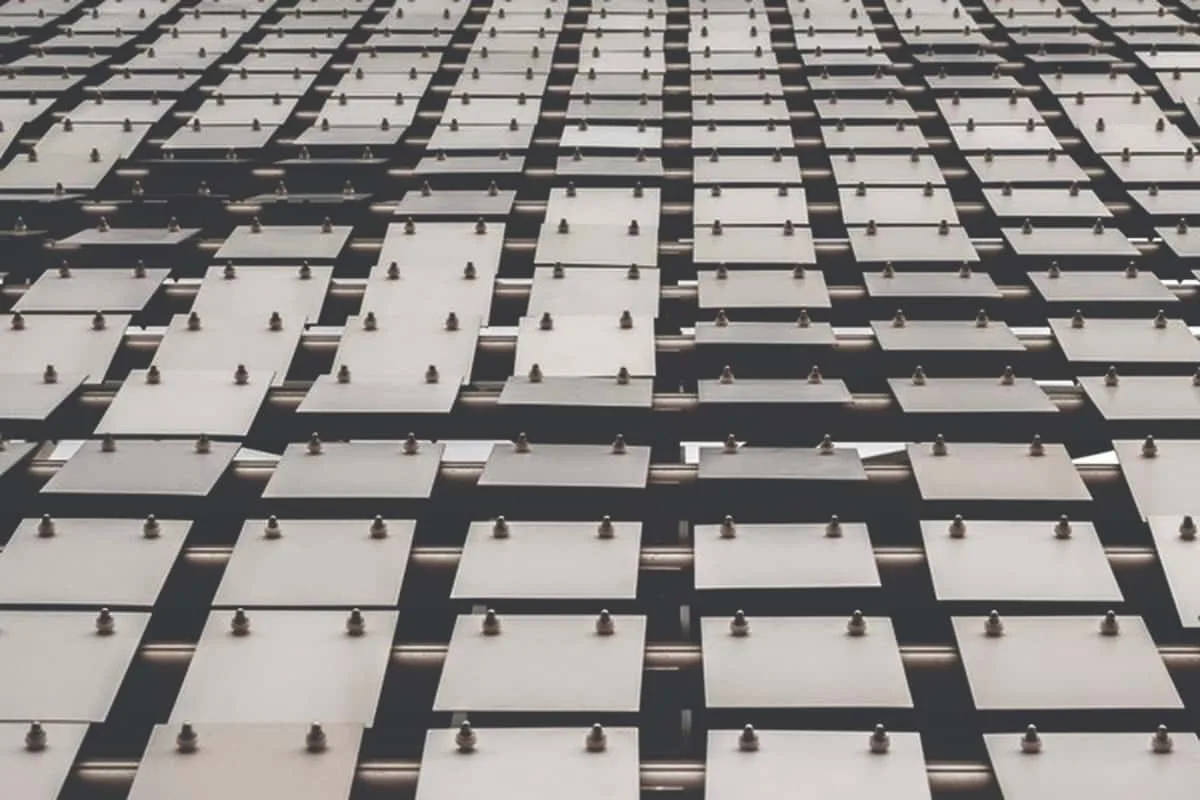
Innovative Sustainable Facade & Fenestration Technologies
The industry is witnessing rapid advancements that blend performance, aesthetics, and sustainability:
- Double Skin Façades: Two layers of glazing create a thermal buffer, improving insulation and reducing HVAC loads.
- Green Roofs & Living Walls: Vegetated surfaces enhance insulation, mitigate heat island effects, and improve air quality.
- Smart Glass Technologies: Electrochromic and thermochromic glass adjust transparency based on environmental conditions, reducing glare and cooling loads.
- Solar and Energy Generating Windows: Photovoltaic glazing enables buildings to produce clean energy without compromising daylight.
- Bio-Based Materials: Innovations include plant-based composites, biopolymers, and mycelium-reinforced panels.
Key Indian And International Standards
Indian Standards:
National Building Code of India 2016 (NBC 2016) provides guidelines for façade and fenestration design, including requirements for energy efficiency, fire safety, and structural integrity.
- IS 875 (Part 3) – Code of practice for design loads (other than earthquake) for buildings and structures, Part 3: Wind loads.
- IS 2553 – Safety glass – specification (Part 1).
- IS 2835 – Specification for flat transparent sheet glass.
- IS 3548 – Figured, rolled and wired glass – specification.
International Standards:
- ISO 15099 – Thermal performance of windows, doors, and shading devices – Detailed calculations.
- ISO 10077-2 – Thermal performance of windows, doors and shading devices – Calculation of thermal transmittance – Part 2: Frames.
- ISO 6612 – Windows and door height windows – Wind resistance tests.
- ASTM E2270 – Standard Practice for Periodic Inspection of Building Façades for Unsafe Conditions.
- ASTM E2128 – Standard Guide for Evaluating Water Leakage of Building Walls.
- ASTM E1186 – Standard Practices for Air Leakage Site Detection in Building Envelopes and Air Barrier Systems.
- EN 12153 – Curtain walling – Air permeability – Test method.
- EN 12155 – Curtain walling – Water tightness – Laboratory test under static pressure.
- EN 12179 – Curtain walling – Resistance to wind load – Test method 1 2 3.
These standards provide guidelines for the design, testing, and installation of façade and fenestration systems, ensuring safety, energy efficiency, and durability.
The National Building Code (NBC) 2025 draft is expected to bring significant changes to India’s building construction landscape, focusing on fire safety, sustainability, and accessibility.
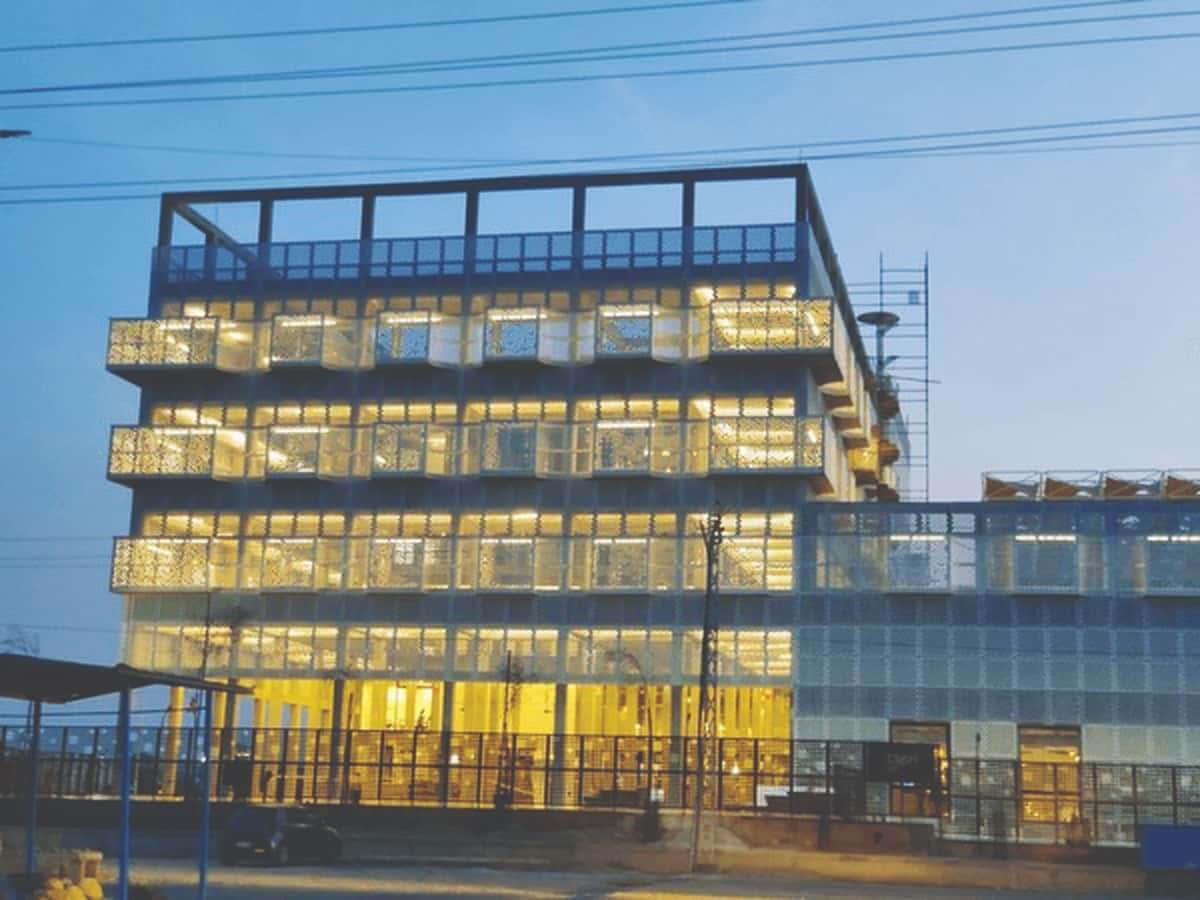
Facade & Fenestration Trends For 2025
Sustainable Materials
- Recyclable Materials: Aluminium composite materials (ACM) and Metal Composite Materials (MCM) are popular for their durability and eco-friendliness.
- Bio-Based Materials: Mycelium-based composites, bamboo-reinforced panels, and upcycled metal façades are gaining traction.
- Energy-Efficient Materials: High-performance insulated panels with phase-change materials (PCMs) and aerogels are being used for superior thermal insulation. e.g.
- Triple-Glazed Windows: Reduce heat loss, minimise noise, and lower energy bills.
- Low-E Glass: Reflects infrared radiation, keeping homes cool in summer and warm in winter.
- Thermally Broken Frames: Reduce heat transfer and energy loss.
Smart And Adaptive Façades
- Electrochromic Glass: Glass that changes tint with electrical voltage, reducing glare and heat gain.
- Thermochromic Glass: Glass that adjusts opacity based on temperature changes.
- Kinetic Façades: Movable shading elements that optimise shading and ventilation.
- Automated Windows: Controlled remotely, these windows optimize energy efficiency and convenience.
- Energy-Harvesting Windows: Generate electricity while allowing natural light to enter.
Digitalisation And Automation
- BIM and AI: Building Information Modelling and Artificial Intelligence enable precise designs and efficient project execution.
- 3D Printing: Customised façade elements and complex geometries are possible with 3D printing.
Aesthetic Innovation
- Dynamic Finishes: Advanced finishes that mimic natural materials like wood or stone.
- Living Façades: Green façades incorporating plants and vegetation for thermal insulation and improved air quality.
- Bold Colours and Textures: Add a pop of colour to your home’s exterior with vibrant door and window finishes.
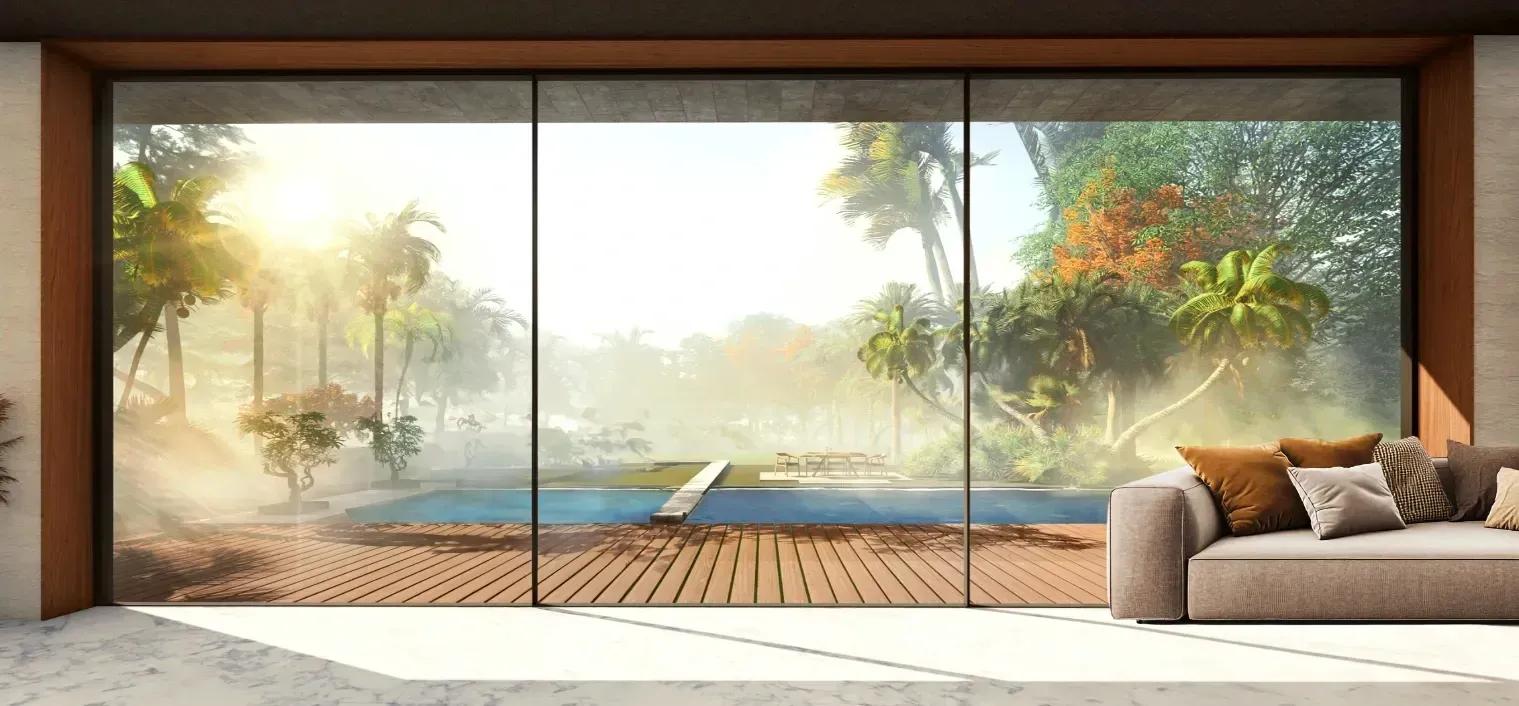
- Minimalist Frames: Sleek, slim frames maximise glass area and natural light.
- Floor-to-Ceiling Windows: Create a seamless transition between indoors and outdoors.
Security Features
- Multi-Point Locking Systems: Enhance security and peace of mind.
- Impact-Resistant Glass: Withstands extreme weather conditions and break-in attempts.
- Smart Locks: Integrate with home automation systems for seamless control.
Conclusion
Sustainable façade and fenestration design is no longer optional—it is central to the future of responsible construction. By embracing innovative materials, smart technologies, and performance-driven design, the industry can create buildings that are energy efficient, environmentally responsible, and deeply comfortable for occupants. As global climate challenges intensify, the façade and fenestration sector will continue to play a pivotal role in shaping greener, healthier, and more resilient built environments.
| Disclaimer: The views and information presented in this article are intended solely for general awareness and knowledge enhancement. Certain creative liberties have been taken to simplify complex concepts and present them in an accessible manner. Readers are encouraged to refer to official codes, standards, and professional guidance for project-specific decisions. |