Post Date: March 18, 2026 |
Last Edited: May 5, 2026
The way we build is shifting from creating static boxes to designing “living” skins that breathe and adapt. Modern architecture is moving away from the trend of all-glass towers that trap heat, focusing instead on how a building can better serve the people inside it. By blending digital tools with a deeper understanding of human comfort, today’s façades are becoming more than just exteriors; they are sensitive interfaces that manage light, air, and energy to create a more natural living environment.
To understand the practical side of this shift, we interviewed a panel of leading architects and industry experts who are redefining the building envelope. Their collective insights show how AI simulations, smart materials, and even traditional resources like brick are being used to create structures that are both efficient and welcoming. This exploration looks at the innovations and real-world constraints shaping a new generation of design—one where the building skin is an active, performance-driven system built for long-term well-being.
How Materials And Digital Tech Are Reshaping Building Skins

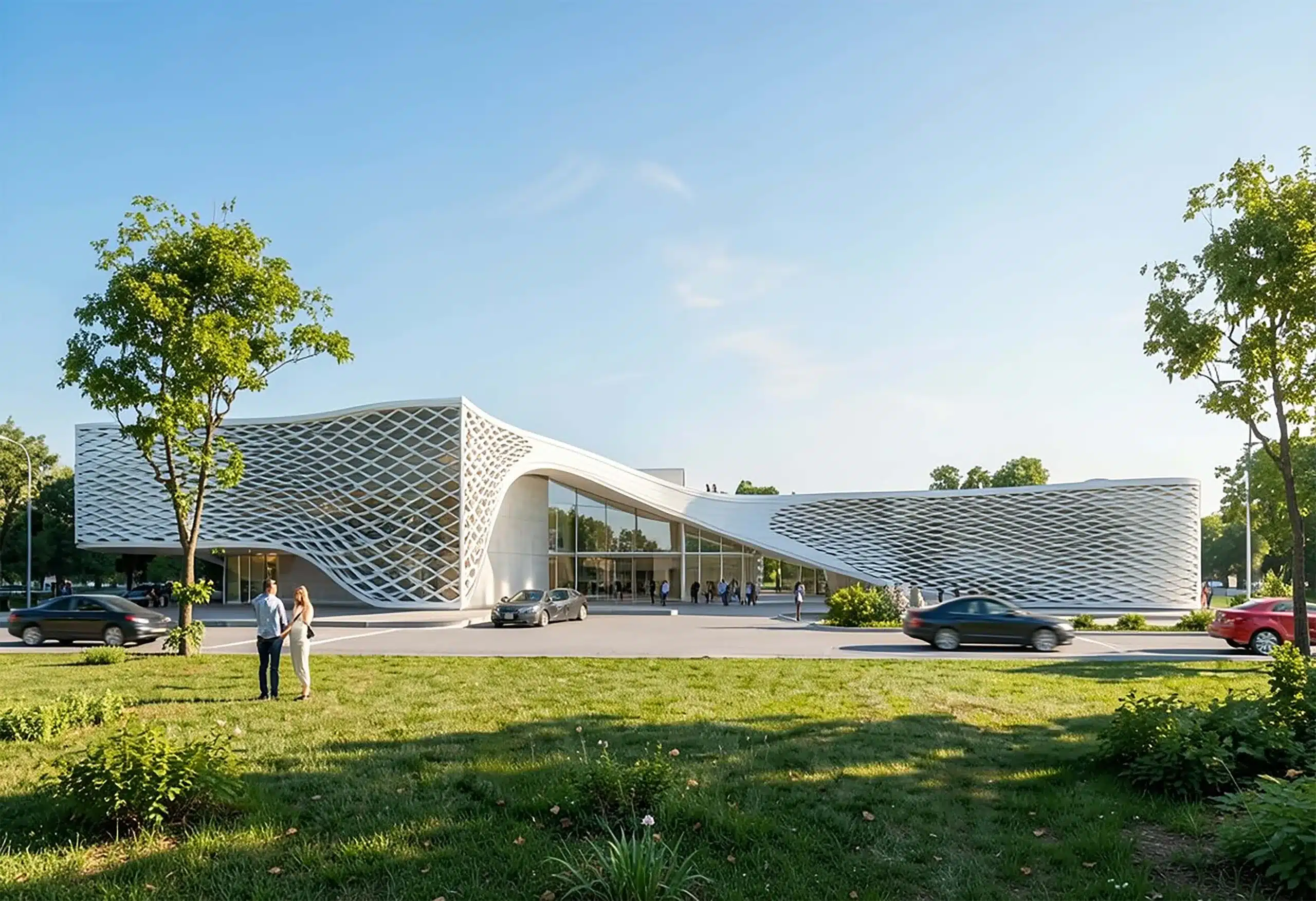
Advances in materials and digital technologies have transformed how building skins are conceived and engineered. High-performance composites, smart glazing, and parametric design tools enable façades to respond to climate, optimise energy use, and achieve complex geometries. Today’s envelopes integrate structure, performance, and aesthetics with unprecedented precision and adaptability.

Ar. Aayush Arya, Owner and Principal Designer, 6Hues Architecture Studio, notes that 3D modelling and AI have revolutionised building skins, allowing organic and parametric forms to be precisely simulated. He suggests that advanced metal fabrication now enables kinetic façades that respond to wind, turning complex concepts into efficiently executed designs.

Ar. Bhuvan Kapila, Founder & Principal Architect, Workshop for Metropolitan Architecture, notes that BIM, 3D modelling, and simulation software enable early study of proportions, climate response, and detailing. Improved glazing systems, engineered stone, and composite panels offer greater flexibility, helping us create building skins that are visually refined, structurally efficient, and responsive to site conditions and user comfort.

Mihir Thakkar, Founder, Fenestration & Façade India, says that advances in materials and digital technologies have transformed façades from static elements into dynamic, performance-driven systems. High-performance glazing, advanced aluminium systems, composites, and smart materials enable precise control of daylight, heat gain, insulation, and durability. Meanwhile, BIM, parametric modelling, and façade simulation tools allow early thermal, structural, and climatic testing before construction. As a result, façades are now engineered early in the project lifecycle, reducing risk, improving predictability, and enhancing long-term building performance.

Ar. Kapil Aggarwal, Principal Architect, Spaces Architect@ka, opines that advances in materials science and digital tools have reshaped façade design. High-performance glazing—such as low-E, spectrally selective and vacuum insulating glass—enhances thermal control and daylight, while lightweight composite panels enable sculptural forms with strong strength-to-weight ratios. Phase change materials regulate heat passively, and smart systems like electrochromic glass and self-cleaning surfaces add adaptability. Meanwhile, parametric design tools, AI optimisation, and BIM integrate performance, fabrication and cost from the outset. Early-stage simulation and digital prototyping allow precise, bespoke fabrication, transforming façades from static skins into dynamic, climate-responsive systems.

Ar. Ashish K Jain, Partner, AEON Consultants, agrees that façade design is undergoing a paradigm shift. No longer static barriers, façades are now intelligent, adaptive systems. Tools such as parametric modelling, BIM, digital twins and AI-driven simulations optimise energy, daylight and airflow, while advanced materials —including dynamic glazing, nano-coatings, bio-based composites and ETFE — create lighter, stronger and more sustainable building skins that balance aesthetics, performance and occupant comfort.

Ar. Namrata Betigiri – Principal Architect and Ar. Praveen Bavadekar – Founder & Principal Architect, Thirdspace Architecture Studio, Belagavi, suggests that architecture is not only about providing shelter, but also about mediating between interior and exterior through skins and façades. Modernism approached the skin as a repetitive, factory-made module, from unitised glazing to prefabricated concrete panels. Today, however, advanced fabrication technologies have reduced the need for repetition in mass production. The long-held divide between craft and factory manufacture must therefore be reconsidered, as innovations such as 3D printing, digital fabrication and robotics enable new ways of conceiving and constructing façades and building skins.

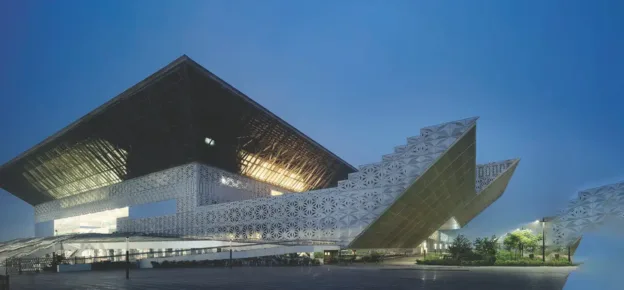
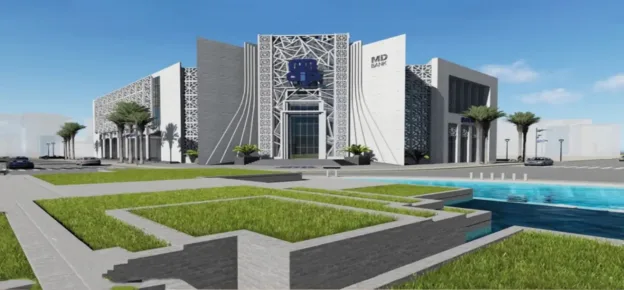
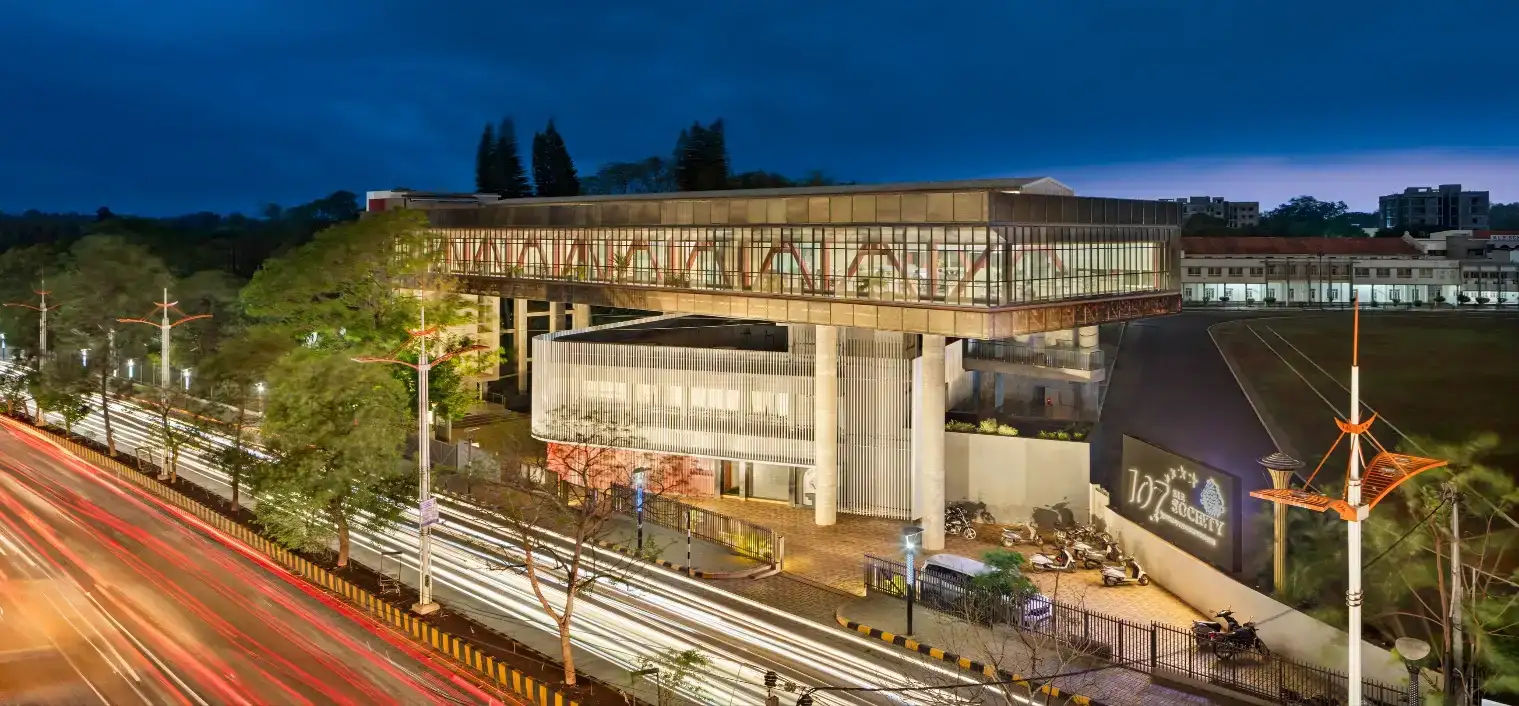
Ar. Sahir Choudhary, Associate Architect, Habitat Architects, says building skins have evolved from static cladding into calibrated systems that negotiate structure, climate and experience simultaneously. Digital modelling and parametric workflows allow façades to respond to solar exposure, span, load and movement, rather than serving as applied aesthetics. At the Signature Estates clubhouse, the façade takes the form of a porous concrete exoskeleton, digitally rationalised to align geometry with performance. The skin is no longer added to a building; it becomes the building. He adds, “When technology allows geometry to respond to climate and structure at the same time, the façade stops being a surface and starts behaving like architecture.”
Rakesh S Morudkar, Founder Principal Consultant & Managing Director, RSM Design Solutions, notes that in this age of ever-changing environment and advances in technology, one has to be abreast with the latest developments in the field of Materials – alternatives to the existing ones. These alternatives should necessarily be cost-effective and sustainable.
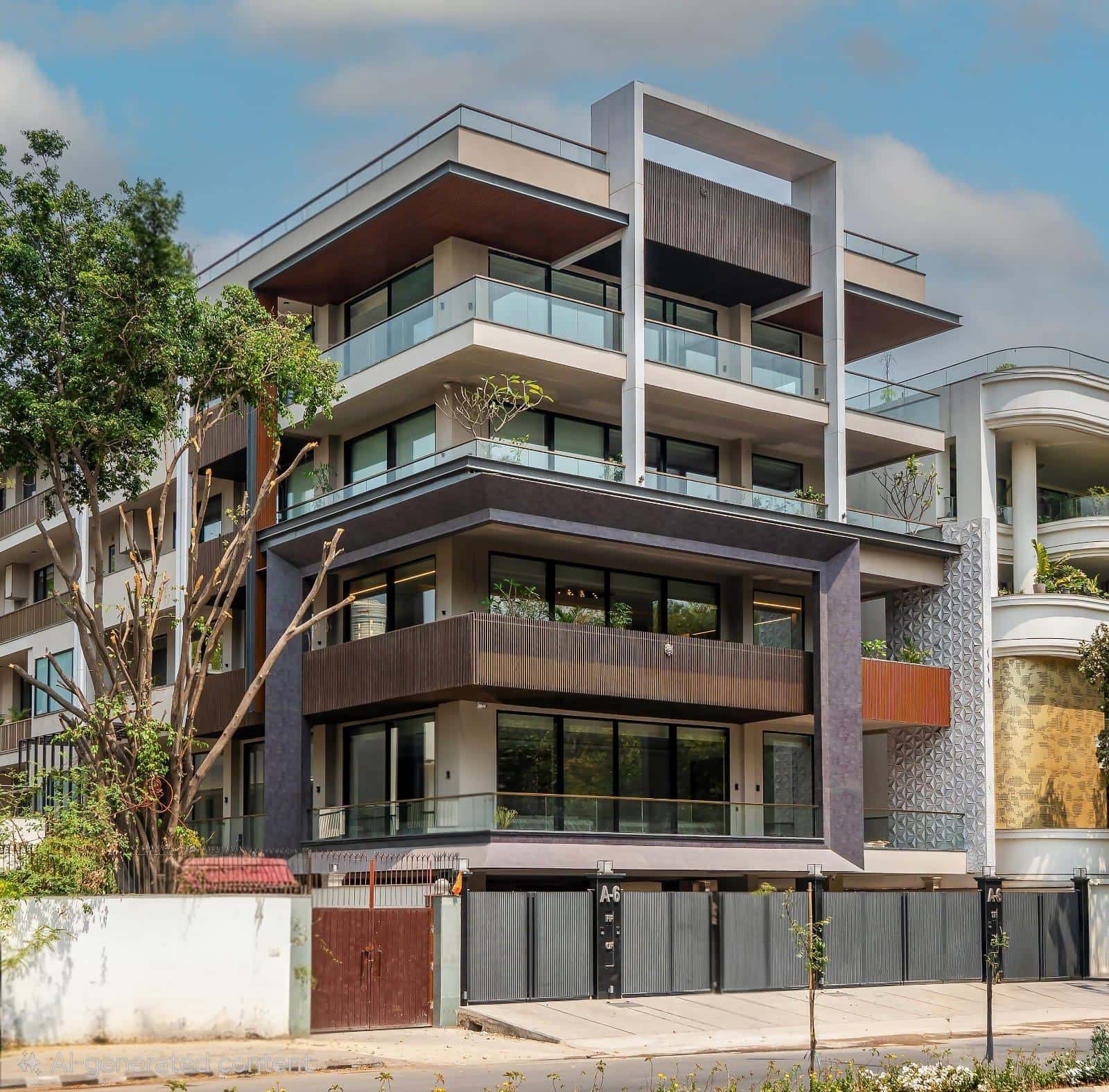
Façade Systems Integrating Form, Function, And Advanced Technology
Contemporary façade systems increasingly embody a seamless fusion of aesthetics, performance, and innovation. From unitised curtain walls and high-performance glazing to kinetic and responsive envelopes, today’s solutions demonstrate how advanced materials and engineering enable buildings to achieve visual distinction while meeting stringent environmental and functional demands.
Ar. Arya notes that dynamic pixel LED façade systems exemplify the seamless integration of form, function and advanced technology. Unlike traditional projection mapping, which depends on darkness and offers limited contrast, programmable LED façades deliver vivid, high-contrast visuals even in daylight. When integrated with translucent or reflective materials, they enhance architectural expression while transforming buildings into interactive canvases capable of storytelling, seasonal displays, wayfinding and animated effects that turn structures into engaging urban landmarks.
Ar. Kapila and Thakkar agree that the most successful systems are those that prioritise performance-tested, climate-responsive engineering. Ar. Kapila suggests that double-glazed curtain walls, ventilated stone cladding, and CNC-cut metal screens best represent this balance of aesthetics and thermal control.

Thakkar adds that the most effective systems integrate form, function, and technology through climate-responsive, performance-led design. High-performance glazing, thermally broken aluminium systems, and well-planned double-skin façades deliver measurable results — controlled heat gain, improved acoustics, airtightness, and durability in Indian conditions. Increasingly, integrated shading, ventilation, and digital monitoring define true performance beyond design trends.
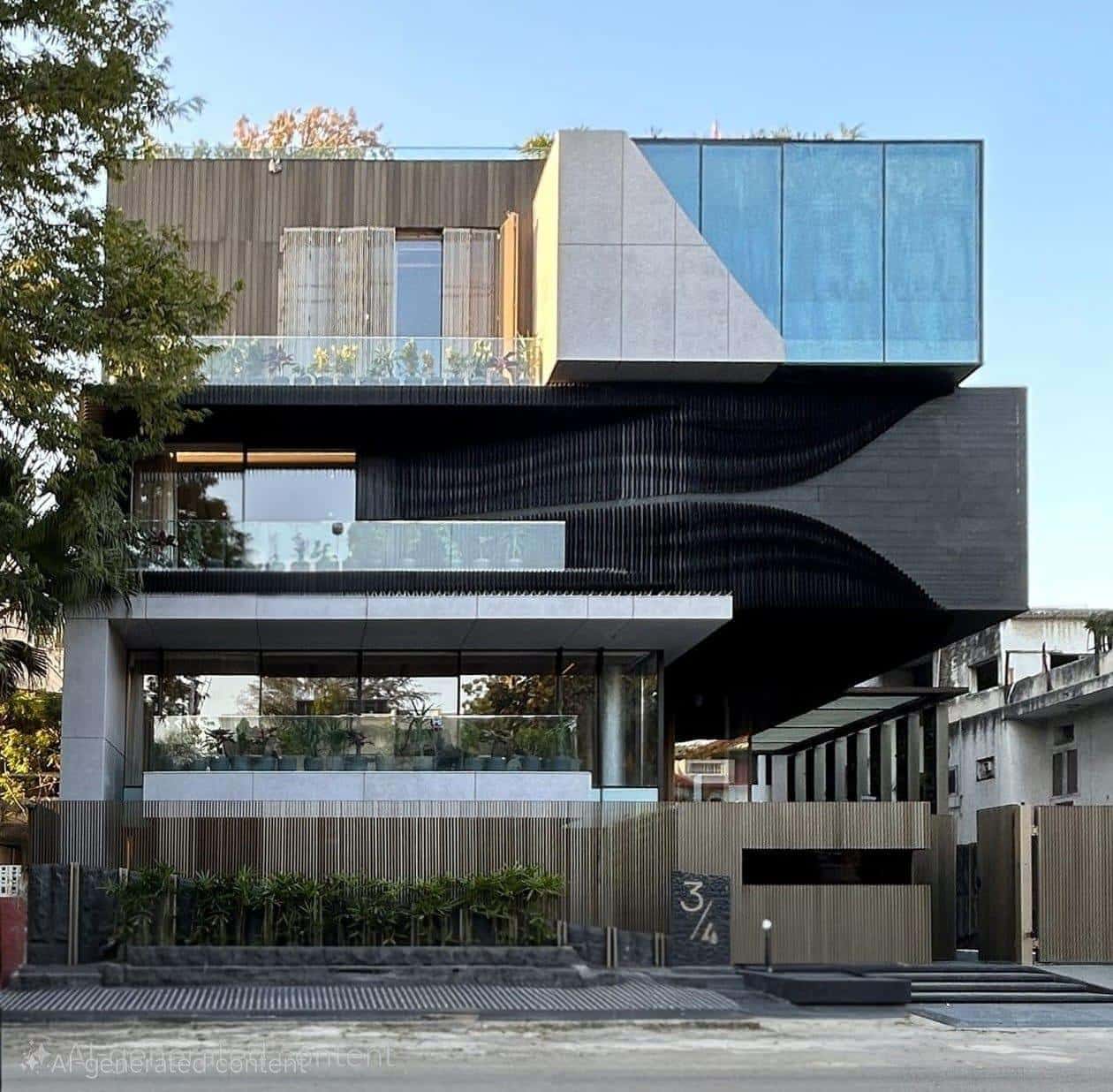
Ar. Aggarwal and Ar. Jain both identifies smart glazing and advanced materials as the pinnacle of integrated technology. Ar. Aggarwal opines that leading façade solutions today include unitised curtain wall systems by Schüco, Jansen and Kawneer, delivering high thermal performance and fast installation. Double-skin façades enhance energy efficiency through ventilated buffer zones, while smart glazing from SageGlass and View Dynamic Glass controls solar gain and glare. HPL and metal composite panels offer durable, design-flexible rainscreen solutions, balancing aesthetics and performance.
Ar. Jain says that electrochromic glazing, double-skin façades, low-carbon glazing and dynamic shading systems enhance high-performance envelopes. Electrochromic glass controls solar gain while preserving views, double-skin façades improve thermal and acoustic performance, and responsive shading optimises light and heat—blending design, automation and sustainability.
Ar. Betigiri and Ar. Bavadekar say technological advancements in façades are twofold. We can now design, fabricate and assemble complex forms that respond precisely to contextual demands. At the same time, progress in material science enables improved insulation and climatic control while maintaining transparency and permeability. Ultimately, effective façade technology should reduce reliance on artificial lighting and mechanical ventilation.
Ar. Choudhary opines that those exoskeletal systems, such as digitally fabricated GFRC lattices, represent the most convincing synthesis of form and function. He notes that these systems collapse structure, shading, and identity into a single move, where the skin is no longer an addition but what the building becomes.
Morudkar notes that the integration is best demonstrated through the software-driven parameters used in product selection. He opines that using sun path, lux, and glare analysis to determine glass thickness and aluminium sizing at the design stage is the ultimate example of technology guiding architectural intent.

Key Performance Considerations For High-Performance Building Envelopes Today
Designing high-performance building envelopes today requires a holistic approach that balances thermal efficiency, airtightness, structural integrity, moisture control, fire safety, acoustics, and durability. Increasing regulatory demands and sustainability goals further emphasise façade optimisation to enhance occupant comfort, energy performance, and long-term resilience across diverse climatic and urban conditions.
Ar. Morudkar notes that thermal, acoustic, fire, and safety considerations are all important and vital for the building envelope; one cannot sideline any single aspect and state that only one of the above is important, particularly as the norms and standards make them mandatory.
Ar. Kapila says that when designing high-performance envelopes, factors like thermal insulation, solar heat gain, natural ventilation, and daylighting are critical, and they also prioritise moisture control and weather resistance to prevent long-term damage, while ensuring that careful placement of openings improves acoustics and fire-rated systems and certified materials ensure safety compliance at the early design stage.
Ar. Jain opines that performance is multifaceted, where managing U-values and solar heat gain coefficients is critical to reducing energy demand, and the façade must evolve from a passive enclosure into an active, intelligent interface between the building and its environment.
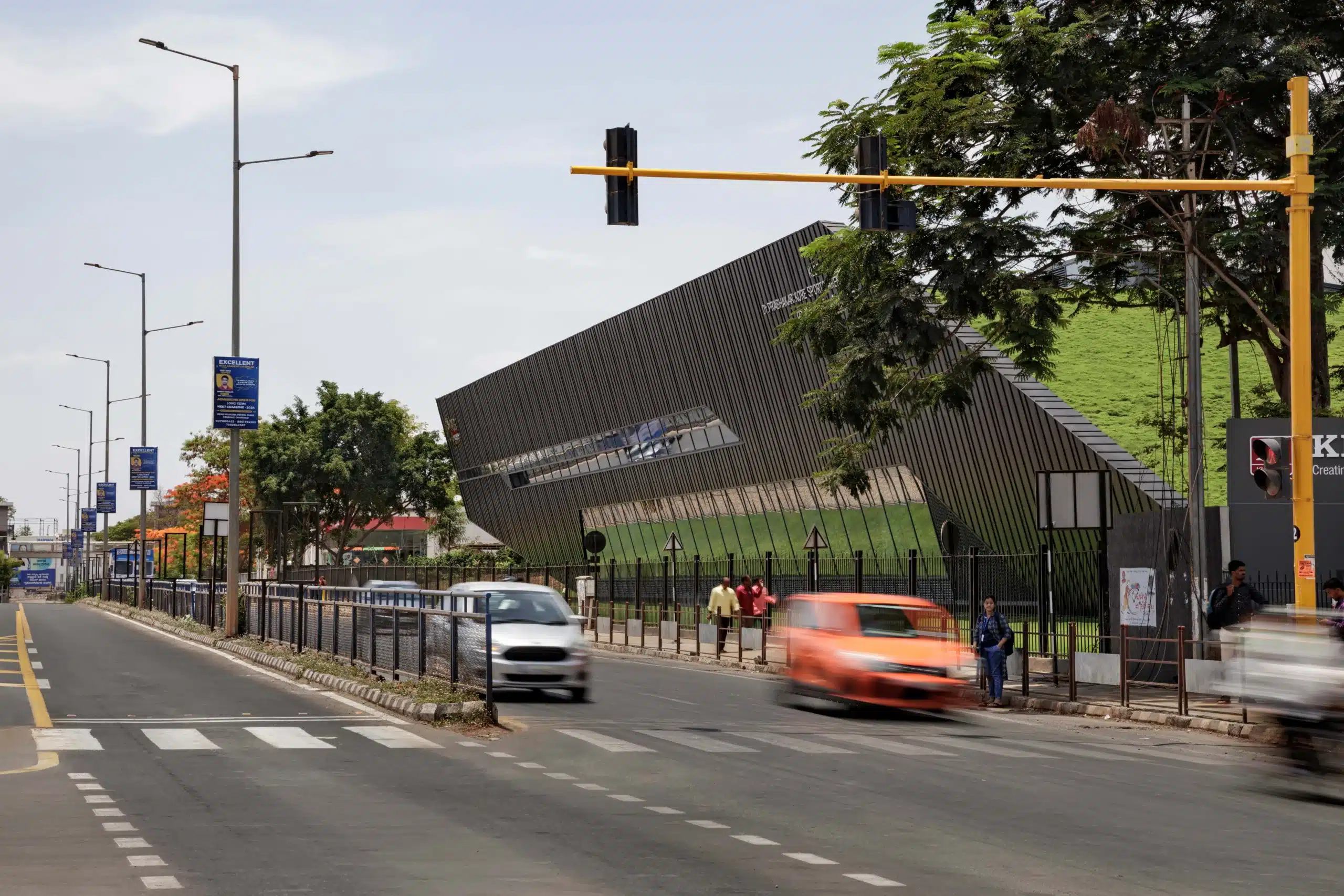
Ar. Arya says, thermal performance manages heat gain and loss through advanced glazing that filters solar radiation while maximising daylight, alongside insulated façade systems that enhance efficiency without compromising aesthetics. Acoustic performance relies on laminated glass, acoustic interlayers and specialised insulation to reduce traffic and coastal noise. Fire safety demands non-combustible, fire-rated materials, with modern metal panels offering wood-like warmth and high resistance. Safety and security combine active systems—such as surveillance and access control—with passive measures including robust materials, laminated safety glass and reinforced openings, ensuring durability, resilience and occupant protection.
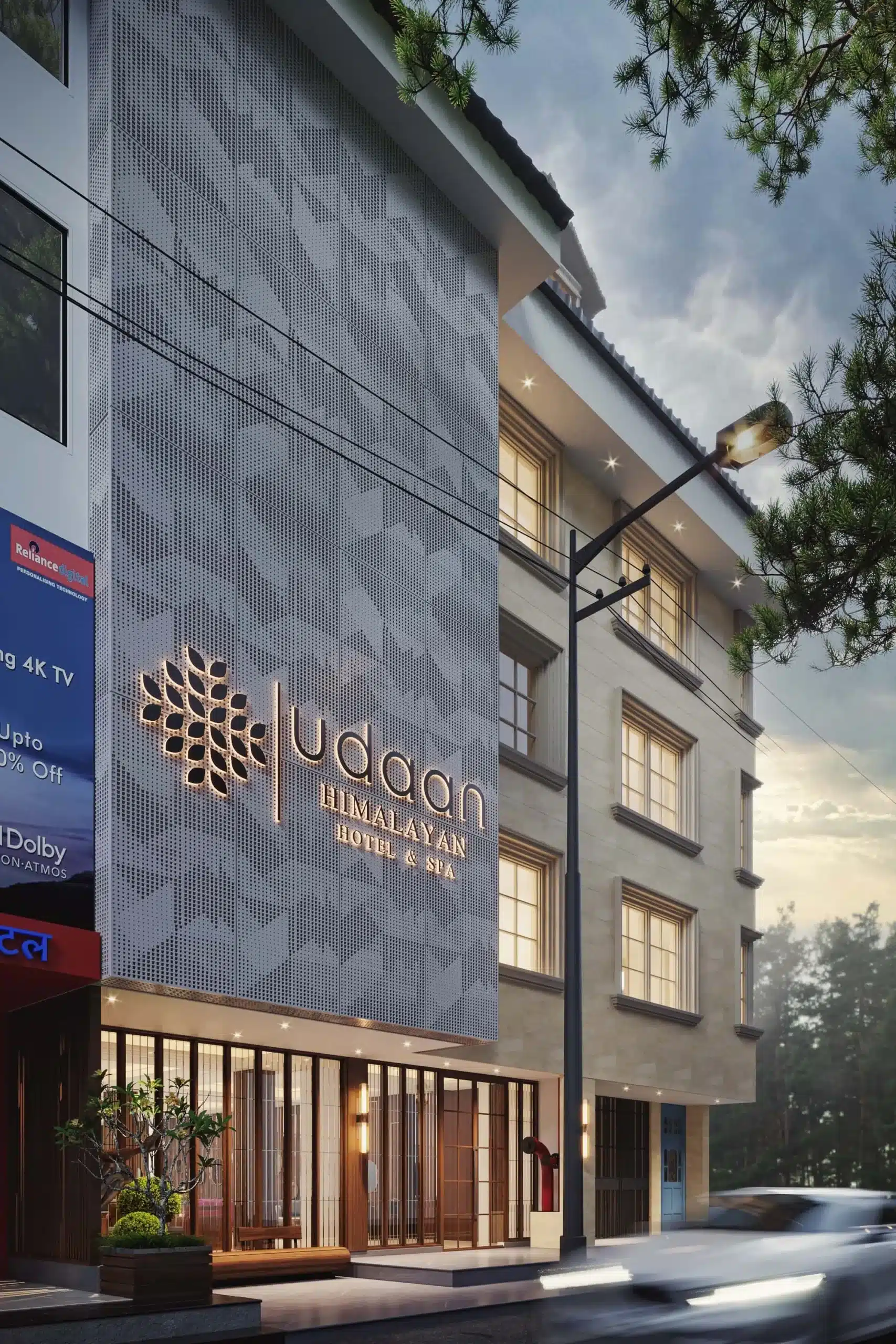
Ar. Aggarwal notes that the resistance to heat flow, measured via U-Value and R-Value, remains the primary benchmark for energy efficiency, adding that acoustic performance is measured by the Sound Transmission Class (STC), while fire safety necessitates the use of non-combustible materials like mineral wool insulation and fire-rated systems, and phase change materials (PCMs) can regulate heat flux passively.
Ar. Choudhary opines that thermal performance should be shaped through depth, porosity, and mass, and that the performance of a high-performance envelope is defined by how it balances transparency, shading, and glare to enhance spatial quality, operating as a thickened threshold that choreographs movement, light, and social interaction.
Ar. Betigiri and Ar. Bavadekar suggest that deep overhangs, verandahs and double skins are some ways in which an architectural and spatial solution works more effectively than purely relying on technology to negotiate the boundary that separates the inside from the outside.
Ar. Thakkar notes that acoustic performance is a major consideration in dense urban environments, and addressing this requires a holistic approach to system design and installation quality rather than just increasing glass thickness, while fire safety must move beyond “checkbox compliance” to include rigorous testing of entire assemblies.
Cost-Effective Façade Products Without Compromising Performance
Cost-effective façade products are increasingly shaping contemporary architecture, enabling projects to achieve performance, durability and aesthetic value within tight budgets. Advances in materials, manufacturing and system design now allow façades to deliver thermal efficiency, weather resistance and longevity without high cost, ensuring that high-quality building envelopes remain accessible across diverse building typologies and market segments.
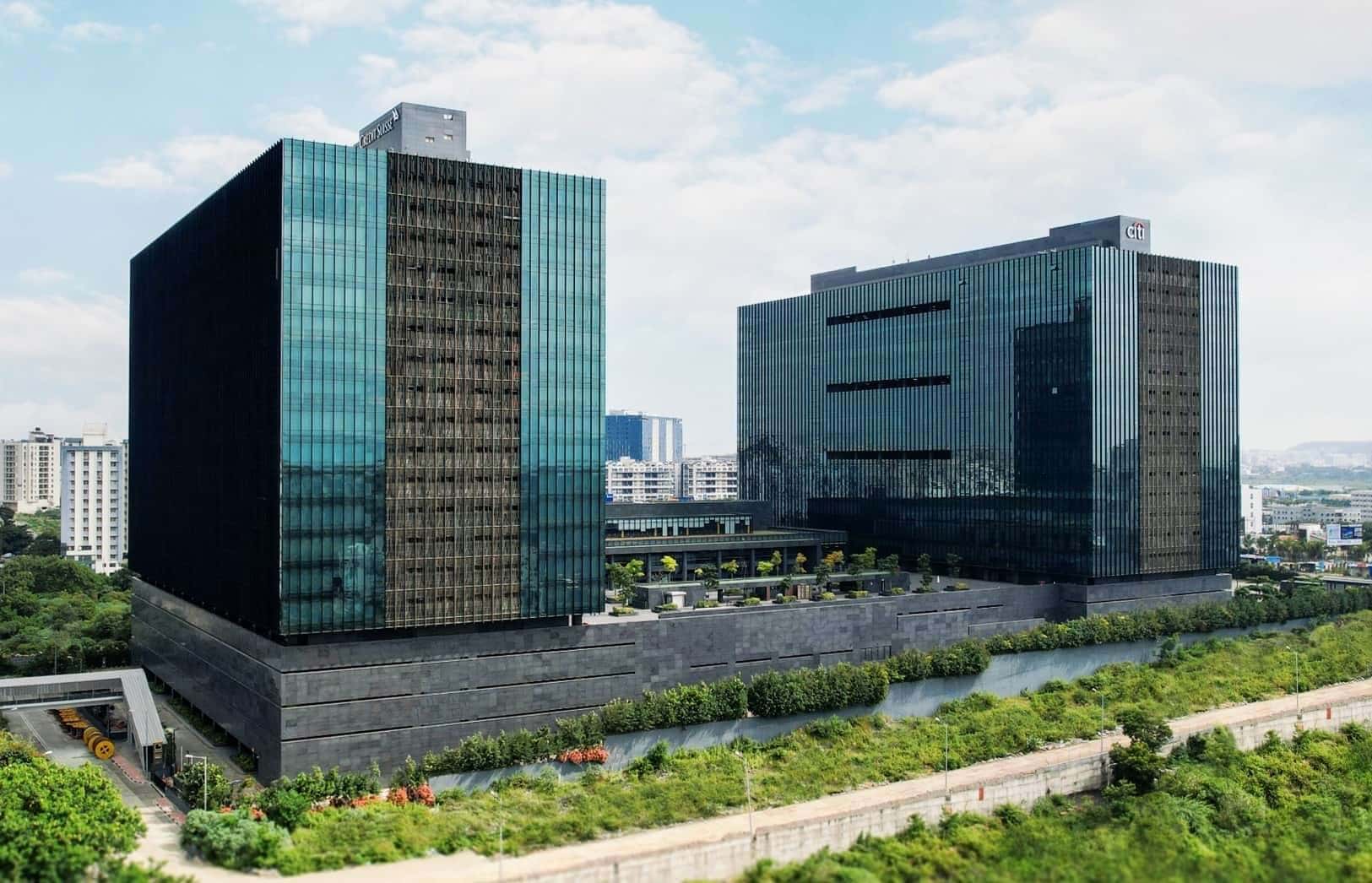
Thakkar says that cost-effectiveness is increasingly measured through lifecycle value rather than the lowest upfront cost, noting that well-engineered aluminium window systems with thermal breaks, optimised glazing configurations, and locally manufactured curtain wall systems often deliver the best balance of cost, performance, and serviceability in the Indian context, as real savings come from reduced energy consumption, fewer failures, and lower maintenance.
Morudkar notes that we cannot singly outline a façade product as being cost-effective. A thorough cost-benefit analysis needs to be done to opt for an alternate Product ensuring its adherence to the norms, lifecycle, guarantee/warranty offered, availability, replaceability, maintenance-free, etc.

Ar. Aggarwal suggests that cost-effective façade systems achieve performance goals while reducing installation and lifecycle costs. Aluminium frames with IGUs, standardised rainscreen panels and prefabricated unitised systems offer thermal efficiency, easy replacement and faster installation. Insulated wall panels provide combined insulation and finish for low- to mid-rise projects. Savings come from lower labour, reduced waste, improved energy performance and predictable fabrication.
Ar. Arya opines that iron and stainless-steel fabrication remain some of the most reliable and versatile materials in façade design because iron is a tried-and-tested material—malleable, strong, and adaptable to almost any form, allowing for custom, sophisticated detailing and practical, durable, and economical design solutions.
Ar. Kapila says that cost-effective façade solutions today include aluminium composite panels, textured exterior finishes, locally sourced natural stone, fibre cement boards, and high-quality aluminium window systems, which, when detailed and installed correctly, offer durability, thermal efficiency, and aesthetic value.
Ar. Jain notes that aluminium composite panels remain a key choice for most building owners because they are lightweight, durable, and versatile, while precast concrete panels offer strength and affordability for modular construction, and double-glazed units with low-E coatings provide excellent performance without a significant price hike.
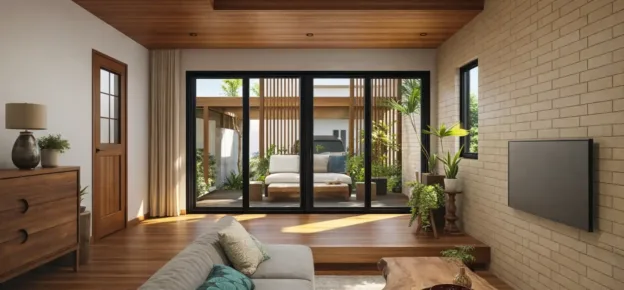
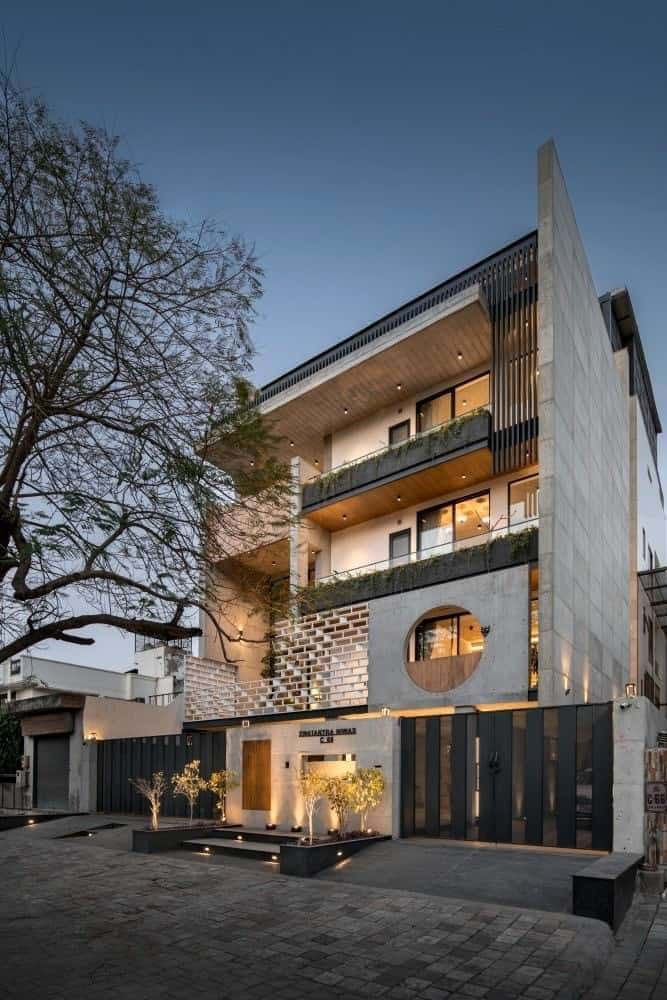
Ar. Betigiri and Ar. Bavadekar suggest that they have discovered that sometimes the most ubiquitous and basic of materials, such as the humble brick, can also be reinterpreted and used in a completely new manner to create highly performative façades, noting that materiality and technology cannot function effectively without a sensitive design approach.
The Future Of Façade Design And Building Envelopes
The future of façade design and building envelopes is being defined by sustainability, digitalisation and performance-driven innovation. Responsive materials, energy-generating systems and advanced fabrication techniques are transforming façades into active environmental moderators. As climate goals tighten and urban density grows, next-generation envelopes will integrate aesthetics, resilience and intelligence to shape healthier, more efficient and adaptable buildings.
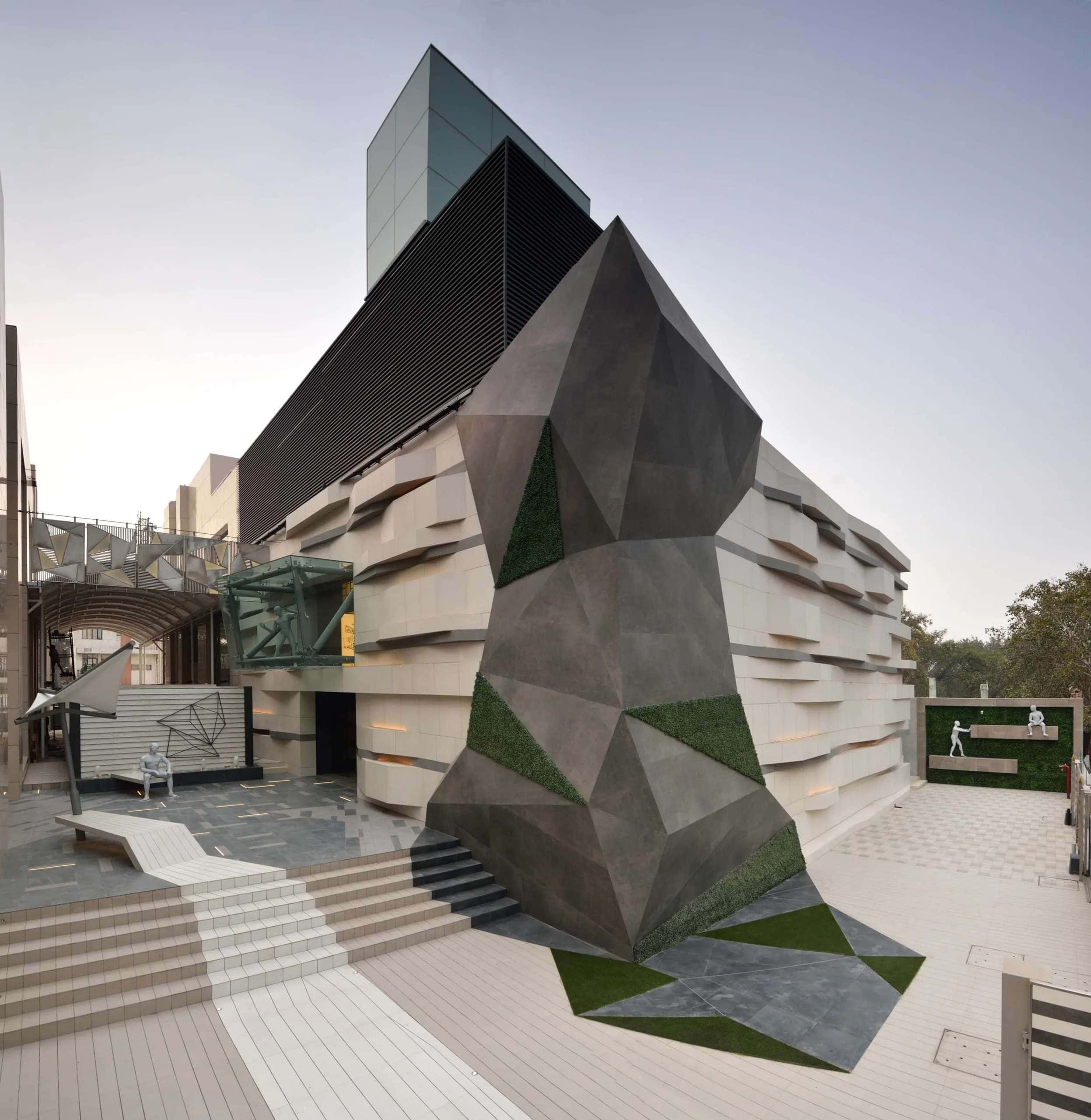
Ar. Arya suggests that future envelopes will move towards smarter, responsive systems where lighting is an integral architectural element rather than an add-on. He opines that integrated LED systems will transform façades into dynamic identities at night, allowing buildings to adapt to seasons or events through programmable pixel lighting.
Ar. Kapila, Ar. Jain, and Ar. Aggarwal agrees that sustainability and intelligence will be the primary drivers of future innovation. Ar. Kapila notes that the future is defined by climate responsiveness and smart technologies, including green façades and recyclable components. Ar. Jain adds that Building-Integrated Photovoltaics (BIPV) will turn façades into power plants, while biophilic skins ensure long-term resilience. Ar. Aggarwal suggests that climate-adaptive skins will respond to real-time environmental changes to reduce energy loads, transformed by AI-driven performance modelling into active environmental interfaces.
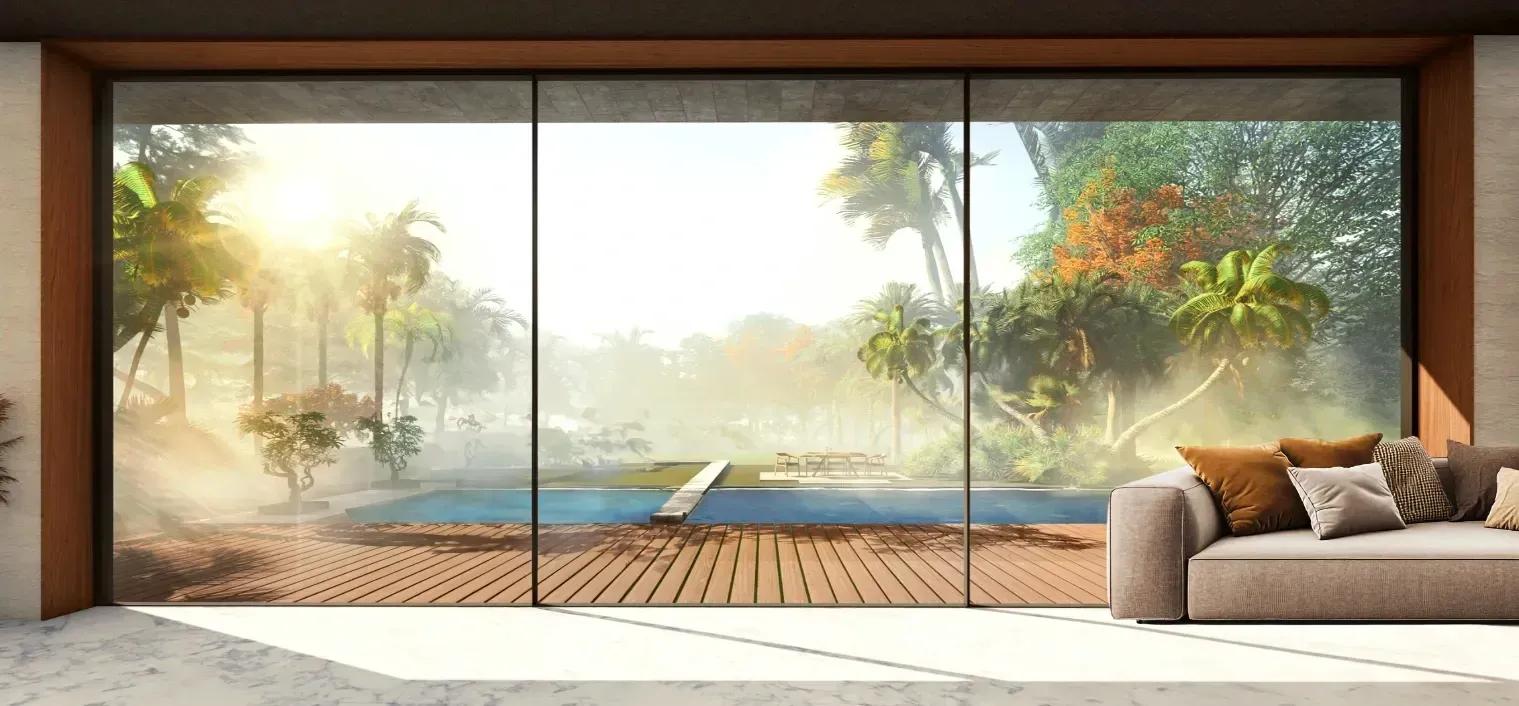
Ar. Betigiri and Ar. Bavadekar say they are excited by glazing innovations that allow for unparalleled transparency and connectivity. They note that despite its paradoxical nature, advanced glazing will continue to evolve, marking its presence through near invisibility and seamless assembly.
Ar. Choudhary opines that the future lies in intelligence and depth, where skins shift from fixed expressions to calibrated systems based on environmental data. He suggests that façades will operate as spatial mediators—thickened thresholds that choreograph movement and light while functioning as integrated architectural systems.
Thakkar identifies five key shifts: climate-first design, sensors for performance monitoring, a focus on retrofitting, renewable integration, and stronger national standards.
Morudkar concludes that easier, actual user-friendly software, having options to explore and analyse, is the one that we should opt for. However, the productivity enhancement, integration/output compatibility with the mostly/popularly used Software is a key element.
Conclusion
The shift toward intelligent building skins marks a turning point in how we define the relationship between a structure and its surroundings. Architecture is moving away from being a static barrier and toward becoming an active, performance-driven system. As we have seen through the insights of our expert panel, the successful façade of the future is not just about high-tech glazing or complex 3D modelling; it is about a thoughtful synthesis of data, material choice, and human comfort. Whether through the reinterpretation of the humble brick or the implementation of AI-driven kinetic systems, the goal remains the same: creating buildings that are both environmentally responsible and responsive to the people who use them.
Ultimately, the future of the building envelope lies in its ability to balance innovation with practicality. While digital tools like BIM and parametric design allow for unprecedented precision, the real value of these technologies is their ability to reduce energy loads and improve long-term durability. By focusing on performance-led aesthetics rather than just visual trends, the industry is paving the way for a more resilient urban landscape. These next-generation skins will continue to evolve, transforming our cities into healthier, more efficient spaces that stand the test of time.