
Post Date: April 20, 2026 |
Last Edited: April 20, 2026
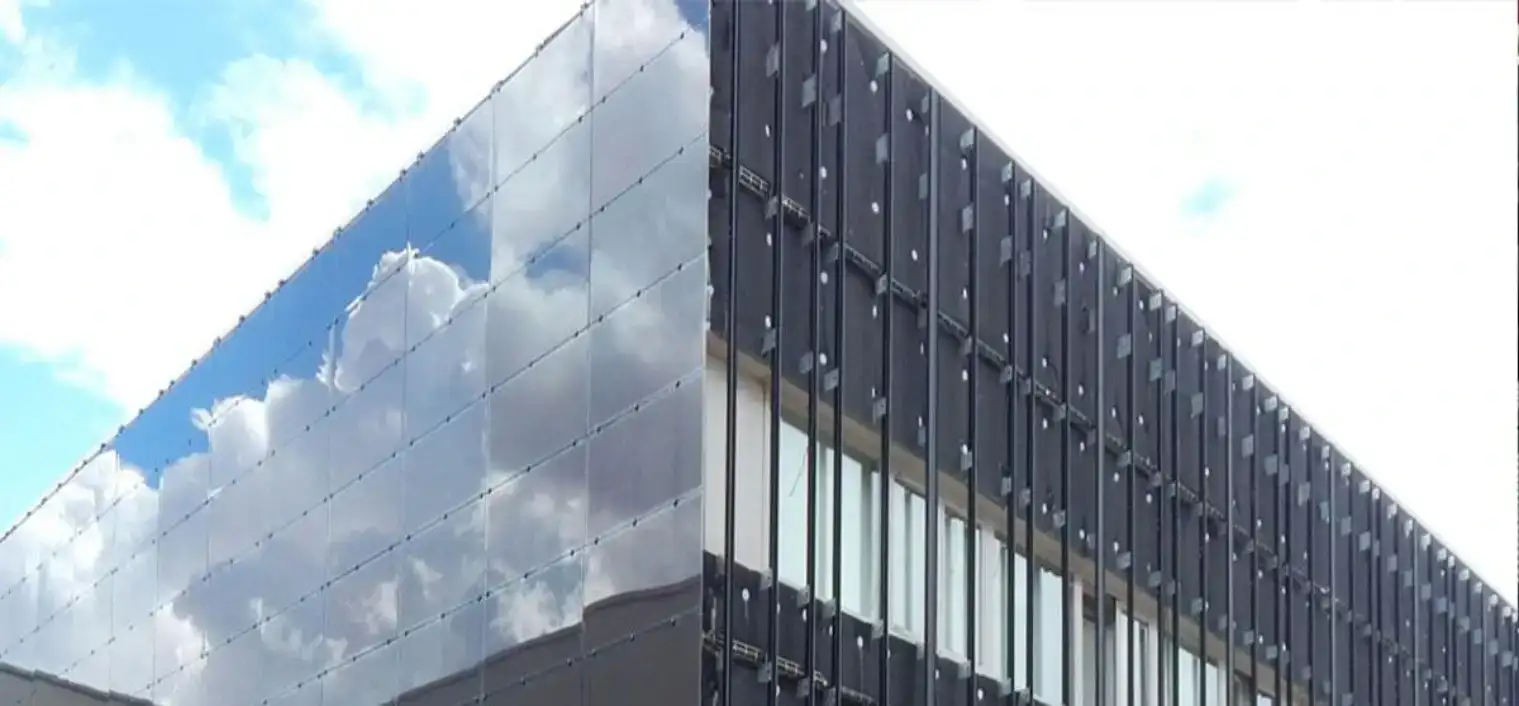
World’s Largest BIPV Project & Commercial Viability For Future
Building Integrated Photovoltaics – Global Context
The BIPV (Building Integrated Photovoltaics) method includes the replacement of the traditional construction element with materials incorporating solar modules. This offers a dual function, namely to produce energy and to provide a functional and aesthetic construction element for the finished building. It has been proven by the European Commission that introducing photovoltaics improves the energy efficiency of the building, if done properly. Moreover, as of now, the market has matured for the technology in regions like the USA, Europe, and China, so that the market for BIPV modules could be worth $5 billion in the USA alone. There are various methods by which BIPV can be used in buildings, viz., glazes, tiles, façades, and cladding. India has, to some extent or another, used all of these methods to integrate solar PV into building features. The installations in the West are now proving the feasibility of the technology by
- Improvement in ventilation for BIPV installations to reduce panel temperature and
- Development of new thin film technologies that are better suited for integration.
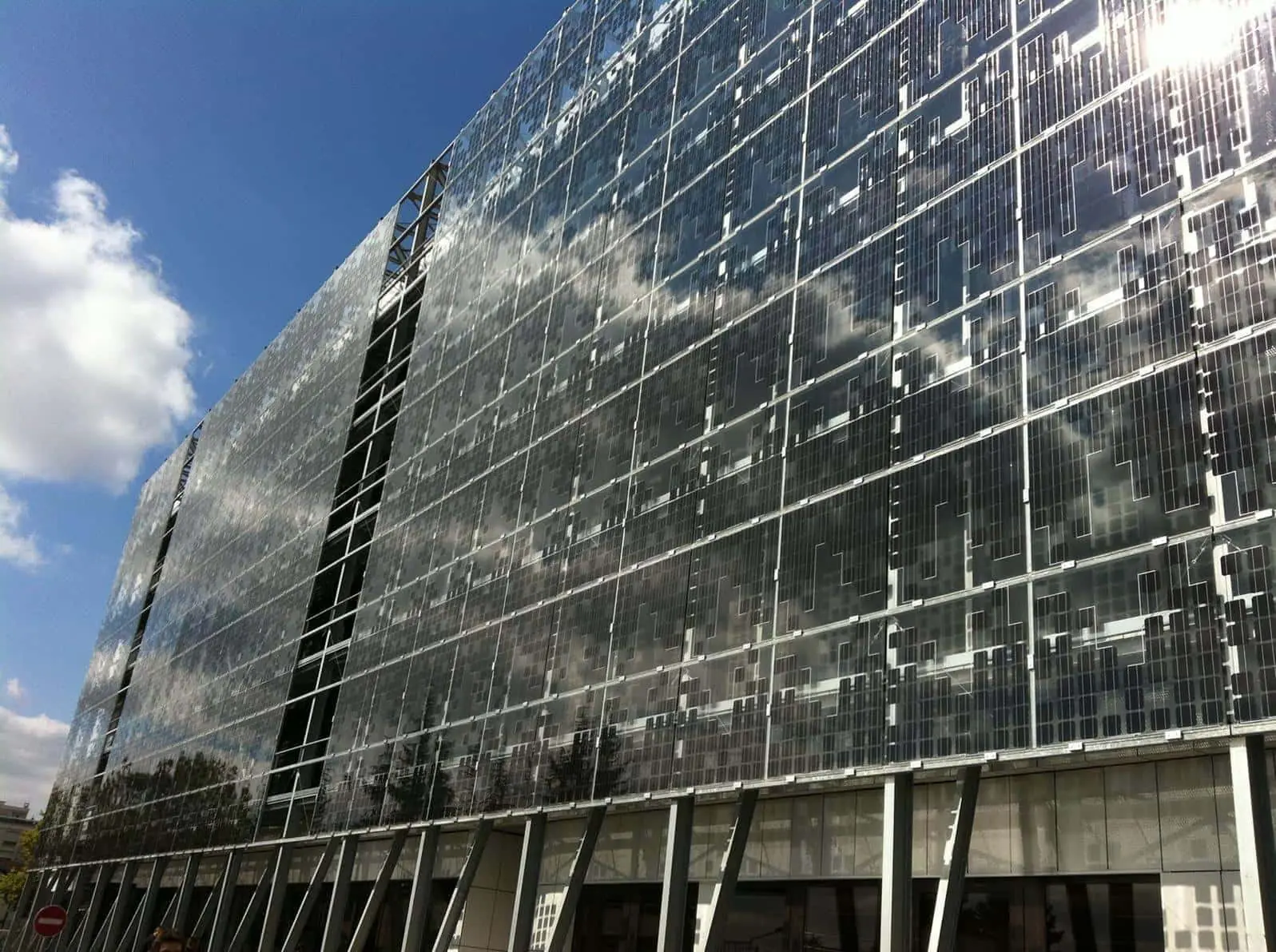
Introduction Of BIPV In India, the largest in the world, CtrlS Datacentre Ltd., Mumbai
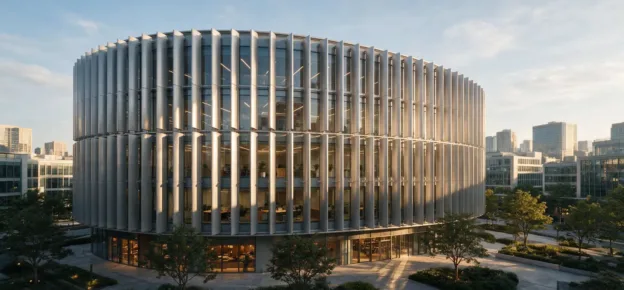
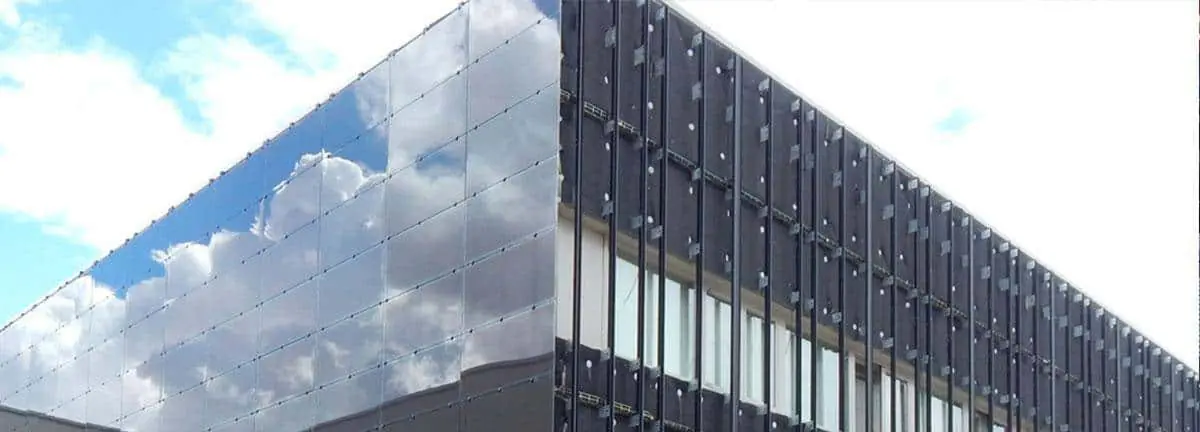
Many BIPV projects have started coming up in India since 2017. These were mainly for smaller solar projects, such as homes. In 2019, a project that made history in Mumbai, as the largest BIPV plant in India, and possibly in the world, was commissioned. The first ever such system was constructed for a data centre done by CtrlS Datacentres Ltd. As the building is cemented on all four sides, a glass facade was considered essential to add to its aesthetic appeal. But instead of applying regular façade covering glass, the client chose to install 2,466 high-efficiency mono-crystalline Building Integrated Photovoltaic (BIPV) series WSM 350 Wp Waaree frameless solar panels and module-level optimisations were carried out with the help of MPPT optimisers.
The misconception about low generation for BIPV can be proven wrong, with results achieved by introducing smart technology, such as Solar Edge inverters, as used in our installation at the data centre, which can substantially increase energy generation and allow for module-level monitoring. Custom-designed aluminium rails were used as the module mounting structure. The result is an 863.1 kWp capacity solar power generating façade. The solar power plant has a Performance Ratio of 75%, which is much higher than the simulated PV Syst report when it was planned. With an average generation of 40,000 – 55,000 kWh per month, the solar power plant is able to offset enough carbon to sequester 7000 trees per year. More buildings can choose to integrate this technology into their structures, with a generation of 6,00,000 units per MWp, it is possible to offset the lighting loads with clean energy. Green building certification codes also include solar power as a metric, which is beneficial in case a company uses BIPV technology. As BIPV installation is quite challenging and needs expert design experience to integrate as a façade glass, the project would have to be planned at the initial design stage with the architect or modelling stage to avoid any rework.
Commercial Viability And NZEB Technology
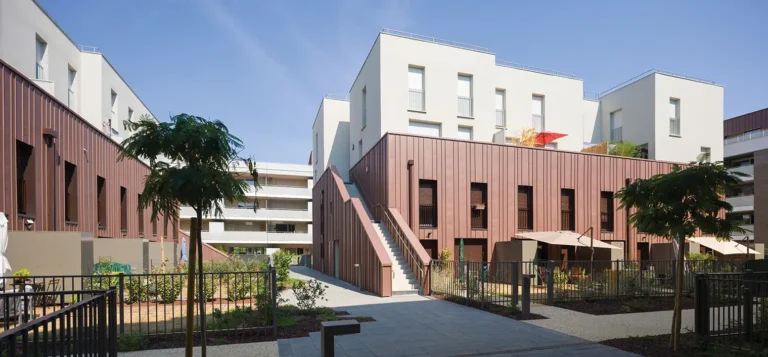
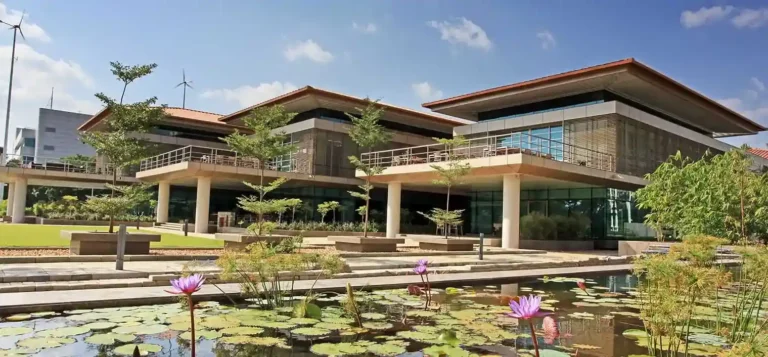
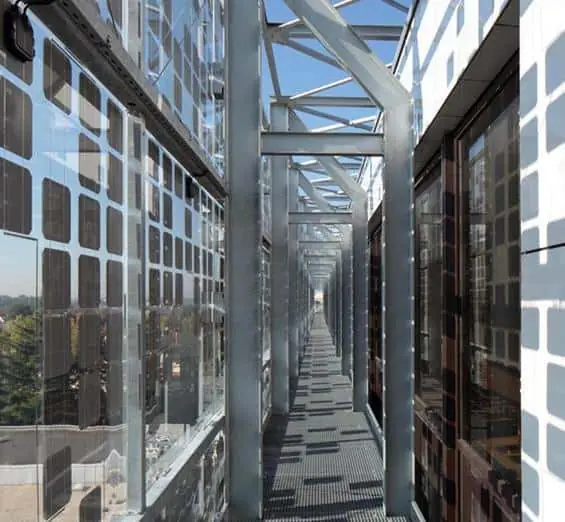
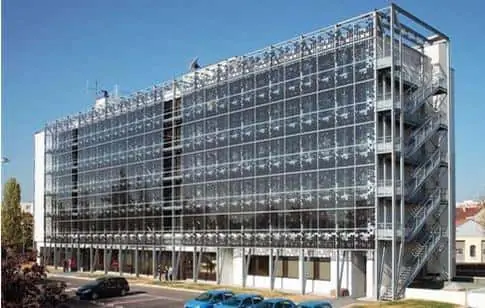
The BAPV* (Building Applied Photovoltaics) method consists of fitting modules to existing surfaces via superimposition once construction has been completed, such as during an energy renovation project. This is currently the trend in Europe and North America, wherein the older buildings are being renovated and retrofitted with PV panels. Thin film and coloured glass photovoltaic panels allow architects the ability to design aesthetically pleasing buildings, such as examples can be seen in the La Cub building at Bordeaux or GDF Suzon in Dijon (see pictures attached). The debate around commercial viability is based on the one-time cost of the installation and does not account for the benefit provided by energy generation, energy efficiency and sustainability value. For a commercial building/ urban structure built to last over 50 years, it is better to have a solar power plant that adds value to the structure for half its lifetime. A BIPV installation typically has a payback of approximately 5 years (depending on the DISCOM tariff), and it will generate free electricity for the remainder of its lifetime for approximately 20 years. As better panels are introduced in the market, we estimate that the lifetime of a solar power plant will also increase. Moreover, a good operations and maintenance contract will allow for better performance of the system over time. Providing energy efficiency reports in many developed countries is the norm for contractors, which acts as an incentive to adopt the technology. There are also subsidies for the procurement of these modules, as well as façades provided by various governments to promote the integration into urban, industrial, institutional and agricultural buildings. The increasing popularity of net-zero buildings (nZEB) is a motivation for many to look into adopting BIPV technology. Architects are closely working with energy companies in Dubai, Singapore and China to make world-class nZEB facilities. Trailing close behind is India… (*both terms BIPV and BAPV are used interchangeably).
Types BIPV/BAPV Application In Buildings
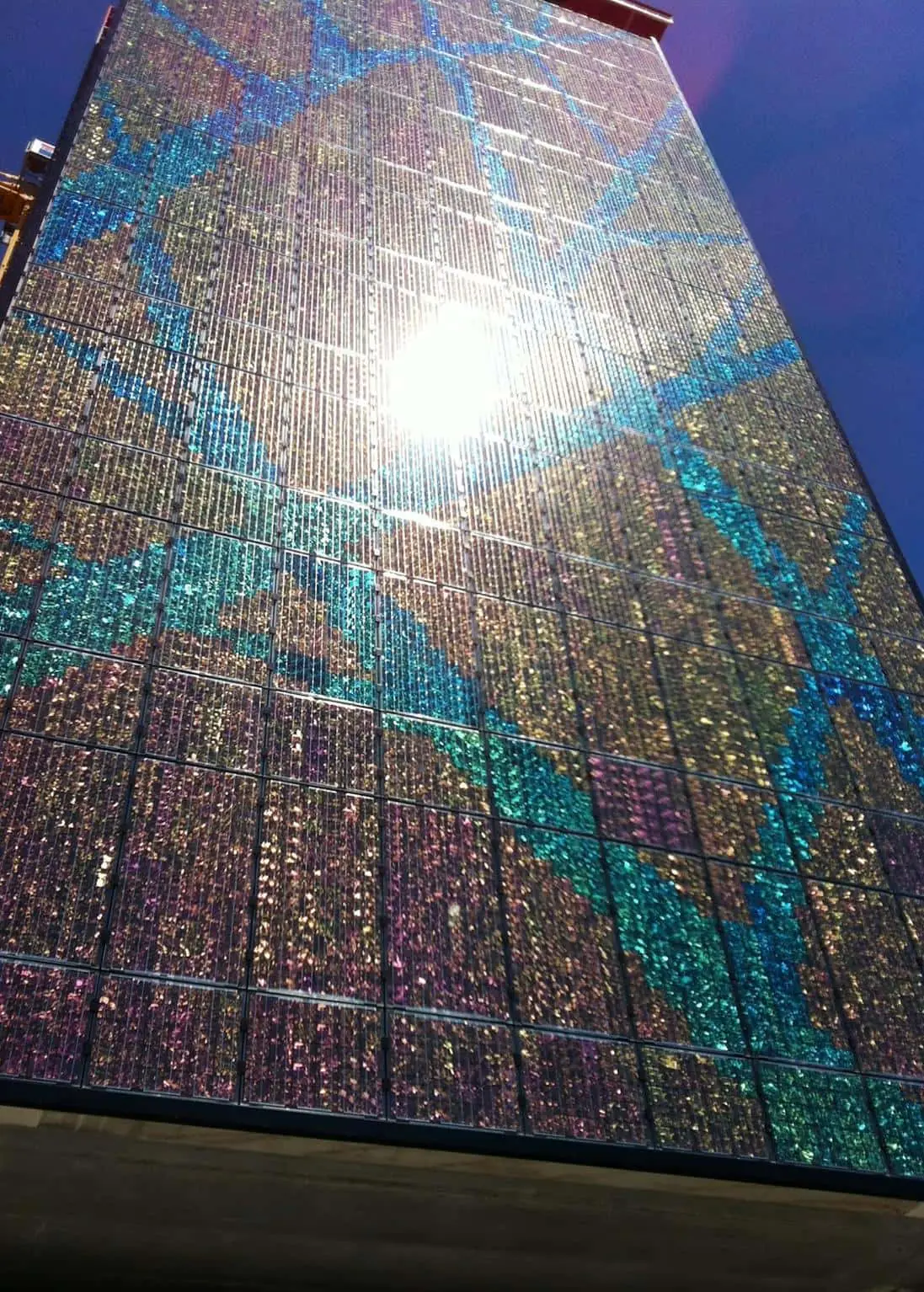

Application techniques may vary depending on the architecture of the building, so BIPV is usually developed with multiple designers working together. Tiles and glazes are used in smaller projects, where the roof can be replaced with a BIPV panel or the glass can be replaced with a BIPV glass. Neither of these technologies is yet feasible in India, as we do not currently have manufacturers producing a large quantity of translucent or transparent colored glass. However, we estimate that within the next two years, there will be European entrants who will provide these to the Indian market. However, with respect to opaque BIPV panels, India does have a few manufacturers who are competing in a niche space. Solar glass as a replacement for façade glass will be the next-generation BIPV as façade glass technology. Since fixing the structure and glass installation is already planned, replacing it with solar glass makes it techno-commercially viable. These (modules or glass) can be fitted into framed façades as a replacement for spandrel or vision glass, respectively, inside window frames to reduce glare, as well as retrofit applications where external mounting is possible.
- Cladding-Based Application: These PV spandrels are fitted into a façade that is designed based on the specifications and have the panels mounted onto them. Trenches will have to be developed to maintain consistent wiring for ease of remote monitoring and electrical maintenance. Based on the amount of natural light required, the panel can be placed*.
- Curtain Wall Application: This is a BIPV system that can replace all of the glass in the façade but uses a different kind of panel that allows maximum penetration of the wall. It is extremely aesthetic and can find applications in many kinds of structures such as office spaces, museums, malls, public offices and many more developmental buildings.
- Window-Based Application: Solar panels can also replace window glass, called transparent skylight or PV canopy types of installations allow more light to pass through and are a very good replacement for vision glass in buildings. Generally used in urban buildings and homes, window-based BIPV have a huge potential to disrupt the way we view modern construction.
- Retrofitting Application: Many design aspects of a building can accommodate the integration of PV, which are not direct to replacing glass or windows. Some of these can include thin-film PV placed on walls. Surfaces that can be covered with a BIPV glass over carbon fibre, steel, or concrete structures, especially in modern designs.
- PV Rooftop Application: The more popular technology, known as rooftop solar plants, can be integrated into a building through its structure. There are methods to replace the roofing material with a concrete PV panel acting as both the roof and the solar power plant. This is one of the best ways to get facilities in the industrial sector to adopt BIPV.
(*In buildings where the brightness is mandated, there are also ways to use zig-zag frames to allow light penetration.)
Future Of BIPV In India: Technology & Support
U-Solar Clean Energy has been working with facade consultants, knowledge partners and architects to develop more of these kinds of projects in India. U-Solar’s experience and expertise in working with cross-functional teams in their previous project will allow for smooth design and installation. With the learnings from existing implementations around the world, they hope to bring this technology to India by working with the best in the industry. As accredited installers for Onyx Solar (a global leader in the development and manufacture of photovoltaic glass for buildings), the company is confident that more of these one-of-a-kind installations shall emerge in the near future. With the right support from the Government of India, the BIPV market can take off as it has abroad. There is a huge scope for implementing this technology as India has a dense population that forces the construction of high-rise buildings in its metropolitan cities. They also hope that the commercials will become more attractive as more developers begin to adopt the technology, as the scale at which manufacturing and installation will drive costs down as technology improves.
Fact File:
|