
Post Date: April 23, 2026 |
Last Edited: April 23, 2026
Q. CladUp Design Has Built A Strong Reputation In Façade Design And Engineering Since Its Inception In 2016. What Was The Founding Vision, And How Has The Company Evolved Over The Years?
When we started CladUp, the idea was simple — we wanted to build a one-stop engineering team for RIBA Stages 4 & 5 (project construction & execution stages) within the building envelope market. A lot of drawings looked good, but didn’t translate well on site. We focused on that space. Over time, we’ve optimised workflows, understanding client requirements, ensuring proper technical delivery, and now Gateway 2 coordination.
Alongside that, I started Facade Ideas to share knowledge more openly, and now the Facade Directory to better connect the industry — both came from the same gaps we were seeing on projects.
Q. Your Portfolio Spans Curtain Walling, Rainscreen Cladding, And Window Systems. How Do You Approach Design Integration Across Such Diverse Façade Elements?
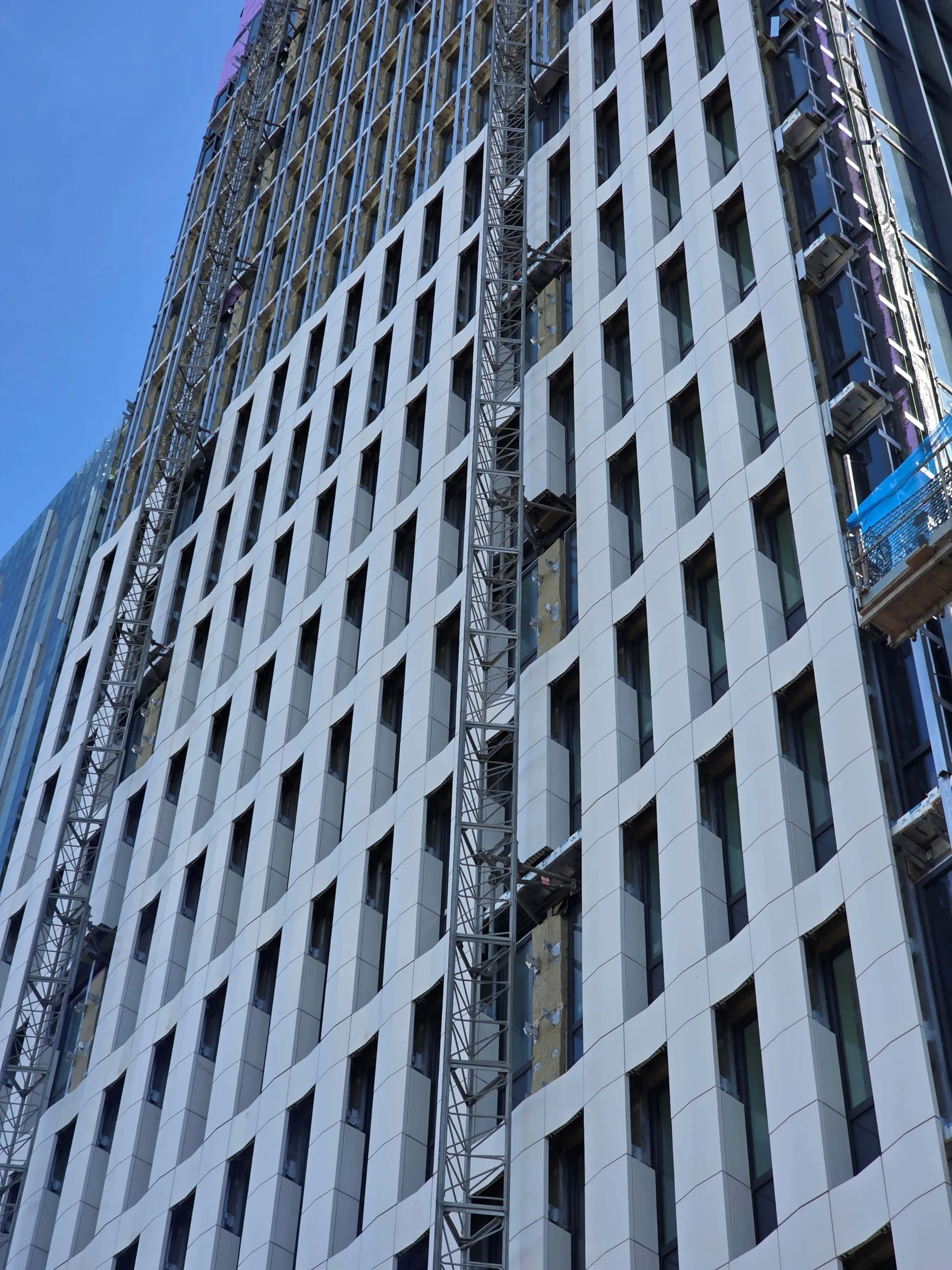
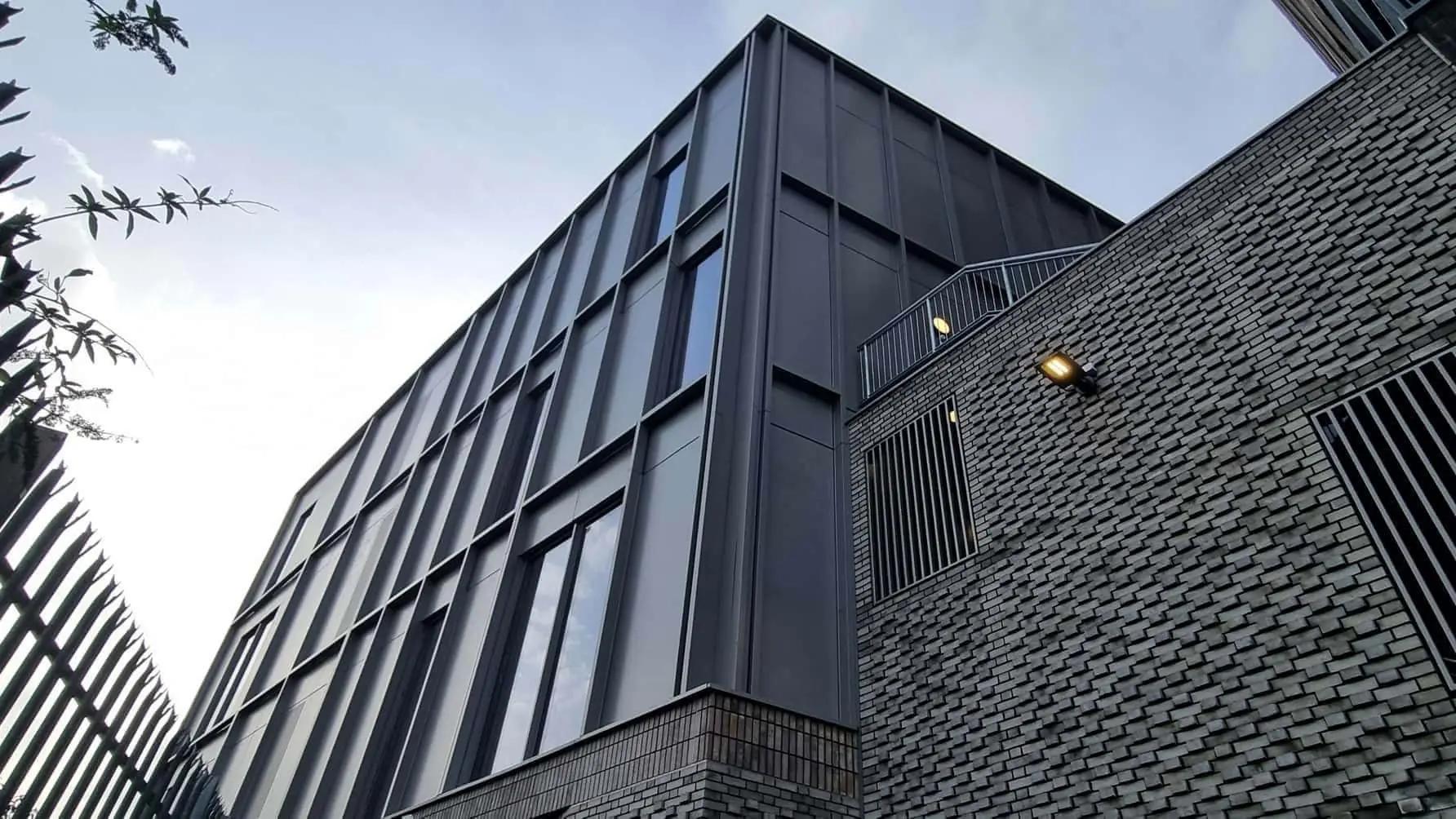
We don’t look at curtain walling, cladding, and windows separately. It’s one system — one building envelope — achieving a set of performance criteria holistically.
The key is always the interfaces — between systems, between façade & structure, brackets, joints, movement, and construction sequence. If those aren’t resolved early, problems show up later. So, we try to align everything at that level first, along with our experienced clients/project teams.
Q. With Increasing Emphasis On Precision And Reliability In Façade Engineering, What Role Do Detailed Drawings And Technical Coordination Play In Project Success?
Honestly, this is where repeat clients and projects are won or lost. If the drawings are clear, coordinated, and buildable, the site runs more smoothly. The technical design, production, and installation pack needs to be prepared with all stakeholders in mind — architect, structural engineer, system suppliers, installation contractors, procurement teams, MEP, fire engineer, client building maintenance team, as well as internal and external finishes. In my opinion, this level of detailed coordination is what defines a fully coordinated drawing.
If not, everything gets pushed to the site and becomes reactive. This is something I’ve also tried to highlight through Facade Ideas — a lot of industry issues come down to a lack of detailed coordination.
Q. CladUp Offers Services Ranging From Concept Design To Fabrication Drawings And Site Support. How Important Is This End-To-End Involvement In Delivering High-Performance Building Envelopes?
It makes a big difference. If you’re only involved at one stage, things get lost between handovers. Staying involved from design through to site helps keep the intent consistent and avoids unnecessary rework.
With the new Gateway requirements in the UK, especially at Gateway 2, the design is effectively locked before construction starts. That means the level of detail and coordination at that stage needs to be very high, and more importantly, clearly understood by the team delivering it.
“We approach the façade as a single, integrated building envelope, where curtain walling, cladding, and window systems work together to meet performance requirements” |
If a different team picks it up later without being part of that process, there’s a risk of misinterpretation, redesign, or site issues. In our experience, having the same team carry the design through into fabrication and site support ensures continuity. They understand the assumptions, constraints, and coordination decisions that were made earlier, which helps maintain performance and reduces risk during construction.
Q. Could You Share Insights Into How Advanced Tools Such As BIM, FEA analysis, And Thermal Modelling Are Shaping Your Design And Engineering Workflows?
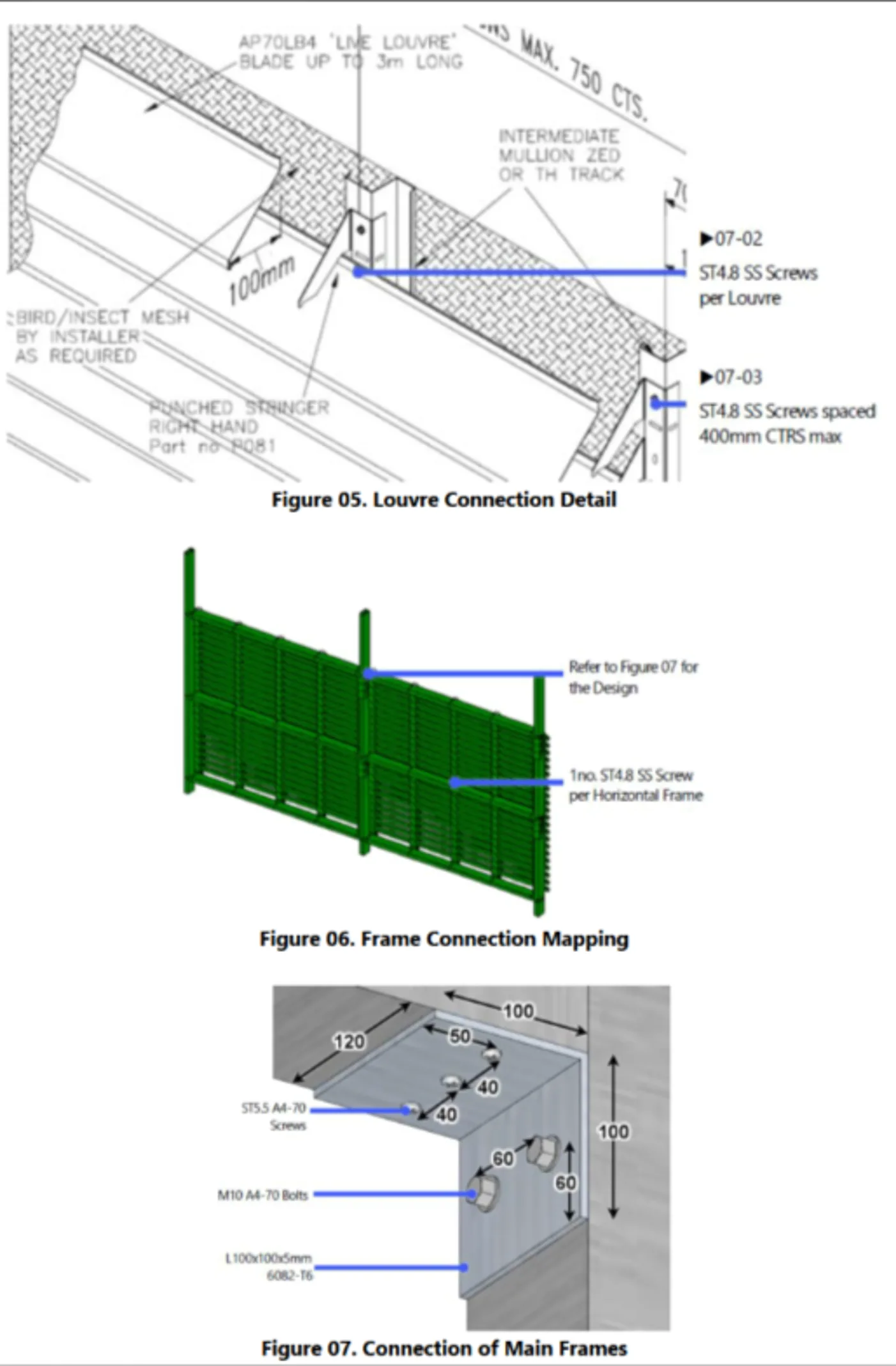
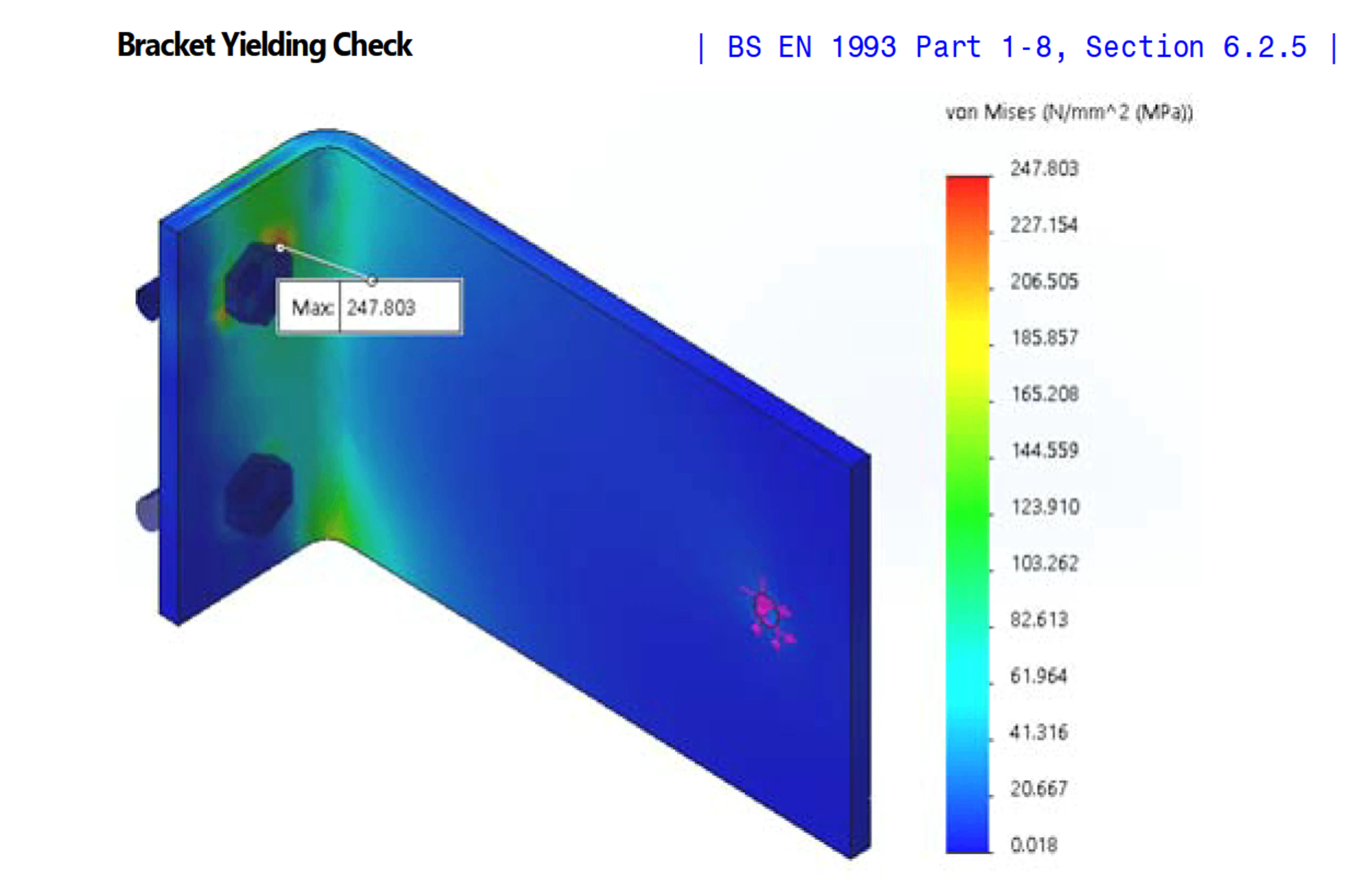
We use them as tools to support decisions, not just for the sake of it. BIM helps with coordination, and FEA gives confidence in bracket and support design, and thermal modelling supports compliance. It makes the design more robust, as the construction information on drawings is driven by analysis and results. As we keep challenging our own abilities, we have already moved towards most of the production information being extracted from BIM and Inventor 3D models.
Q. In Your Experience, What Are The Most Critical Challenges In Façade Execution Today, Particularly In Terms Of Coordination Between Design, Fabrication, And Installation?
Coordination is still the biggest issue. Structure, façade, and fire are often developed separately and only properly aligned late in Stage 4, usually when the façade package is being pushed forward.
The Gateway process will definitely help narrow this gap by forcing earlier alignment, but we’re still seeing challenges during construction. Changes driven by unstable material rates, procurement pressures, or incomplete design information are where most problems come from.
Another challenge is simply finding the right people and suppliers at the right time, which is one of the reasons we’re building the Facade Directory.
Q. Projects Like Kings Cross And 325 Deansgate Reflect Technically Demanding Façade Solutions. How Do You Approach Bespoke Design Challenges Within Tight Constraints?
We try to simplify things. Even if the design is complex, it still needs to be repeatable and buildable. And even where full repetition isn’t possible, there’s always an opportunity to make the principles of modulation or the design logic repeatable.
A lot of façades appear complex because of multiple bespoke elements coming together, but in reality, if these aren’t detailed properly, those bespoke solutions won’t perform. In many cases, a bespoke façade is actually made up of well-thought-out standard components arranged in a certain way.
“In façade engineering, performance is not defined by specification alone, but by the clarity of drawings and the depth of coordination behind them” |
Breaking it down into manufacturable components is key — understanding what can be standardised, what needs to be adjustable, and where tolerances sit. That’s where good detailing makes the difference between something that works on paper and something that works on site.
 Getting suppliers involved early also helps — it grounds the design in reality and brings in fabrication and installation logic at the right stage.
I remember Stephen Ledbetter from CWCT used to say that the best façades are those that use traditional materials in non-traditional ways, while still satisfying performance requirements. That has always stayed with me — because it’s not about reinventing everything; it’s about using what we already know works, but applying it intelligently.
Q. Sustainability And Thermal Performance Are Becoming Central To Façade Design. How Is CladUp Addressing Energy Efficiency And Environmental Considerations In Its Projects?
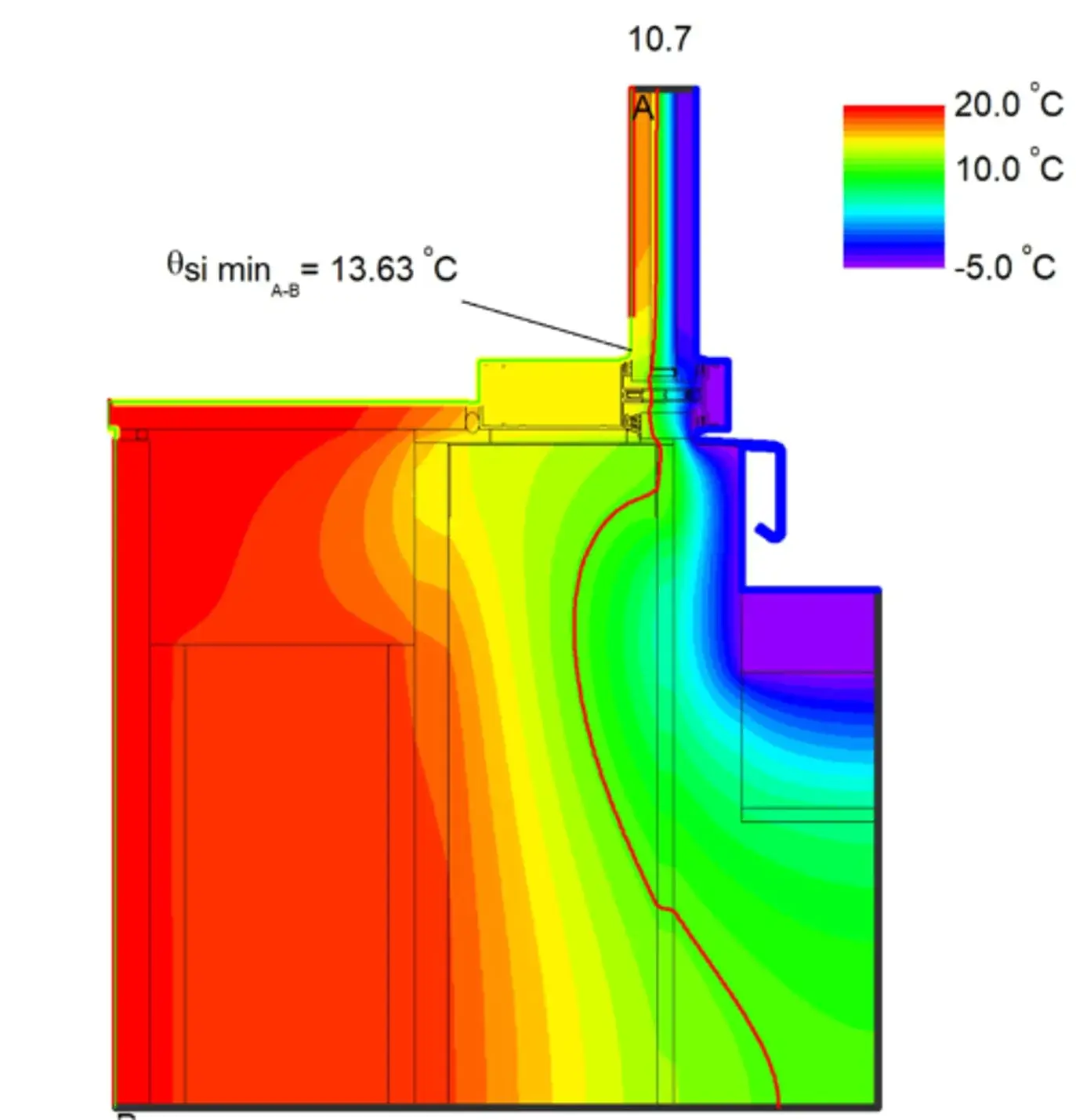
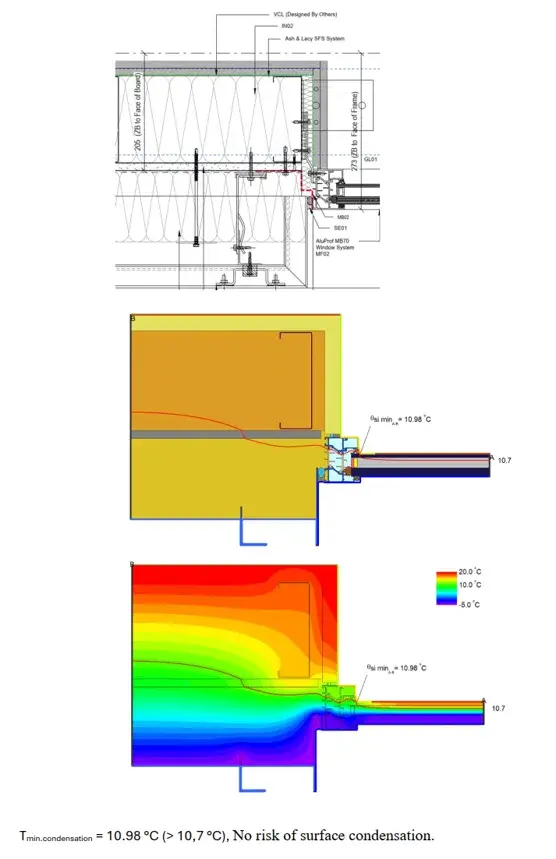
We look at it in a practical way — improving U-values, reducing thermal bridges, and focusing on junctions. A lot of performance loss happens at interfaces, not the main system.
We carry out detailed condensation risk analysis and thermal modelling on our projects to make sure the façade performs as intended, not just in theory but in real conditions. It also helps justify decisions and gives confidence to the wider team.
Another aspect is structural optimisation. If you can design brackets and support systems efficiently, you reduce the need for oversized or overly complex connections, which in turn reduces material use and thermal bridging.
Last year, we also organised a façade walk in London using thermal cameras. It was quite interesting to see how buildings actually perform in use — you could clearly identify heat loss at junctions, slab edges, and poorly detailed areas. It reinforced a key point for us: performance is not just about specification; it’s about execution.
Q. What Key Trends Do You See Shaping The Future Of Façade Design And Cladding Systems In The UK And Globally?
Regulation is definitely pushing things — especially around fire and Gateway 2. There is now a much stronger focus on accountability, buildability, and clearly defined responsibilities, which is a positive shift for the industry.
At the same time, the industry is becoming more connected — both digitally and through conferences and knowledge-sharing across different regions. This is helping raise standards and align expectations globally.
Outsourcing of facade design has also had a big impact. It brings efficiency, but it also highlights the importance of proper coordination and understanding of local regulations and construction practices.
At CladUp, we work collaboratively with our industry partners to deliver fully coordinated designs. A big part of the value we bring is our detailed understanding of the UK regulatory environment and construction culture. That level of understanding is key to making sure designs are not just technically correct, but also practical and deliverable on site.
Q. Looking Ahead, What Are Your Strategic Priorities For CladUp Design, And How Do You See The Façade Industry Evolving Over The Next 5–10 Years?
For us, it is about strengthening our role in technical delivery and coordination, especially around Gateway 2. That comes down to investing in training and building high-performing teams that can handle projects requiring specific technical skills. This also supports us in properly documenting competence, which is becoming increasingly important.
Alongside that, we are continuing to grow Façade Ideas as a knowledge platform and scaling the Façade Directory to better connect the industry. Both are aimed at improving awareness and collaboration across the façade sector.
Looking ahead, I think the next 5–10 years will be about continuous upskilling, better coordination, and more transparency across the whole façade process. The teams that perform well will be the ones that understand both design intent and delivery constraints and can bring those together effectively.