
Post Date: April 29, 2026 |
Last Edited: April 29, 2026
Glass façades have become the hallmark of contemporary architecture, symbolising openness, progress, and sustainability. But behind the aesthetics lies something far more critical—the role of glass in delivering safety, performance, and comfort to the people who live and work within those buildings. In regions like the GCC, where soaring temperatures, blowing sand, strong winds, and intense sunlight are everyday realities, choosing the right glass isn’t just smart—it is essential.
Laminated Glass: A Must-Have For Safety
When it comes to building envelopes, safety should always come first. Laminated glass— especially when used as the outer layer in a double-glazed unit with SGP interlayers—offers a reliable and high-performance solution. In case of impact or breakage, the interlayer holds the glass fragments in place, significantly reducing the risk of injury It is worth noting that while fully tempered single glass is technically considered “safety glass,” in real-world applications—especially on high floors—even the small particles from spontaneous breakage can cause injury. Laminated glass, on the other hand, offers peace of mind, whether you’re designing a school, hospital, or high-rise office tower.
Fire-Rated Glass: Safety Where It Matters Most
Fire safety can’t be compromised, especially in areas like stairwells, lift lobbies, and emergency exits. Fire-rated glazing systems provide a vital layer of protection, resisting heat and flame for critical periods (30, 60, 90 minutes or more), giving occupants the time they need to evacuate safely.
The good news is that aesthetics and safety no longer need to conflict. Today’s advanced fire-rated solutions can be seamlessly integrated into façade designs, matching the colour and tone of the building envelope to maintain architectural consistency.
Wind Load Resistance: Especially At The Corners
Tall buildings in the GCC are no strangers to high wind loads— especially those in coastal cities or open desert locations. The corners of towers typically experience the highest pressures, making glass strength and flexibility even more important. Laminated glass performs exceptionally well here, offering both structural integrity and safety.
If cost is a concern, one recommendation is to prioritise laminated glass at these high-stress areas, even if it is not used across the entire façade. It is a smart way to balance performance with budget without compromising critical zones.
Acoustic Comfort: A Key To Urban Well-Being
As our cities get busier, noise becomes a silent intruder. From traffic and construction to airports and nightlife, sound pollution is increasingly affecting health and productivity. Here, acoustic laminated glass—with its special sound-dampening interlayers— makes a real difference. While this solution might increase upfront costs, the long-term benefits are clear: greater tenant satisfaction, increased property value, and enhanced wellness. Investing in exterior laminated glass pays dividends, especially in premium residential and commercial developments.
Thermal Coatings Made For The GCC (Not Europe)
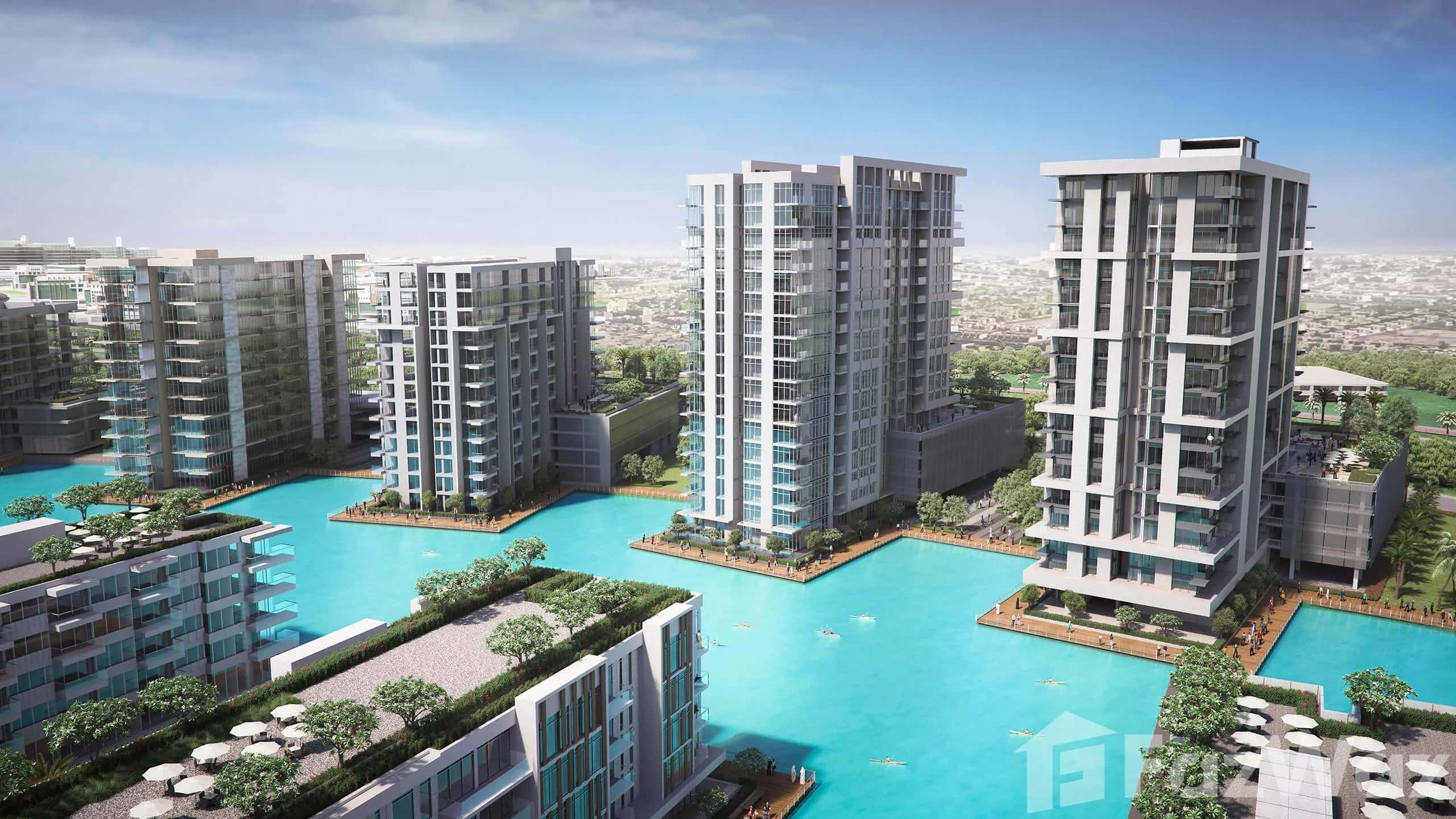
One of the most common and costly mistakes in glass specification is choosing products meant for cooler, European climates. In the GCC, the priority is not insulation—it is solar control.
Glass designed for our climate must minimise solar heat gain while still allowing natural light. That’s why selecting the right low-e or spectrally selective coating is vital. I often advise clients to focus not just on U-value, but on Solar Heat Gain Coefficient (SHGC). Even a small improvement in SHGC can result in major energy savings—particularly in large buildings.
This is not only about thermal performance; it is also about meeting local expectations for privacy and comfort. While European trends lean toward ultra-clear, colourless glass, many GCC clients prefer glass with a bit more tint or reflection for shading and privacy.
Bird-Friendly Glass: A Sustainable Design Responsibility
As sustainability becomes a driving force in architecture, we can’t ignore the impact of glass façades on wildlife—especially birds. Millions of birds die annually from collisions with buildings, primarily due to reflective or transparent glazing.
Designers today have effective tools to address this. Ceramic frit patterns, UV coatings, and etched glass help birds recognise the façade without affecting the design intent. Not only do these solutions align with LEED and WELL standards, but they also reflect a deeper commitment to ethical and ecological design.
The Big Picture: Integrating Performance, Not Compromising
Modern glass technology allows us to do more with less. Today’s façades can be fire-resistant, soundproof, wind-resistant, thermally efficient, and bird-friendly—all in one integrated system. There’s no need to sacrifice aesthetics or functionality.
This calls for early collaboration between façade designers, engineers, and glass manufacturers. Through simulations, mock-ups, and testing, we can fine-tune performance while staying true to the design vision.
What About Glass Colours And Coatings?
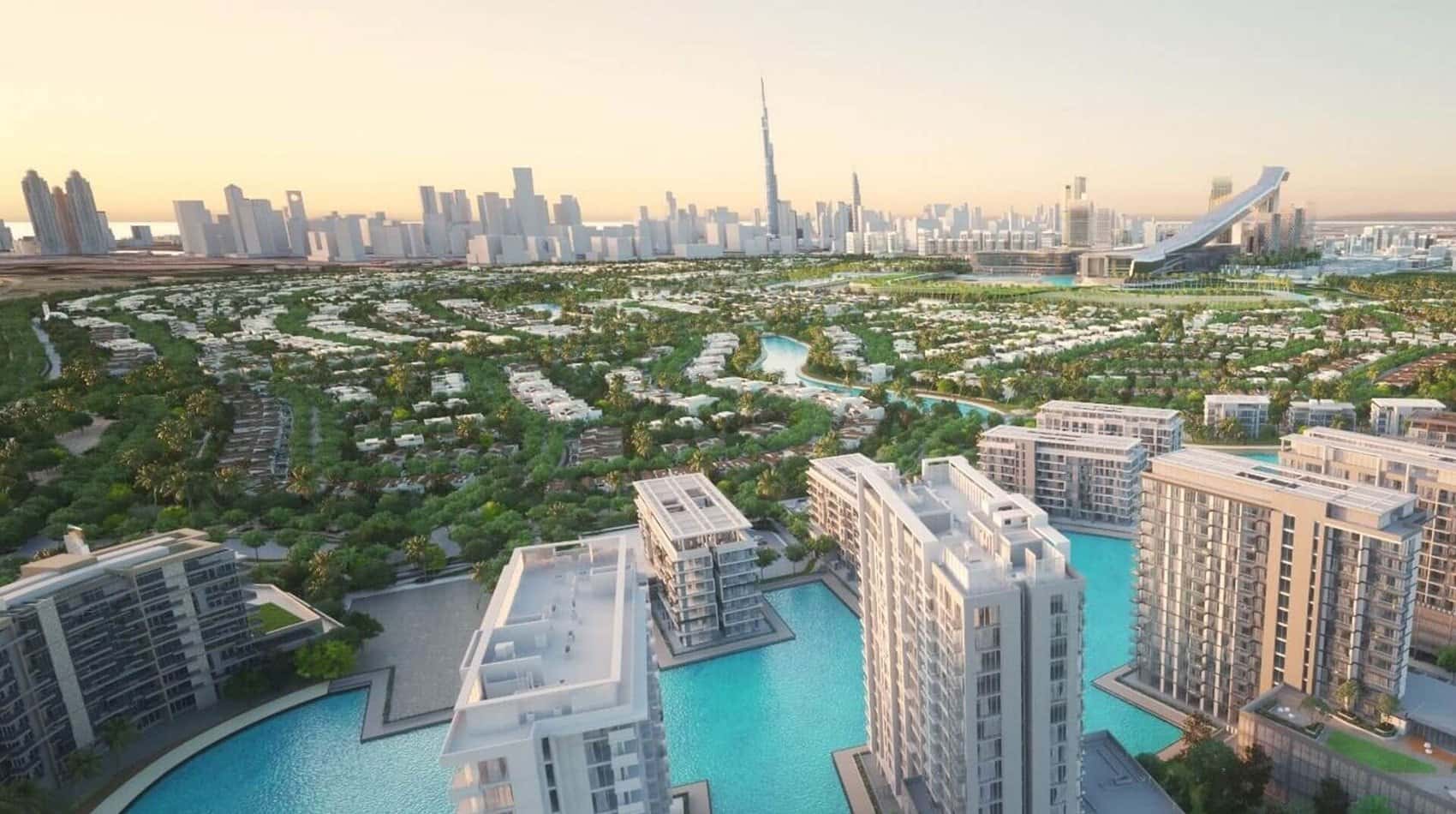
The good news is that modern sputter-coated glass can deliver nearly any appearance, from subtle greys to more reflective options.
While design trends currently favour neutral and minimal tones, we often face a challenge: designers want clear, colourless glass, but local regulations require low shading coefficients, which usually results in lower visible light transmission— and more noticeable colour.
Striking the right balance between light, shading, and colour requires a careful understanding of both aesthetic goals and energy performance requirements.
The Future Is Solar
Lastly, let’s not forget the opportunity to integrate solar panels into façades. Whether in opaque areas like spandrels or through emerging technologies like semi-transparent solar glass, there are solutions already available today.
These can offer real return on investment, with some paying back in as little as three years. Others may take longer, but the important point is: solar-integrated façades are here, and they’re the future. Developers who invest early in these systems will position their buildings ahead of the curve—technologically and sustainably.
Final Thoughts: Build Smart For The Region
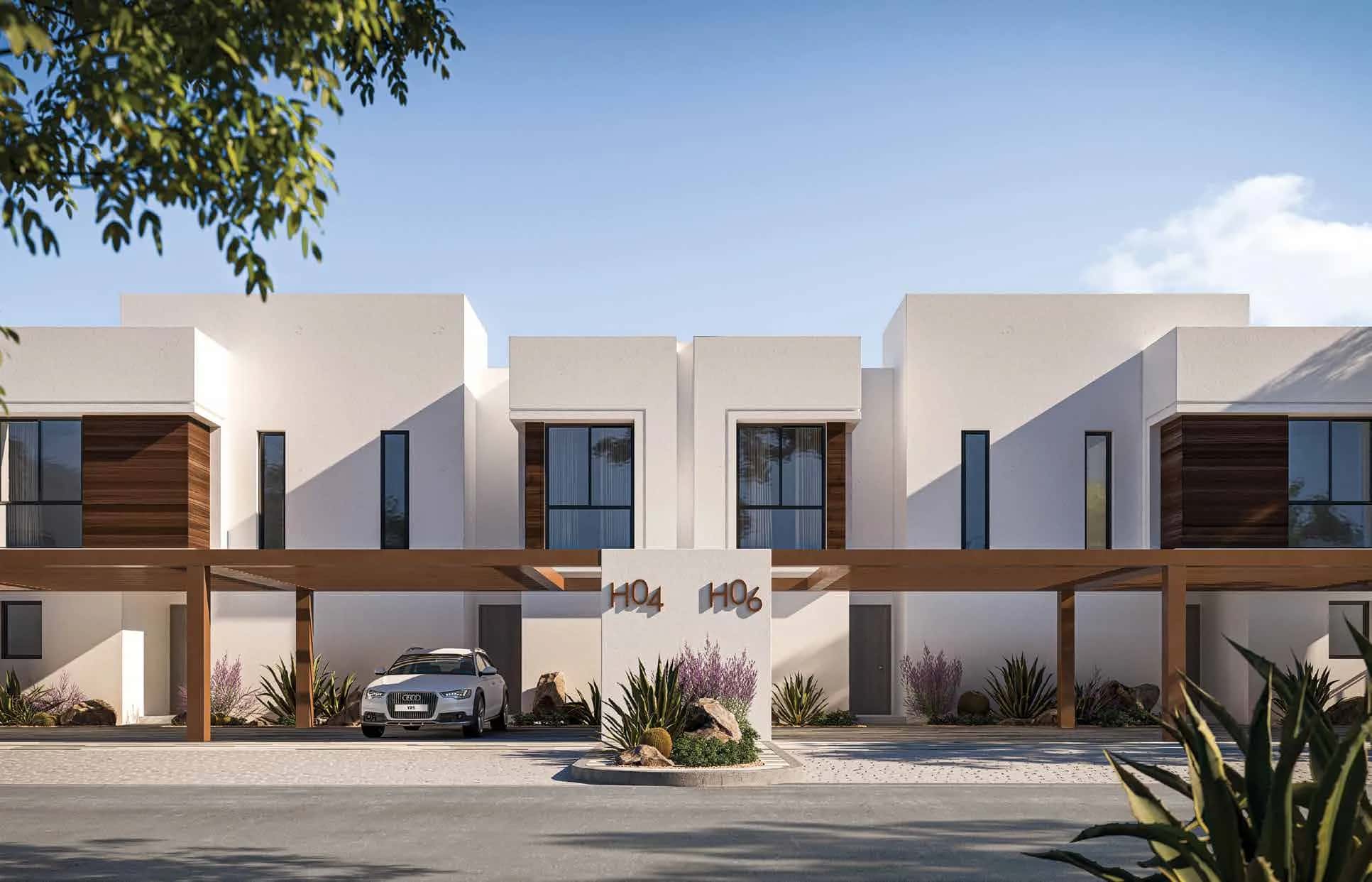
Today’s buildings must do more than just look good—they need to perform, protect, and endure. In the GCC, where environmental and cultural factors shape every design decision, glass facades must be tailored to local needs. It is a highly demanding and competitive market, yet end users in this region can access the best technology at affordable prices.
By choosing the right glass combinations—laminated safety glass, fire-rated systems, acoustic glazing, bird-safe designs, and region-specific coatings—we create façades that are not only beautiful, but also safe, sustainable, and future-ready.
It is time to move beyond one-size-fits-all solutions and start designing façades that truly fit their place— and purpose.