
Post Date: June 2, 2026 |
Last Edited: July 15, 2026
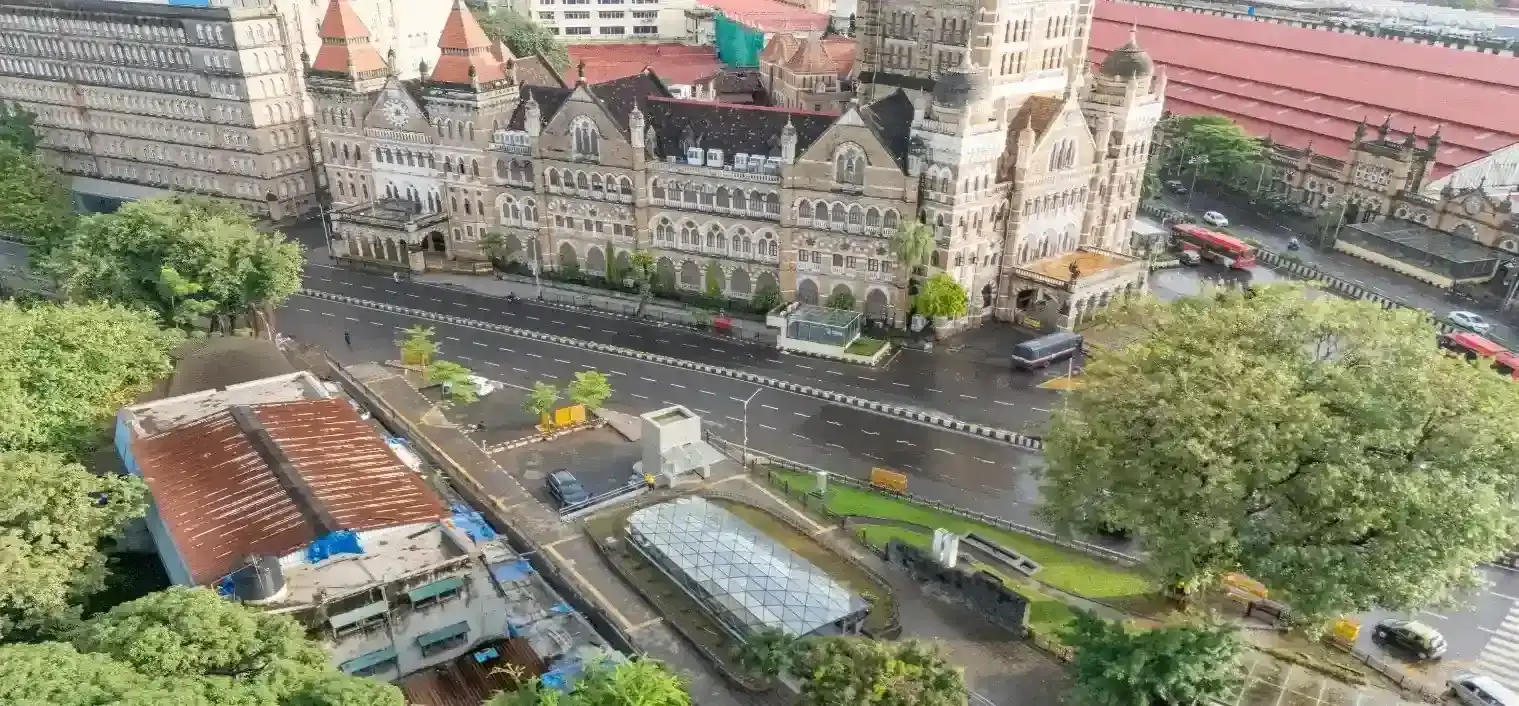
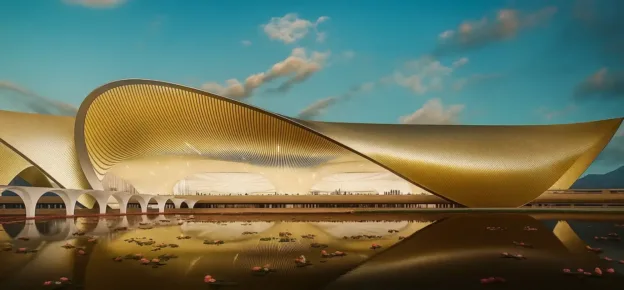
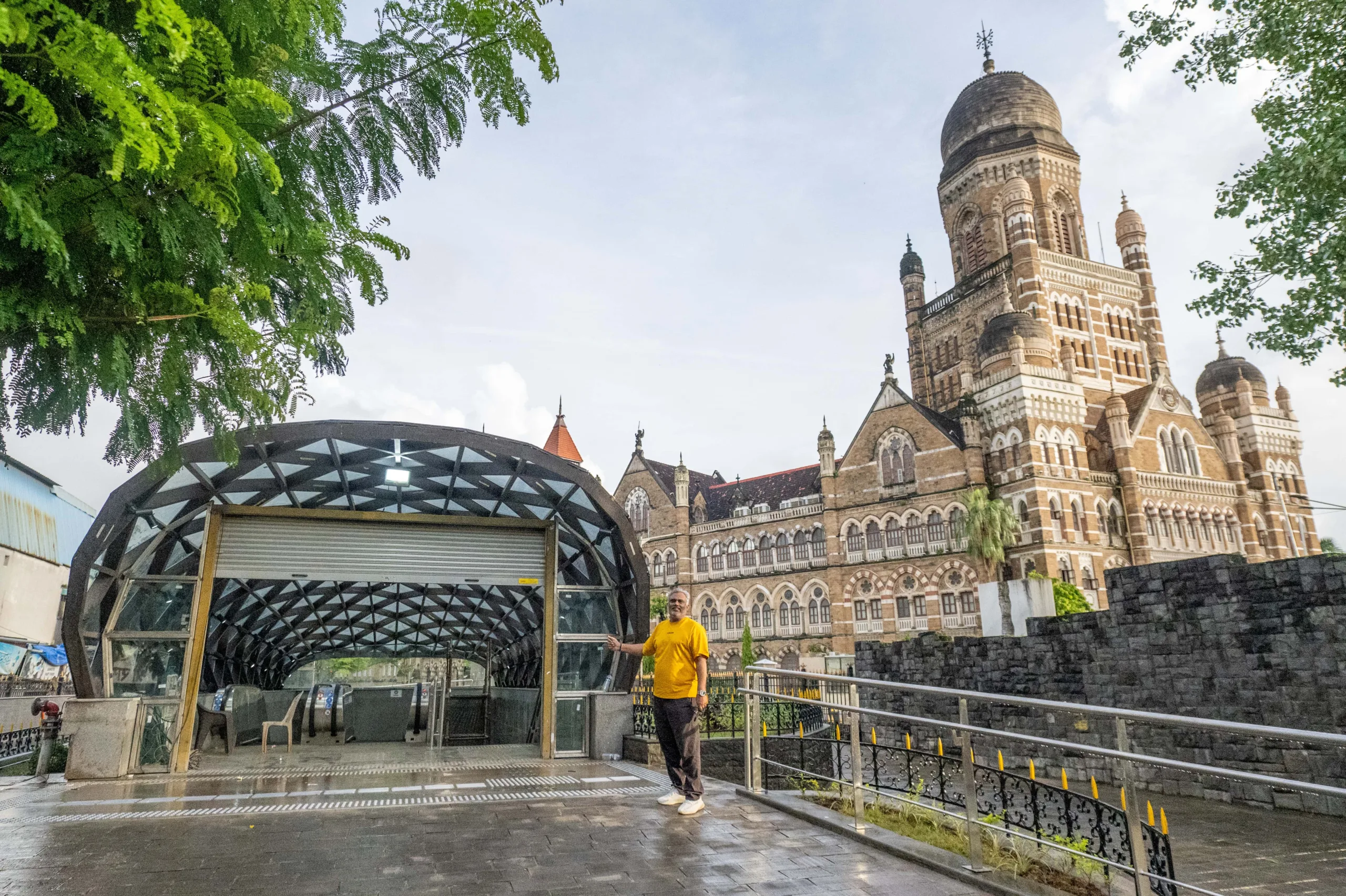
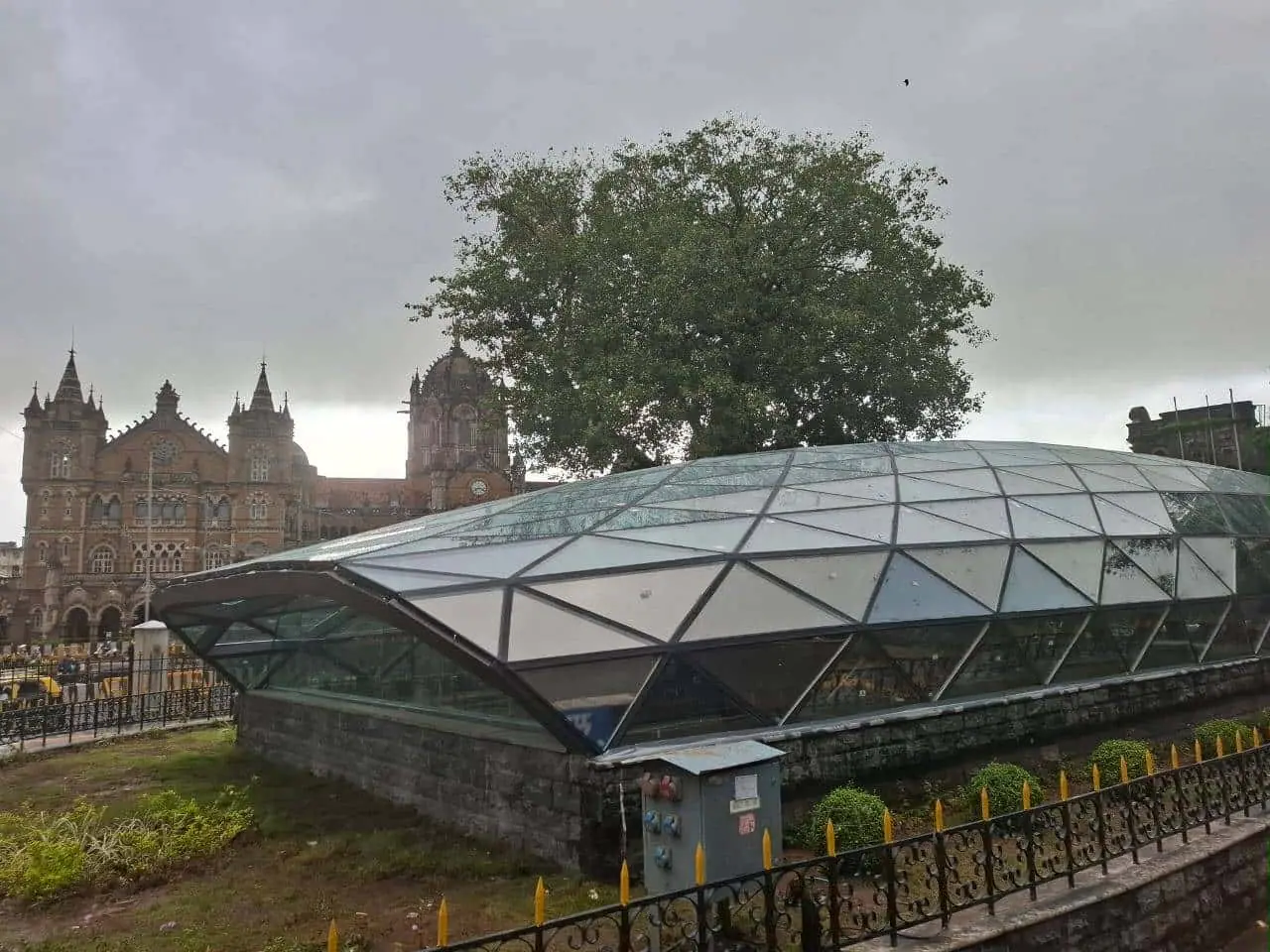
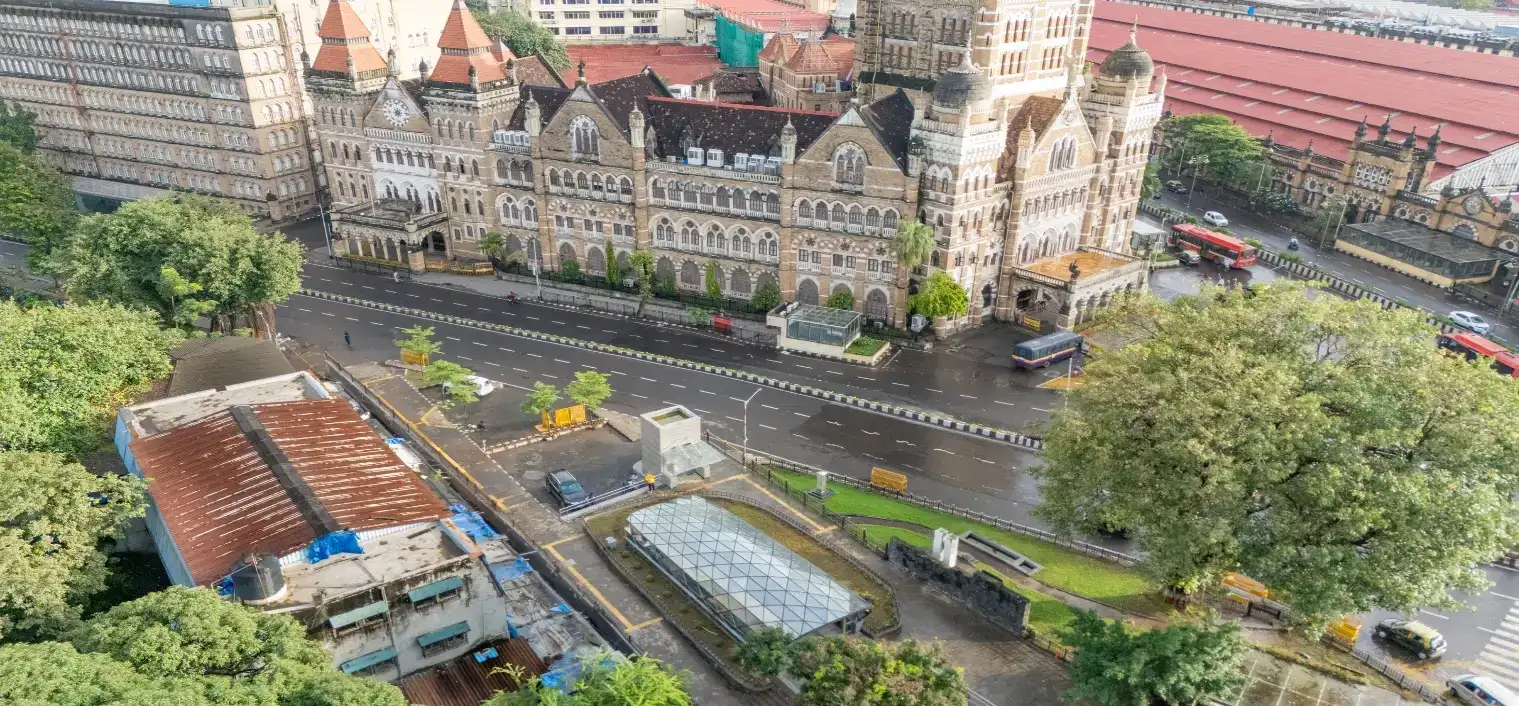
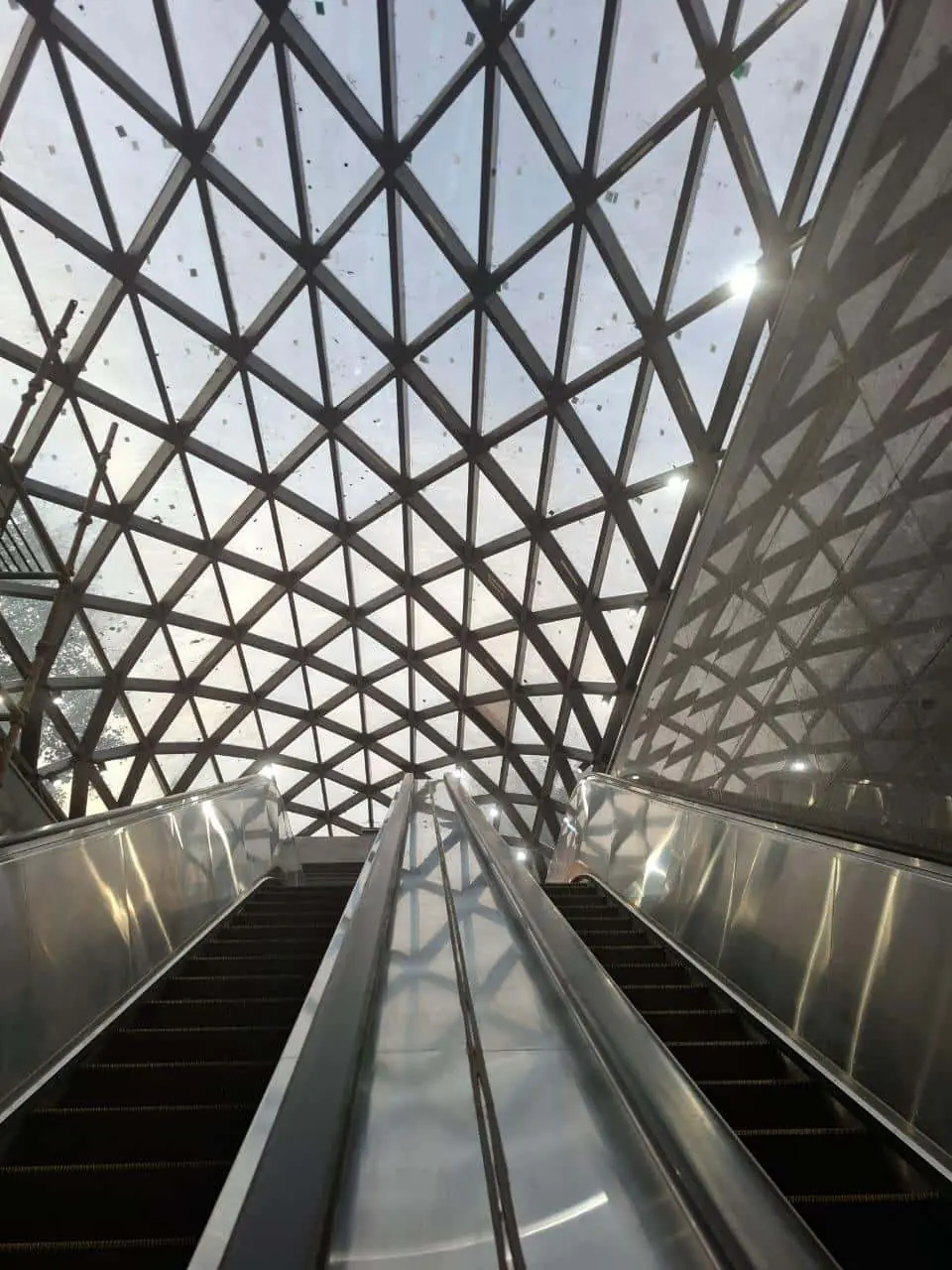
At the heart of Mumbai’s historic urban fabric, where Victorian grandeur meets the relentless rhythm of modern life, a new architectural statement quietly reshapes the city’s relationship with light, form, and public space. Rising from the precinct of CSMT Metro Station, the city’s first free-form skylight is more than an infrastructural element—it is a sculptural intervention that bridges centuries of architectural legacy with contemporary innovation. Set within the iconic CST Square, surrounded by some of India’s most celebrated heritage structures, the skylight introduces a fluid, organic form into a context traditionally defined by symmetry, masonry, and monumental stone. Rather than competing with its surroundings, the structure responds with restraint and intelligence, enhancing the experience of the space below while adding a modern layer to Mumbai’s evolving cityscape. This project, widely regarded as India’s first free-form skylight in a public urban setting, stands as a testament to what is possible when vision, trust, and engineering excellence converge.
Key Highlights
|
Designing For A Monument, Not Just A Metro
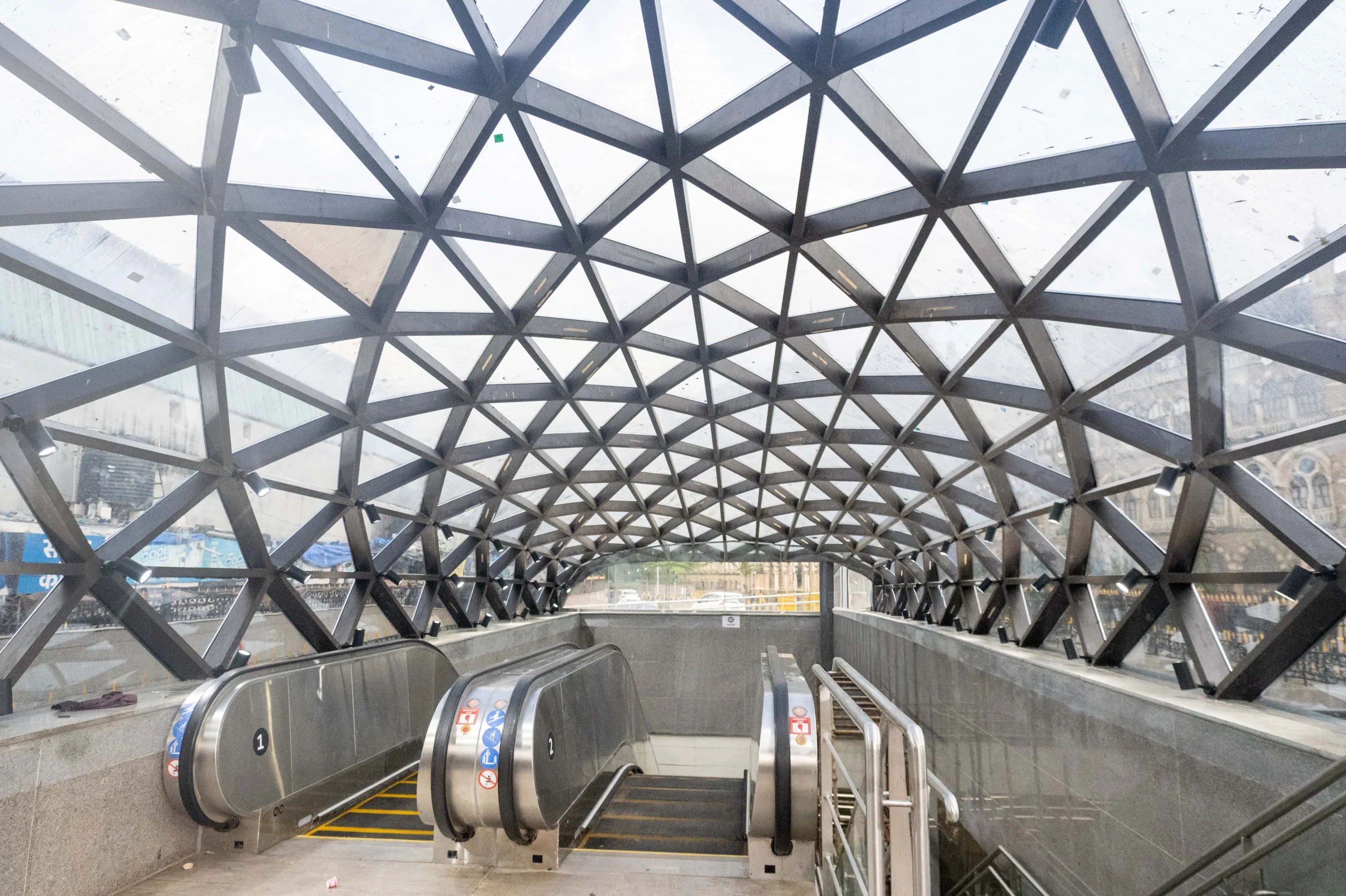
The brief given by the client was deceptively simple: “Make something that enhances the beauty of this monumental place.” There were no prescribed shapes, no predetermined visual references—only a responsibility to respond meaningfully to one of the most historically charged sites in the country. The responsibility of interpreting this brief fell to Mahesh Pandit, Founder and CEO of Good Windows, whose design philosophy has long been rooted in pushing architectural boundaries without compromising context or longevity. Rather than opting for a conventional planar skylight, Pandit envisioned a free-flowing form-one that felt almost carved by light and movement. The resulting structure appears fluid and effortless, yet its geometry is the product of advanced parametric modelling and meticulous engineering. Every curve serves a purpose, guiding daylight deep into the metro entrance below while creating a constantly shifting play of reflections and shadows throughout the day.
Innovation Within Constraint: A Rare Government Exception
Government infrastructure projects are rarely known for their design freedom, let alone architectural experimentation. Budgetary constraints, rigid specifications, and procedural limitations often restrict creative exploration. Yet, in a rare and commendable departure from convention, this project became an exception. The authorities entrusted Good Windows with both creative autonomy and a modest but workable budget—an uncommon combination that allowed the design to flourish without excess. What followed was an exercise in intelligent optimisation: achieving architectural distinction without extravagance. The entire structure has been executed as an all-aluminium skylight, chosen for its durability, corrosion resistance, and long-term performance in Mumbai’s coastal climate. Designed to endure for generations, the skylight represents a forward-looking approach to public infrastructure—one that prioritises lifecycle value over short-term cost savings.
From Concept To Reality: Entirely In-House
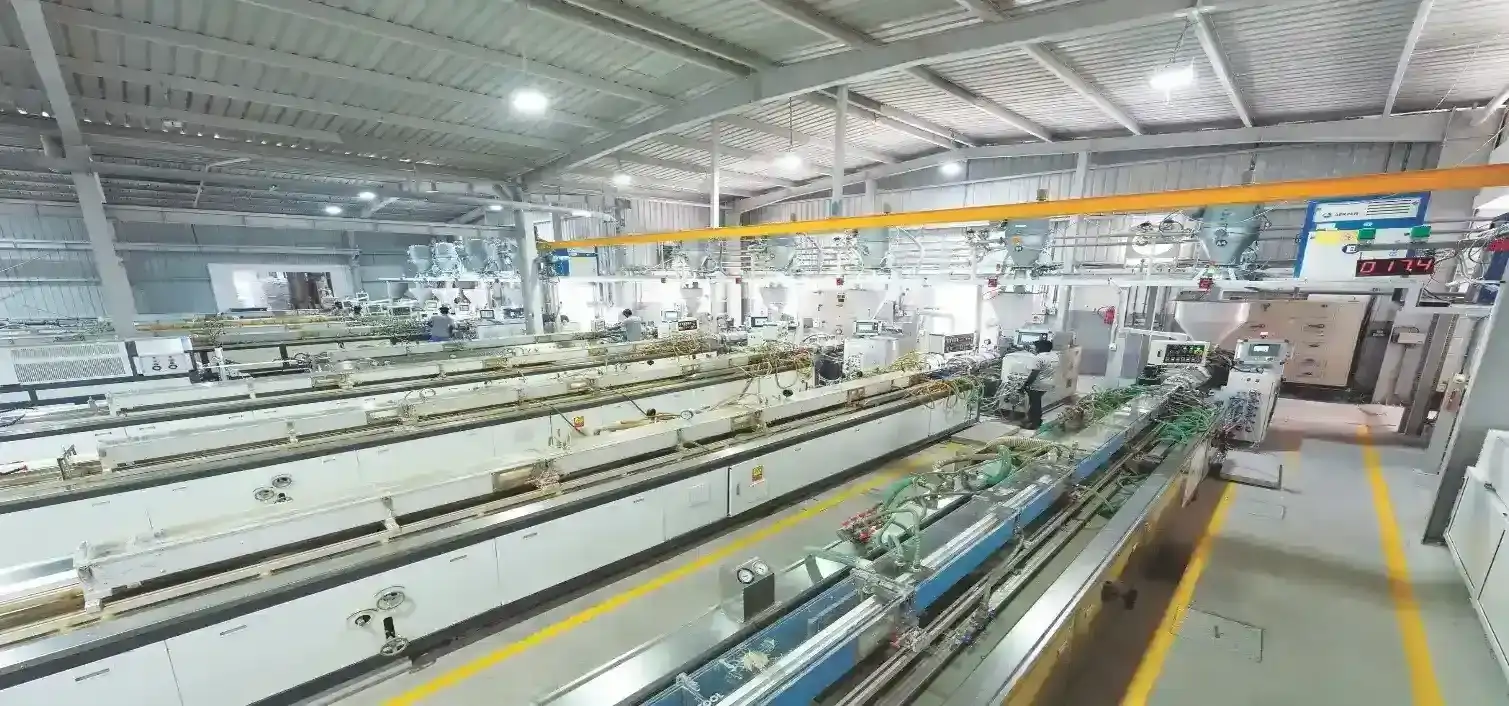
Perhaps the most remarkable aspect of the CSMT free-form skylight is not just its form, but how it was delivered. Good Windows is currently the only company in India capable of designing, manufacturing, and installing a free-form skylight of this complexity entirely in-house. From parametric design and structural detailing to precision fabrication and on-site installation, every stage of the project was executed under one roof. This vertical integration ensured absolute control over quality, tolerances, and execution timelines—critical factors when dealing with non-repetitive geometries and complex node connections. The result is a structure that appears seamless, elegant, and deceptively simple, masking the immense technical sophistication behind it. What the public sees is a graceful canopy of glass and aluminium; what lies beneath is a feat of engineering coordination, material science, and craftsmanship rarely achieved in Indian public projects.
Light As Experience, Not Just Illumination
Beyond its visual impact, the skylight fundamentally transforms the spatial experience of the metro entrance below. Natural light cascades into the underground space, softening what might otherwise be a purely utilitarian environment. The transition from the bustling square above to the metro concourse becomes calmer, more welcoming, and intuitively legible. As sunlight filters through the curved glass surfaces, the space changes character throughout the day—bright and energetic in the morning, warm and contemplative by evening. The skylight becomes an active participant in the daily rhythm of the city, subtly reminding commuters of the power of thoughtful design in public spaces. In this sense, the project succeeds not just as an architectural object but as an urban experience.
A Legacy Of Scale: Pune’s Civil Court Metro Skylight
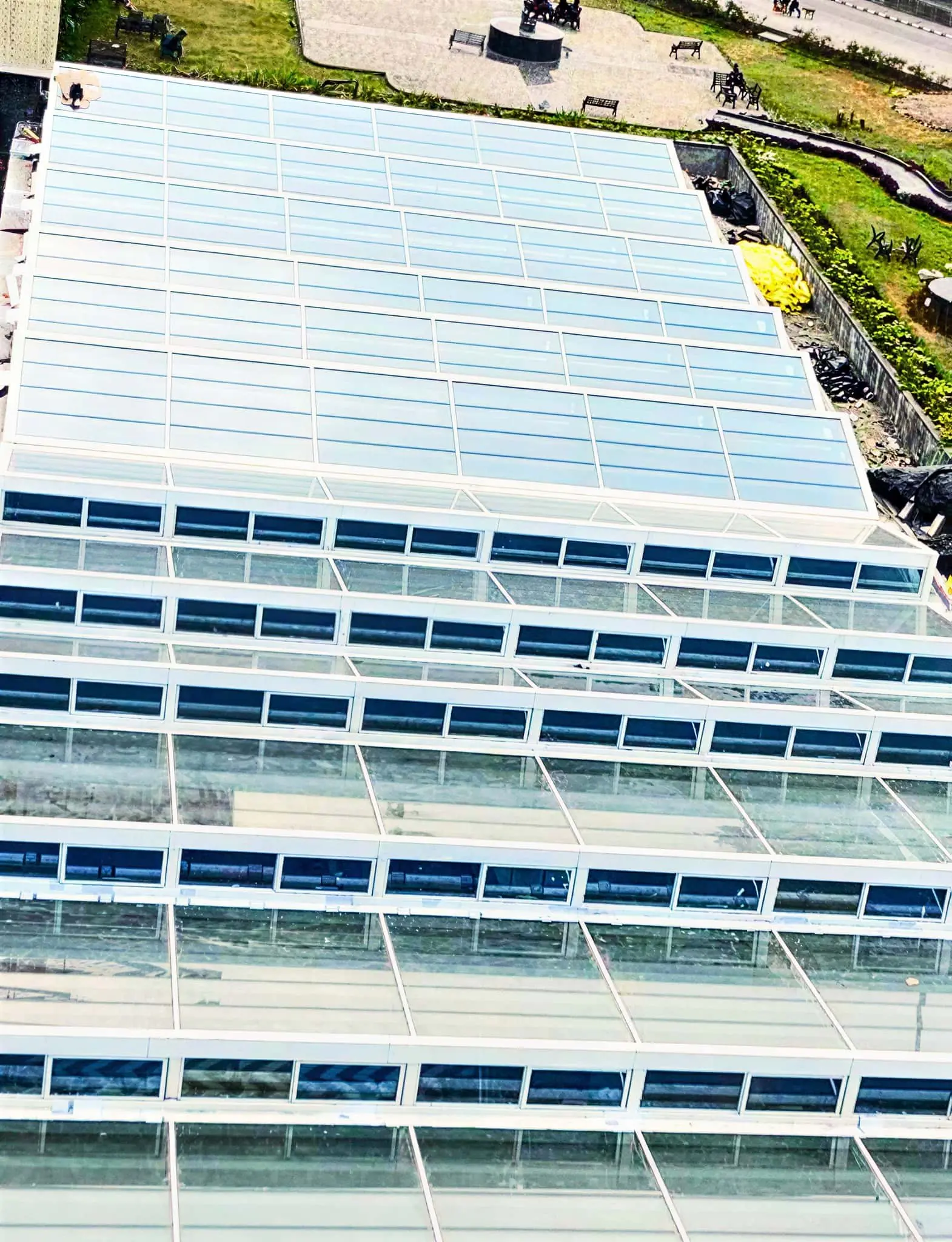
While the CSMT skylight represents a milestone in free-form design, it is part of a much larger body of work that has positioned Good Windows as a national leader in architectural glazing. One of the company’s most significant achievements is the monumental skylight over the Civil Court Metro Station in Pune—widely recognised as the largest overhead metro station skylight in India. Spanning a vast area above one of the deepest underground metro stations in the country, the project demonstrates the firm’s ability to handle scale, complexity, and precision simultaneously. Together, the Pune and CSMT skylights illustrate two ends of the architectural spectrum: one defined by monumental scale, the other by sculptural nuance—both unified by a commitment to engineering excellence and contextual sensitivity.
Inspiring A New Wave Of Public Design
The CSMT free-form skylight has already begun to influence conversations around public architecture in India.
Its success has sparked interest from multiple cities, with several proposals currently under consideration for similar free-form skylights inspired by this landmark installation. More importantly, it challenges long-held assumptions about what government projects can achieve. It proves that innovation and cost-effectiveness are not mutually exclusive—and that, when given the opportunity, Indian engineering and design firms can deliver work of global relevance.
More Than A Skylight: A Statement Of Possibility
For Good Windows, this project is not merely another addition to an impressive portfolio—it is a reaffirmation of the company’s ethos. With over 23 years of experience in bespoke skylights, façades, windows, and structural glass installations, the firm has consistently resisted standardisation in favour of tailor-made solutions. Each project is approached as a unique design challenge, and the CSMT skylight exemplifies this philosophy at its highest level. It is a reminder that public infrastructure need not be anonymous, that functional elements can also be cultural markers, and that thoughtful engineering can elevate everyday experiences. Standing beneath the sweeping glass form at CST Square, watching sunlight dance across aluminium curves, one is reminded of what cities can become when creativity is allowed to coexist with responsibility. This skylight does not shout for attention; it earns admiration through quiet confidence, precision, and purpose. In illuminating the space below, it also lights the way forward— for public design, for Indian engineering, and for a future where innovation is not the exception, but the expectation.
Quick Facts:
|