
Q – DIA Architects Has Been Operating Since 1988. How Has The Firm Evolved Over The Years, And What Have Been The Key Milestones In Its Journey?
Since 1988, D I A Architects, an international consultancy firm, has evolved from a focused architectural studio into a multi-disciplinary practice working across banking, healthcare, hospitality, residential, and large-scale urban projects.
Our growth has been shaped by three major milestones:
- Early adoption of research-driven design, influencing how we approach façades, materiality, and human experience.
- Expansion into technically complex sectors, particularly healthcare, where precision and performance are essential.
- Developing a strong regional signature in façades and urban identity, allowing our work to contribute to the architectural DNA of cities.
Over the years, we have also strengthened our integration between architecture, interior design, and landscape — ensuring that every project communicates one coherent narrative, from façade to experience.
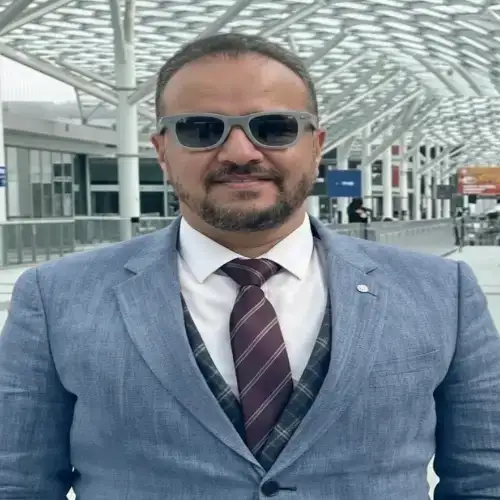
Q – As Chairman, How Would You Describe Your Leadership Style And The Vision You Aim To Bring To The Company Today?
My leadership is built on clarity, trust, and shared purpose. We operate as one family, where every team member understands the “why” behind each decision.
My vision is to position DIA Architects as a regional leader in façade intelligence, sustainable urbanism, and emotionally meaningful design.
I believe in empowering teams, creating space for experimentation, and building a culture where craftsmanship, research, and innovation work hand in hand.
Q – Sustainability Is Becoming Essential In Architecture. How Is Your Firm Integrating Sustainable Thinking Into Everyday Design Decisions?
For us, sustainability is not a checklist — it is a mindset.
We embed it into everyday decisions by prioritising:
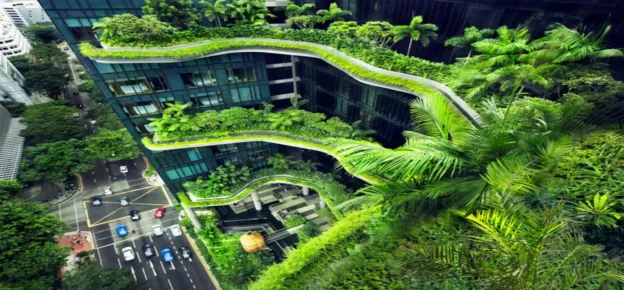
- Passive cooling and natural ventilation.
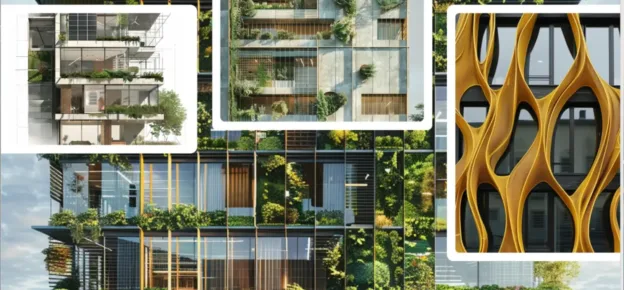
- High-performance façades and envelope design.
- Daylight optimisation and glare control.
- Energy-efficient systems and long-term operational performance.
Our teams continuously share knowledge about new materials, smart building technologies, and green-building standards.
Sustainability, ultimately, is the art of doing more with less while enhancing human comfort.
Q – Could You Share A Few Standout Projects From DIA Architects That Best Represent The Firm’s Design Philosophy?
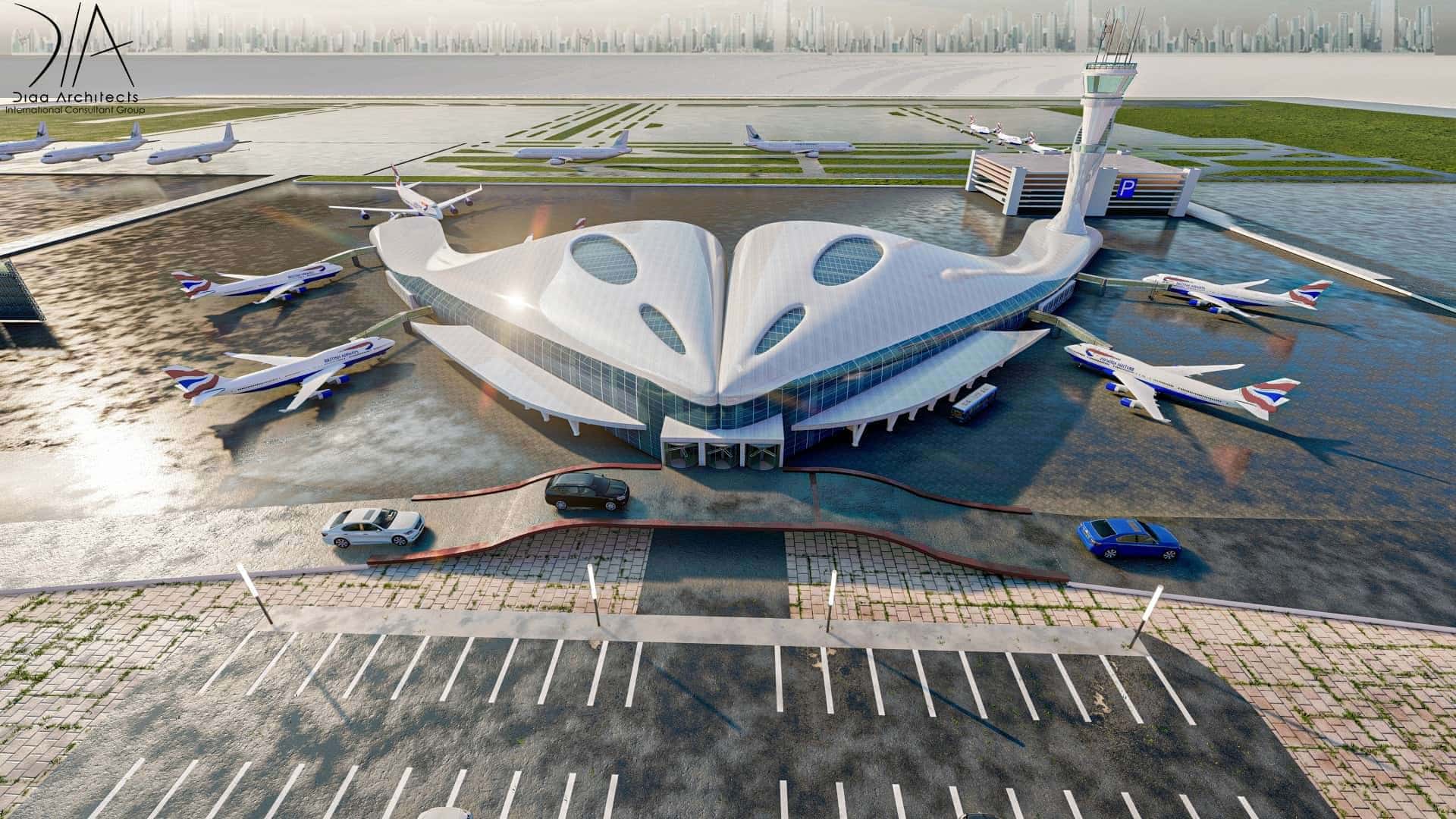
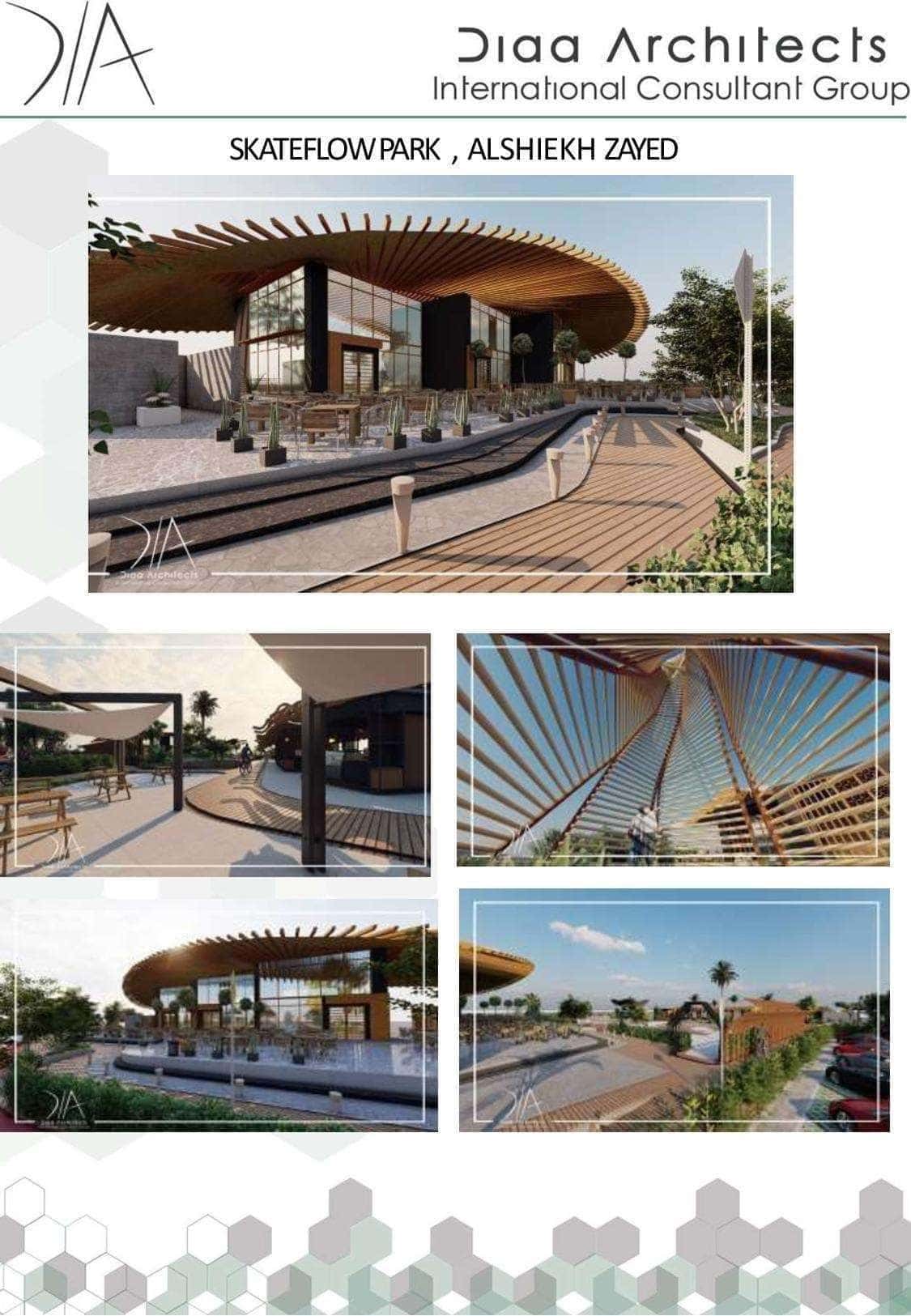
Projects that reflect our philosophy are those where clarity, proportion, and light work together to create a calm and intuitive experience.
These include:
- Mixed-use and hospitality developments shaped by materiality, natural light, and spatial rhythm.
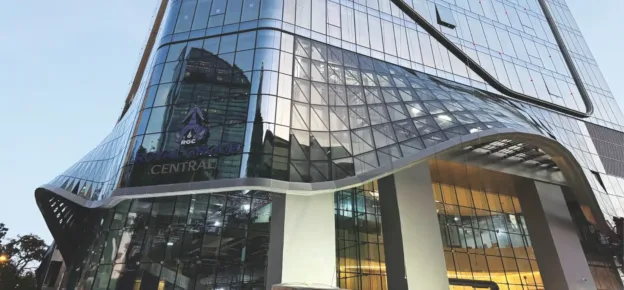
- Urban façade regeneration projects that elevate the identity and quality of entire districts.
- Banking and corporate projects where interior and exterior work as one, using softer materials and warm lighting in long-duration waiting areas, contrasted with more focused materials and concentrated lighting in workspaces.
Across all project types, our objective is the same: to design environments that feel balanced, timeless, and human-centred.
Q – Your Firm Works Across Many Sectors – Residential, Healthcare, Hotels, And Retail. How Do Façade And Fenestration Needs Change Across These Project Types?
Each sector carries its own architectural logic:
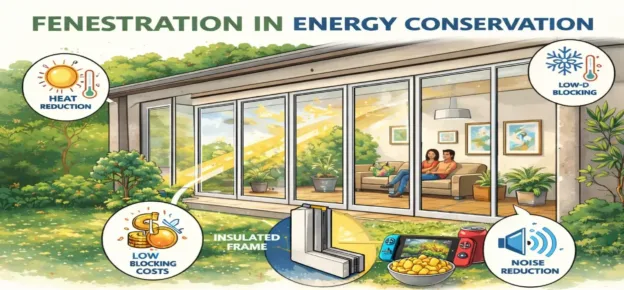
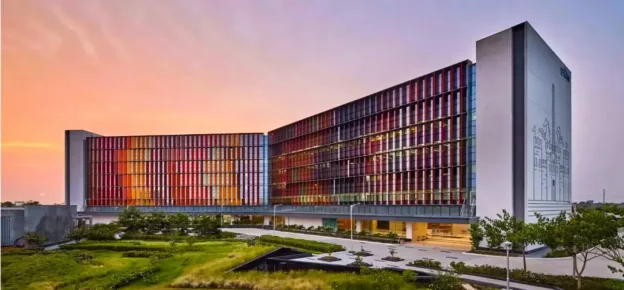
- Healthcare: controlled light, thermal stability, and comfort-driven fenestration.
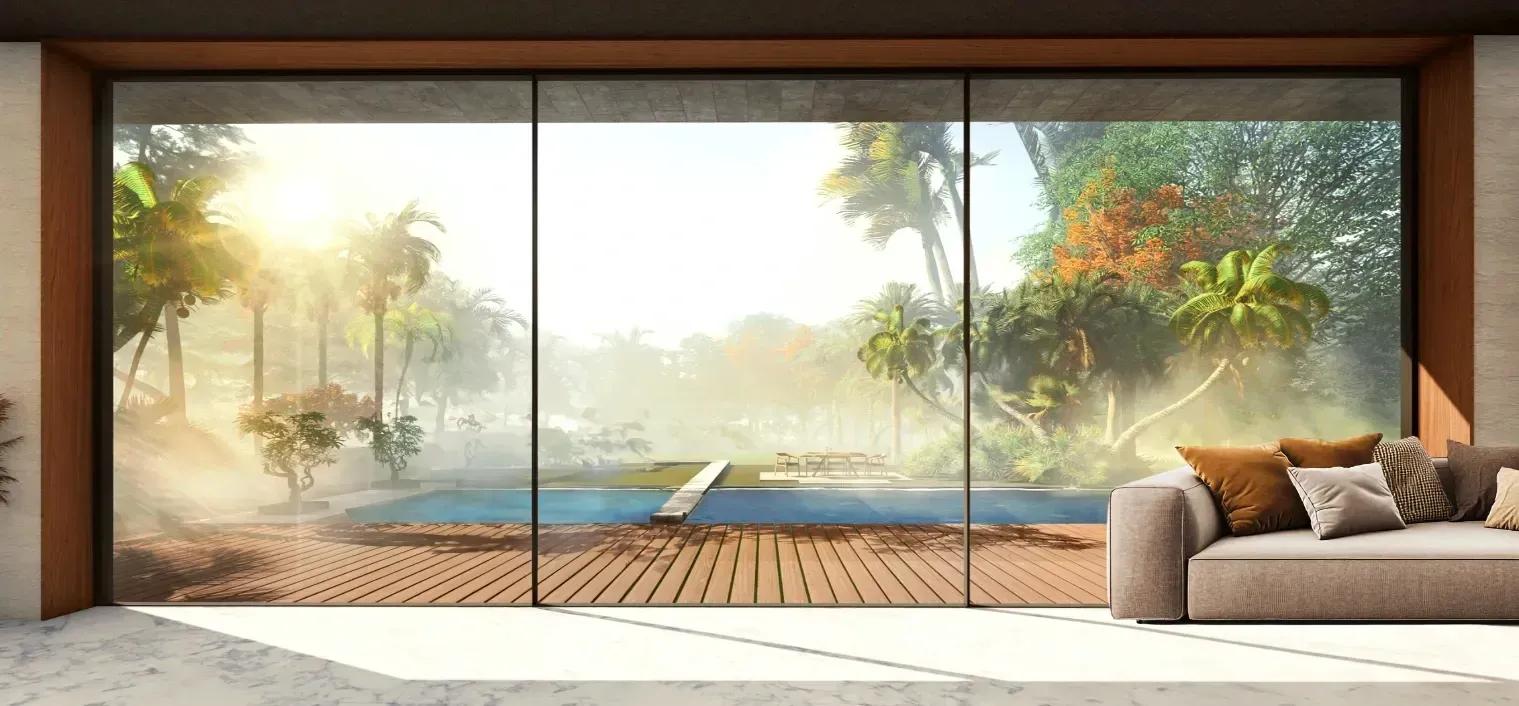
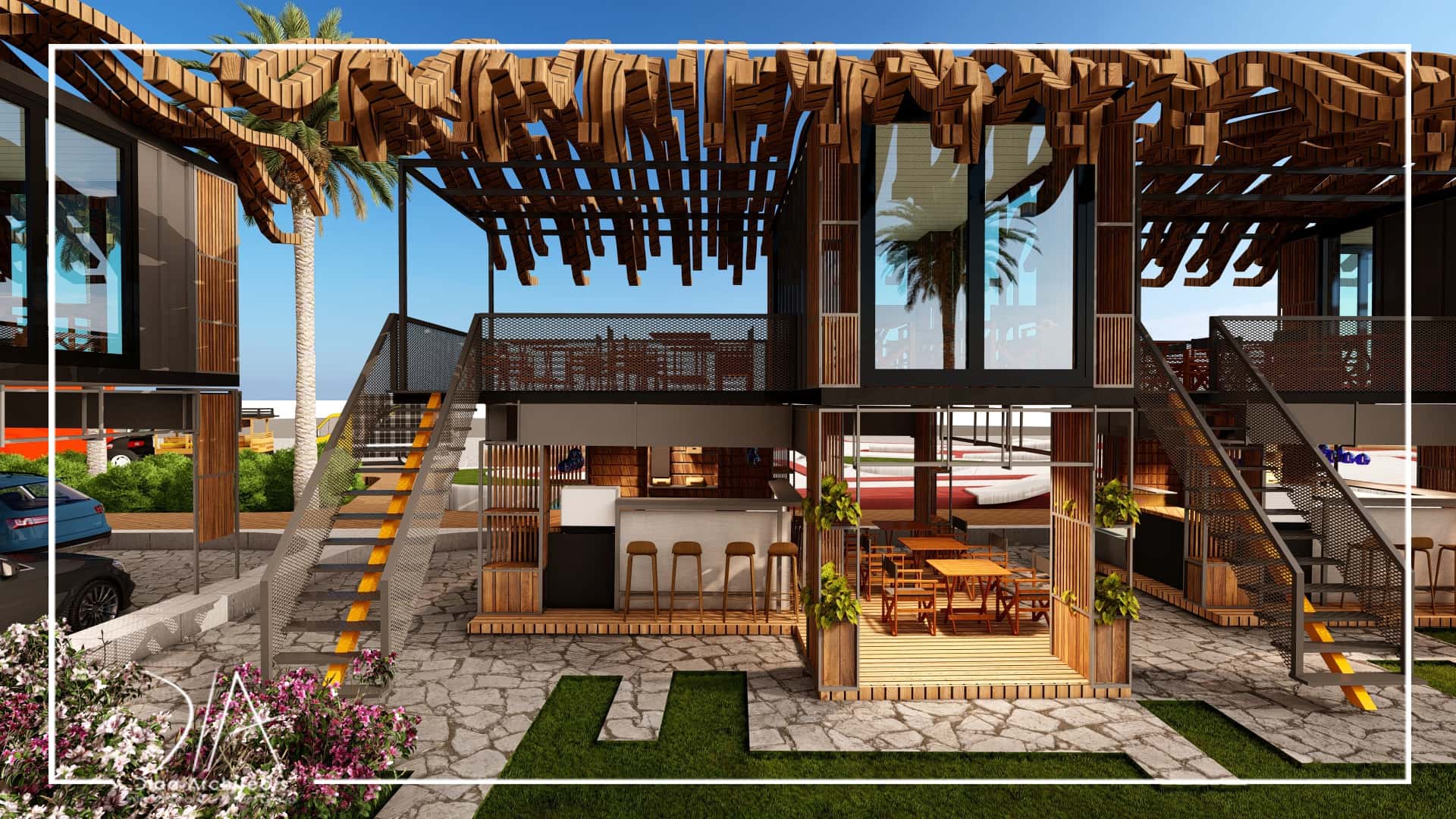
- Hospitality: openness, framed views, and seamless indoor–outdoor transitions.
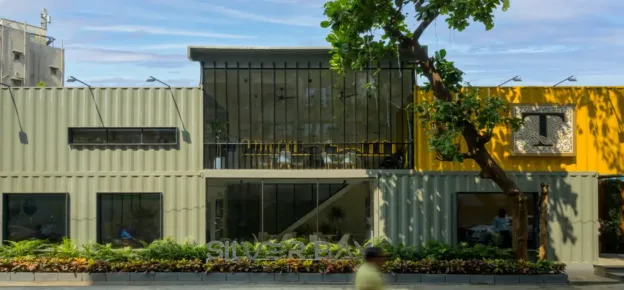
- Retail: transparency, identity, and visual engagement.
- Residential: privacy, shading, natural ventilation, and material warmth.
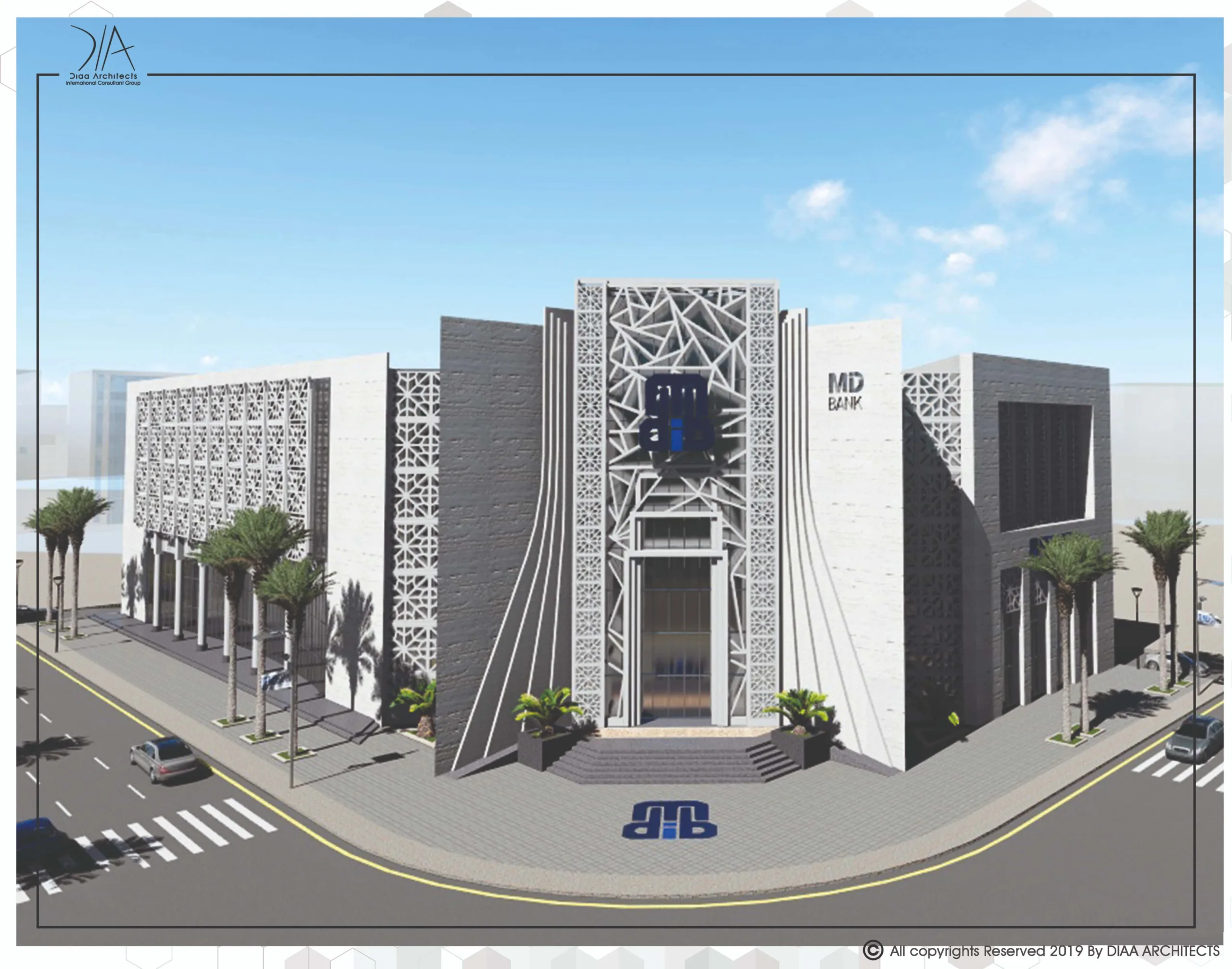
Across all sectors, we see the façade as a living interface, not just a surface – it mediates light, climate, identity, and human experience.
Q – Are There Any Recent Façade Technologies Or Materials — Such As Smart Glazing Or Advanced Shading Systems — That You Find Especially Promising?
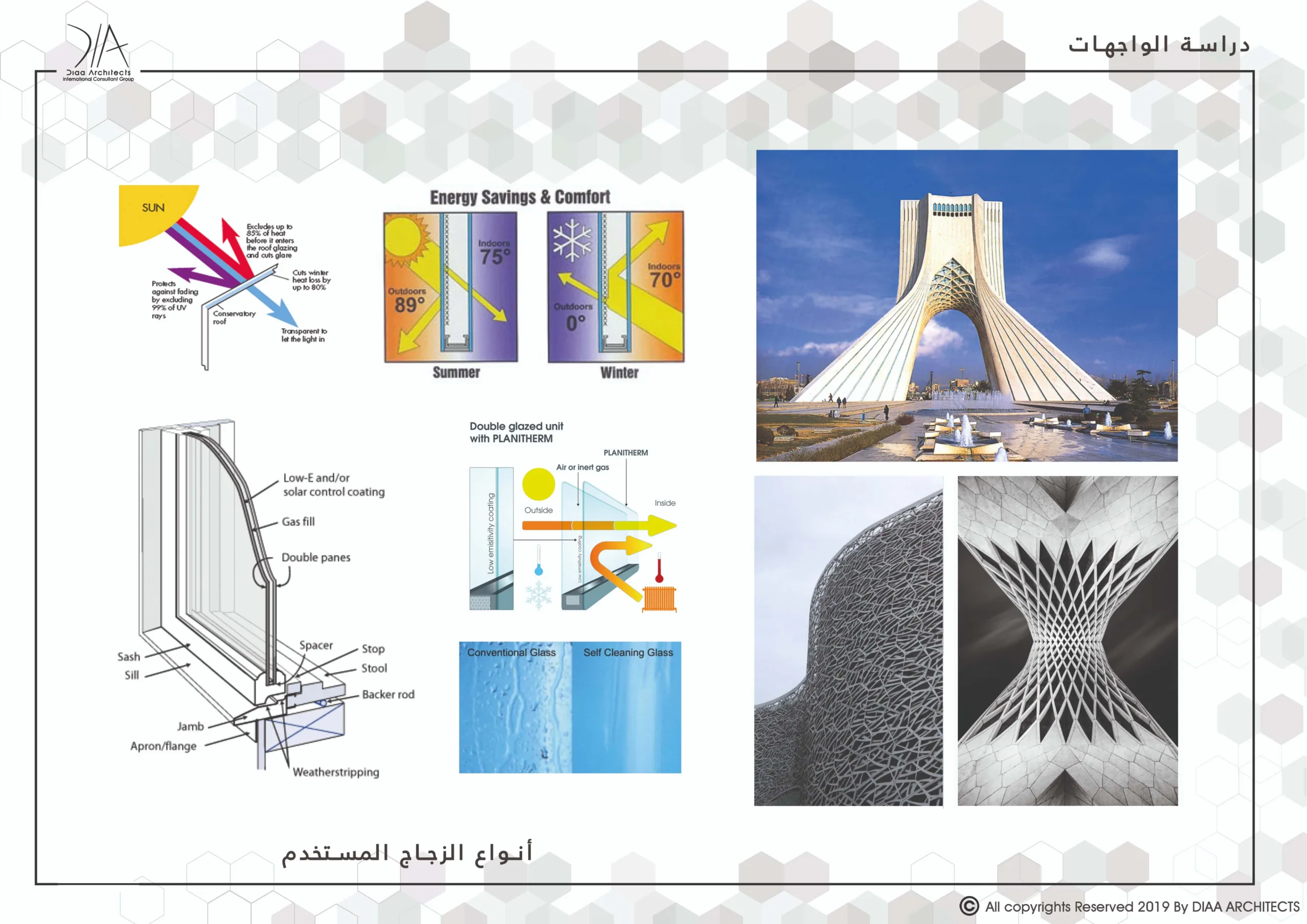
Yes, technologies such as electrochromic glazing, dynamic shading systems, improved thermal breaks, and ventilated façade assemblies are becoming more accessible.
We incorporate them only when they bring genuine value — whether in comfort, energy savings, or long-term performance.
We also explore integrated photovoltaic glazing, automated solar systems, and colour-temperature adaptive façades to enrich the building’s environmental response.
We recently designed a mosque in Kuwait City featuring a moving glass dome aligned with the sun’s path throughout the day.
Q – What Trends Do You Believe Will Define Façade Design In The Coming Years In Egypt And The Wider Region?
The future of façades in the region will be shaped by:
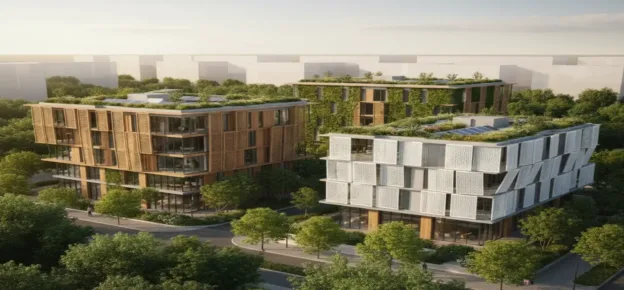
- Climate-responsive envelope design.
- Smart and adaptive façade systems.
- Deeper integration of local, sustainable materials.
- A growing focus on wellbeing, daylight, and psychological comfort.
Buildings will become more intelligent, more responsive, and more emotionally resonant — shaping not only skylines, but also the daily lives of the people who interact with them.
Q – As Chairman, What Kind Of Design Legacy Do You Hope DIA Architects Will Leave Behind, Particularly In Façade And Urban Design?
I hope our legacy is defined by clarity, purpose, and human experience.
If we are remembered for anything, I want it to be for creating:
- Façades that shape better streets.
- Architecture that enhances daily life.
- Buildings that feel timeless and connected to their context.
Our goal is to help create cities that are more humane, more inspiring, and more emotionally meaningful because of the work we contribute.
Q – How Do You See The Role Of Technology — BIM, Digital Modelling, Visualisation Tools — Shaping The Future Of Architecture And Project Delivery?
Technology is now the backbone of architectural accuracy and integrated design. BIM, parametric modelling, and advanced visualisation allow us to:
- Predict performance.
- Optimise material usage.
- Resolve design conflicts long before construction.
- Enhance client understanding through immersive simulations.
The future belongs to practices that merge human intuition with digital intelligence — allowing architecture to be both imaginative and exact.
Q – What Advice Would You Give To Aspiring Architects?
Be curious, Be patient, Design with intention!
Master proportion, light, and materiality before chasing trends.
Remember, you are not designing buildings — you are shaping moments, emotions, and the rhythm of people’s lives.
Architecture is ultimately about human experience and the memories that spaces create.