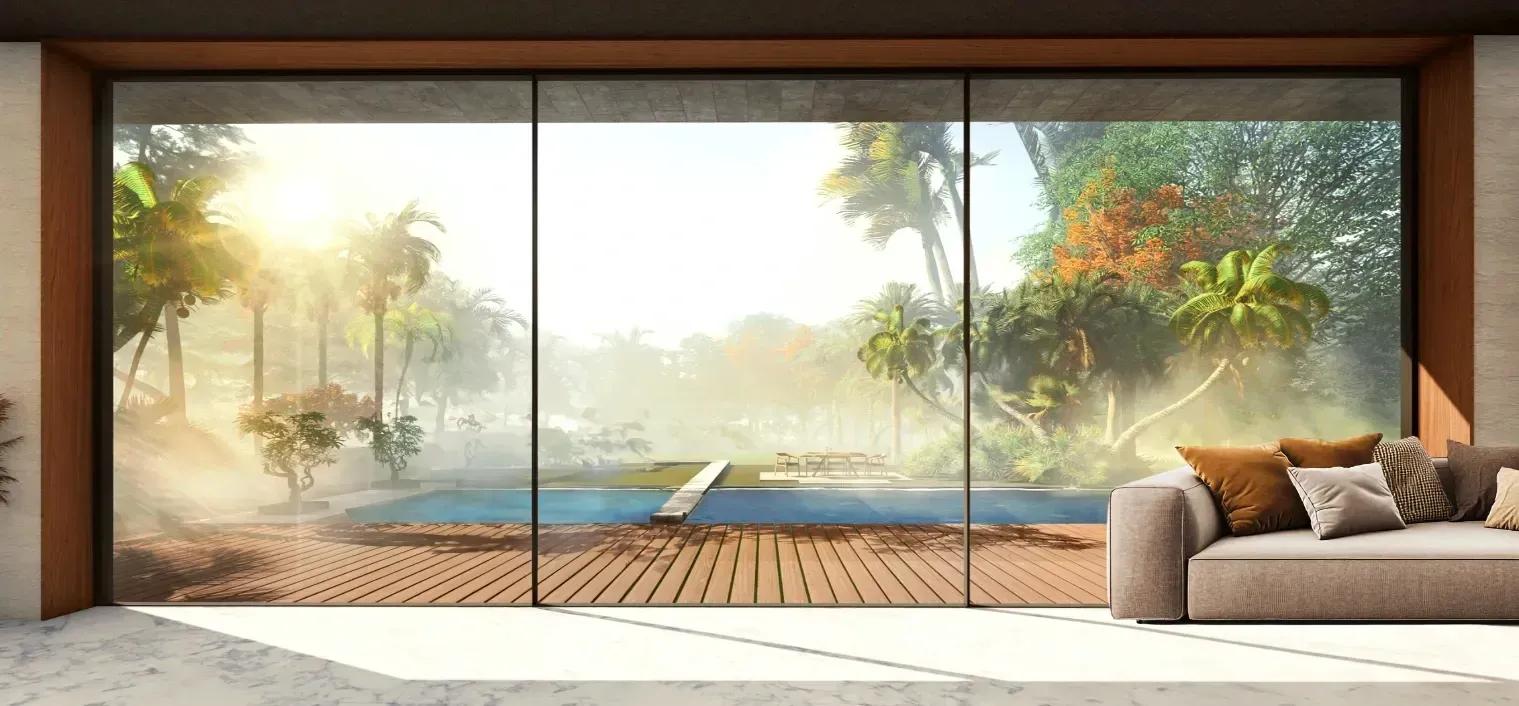
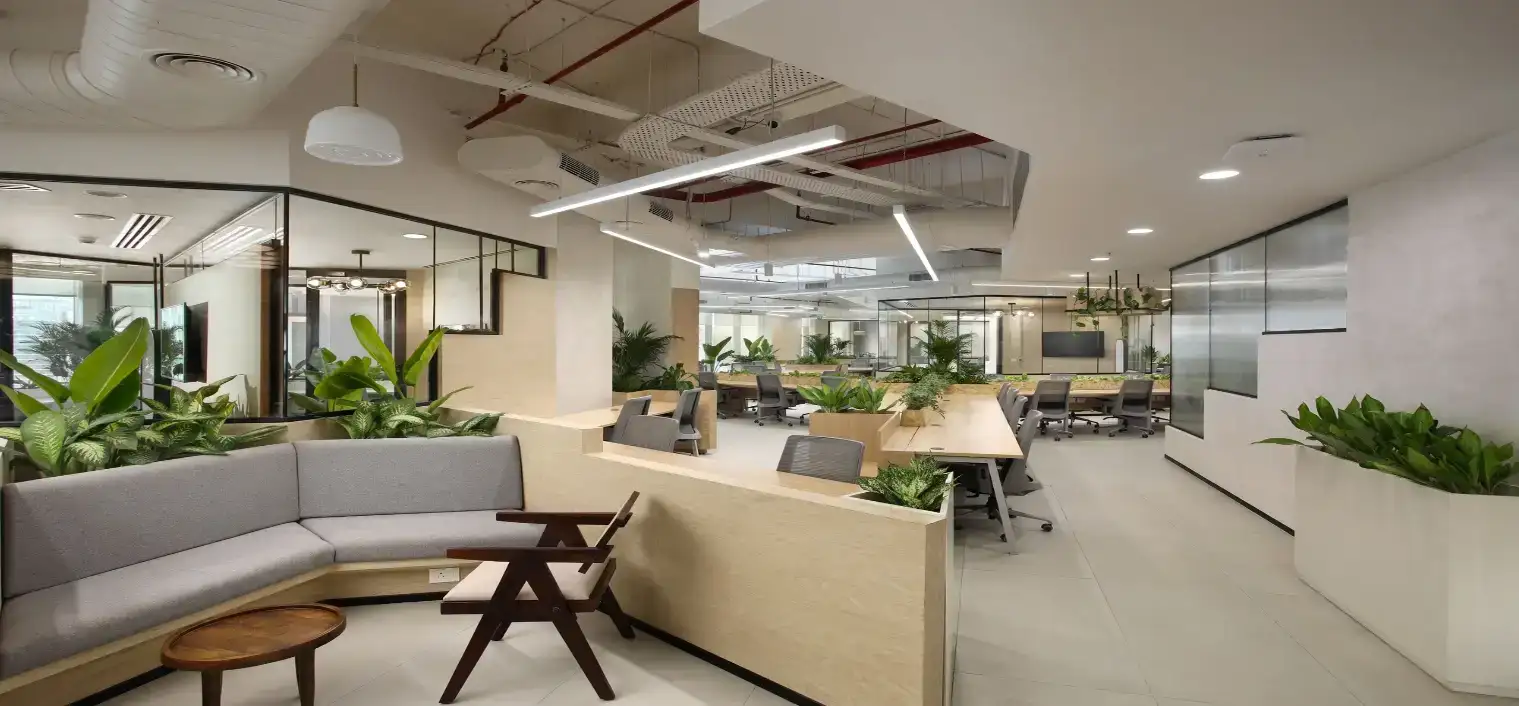

In the evolving narrative of modern architecture, building façades have transformed from mere aesthetic envelopes into highly functional, performance-driven systems. Today, façades are no longer just about how a structure looks; they are about how it breathes, adapts, conserves energy, and interacts with its environment. As urbanisation intensifies and sustainability becomes non-negotiable, the efficient use of glass and advanced fenestration systems has emerged as a defining element of contemporary building design. The building materials and façade technologies have transformed tremendously over the past few decades. The innovations we see today—whether in energy-efficient glass, AI-assisted design tools, or integrated automation-are redefining what buildings can achieve in terms of performance, comfort, and environmental responsibility.
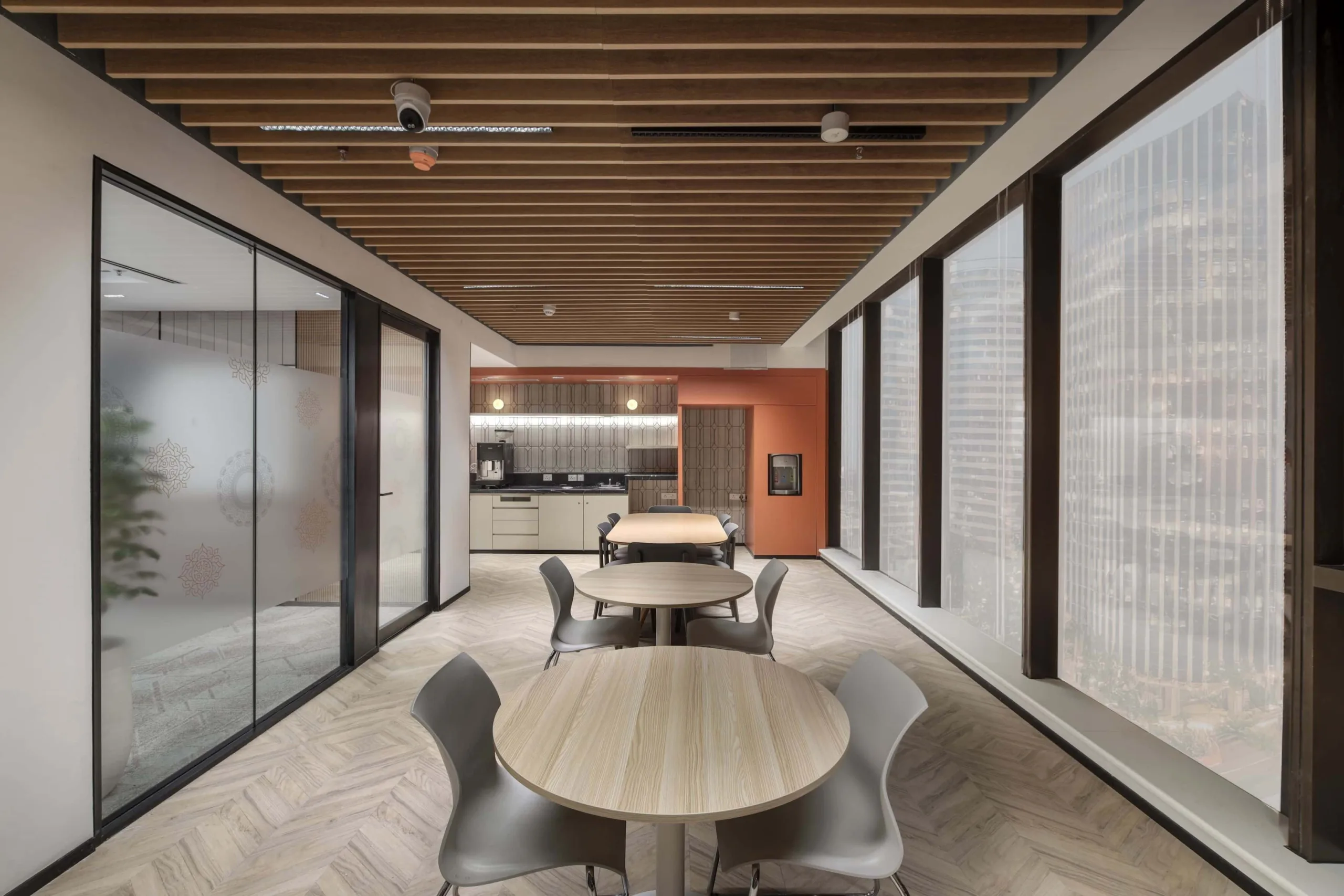
Glass has long symbolised openness and progress in architectural language. From skyscrapers to institutional campuses, glass façades form the face of modern urban landscapes. Yet, their efficient use is critical. A poorly designed glass façade can contribute to heat gain, glare, and increased energy consumption. On the other hand, advanced glass technologies-such as low-emissivity (Low-E) coatings, double glazing, and spectrally selective coatings- enable architects to strike a balance between aesthetics and thermal comfort, as well as energy efficiency. What we see now is a growing awareness that the “transparency” of glass must come with responsibility. A façade should invite natural light while filtering excess heat, contributing to occupant well-being without placing an undue burden on HVAC systems. This balance is achievable only when designers embrace performance-driven glass specifications from the conceptual stage.
Traditionally, façade design involved extensive simulations, trial-and-error modelling, and manual interventions. Today, AI-powered tools and advanced parametric design software have fundamentally changed this process. AI algorithms can analyse multiple variables—orientation, climate, wind patterns, and solar angles—within seconds to recommend the most efficient façade and fenestration designs. For example, AI can simulate how a façade will perform over an entire year in terms of daylighting, heat gain, and shading. Designers can use this data to refine glass types, shading devices, and fenestration layouts for optimal efficiency. This is not merely theoretical; it is already in practice. Across the globe, projects are increasingly being designed with AI-led façade optimisation, helping architects minimise energy costs, maximise comfort, and improve sustainability ratings.
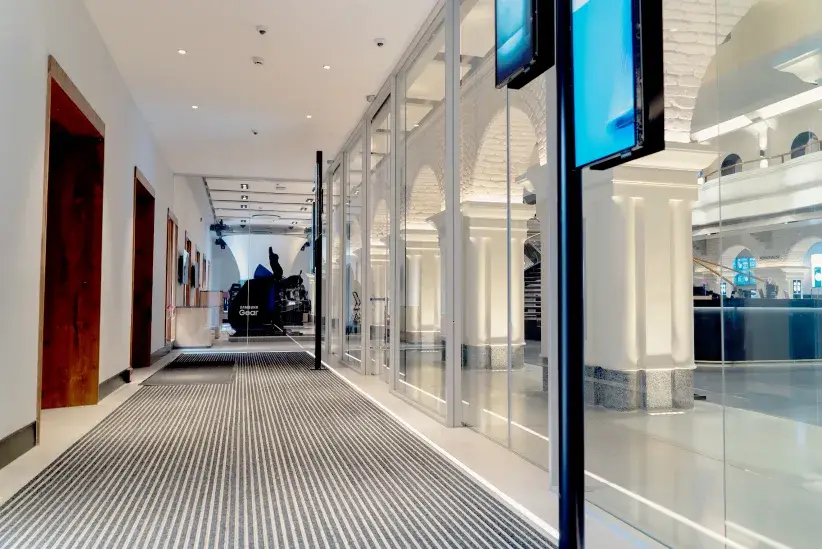
The next frontier in façade technology lies in automation. With the integration of IoT and smart sensors, building façades can now adapt in real time to external conditions. Automated shading systems, electrochromic glass (which changes its tint based on sunlight intensity), and responsive ventilation panels are revolutionising building performance. Imagine a façade that automatically darkens its glass panels during peak afternoon sun to reduce cooling loads, then reverts to clear transparency by evening to maximise natural light. Or louvers that adjust their angle based on wind speed to reduce structural stress. Such intelligent systems not only save energy but also extend the lifespan of the façade itself. For India, where climatic diversity ranges from scorching summers to heavy monsoons, adopting smart façades can be transformative. It can help cities reduce their carbon footprint while enhancing the quality of life for millions of urban residents.
Globally, sustainability goals are driving façade innovation. Green building certifications such as LEED and GRIHA place strong emphasis on energy-efficient fenestration. Governments are also tightening regulations around building energy codes, making it imperative for developers to adopt smarter façade solutions. In India, with its ambitious net-zero targets, the building sector will play a critical role. Glass and façade systems are central to this shift, as they determine how much energy a building consumes or conserves. By combining efficient glass, AI-led design, and automation, we can create buildings that are not only visually striking but also environmentally responsible.
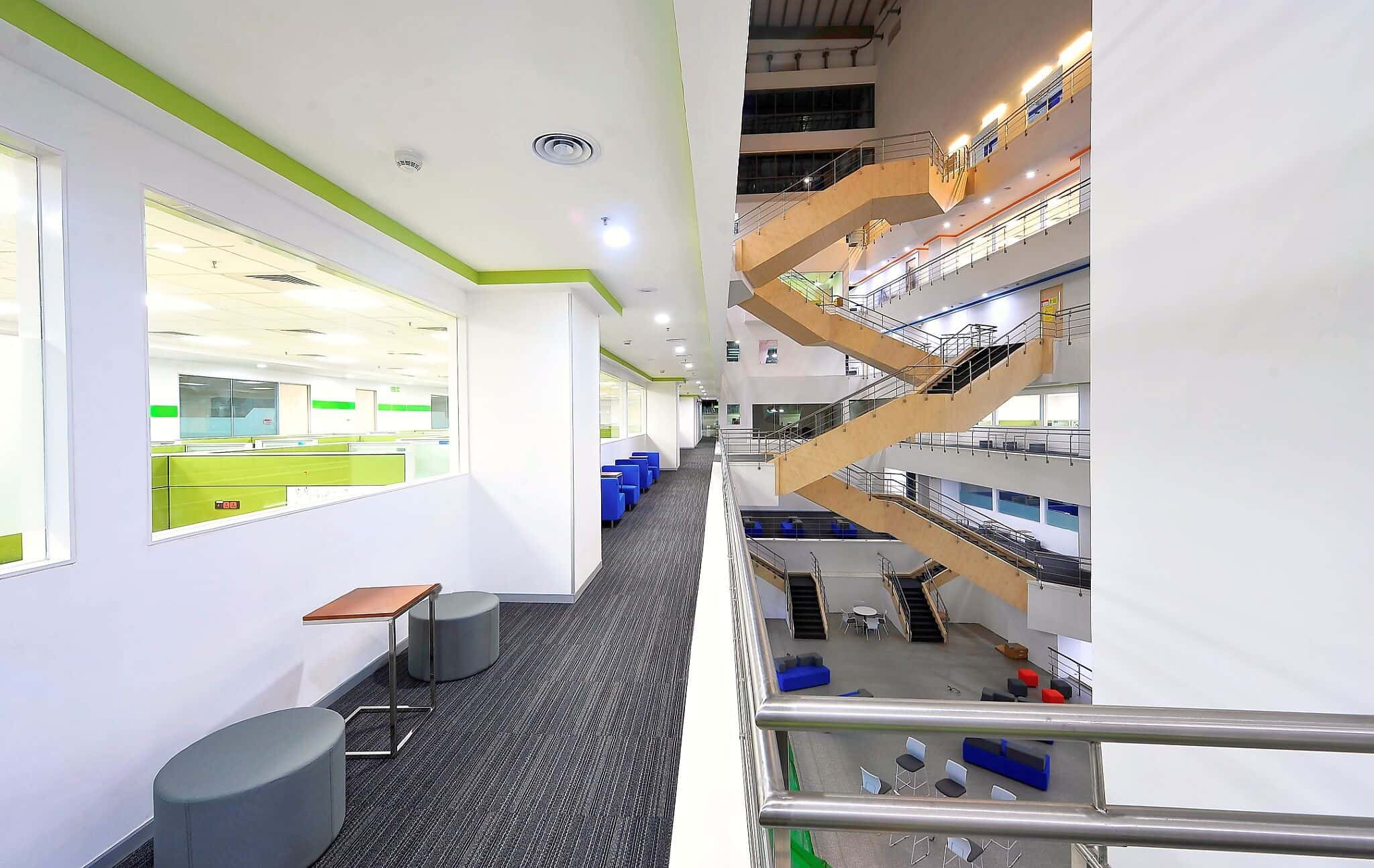
While technology drives innovation, the ultimate goal of any façade system should be human comfort. Studies show that access to natural daylight improves productivity, reduces stress, and enhances overall health. Smart fenestration systems that optimise daylight while minimizing glare are essential for creating healthier work and living environments. In this sense, glass façades are not merely about efficiency; they are about empathy. They connect occupants to the outside world while protecting them from its extremes, offering transparency without vulnerability.
The façade industry stands at an inflection point. With climate change pushing us towards sustainable practices, and with AI and automation unlocking unprecedented possibilities, the future of façades lies in integration— where aesthetics, performance, and sustainability coexist seamlessly. The next decade will belong to adaptive, intelligent, and environmentally responsive façades. Glass, as a material, will continue to dominate, but its role will evolve beyond appearance into active performance. The challenge for architects, engineers, and developers is to embrace these innovations early, not as add-ons but as integral elements of design philosophy. By doing so, we can create future-ready buildings— structures that are not only symbols of progress but also stewards of sustainability. In the end, façades are the face we present to the world. It is time we ensure that this face reflects not only beauty but also intelligence, responsibility, and resilience.