
Studies show that buildings use almost 40% of the world’s energy. This has led to a shift in thinking – buildings are no longer just places to live or work; they can also generate energy. One way to do this is by adding solar panels directly to the building’s walls and windows.
Using solar panels/photovoltaics as part of the building’s design isn’t just about looking good; it’s a key part of sustainable construction. These photovoltaic modules integrated with the building envelope (façade, sunshade, roof, windows, etc.), called Building Integrated Photovoltaics (BIPV), help reduce dependence on fossil fuels, lower electricity bills, and make buildings more self-sufficient by generating heat, electricity, and natural light, depending on how they’re installed.
Therefore, it can be clearly stated that these integrated façades not only serve as an envelope that fulfils a building’s functional and aesthetic purposes but also generate clean energy. BIPV, therefore, combines smart design with renewable energy, making it a game-changer for architecture. It also helps in earning green certifications such as IGBC, GRIHA, and LEED, while supporting global goals for net-zero energy buildings.
Beyond Function: Façades As Power Generators
Traditionally, building façades serve as protective skins that control heat transfer, light, and sound while giving a building its unique appearance. However, when a façade is integrated with solar panels, it can do much more than this — it can generate electrical energy, provide thermal benefits, and contribute to daylight savings, depending on the type of module selected for integration.
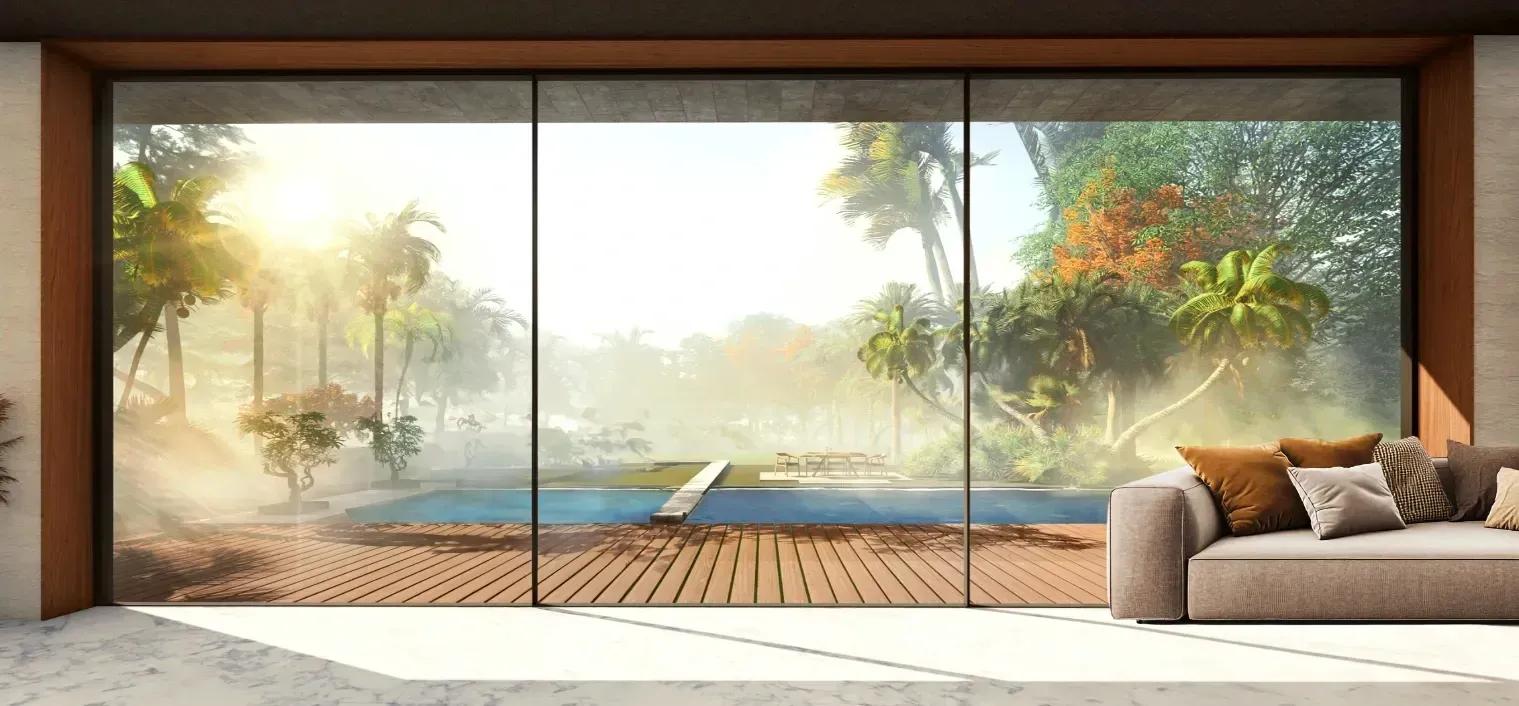
Different types of panels (transparent, semi-transparent, and opaque) can be integrated with various building elements such as sunshades, windows, walls, cladding, roofs, canopies, louvres, and skylights without compromising the building’s design — in fact, they can enhance it if planned from the conceptual stage. Using transparent or semi-transparent panels can replace conventional glazing, allowing natural daylight to filter through while generating electricity, reducing the need for artificial lighting, and saving energy. Architects can control the level of transparency and absorptivity, enabling a dynamic interaction between indoor comfort and energy efficiency.
Aesthetic Opportunities
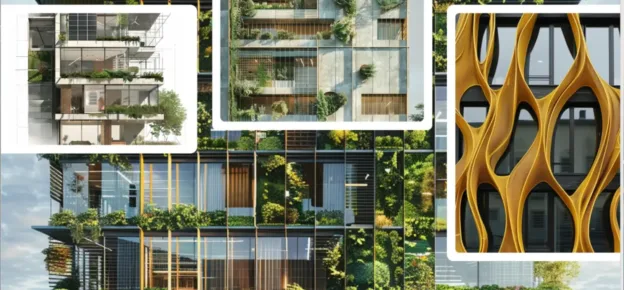
One of the most exciting things about integrating panels into buildings is their design flexibility. Unlike traditional rooftop panels, BIPV can be customised in colour, texture, and transparency according to the building’s needs, theme, and purpose. This allows architects to make bold design statements while still generating energy, turning the building into a producer of energy rather than just a consumer.
They are available in a wide range of colours, from earthy tones to vibrant shades, and can be arranged in various patterns (geometric or organic) to create visually striking façades. Semi-transparent panels allow natural light, maintain views, reduce glare, and control heat transfer, improving thermal comfort for occupants. This means façades are no longer just functional; they become a creative canvas that combines beauty with sustainability.
The most important factor in achieving this is to plan the integration during the conceptualisation of the building, considering its purpose and spatial design.
Case Examples
Globally, several iconic projects showcase the success of PV-integrated façades:
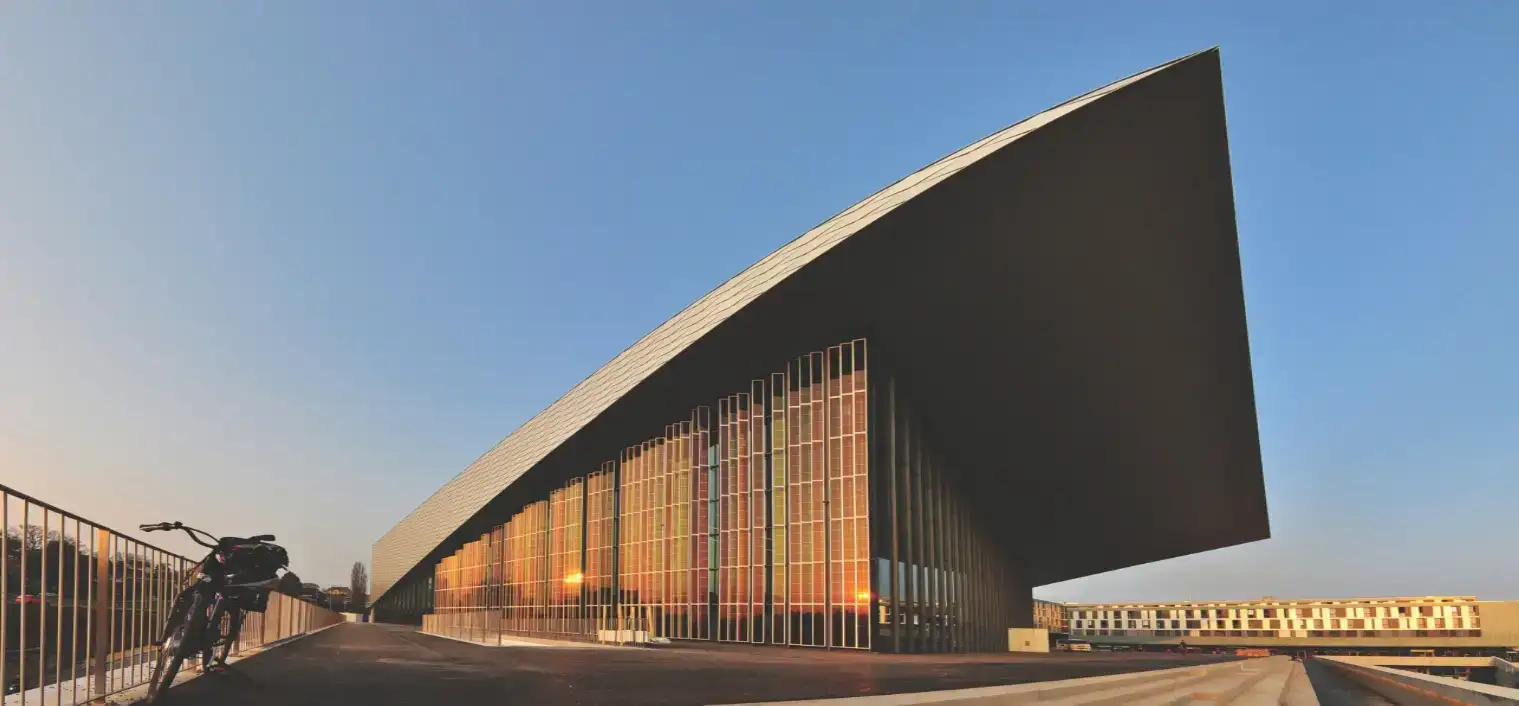
- The SwissTech Convention Centre, Lausanne, incorporates coloured PV glass panels that produce energy while creating a striking visual impression (Fig. 1).
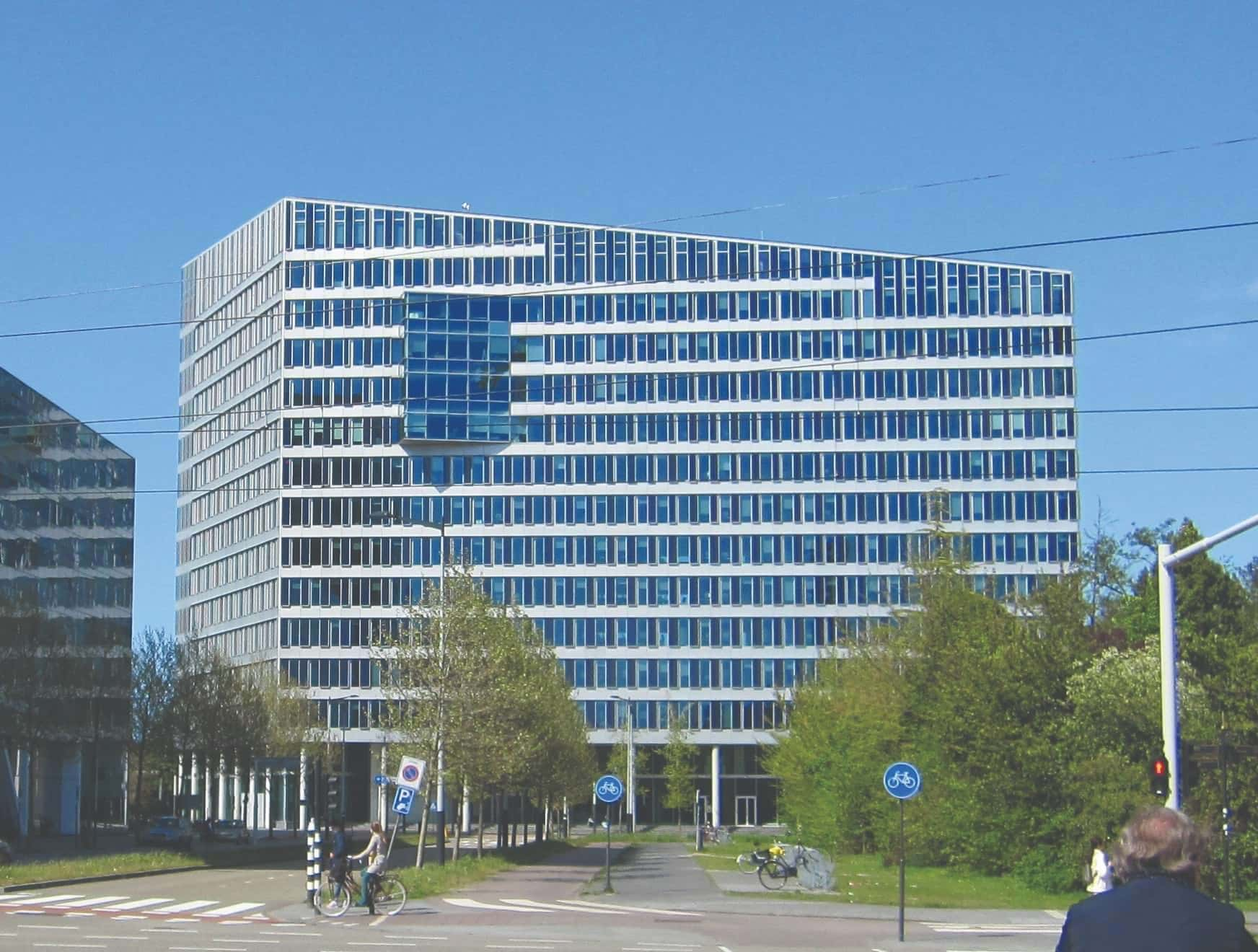
- The Edge, Amsterdam, Netherlands, integrates semi-transparent PV glazing into its façades. The panels generate renewable energy while allowing daylight to filter through, reducing artificial lighting needs and creating a sleek, modern appearance (Fig. 2).
In India, emerging projects are experimenting with BIPV skylights and curtain walls, paving the way for wider adoption in tropical climates where solar potential is immense.
Challenges And Considerations
Like all new technologies and adaptations, PV-integrated façades also present significant potential along with challenges. Integrating PV with buildings means replacing conventional building materials, which involves a higher initial investment and requires more skilled technical personnel. However, the long-term energy savings often compensate for these costs. The life-cycle conversion efficiency depends on energy metrics such as embodied energy, energy production factor, and energy payback time.
The efficiency of solar cells is influenced by several factors, including building orientation, shading, and local climate. Maintenance is another important consideration, as panels must be easy to clean and service — dust accumulation can otherwise reduce efficiency. While PV-integrated façades tend to perform particularly well in cold climates due to the thermal gains they provide, smart design strategies such as shading, ventilation, and selective transparency can also enable them to function effectively in hot climates.
The Future: Façades As Active Skins
Looking ahead, PV-integrated façades in the form of skylights, windows, canopies, solar shading devices, louvres, and other elements are set to become a key feature of sustainable architecture. As technology advances, PV panels will become thinner, more efficient, and easier to integrate seamlessly into building designs. With increased government subsidies and mass-scale production, the cost of investment is expected to decrease further. Future “smart” façades may even combine solar power with adjustable shading and ventilation, creating buildings that are not only visually striking but also highly energy-efficient and intelligent.
Conclusion
PV integration with façades and windows characterises the essence of modern architecture, where form meets function. It allows buildings to be expressive, energy-positive, and environmentally responsive. For architects and designers, it presents a unique opportunity: to craft façades that are not only aesthetically compelling but also instrumental in shaping a sustainable future.