
What Is Meant By A Sustainable And Efficient Fenestration?
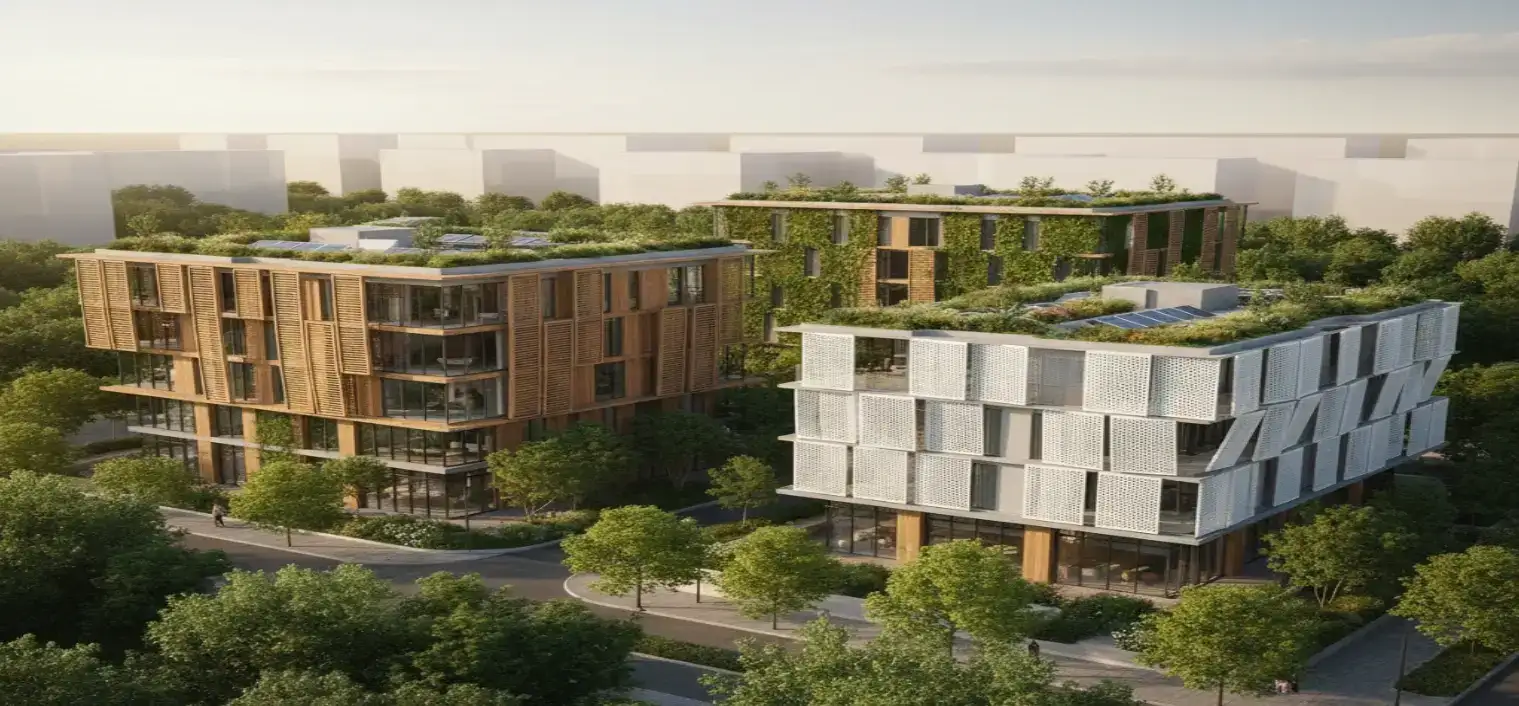
The parameters of efficiency and sustainability in façade varies for each building type (office, mixed-use, hospitality, airports, hospitals, retail, etc.). A standard solution for an efficient façade and fenestration will be façades that are easy to maintain and age gracefully.
The selection of material is very important from an efficiency as well as a sustainability standpoint. In my opinion, a sustainable façade is one that helps improve or maintain the thermal quality of the interior space by transmitting less heat inside, or a façade with a superior U value. In the case of glazed façades, transmitting adequate daylight into the interior space would also be a key criterion.
Talking About The Door Window Evaluation, What Should Be The Ideal Wall-To-Window Ratio?
A wall-window ratio, once again, depends on the building type; however, the rule of thumb suggests that a 60:40 (glass vs. opaque/solid) ratio is generally satisfactory from a thermal standpoint. Interior comfort levels, along with views outside in certain building types, are very important. Generally, 60:40 would help you achieve this objective.
How Can We Improve Acoustics Through Proper Design & Installation Of Doors & Windows?
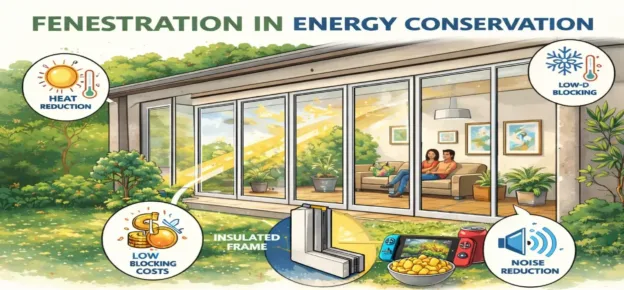
ISO 140 specifies two series of methods, element methods and global methods, for the measurement of airborne sound insulation pertaining to façade elements and whole façades, respectively. The element methods aim to estimate the sound reduction index of a façade element, for example, a window.
The most accurate element method uses a loudspeaker as an artificial sound source. The other, less accurate methods use available traffic noise.
Global methods, on the other hand, aim to estimate the outdoor/indoor sound level difference using actual traffic conditions. The most accurate global methods use actual traffic as a sound source. In addition, a loudspeaker may be used as an artificial sound source.
How Can We Improve Thermal Comfort Through Effective Fenestration?
The four environmental factors affecting thermal comfort are:
- Air Temperature: temperature of the air in the room.
- Air Velocity: air movement can cause heat transfer from the body surface; a lesser velocity implies reduced loss of heat.
- Radiant Temperature: heat loss occurs not only through convection but also by radiation.
- Relative Humidity: humidity in the microenvironment can also significantly affect living conditions.
An efficient fenestration should be effective in addressing all the above-mentioned environmental factors.
Please Brief On Effective Glazing & Types Of Glass For Best Performance. What Is The Impact Of Types Of Glazing On Energy Conservation?
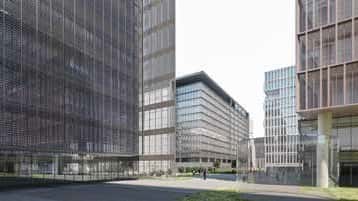
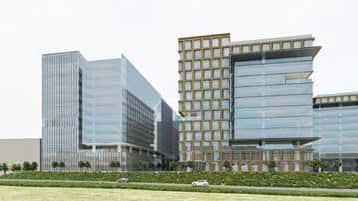
Performance-related glazed façades are key to energy conservation in buildings in the current scenario. Effective glazing is important, and a few early design suggestions for the office building type are as follows:
- Right building orientation (especially for the longer façade side).
- Right floor plate depth (daylight rule of thumb suggests that the day-lit zone is considered to be a depth of two and a half times the window head height).
- Minimum 50% of the regularly-occupied area should have a 300 Lux level of natural light during the majority of working hours (ideally 75% of the regularly occupied area should have 300 Lux level of natural light during the majority of working hours).
- Avoid glare (especially near windows or curtain walls).
How Do You Select The Right Type Of Glazing For Your Windows?
First, let’s define “high-performance glass” – that is, glass which reduces the ingress of heat and at the same time allows higher penetration of daylight.
I would select the glass based on its performance criteria, which are:
- U Value
- Solar heat gain coefficient
- Visual light transmittance
- Acoustic performance
What Are The Key Factors To Consider While Selecting Hardware For Doors?
Function, aesthetics and adequacy. Hardware needs to be functional and meet the requirements of the door, as well as not be undersized.
What Are Your Views And Thoughts On The Future Of Fenestration Technologies?
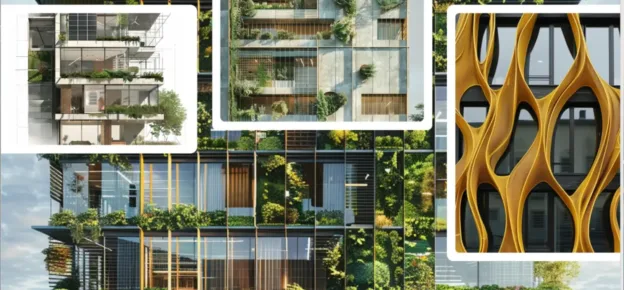
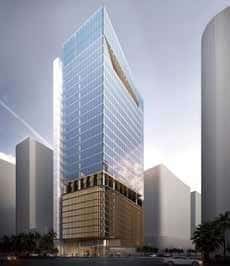
We are moving towards environmentally responsive and adaptive façades. Most available current technologies are headed in this direction as well. We are currently using a computational approach and generative design to develop façades, both of which will play a key role in creating façades of the future.
Adaptive Façade: Buildings that are able to adapt to changing climatic conditions are called intelligent buildings. Since the term intelligent can be misleading when used in the context of buildings or façades, we use the term adaptive façade instead. Adaptation generally means that buildings and façades adapt to ongoing weather conditions.