
Post Date: June 17, 2026 |
Last Edited: August 10, 2026
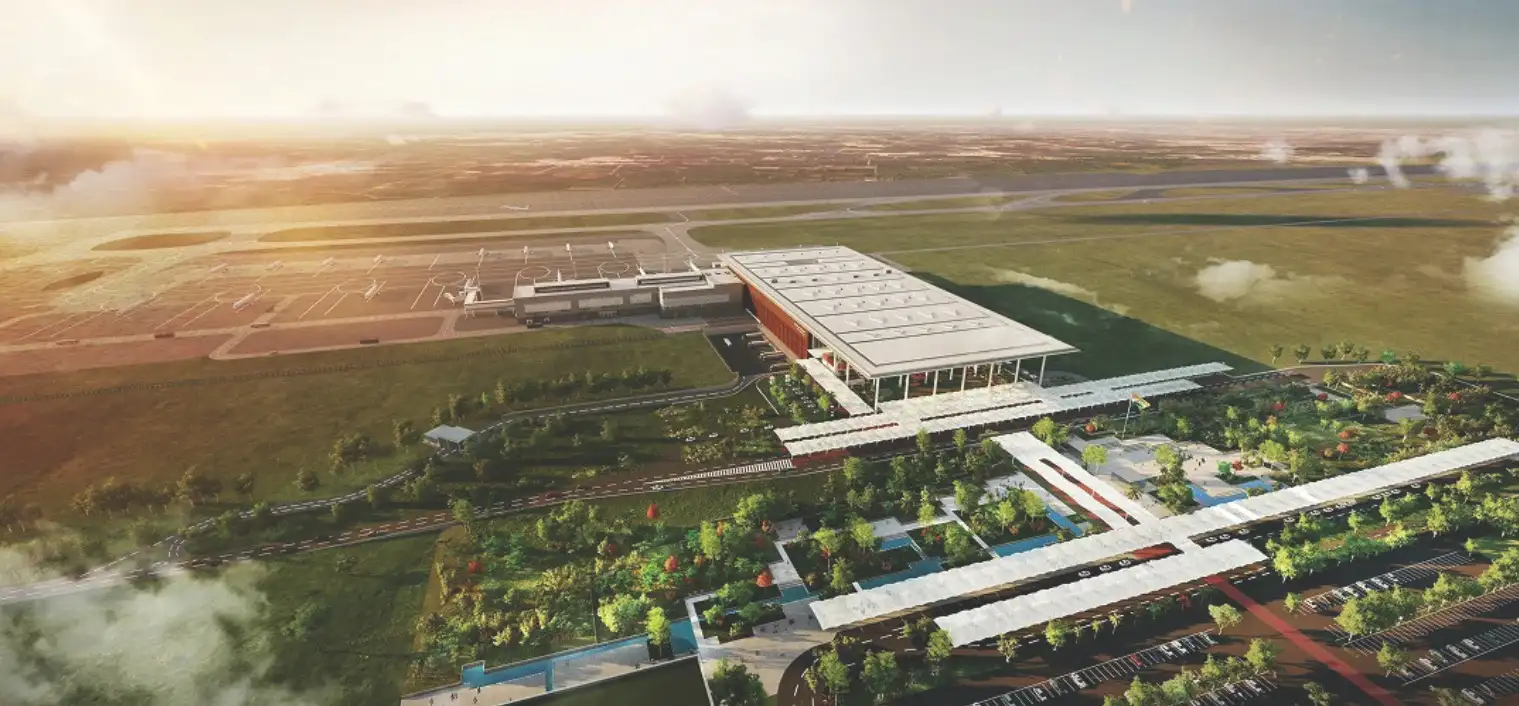
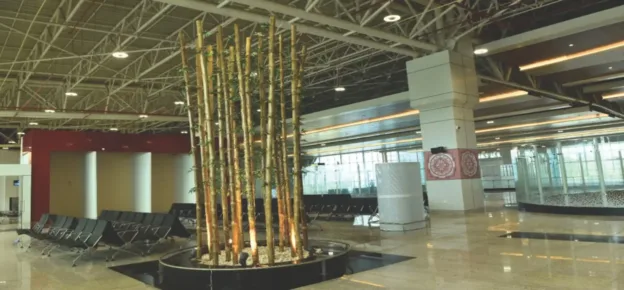
The challenge of smoke management in modern airport environments lies in addressing multiple complex factors simultaneously. One of the primary concerns is handling large volumes of smoke within expansive, high-occupancy areas such as check-in and departure halls. These spaces demand highly efficient systems capable of maintaining safety without disrupting operations. Additionally, there is a critical need for aesthetic integration, particularly when working with high-end glass facades. Incorporating actuators or vents into such designs becomes even more demanding with the use of bullet-resistant (BR) glass, as the increased panel weight requires careful selection of motors that can reliably support and operate heavy loads, especially in open conditions. Environmental considerations further complicate the design, as façades and vents must be engineered to withstand high wind loads, necessitating the inclusion of Permanent Maintenance Units (PMUs) for safe access and upkeep. Alongside these technical challenges, strict regulatory compliance must be ensured, including adherence to aviation fire safety standards such as BS EN 12101, as well as meeting fire strategy requirements for free areas.
To address these challenges, a comprehensive solution is implemented through a combination of design strategy, product specification, and system integration. The design concept focuses on utilising natural air for make-up air, complemented by a powered smoke ventilation strategy supported by tested control panels. From a product standpoint, chain actuators and control systems are specified to meet and be certified under EN 12101 Parts 2 and 10, ensuring reliability and compliance.
The control systems are designed to seamlessly integrate with the Building Management System (BMS) and fire alarm systems, with clear specifications outlined within the MEP/F framework and coordinated with the façade design. In terms of façade integration, CAD-based drawings are used to accurately position motors, route cabling around vent areas, and discreetly conceal junction boxes, maintaining both functionality and visual appeal. Particular attention is given to ensuring that dual chain actuators operate in perfect synchronisation to achieve the required opening angle and ventilation free area in line with the design intent. Furthermore, cable laying strategies are optimised for large spaces by distributing controller locations, reducing the risk of damage associated with centralised systems. This approach also minimises cable lengths, resulting in cost efficiency and a lower likelihood of voltage drops.
| Feature | Details |
| Vent Type | Top-Hung Open Out (THOO) for Make-up Air Ventilation |
| Actuation Forces | 800N and 8000N per vent of pull/push and clamping in Total with two motors. The Automatic Locking System motor specified has an 800N force. |
| Opening Stroke, Angle & Effective Free Area achieved/Vent | Stroke – 600mm (stroke as per EFA/GFA/Angle specified) Opening Angle – 35 degrees (height governs angle) Effective Free Area – 1. 62m.sq |
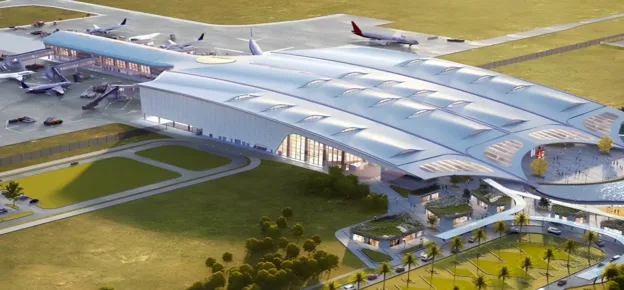
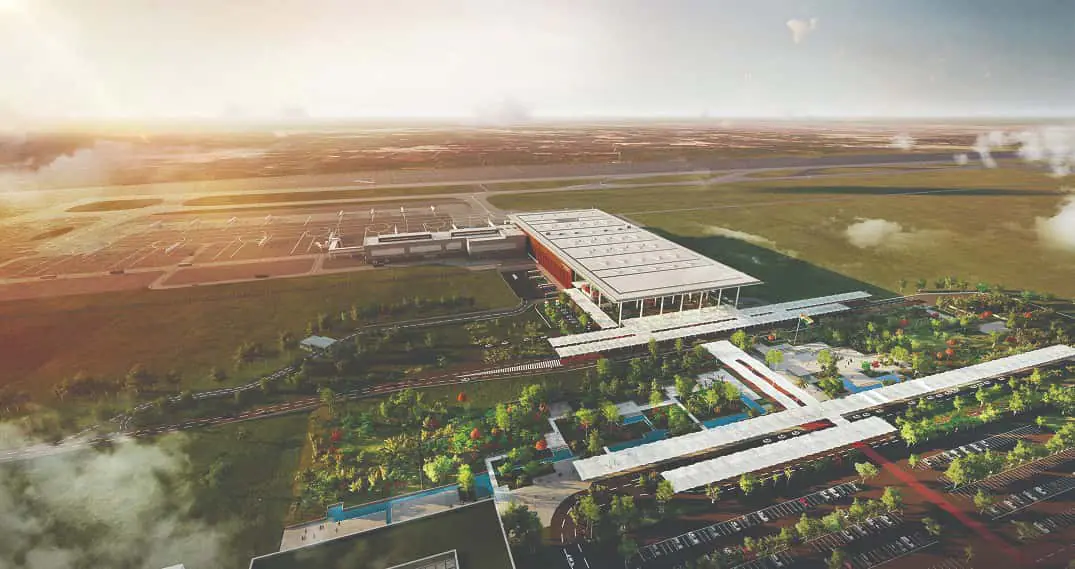
| Areas of the Passenger Terminal Building where vents are placed | Head House South (Level 3) Pier South (Ground & Level 1) Head House North (Level 3) Pier North (Level 1) |
| Controllers and switching | OS2 SHEVTEC Controller with SECO Manual Control Points Controllers MUST COME with 72-Hours of Battery backup |
| Actuators and Controls tested to | EN12101/IS21927 |
| Motor Configuration used for Vent | 2 x SECO Ni 2440 Single, ACTUATOR + Multi-Point, Locking Motor. Colour Matched to RAL9010 |
The Result
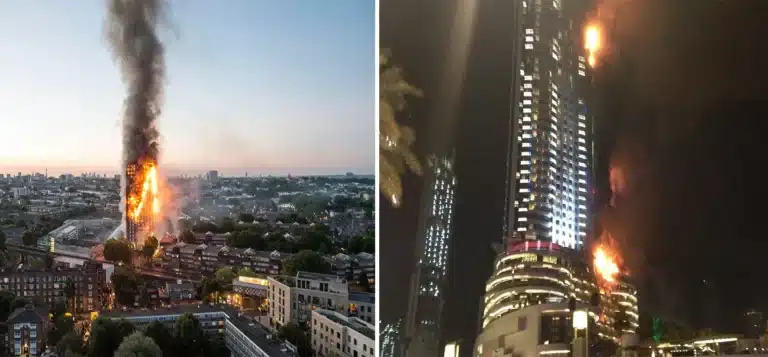
A well-designed, delivered and maintained ‘Smoke Management’ system is key to having maximum safety during fire emergencies in high passenger flow environments. Causing lesser panic, smoke inhalation and a structured evacuation procedure. And, for firefighters, the benefits of having a clear path to fight the fires.
Quick Facts:
|