


Before you step inside, before you smell the cookies or smell the bespoke perfumes, or hear the distant hum of commerce, the mall has already spoken to you. Its first and most powerful statement is its façade. Far more than just a wall or an entrance, the mall façade is a complex piece of architecture, marketing, and urban storytelling. It is the carefully crafted mask that sets the stage for the experience within, a silent salesman working tirelessly to draw you in.
The Fortress Of Plenty: The birth Of The Inward-Gazing Giant (India Did Not Have Any Malls Yet)
In the post-war boom of the 1950s and 60s, the first-generation enclosed shopping malls arose as sprawling indoor centres which were, in a literal sense, cathedrals of consumption. Their façades, much like medieval fortresses, were designed not to invite scrutiny from the outside but to protect and contain the paradise within. Architects like Victor Gruen, the father of the modern American mall, envisioned these structures as self-contained utopias, insulated from the chaos of the city and the unpredictability of the weather. The exterior was frequently a monotonous expanse of blank concrete or brick, punctuated only by signage and utilitarian entrances. The message was simple: the magic is inside; the outside is just the protective shell.
The façade of this era was often an exercise in brutalist or modernist minimalism. Vast, unadorned expanses of concrete, brick, or pre-cast stone dominated the exterior. Entrances were functional but not necessarily grand; the real spectacle was reserved for the interior. The message was clear: the outside world is irrelevant. All that matters is the climate-controlled, curated consumer wonderland on the other side of this wall.
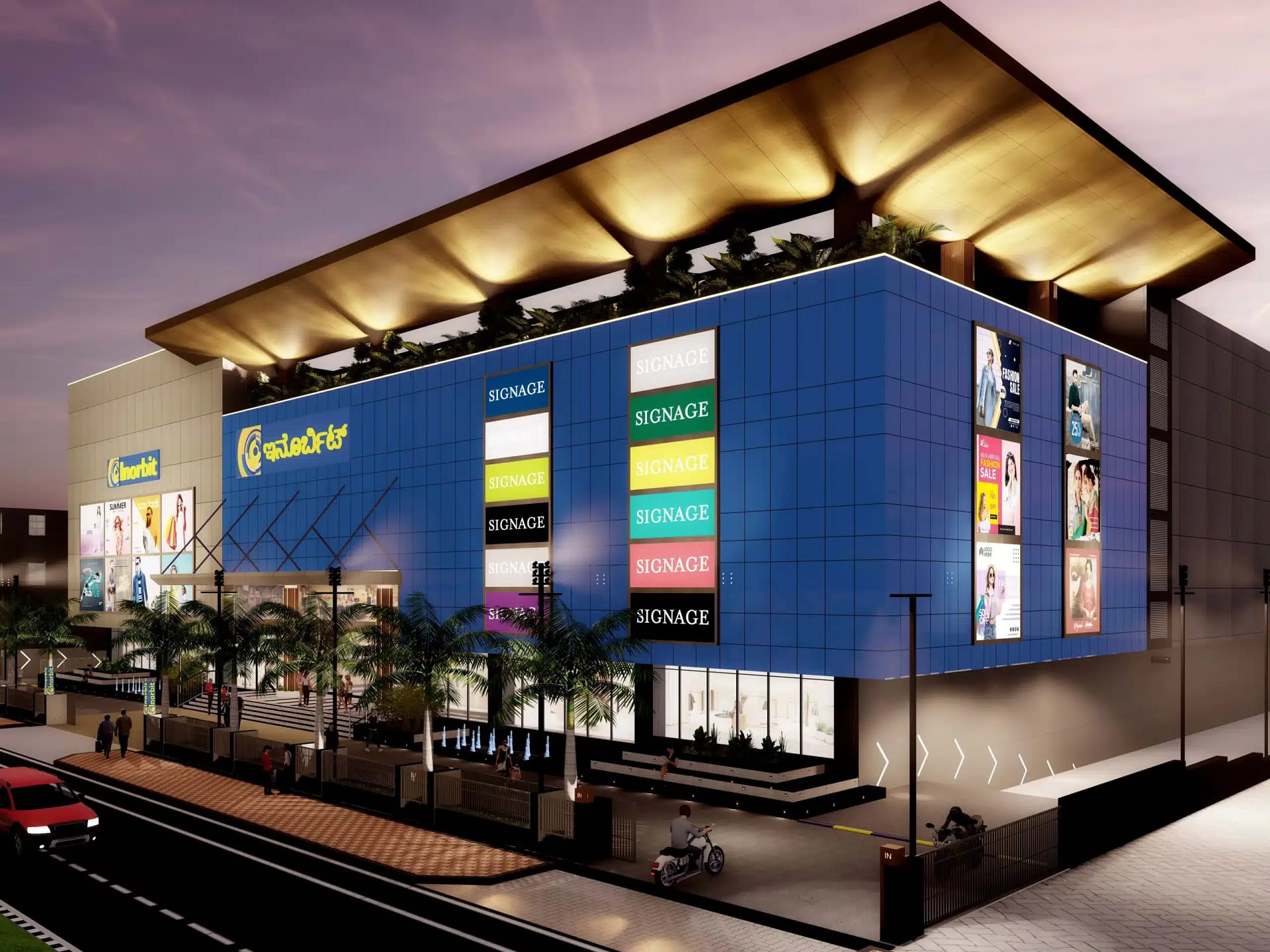
The Theatrical Eighties And Nineties: The Façade As Spectacle (India Was Yet To See A Mall)
As competition intensified, the mute fortress façade was no longer sufficient. The 1980s and 90s ushered in an era of theatricality, where the exterior became a stage set designed to dazzle and attract. This was the age of the “retail theme park”, and the façade was its marquee.
Gone were the blank concrete walls, replaced by soaring glass atriums, neon-lit arches, and grandiose entrances. Water features, from fountains to waterfalls, became common, adding a sense of luxury and dynamism. Architects began borrowing historical and cultural references, creating façades that could evoke a vague sense of European grandeur or futuristic fantasy. The mall’s name, often in a custom, flamboyant font, was illuminated in lights, visible from the highway like a Broadway sign.
This shift reflected a new understanding of shopping as entertainment. The façade was no longer a barrier but a preview, a trailer for the sensory experience inside. It promised not just goods but an event. It was loud, confident, and unapologetically commercial, mirroring the exuberant consumerism of the era. The mall was selling a dream, and the façade was its most allusive and extravagant advertisement.
The Façade As A Storyteller And Brand
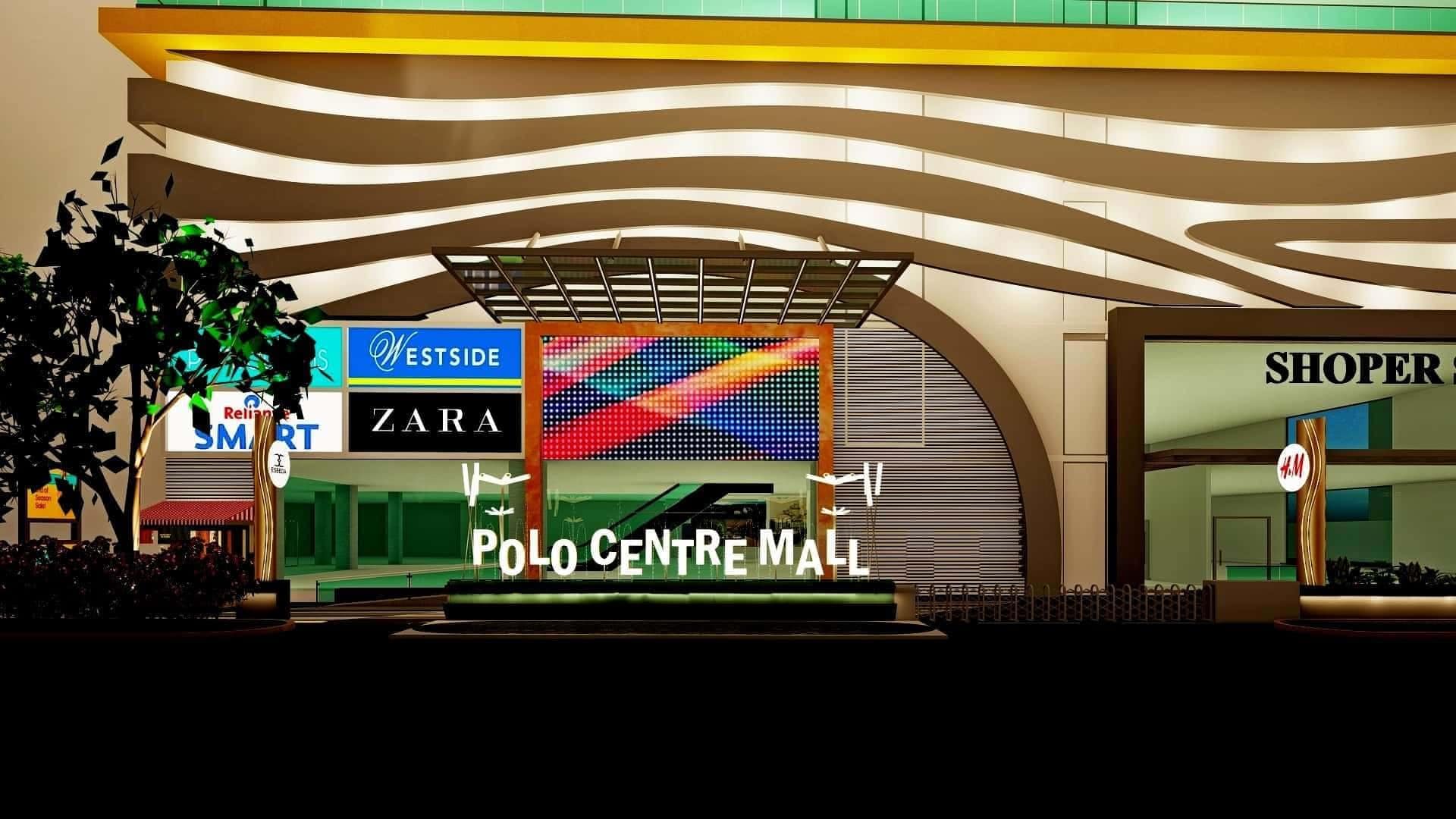
Today, that approach has been radically reimagined. The modern mall façade is the cornerstone of its brand identity. It tells a story about what shoppers can expect.
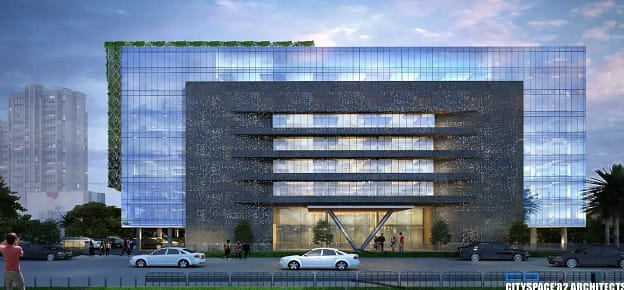
- The Palace of Luxury: For high-end centres, the façade is about opulence. Think imported marble, gleaming glass curtain walls, polished metal accents, and grand, sweeping canopies. The architecture is minimalist yet imposing, communicating exclusivity, quality, and calm. The message is clear: this is a destination for discerning shoppers.
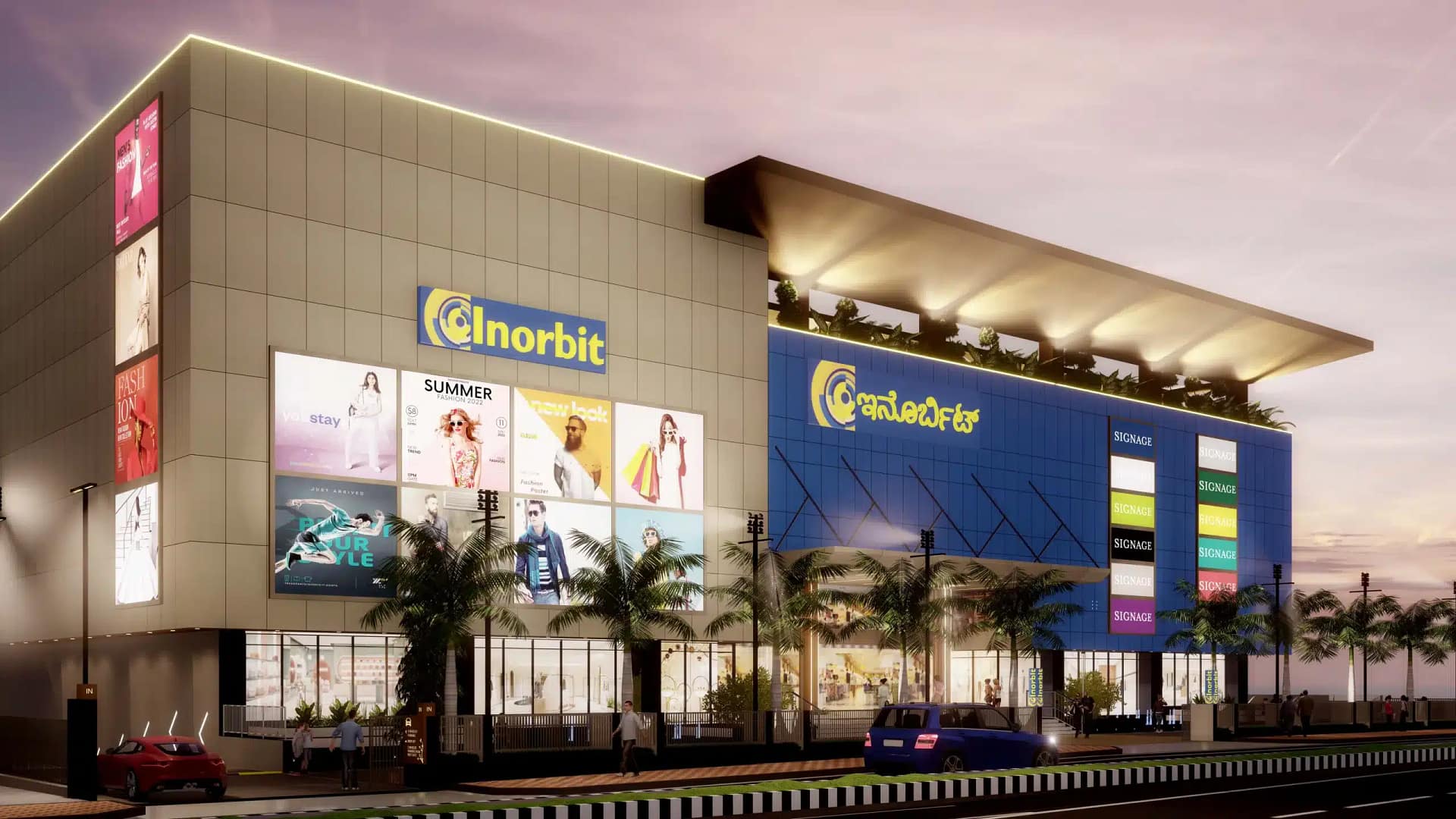
- The Beacon Of Entertainment: For family-oriented or entertainment-focused malls, the façade is dynamic and playful. Large, colourful digital screens, bold geometric shapes, vibrant lighting schemes, and visible attractions like Ferris wheels or climbing walls turn the exterior into a billboard of excitement. It promises an experience that goes beyond shopping.
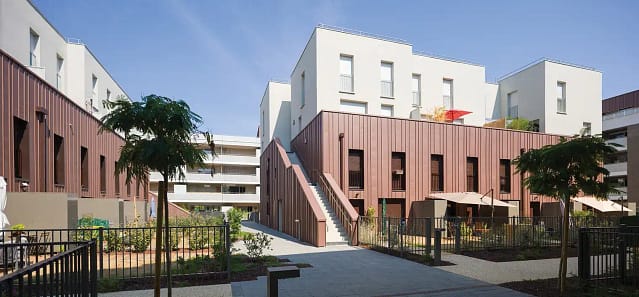
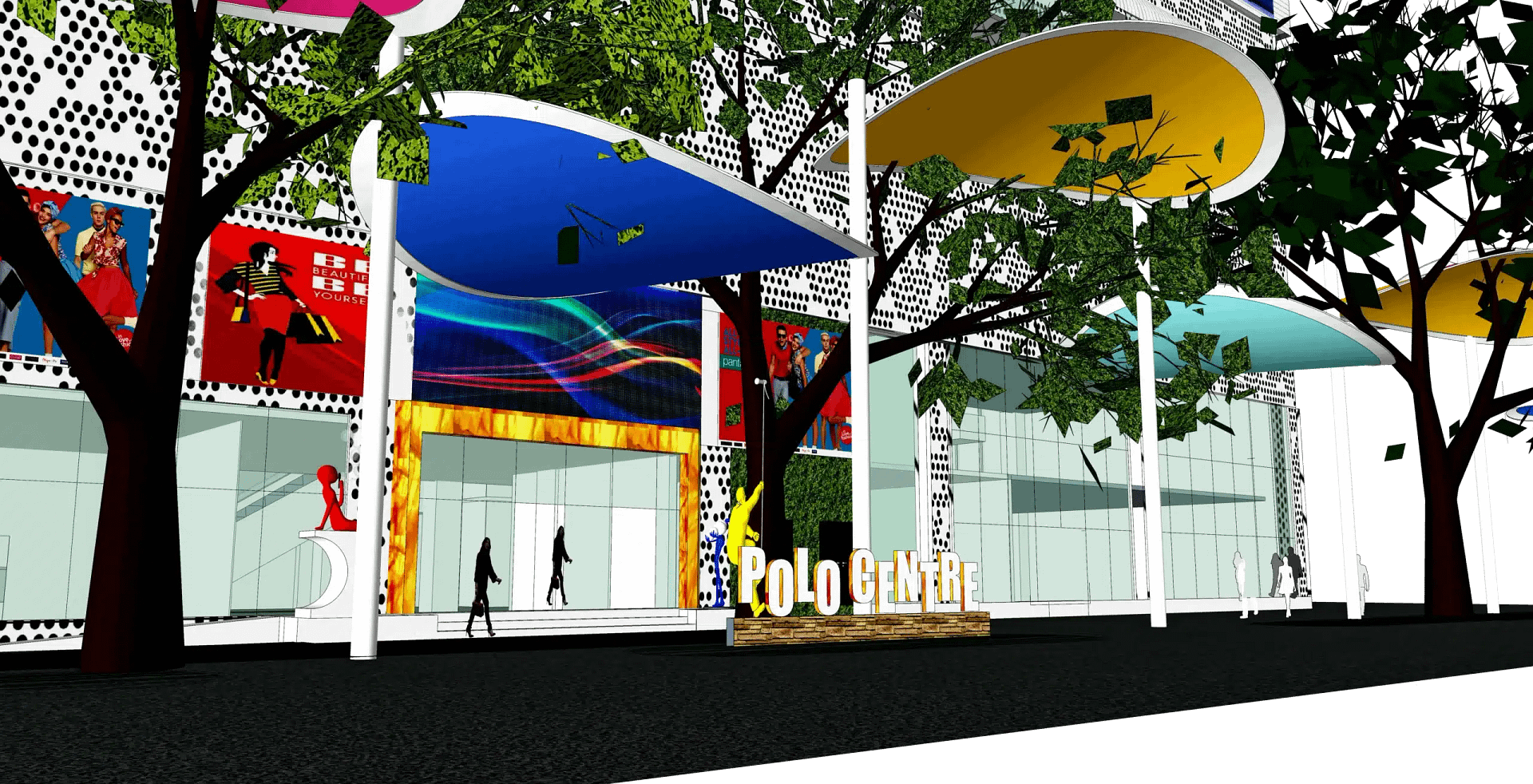
- The Integrated Community Hub: In newer lifestyle centres, the façade aims to blend with the community. The mall eschews the monolithic look for a streetscape feel, with multiple storefronts, outdoor seating, green walls, and pedestrian-friendly walkways. The materials are often warmer — wood, stone, and textured panels — to feel less commercial and more like a natural part of the town centre.
The Functional Art Of Attraction
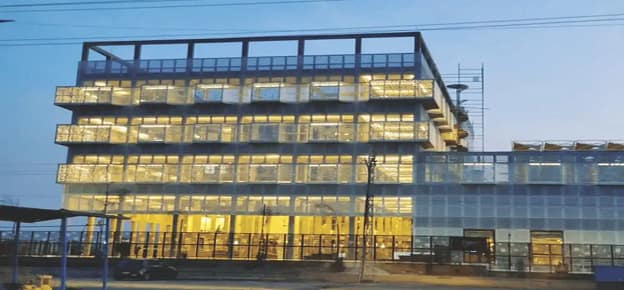
A successful façade is not just beautiful; it’s highly functional. It is a masterclass in wayfinding, guiding visitors intuitively to the main entrances, basement parking, and valet points. Strategic use of lighting is crucial. By day, the façade must work with natural light, using shadows and reflections to create visual interest. By night, it transforms entirely. Carefully orchestrated LED lighting can highlight architectural features, create moods, and make the mall a landmark visible from miles away.
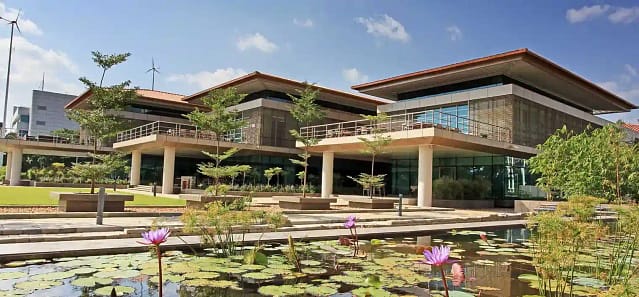
Materials, too, play a dual role. Beyond aesthetics, they are chosen for durability, energy efficiency, and sustainability. Green façades with living plants can improve insulation and air quality, while smart glass can adjust tinting to control solar heat gain, reducing energy costs.
The Psychology Of The Threshold
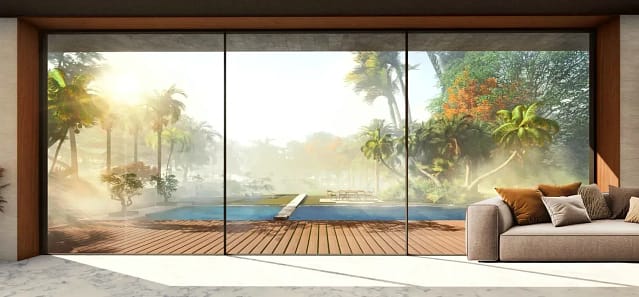
Ultimately, the power of the mall façade lies in its role as a psychological threshold. Its design directly influences our mood and expectations. The heavy, imposing façade of the past commanded a sense of awe and anticipation for the wonders within. The transparent façade of the present lowers the barrier to entry, reducing anxiety and making the space feel more accessible and less intimidating. It invites casual visitation, not just dedicated shopping trips. The materials, colours, scale, and lighting all work in concert to tell a story. Warm materials like wood and stone suggest authenticity and quality. Cool, sleek metals and glass imply modernity and luxury. Ample natural light pouring through glass fronts creates a positive, energising environment, while the artificial, controlled lighting of the old malls created a timeless, captive bubble.
It says, “We are not a sealed-off vault of merchandise; we are a part of your town, a place where life happens.” This design also aligns with the “see now, buy now” impulse, allowing the curated interior world to tempt the potential customer from the pavement through its large digital screens. The fortress walls have been replaced by a friendly, inviting face, acknowledging that to survive, the physical mall must integrate into the urban and social fabric.
The Future Façade: Blurring The Lines
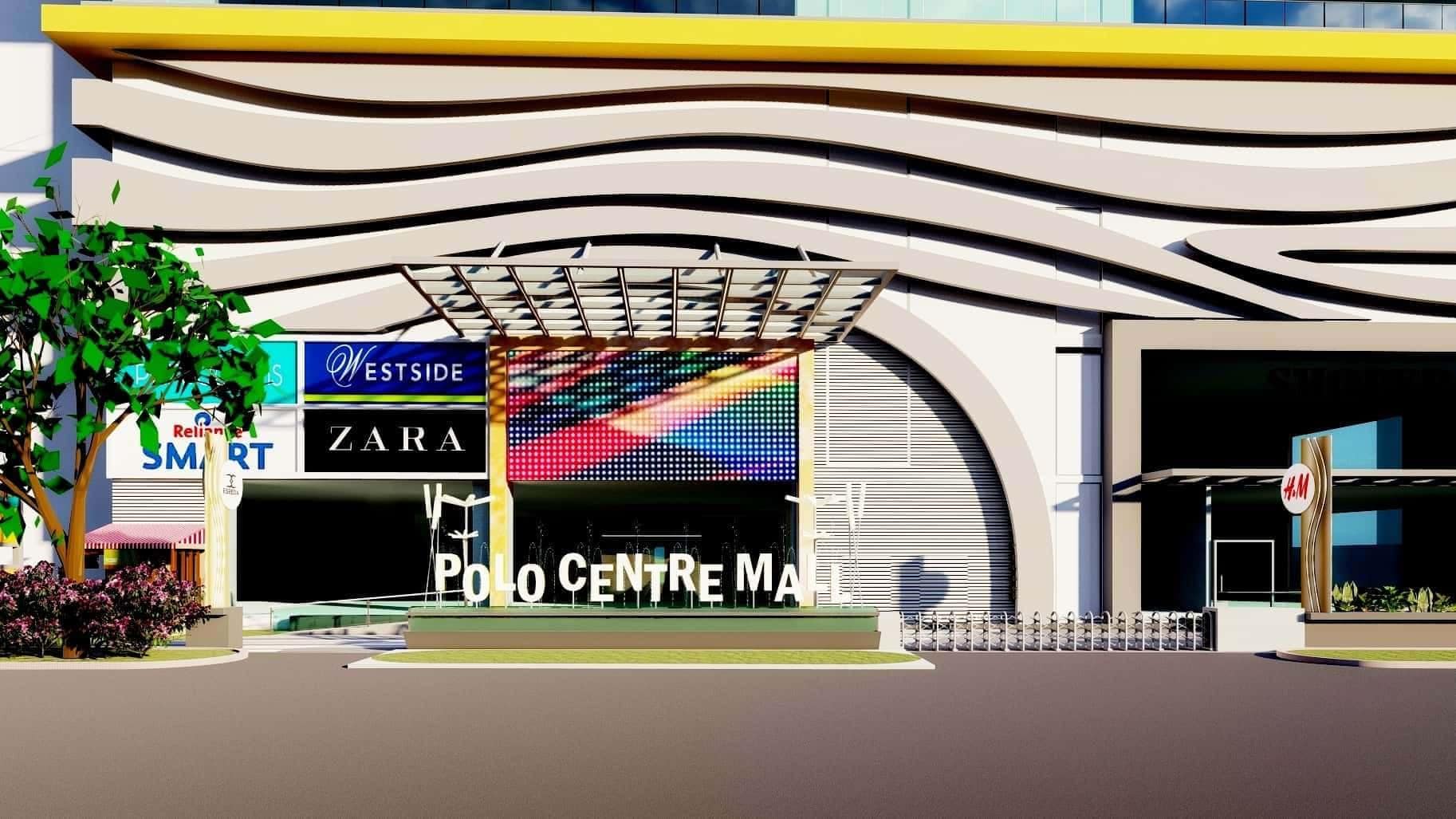
The evolution of the mall façade is moving towards a complete dissolution of the barrier between inside and outside. The rise of open-air, mixed-use developments means the façade is no longer a single wall but a series of interconnected experiences. Furthermore, technology is integrating directly into the architecture. Interactive digital displays, augmented reality features that can be accessed via smartphone, and façades that change appearance based on the time of day or façades that dance to the whims of the wind are becoming the new frontier.
Conclusion
In an era where online shopping offers unparalleled convenience, the physical mall must offer an experience that cannot be replicated through a screen. The façade is the first, and perhaps most critical, part of that experience. It is the handshake, the smile, the promise of something more. It is not just a wall; it is the welcome mat to a world of curated experiences, and its power lies in its ability to make you want to cross the threshold of online shopping and discover the magical experiences of a real mall.
Sounds ironic, but yes, today’s façade is that magical portal which teleports you from the VIRTUAL to the PHYSICAL world of shopping.