
Post Date: May 5, 2026 |
Last Edited: May 5, 2026
In recent years, architecture has been moving towards a more responsive and environmentally aware approach. Architects are no longer focused solely on how a building looks, but also on how it performs, how it interacts with its surroundings, and how it affects the people who use it. Within this shift, two approaches have become especially important in facade design: environmental analysis and parametric design. When used together, they allow architects to create façades that are not only visually compelling but also highly efficient and adaptable.
The façade is often described as the face of a building, but it is much more than that. It acts as a protective layer, a filter between interior and exterior conditions, and a key element in controlling energy performance. Because of this, the way a façade is designed can significantly influence occupant comfort and the overall sustainability of the building.
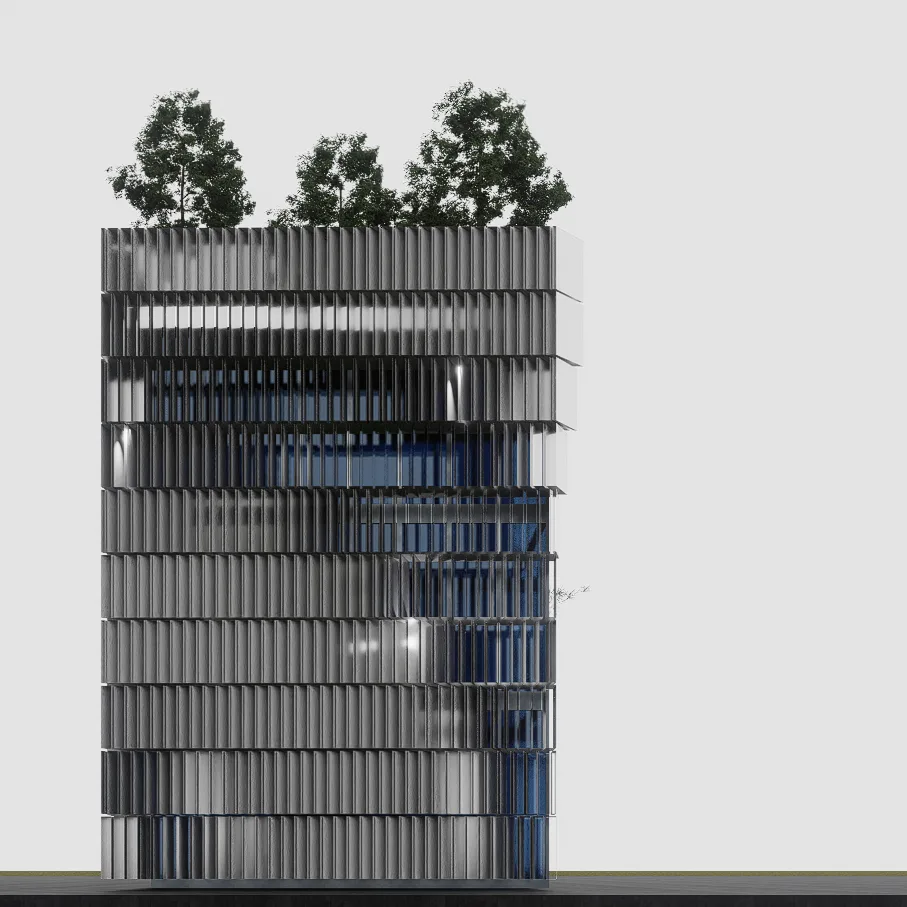
Environmental analysis plays a critical role at the early stage of design. It involves studying the specific conditions of a site and understanding how natural forces interact with the building. These forces include sunlight, wind, temperature variations, humidity, and even air quality. By carefully examining these factors, architects can make informed decisions that enhance performance rather than relying on standard solutions or outdated practices.
One of the most important aspects of environmental analysis is the study of solar exposure. Sunlight can be both beneficial and problematic. On one hand, it provides natural light, reducing the need for artificial lighting and creating more pleasant interior spaces. On the other hand, excessive solar gain, particularly prevalent in Middle Eastern regions, can lead to overheating, especially in warmer climates. Through analysis, architects can understand how the sun moves across a building throughout the day and across different seasons. This allows them to position shading devices, adjust window sizes, and design façade elements that regulate the amount of sunlight entering the space.
Wind is another key factor influencing façade design. Understanding wind patterns can improve natural ventilation, which is essential for maintaining indoor air quality. Instead of relying entirely on mechanical systems, buildings can be designed to allow fresh air to flow naturally through openings in the façade. This not only reduces energy consumption but also supports healthier indoor environments.
Material selection is also closely tied to environmental analysis. Different materials respond differently to heat, moisture, and environmental stress. Choosing appropriate materials ensures that the façade performs well over time and requires less maintenance. It also contributes to thermal efficiency by reducing heat transfer between the interior and exterior of the building.
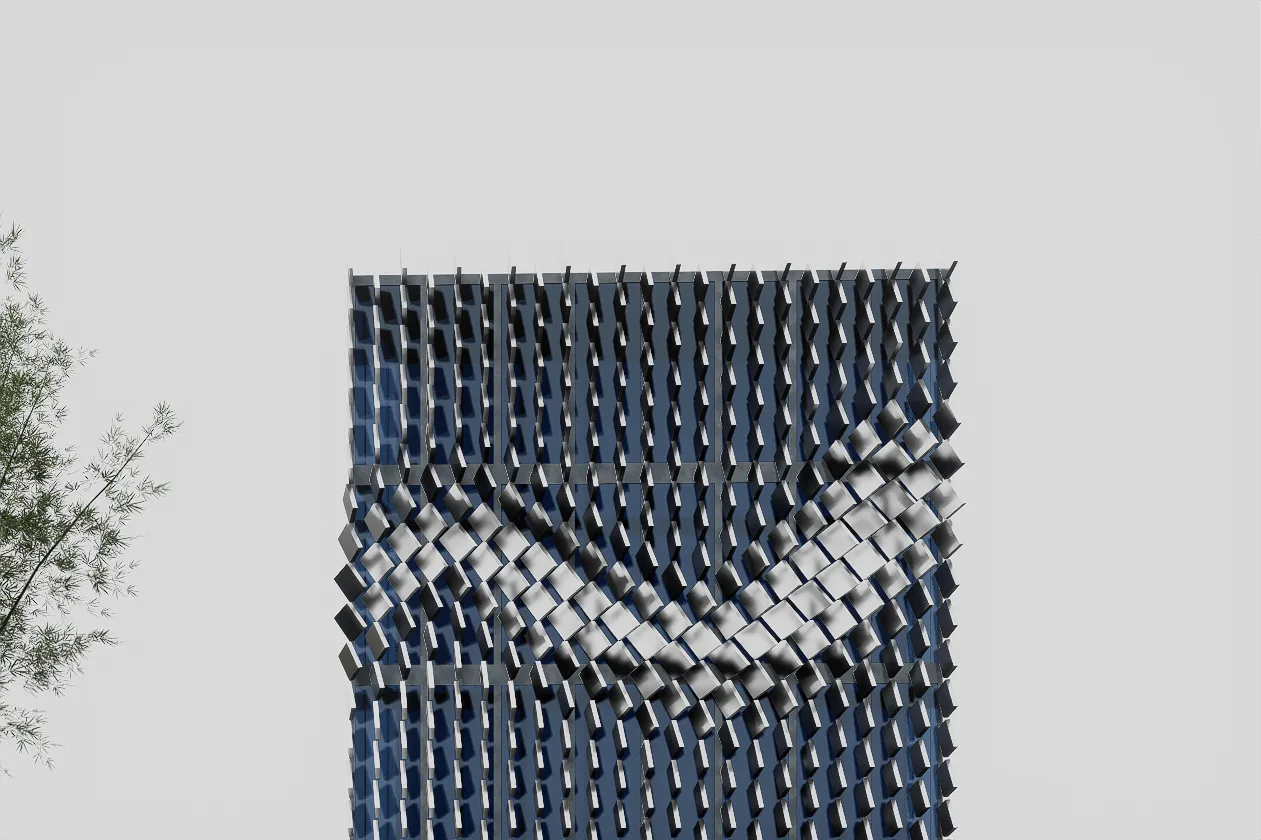
While environmental analysis provides valuable data, parametric design offers a powerful way to apply that data creatively. It relies on digital tools that enable architects to define relationships between different design elements. Instead of creating a fixed design, architects can develop systems that respond to changing inputs such as light levels, temperature, or structural requirements.
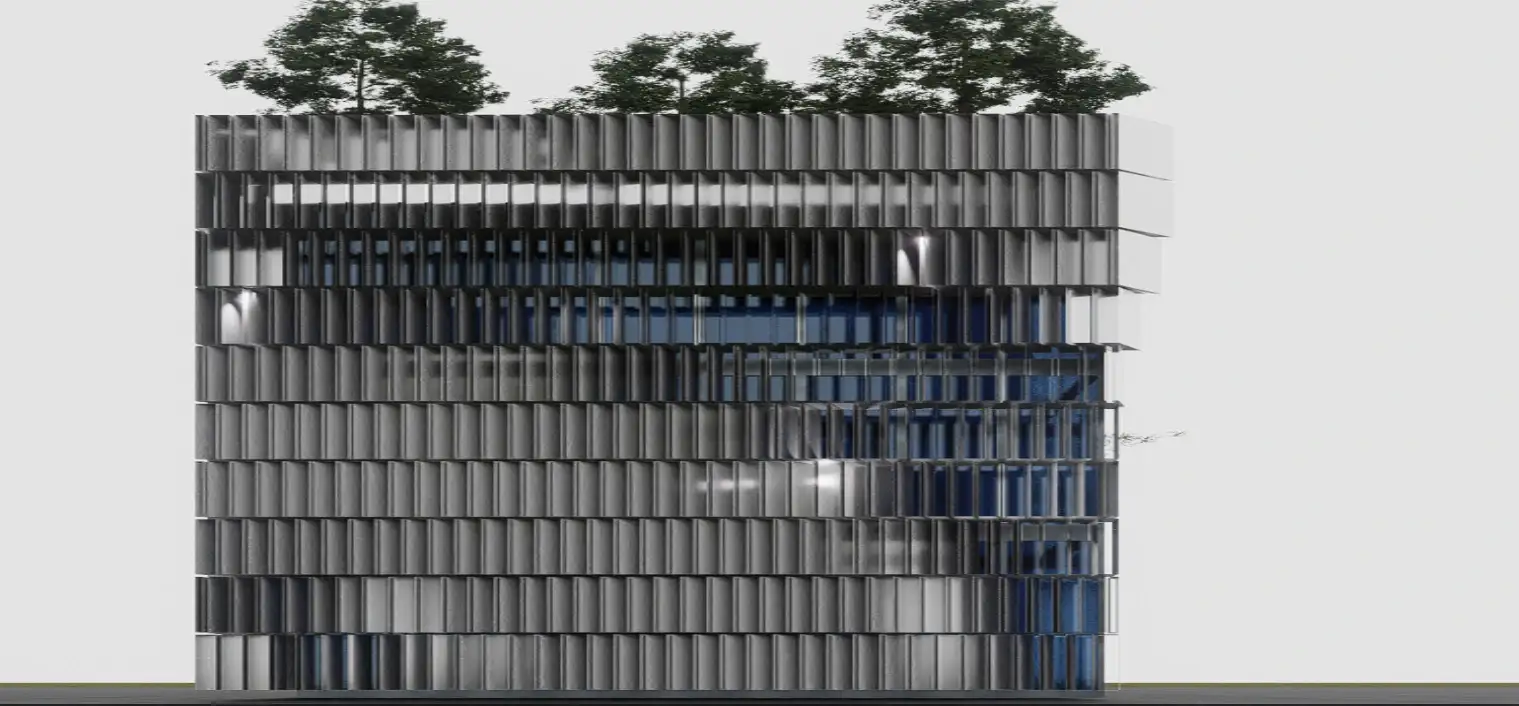
This approach makes it possible to explore a wide range of design options quickly and efficiently. For example, a facade system can be generated where the size or orientation of panels changes based on solar exposure. Areas that receive more sunlight can incorporate deeper shading elements, while shaded areas can remain more open. This results in a façade that is both visually dynamic and functionally optimised.
One of the most interesting applications of parametric design is the development of adaptive kinetic façades. These systems are capable of changing their configuration in response to environmental conditions. Panels may open or close, rotate, or shift throughout the day to control light and heat. While such systems can be complex, they demonstrate how architecture can become more responsive and interactive.
Traditional methods can be generated and tested digitally. This enables architects to balance aesthetics and performance without compromising either.
Traditional methods can be generated and tested digitally. This enables architects to balance aesthetics and performance without compromising either.
The real strength of these approaches becomes clear when environmental analysis and parametric design are combined. Environmental data can be directly integrated into parametric models, allowing architects to simulate how different façade options will perform. Architects can test multiple scenarios and refine their designs based on measurable outcomes.
This process supports better decision-making and leads to more efficient solutions. It also encourages innovation, as architects are able to experiment with new ideas while still maintaining control over performance. The result is a façade that is not only visually striking but also carefully tuned to its environment.

In the context of the Middle East, these techniques become even more valuable. The region is characterised by high temperatures, intense solar radiation, and often limited natural ventilation in some parts due to urban density. In such conditions, the façade plays a crucial role in thermal control and energy efficiency.
By using environmental analysis, architects can understand how to minimise heat gain and reduce the cooling load on buildings. Parametric design can then be used to develop shading systems, screen patterns, and façade layers that respond specifically to these conditions. Traditional elements such as mashrabiya can also be reinterpreted using modern tools, creating designs that are both culturally relevant and technologically advanced.
These strategies help maintain a comfortable indoor environment while reducing reliance on air conditioning, a major contributor to energy consumption in the region. As sustainability becomes a priority, the integration of these methods offers a practical and effective way to address climate challenges.
In conclusion, the integration of environmental analysis and parametric design represents a meaningful evolution in façade architecture. It allows architects to move beyond static designs and create buildings that respond to their surroundings in intelligent ways. By combining data-driven insights with creative exploration, architects can achieve façades that are efficient, adaptable, and visually engaging. As the demands on buildings continue to grow, these approaches will play an increasingly important role in shaping a more sustainable and responsive built environment.