Post Date: May 8, 2026 |
Last Edited: May 8, 2026
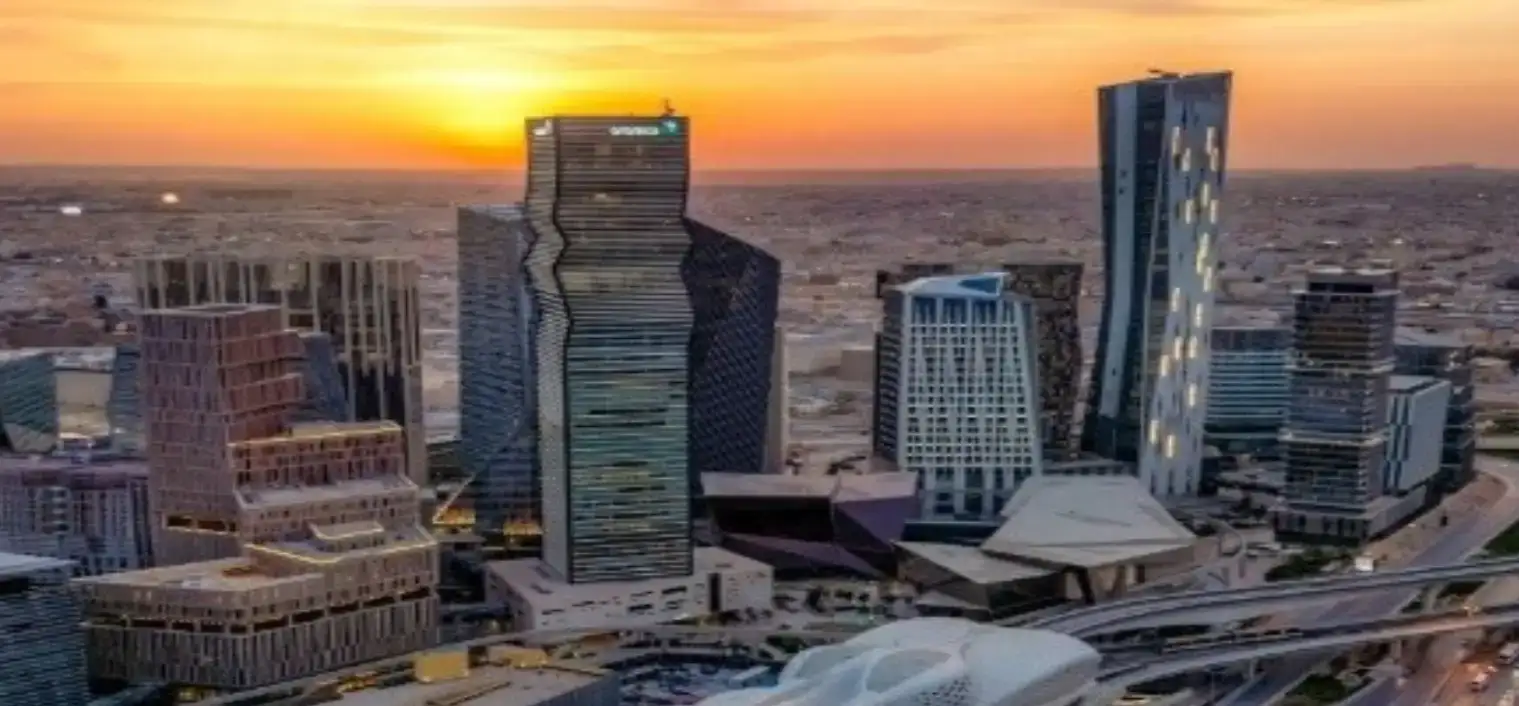
The façade has long been architecture’s most visible statement—but today, it is so much more than a surface. As buildings face mounting pressure to perform against climate challenges, energy targets, and evolving user expectations, the façade has transformed into an intelligent, responsive system. No longer a passive outer skin, it now actively mediates light, heat, airflow, and identity, sitting at the intersection of engineering precision and architectural vision. From parametric geometries to energy-generating skins, the new generation of façades is redefining what buildings can achieve and communicate. To explore this transformation in depth, we have interviewed leading subject-matter experts whose insights and perspectives are presented in this edition’s cover story.
A New-Generation Facade
Today’s façades go far beyond simple walls and windows. They are dynamic, intelligent building skins that respond to climate, technology, and aesthetics — redefining how structures interact with their environment and the people who inhabit them.

Dr. Diaaeldin Aly, Chairman, Diaa Architects, describes a new-generation façade as a responsive environmental system rather than a static outer layer. He notes that it acts as a mediator between the building and its surroundings, carefully controlling light, heat, and airflow. In his approach, the façade is shaped through parametrically driven horizontal, vertical, and curved elements that respond to the sun’s path, functioning as integrated shading devices that allow beneficial daylight while deflecting excessive solar gain. In simple terms, he suggests it is a façade designed to perform in harmony with the movement of the sun.

Jehad Alkhandaq, Facade Technical Manager, Prisma Metal Industry L.L.C., opines that the new generation of façade is not only an outer skin or building envelope, but a complete set of performance, aesthetic, and dynamic items. He suggests it is the result of incorporating technology, high engineering processes, and climate conditions. According to him, the new generation is a “dynamic and intelligent interface” with all aspects of façade performance, starting from the design phase through to long-term operation.

Karam Hamadeh, Managing Director, Technical Product Solutions LLC, suggests that it’s no longer just cladding—it’s a system. He notes that a façade today controls heat, light, air, and safety, and directly impacts how the building performs. In regions like the GCC, where solar load is high, he mentions that this becomes critical. A well-designed façade reduces energy demand while maintaining transparency and comfort. In simple terms, he states that it performs, not just looks good, acting as the point where architecture and engineering come together to define both efficiency and user experience.

Fernando Morante, Technical Design Director Specialism, Egis Group, explains that a new-generation façade is a high-performance building envelope system that integrates architectural expression with environmental control and engineering efficiency. Unlike conventional façades, he notes, it is designed as a multi-functional interface that manages heat transfer, daylight penetration, air infiltration, and acoustic performance. These façades often incorporate advanced glazing systems, adaptive shading, and integrated technologies to optimise building performance. In essence, he suggests it acts as a responsive layer between interior and exterior conditions, contributing significantly to energy efficiency, occupant comfort, and lifecycle performance while maintaining architectural intent.

Rahul Nikam, Digital Director, A+B Digital Consultant, says the façade is now an active, living system and a user-oriented interface between the building, environment, and community. He describes the new generation through the “THRIVE” philosophy, where the façade is a direct expression of advanced computational thinking, parametric structure, and integrated digital systems. He suggests that rather than being a static architectural element, it functions as an evolving system that combines environmental, technological, and social roles.

Vin Jirawat Pisitpongsa, Founder & CEO, DesignCollaboration, describes it as “The Building That Thinks.” He suggests that a new-generation façade is the outer layer of a building that, unlike a traditional wall, is designed to actively respond to its environment. He notes that it doesn’t just sit there; it works. He observes that while most people don’t notice a façade, they notice how a building feels—such as finding it cool on a hot afternoon or working near a window that never glares.
Furthermore, he opines that the façade is the first thing the city sees, communicating identity through materials, texture, and the way it catches light before anyone even walks through the door.
Latest Trends In Facade Design
From biophilic patterns to parametric geometries, facade design is evolving rapidly. Architects are embracing bold textures, adaptive shading systems, and expressive materiality to create building exteriors that are as visually compelling as they are functionally sophisticated.
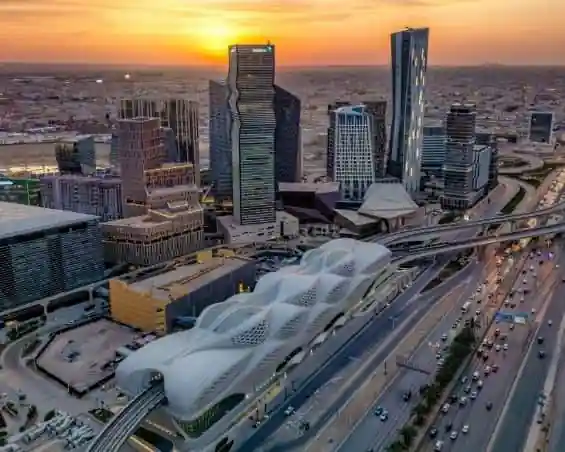
Dr. Aly points to the increasing use of environmental data and parametric design to shape building envelopes. He notes a shift toward parametrically driven geometries, such as horizontal, vertical, and curved elements, which serve as performative shading systems rather than purely decorative gestures. According to him, these designs allow buildings to respond precisely to the sun’s path, creating a unique visual language derived from environmental logic.
Alkhandaq suggests that design is increasingly being carried out in accordance with international sustainability bases. One significant result he observes is the “several skin” façade and the use of smart, high-performance materials. He also notes a rise in parametric design that optimises both performance and the final aesthetic, creating a balance between metal and non-metal materials like terracotta, marble, GFRC, and stone.
Hamadeh opines that the main trend is “performance-first” design. He notes that better glass, proper shading, and tighter systems have become standard, especially in hot climates. Aesthetically, he suggests projects are moving toward cleaner lines with larger panels and minimal framing. Additionally, he points to increased prefabrication to improve quality and a shift toward integrating façades with fire safety, access, and building systems rather than treating them as standalone packages.
Morante suggests that current trends are centred on performance-driven and climate-responsive solutions. He notes that double-skin façades, ventilated cavities, and kinetic shading systems are being increasingly adopted. He also highlights how parametric and computational design tools enable complex geometries optimised for solar exposure. Furthermore, he observes a strong shift toward prefabrication and modular systems, along with the growing integration of greenery and biophilic elements in urban environments.
Nikam notes a shift toward modular construction and “plug-and-play” façade components that simplify assembly and maintenance. He suggests a move toward façades that integrate energy systems and ecological functions, emphasising simplicity and community ownership over complexity. According to him, the trend is moving toward façades that act as active, living systems that combine environmental, technological, and social roles.
Jirawat Pisitpongsa identifies three major shifts. First, he notes a correction from “glass boxes” to “considered surfaces,” moving away from full-glazed curtain walls toward surfaces with thermal mass and depth. Second, he suggests façades are moving from consuming to generating energy through Building Integrated Photovoltaics (BIPV). Finally, he points to the “honest façade,” where aesthetics is driven by how a building actually works, such as using external fins or screens that are clearly designed to manage heat and light.
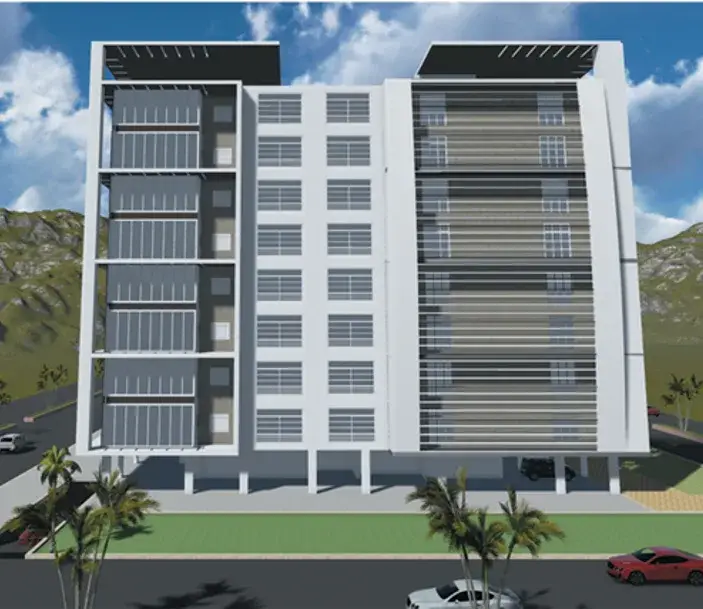
Modern Facades Helping Improve Energy Efficiency And Comfort In Buildings
Modern façades are now central to a building’s energy strategy. Through smart glazing, insulated cladding, and passive solar design, they significantly reduce heating and cooling loads while ensuring occupants enjoy consistent thermal and visual comfort year-round.
Dr. Aly explains that by responding precisely to solar angles, façades control heat gain without compromising daylight. This approach reduces the reliance on mechanical cooling and artificial lighting. He notes that the façade acts as an active environmental tool, where the geometry itself is designed to perform, ensuring that the building remains energy-efficient while providing a comfortable interior climate.
Alkhandaq mentions that energy efficiency is achieved by using high-performance materials such as double or triple-silver-coated glass with a suitable Solar Heat Gain Coefficient (SHGC) based on the building’s geolocation. He notes the importance of high insulation capabilities and the use of external shading in cooperation with the outer skin. According to him, paying attention to façade orientation during the design stage is a main strategy for achieving low operational costs.
Hamadeh asserts that modern façades manage solar gain while maximising daylight. He suggests that high-performance glazing and proper shading reduce the heat entering the building, which is especially critical in the Middle East to lower cooling demand. At the same time, he notes they improve occupant comfort by providing less glare, more consistent indoor temperatures, and better acoustic insulation, meaning the building feels better to live or work in.
Morante suggests that modern façades act as dynamic filters that regulate the building’s microclimate. He notes that through advanced thermal breaks, high-performance coatings, and automated shading, these systems significantly reduce the cooling and heating loads. Furthermore, he points out that smart façades integrated with building management systems (BMS) can adjust to external conditions in real time, optimising daylight while preventing glare and overheating, thus enhancing the overall well-being of the occupants.
Nikam proposes that the façade is no longer just a protective shell but a contributor to the building’s energy ecosystem. He notes that through the “THRIVE” system, the façade can generate and redistribute energy—including electrical, thermal, and water—through an interconnected grid. He suggests that by utilising biophilic elements and digital monitoring, the façade ensures a self-sustaining environment that balances energy consumption with generation.
Jirawat Pisitpongsa suggests that modern skins handle comfort first, which allows for a smaller HVAC plant and lower energy bills. He notes that when a façade is designed correctly, the interior spaces feel stable rather than “mechanically corrected.” He opines that features like solar panels and fins that adjust to block or welcome the sun work quietly and automatically together to create an environment where people feel comfortable the moment they walk in.
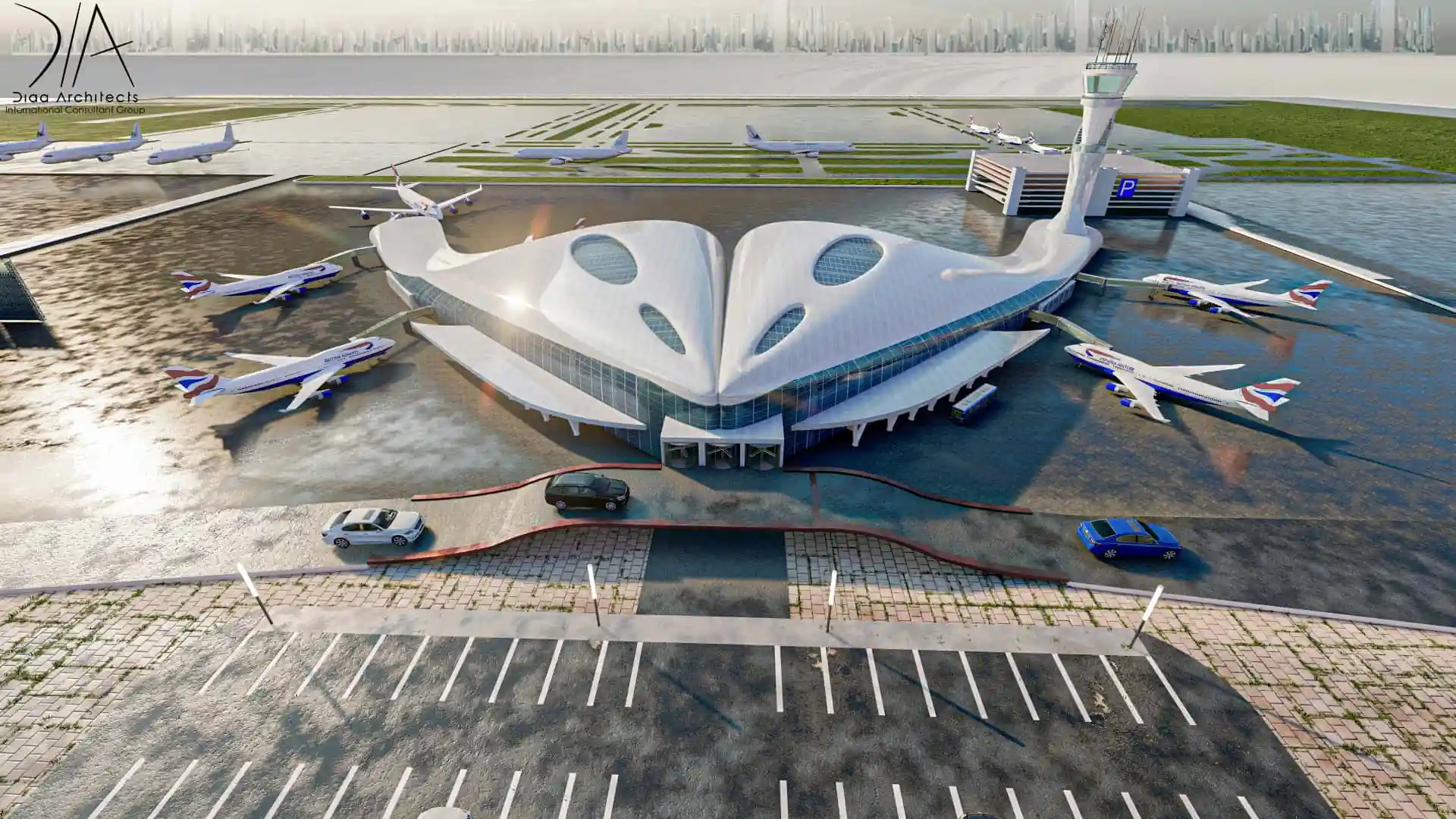
New Materials’ Role In Today’s Façade Systems
Innovative materials such as ultra-high-performance concrete, aerogel panels, and fibre-reinforced composites are transforming façade construction. These cutting-edge options offer superior strength, lighter weight, and enhanced durability, opening up design possibilities that were previously impossible to achieve.
Dr. Aly says that lightweight metal systems and advanced glazing allow for the precise fabrication of parametrically designed elements. He notes that these materials act as active environmental tools rather than just static finishes, enabling the creation of complex geometries that respond to solar data while maintaining structural integrity.
Alkhandaq believes that new materials open doors for complex geometries, high structural performance, and reduced maintenance. He suggests that the integration of smart and high-performance materials allows for a “several skin” approach, which is essential for meeting international sustainability standards and optimising the building’s thermal envelope.
Hamadeh notes that advanced coatings on glass and better aluminium systems reduce heat transfer and improve fire safety compliance without compromising aesthetics. He emphasises that the evolution of materials has made performance-first design the standard, allowing for larger panels and minimal framing that still meet rigorous safety and energy regulations.
Morante highlights innovations like ETFE membranes, vacuum glass, and photovoltaic glass that introduce energy generation capabilities into the building skin. He suggests that the development of high-performance glazing with selective coatings continues to evolve, allowing for better control over heat gain and daylight distribution.
Nikam suggests the use of bio-panels to filter air pollution and piezoelectric materials to capture kinetic energy from the environment. According to him, the future of materials lies in their ability to perform ecological functions, such as water storage and air purification, transforming the façade into an active participant in the urban ecosystem.
Jirawat Pisitpongsa opines that material selection is now an engineering decision first, with a focus on behaviour. He points to the rise of electrochromic glazing, which tints automatically, and the return to natural performance materials like terracotta and stone for their thermal mass. He notes that we are moving toward an “honest façade” where the choice of material is driven by how it actually handles the environment.
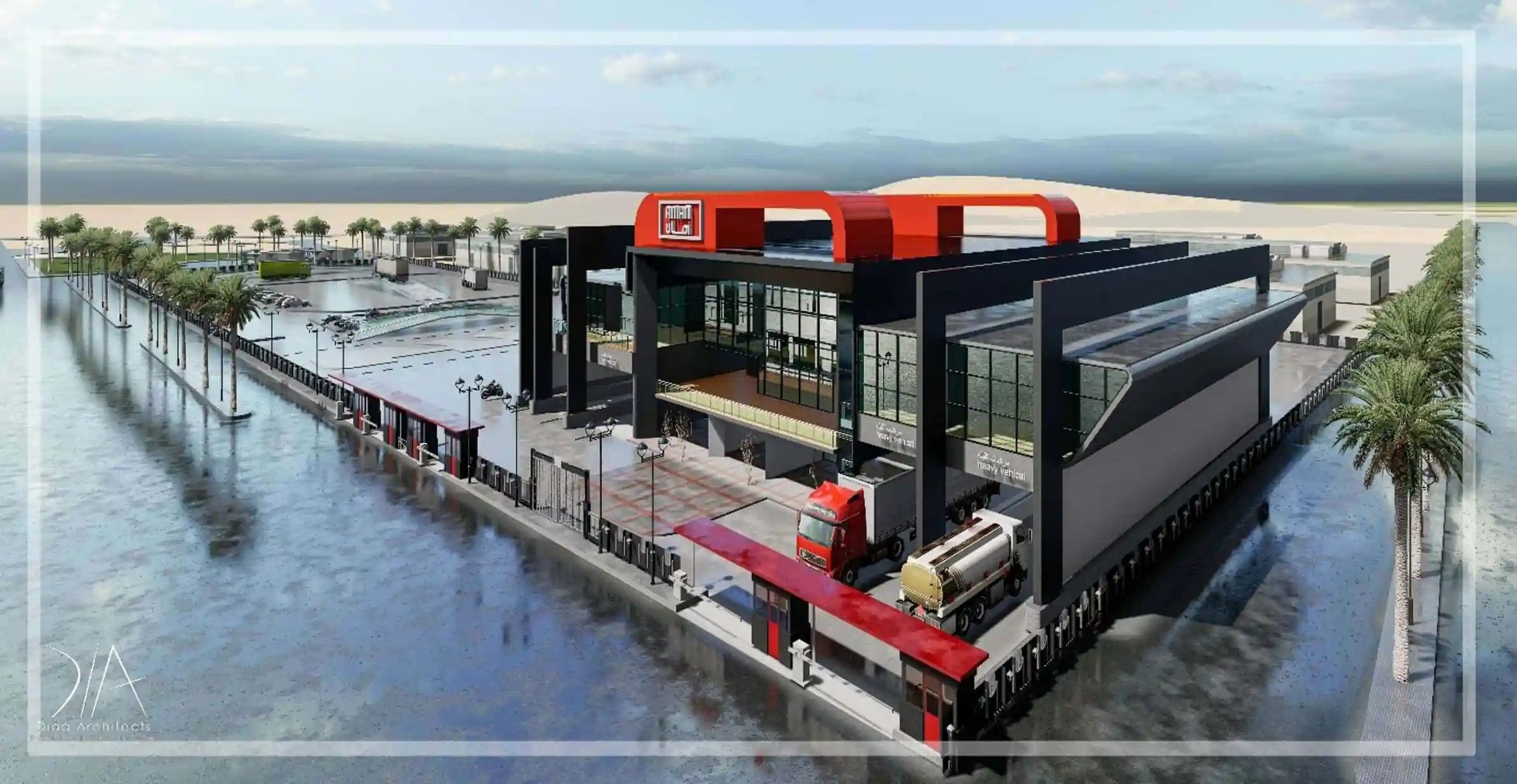
Digital Tools And Technology In Designing Modern Façades
Computational design software, building information modelling, and simulation tools have revolutionised façade engineering. Designers can now analyse performance, visualise complex geometries, and optimise every panel before construction begins, reducing errors and unlocking greater precision at every project stage.
Dr. Aly considers digital tools fundamental to his design process, as they allow for the mapping of the sun’s movement and ensure that performance directly informs geometry. He notes that simulation tools further validate daylight, shading, and thermal behaviour, while BIM ensures coordination during execution. According to him, achieving the current level of precision and environmental responsiveness would not be feasible without these technologies.
Alkhandaq states that to perform sufficient design and high-quality façades, it is essential to use good digital tools. He suggests that BIM authoring tools and parametric software modelling provide accurate, sophisticated, and well-performed designs. He also notes that these tools enhance coordination between all disciplines—which is central to façade performance—and that environmental simulation tools for thermal and acoustical design play an important role in supporting sustainability.
Hamadeh opines that digital tools are essential because they allow for early simulation of thermal performance, daylight, and energy use, helping teams make better decisions before construction. He notes that BIM improves coordination and reduces errors during execution, while digital processes on the fabrication side increase precision and consistency. Ultimately, he suggests technology helps reduce risk and ensures the façade performs as intended, not just as designed.
Morante suggests that digital tools are indispensable in modern façade design. He explains that parametric and computational tools allow for the optimisation of complex geometries for environmental performance. Furthermore, he notes that Building Information Modelling (BIM) facilitates seamless coordination, while digital fabrication technologies—such as CNC machining and robotic assembly—bridge the gap between design intent and physical production, as demonstrated by landmark projects like the Museum of the Future in Dubai.
Nikam says that technology enables the façade to function as an intelligent network. He notes that the use of BIM and digital twins allows for the monitoring of a building’s health in real-time, while integrated sensors collect data on energy performance and user interaction. According to him, this digital layer allows architectural strengths to reach further, conceiving buildings and systems—like the THRIVE façade—that previous tools simply could not realise.
Jirawat Pisitpongsa suggests that the greatest value of digital tools is “rigour, not complexity.” He notes that while it is easy to use software to create a “crazy shape,” the real power lies in the ability to test 50 variations of a shading fin in the time it used to take to draw one. He opines that technology allows designers to discard ideas that don’t hold up and move forward with the ones that actually work, asserting that digital tools should be used to prove a design’s worth, not just to make it look futuristic.
New-Generation Facades Influencing The Overall Look And Identity Of Buildings
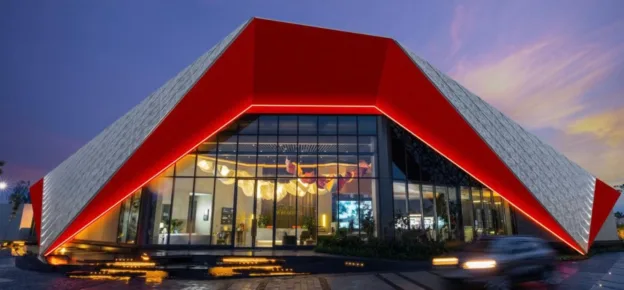
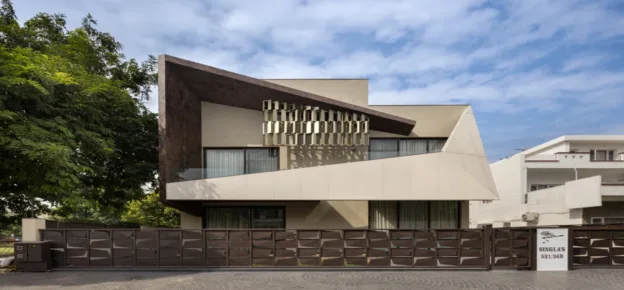
A building’s façade is its most visible statement to the world. New-generation designs use form, material, pattern, and light to craft a distinct architectural identity that communicates a structure’s purpose, values, and place within its urban context.
Dr. Aly observes that this approach gives façades a distinct identity rooted in performance. He notes that the visual language—whether horizontal lines, vertical fins, or fluid curves—is not arbitrary but derived from environmental logic. As a result, the building expresses how it interacts with the sun and its context, creating a dynamic architectural identity that changes throughout the day as light and shadow shift across the façade, making the building feel more alive and connected to its surroundings.
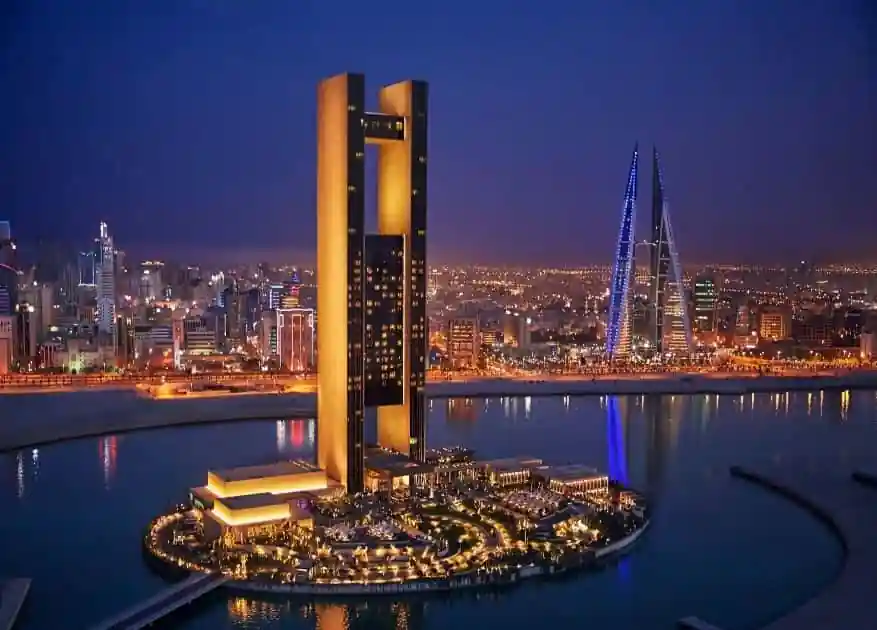
Alkhandaq suggests that new-generation façades influence buildings by ensuring a visual identity based on both architectural and performance bases. He notes that architects are now, more than ever before, able to make unique and well-working designs. Since the façade is no longer static but reflects the cultural context of the geo-location, he opines that there is a gradual increment in landmark projects. Hamadeh opines that façades are now defining identity. He suggests that the move toward minimal, clean design reflects both aesthetic preference and performance requirements, where large glass areas, slim profiles, and precise detailing create a more refined look. At the same time, he notes that performance constraints—like shading and thermal control—shape the design, leading to more “honest architecture” where the appearance is closely linked to how the building actually functions.
Morante suggests that new-generation façades significantly influence architectural identity by enabling complex geometries, dynamic systems, and material expression. Through parametric design and advanced fabrication, he notes that façades can achieve intricate patterns and responsive elements that reflect environmental conditions or cultural narratives. According to him, the façade becomes a key medium for storytelling, conveying both functional performance and aesthetic intent, often defining the visual signature of a building and transforming it into a recognisable landmark.
Nikam says the identity of a building is being redefined through the interaction between the façade and its environment. He notes that the appearance of a building is no longer fixed; it changes with the seasons and the growth of integrated vegetation. From the inside, he suggests the façade is no longer a barrier but an accessible layer used for social interaction and gardening. Consequently, he opines that the building’s identity is not defined solely by the architect but continues to evolve through community participation and environmental change.
Jirawat Pisitpongsa suggests that the façade is no longer allowed to be neutral. He notes that it is expected to say something about the organisation inside, the neighbourhood it faces, and the values the building intends to hold. He concludes that “the wall has become the argument,” serving as a public declaration of intent where the way a building looks and how responsibly it performs are no longer separate conversations.
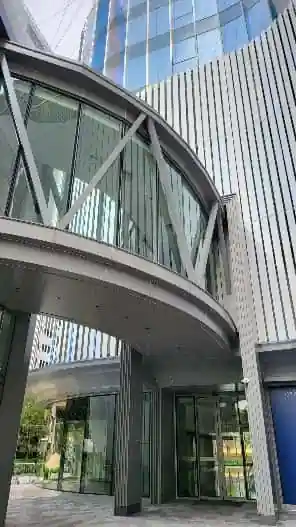
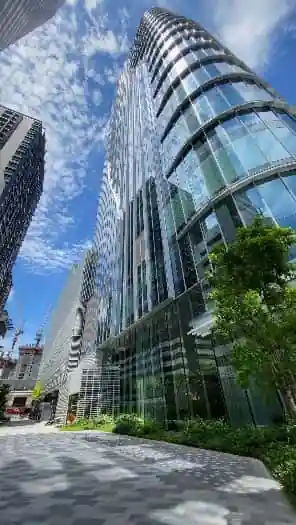
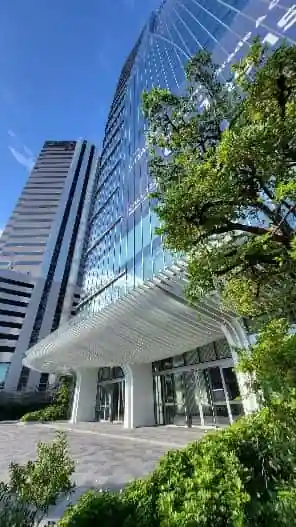
Facades In The Next Few Years
The coming years will bring façades that generate energy, self-repair, and adapt in real time to changing conditions. As sustainability demands and digital innovation accelerate, the building envelope will become smarter, greener, and more architecturally expressive than ever before.
Dr. Aly predicts that façades will increasingly evolve into adaptive systems shaped by data and environmental intelligence. He notes that parametric design will become more refined, allowing façades to respond in real time or through highly optimised static configurations. According to him, we will see more integration between shading, energy generation, and material performance, resulting in a future façade that is not only following the sun but is precisely calibrated to it to achieve a balance between efficiency, comfort, and architectural expression.
Alkhandaq suggests that the future of façades is smart, adaptive, and sustainable. He opines that we will see an increment in incorporating automation and using AI tools to ensure the visual look and optimise performance. He notes that materials will become lighter, have lower emissions, and be more environmentally friendly, marking a significant move from passive elements to active systems.
Hamadeh suggests that façades will become more adaptive and more integrated. He notes that they will increasingly respond to environmental conditions, adjusting shading and performance throughout the day. He also expects closer integration with energy systems and smart controls. Visually, he suggests designs will likely become even simpler, with more focus on durability and long-term performance, driven by regulations around energy and safety that continue to push higher standards.
Morante foresees façades in the near future being increasingly adaptive, data-driven, and energy-generating. He notes that the integration of smart materials and sensor-based systems will enable real-time response to environmental conditions to optimise thermal and visual performance. He suggests that Building Integrated Photovoltaics (BIPV) will become more prevalent, turning façades into active energy contributors. Additionally, he opines that advances in digital fabrication will allow for mass customisation, and artificial intelligence may play a role in predictive performance optimisation, resulting in façades that are anticipatory in their behaviour.
Nikam says that in the near future, façades will become simpler in construction yet more advanced in performance. He suggests they will be modular, reusable, and designed for a circular, low-carbon lifecycle. According to him, buildings will generate, store, and share energy through integrated façade systems using advanced technologies for electrical and thermal storage. He notes that biodiversity and ecological integration will become standard, and most importantly, façades will be increasingly user-driven, functioning as evolving systems that combine environmental, technological, and social roles.
Jirawat Pisitpongsa opines that the next few years will be characterised by less speculation and more accountability. He notes that the conversation is shifting from what façades can do to what they must do, driven by net-zero targets and embodied carbon reporting. He expects to see more rigour around performance outcomes and systems designed with disassembly in mind. Ultimately, he suggests the façade is becoming simultaneously a visual landmark and a public declaration of environmental intent, where how a building looks and how responsibly it performs are no longer separate conversations.
Conclusion
The new-generation façade represents architecture’s most compelling evolution—From aesthetic wrapper to intelligent performer. As the conversations with our experts reveal, the convergence of parametric design, advanced materials, digital tools, and sustainability imperatives is producing façades that think, adapt, and generate rather than simply enclose. Whether responding to the sun’s path, integrating energy systems, or expressing cultural identity through honest materiality, today’s façades carry far greater responsibility than ever before. Looking ahead, the trajectory is clear: façades will grow smarter, leaner, and more accountable, shaped by net-zero commitments and community values alike. The wall, as one expert aptly noted, has become the argument—and it is one the built environment can no longer afford to make quietly.