
Post Date: April 22, 2026 |
Last Edited: April 22, 2026
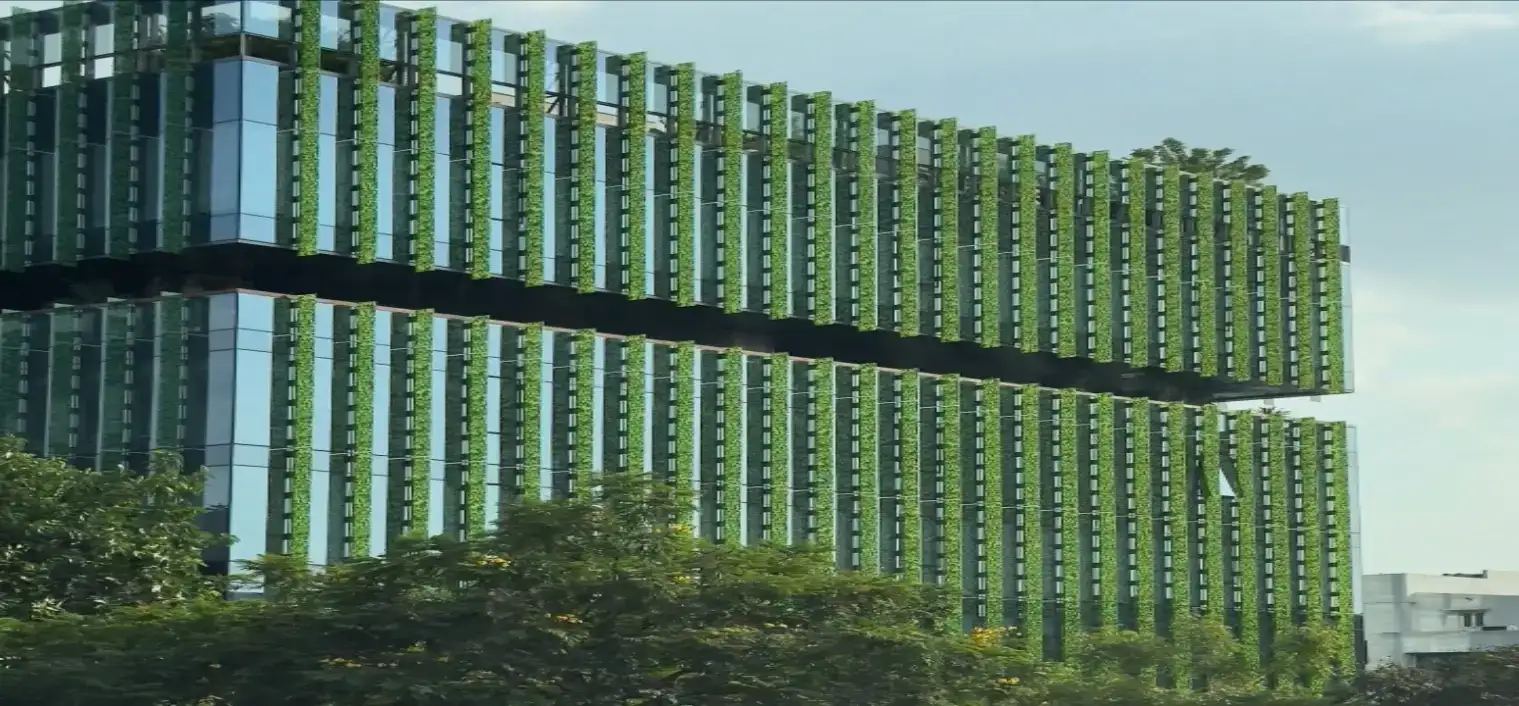
In contemporary architecture, façades and fenestration define far more than a building’s exterior – they shape its performance, sustainability, and emotional connection with its surroundings. The pursuit of design efficiency is no longer about achieving minimalism in form, but about maximising value through intelligent material selection and integration.
From Expression To Efficiency
The modern façade is an evolving ecosystem. Where aesthetics once dominated, performance now takes centre stage. A façade must insulate, breathe, illuminate, and protect – all while maintaining elegance. Achieving this balance requires not just design intent, but a deep understanding of how materials behave in unison.
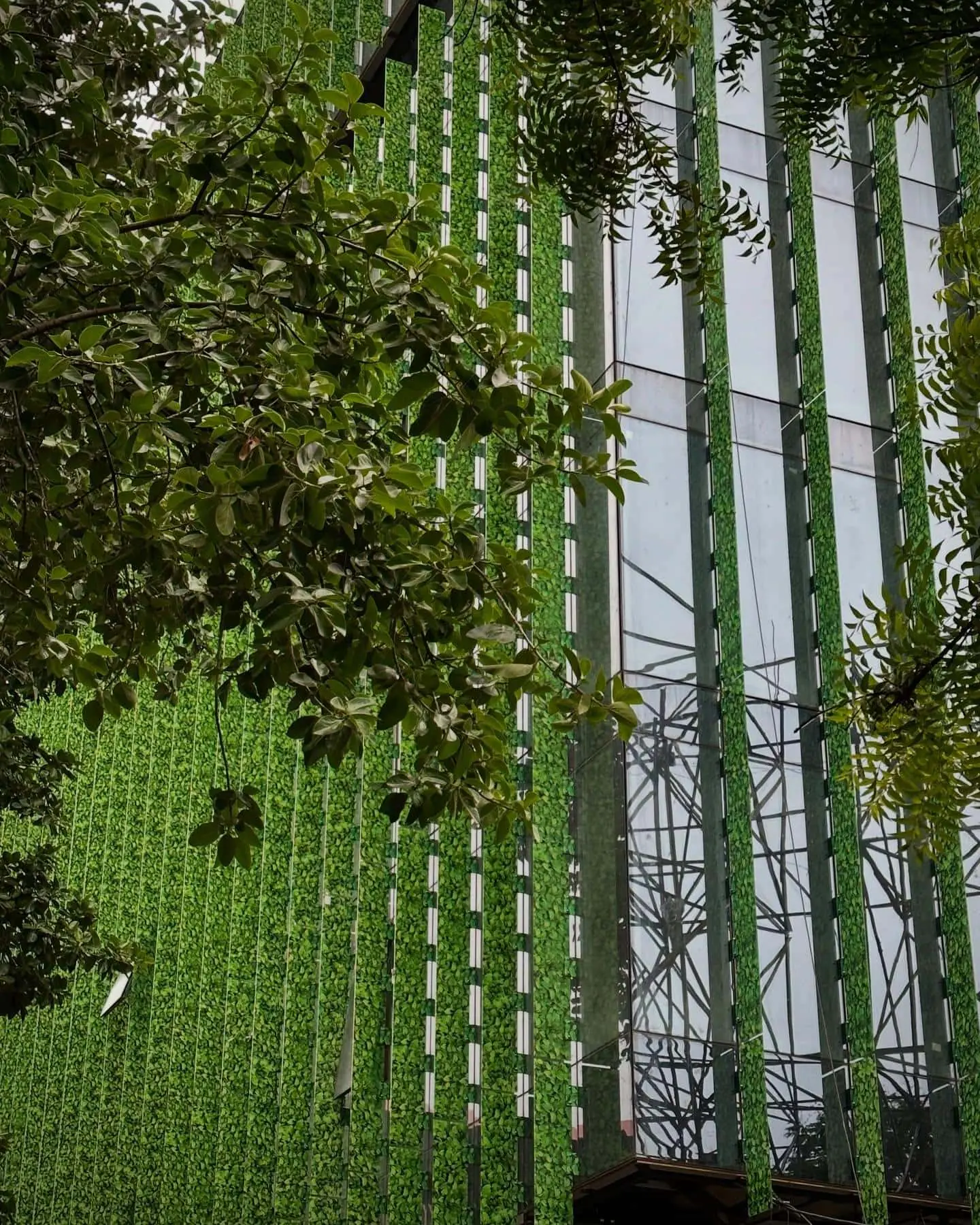
Glass, metal, and composites are no longer isolated components; they are part of a system that interacts dynamically with its environment. Glass allows for transparency and the passage of light. Aluminium provides adaptability and strength with reduced weight. Steel delivers structural reliability for large spans and slender frames. Together, they create building skins that are responsive, resilient, and refined.
Material Intelligence And Integration
The success of a façade lies in how materials complement one another rather than compete. True efficiency emerges when designers and engineers explore the synergy between materials, understanding their physical, thermal, and optical behaviours.
The combination of high-performance glass, thermally broken aluminium systems, and precision-engineered steel frames, for instance, can achieve optimal energy savings while enhancing visual continuity. Efficient design also means thinking beyond the façade – incorporating shading systems, operable elements, and adaptive technologies to respond to climatic variations.
Collaborative Design Thinking
No single discipline can achieve design efficiency alone. It requires collaboration – architects envision, engineers calculate, and material specialists translate ideas into tangible solutions. Early coordination between these teams often determines whether a façade will simply stand or truly perform.
The most successful projects are those where design intent, fabrication expertise, and installation precision align seamlessly. This integrated approach reduces material waste, shortens timelines, and ensures the façade’s performance remains consistent throughout its lifecycle.
Sustainability Through Smart Design
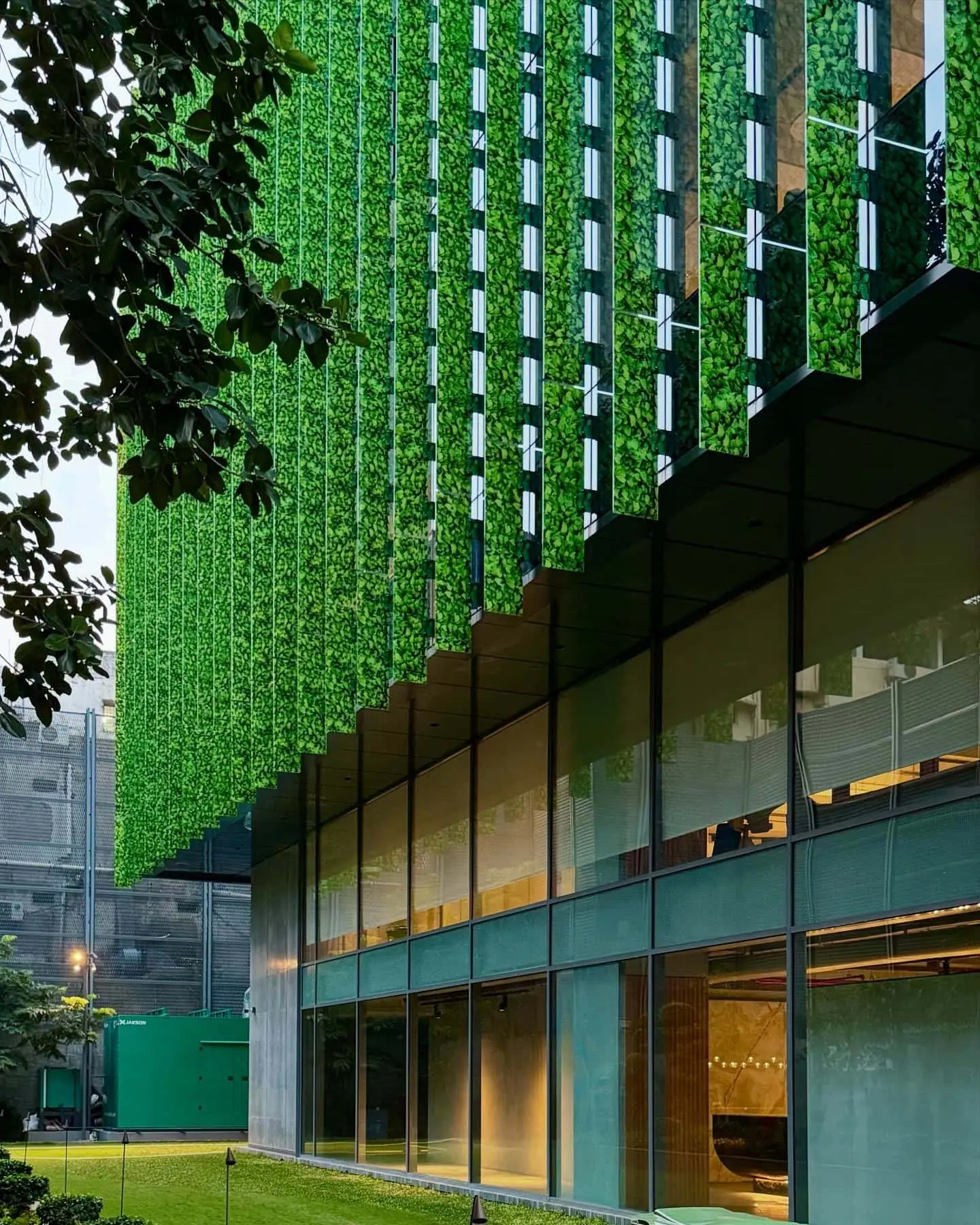
In an age defined by climate awareness, efficient façades contribute directly to sustainable development. Smart fenestration reduces energy consumption by managing heat and daylight. Recyclable materials such as glass and aluminium promote circularity. Design efficiency, therefore, extends beyond construction – it influences long-term environmental impact.
Sustainability also involves lifecycle thinking, considering maintenance, recyclability, and adaptability. A well-designed façade should not only serve today’s needs but also remain relevant as technologies and environmental standards evolve.
The Road Ahead
The next era of facade and fenestration design will be defined by integration and intelligence. Responsive materials, kinetic façades, and energy-generating surfaces are emerging at the intersection of architecture and technology. Yet, as innovation accelerates, the timeless principles of efficiency remain grounded in simplicity, precision, and purpose.
Design efficiency is not just about doing more with less – it is about doing things right with intent. When materials, technology, and human vision converge, architecture transcends performance to achieve poetry.
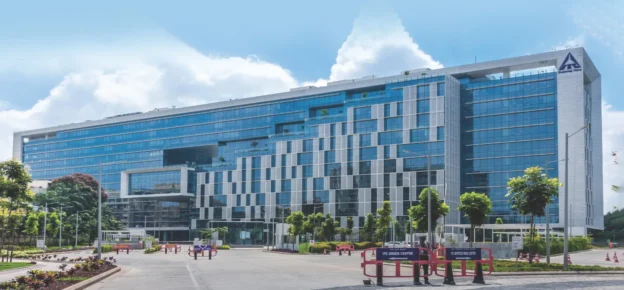
| Case Study – Kaveri Seeds Headquarters – Hyderabad – India |