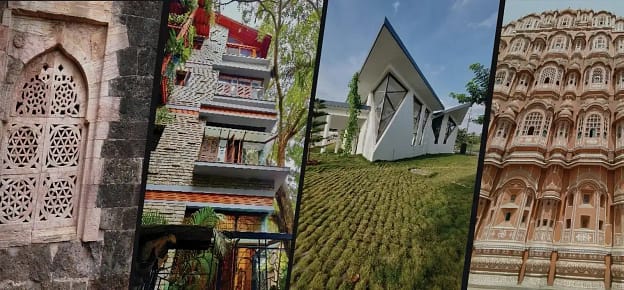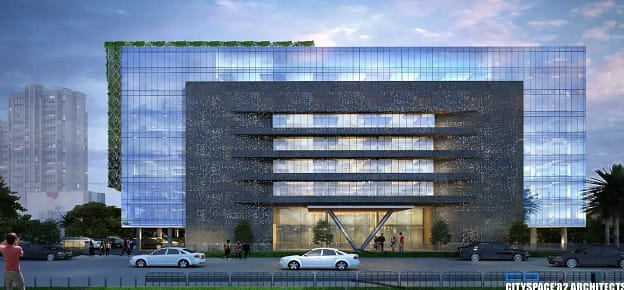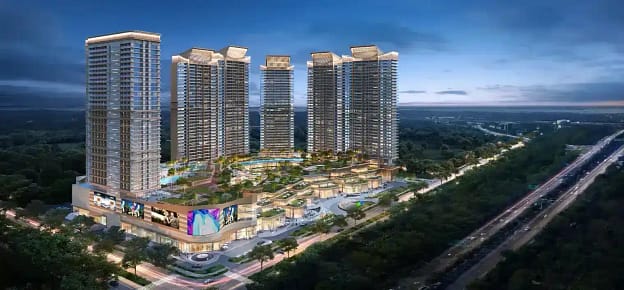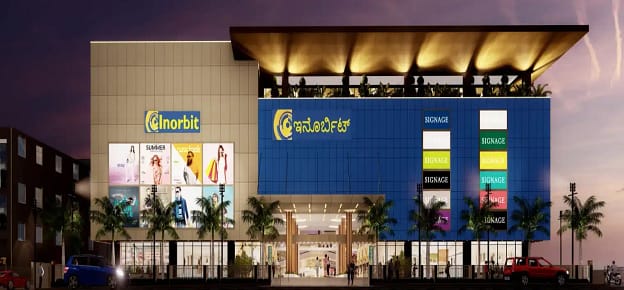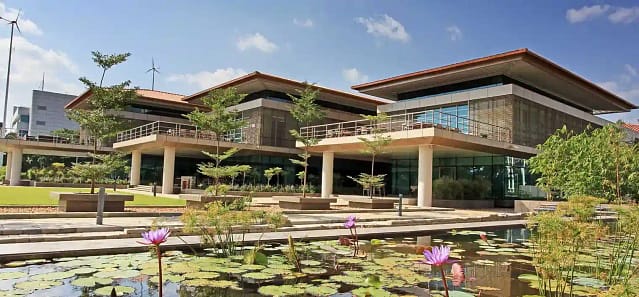



Architecture has always been more than the act of constructing buildings; it is the material expression of human thought, culture, and aspiration. Among its many elements, the façade occupies a unique place. Literally, it is the outer skin of a building – the interface between interior and exterior, between private and public. Metaphorically, it echoes the human condition itself, for we, too, construct façades: the ways we present ourselves to the world, the choices we make about what to reveal and what to conceal.
The Façade As Persona

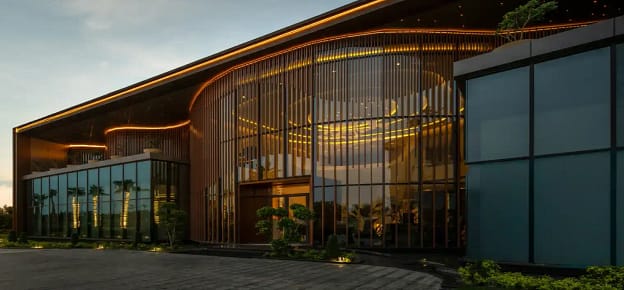
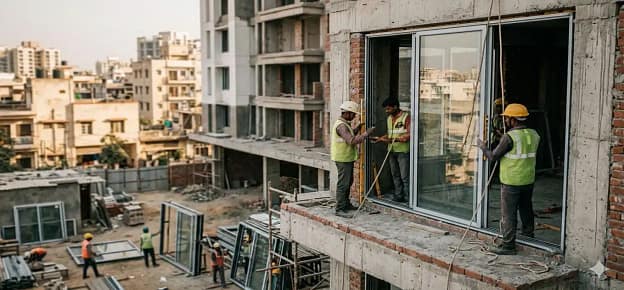
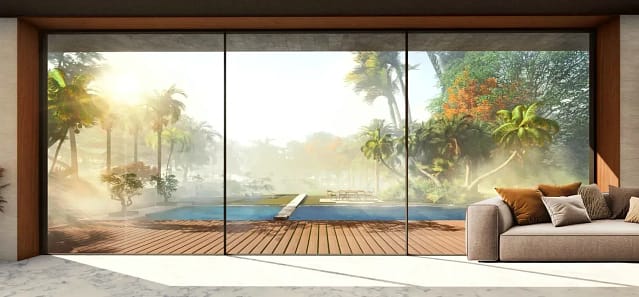
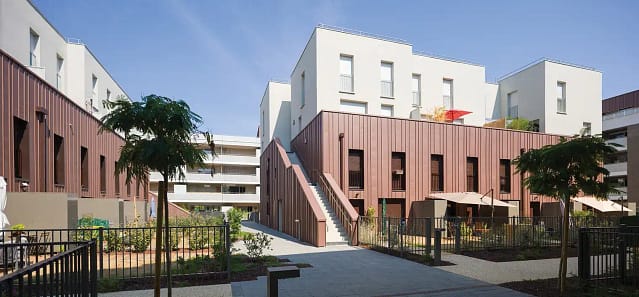
In philosophy and psychology, the “persona” is the mask we wear to navigate social life. It is not inherently false, but rather a necessary mediation between inner reality and outer expectation. Likewise, a building’s façade is not merely a decorative front; it is a negotiator between the structure’s function and the environment in which it exists. A glass curtain wall in a dense city is as much about openness and dialogue with its surroundings as it is about enclosure. A modest brick wall in a quiet neighbourhood tells a different story – one of rootedness, humility, and endurance.
When façades become excessively ornamental, however, they risk becoming disingenuous – like individuals who hide behind elaborate pretences. In both architecture and life, there is a moral dimension to this: honesty matters. Just as we value authenticity in people, we value buildings that are truthful to their structure, material, and purpose.
Honesty In Architecture
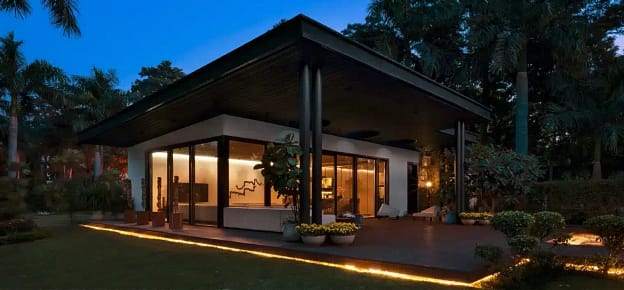
An honest façade does not conceal but reveals. It reflects the logic of the building rather than disguising it. The exposed concrete of Brutalism, the skeletal steel of Modernism, or the untreated timber of vernacular houses – each asserts a kind of architectural candour. These buildings communicate not with ostentation but with clarity: This is who I am, and this is how I stand.
Such honesty aligns with the principle that “less is more,” a dictum famously championed by Ludwig Mies van der Rohe. To strip away the unnecessary, to avoid the temptation of excessive ornament, is not to diminish beauty but to refine it. This restraint is not only an aesthetic philosophy but also a sustainable one: fewer materials wasted, fewer resources consumed, more integrity preserved.

The Ethics Of “Less Is More”
Minimalism in design parallels integrity in personality. Just as an individual who lives simply and truthfully is more resilient to the pressures of pretence, so too a building designed with restraint is more enduring and sustainable. A façade that arises from functional necessity – shading devices responding to climate, openings aligned with natural ventilation, materials sourced locally – becomes beautiful precisely because it is authentic.
In a time when sustainability is not just a choice but a necessity, façades that are performative rather than purely decorative embody ethical responsibility. They provide insulation, filter light, harvest energy, and connect inside and outside without unnecessary excess. Here, function becomes form, and form becomes beauty.

The Façade As An Ethical Mirror
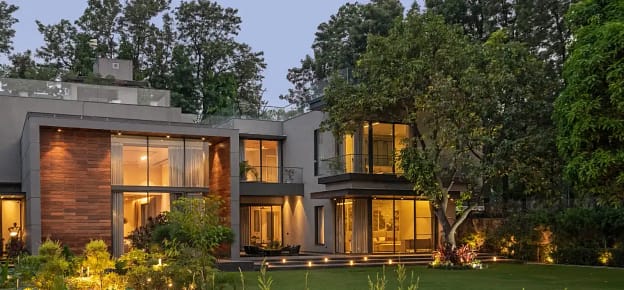
When we stand before a building, we are, in a sense, standing before a personality. We read its façade as we read a face – looking for honesty, coherence, and depth. A façade that is truthful to its materials and function resonates with us, just as an authentic person does.
Perhaps the ultimate lesson is this: architecture, like human character, flourishes in sincerity. The façade should not be a mask, but a mirror – revealing rather than concealing, speaking rather than posturing. And in embracing the principle of “less is more,” both architecture and humanity move towards sustainability, clarity, and truth.

The façade, in whichever language, should allow communication between its inside and the world outside. And when this communication creates a rhythm, it forms a soulful rendition by itself. Through fenestration rhythms, one can visualise how spaces are organised, where people gather, and how daylight enters. Shading devices, perforated screens, and louvres are not merely technical solutions but expressions, telling us how the building breathes in response to sun, wind, and climate. Just as in human communication, the words spoken by the façade – if minimal and crisp – would convey the design and the function in the best possible way.