
In contemporary architecture, façades are no longer mere enclosures; they define how a building performs, sustains itself, and endures over time. Yet, one of the most overlooked aspects of the building envelope remains the timing of façade consultant engagement. Too often, façade specialists are brought on board post-design phase, or worse, when the façade contractor is appointed. By then, opportunities for cost optimisation, material rationalisation, and performance alignment are already lost.
As someone who has worked across complex façade projects for over a decade, I’ve seen firsthand how involving façade consultants from the earliest design stages transforms outcomes. The façade can account for up to 25% of a building’s total construction cost, but its influence extends far beyond budget. It affects daylighting, thermal comfort, acoustics, energy consumption, and long-term maintenance.
Early collaboration with stakeholders not only refines design outcomes but also significantly saves time and cost, often improving project efficiency.
“Engage early, and the façade works for you. Engage late, and you work for the façade.”
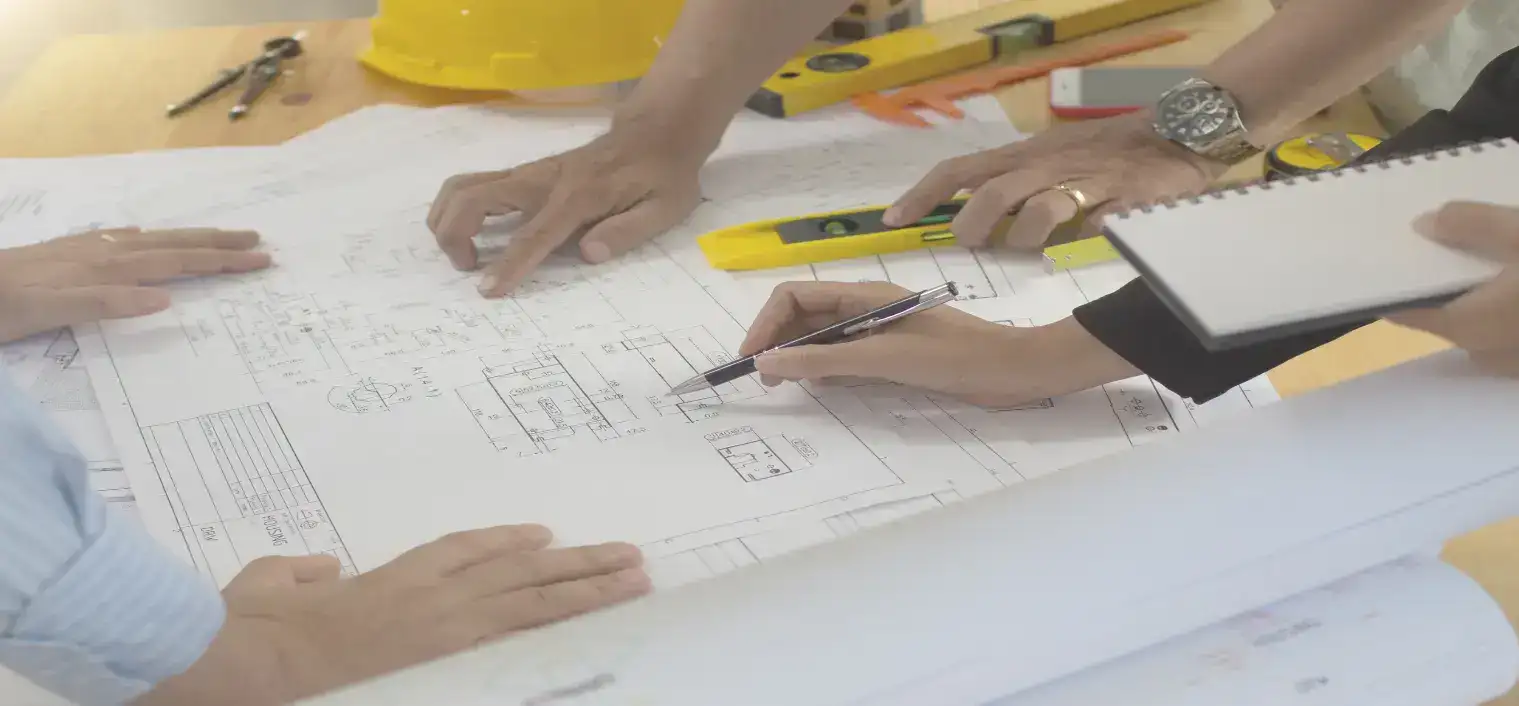
Bringing the façade consultant to the table early helps to validate concepts for constructability, performance, and compliance.
Why Early Engagement Matters
Early design stages – concept, schematic, and design development- define a project’s direction. Choices related to glazing type, frame systems, shading devices, and structural support are made here. A façade consultant’s role is to translate the architectural vision into technical feasibility, ensuring design intent aligns with performance, minimum compliance requirements, and constructability.
When consultants join the team early, they can:
- Evaluate design concepts for thermal and structural performance before finalisation.
- Guide the selection of system types-unitised, stick-built, or hybrid-based on building typology and installation constraints.
- Identify risk factors such as complex geometry, inaccessible maintenance zones, or high wind-load areas.
- Recommend façade strategies that reduce material waste, rework, and delays later in the project.
In façade design, timing is everything. Engaging consultants early can be the difference between visionary architecture and costly compromise.
Optimising Value Through Correct Façade Specifications
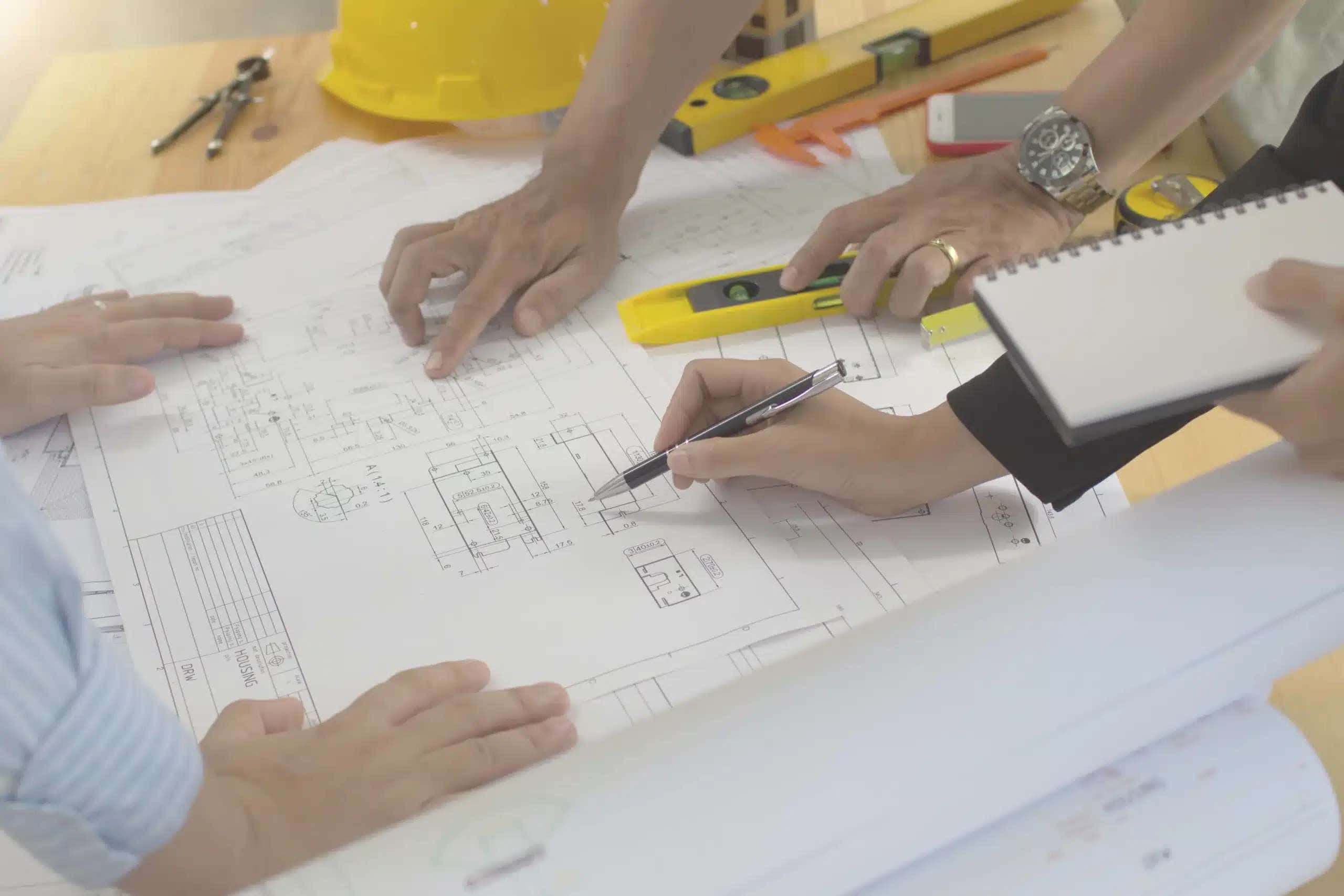
Value engineering in façade design is often misunderstood as a process of cutting costs. In reality, it’s about enhancing performance and constructability while ensuring long-term reliability. The key lies in defining accurate façade specifications early in the design process.
A well-prepared façade specification governs everything, from selecting the right system type (stick, semi-unitised, or unitised) to identifying suitable materials, coatings, and performance parameters. These choices should always be driven by the project’s architectural intent, building height, local climate, and installation constraints, rather than budget considerations alone.
When façade consultants are involved early, they help architects and developers arrive at specifications that are fit for purpose.
Turning Design Vision Into Engineering Reality
Architectural creativity and engineering accuracy must work in tandem. Early façade consultancy bridges this gap by translating design intent into technically viable systems.
When complex geometries or curved envelopes are proposed, façade consultants use parametric tools to assess feasibility, structural behaviour, and fabrication methods. Even subtle refinements, like optimising mullion spacing or adjusting panel dimensions, can preserve design integrity while streamlining production and installation.
The earlier this collaboration occurs, the smoother the transition from concept to construction becomes. Early façade design reviews prevent rework and ensure the creative vision remains both achievable and efficient.
Collaboration Is Key
The building envelope interfaces with multiple building elements, making collaboration essential.
Façade collaboration fosters a multidisciplinary approach in which façade consultants work alongside architects, structural engineers, and sustainability experts to create solutions that are integrated, not isolated.
When façade consultants participate in early coordination meetings, they define clear interface details, tolerance zones, and load paths that integrate seamlessly with the building envelope. This early clarity minimises site conflicts and change orders, ensuring faster progress through tendering, fabrication, and installation.
“True façade collaboration is multidisciplinary, uniting architecture, structure, and building physics into one coherent system.”
Driving Energy Efficiency And Environmental Performance
In modern architecture, façades act as environmental regulators. Early engagement helps the project to analyse solar orientation, daylighting, and heat gain/loss to determine the optimal mix of glazing ratios, shading devices, and ventilation systems.
Energy modelling and daylight simulations enable data-driven decisions that reduce HVAC loads and improve occupant comfort. Such proactive analysis is vital for meeting sustainability standards, such as LEED, IGBC, and GRIHA, ensuring façades perform as well as they look.
De-Risking Projects Through Early Technical Validation
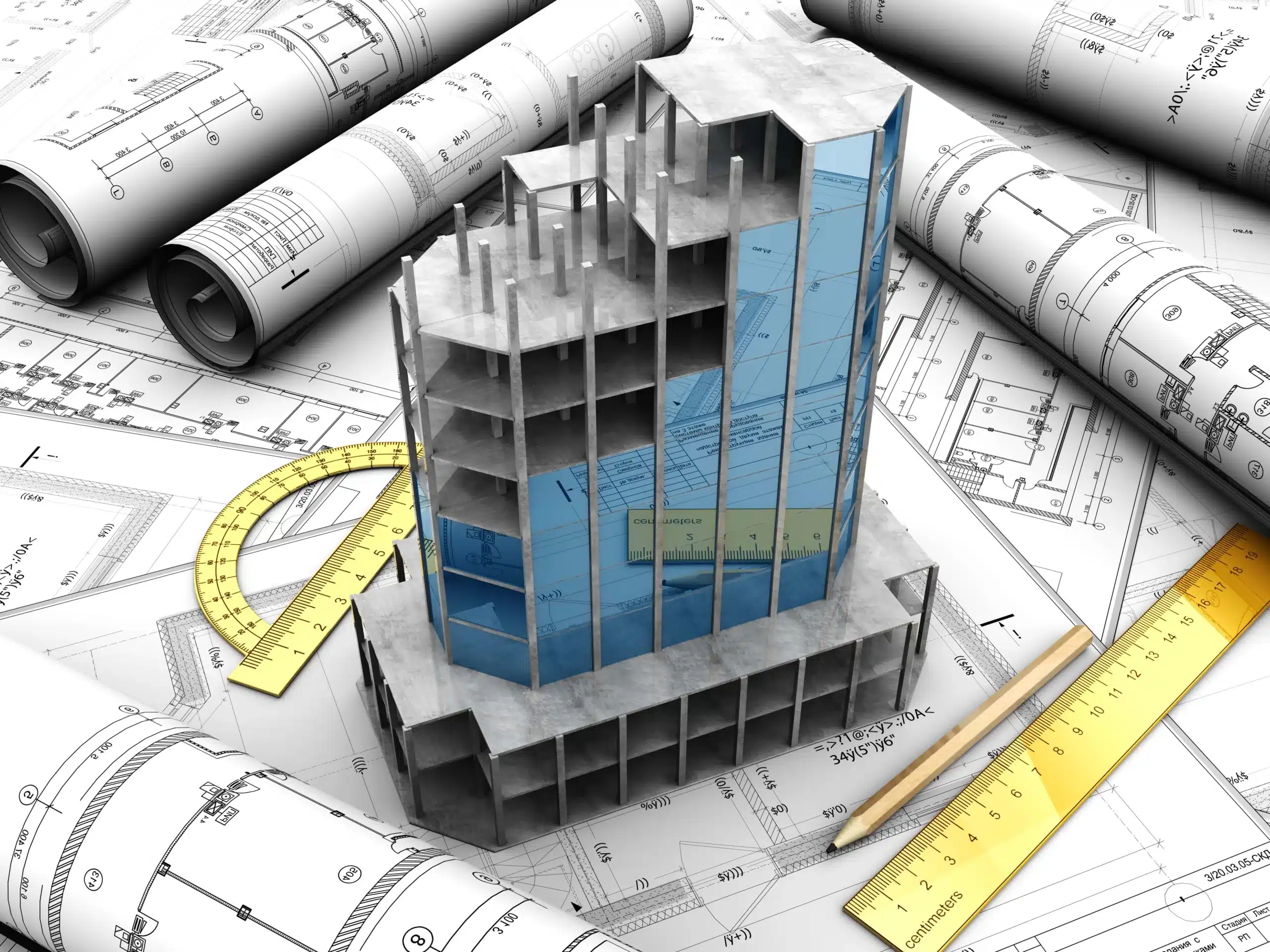
Façade systems involve multiple materials, sealants, anchors, and movement joints, each with potential points of failure. Early façade consultancy enables technical vetting of design concepts through structural analysis, thermal modelling, and system mock-ups.
Compliance with codes such as EN, ASTM, and IS can be validated before tendering, avoiding costly redesigns and on-site corrections. This foresight not only saves time but also significantly reduces the likelihood of post-construction defects.
The façade consultant serves as a bridge between the architect’s vision and the fabricator’s capability. This collaboration doesn’t limit creativity; it empowers it through informed technical decision-making.
During the concept and design phase, Nexivaa’s involvement often includes developing conceptual façade strategies and providing input on wind-load calculations, structural loads, façade performance, building physics, build-up material thermal breaks, drainage, and movement joints, key aspects integral to both design integrity and safety.
In projects with complex geometries or high-performance façades, such as double-skin or ventilated systems, early involvement becomes indispensable. Consultants can digitally model, test, and coordinate fabrication methods well before physical prototypes are produced.
A Strategic Advantage For Developers And Architects
Engaging façade consultants early is not an added expense; it is a strategic investment. It empowers design teams to make informed decisions, avoid pitfalls, and deliver buildings that are beautiful, functional, and cost-effective.
Today’s façade consultants bring cross-disciplinary expertise spanning building physics, materials science, and computational modelling. They ensure compliance with ECBC, ASHRAE, and EN standards, and guide projects toward LEED or IGBC certification through façade performance analysis.
This integration of art, engineering, and regulation defines the modern façade design process.
Looking Ahead: The Consultant’s Expanding Role
The future of façade design lies in data-driven, performance-led engineering. With advances in parametric modelling, BIM, and digital fabrication, façade consultants now shape not just design outcomes but the entire project workflow, from ideation to delivery.
Early-stage façade engineering isn’t a cost; it’s an investment in predictability, performance, and precision. As the Indian façade and fenestration industry matures, the shift towards early consultant involvement will define project success. This collaborative approach could save millions in rework and accelerate the adoption of sustainable building envelopes.